
Ever look at your room and feel like something is missing, but you can’t tell what? I’ve seen this happen a lot: you move things around, add new items, and still the space doesn’t feel right. It often comes down to a lack of clear direction, not effort.
Learning how to decorate a room is less about style and more about following the right steps in the right order. Once you understand that, everything starts to make sense.
You’ll learn how to plan your space, arrange things properly, and build a room that feels balanced, useful, and easy to enjoy every day.
What Actually Makes a Room Look Well-Decorated?
A room looks well put together when everything works as a whole, not just when it has expensive items. You don’t need costly furniture or fancy pieces.
What matters more is how each part fits together and supports the way you use the space. Five principles drive this.
- Functionality comes first: your room should match your daily needs.
- Layout comes second: everything should feel easy to move around.
- Color harmony is third: your colors should feel planned, not random.
- Layering is fourth: use lighting, fabrics, and decor to add depth.
- Finally, personality ties it together: your space should reflect your life and choices.
Step 1: Define the Purpose of the Room
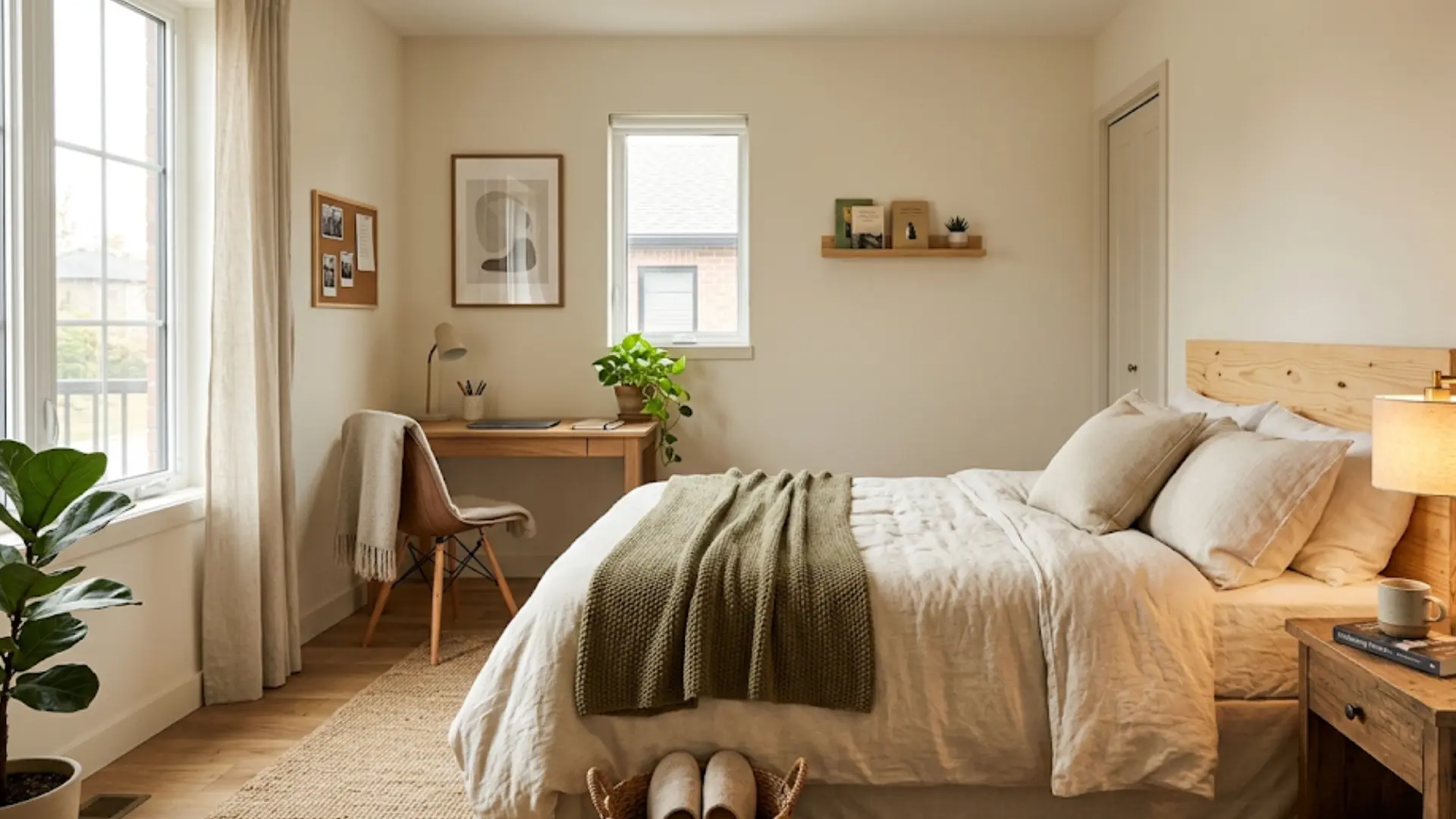
Before you think about how your room looks, you need to decide how it will be used. A room that works well always starts with function. If the space doesn’t support your daily needs, even good decor won’t feel right.
Ask yourself a few simple questions. What will you use this room for? Who will spend time here? What activities will happen in this space each day? These answers guide every choice you make later.
For example, a bedroom meant for rest should feel calm and simple. A work setup needs good lighting and a clear desk area. A shared space should allow easy movement and seating.
Once the purpose is clear, every next step becomes easier.
Step 2: Choose Your Style & Gather Inspiration
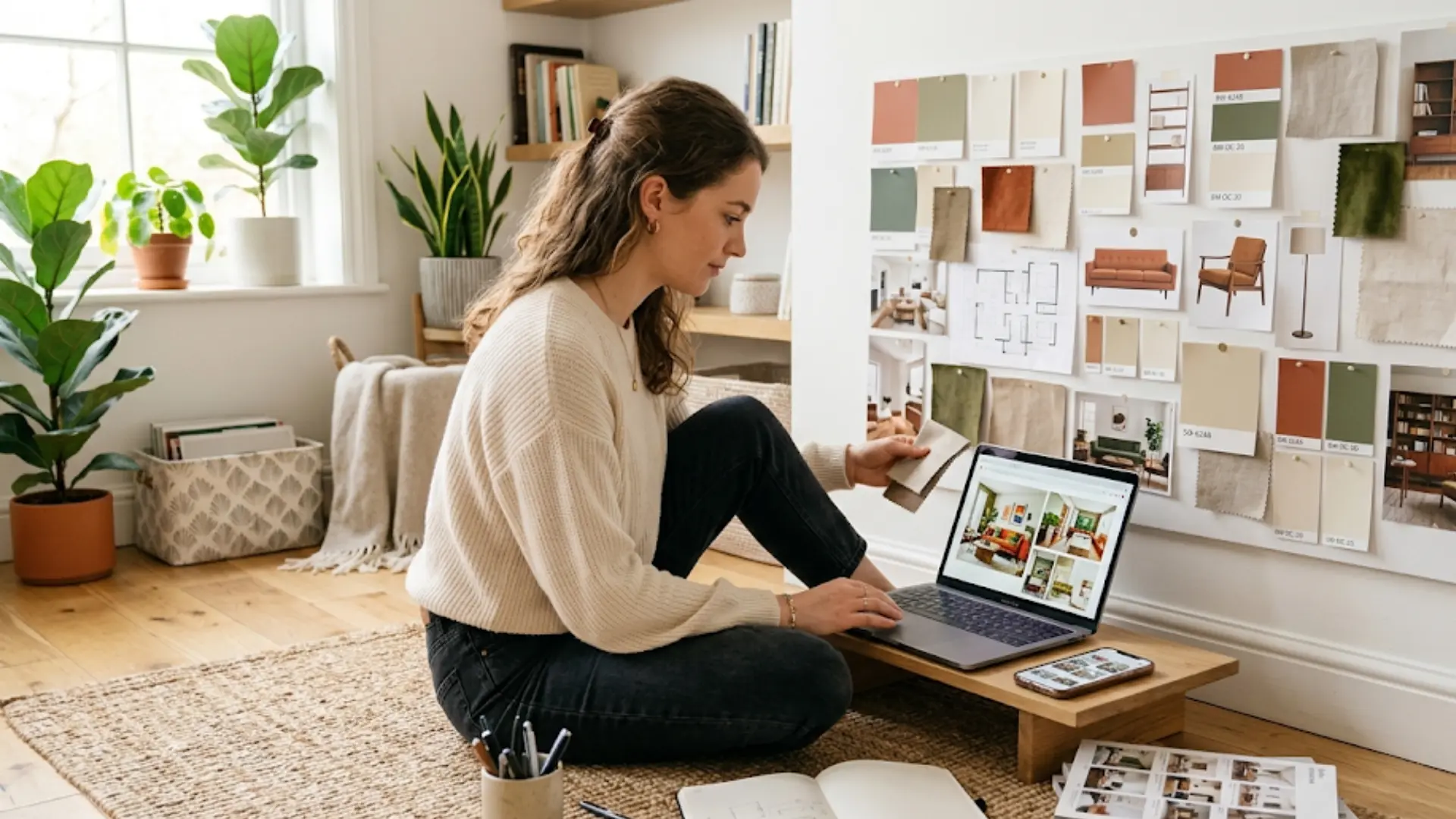
Start by picking a simple style direction so your room feels consistent and not random.
Pick a Style That Matches Your Lifestyle
Your style should fit how you live, not just how something looks online. If you like clean spaces, go for a simple setup with fewer items. If you enjoy comfort, add soft fabrics and warm tones.
Don’t try to copy everything you see. Focus on what feels right for your daily routine. This helps you avoid buying things that don’t work later and keeps your room easy to manage over time.
Collect Ideas Before You Start Buying Anything
Before buying anything, take time to gather ideas from different places. Look at rooms you like and notice patterns in colors, furniture, and layout. Save a few examples so you can compare them later. This helps you see what you prefer instead of guessing.
When you collect ideas first, you avoid random choices and build a clear direction that keeps your room looking planned and connected.
Step 3: Measure Your Space & Plan The Layout
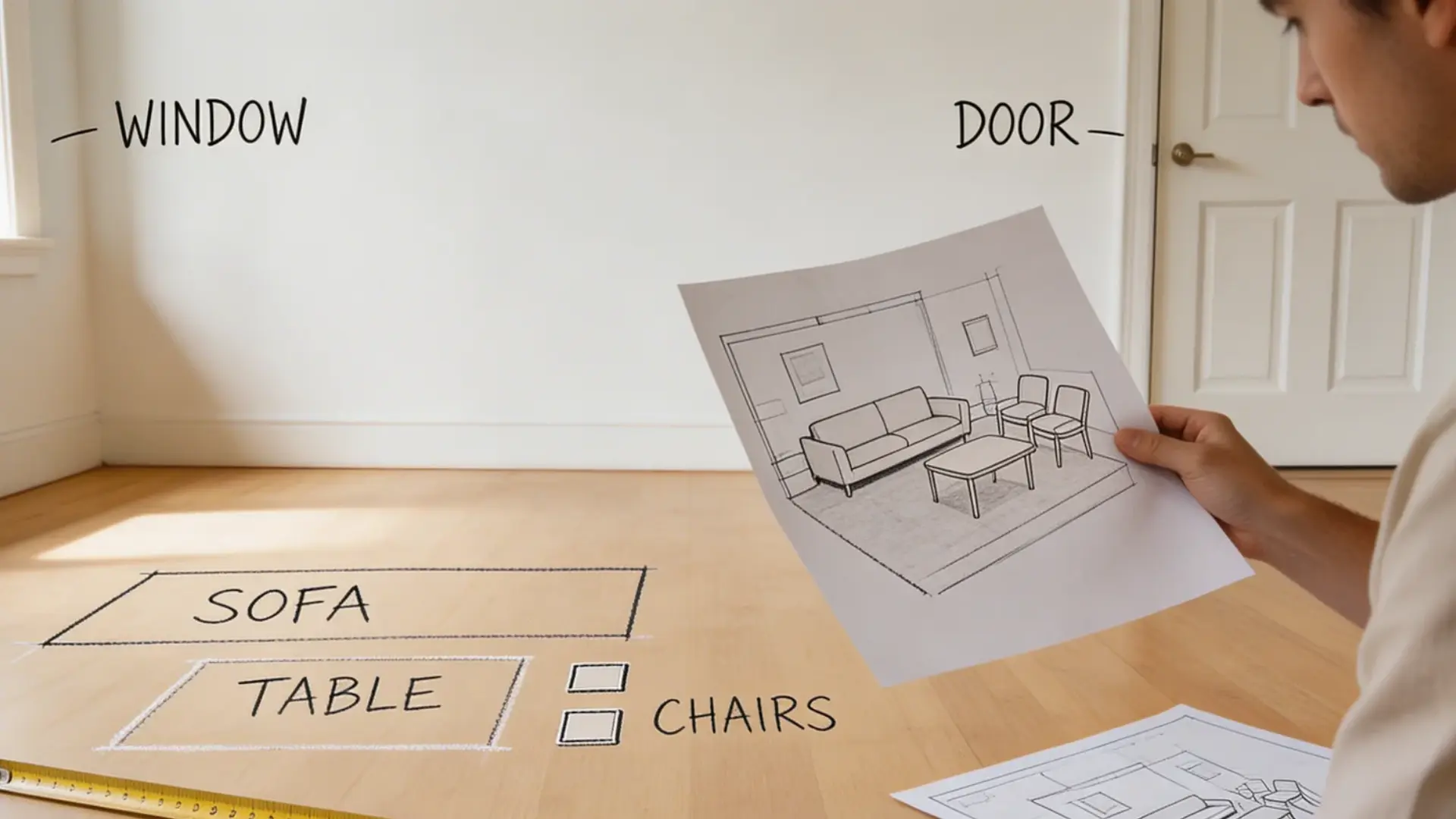
Measuring your room first helps you avoid mistakes and keeps your space easy to use.
- Measure room length and width
- Check wall space for furniture
- Mark windows, doors, and outlets
- Plan where the main furniture will go
- Keep a clear walking space
- Avoid random placement
- Focus on balance and flow
This step makes everything fit better and helps your room feel comfortable, not crowded or hard to move in.
Step 4: Pick a Focal Point (Anchor Piece)
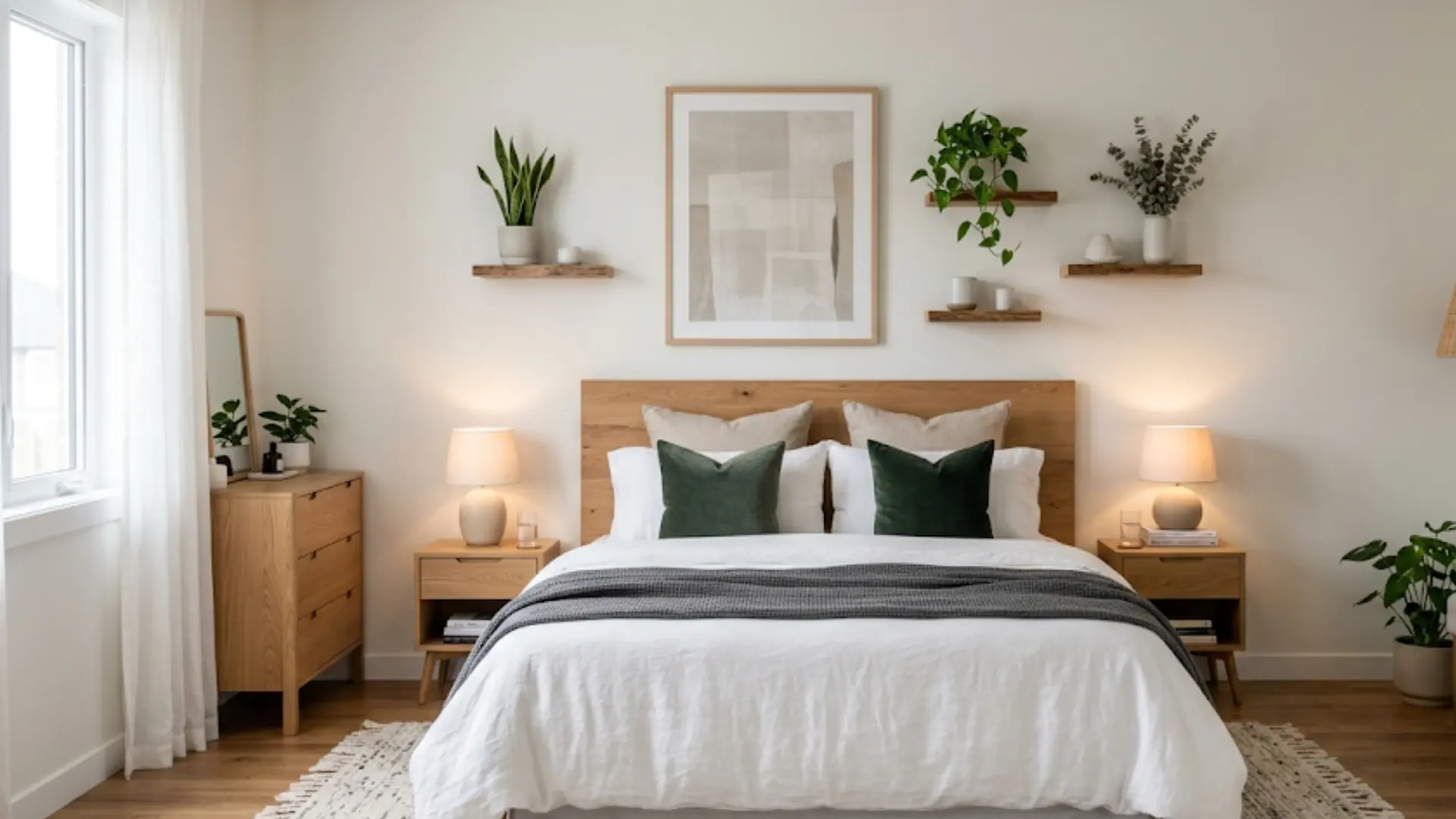
A focal point is the main item your eyes notice first when you enter the room. It helps give your space direction and keeps everything from feeling random. This can be a bed, sofa, desk, or even a large piece of wall art.
Place your focal point in a spot that feels natural, usually against the main wall or facing the entrance. Once this piece is set, arrange the rest of your furniture around it. This makes the room feel organized instead of scattered.
A strong focal point holds the whole design together. It gives your room a clear center, making every other item feel like it belongs.
Step 5: Choose a Color Palette (Use The 60-30-10 Rule)
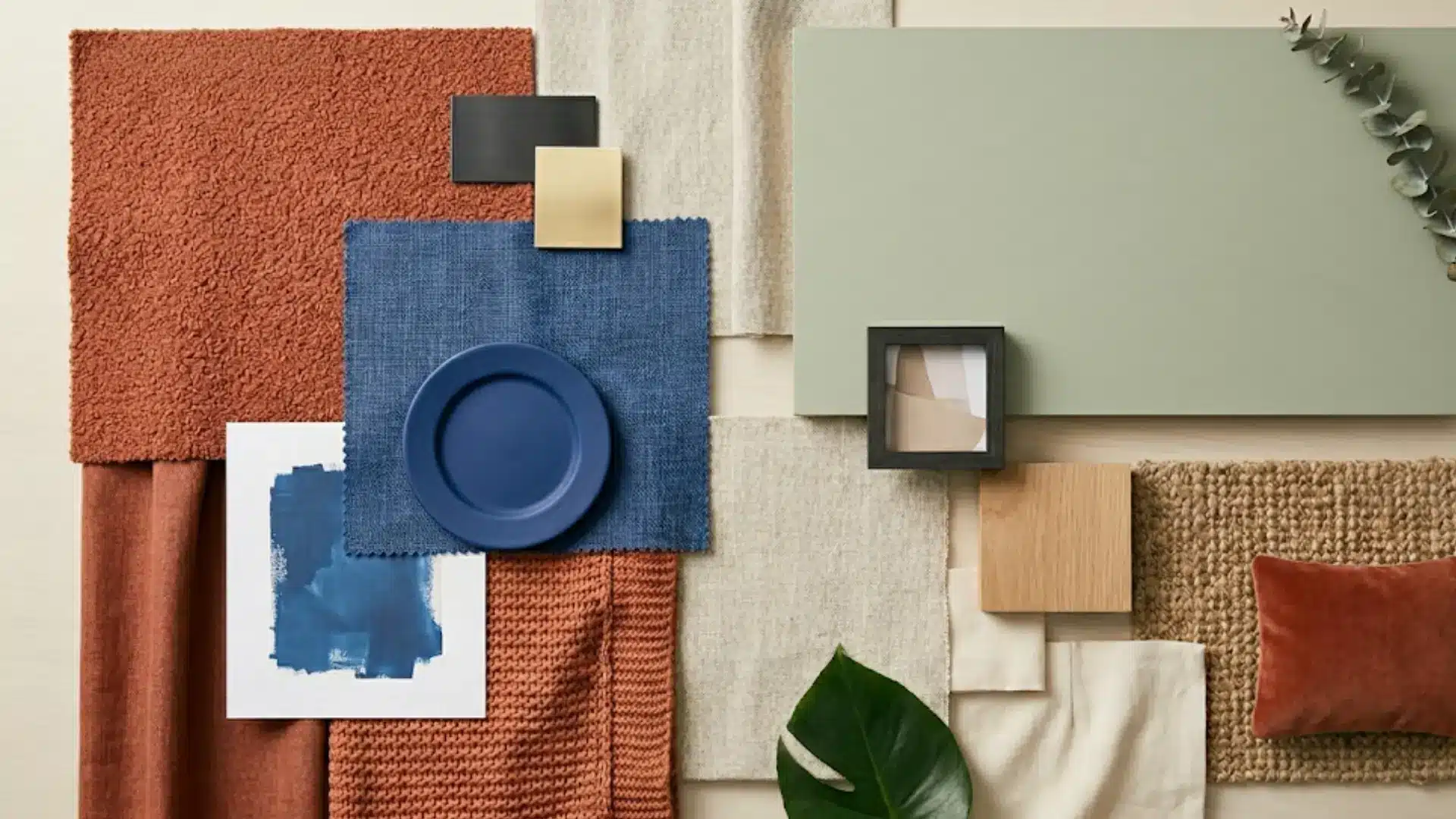
Picking colors can feel confusing, but this rule makes it simple. You divide your room colors into three parts: one main color, one supporting color, and one small highlight color. This keeps your space from feeling too busy or too plain.
| Color Type | Percentage | Where To Use It |
|---|---|---|
| Main Color | 60% | Walls, large furniture |
| Secondary Color | 30% | Curtains, bedding, chairs |
| Accent Color | 10% | Cushions, art, small decor items |
Treat the 60-30-10 rule as a starting framework, not a law. The proportions help beginners avoid the most common color mistake, which is spreading too many colors in equal amounts, so nothing feels intentional.
But plenty of well-designed rooms break the rule deliberately. What matters is that your colors feel considered. If you hold up a paint swatch and immediately think it is too much, it probably is.
Also, keep in mind that colors look different depending on the light in your specific room. A shade that reads as soft sage on a paint chip can look yellow-gray in a north-facing room with no direct sunlight. Always test paint colors on the actual wall in your room and look at them at multiple times of day before committing.
This rule keeps your colors in control and makes the room feel planned. Stick to a few colors, and your space will feel more put-together.
Step 6: Choose and Arrange Furniture the Right Way
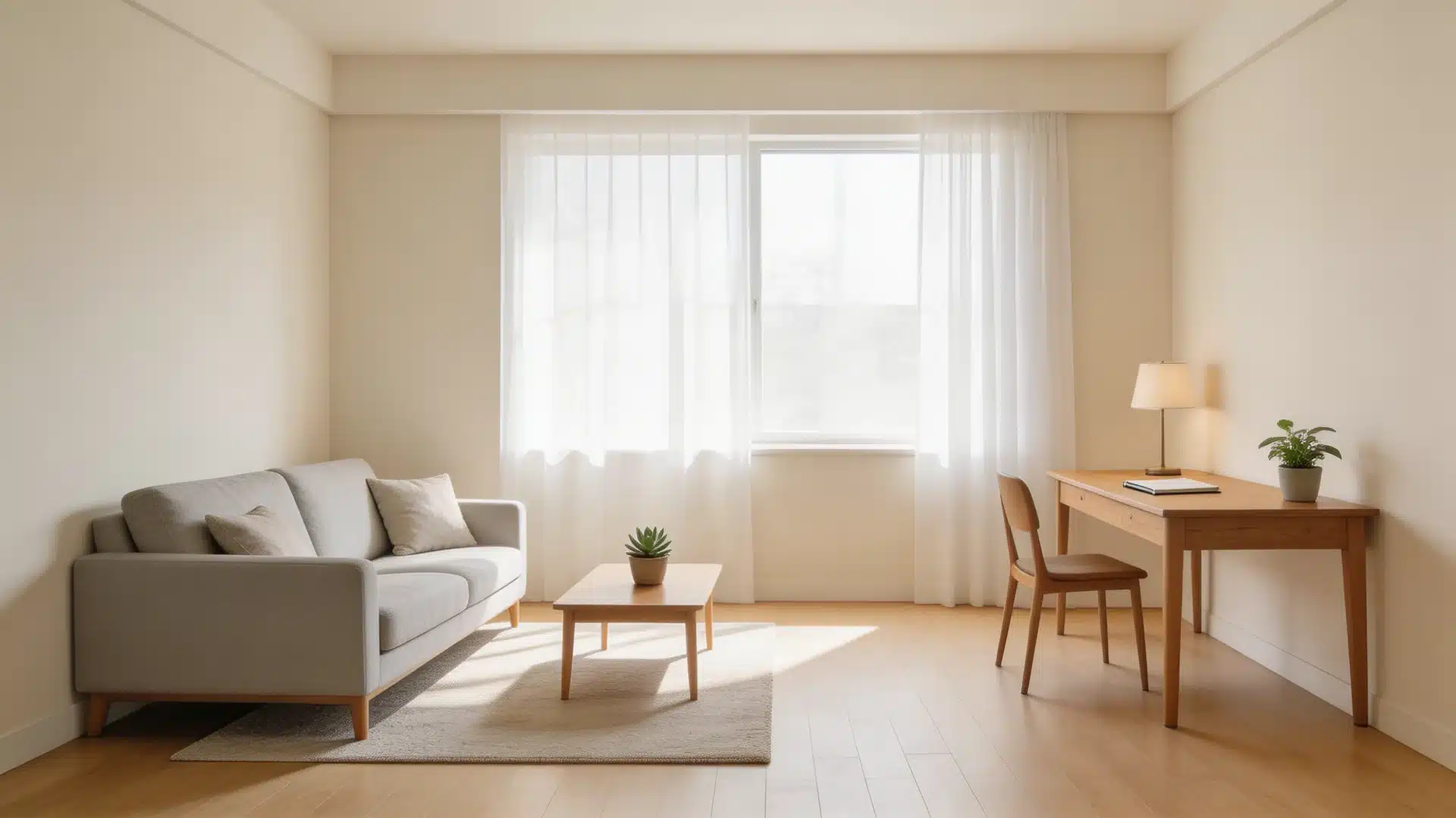
Start by picking only the furniture you truly need. Focus on key pieces like a bed, sofa, or desk before adding anything extra. This keeps your room useful and avoids filling it too quickly.
Pay attention to size and proportion. Large furniture in a small room can feel heavy, while small pieces in a big room can look lost. Try to match furniture size with your room size so everything feels balanced.
Avoid overcrowding the space. Leave enough room to move around easily without bumping into things. Place items in a way that feels natural, not forced. When furniture is arranged well, your room feels comfortable and easy to use every day.
Step 7: Layer Your Lighting (Don’t Rely On One Light Source Only)
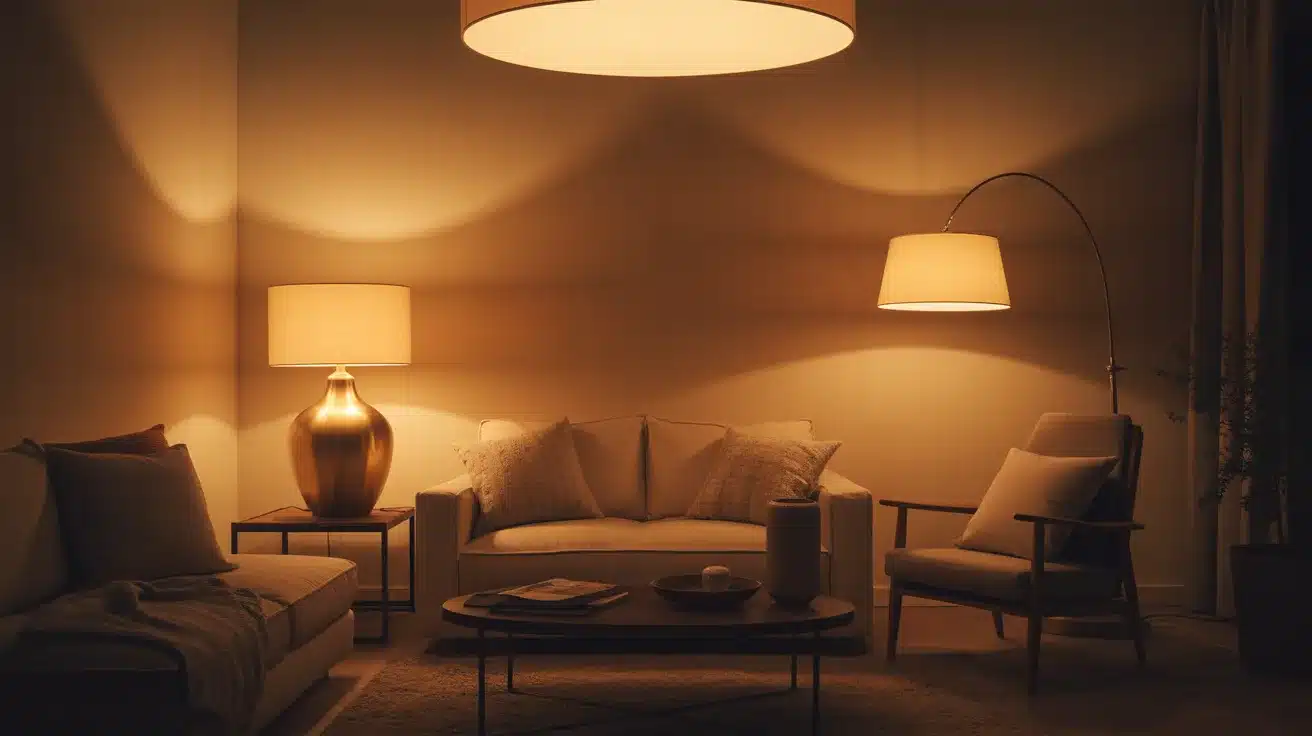
Use different types of lighting together so your room feels comfortable, useful, and not too bright or too dull.
Lighting is one of the most frequently underplanned parts of a room, and it is one of the hardest to fix after furniture is in place. The standard approach of relying on a single overhead light leaves most rooms feeling flat and unevenly lit.
The solution is three types of lighting used together. Ambient light, such as a ceiling fixture, is the main source and provides general illumination.
Task lighting is placed where you actually do things: beside a bed for reading, above a desk for working, under cabinets in a kitchen. Accent lighting draws attention to specific areas like a bookshelf, a piece of art, or a corner you want to feel warmer.
Place task lights near where you sit or work. Use smaller lamps in darker corners to reduce harsh shadows. At night, turn off the overhead light and rely on floor lamps and table lamps. This single habit changes how a room feels more than almost any other decorating decision.
Step 8: Add Textiles For Comfort
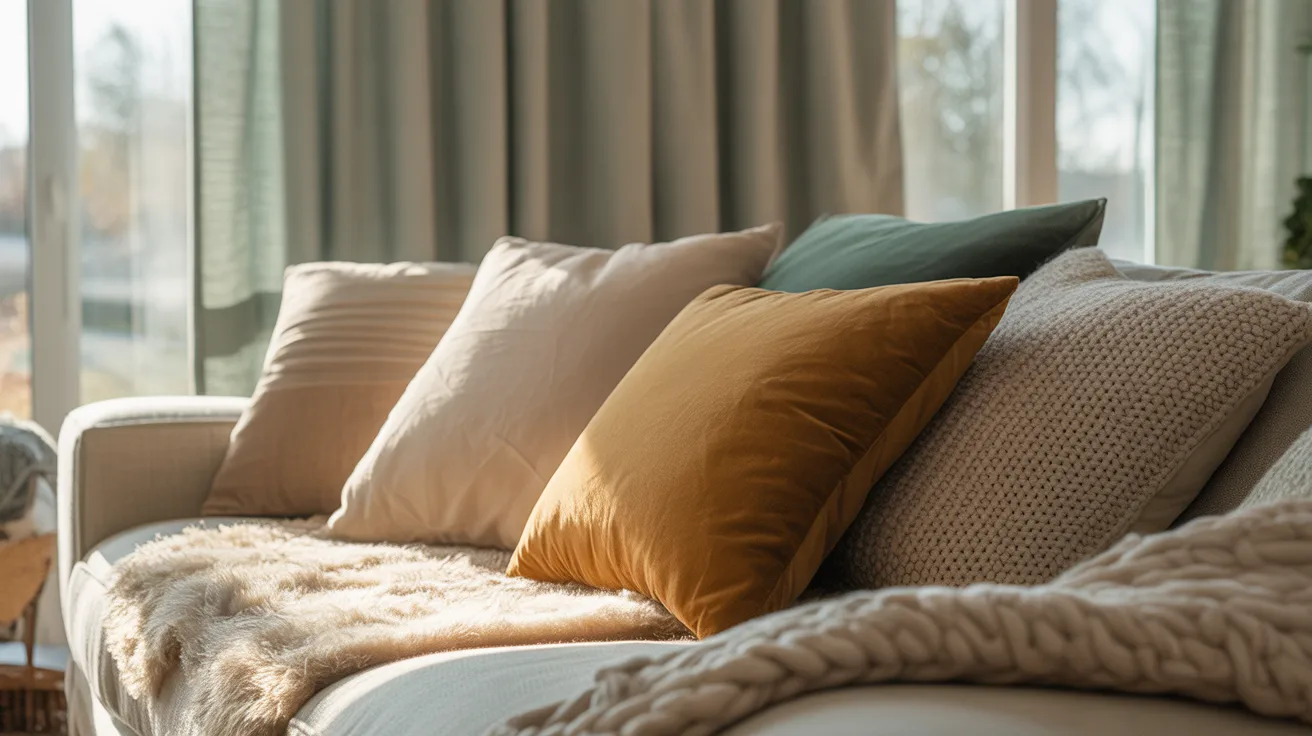
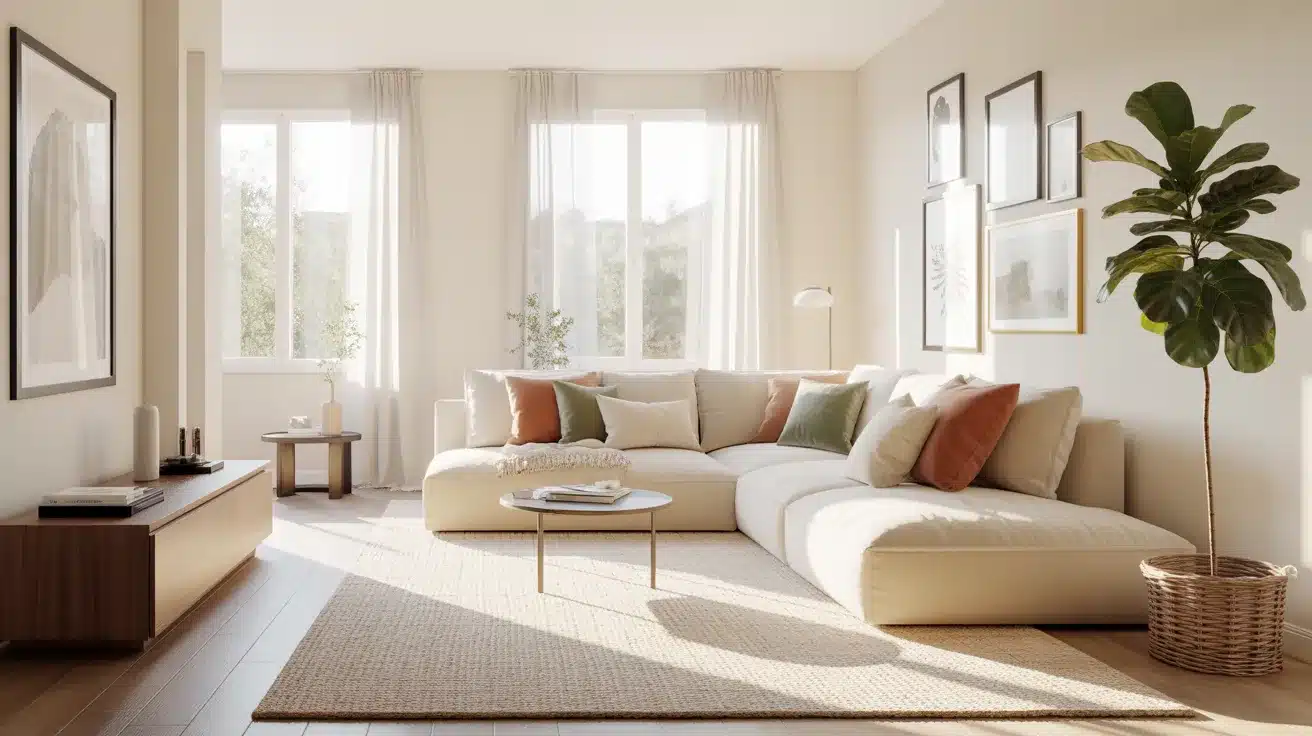
Once your main setup is in place, textiles help your room feel more comfortable and lived-in. This includes items like rugs, curtains, cushions, and throws. These pieces soften hard surfaces and make the space feel more inviting.
Start with a rug to define your area and add warmth underfoot. Curtains help control light and give your room a finished look. Cushions and throws add extra comfort and let you make small color changes with little effort.
Layering works best when you mix a few different fabrics instead of using everything in one style. Keep it simple and balanced so the room feels calm, not crowded.
Step 9: Decorate The Walls
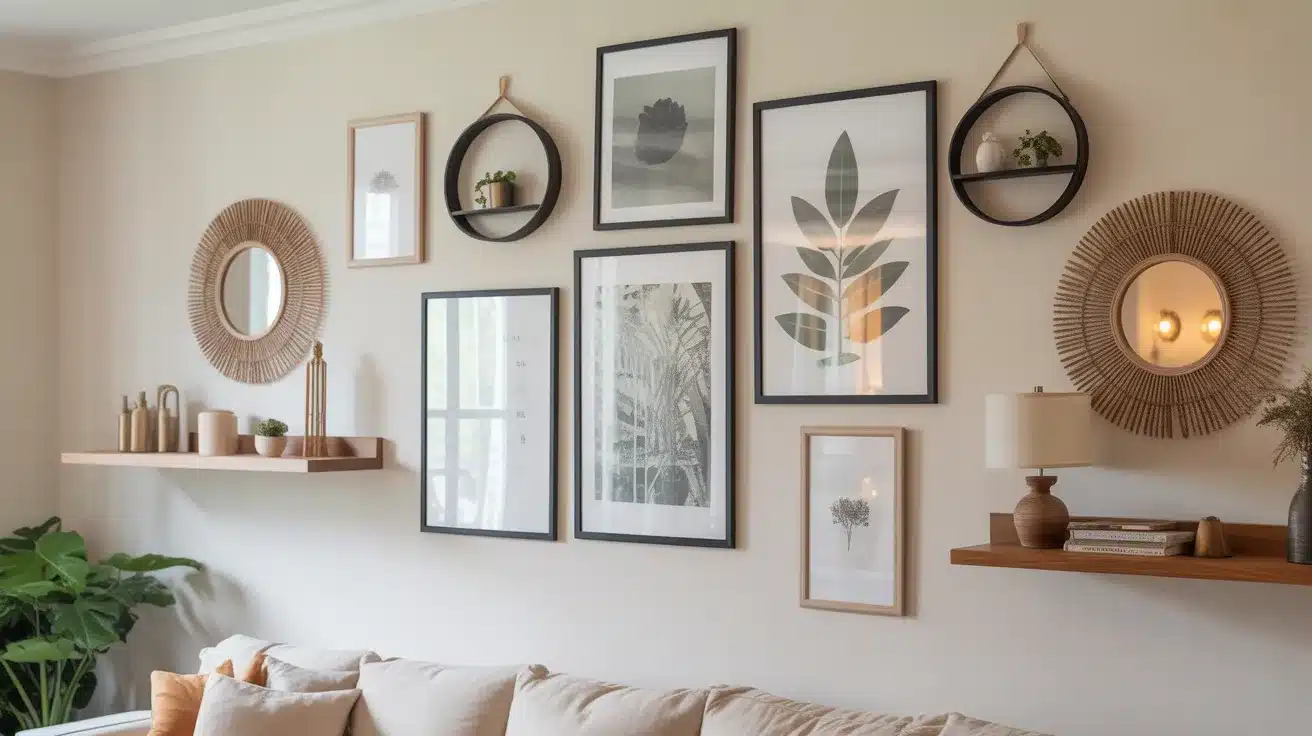
Walls play a big role in how your room feels and looks once everything else is in place.
- Use art, mirrors, or shelves to fill empty wall space in a simple and balanced way
- Hang items at eye level so they feel natural and comfortable when you look around
- Leave enough space between pieces so your walls don’t feel crowded or messy
Focus on keeping things simple so your wall decor supports the room without making it feel heavy or overwhelming.
Step 10: Add Accessories, Texture, and Personal Touches
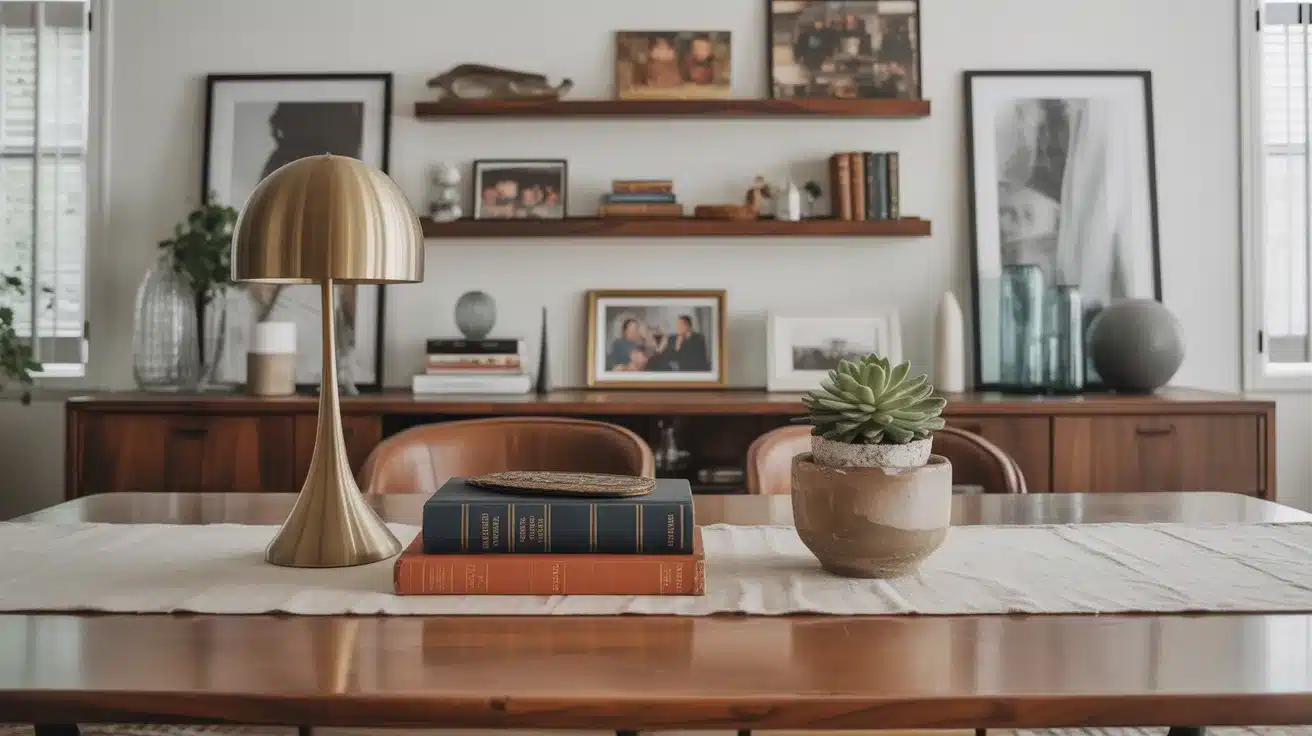
This step helps your room feel complete by adding depth, interest, and meaning through small details and thoughtful placement overall.
1. Use The Rule Of 3
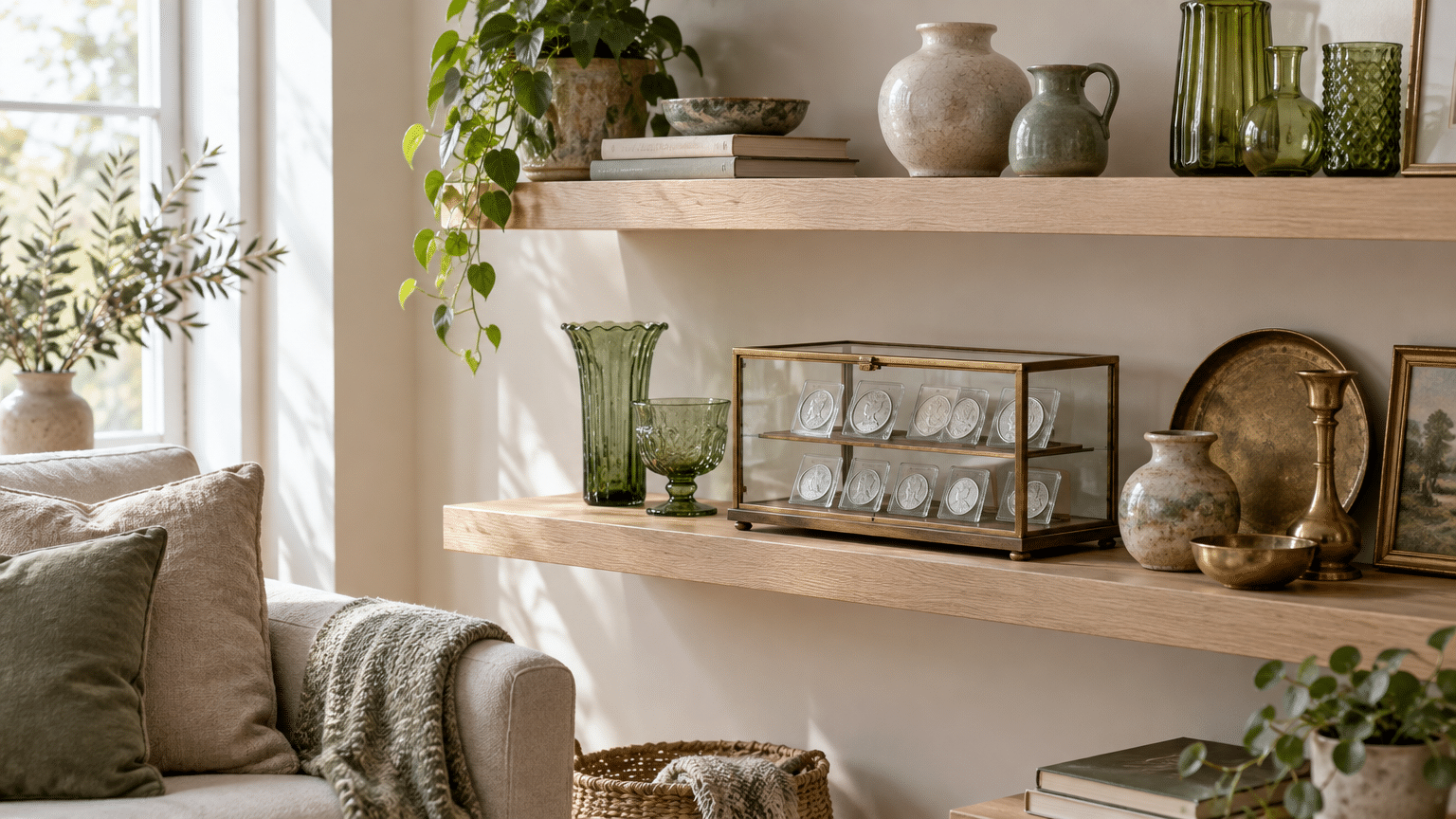
Grouping items in sets of three helps your space look more balanced and natural. Instead of placing one or two items alone, try arranging three pieces with slight differences in height or shape.
For example, you can use a small plant, a book, and a candle together. This creates a simple visual flow that feels easy on the eyes and avoids a flat or boring look across surfaces.
2. Style Surfaces The Right Way
Surfaces like tables, shelves, and desks should not feel empty or crowded. Start by placing a few useful or meaningful items, then adjust spacing so everything has room. Keep the number of items limited so each one stands out.
Try mixing one tall piece, one medium item, and one small object. This creates balance and makes your space feel neat without trying too hard.
3. Mix Materials For Depth
Using different materials helps your room feel more complete and less flat. You can combine wood, fabric, metal, or glass in simple ways. For example, a wooden table with a fabric runner and a metal lamp creates contrast without feeling heavy.
Avoid using the same material everywhere, as it can make your room feel dull. Small changes in material can make a noticeable difference.
4. Add Personal Items
Personal items make your room feel like it truly belongs to you. This can include photos, books, souvenirs, or anything that holds value in your daily life.
Keep these items simple and place them where they are easy to notice but not overwhelming. Avoid adding too many things at once. A few meaningful pieces can make your space feel warm and real without creating clutter.
Step 11: Edit, Declutter & Final Styling
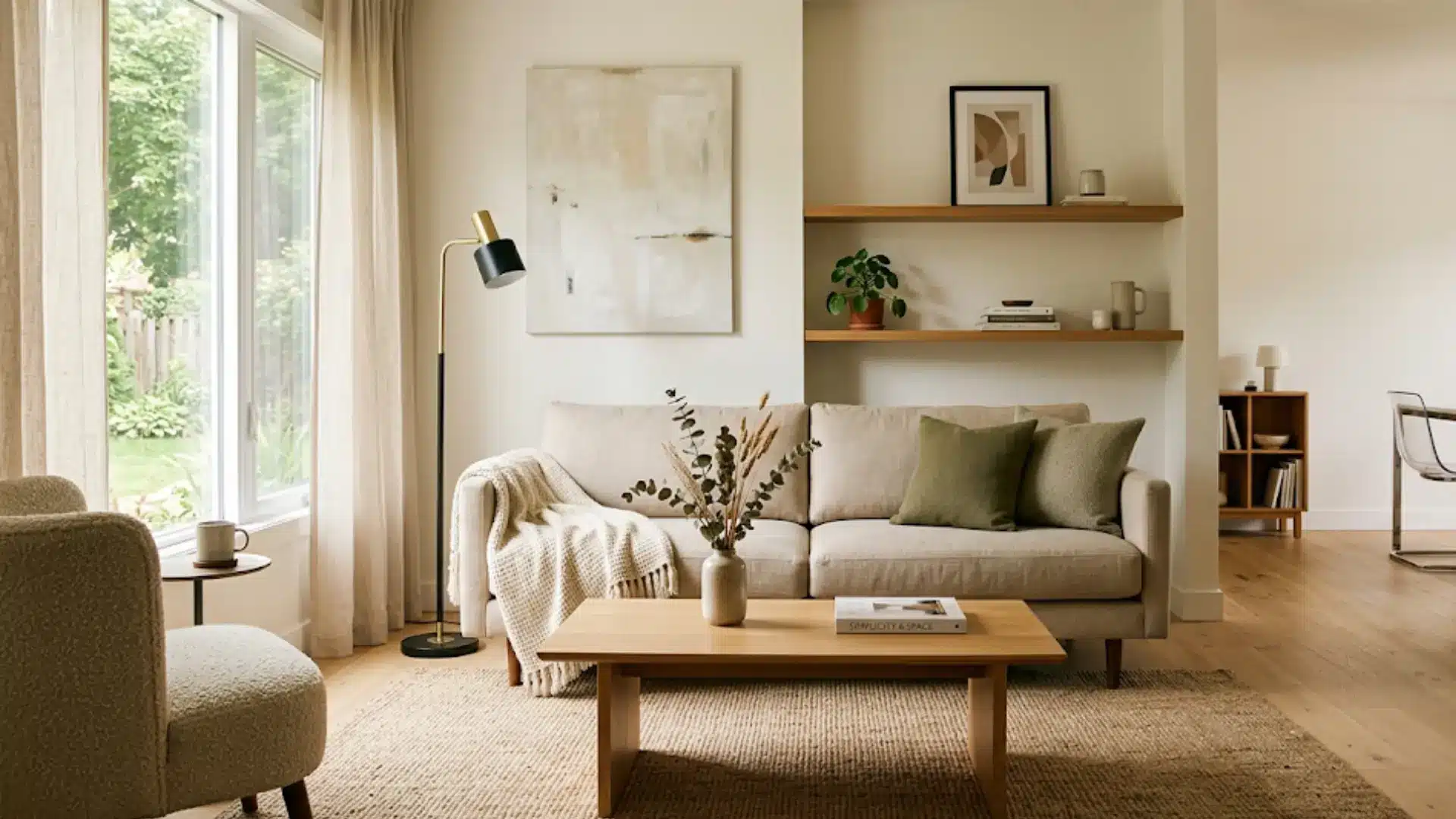
Once everything is in place, this step helps your room feel complete and well-balanced. It’s not about adding more; it’s about removing what doesn’t fit. Look around your space and notice if anything feels extra or out of place.
Start by taking away items that don’t serve a purpose or feel too crowded. This creates open space and makes your room easier to move through. Pay attention to surfaces like tables and shelves, and keep only a few key items.
Finally, check the overall balance of the room. Make sure no area feels too heavy or empty. Small adjustments here can make a big difference.
Common Room Decorating Mistakes To Avoid
Avoiding a few common mistakes can instantly improve how your room looks and feels without needing extra effort or cost.
- Skipping a layout plan often leads to poor furniture placement and awkward movement around the room
- Relying on one light source can make the room feel dull and uneven in different areas
- Choosing rugs that are too small breaks the visual balance and makes furniture look disconnected
- Matching everything too closely removes contrast and makes the space feel flat and less interesting
- Ignoring scale can cause items to look too big or too small for the room size
Fixing these mistakes helps your room feel more balanced, comfortable, and easier to use every day.
Final Thoughts
Decorating a room becomes much easier when you focus on order instead of random choices.
I’ve found that when you follow clear steps, starting with purpose, then layout, colors, and finally small details, everything begins to fall into place naturally. You don’t need to rush or change everything at once. Small updates can make a big difference over time.
Now you know how to decorate a room in a way that feels simple, practical, and easy to manage. The key is to keep things balanced and make choices that fit your daily life.
Try these steps in your own space and see what works best for you. If you have ideas or questions, feel free to share them.