
Cleaning the oven used to feel like one of the hardest kitchen jobs for me. Grease, burnt food, and dark stains can build up fast, and many store cleaners smell too strong or feel harsh.
That’s why I started looking for safer, easier ways to clean my oven with simple ingredients I already had at home. The good news is that natural oven cleaning can work just as well when you use the right method.
Here, I’ll show you exactly how to clean an oven naturally, step by step, plus share simple oven-cleaning hacks, smart tricks for racks and glass, and easy tips to keep your oven cleaner for longer.
Why Cleaning Your Oven Regularly Matters
To clean an oven naturally, spread a baking soda paste inside, let it sit overnight, wipe it clean, then spray vinegar to remove residue. This method removes grease and burnt food without harsh chemicals.
Cleaning your oven regularly is important for more than just keeping it looking nice. Over time, grease, food spills, and burnt crumbs build up inside and can start to smoke when the oven heats up.
This can create bad smells, affect the flavor of your food, and even make cooking uneven. A dirty oven may also take longer to heat and use more energy.
When I keep my oven clean using simple natural methods, it cooks better, smells fresher, and feels safer to use. Regular cleaning also helps the appliance last longer and prevents tough stains from becoming much harder to remove later.
What to Do Before You Clean Your Oven Naturally
Before jumping into cleaning, I always like to do a few small prep steps first. These quick checks make the whole process safer, easier, and much less messy.
- Turn the oven off completely: Make sure the oven is switched off and fully cool before you begin to avoid burns or damage.
- Remove the oven racks first: Take them out so you can clean the inside properly and reach all the corners easily.
- Clear loose crumbs and food: Use a dry cloth or a small brush to remove burnt bits and debris so the cleaner can work more effectively.
- Protect the floor: Place an old towel, paper, or a sheet under the oven door to catch drips and prevent a mess.
- Keep basic tools ready: Such as a bowl, a sponge, a soft cloth, and your natural cleaning ingredients, prepared before starting.
- Use gloves if your skin is sensitive: Even natural ingredients can dry out your hands, so gloves can help protect them.
Once these simple steps are done, you’ll be ready to start cleaning your oven naturally without stress or extra scrubbing later.
How to Clean an Oven Naturally with Baking Soda and Vinegar
Cleaning your oven naturally is easier than it sounds when you follow the right steps. Use this simple method to remove grease, burnt food, and stains using safe household ingredients.
Step 1: Make a Baking Soda Cleaning Paste
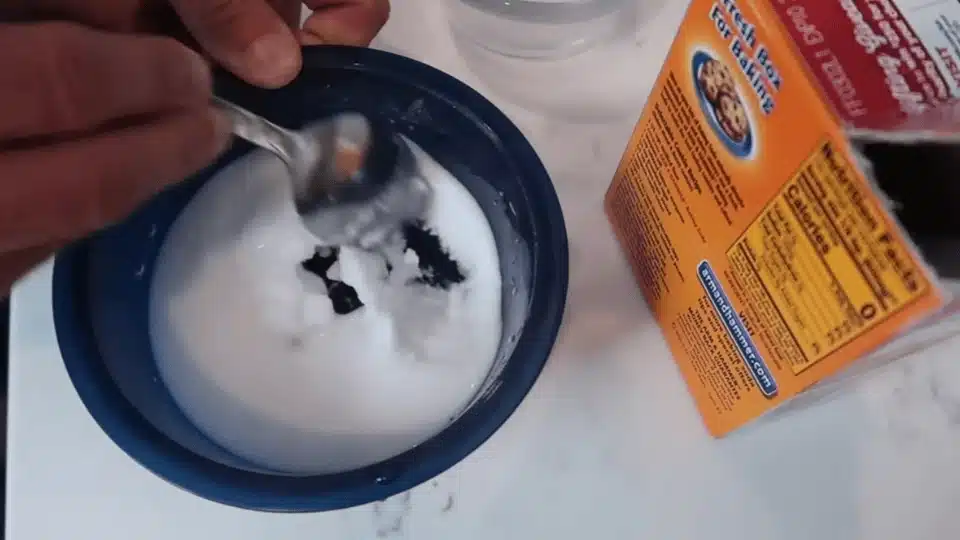
Start by adding about half a cup of baking soda into a bowl and slowly mixing in small amounts of water. Keep stirring until you get a thick paste that spreads easily but is not too runny.
This simple mixture works as a gentle natural cleaner that helps break down grease, burnt food, and stubborn stains inside the oven without using any harsh chemicals.
Step 2: Spread the Paste Inside the Oven
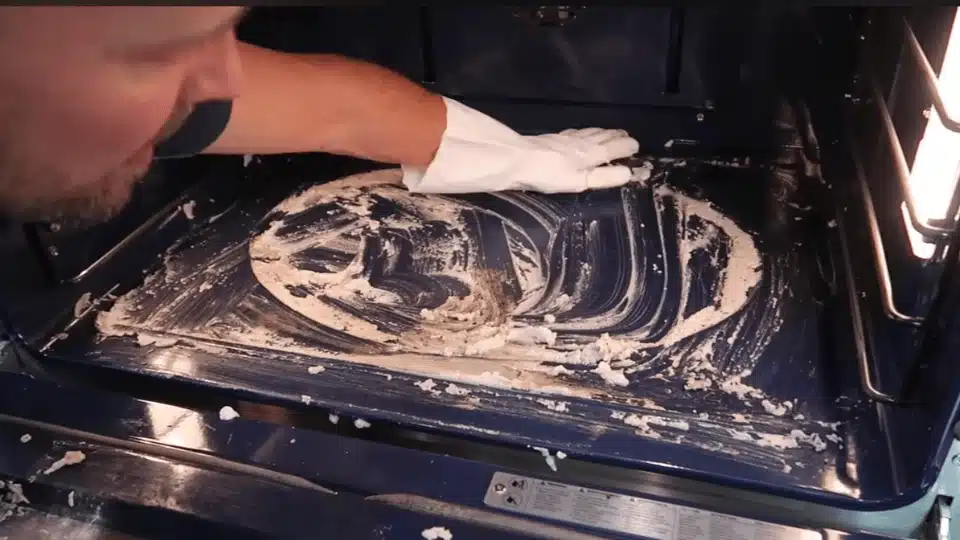
Make sure the oven is completely turned off and cool before you begin. Using your hands, a sponge, or a plastic spatula, spread the baking soda paste over the oven’s interior surfaces, including the bottom, sides, door, and glass.
Focus more on greasy or heavily stained spots. As the paste sits on the dirt, it may turn darker, which simply means it is absorbing the grime.
Step 3: Let the Paste Sit Overnight
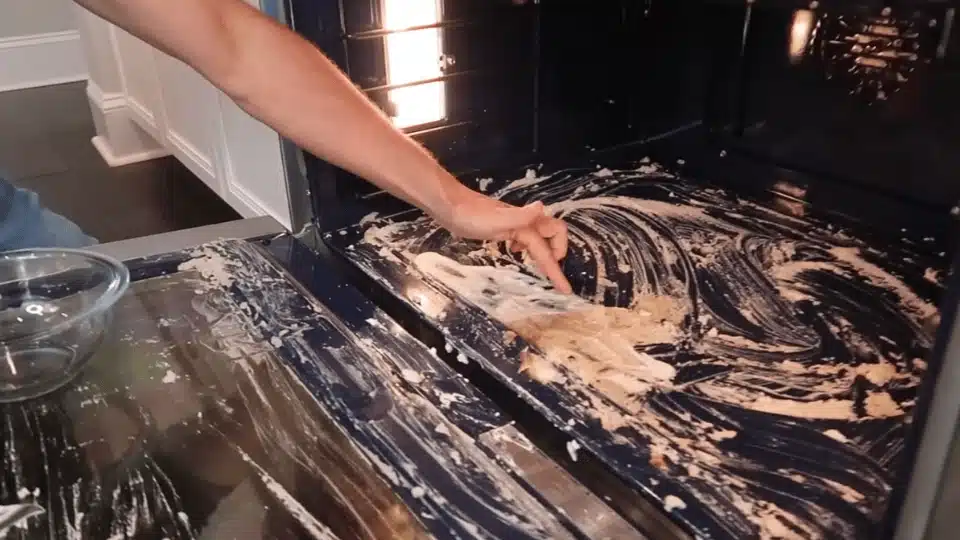
Once the oven interior is fully covered, close the oven and allow the baking soda paste to sit for about 10 to 12 hours, or overnight if possible.
This waiting time is important because it gives the paste enough time to soften baked-on grease and loosen food particles. Leaving it longer usually makes the cleaning process much easier and reduces the need for heavy scrubbing later.
Step 4: Scrape and Wipe the Oven Clean
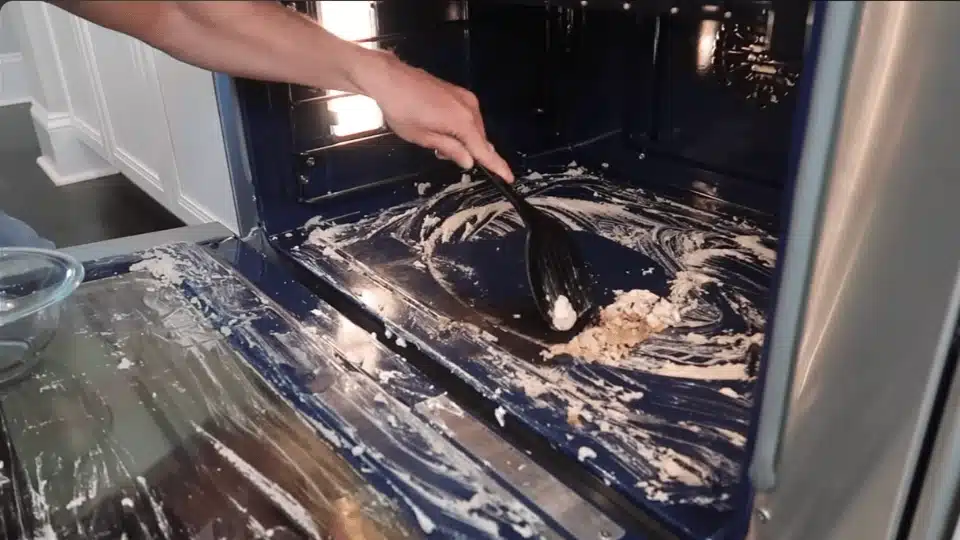
After the waiting period, open the oven and gently scrape off the thicker dried paste using a plastic scraper or non-metal tool so the surface does not get scratched.
Then take a damp cloth and wipe the oven from the back to the front. Rinse the cloth often and continue wiping until most of the baking soda residue and loosened dirt are completely removed.
Step 5: Spray Vinegar for the Final Finish
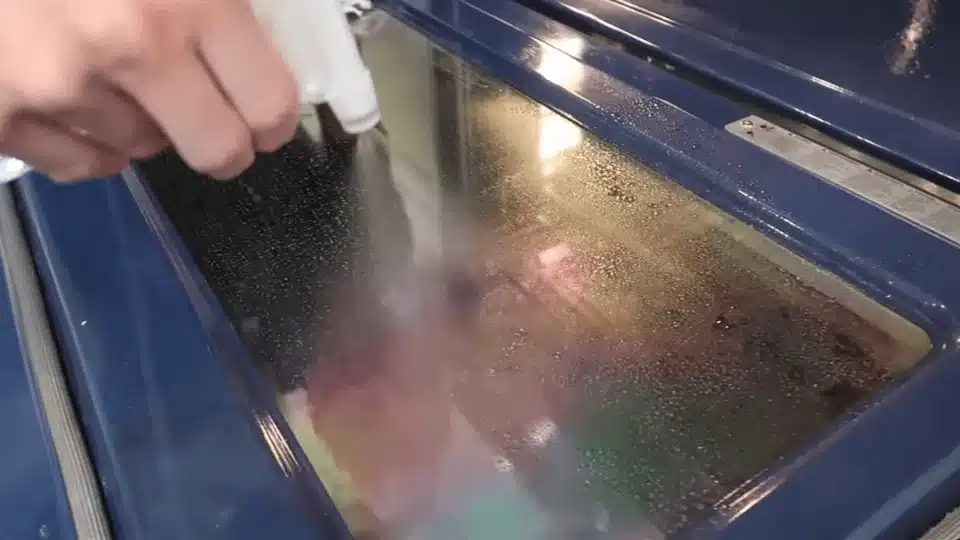
To remove any remaining baking soda film, lightly spray white vinegar over the interior surfaces and oven glass. The vinegar reacts with leftover baking soda and helps lift the final traces of residue.
Use a clean, dry towel to wipe everything down one last time. This final step leaves the oven looking clearer, fresher, and ready to use again without any chemical smell.
How Often Should You Clean Your Oven Naturally?
If you’re wondering how often you should clean your oven naturally, the answer depends on how frequently you use it. For most homes, a light natural oven cleaning once every month keeps grease and food buildup under control.
If you cook daily, bake often, or prepare greasy foods, you may need to clean your oven naturally every 2–3 weeks. Heavy spills should always be wiped up as soon as the oven cools to prevent hard, burnt stains from forming.
For lighter use, a deep clean every 2–3 months may be enough. The key is regular maintenance. Small, consistent cleanings make it much easier to avoid thick grease layers that require heavy scrubbing later.
By following a simple schedule, you can keep your oven clean naturally without spending hours on tough buildup.
| Oven Usage Level | Light Maintenance | Deep Natural Clean | Extra Tip |
|---|---|---|---|
| Light use (1–2 times per week) | Wipe spills after cooling | Every 2–3 months | Use vinegar spray for quick refresh |
| Moderate use (3–4 times per week) | Weekly quick wipe with damp cloth | Every 4–6 weeks | Check glass door and bottom for grease buildup |
| Heavy use (Daily cooking or baking) | Wipe after messy meals | Every 2–3 weeks | Use baking soda paste overnight for easier cleaning |
| After major spills | Clean immediately once oven cools | As needed | Sprinkle salt on warm spills to prevent hard stains |
Other Effective Oven Cleaning Methods
If you want safe and effective ways to clean your oven, there isn’t just one option. These natural oven cleaning methods use simple household ingredients and work for different levels of grease, stains, and burnt food.
1. Lemon Steam Cleaning Method (Best Low-Scrub Method)
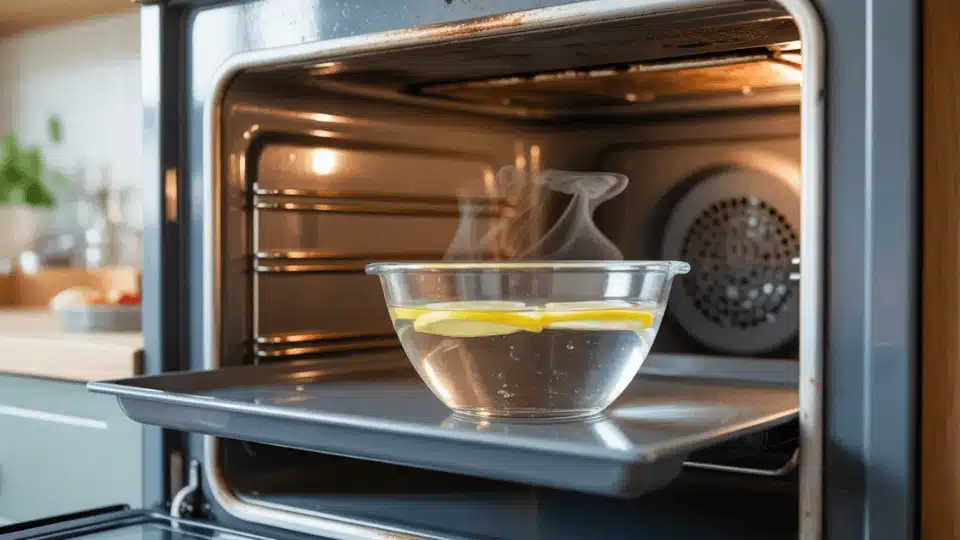
The lemon steam method works well if you want to loosen grease without much scrubbing. Fill an oven-safe bowl with water and add fresh lemon juice or sliced lemons, then heat the oven at a low temperature for about 20–30 minutes.
The hot steam softens dried food and grease, while the lemon helps cut odors. After cooling slightly, simply wipe the inside with a damp cloth.
2. Vinegar Spray for Light Cleaning
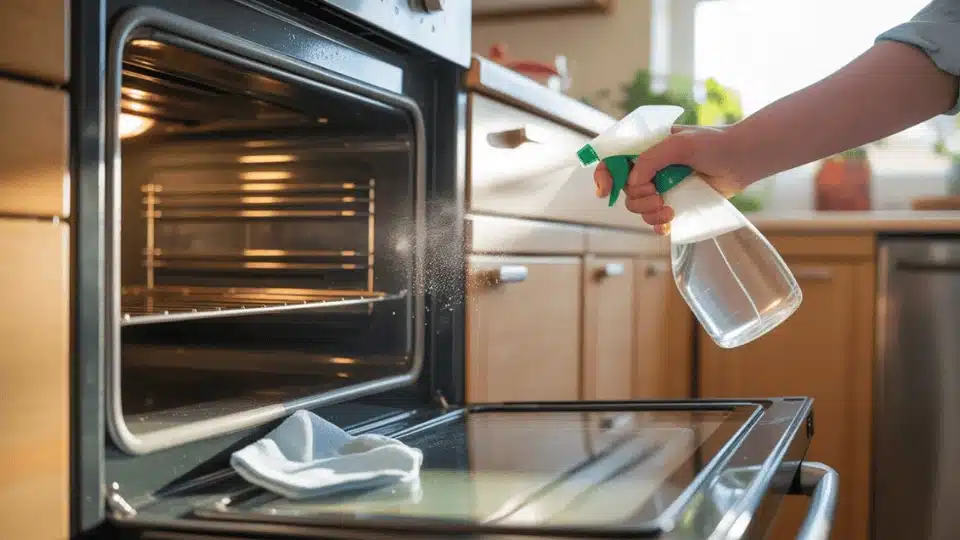
White vinegar is great for quick, natural oven cleaning when the dirt level is light. Pour vinegar into a spray bottle and mist the interior surfaces, especially greasy spots or cloudy glass areas.
Let it sit for a few minutes so the mild acid can dissolve residue and neutralize odors. Then wipe everything clean with a damp cloth. This method works best for regular maintenance between deep cleans.
3. Salt Scrub for Fresh Spills
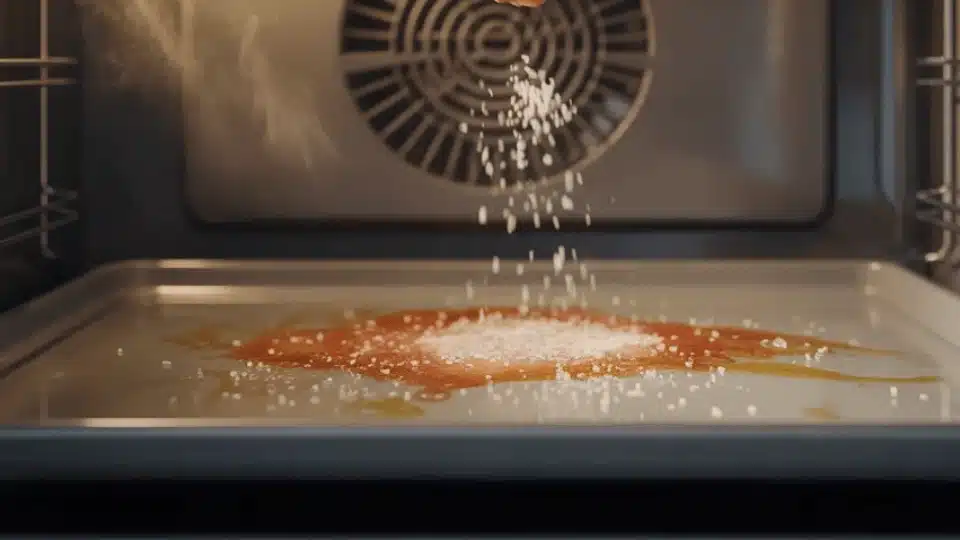
Salt is a simple natural trick that works best on fresh oven spills before they fully harden. If food spills while cooking, sprinkle a generous amount of salt over the warm (not hot) mess.
The salt absorbs moisture and helps loosen the residue as it cools. Later, you can wipe the area with a damp cloth or sponge, making cleanup much faster and preventing tough burnt stains from forming.
4. Hydrogen Peroxide and Baking Soda Mix (Stronger Natural Scrub)
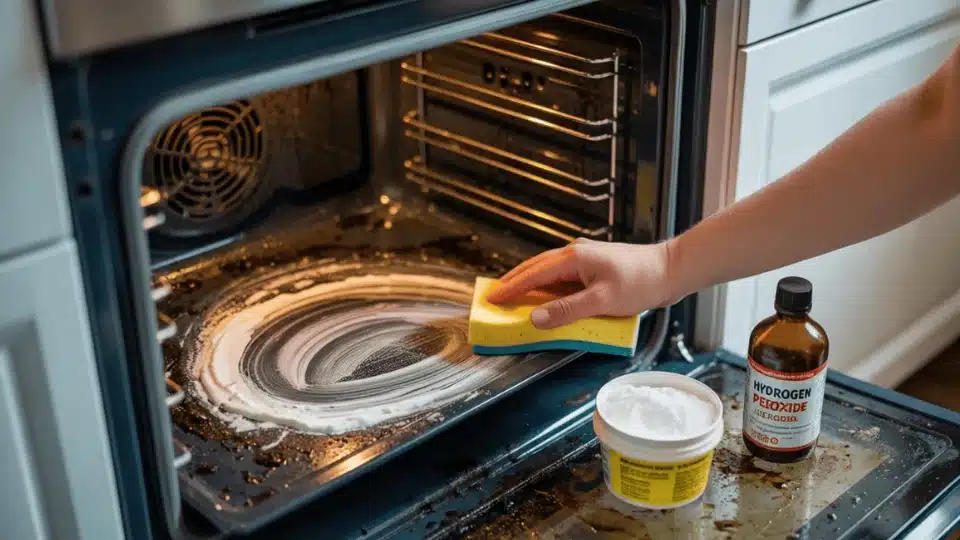
For ovens with very stubborn stains, a stronger natural scrub can help. Mix baking soda with a small amount of hydrogen peroxide to create a thick cleaning paste.
Spread this on heavily stained areas and leave it for a few hours so it can break down deep grease and discoloration. Afterward, wipe the surface thoroughly with a damp cloth to remove residue and reveal a brighter interior.
Oven Cleaning Hacks That Actually Work
Small habits can make oven cleaning much easier and prevent heavy grease buildup later. Try these simple oven cleaning hacks to save time and reduce scrubbing.
- Clean the oven while slightly warm (not hot): A gently warm oven helps soften grease and dried food, making stains easier to wipe away. Always make sure it’s safe to touch before cleaning.
- Use an overnight baking soda paste for less scrubbing: Leaving the natural paste inside the oven for several hours or overnight gives it time to loosen tough burnt spots so they wipe off faster.
- Place foil or an oven liner on the bottom: Adding a protective liner helps catch food drips and grease, preventing them from baking onto the oven floor and making future cleaning much simpler.
- Use a microfiber cloth for the oven door: Microfiber cloths lift grease and polish glass without leaving streaks, helping the oven door look clear and shiny after cleaning.
- Clean spills immediately with salt: If food spills during cooking, sprinkle salt on the warm mess to absorb it. Once cooled, it wipes away much more easily and prevents hard, burnt stains.
Using these easy hacks regularly can keep your oven cleaner for longer and make deep cleaning much faster when you need it.
Common Mistakes to Avoid When Cleaning Your Oven
Even natural oven cleaning can go wrong if a few small mistakes slip in. Watch for these common errors to keep your cleaning safe, easy, and effective.
| Mistake | Why It’s a Problem | What to Do Instead |
|---|---|---|
| Using too much liquid | Excess moisture can seep into heating elements and cause damage | Use damp cloths, not soaking wet ones |
| Cleaning while the oven is hot | Can cause burns and make cleaners evaporate too fast | Let the oven cool until safely warm |
| Scrubbing with harsh steel wool | Can scratch enamel and glass surfaces | Use a soft sponge or nylon scrubber |
| Leaving baking soda residue | White film can harden and look worse later | Wipe multiple times with a clean damp cloth |
| Forgetting the oven door edges | Grease often builds up in hidden seals and corners | Clean seals and edges gently with a cloth |
| Skipping regular light cleaning | Dirt becomes harder and needs heavy scrubbing later | Do quick maintenance wipes weekly |
Final Words
Cleaning your oven naturally doesn’t have to be stressful or take all day. I’ve found that using simple things like baking soda, vinegar, or lemon can remove grease and burnt food without strong chemicals or complicated tools.
Once you learn these easy steps and oven cleaning hacks, keeping your oven fresh becomes much easier and faster each time. Even small habits like wiping spills early can save a lot of effort later.
If your oven is looking messy right now, I’d say pick one method from this guide and try it today. And let me know how it worked for you in the comments below.