

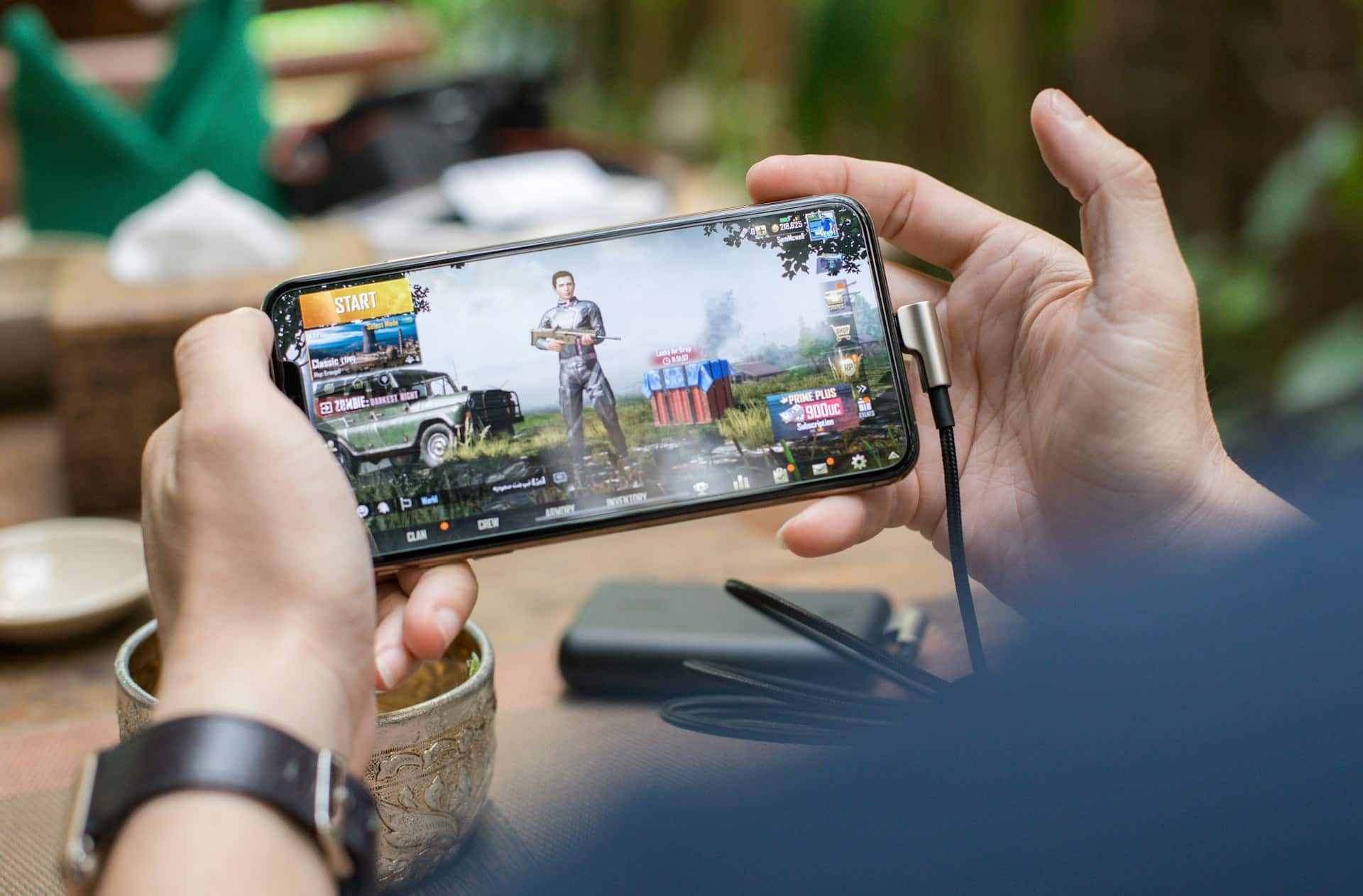
Gambling was a location-specific activity not so long ago. You had to enter a casino, take a seat at a machine, or congregate at a table. Even in the early days of the internet, it seemed like a place that you intentionally checked into. That was entirely altered by mobile gaming. It changed how people engage with gambling on a daily basis in addition to making it more accessible.
Convenience caused the most change. Cellphones are now a big part of our daily lives. Because of this, gambling has blended with social media, entertainment, and messaging. Access is instantaneous whether one is traveling, standing in line, or unwinding at home. This change shows on the Sports WooCasino site. They offer experiences designed for smaller screens and quick interactions. Everything feels fast and easy to use.
The cadence of play has changed as a result of this continuous accessibility. Many players now participate in shorter, more frequent spurts rather than lengthy, focused periods. A quick wager here, a few spins there. It seems more like an organic continuation of downtime than a scheduled activity. This change is similar to how consumers watch quick videos or browse through feeds on mobile devices. In order to fit into the little voids of daily life, gambling has adapted to that similar pattern.
The way games are made has also changed significantly. Mobile-first platforms prioritize responsiveness, speed, and clarity. Feedback is instantaneous, buttons are bigger, and interfaces are cleaner. Everything is set up to minimize friction. This design strategy helps players stay interested without feeling overwhelmed. It becomes more seamless, intuitive, and, in many respects, more intimate.
This trend has also boosted the popularity of the best Aussie casino games, which combine engaging themes, mobile-friendly gameplay, and rewarding bonus features. Their accessibility and entertainment value make them a favorite among modern online players.
Additionally, notifications have a slight but significant impact. Players can instantly receive updates, bonuses, and reminders on mobile devices. Even when someone isn’t actively playing, this fosters a feeling of continuous connectedness. In just a few seconds, someone can return to the app with a straightforward notification. Even though this might not seem like much, it eventually creates a habit loop that wasn’t there in conventional gambling settings.
Mobile gaming has developed in tandem with payment mechanisms. These days, deposits and withdrawals are quicker and easier, frequently combined with one-tap payment options or digital wallets. This eliminates an additional layer of friction that previously caused people to move more slowly. The overall experience gets more fluid the simpler it is to transfer money in and out. This ease of use is one of the reasons why mobile gaming seems so natural to many consumers.
Additionally, social components have grown in importance. Although there has always been a social component to gaming, mobile platforms give gamers new avenues to connect. A sense of presence and interaction is produced by leaderboards, shared accomplishments, and even live dealer games. Users frequently feel that they are a part of a bigger world even when they are playing alone, which enhances the experience.
The distinction between gambling and gaming has also become more hazy due to the move to smartphones. Mobile games often use reward systems, in-game purchases, and progression mechanics that feel like betting. This makes the shift from casual gaming to real-money gambling seem less sudden. A larger audience now finds gambling easier to access. This is especially true for younger players who are familiar with mobile game features.
Of course, there are drawbacks to this change. It’s simpler to forget how frequently you’re actually playing when something is always accessible. It truly boils down to personal control in the absence of the distinct boundaries of a physical casino. It’s a positive step that some platforms attempt to assist with features like spending limitations or time alerts. Ultimately, it is the player’s responsibility to maintain awareness and maintain equilibrium.
The extent to which this has altered people’s perceptions about gambling is intriguing. It’s no longer something you do on occasion or in advance. These days, it almost casually slips into daily life. It’s faster, more adaptable, and feels much closer—like any other software you use without hesitation.
And it won’t be slowing down anytime soon. Mobile devices will keep shaping these platforms. They will also change what gamers expect as technology evolves. Like any other kind of entertainment, gambling will continue to adapt to that. Instead of being something individuals actively seek out, it is increasingly becoming a part of the same flow as everything else they do during the day.