
Starting a GLP-1 medication can change the way you eat. You may feel full after only a few bites or struggle to finish meals you once enjoyed.
I know this can make meal planning feel confusing, especially when you are trying to lose weight without missing key nutrients.
A balanced GLP-1 diet focuses on high-protein foods, fiber-rich carbohydrates, healthy fats, and plenty of fluids while limiting foods that may worsen nausea or slow digestion.
Choosing the right GLP-1 foods supports nutrition, muscle health, and weight-loss goals.
In this article, you will learn what to eat, what to avoid, and how to build simple meals that fit your appetite while taking GLP-1 medications.
Why Do Your Food Choices Matter on a GLP-1 Diet?
The foods you choose can affect both your nutrition and how you feel while taking GLP-1 medications. Eating the right balance of nutrients can help support weight loss, preserve muscle, and reduce common digestive side effects.
- Meet Your Nutritional Needs: Smaller meals should still provide enough protein, fiber, vitamins, and minerals.
- Reduce Digestive Discomfort: Heavy, greasy, or sugary foods may worsen nausea, bloating, or stomach discomfort.
- Choose Smaller Portions: Balanced meals in modest amounts are often easier to tolerate while taking GLP-1 medications.
- Support Steady Energy: Nutritious foods can help maintain energy levels throughout the day.
- Protect Muscle Health: Protein-rich meals may help support muscle during weight loss.
- Improve Hydration and Digestion: Fluids and fiber-rich foods can support regular digestion and reduce constipation.
- Keep Meals Simple: Choose easy, nutrient-rich foods that nourish your body without making digestion harder.
Understanding a GLP-1 Diet
A GLP-1 diet is a way of eating that supports people taking GLP-1 medications such as Wegovy, Ozempic, Zepbound, or Mounjaro.
There is no single official meal plan, but the diet usually centers on protein, fiber-rich foods, healthy fats, and enough fluids.
Because these medications reduce appetite and slow digestion, smaller, balanced meals may feel more comfortable than large portions. The goal is to meet your nutrition needs even when you are eating less.
A typical GLP-1 diet may include lean protein, vegetables, fruit, whole grains, beans, nuts, seeds, avocado, and olive oil.
Fried foods, sugary drinks, heavily processed snacks, and oversized meals are often limited because they may worsen nausea, bloating, or stomach discomfort.
Best GLP-1 Foods to Eat
These foods give you protein, fiber, healthy fats, and steady energy in smaller portions. Choose options you tolerate well and adjust the texture if nausea or fullness is a problem.
1. Eggs
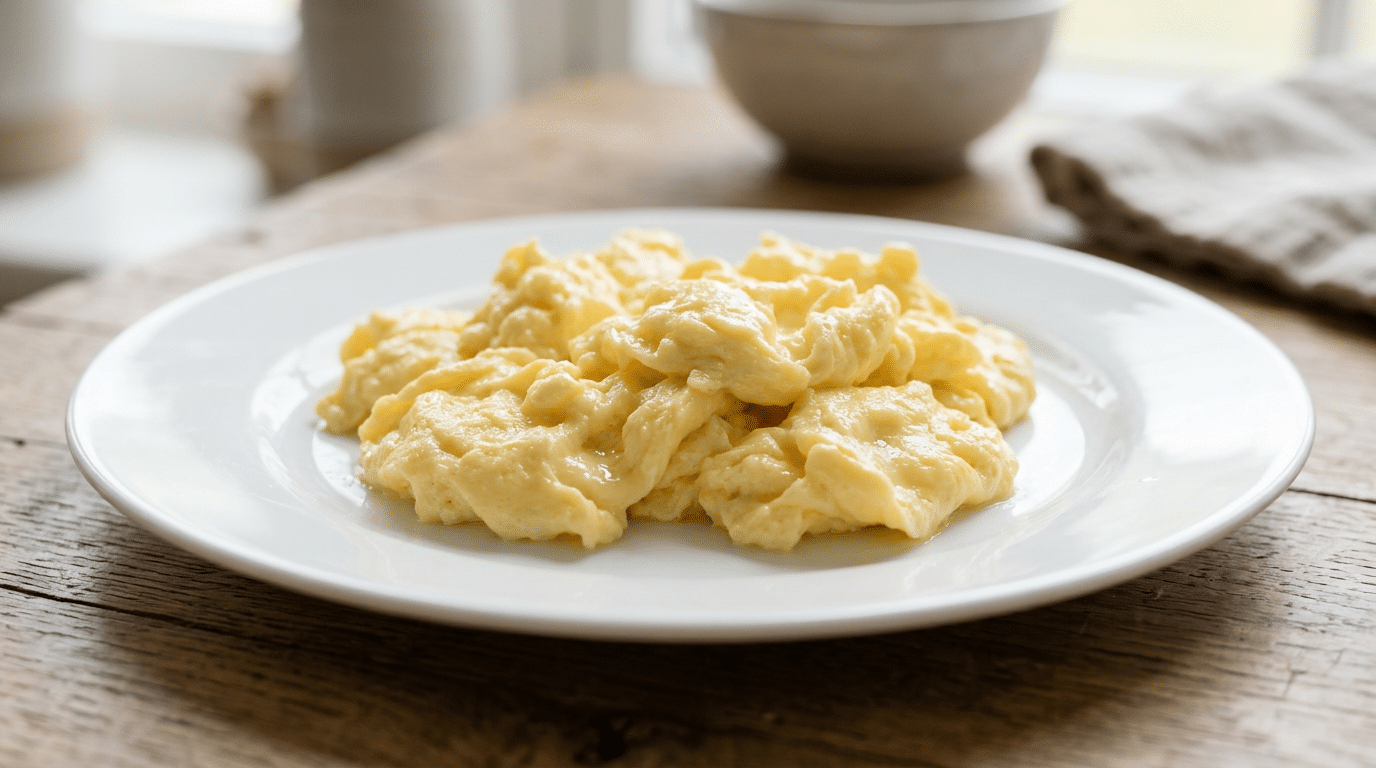
Eggs are a simple source of protein and can work at breakfast, lunch, or dinner. You can boil, scramble, poach, or bake them with vegetables.
They are easy to portion, which helps when your appetite is low. Pair eggs with whole grain toast, spinach, or fruit for a more balanced meal.
Avoid cooking them in a large amount of butter or
oil, since greasy meals may feel heavy while taking GLP-1 medication.
2. Greek Yogurt
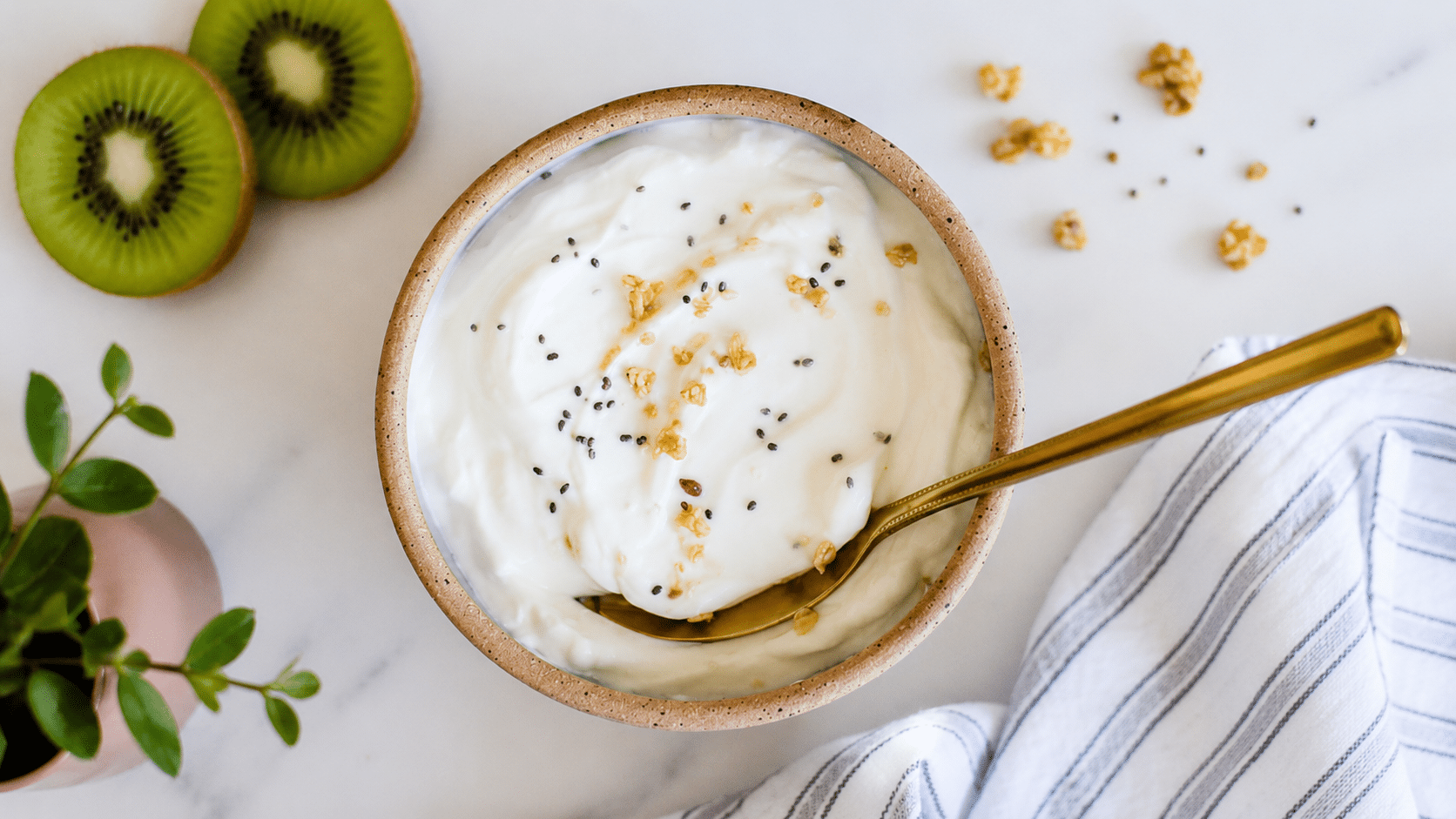
Plain Greek yogurt provides protein in a small serving and may be easier to eat when you do not feel hungry.
Choose an unsweetened option and add berries, chia seeds, or a small amount of nuts. It also works well in smoothies or as a base for dips.
Check the label for added sugar, especially in flavored varieties. A lower-fat choice may feel better if rich foods tend to cause nausea or stomach discomfort.
3. Chicken Breast
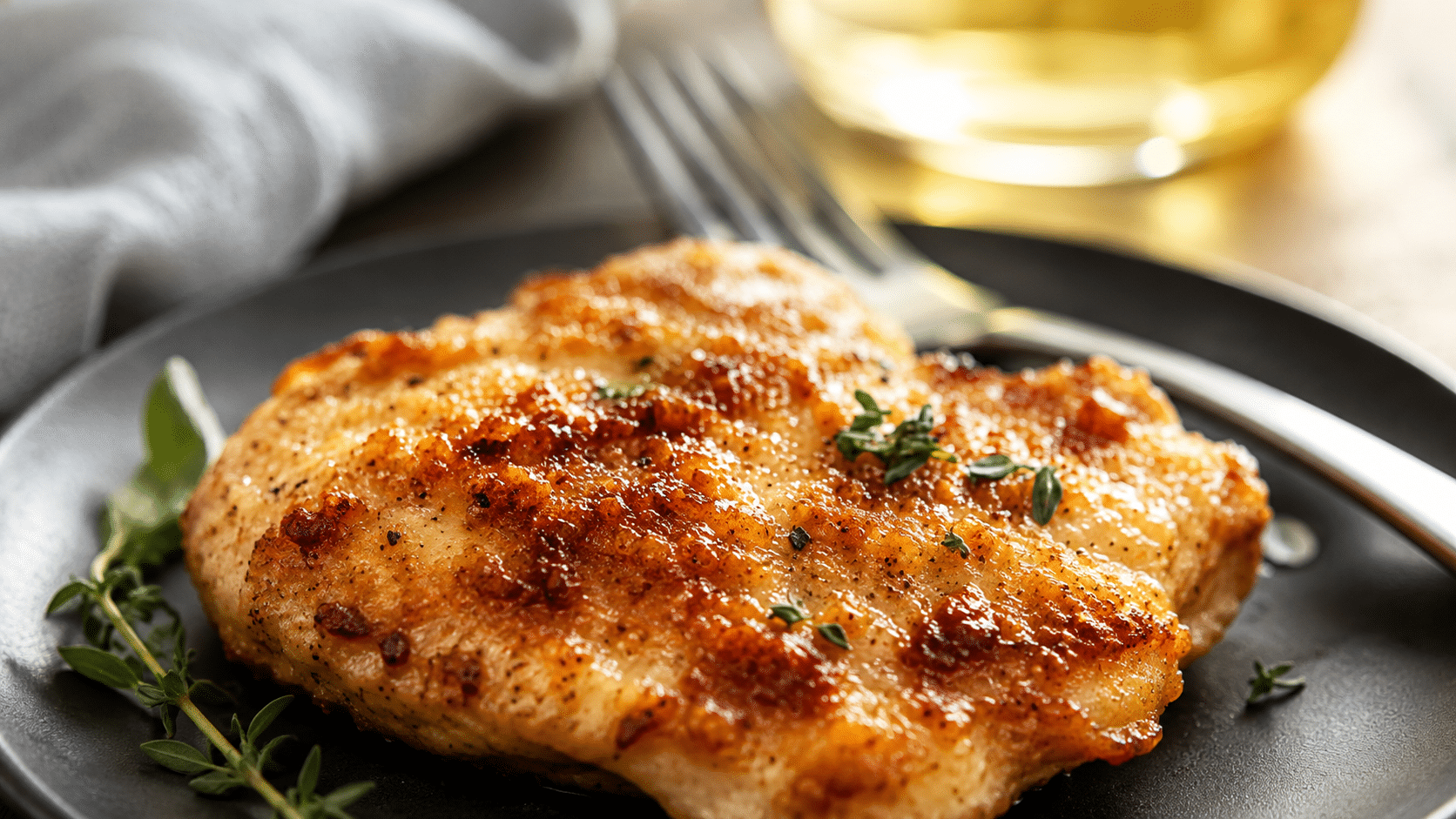
Chicken breast is a lean protein that can be added to salads, wraps, soups, grain bowls, and simple dinners.
Bake, grill, poach, or air-fry it with light seasoning rather than deep-frying it. Cut it into small pieces if large bites feel hard to manage.
Pair it with cooked vegetables and a small serving of brown rice, quinoa, or sweet potato. Moist cooking methods can also make chicken easier to chew and tolerate.
4. Salmon
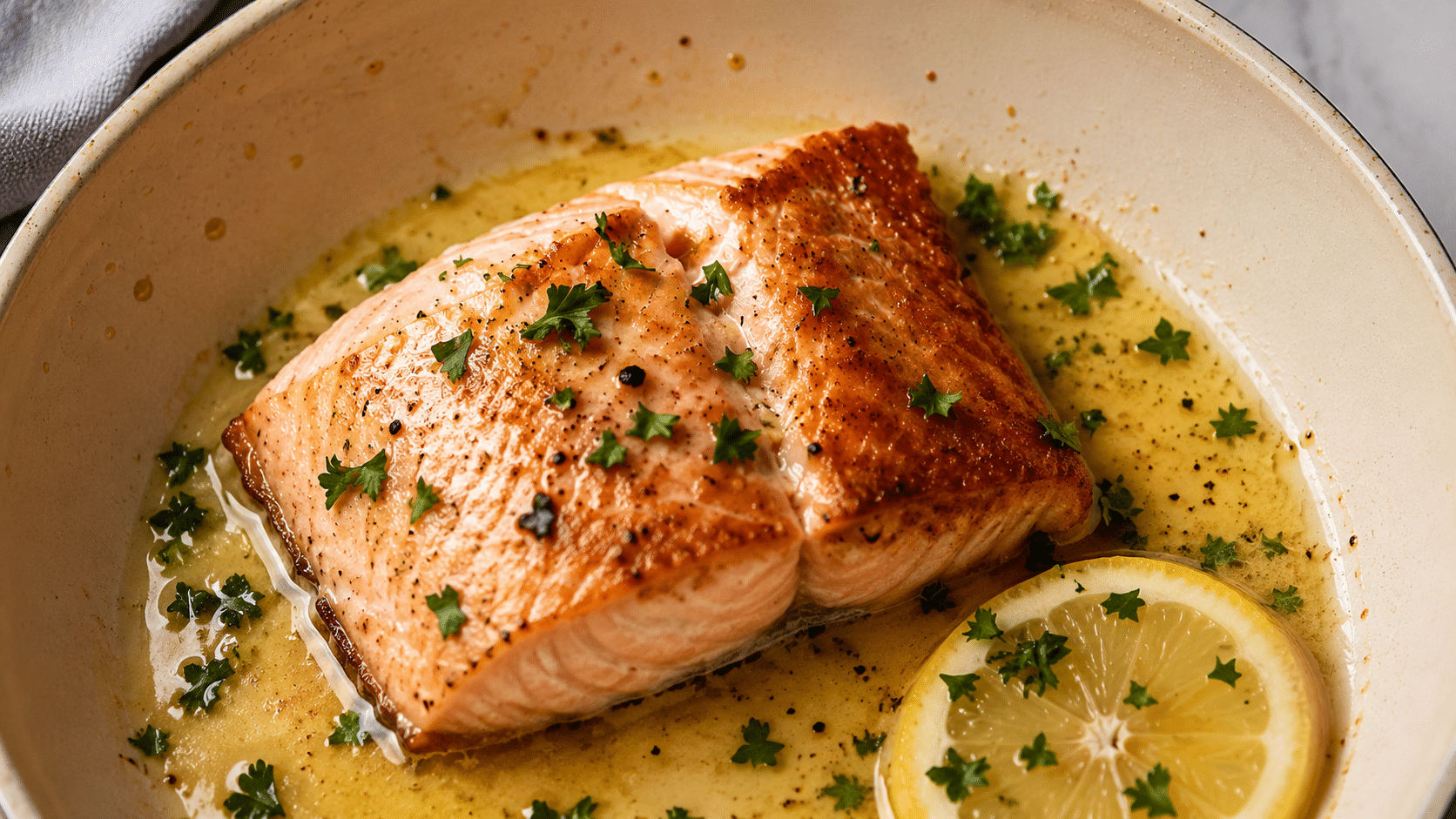
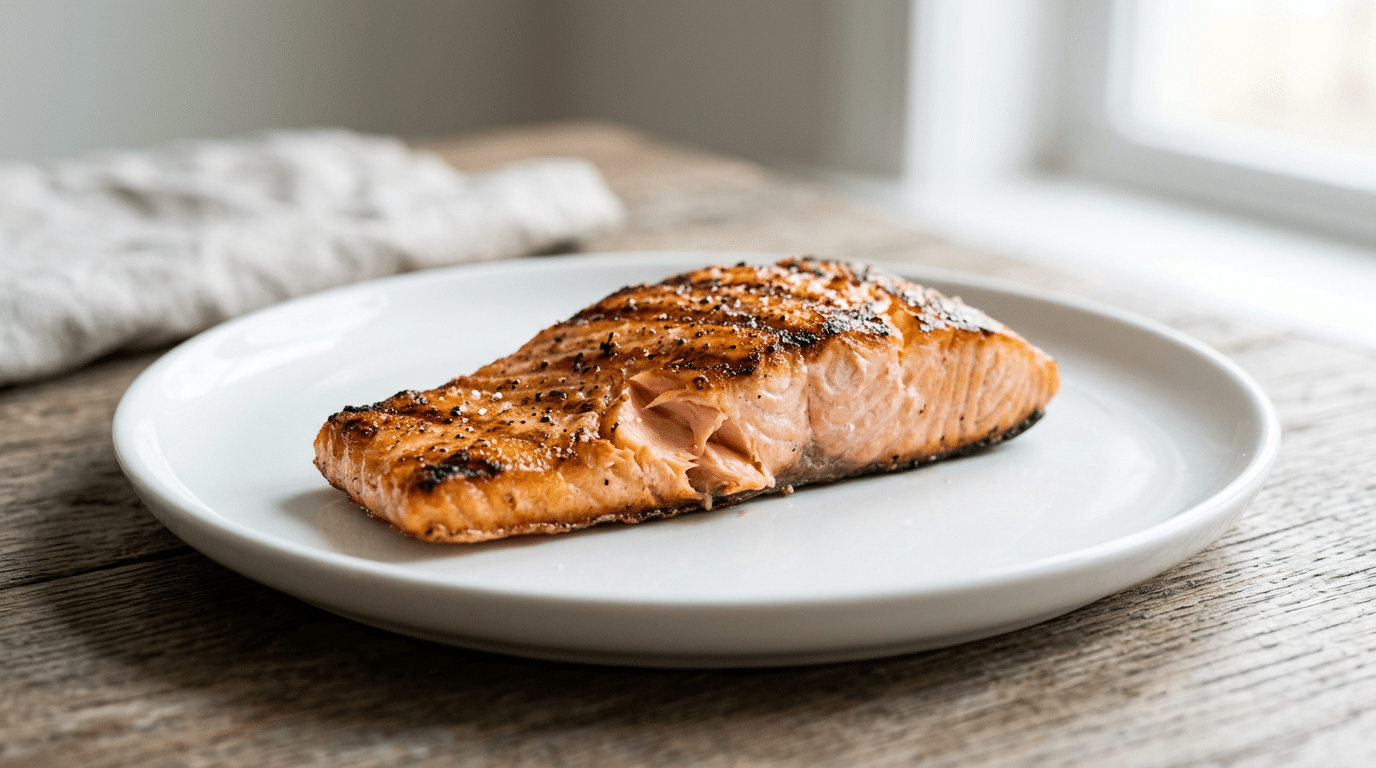
Salmon provides protein and unsaturated fats in one food. A small portion, baked or grilled, can be served with vegetables, quinoa, or a light salad.
Since fatty foods may feel heavy for some people, start with a modest serving and see how you feel. Avoid thick cream sauces or deep-fried versions.
Canned salmon is another useful option for sandwiches, salads, or patties when you need a quick meal with little preparation.
5. Cottage Cheese
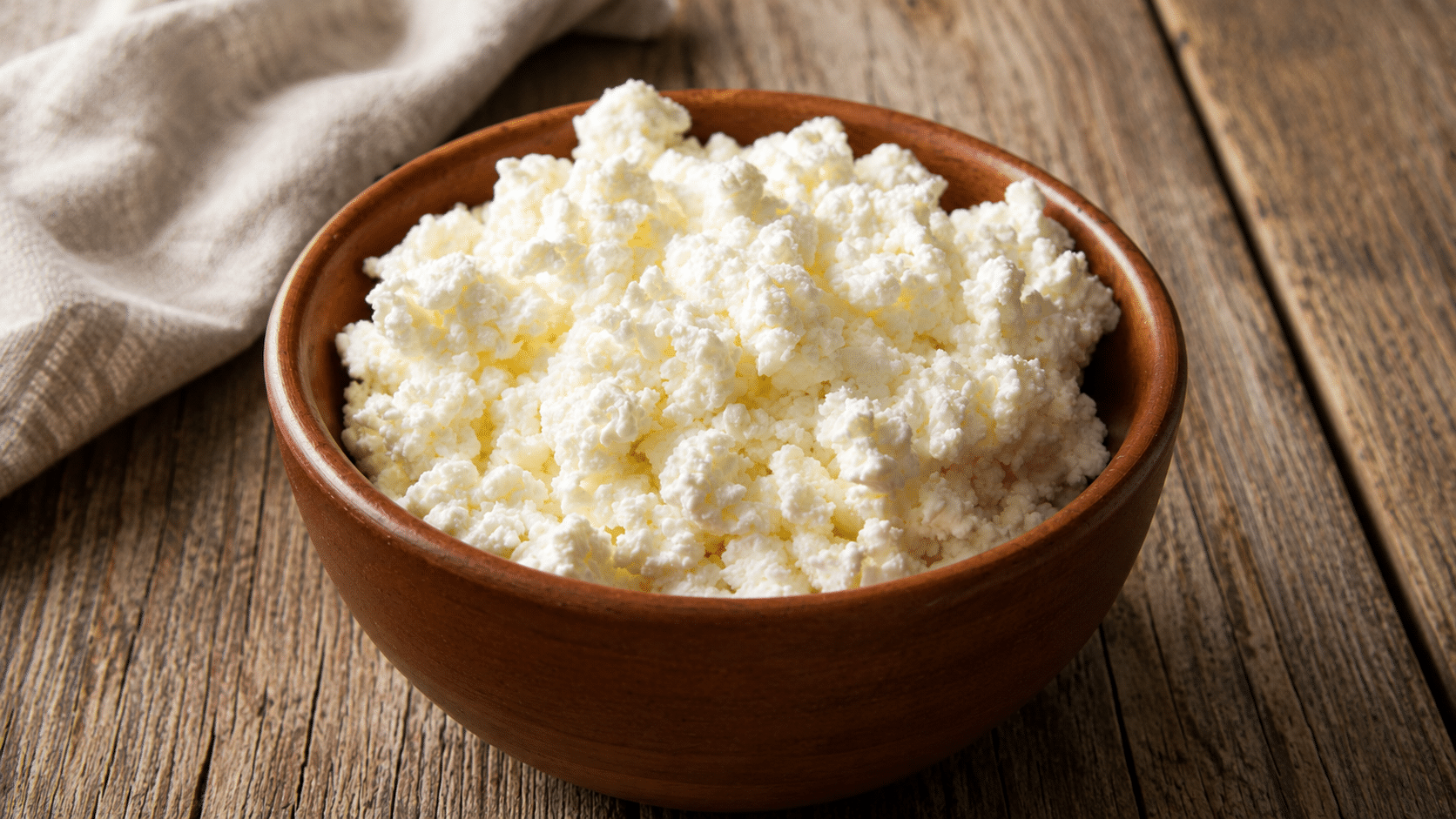
Cottage cheese is high in protein and requires no cooking, which makes it useful for quick meals and snacks.
You can pair it with berries, peaches, cucumbers, tomatoes, or whole-grain crackers. Choose a plain version and check the sodium level if you need to limit salt.
If the texture bothers you, blend it until smooth or mix it into eggs, pasta sauce, or mashed vegetables for a softer meal.
6. Lentils
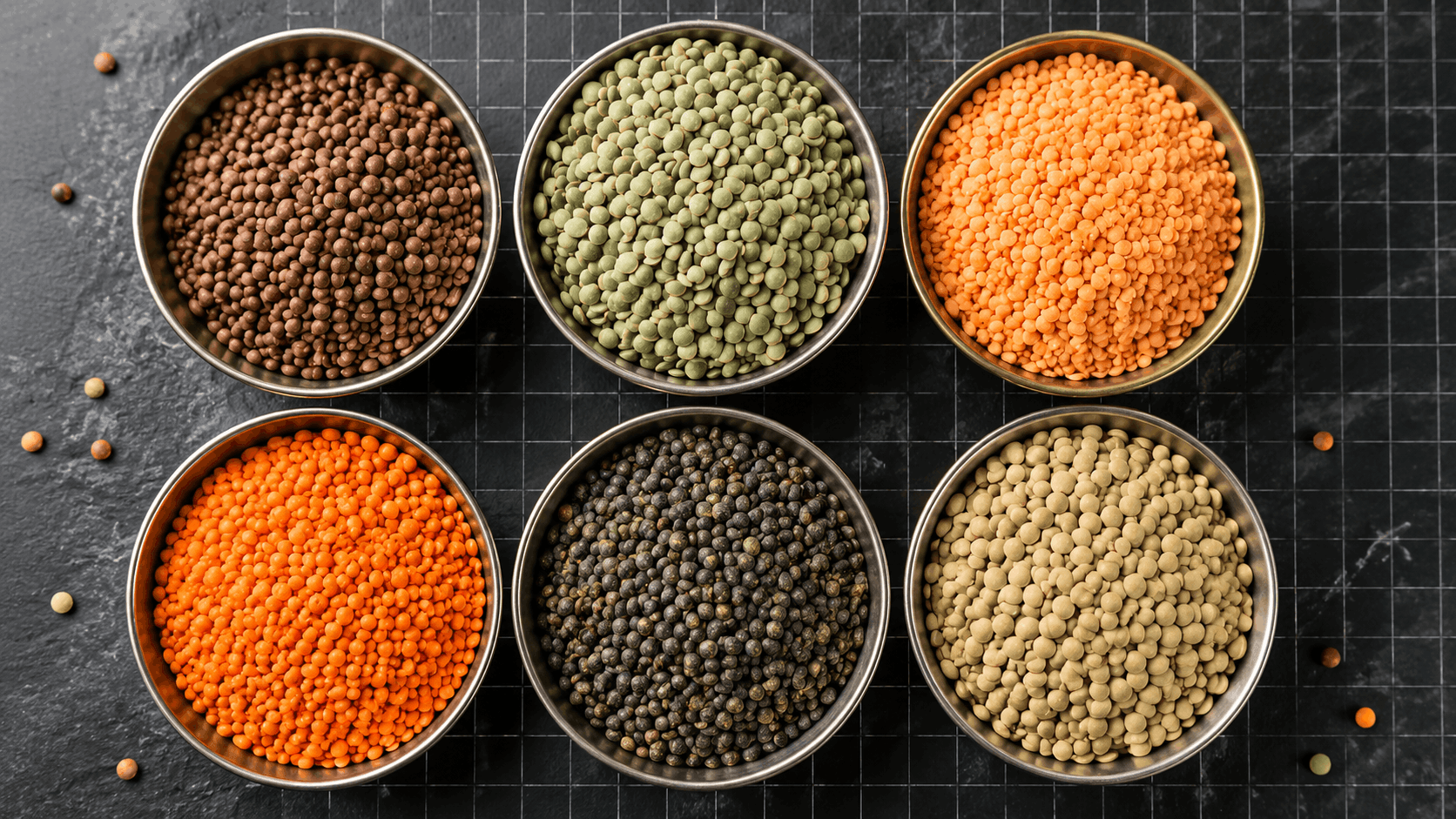
Lentils provide plant protein and fiber, making them a filling choice for soups, salads, bowls, and side dishes.
Red lentils cook soft and may be easier to digest than firmer varieties. Start with a small portion of beans and legumes if they usually cause gas or bloating. Pair lentils with cooked vegetables and a small amount of olive oil.
Canned lentils also save time, but rinse them first to reduce some of the added sodium.
7. Oatmeal
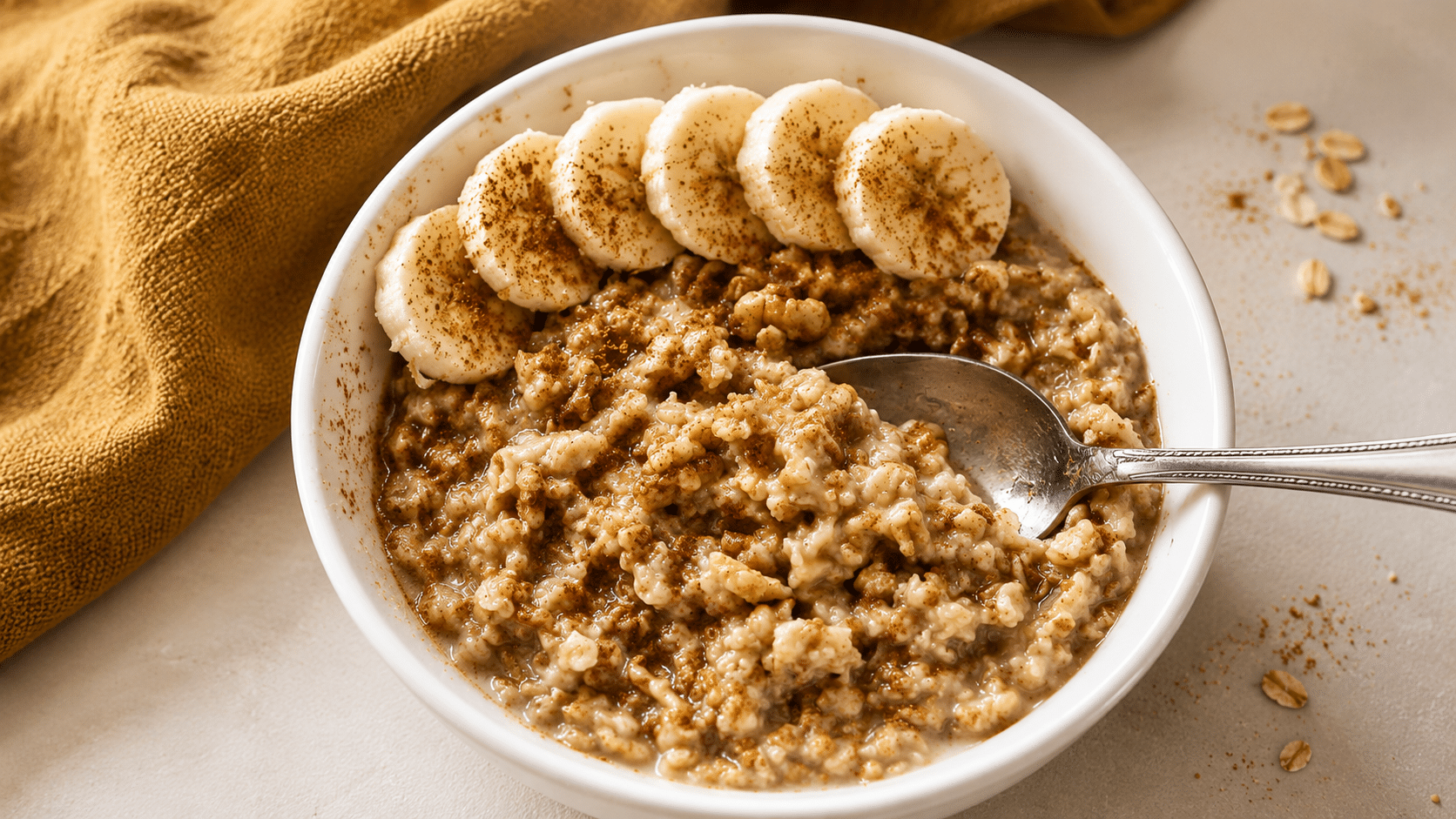
Oatmeal gives you fiber and a steady source of carbohydrates in a small bowl. Cook it with milk or water, then add berries, banana, Greek yogurt, or nut butter.
Plain oats are usually a better choice than flavored packets, which can contain more added sugar.
Keep the serving moderate because a large bowl may feel too filling. Softer oatmeal can be useful on days when solid foods are harder to tolerate.
8. Berries
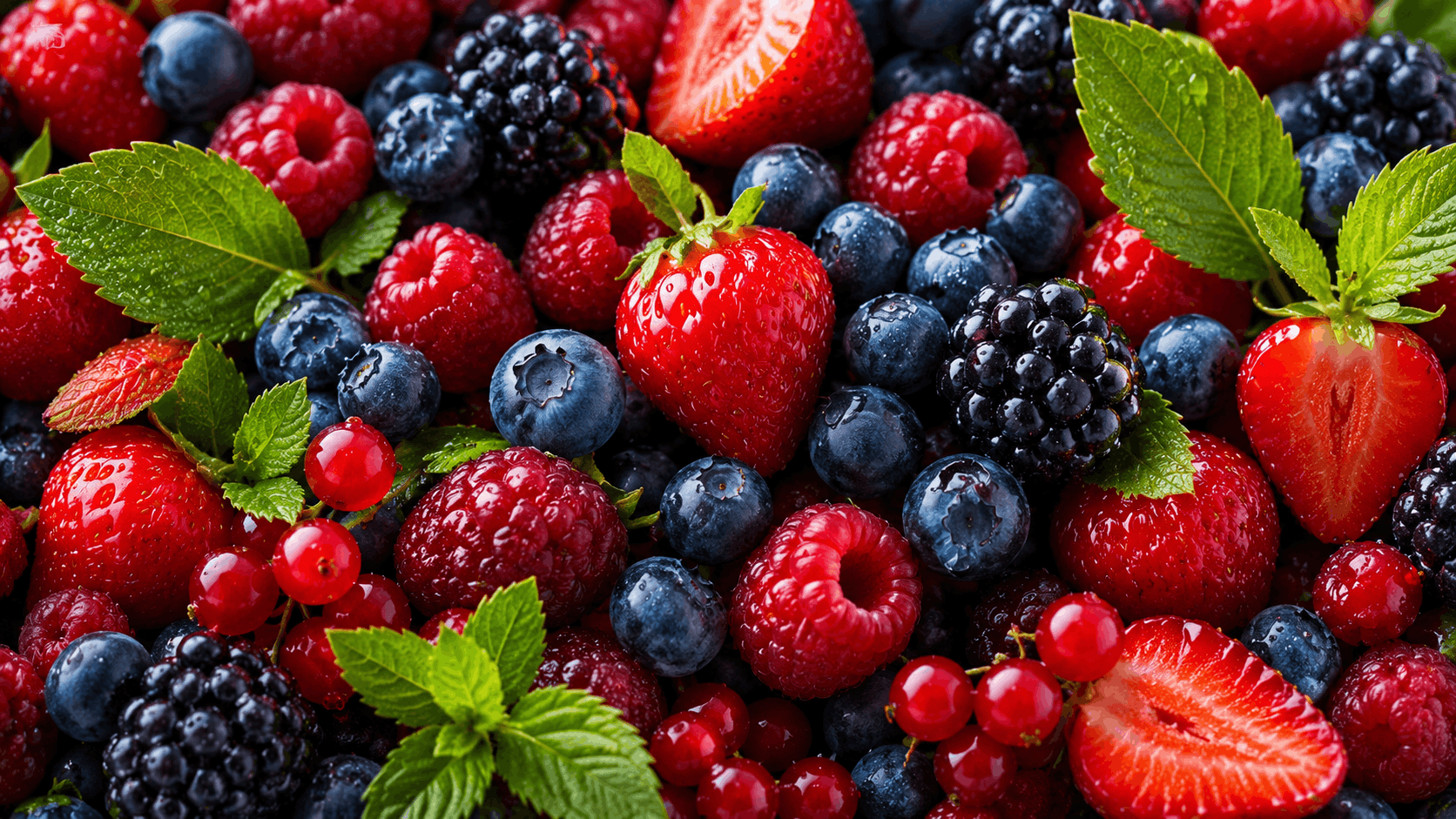
Berries add fiber, fluid, and natural sweetness without requiring a large serving.
Strawberries, blueberries, raspberries, and blackberries work well with yogurt, oatmeal, cottage cheese, or smoothies. Whole berries are usually more filling than juice because they keep their fiber.
Wash fresh berries before eating, or use unsweetened frozen berries for convenience. If seeds bother your stomach, try cooked berries or blend them into a smooth sauce.
9. Broccoli
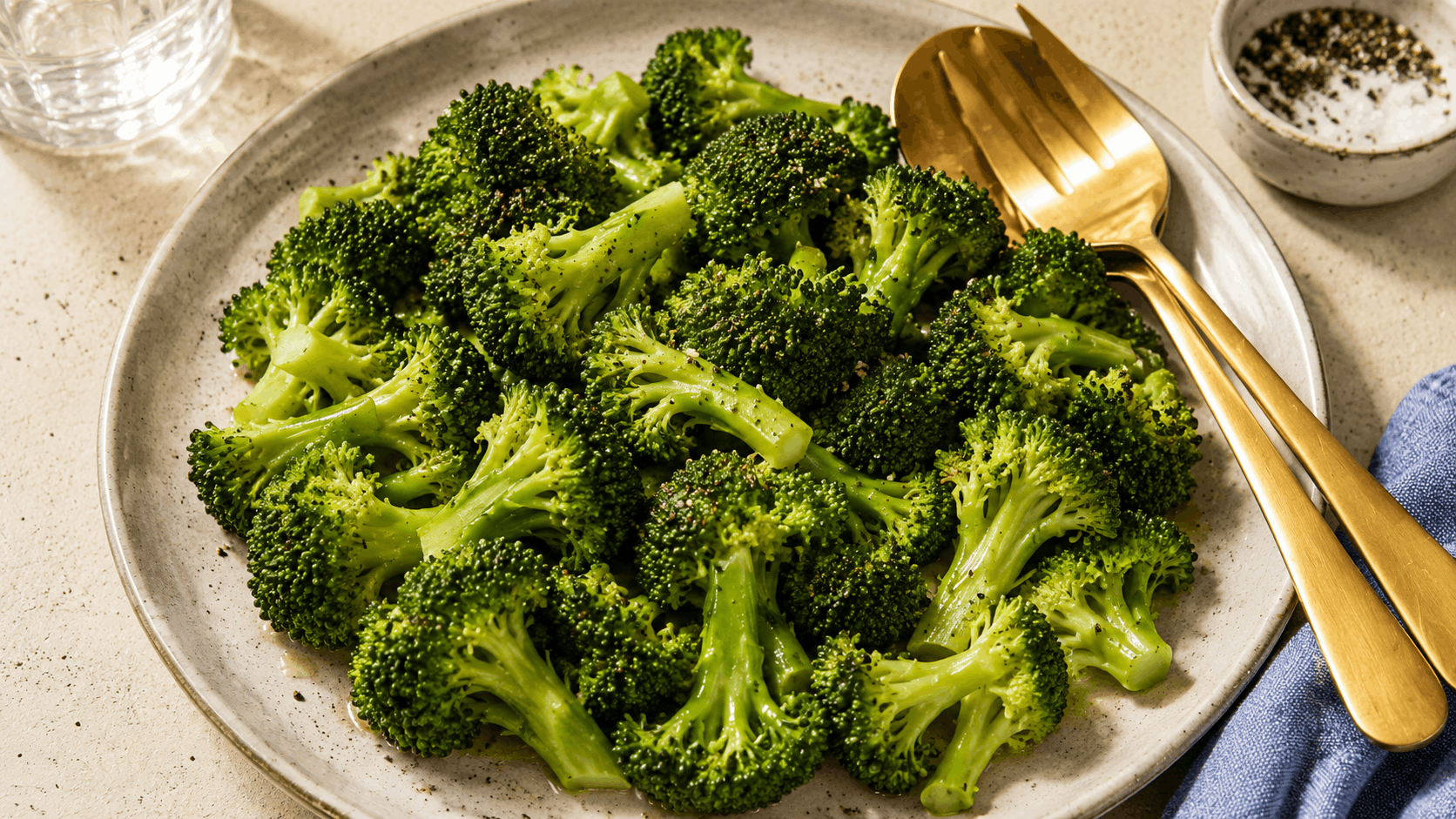
Broccoli provides fiber, folate, vitamin C, and other nutrients while adding volume to meals.
Steamed or roasted broccoli may be easier to tolerate than raw broccoli when digestion feels slow. Serve a small portion with chicken, fish, tofu, or lentils.
If broccoli causes gas or bloating, reduce the amount and choose softer vegetables such as zucchini, carrots, or green beans. Cooking it until tender may also make it easier to digest.
10. Avocado
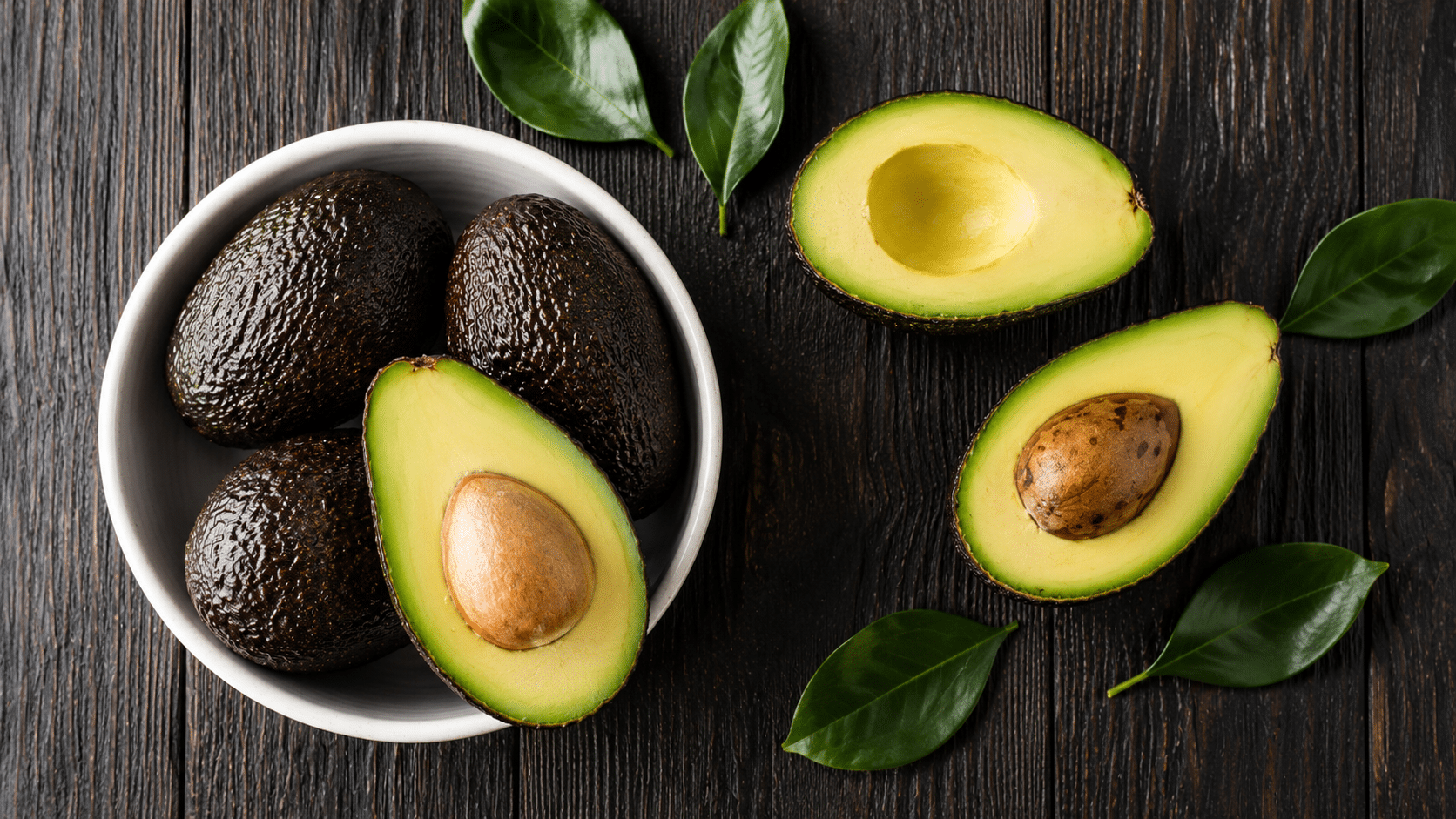
Avocado provides unsaturated fat, fiber, and a creamy texture that works well in small meals.
Add a few slices to eggs, toast, salads, or grain bowls. Since high-fat foods may worsen nausea for some people, keep the portion modest instead of eating a whole avocado at once.
Mashed avocado can also replace heavier spreads or sauces.
Pair it with protein and vegetables to make the meal more balanced and satisfying.
11. Edamame
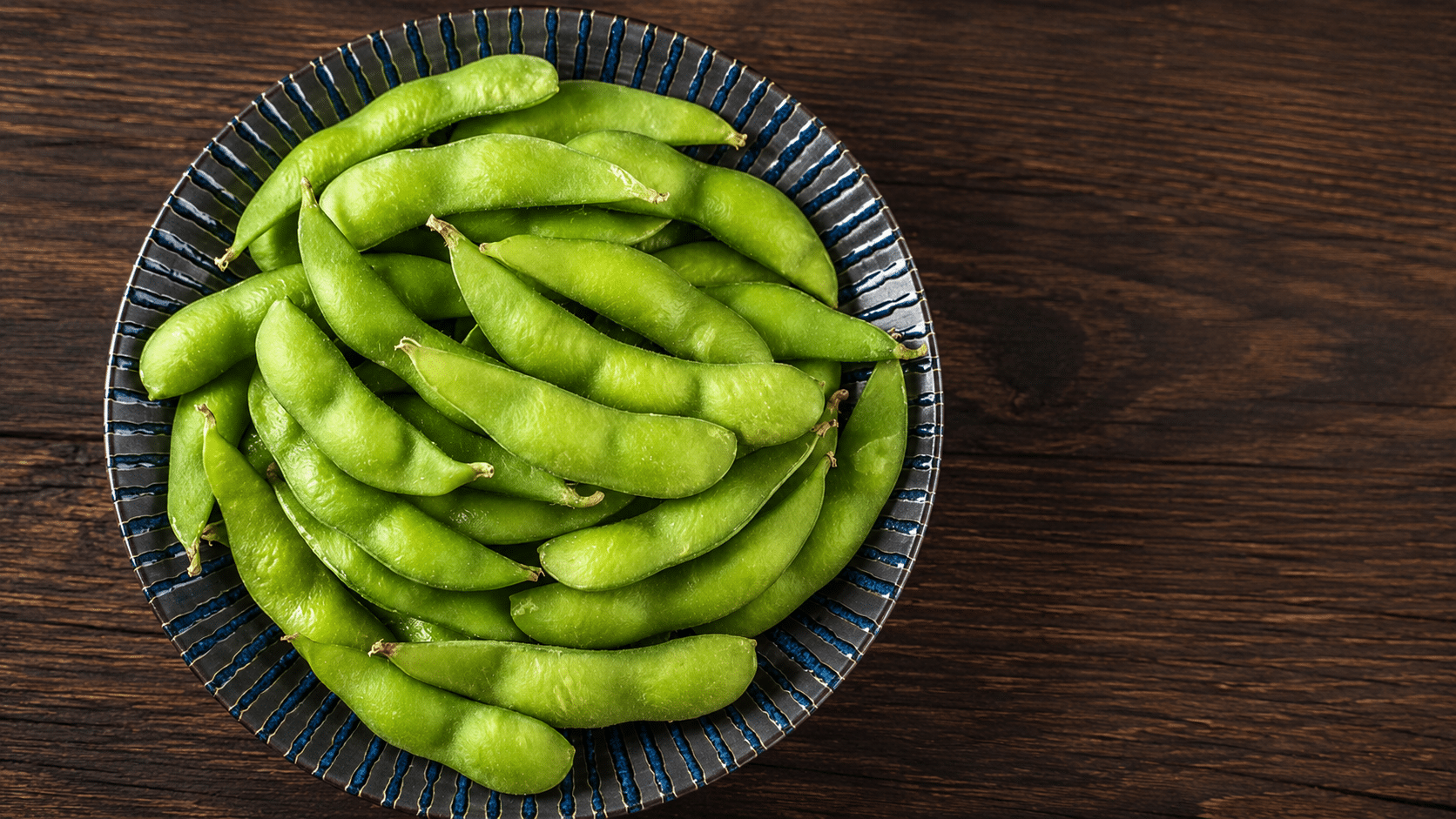
Edamame is a nutritious plant-based food that provides both protein and fiber, making it a great addition to a GLP-1 diet.
It can help you stay satisfied between meals while supporting your daily protein intake. Enjoy it steamed, lightly salted, or added to salads, grain bowls, and stir-fries.
Since it’s naturally filling, start with a moderate portion and eat slowly to avoid feeling overly full.
Frozen edamame is also affordable, convenient, and easy to keep on hand for quick meals or snacks.
Foods to Limit or Avoid on a GLP-1 Diet
Some foods can worsen nausea, bloating, heartburn, or stomach discomfort when taking GLP-1 medications.
| Food | Why It’s Best to Limit |
|---|---|
| Fried foods | Can be harder to digest and may increase nausea or stomach discomfort. |
| Fast food | Often high in saturated fat, sodium, and calories, with fewer nutrients. |
| Sugary drinks | Adding calories without keeping you full may lead to blood sugar spikes. |
| Candy and desserts | Usually high in added sugar and low in protein or fiber. |
| Chips and processed snacks | Easy to overeat, with little nutritional value. |
| Fatty cuts of red meat | May take longer to digest and can feel heavy after eating. |
| Creamy sauces | Often high in fat, which may worsen digestive side effects. |
| Alcohol | Can increase dehydration and may worsen nausea or stomach irritation. |
Tips for Eating While Taking GLP-1 Medications
Small changes in your eating habits can help you stay comfortable and get the nutrients your body needs while taking GLP-1 medications.
- Eat Smaller Meals: Choose smaller portions throughout the day instead of large meals that may leave you feeling overly full.
- Start With Protein: Eat protein-rich foods first so you can meet your daily needs even if your appetite is low.
- Drink Plenty of Water: Stay hydrated by sipping water regularly to support digestion and help reduce constipation.
- Eat Slowly: Take small bites, chew your food well, and stop eating when you feel comfortably full.
- Include Fiber Daily: Add vegetables, fruits, beans, and whole grains to support healthy digestion.
- Choose Bland Foods if Needed: If nausea develops, foods like toast, oatmeal, bananas, rice, and applesauce may be easier to tolerate.
- Limit High-Fat Meals: Fried or greasy foods can increase nausea, bloating, or stomach discomfort for some people.
How Much Should You Eat on a GLP-1 Diet?
There is no fixed portion size that works for everyone taking a GLP-1 medication.
Your needs depend on your body size, activity level, health goals, and the medication’s effect on your appetite.
Start with a smaller portion than usual and eat slowly. Stop when you feel comfortably satisfied, even if food remains on your plate. Avoid waiting until you feel overly full, since that may lead to nausea, pressure, or bloating.
Try to include protein, a small serving of high-fiber carbohydrates, vegetables, and a little healthy fat in each main meal.
A dietitian or healthcare provider can help you set portion sizes that support weight loss without leaving you short on protein, fluids, or other key nutrients.
One-Day Sample GLP-1 Diet Meal Plan
If you’re unsure how to put everything together, this sample menu can give you a starting point.
| Meal | Sample Menu |
|---|---|
| Breakfast | Plain Greek yogurt topped with blueberries, chia seeds, and a few almonds |
| Morning Snack | One boiled egg with cucumber slices |
| Lunch | Grilled chicken breast, roasted broccoli, and a small serving of quinoa |
| Afternoon Snack | Apple slices with one tablespoon of natural peanut butter |
| Dinner | Baked salmon with green beans and a small baked sweet potato |
| Evening Snack (Optional) | Cottage cheese with sliced strawberries |
Can You Eat Out While Following a GLP-1 Diet?
Eating at restaurants doesn’t mean you have to stop following a GLP-1 diet. Choosing balanced meals and paying attention to portion sizes can help you enjoy eating out while managing common side effects.
- Choose Lean Proteins: Order grilled chicken, fish, shrimp, turkey, or tofu instead of fried or breaded options.
- Pick Vegetables First: Add steamed, roasted, or fresh vegetables to increase fiber and nutrients without making the meal too heavy.
- Control Portions: Restaurant servings are often large, so consider sharing a meal or saving half for later.
- Skip Sugary Drinks: Water, sparkling water, or unsweetened tea are better choices for staying hydrated.
- Choose Healthier Sides: Replace fries or onion rings with a side salad, vegetables, fruit, or a baked potato when available.
- Avoid Heavy Desserts: If you want something sweet, share a dessert or choose fresh fruit when available.
How to Structure Your GLP-1 Meals?
Building each meal the same way can help you get enough protein, fiber, and healthy fats without eating portions that feel too large.
| Meal Component | What to Include | Examples |
|---|---|---|
| Protein (Start Here) | Build your meal around a lean protein. | Chicken, turkey, fish, eggs, Greek yogurt, cottage cheese, tofu, beans |
| Vegetables | Fill about half of your plate with non-starchy vegetables. | Broccoli, spinach, zucchini, peppers, green beans, carrots |
| Fiber-Rich Carbohydrates | Add a small serving for energy and fiber. | Oatmeal, quinoa, brown rice, sweet potato, whole grain bread |
| Healthy Fats | Include a small amount to make meals more satisfying. | Avocado, olive oil, almonds, walnuts, chia seeds |
| Drink | Stay hydrated with low-calorie beverages. | Water, sparkling water, unsweetened tea, black coffee |
Conclusion
Following a GLP-1 diet doesn’t mean giving up your favorite foods or following strict rules. Build balanced meals with protein, fiber, healthy fats, and fluids while following your hunger and fullness cues.
Balanced meals and smart food choices can reduce side effects and support nutrition during weight loss.
Remember that everyone’s experience with GLP-1 medications is different, so it may take time to find the foods and meal patterns that work best for you.
If you’re unsure that your diet is meeting your nutritional needs or you’re experiencing ongoing side effects, speak with your healthcare provider or a registered dietitian for personalized guidance.
Frequently Asked Questions
Can You Drink Coffee While Taking GLP-1 Medications?
Yes. Black coffee or coffee with little added sugar can fit into a GLP-1 diet. If coffee worsens nausea or acid reflux, reduce the amount or drink it with food.
Do You Need Protein Shakes on a GLP-1 Diet?
Not always. Protein shakes can be helpful if you’re struggling to eat enough protein because of a reduced appetite, but whole-food protein should remain your first choice whenever possible.
Should You Count Calories While Taking GLP-1 Medications?
Not everyone needs to count calories. Many people benefit more from prioritizing protein, fiber, and portion control while listening to hunger and fullness cues. Your healthcare provider may recommend tracking if needed.
Can Vegetarians Follow a GLP-1 Diet?
Yes. Plant-based proteins such as tofu, tempeh, beans, lentils, edamame, Greek yogurt, and cottage cheese can provide the protein needed while following a vegetarian eating pattern.
Do You Need Vitamins or Supplements on a GLP-1 Diet?
Not everyone does, but some people may benefit from supplements if they consistently eat too little or have nutrient deficiencies. Ask your healthcare provider before starting any supplement.