

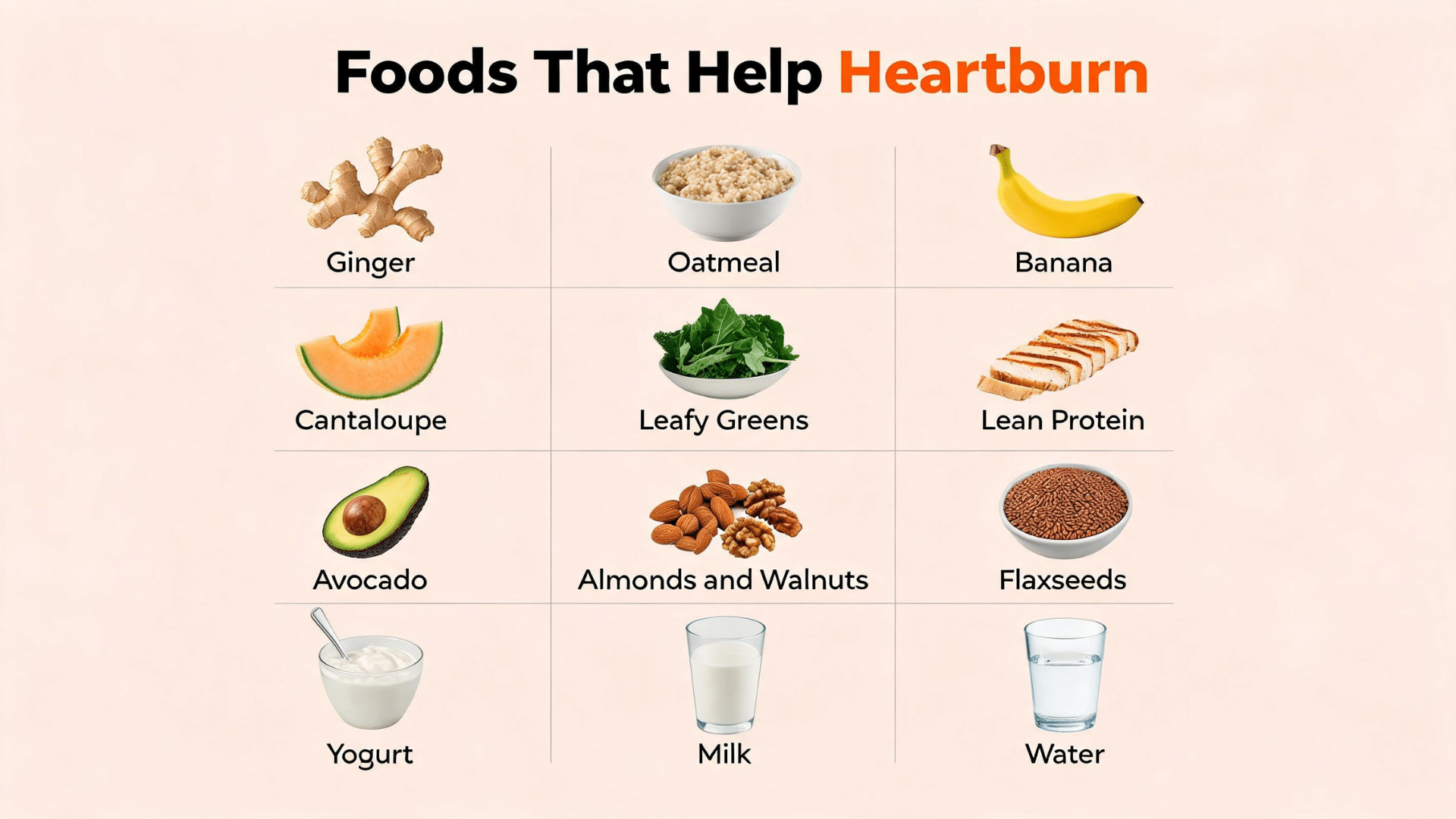
That burning sensation rising from your chest to your throat can quickly ruin an enjoyable meal.
Heartburn often strikes at the most inconvenient moments, whether you are eating, working, or trying to sleep after a long day.
While many people focus on avoiding trigger foods, fewer know that some foods may help ease discomfort. Choosing the right options can soothe irritation, support healthy digestion, and provide natural relief.
Understanding which foods may help and how they work can make managing occasional heartburn much easier.
What Causes Heartburn and Why Diet Matters?
Heartburn occurs when the lower esophageal sphincter (LES), the valve between the stomach and esophagus, relaxes at the wrong time.
This allows stomach acid to flow back into the esophagus, causing irritation and the familiar burning sensation behind the breastbone.
Certain foods may trigger heartburn by relaxing the LES, increasing acid, or slowing digestion.
On the other hand, some foods are gentler and may help reduce discomfort because they are lower in fat, less acidic, and higher in fiber or water.
While no single food can completely prevent heartburn, making consistent dietary choices can help reduce the frequency and severity of symptoms over time.
Best Foods that Help Heartburn
Choose foods that support digestion, reduce irritation, and are less likely to trigger acid reflux symptoms. Below are some heartburn-friendly options.
1. Oatmeal and Whole Grains
Oatmeal, brown rice, couscous, and whole grain bread are all high in fiber, which helps absorb excess stomach acid and keeps digestion moving at a steady pace.
Higher fiber intake has been associated with fewer reflux episodes, suggesting fiber-rich foods may support better digestive comfort.
Whole grains also help you feel fuller for longer, which lowers the odds of overeating, one of the most common triggers for heartburn. Try starting your day with a bowl of plain oatmeal instead of a heavier, fattier breakfast.
2. Bananas
Bananas are a low-acid, alkaline fruit rich in pectin, a type of soluble fiber that supports healthy digestion. Many people find that bananas help coat the esophageal lining and ease the sensation of acid irritation.
They’re also filling, which can help prevent the overeating that often leads to reflux.
That said, a small number of people notice bananas actually worsen their symptoms, so it’s worth testing your own tolerance before making them a daily habit.
3. Melon
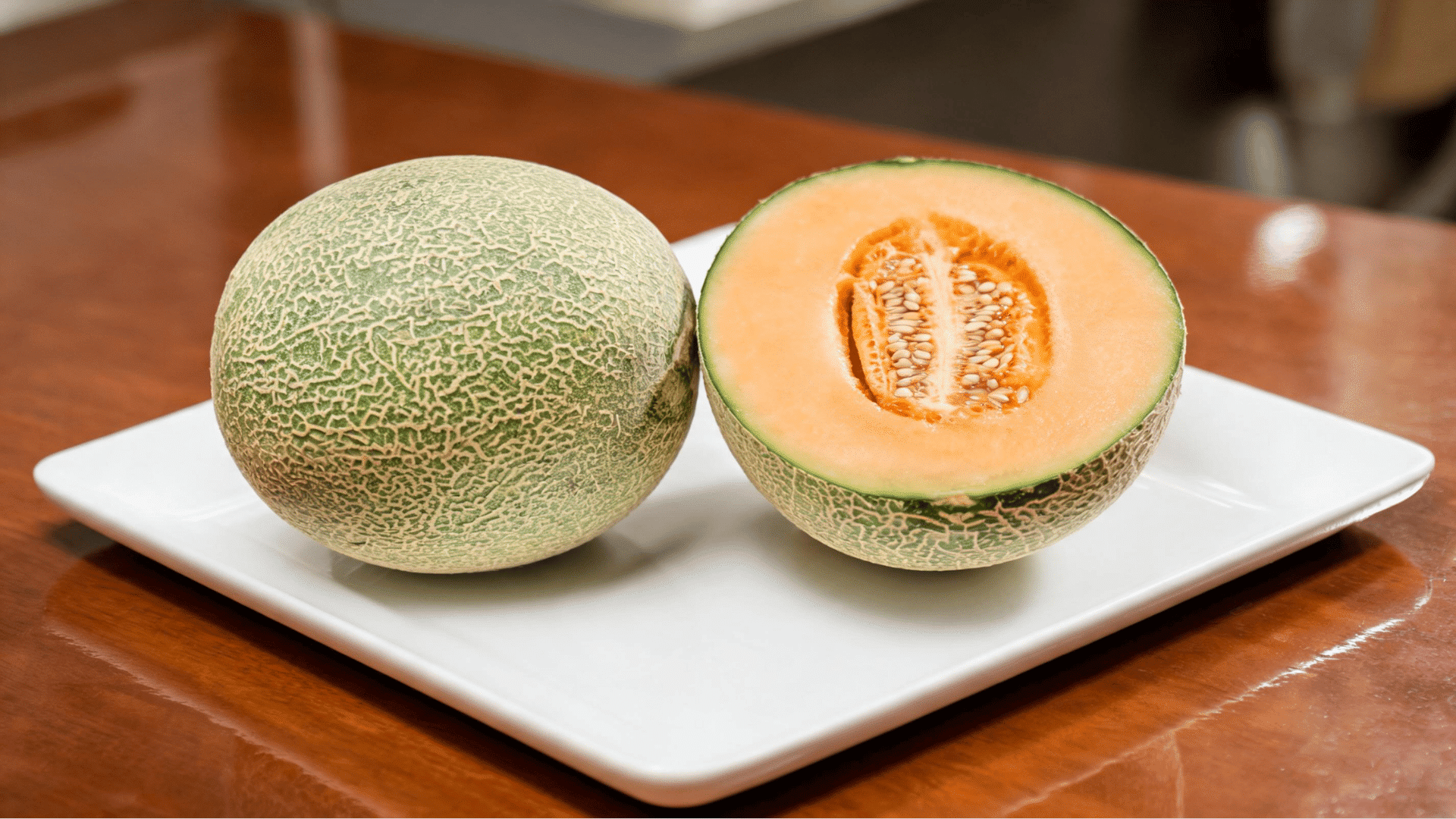
Cantaloupe and honeydew melon are both low in acidity and high in water content, two qualities that make them easy on a sensitive digestive tract.
The water in melon can help dilute stomach acid, while its mild flavor makes it a refreshing snack that rarely triggers symptoms.
Enjoy melon on its own rather than mixing it into a fruit salad with citrus, since pairing it with acidic fruits can cancel out the benefit.
4. Leafy Greens
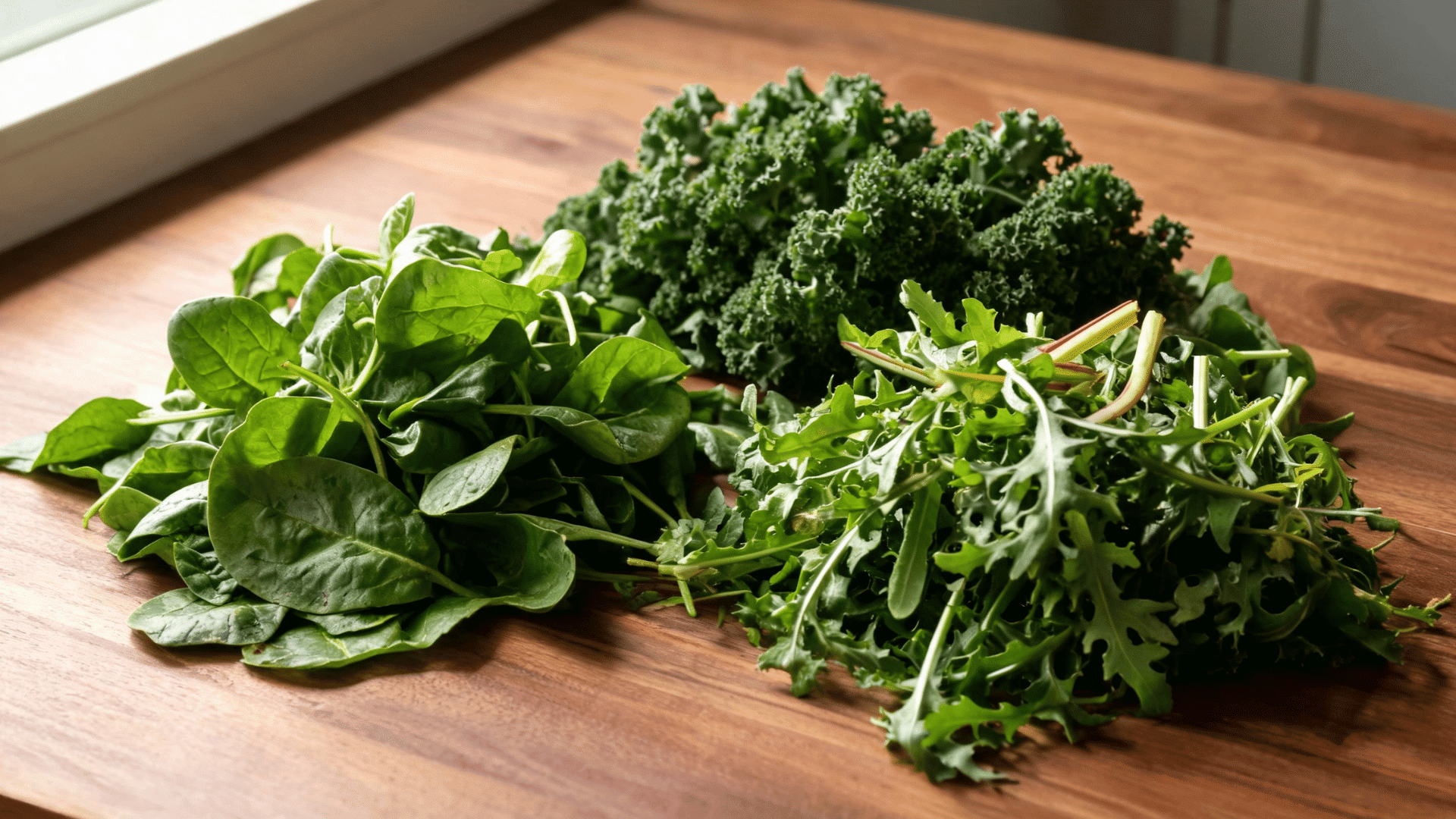
Spinach, kale, and other leafy greens are naturally alkaline and low in both fat and sugar, making them one of the gentlest vegetable choices for anyone managing reflux.
They’re easy to digest and unlikely to cause the bloating or gas that can add pressure to the stomach.
Steam, sauté, or eat them raw rather than smothering them in creamy or fried preparations.
5. Ginger
Ginger has been used as a digestive aid for centuries, thanks to its natural anti-inflammatory properties.
It helps speed up gastric emptying, meaning food and acid spend less time sitting in the stomach, where they can trigger reflux.
Fresh ginger tea, a few slices added to a stir-fry, or grated ginger in a smoothie are all easy ways to work it in.
Start with a small amount, since ginger can, in rare cases, trigger heartburn.
6. Lean Proteins
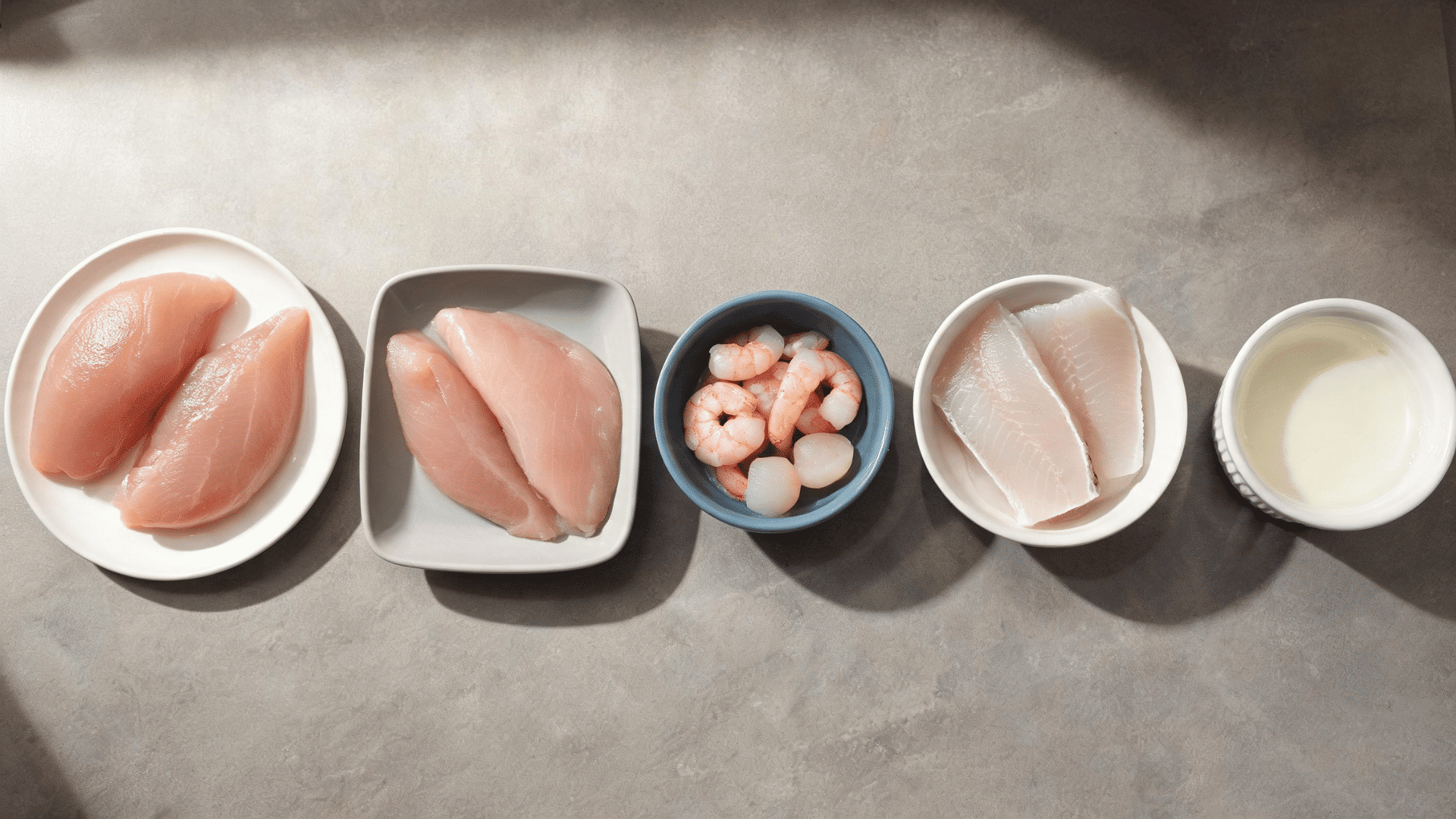
Chicken breast, turkey, fish, seafood, and egg whites are all lower in fat than red meat or fried protein sources, so they digest faster and put less strain on the LES.
Plant-based proteins like beans and lentils are also naturally lower in acid.
The cooking method matters just as much as the protein itself, so opt for grilling, baking, or steaming instead of frying to keep these choices reflux-friendly.
7. Healthy Fats
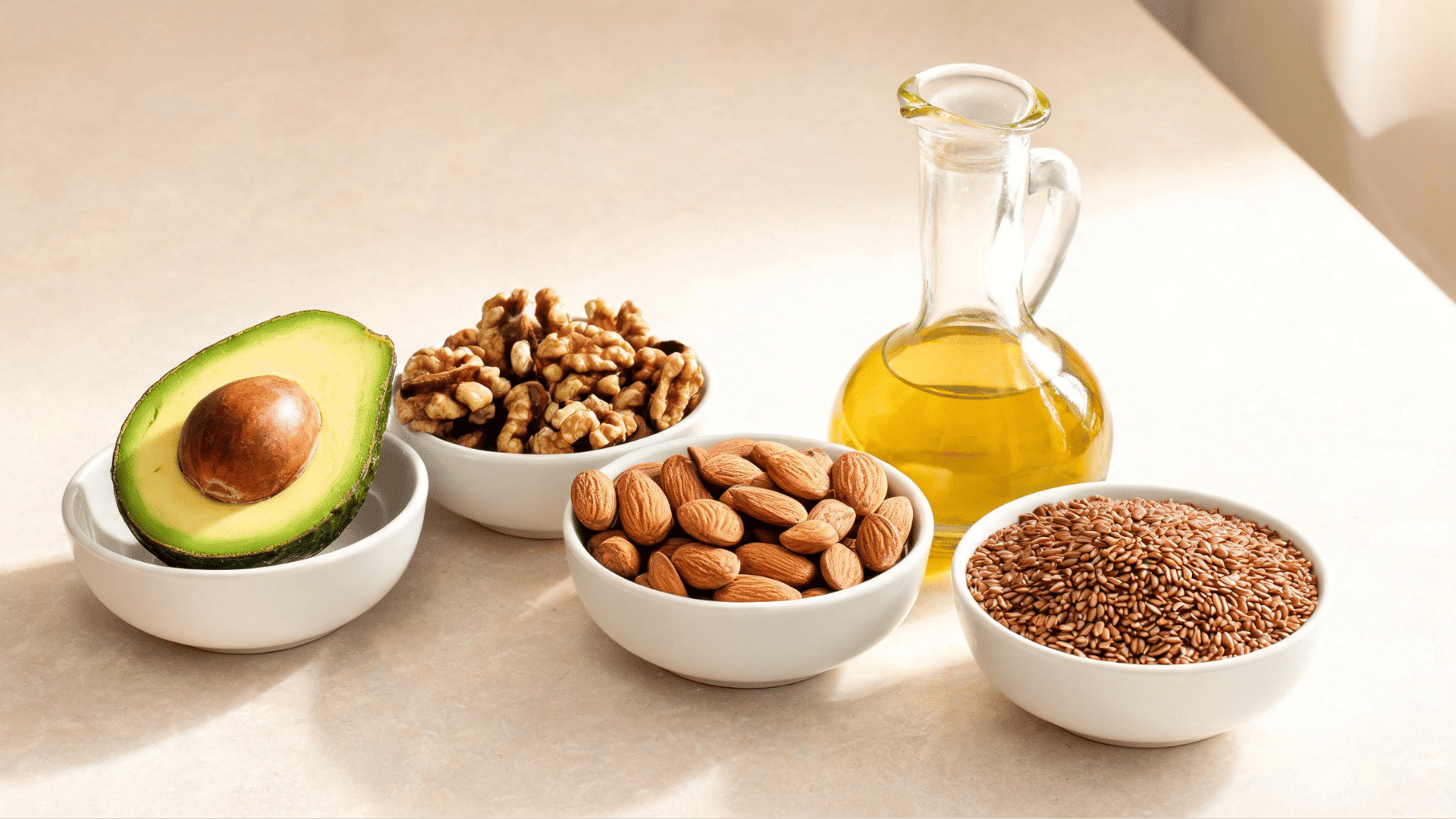
Avocado, walnuts, almonds, olive oil, and flaxseed offer unsaturated fats that are generally gentler on digestion than the saturated fats found in fried or fatty foods.
These fats support satiety, helping you feel full without overloading your stomach. Portion size still matters here, since even healthy fats can trigger reflux in large amounts.
A modest serving added to a salad or whole grain bowl is a reasonable way to include them.
8. Yogurt and Kefir
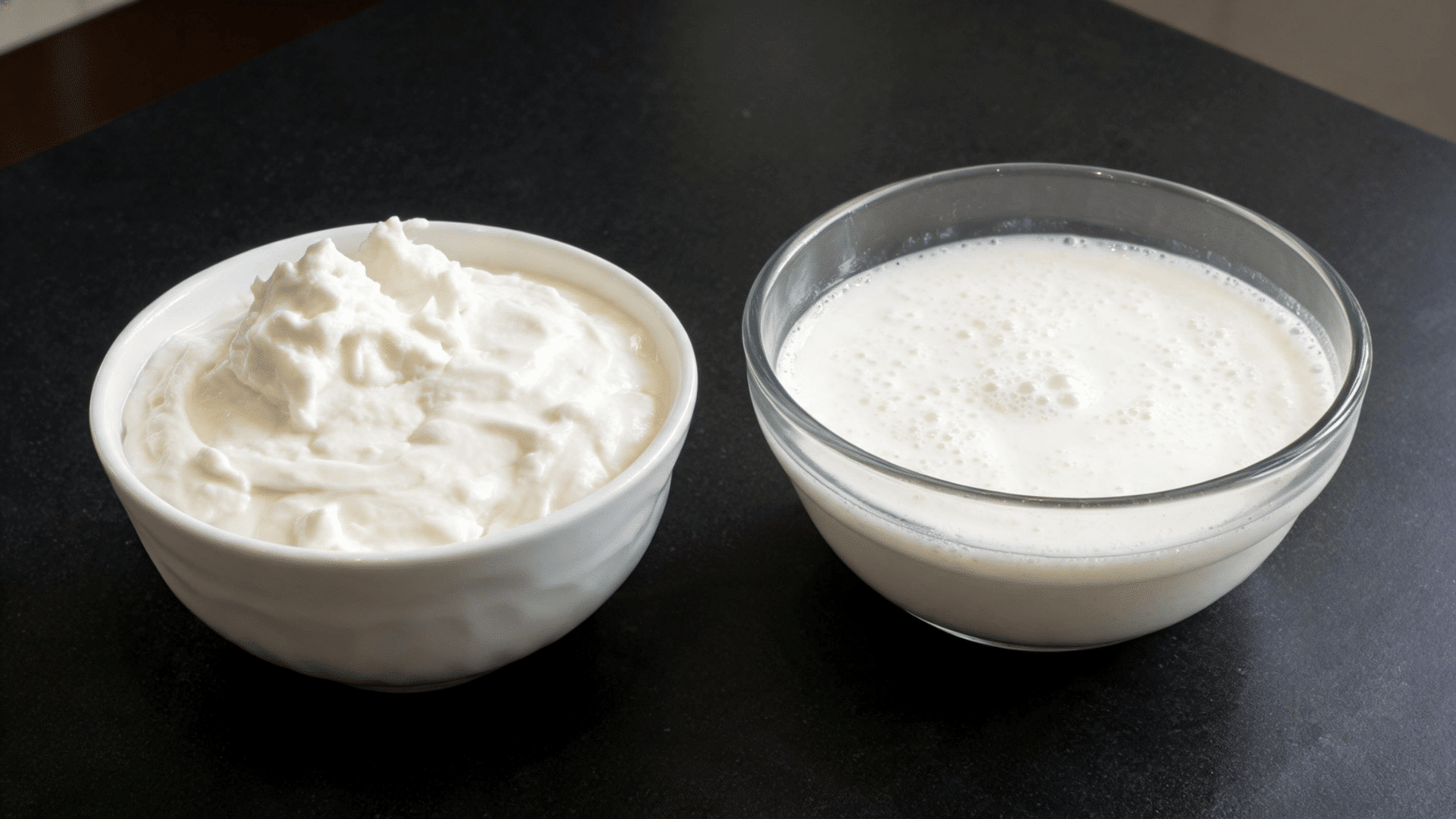
Yogurt and kefir bring probiotics to the table, which support a healthy balance of gut bacteria and aid overall digestion.
Many people also find that yogurt acts as a temporary buffer, coating the esophageal lining and easing the burning sensation shortly after eating it.
Stick to skim or low-fat versions, since the higher fat content in whole milk yogurt can work against you.
A small serving, either alongside a meal or as a snack, is typically enough to notice a difference.
9. Water
Plain water helps dilute and weaken stomach acid, making it one of the simplest tools for managing heartburn.
It also supports digestion by helping food move more efficiently from the stomach into the small intestine.
Sip water steadily throughout the day rather than drinking large amounts during meals, which can add unnecessary pressure to a full stomach.
10. Ginger Tea
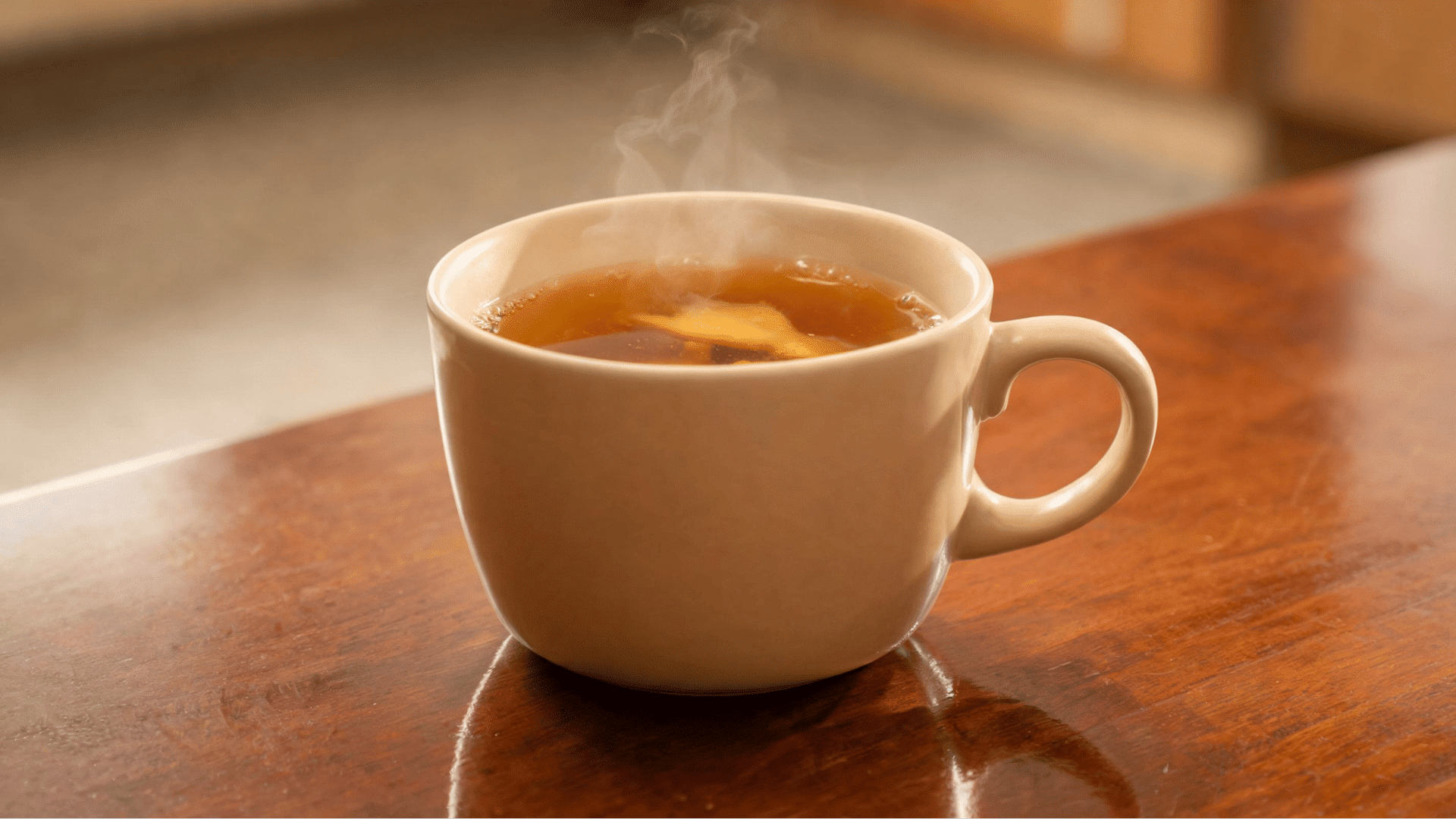
Ginger tea carries the same anti-inflammatory benefits as fresh ginger, making it a soothing option for calming an irritated digestive tract.
It also helps speed up gastric emptying, reducing the amount of time acid spends sitting in the stomach.
Steeping fresh or ground ginger in hot water is simple and can be sipped before or after meals. As with fresh ginger, start with a small amount to make sure it agrees with you.
11. Chamomile Tea
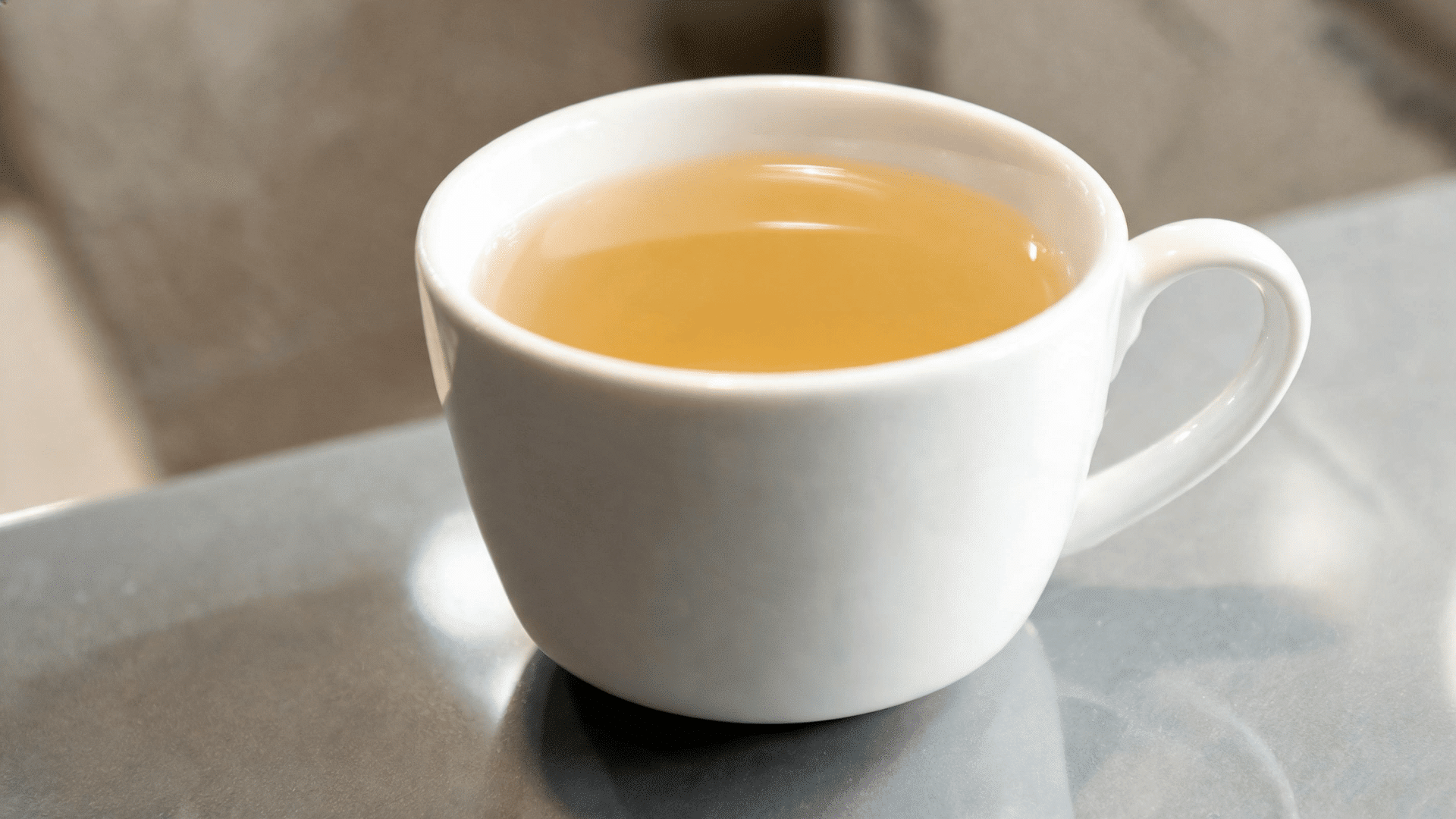
Chamomile tea is naturally caffeine-free, which matters since caffeine can stimulate extra acid production in the stomach.
It also has calming, anti-inflammatory properties that may help ease digestive irritation.
Chamomile makes a good substitute for peppermint tea, which can actually relax the LES and worsen reflux despite its reputation as a soothing drink.
Enjoy it warm in the evening or after a meal for a gentle, low-risk option.
It also works well if you are cutting back on coffee, since how coffee affects acid reflux varies by roast and brew method, and a caffeine-free swap removes the guesswork.
12. Low-Fat Milk
Skim or low-fat milk can act as a short-term buffer, temporarily coating the esophageal lining and easing the burning sensation of heartburn.
Whole milk isn’t a good substitute here, since its higher fat content can worsen reflux symptoms rather than help.
Keep portions small, since the relief milk provides is temporary and shouldn’t be relied on as a long-term fix. It works best as an occasional remedy rather than a daily habit.
13. Non-Citrus Fruit and Vegetable Juice
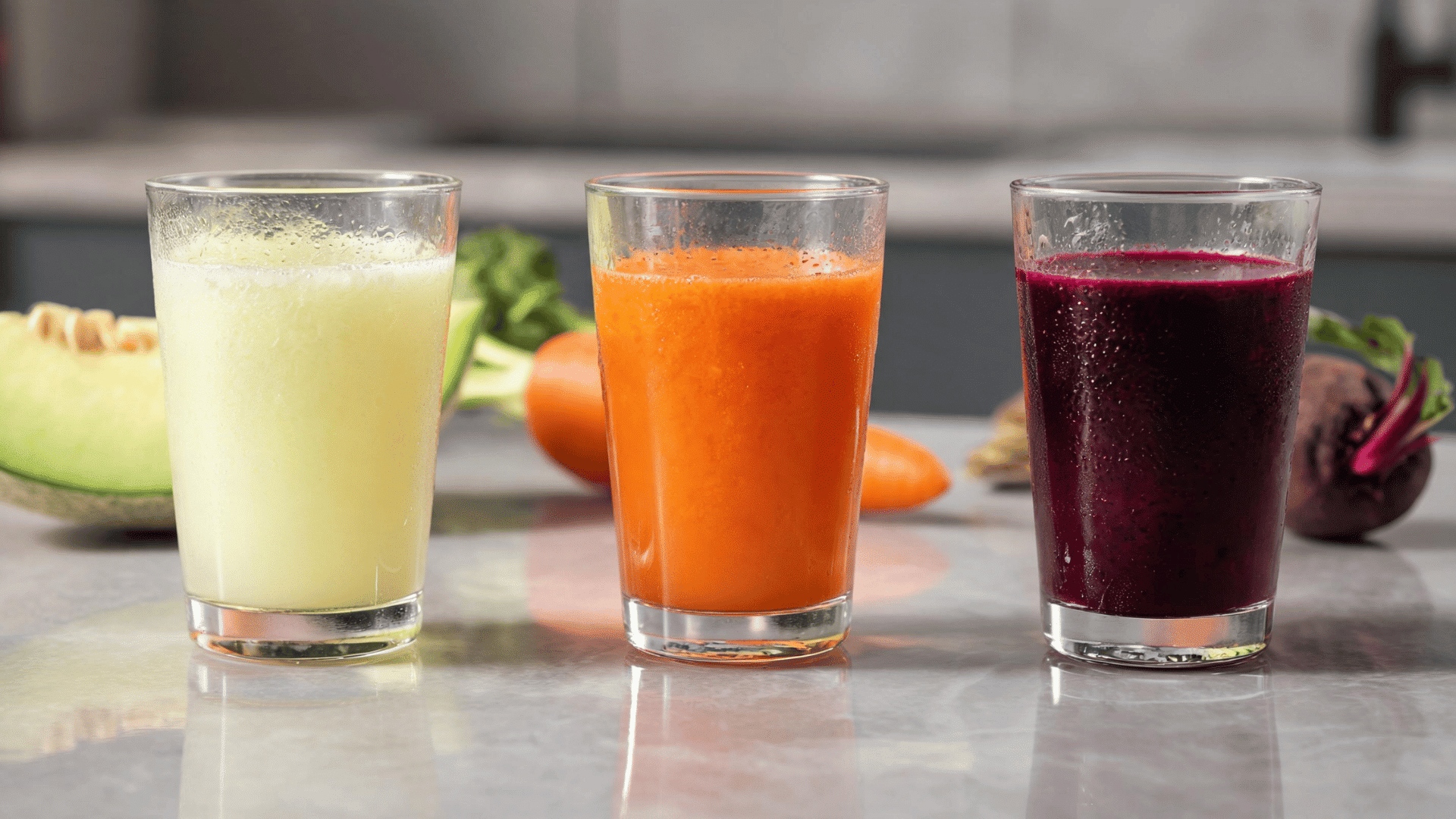
Juices made from melon, carrot, or beet tend to be far lower in acid than citrus juices like orange or grapefruit, which are common heartburn triggers.
These options still provide hydration along with vitamins and antioxidants.
Because juice lacks the fiber found in whole fruit, it’s best enjoyed in moderation rather than as a substitute for eating produce directly.
Avoid pairing these juices with a heavy or fatty meal for the best results.
A Few More Remedies Worth Trying
Other natural remedies may also help manage occasional heartburn, but their effectiveness varies and some require medical guidance before regular use.
| Remedy | Potential Benefit | Things to Consider |
| Fennel seeds | May support digestion. | Consume in small amounts after meals. |
| Papaya | May aid digestion with natural enzymes. | Choose fresh, ripe papaya. |
| Sugar-free gum | May help clear acid from the esophagus. | Avoid mint flavors if they trigger reflux. |
| Apple cider vinegar | Limited evidence for symptom relief. | Always dilute before drinking. |
| DGL licorice | May soothe the stomach lining. | Consult a doctor before regular use. |
| Aloe vera juice | May reduce heartburn frequency. | Use products from reputable brands. |
Treat this table as a starting point for a conversation with your doctor rather than a substitute for one, especially if symptoms are frequent.
Foods and Habits to Limit or Avoid
Limiting common trigger foods and adjusting eating habits can reduce the frequency and severity of heartburn episodes. Individual triggers vary, so pay attention to what affects you most.
- High-Fat and Fried Foods: High-fat and fried foods, including burgers, fries, and creamy sauces, relax the LES and slow digestion.
- Acidic and Spicy Foods: Acidic and spicy foods like citrus fruits, tomatoes, chili peppers, and hot sauce can directly irritate the esophagus.
- Chocolate, Caffeine, Carbonated Drinks, and Alcohol: These are frequent culprits since they either stimulate acid production or loosen the LES.
- Raw Onions and Garlic: Raw onions and garlic round out the list of common triggers for many people.
Tips for Building a GERD-Friendly Eating Routine
Research by the National Library of Medicine on dietary factors involved in GERD management shows that larger meals, eating close to bedtime, and excess body weight may worsen reflux, while smaller meals, raising the head of the bed, and weight loss may help reduce symptoms.
Also, keeping a food diary can help you identify the foods and drinks that trigger your symptoms.
Maintaining a healthy weight may reduce pressure on your stomach, while raising the head of your bed can help minimize acid reflux and nighttime heartburn.
This article is for general purpose only. See a doctor if heartburn occurs twice a week or more, or if you have trouble swallowing, chest pain, weight loss, or a persistent cough. This information does not replace professional medical advice.
Conclusion
Heartburn doesn’t have to control your relationship with food. Choose high-fiber, low-acid foods while limiting fried, spicy, and acidic options to help manage heartburn symptoms.
Small changes, like eating slower, avoiding late-night meals, and staying upright after eating, add up over time.
Everyone’s triggers are different, so pay attention to how your body responds and adjust from there. If symptoms persist despite these changes, don’t wait it out.
Talk to your doctor or a registered dietitian to build a personalized GERD-friendly eating plan that works for you.
Frequently Asked Questions
How Long Does It Take for Diet Changes to Help Heartburn?
Most people notice improvement within a few days to two weeks of consistent dietary changes, though full relief can take longer.
Can Heartburn Go Away on Its Own?
Occasional heartburn often resolves on its own within a couple of hours, but frequent episodes usually need diet or lifestyle changes.
Is It Ok to Take Antacids Every Day?
Occasional use is generally safe, but daily antacid use for weeks may signal GERD and should be discussed with a doctor.
What Is the Fastest Way to Relieve Heartburn without Medication?
Sipping water, standing upright, chewing gum, or drinking a small amount of low-fat milk can bring quick, temporary relief.