
When I first heard about creating a feng shui living room, I thought it would be complicated or only meant for traditional homes. But once I started learning, I realized it’s actually simple and very practical for modern spaces too.
Feng shui is about arranging your living room to feel calm, balanced, and welcoming. Here, I’ll walk you through everything you need to know about living room feng shui in an easy and clear way.
By the end, you’ll have simple steps you can follow to create a space that not only looks good but also feels peaceful and full of positive energy.
Understanding Feng Shui Living Room
Aliving room inspired by feng shui is a space designed to feel calm, balanced, and full of good energy. Feng shui is an ancient Chinese practice that focuses on how we arrange our homes to improve how we feel.
The main idea is to let energy, also called “chi,” flow easily around the room. When energy moves freely, the space feels more peaceful and comfortable.
The living room is very important in feng shui because it is where we relax, spend time with family, and welcome guests. If this space feels good, it can lift your mood and make your home feel warm and inviting.
Simple changes like better furniture placement and less clutter can really improve the overall energy.
Key Principles of a Living Room Feng Shui
These simple principles help create a living room that feels calm, balanced, and full of positive energy.
1. Command Position
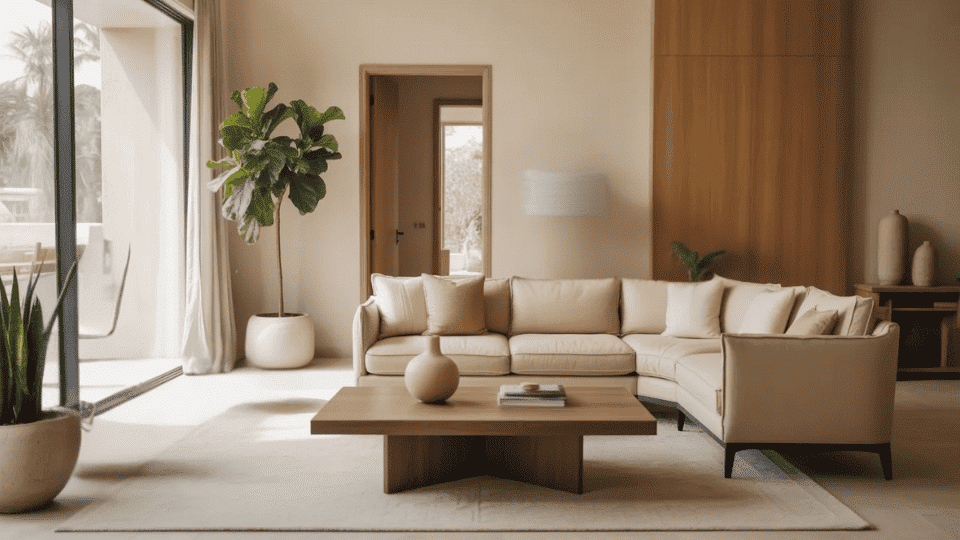
The command position is one of the most important ideas to follow. I always try to place the main sofa where I can clearly see the door without sitting directly in line with it. This setup creates a sense of comfort and control.
It also helps the room feel safer and more welcoming. When furniture is placed this way, the energy flows better and the space feels more relaxed and balanced for both family and guests.
2. Decluttering the Space
Decluttering is a simple but powerful step in improvingchi. I make sure to remove items that I no longer use or need, as clutter can block the flow of energy.
Clean surfaces and organized spaces help the room feel fresh and calm. Even small changes like clearing a table or shelf can make a big difference. When the space is tidy, it becomes easier to relax and enjoy a peaceful environment.
3. Clear Pathways
Clear pathways are important because they allow energy to move freely around the space. I always make sure there is enough room to walk comfortably without bumping into furniture.
When the layout feels open, the room feels lighter and more inviting. Tight or blocked areas can create stress without you even noticing it. Keeping pathways open helps the room feel more natural, smooth, and easy to move through.
4. Balance the Five Elements
Balancing the five elements is key to good living room feng shui. I like to include a mix of wood, fire, earth, metal, and water in simple ways. Plants can add wood energy, while candles or lights bring fire.
Earth can come from ceramics, metal from decor items, and water from mirrors or small features. When all these elements are present in balance, the room feels complete, calm, and full of positive energy.
Feng Shui Living Room Layout Tips for Modern Homes
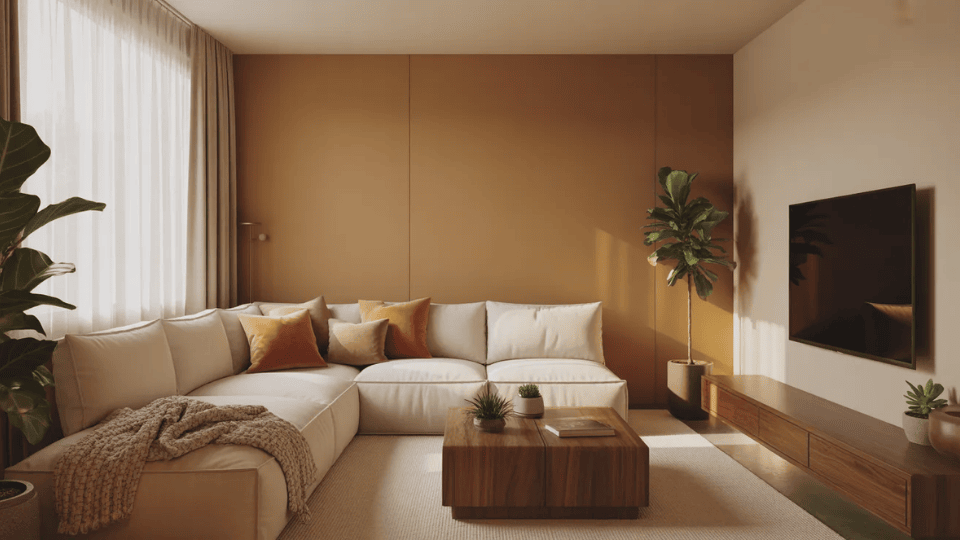
A well-planned layout is the heart of a balanced feng shui living room. It’s not just about where furniture goes it’s about how energy flows through your space. With a few smart adjustments, even a modern home can feel calm, open, and inviting. Here are some practical layout ideas you can easily follow.
1. Best Furniture Arrangement Ideas
I like to arrange seating in an L-shape or U-shape because it naturally brings people together and encourages conversation. It also helps energy flow smoothly around the room instead of getting stuck.
Try to avoid placing sofas directly opposite each other in a straight line, as this can create tension. A softer, slightly angled setup feels more relaxed and welcoming.
2. Sofa Placement Rules You Should Follow
In a feng shui setup, the sofa plays a big role. I always try to place it against a solid wall, as it creates a sense of support and stability.
If the sofa is floating in the middle without backing, it can feel unsettling. Also, position it so you can see the door without being directly in line with it.
3. TV Placement in Living Room Feng Shui
The TV can easily become the focal point, so I try to place it thoughtfully. It’s best not to have it directly facing the main seating if you want a more calm and social space.
If possible, place it to the side or blend it with decor. This helps reduce distraction and keeps the energy balanced in your living room.
Best Feng Shui Colors for a Living Room
Choosing the right colors can completely change how your space feels. In a feng shui living room, colors are used to create balance, comfort, and positive energy. Here are some simple color ideas you can follow:
- Earthy tones: Colors like beige, tan, and soft brown create a warm and grounded feeling. I like using these shades as a base because they make the space feel stable and comforting.
- Green for growth and calm: Green represents nature and new beginnings. Adding green through walls, cushions, or plants can make your living room feel fresh and peaceful.
- Warm neutrals for balance: Shades like cream, ivory, and soft gray help balance the overall look of your space. I find these colors easy to work with because they blend well with almost any decor while keeping the room feeling light and open.
- Accent colors: Small pops of color like red, blue, or gold can add energy and personality. I usually use them in decor pieces like cushions or artwork so they don’t overpower the room but still bring life to the space.
Using the right mix of these colors can make your living room feel both stylish and peaceful. I always suggest starting with a neutral base and then adding colors slowly to see what feels right for your space.
How to Use Feng Shui Elements in Your Living Room
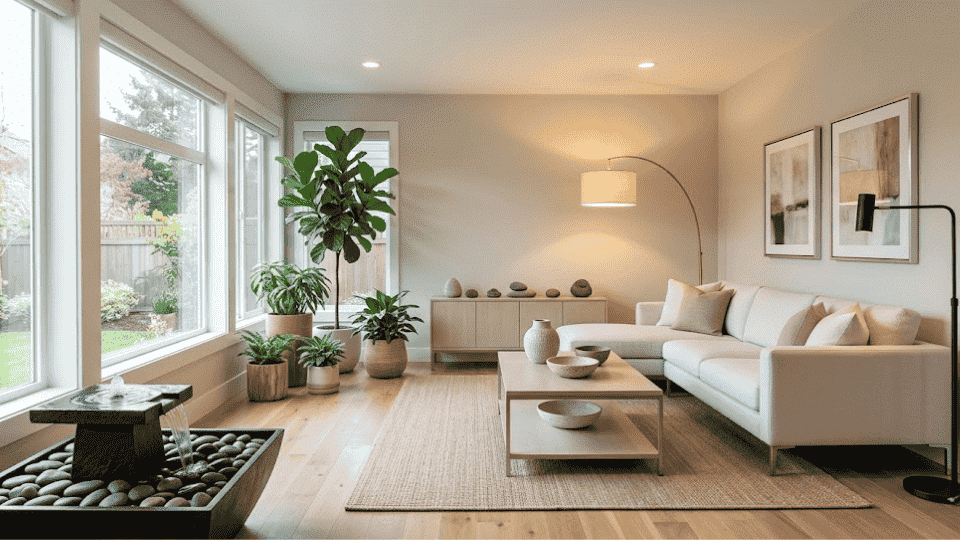
In a feng shui living room, the five elements wood, fire, earth, metal, and water help create balance and harmony. I like to think of them as simple design tools you can use to improve the energy of your space.
1. Adding Plants for Wood Energy
Plants are one of the easiest ways to bring wood energy into your living room. I like using healthy, green plants because they add life, freshness, and a sense of growth to the space.
Choose plants with soft, rounded leaves for a calming effect. Just make sure they are well cared for, as dry or dying plants can create the opposite energy.
2. Using Lighting for Fire Energy
Lighting represents fire energy, which brings warmth and brightness into your space. I always try to use a mix of natural light, lamps, and soft lighting to create a cozy feel.
Avoid very harsh or dim lighting, as both can affect the mood of the room. A well-lit space feels more active, welcoming, and full of positive energy.
3. Incorporating Earth Elements
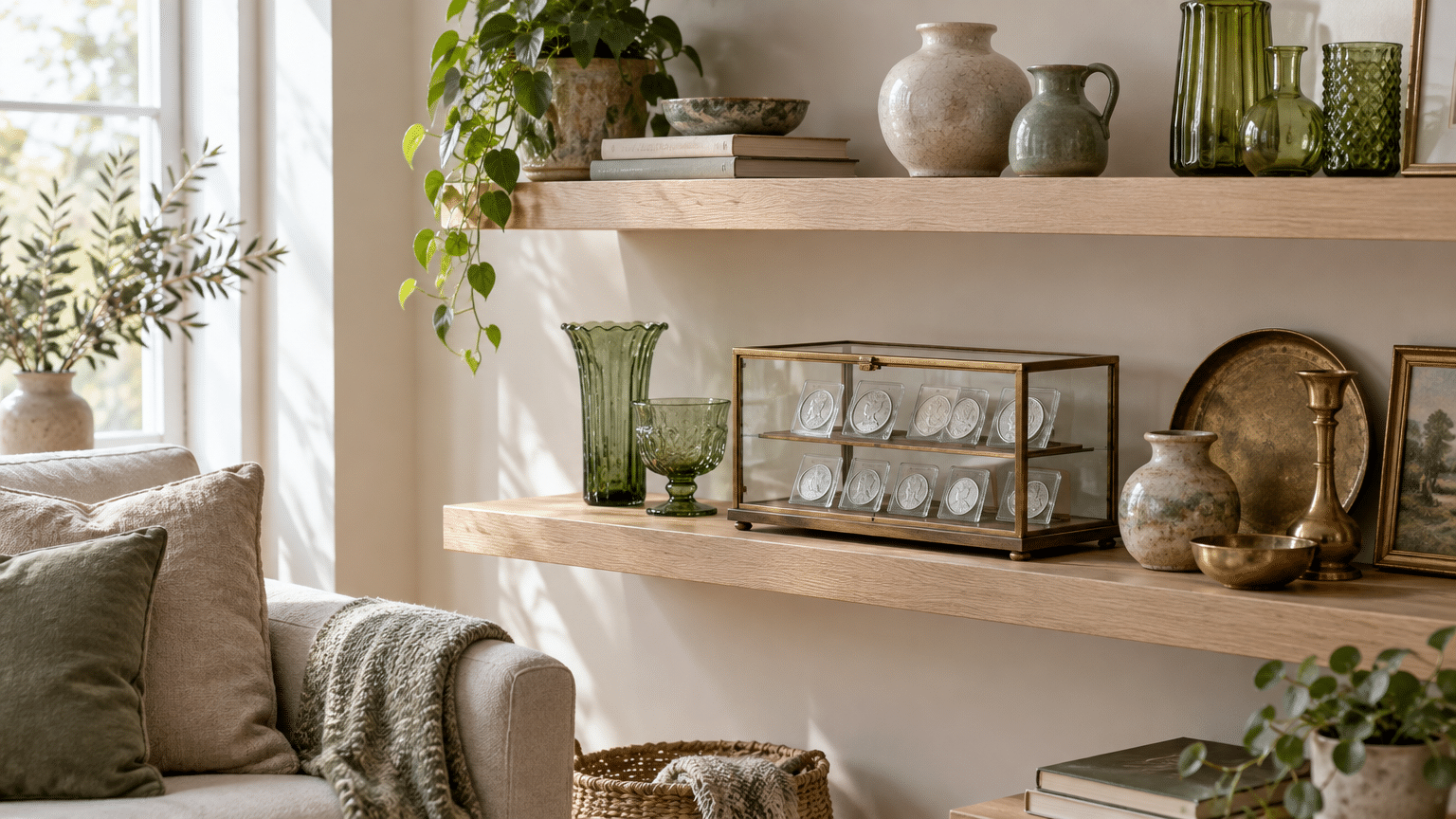
Earth elements help create stability and grounding in your living room. I like adding items like ceramic vases, clay decor, or natural stones to bring this energy in.
These pieces give a sense of comfort and balance, especially in busy homes. Even small touches, like a decorative bowl or sculpture, can help the room feel more centered.
4. Metal Decor for Clarity
Metal elements are great for adding clarity and focus to your space. I usually include them through decor like metal frames, trays, or light fixtures.
These pieces can also give your living room a clean and modern look. The key is not to overuse metal but to mix it with softer materials so the space still feels warm and inviting.
5. Water Features for Flow
Water represents flow and abundance, and I like using it carefully in a living room. Small fountains, aquariums, or even water-themed artwork can work well.
However, placement is importantavoid putting water features directly near the entrance or in awkward spots. When used correctly, water elements can make the space feel calm and refreshing.
Step-by-Step Guide to Create a Feng Shui Living Room
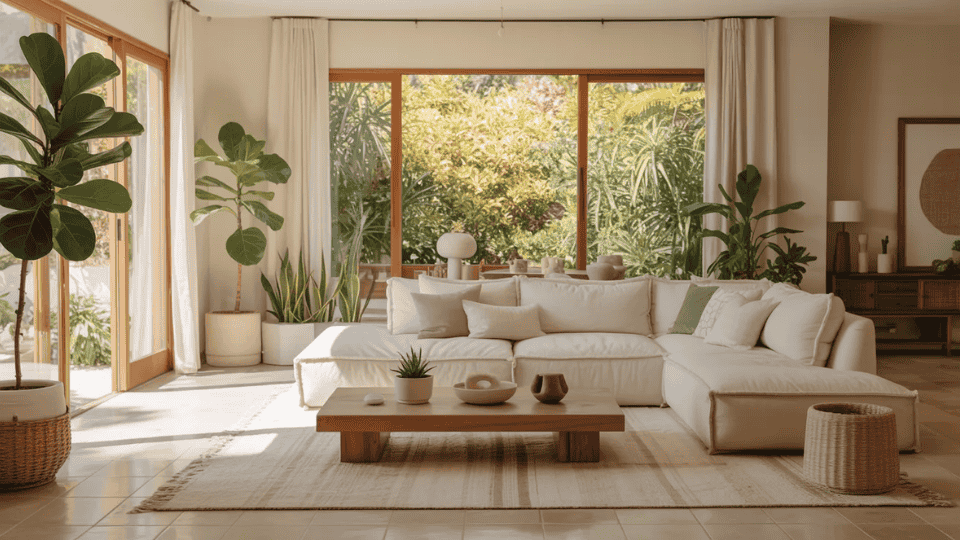
If you’re not sure where to start, I always recommend following a simple step-by-step approach. Creating a balancedliving room doesn’t have to feel overwhelming.
- Declutter your space: I always start by clearing out things I don’t need. Too much clutter can block energy and make the room feel heavy. Keep only items that are useful or meaningful. Clean surfaces and organized corners instantly make the space feel lighter, calmer, and more inviting.
- Place your sofa in command position: The sofa is the main piece in your living room. I try to place it where I can see the door without being directly in line with it. This setup creates a sense of comfort and control.
- Improve lighting and airflow: Good lighting and fresh air can completely change the energy of a room. I open windows whenever possible and use soft lighting to create a warm feel. A bright, airy space always feels more positive and welcoming.
- Add balanced elements: I like to bring in a mix of the five elements wood, fire, earth, metal, and water through decor. This doesn’t have to be complicated. Even small additions like plants, lamps, or ceramic pieces can help create balance in the room.
- Choose calming colors: Colors play a big role in how a space feels. I usually go for soft, neutral shades and then add a few accents for personality. Calm and balanced colors help make the living room feel peaceful and comfortable.
- Fine-tune decor and layout: Once everything is in place, I take a step back and see how the room feels. Small changes like moving a chair, adjusting decor, or removing extra items can make a big difference in improving flow and overall harmony.
Following these steps one by one makes the process simple and stress-free. I’ve found that even small changes can make your living room feel more balanced and enjoyable.
Common Mistakes to Avoid
Avoiding common mistakes is just as important as following the right tips. In a feng shui inspired living room, even small issues can affect the flow of energy and overall comfort. Here are the key mistakes I always try to avoid:
- Blocking windows: Placing large furniture or heavy curtains in front of windows can stop natural light and fresh air from entering. I always keep this area open so the room feels bright, airy, and full of positive energy.
- Broken or dead items: Items that are damaged or lifeless, like broken decor or dead plants, can bring down the energy of the space. I make sure to remove or replace them to keep the room feeling fresh and alive.
- Too much dark decor: While darker shades can look elegant, overusing them can make the room feel heavy. I prefer balancing them with lighter tones to maintain a more uplifting and comfortable environment.
- Poor lighting: A poorly lit room can feel dull and uninviting. I like to use a mix of natural light and soft artificial lighting to create a warm and welcoming atmosphere.
- Wrong mirror placement: Mirrors should be placed carefully. I avoid putting them directly opposite the main door, as they can push energy out instead of letting it flow naturally.
Fixing these small mistakes can make a noticeable difference. I’ve found that once these are addressed, the living room instantly feels more balanced and peaceful.
Final Thoughts
After trying these ideas myself, I’ve realized that a good feng shui living room isn’t about perfection it’s about how the space makes you feel. When your room feels open, balanced, and comfortable, it naturally creates a better mood and a sense of ease in your daily life.
You don’t have to follow every rule exactly. Start small. Move your furniture, clear out clutter, or add a plant or better lighting. Even simple changes can improve the flow of energy and make your space feel more inviting.
If you found this helpful, share it with someone who’s redecorating or looking to refresh their home. And let me know in the comments which tip are you going to try first.