
Kitchens are one of the most common places where fires start. Cooking involves heat, oil, and electrical appliances in one space. Even a small mistake can lead to smoke or flames within seconds. This is why fire protection in the kitchen needs more attention than other areas.
Many people underestimate how fast a fire can spread. Leaving food unattended or overheating oil are common causes. These risks increase when safety habits are ignored. Understanding this helps you stay alert and prevent accidents early.
Best fire protection habits to follow while cooking
Safe cooking starts with simple habits that reduce risk. Staying present while cooking is one of the most important steps. Even a short distraction can allow heat to build up and cause a fire. It is always better to turn off the stove if you need to step away.
Keep your cooking area clean and free from grease buildup. Grease can catch fire quickly when exposed to high heat. Also, avoid placing flammable items like paper or cloth near burners. These small habits play a big role in fire protection.
Why heat detectors are better for kitchen safety
Many homes rely only on smoke alarms, but kitchens need a different solution. Smoke alarms can go off due to normal cooking fumes. This often leads people to ignore alerts, which creates risk. That is why heat detectors are recommended for kitchens.
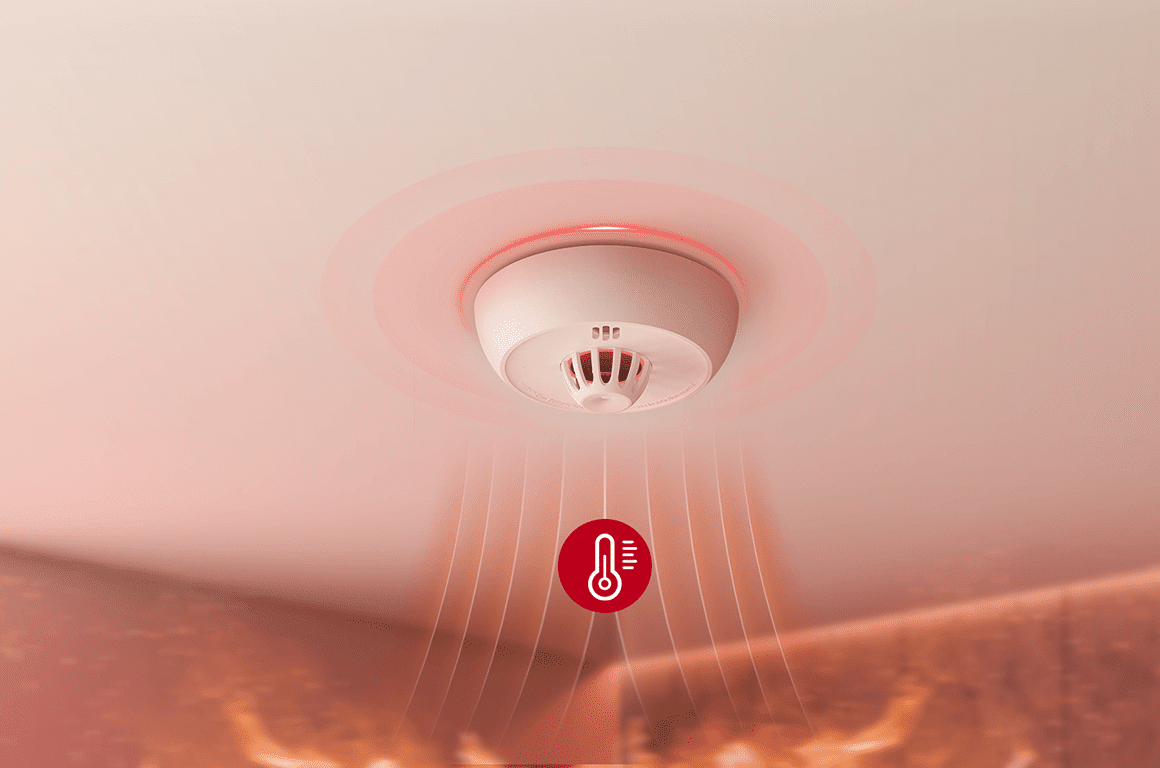
The X-SENSE XH02-M heat detector works by sensing temperature changes instead of smoke. It reacts when heat rises quickly or reaches a dangerous level. This makes it more reliable in kitchens where smoke is common. It helps you respond before the situation gets worse.
How the X-SENSE XH02-M heat detector works
Heat detectors monitor changes in temperature over time. When heat increases rapidly or crosses a fixed limit, the alarm is triggered. This type of detection is useful in areas with steam or cooking smoke. It avoids unnecessary alarms while still providing safety.
The X-SENSE XH02-M heat detector is designed for consistent performance. It uses a sealed battery that lasts for years without frequent replacement. This ensures continuous monitoring without interruptions. It becomes a dependable part of your fire protection setup.
Best placement tips for heat detectors in kitchens

Proper placement is critical for accurate detection. Installing a detector in the wrong spot can reduce its effectiveness. Most experts recommend placing it on the ceiling, near the center of the room. This allows it to detect heat evenly from all directions.
Keep the detector away from walls, vents, and direct heat sources. Airflow or obstructions can delay detection. Also, avoid placing it too close to the stove. Correct placement ensures your fire protection system works properly.
Top daily checks that improve fire protection
Daily checks help you catch problems before they turn serious. It only takes a few minutes to make sure everything is safe. These checks should become part of your routine, especially if you cook often.
Make sure appliances are turned off after use. Check for damaged wires or loose connections. Ensure your heat detector is clean and not blocked by dust. These simple steps help maintain strong fire protection.
Best tools and equipment for kitchen safety
Using the right tools can reduce the chance of accidents. Old or damaged equipment increases risk. It is better to replace faulty appliances before they cause problems. Safe tools support your overall fire protection plan.
Keep a fire extinguisher in an easy-to-reach place. Use cookware that can handle high heat safely. And ensure your stove and oven are working properly. These tools help you respond quickly if something goes wrong.
Top mistakes people make with kitchen fire safety
Many kitchen fires happen due to avoidable mistakes. One common mistake is leaving cooking unattended. Another is using water on grease fires, which can make the situation worse. These actions increase damage instead of controlling it.
People also ignore warning signs like unusual smells or smoke. Delaying action can allow fire to spread. Learning from these mistakes helps you stay prepared. Avoiding them improves your fire protection efforts.
Best way to combine heat detectors with full fire protection
A complete safety setup includes more than one device. Heat detectors work well in kitchens, but they should be used with smoke alarms in other areas. Each device serves a different purpose and improves overall coverage.
Using the X-SENSE XH02-M heat detector in the kitchen adds an extra layer of safety. It works alongside other alarms to create a full system. This combination ensures early detection in different situations. It strengthens your home fire protection plan.
How regular maintenance keeps your system reliable
Maintenance is often ignored, but it is essential for safety. A device that is not working properly cannot protect you. Regular checks ensure everything stays in good condition.
Test your heat detector every month to confirm it is working. Clean it to remove dust that may affect performance. Replace it when needed based on its lifespan. Proper maintenance keeps your fire protection system reliable.
Top emergency steps to control a kitchen fire
Knowing what to do during a fire can reduce damage. Quick action is important, but it must be done safely. Panic can lead to poor decisions, so preparation helps.
Turn off the heat source if possible. Cover small flames with a lid to stop oxygen. Use a fire extinguisher if needed, but never use water on grease fires. These steps help you control the situation safely.
FAQs
Why is fire protection important in kitchens
Because most home fires start in kitchens due to cooking, heat, and grease buildup.
What makes the X-SENSE XH02-M heat detector suitable for kitchens
It detects heat instead of smoke, reducing false alarms from cooking fumes.
Where should I install a heat detector
On the ceiling, in the center of the kitchen, away from direct heat sources.
Can I use only a heat detector for my home
No, you should combine heat detectors with smoke alarms for full fire protection.
How often should I maintain my heat detector
Test it monthly and clean it regularly to ensure proper performance.