
When talking about how road safety has changed over time, people often talk about the car’s mechanics or the driver’s behavior. However, the area around the road is just as important for keeping accidents from happening. In the Pacific Northwest, where the terrain is so varied, keeping a clear line of sight is a top priority for both city planners and safety advocates. As we move into 2026, the intersection of new homes and traffic has become more complicated. This means that you need to have a deep understanding of how buildings affect a driver’s field of vision. Interestingly, the ideas of structural integrity and clear sightlines aren’t just for the West Coast. Experts like a Halifax window and door contractor often say that the quality of the glass and the placement of the openings are important for safety and situational awareness everywhere. We need to take care of the materials that frame our view of the world, whether it’s a house on a busy intersection or a store on a busy street.
The second paragraph talks about how these structural choices affect how a driver reacts biologically. A Halifax window and door contractor would agree that the clarity of the medium, whether it’s a windshield or a big display window, affects how quickly someone can process information. In terms of provincial traffic law, “distracted driving” and “failing to yield” are often caused by visual obstructions that could have been avoided with better design or upkeep. Property owners whose buildings are next to public roads have a civil duty to make sure that their windows are not warped and that their doors do not swing into pedestrian paths. We make the environment safer for everyone by putting high-visibility materials and unobstructed vantage points first. This lowers the chance of split-second mistakes that cause roadside accidents.
The Science Behind “See and Be Seen”
The most important rule of defensive driving is to be able to see dangers before they happen. This calls for being aware of everything around you, which is often hard to do because of modern environmental factors.
A-Pillar Obstructions: To protect against rollovers, modern vehicles have thicker “A-pillars,” which are the vertical supports on either side of the windshield. These pillars can make it harder for drivers to see, especially when they are turning left at intersections where pedestrians are crossing. They are safer for the people inside the car during a crash.
Reflective Surfaces: Big glass windows on buildings by the road can make things very bright during “golden hour” (sunrise and sunset). This short-term blindness is a common cause of rear-end crashes. Developers can help keep roads safe by putting anti-reflective coatings on commercial windows.
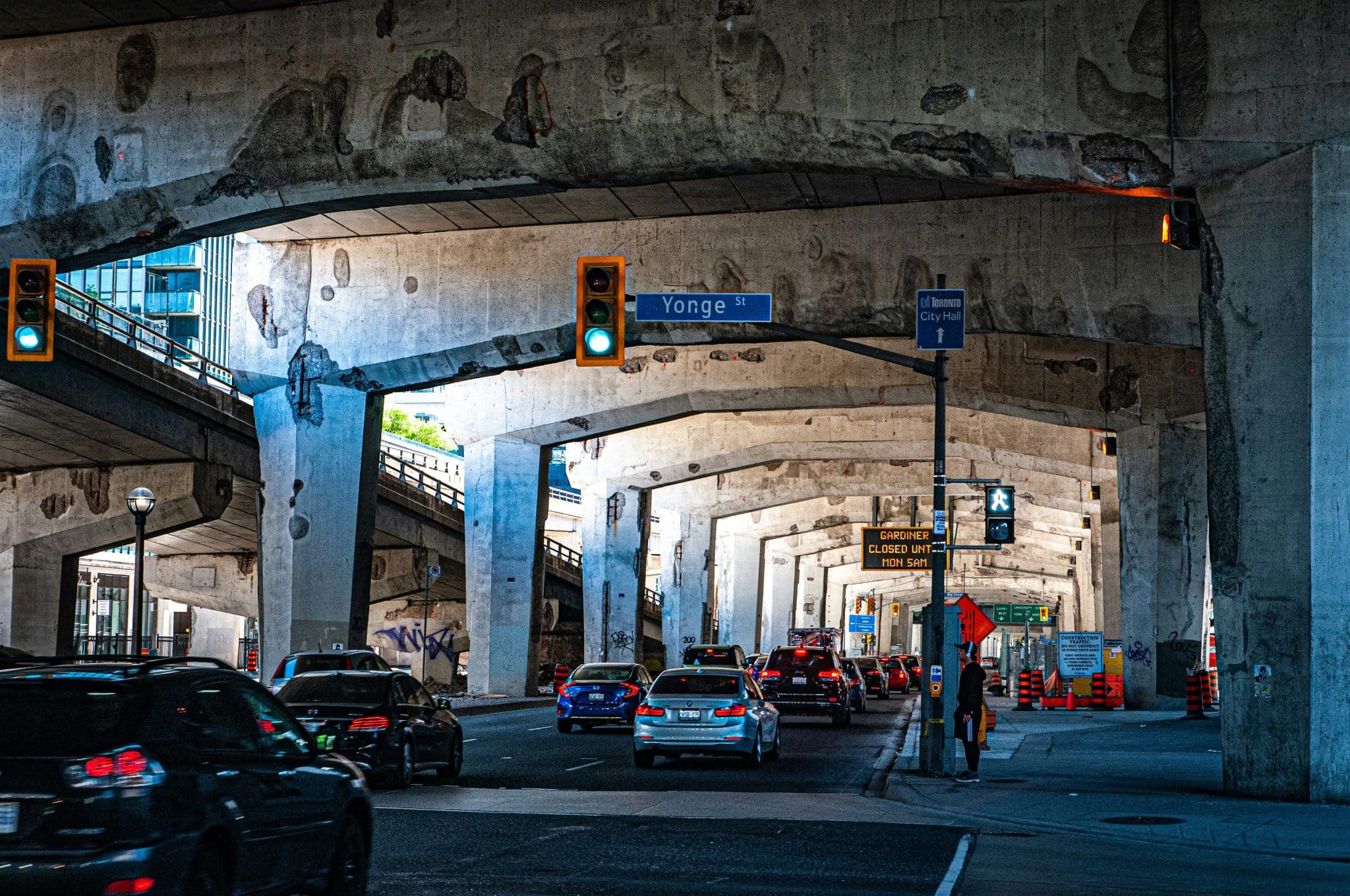
Sightline Encroachment: At an intersection, trees, signs, and even poorly placed residential fencing can get in the way of the “sight triangle.” Provincial rules say that these areas must be kept clear so that a driver who is stopped at a sign can see traffic coming from both directions without having to “creep” into the path of travel.
What the Law Says About Property Maintenance
The current motor vehicle laws say that both the government and private citizens are responsible for keeping the roads safe. This includes how property next to the highway is kept up.
If a property owner lets a hedge grow over a sidewalk or puts in a gate that opens outward into a bike lane, they could be responsible for any accidents that happen as a result. In the same way, if a commercial building’s window is so dark or blocked by ads that a person can’t see a driver turning into a parkade, the “human connection” that is needed for safety is lost. The law says that we have a “duty of care” not to make the public way unsafe for others.
How Technology Can Help You See Better
As we move into the rest of 2026, technology is giving us new ways to get around old visual barriers.
Heads-Up Displays (HUDs): More cars now have see-through displays that show speed and navigation information right on the windshield, so the driver can keep their eyes on the road.
Smart Glass in Infrastructure: Some cities that are ahead of the curve are trying out smart-glass bus stops that can change how clear they are to cut down on glare for drivers while still keeping people waiting safe from the weather.
Better Night Vision: Thermal imaging cameras built into car dashboards help drivers “see” people or animals in the dark long before headlights turn on.
A Group Promise to Safety
In the end, keeping roads safe is a problem that needs many different kinds of people to work together. It needs the mechanical skill of car engineers, the strictness of law enforcement, and the careful planning of the built environment. We get closer to our goal of zero deaths when we see the buildings around us, like the windows and doors of our communities, as part of the safety network. We make sure that every trip is clear and predictable by taking care of our surroundings in the same way we take care of our cars.