
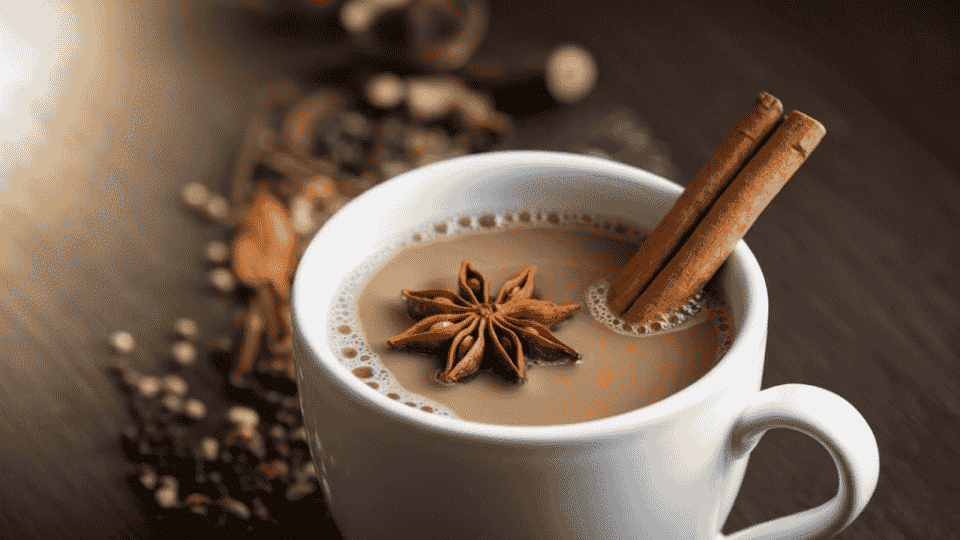
Chai is a comforting drink made with black tea and spices, often enjoyed as a pick-me-up. If you’ve ever thought, “Does chai raise blood pressure?” you’re not alone.
Many people ask this question, especially those concerned about caffeine’s effect on their health. It provides an in-depth analysis of the amount of caffeine in a typical cup of chai, helping you gauge its impact on your blood pressure.
Now, let’s look at what the science says about chai and its potential effects on blood pressure.
This information is for educational purposes only and should not replace professional medical or dietary advice from qualified healthcare providers.
The Chai Breakdown: Tea and Spices Combined
Chai is made of two major components: the black tea base and the spices. Each plays a role in how it affects your body. Let’s look at each part separately:
Chai’s primary source of caffeine is, though, in much smaller amounts compared to coffee. Black tea also contains L-theanine, which helps you stay alert but relaxed, without the jitters.
Cinnamon, cardamom, ginger, cloves, and black pepper are all caffeine-free and may help lower blood pressure. These spices can serve as natural allies for your heart.
Together, these ingredients make chai an interesting and beneficial beverage. The black tea provides a small dose of caffeine, while the spices counteract some of caffeine’s potential blood pressure-raising effects.
How Does Caffeine in Chai Affect Blood Pressure?

Caffeine in chai temporarily raises blood pressure, as with coffee, but the effect is much smaller. While caffeine can cause a short-term spike, it doesn’t lead to long-term changes in blood pressure with regular consumption.
How much sugar is in chai tea varies widely depending on how it’s made, ranging from nearly zero in homemade versions to over 40 grams in some cafe lattes.
Over time, your body builds tolerance to caffeine’s effects, so chai drinkers typically don’t experience chronically elevated blood pressure. If you drink chai regularly, the spike is mild and short-lived, making it a gentler option than other caffeinated drinks.
What Researchs Say About the Effects of Chai on Heart Health
Long‑term tea drinking, including black tea like the base of chai, has been linked to small reductions in both systolic and diastolic blood pressure in people who drink it regularly.
A meta‑analysis of randomized controlled trials published in the British Journal of Nutrition found that regular tea intake was associated with slight reductions in blood pressure after prolonged use, particularly compared with short‑term sipping.
Some research on cinnamon supplements of Europe PMC, based on clinical trials, also suggests a modest blood pressure-lowering effect in adults. These reports provide solid evidence that chai tea and spices may help support your blood pressure.
How Caffeine Works in Chai
Here’s a quick comparison of how chai and coffee impact your blood pressure, including caffeine content and effects:
| Type of Tea | Caffeine Content (mg per 8 oz) | Blood Pressure Effect |
| Chai Tea | 25-50 mg | Small short-term increase |
| Strong Chai | 50-70 mg | Small short-term increase |
| Coffee | 95-150 mg | Larger short-term increase |
| Strong Coffee | 150-200 mg | Significant short-term increase |
Chai is gentler on blood pressure than coffee, and its spices add extra heart-protective benefits.
The Role of Spices in Lowering Blood Pressure
Chai isn’t just a caffeine delivery system; the spices in it could be the unsung heroes for managing blood pressure. Let’s explore them:
- Cinnamon: Several studies show cinnamon can significantly lower both systolic and diastolic blood pressure. Though it requires more than a single cup, regular consumption adds up.
- Cardamom: Known for lowering diastolic blood pressure, cardamom has been shown to help regulate it with regular use.
- Ginger: A powerful player, it may reduce blood pressure by blocking calcium channels, much like certain blood pressure medications.
When combined in chai, these spices may help reduce any temporary caffeine-induced spike, offering a balanced effect on blood pressure over time.
Chai vs. Coffee: Which is Better for Your Blood Pressure?
Both drinks have caffeine, but they affect your body in different ways. Caffeine in chai is much lower than in coffee, leading to a gentler rise in blood pressure.
On the other hand, coffee causes a larger, more pronounced spike. I personally prefer chai for its calming effects from L-theamine, helping me stay alert without feeling jittery.
Coffee can be more intense, often leading to a quicker energy crash, making chai a smoother choice for me.
Tips for Enjoying Chai Without the Caffeine Overload
If you’re looking to enjoy chai without worrying about the caffeine content, there are a few tricks you can try:
- Steep for Less Time: A 3-4 minute steep reduces caffeine while keeping the flavor strong.
- Use More Spices: Add cinnamon, cardamom, or ginger to reduce the caffeine impact while maintaining chai’s full flavor.
- Try Rooibos Chai: This caffeine-free version still delivers the same spiced flavor, perfect for evenings without disrupting sleep.
These simple adjustments let you enjoy chai with less caffeine, so you can drink it any time of day.
Final Thoughts
So, does chai raise blood pressure? In the short term, yes, but it’s a mild effect. With regular drinking, your body adapts, and the spices in chai can actually help reduce the impact on your blood pressure.
I find chai to be a gentler, more heart-friendly choice than coffee, especially if you’re watching your blood pressure.
If you’re interested in the caffeine content, learn how much caffeine is in chai tea. Feel free to drop your thoughts in the comments below.