

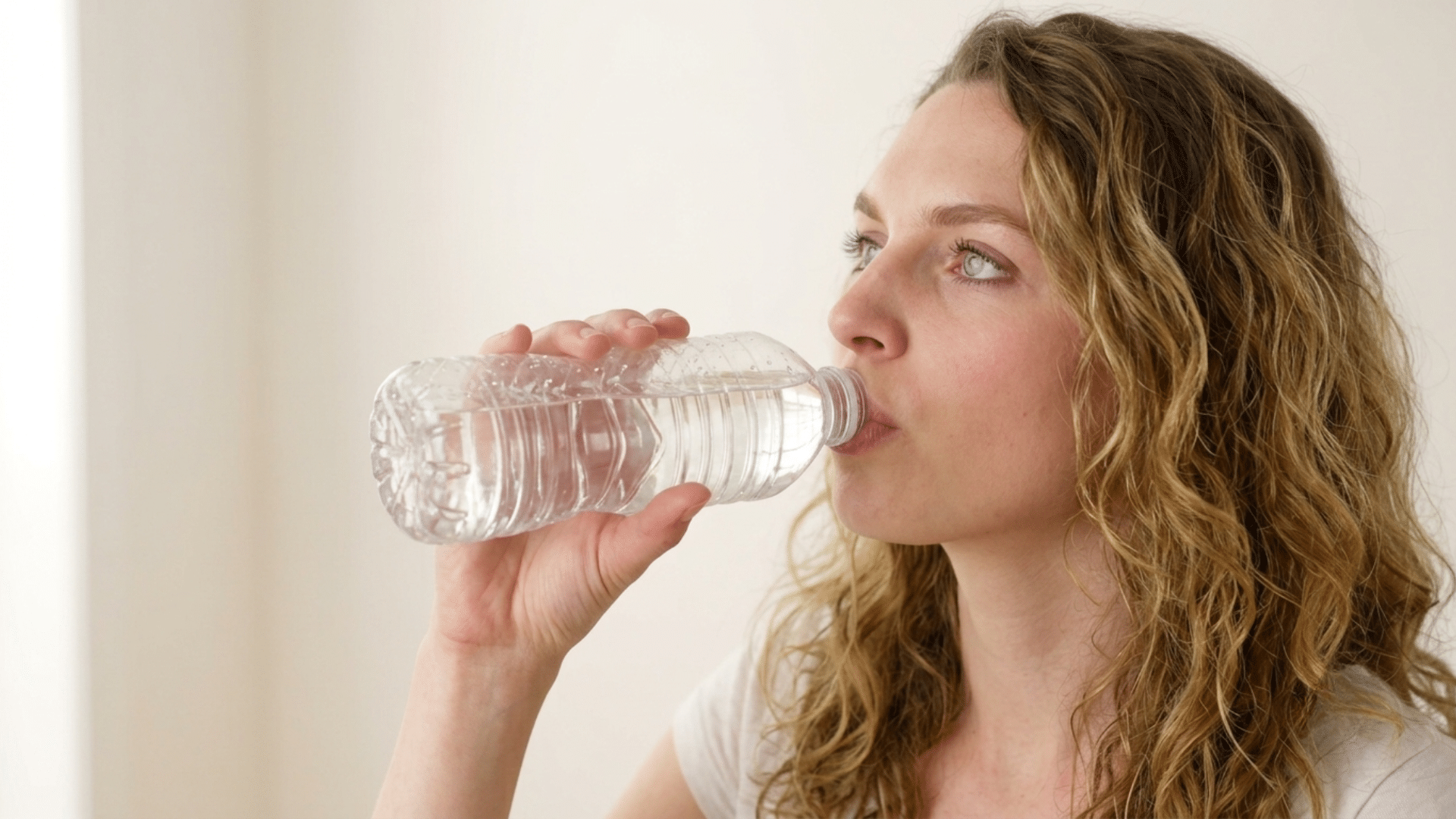
Intermittent fasting has become a popular approach for managing eating patterns, supporting weight goals, and creating healthier lifestyle routines.
Staying hydrated is an important part of this process, and water is often considered the best choice during fasting periods because it provides hydration without calories.
This guide explains how water fits into intermittent fasting, its benefits, recommended intake, and the drinks that may affect your fasting results.
You will also discover practical hydration tips and common mistakes to avoid while following a fasting schedule.
Continue reading to learn how proper hydration can make your intermittent fasting journey easier and more effective.
How Does Intermittent Fasting Work?
Intermittent fasting works by alternating between periods of eating and fasting, allowing the body to shift how it uses energy.
During fasting hours, insulin levels may decrease, and the body begins using stored energy instead of relying only on food intake.
Common methods include the 16:8 approach, where people fast for 16 hours and eat within an 8-hour window.
Can You Drink Water While Intermittent Fasting?
Yes, water is completely allowed during the fasting window.
Since water has zero calories, it doesn’t raise blood sugar or insulin levels. That means it does not break a fast.
Many people find that water helps reduce hunger pangs, keeps the mind alert, and prevents headaches that sometimes happen during fasting.
The only style where water is not allowed is dry fasting, which is not a common method and comes with safety risks.
Benefits of Drinking Water While Intermittent Fasting
According to Healthline, drinking enough water during fasting hours can make intermittent fasting easier to follow and support overall health. Here are the key benefits of staying hydrated during your fasting routine.
1. Helps Control Hunger and Cravings
Water can help manage hunger sensations that often appear during fasting periods. Drinking water may create a feeling of fullness in the stomach, making it easier to avoid unnecessary snacking.
Many people confuse thirst with hunger, so staying hydrated can reduce false hunger signals.
While water does not replace nutritious meals during eating windows, it can help you stay comfortable and consistent with your intermittent fasting schedule.
2. Prevents Dehydration Symptoms
Maintaining proper hydration helps prevent common issues that may occur during fasting, such as headaches, dizziness, tiredness, and dry mouth.
Since your body continues losing fluids through breathing, sweating, and normal daily activities, regular water intake is important even when you are not eating.
Drinking enough water throughout the day helps your body maintain fluid balance and allows you to complete fasting periods more comfortably.
3. Supports Energy Levels and Focus
Proper hydration plays an important role in maintaining energy and mental clarity during intermittent fasting.
Even mild dehydration can make you feel tired, distracted, or less productive throughout the day. Drinking water regularly helps support normal brain function, circulation, and nutrient transport.
Although water does not provide calories for energy, it helps your body perform essential processes that keep you active and focused during fasting hours.
4. Supports Exercise Performance During Fasting
People who exercise while intermittent fasting need proper hydration to maintain physical performance.
Water helps regulate body temperature, lubricate joints, and support muscle function during workouts. When you sweat during exercise, your body loses fluids that need to be replaced.
Drinking enough water before and during fasting periods can help you stay active while reducing the chances of fatigue or reduced workout performance.
5. Helps Support Weight Management Goals
Water can support weight management efforts by helping you maintain a calorie-controlled eating routine.
Drinking water before meals may promote fullness, which can help prevent overeating during eating windows.
While water does not directly burn fat, staying hydrated supports normal metabolism and helps your body function efficiently.
Combined with balanced meals and consistent fasting habits, proper hydration can contribute to a healthier weight management approach.
6. Supports Digestion During Eating Windows
Staying hydrated during fasting hours can also support better digestion when you return to eating.
Water helps maintain normal digestive processes and supports the movement of food through the digestive system.
Adequate hydration may reduce issues like constipation that can occur when dietary changes are made.
Drinking water consistently throughout the day helps your body transition smoothly between fasting and eating periods.
7. Helps Maintain Electrolyte Balance
Water plays a role in maintaining the balance of important minerals called electrolytes, including sodium and potassium.
During longer fasting periods, some people may notice changes in hydration levels due to reduced food intake.
Drinking enough water supports normal fluid balance and helps the body perform essential functions. For extended fasts or intense exercise, electrolyte needs may vary based on individual health and activity levels.
What You Can Drink During Intermittent Fasting?
Cleveland Clinic suggests fasting windows to give the body a break from food and calories. The drinks below are safe because they are calorie-free and don’t interfere with the fasting process.
| Drink | Why It Is Allowed During Fasting |
|---|---|
| Plain Water | Contains no calories or sugar and helps maintain hydration during fasting hours. |
| Sparkling Water | A calorie-free option that adds variety and may help manage cravings. |
| Zero Calorie Flavored Water | Can be used if it contains no sugar or added calories. Check labels before drinking. |
| Black Coffee | Low in calories and suitable when consumed without sugar, milk, or cream. |
| Unsweetened Tea | Provides flavor and hydration without adding calories to your fasting window. |
| Herbal Tea and Lemon Water | Small amounts can add variety when no sweeteners or extra ingredients are added. |
Drinks to Avoid During Intermittent Fasting
Certain beverages contain calories, sugar, or ingredients that can interrupt the fasting process. Avoiding these drinks helps maintain the purpose of your fasting window.
- Sugary Soft Drinks
- Fruit Juice
- Sweetened Tea and Coffee Drinks
- Smoothies
- Calorie-Containing Sports Drinks
Can You Drink Water While Fasting for Medical Tests?
Yes, water is usually allowed before blood tests and other medical procedures. In fact, water can make veins easier to find during blood draws.
Some procedures allow clear liquids up to 2 hours before the appointment, but rules can vary. It’s always important to follow the exact instructions given during scheduling.
How Much Water Should You Drink While Intermittent Fasting?
The amount of water you should drink while intermittent fasting depends on factors like your body size, activity level, climate, and overall diet.
For most adults, a general goal is around 8 to 12 cups of water per day, but your individual needs may vary.
During fasting hours, drinking water regularly can help maintain hydration, reduce hunger sensations, and prevent symptoms like headaches or fatigue.
People who exercise, sweat heavily, or live in hot climates may need more fluids.
A simple way to monitor hydration is to check your urine color, as pale yellow usually indicates adequate fluid intake. Listen to your body and adjust your water intake when needed.
Tips to Stay Hydrated During Intermittent Fasting
Staying hydrated during intermittent fasting can make fasting periods more comfortable and help your body function properly. These simple habits can help you maintain consistent water intake.
- Start Your Day With Water: Drinking water soon after waking up helps replace fluids lost overnight. It also creates a healthy hydration routine before your fasting window begins.
- Keep Water Easily Accessible: Keeping a water bottle nearby makes it easier to drink regularly throughout the day. Small, frequent sips can help you maintain hydration without feeling overwhelmed.
- Drink Water Before Feeling Thirsty: Thirst is often a sign that your body already needs fluids. Drinking water consistently during fasting hours can help prevent dehydration symptoms before they appear.
- Increase Water Intake Around Exercise: Physical activity increases fluid loss through sweat, making hydration more important during fasting. Drink enough water before and after workouts.
- Choose Water-Rich Foods During Eating Windows: Foods like fruits, vegetables, and soups can contribute to daily fluid intake. Including hydrating foods during meals can support hydration levels.
- Monitor Your Hydration Signs: Paying attention to your body can help you understand your fluid needs. Dark urine, dry mouth, and tiredness may indicate that you need more water.
Conclusion
Water plays an important role in making intermittent fasting easier, more comfortable, and sustainable.
Since plain water contains no calories, it can be consumed during fasting periods while helping support hydration, energy levels, focus, and overall well-being.
Drinking enough water also helps manage common fasting challenges like hunger sensations, headaches, and tiredness.
While individual hydration needs vary, maintaining a consistent water intake and choosing fasting-friendly beverages can help you stay on track with your routine.
A balanced approach is key to creating healthy habits that last. If you are following intermittent fasting, try these hydration tips and share your experience with others who are building a healthier routine
Frequently Asked Questions
What Not to Do During Intermittent Fasting?
Avoid overeating, consuming sugary drinks, ignoring hydration, fasting beyond your limits, skipping nutrient-rich meals, and relying on unhealthy foods during intermittent fasting.
Can You Drink Water During the 16 Hours of Intermittent Fasting?
Yes, you can drink water during the 16 hours of intermittent fasting. Plain water does not break your fast and helps maintain hydration throughout the fasting period.
What Is the Most Common Intermittent Fasting Mistake?
The most common intermittent fasting mistake is overeating during eating windows, which can reduce progress by adding excess calories and limiting the benefits of fasting.