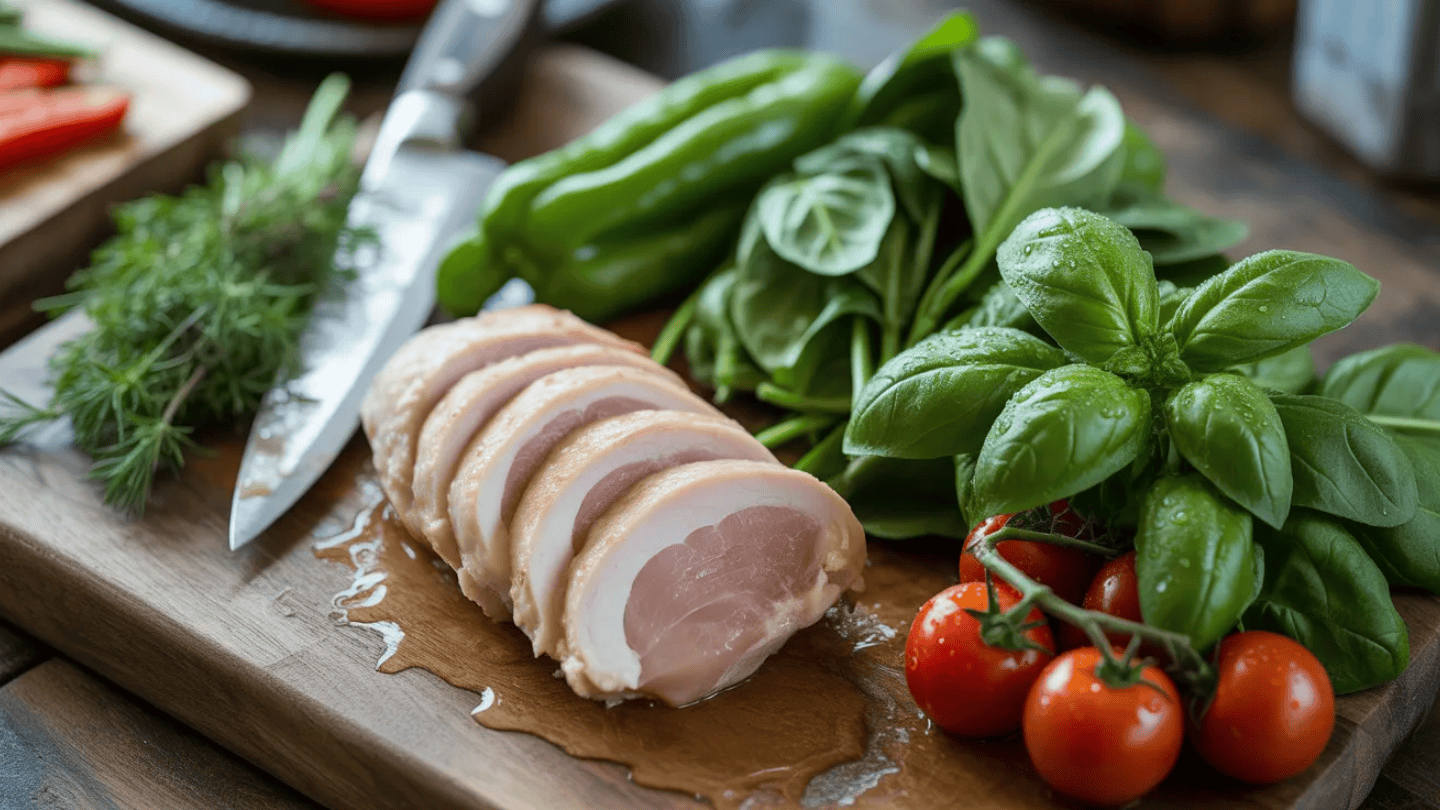

Have you ever started fasting and suddenly thought, “wait… can you drink water while intermittent fasting?” I’ve heard this question from so many people, and maybe you feel the same way right now.
In this guide, I will walk through what you can drink, what actually breaks a fast, and how water fits into different fasting styles, step by step. You’ll get simple, honest answers without confusing rules or science talk.
You’ll see how smart hydration can calm hunger, support your energy, and keep your mind sharp through the day.
By the end, you’ll feel clearer and more confident about your fasting routine, so you’re not second-guessing every sip you take.
How Intermittent Fasting Works?
Intermittent fasting is an eating pattern that focuses on when you eat. Each day is divided into:
- A fasting window: no calories
- An eating window: regular meals and snacks
During fasting, the body uses up energy from your last meal, then starts using stored fat for fuel. This change is often called metabolic switching. Common types of intermittent fasting include:
- 16:8 – 16 hours fasting, 8 hours eating
- 18:6 – 18 hours fasting, 6 hours eating
- 5:2 – 5 normal eating days, 2 low-calorie days
- OMAD – One main meal per day
Across all these patterns, water and zero-calorie drinks are allowed during the fasting window. There are also two special styles:
- Water fasting: Only water for a set period. It may be used for short-term goals, but it can be hard to maintain and is not right for everyone.
- Dry fasting: No food and no water. This can cause dehydration, kidney stress, dizziness, and confusion, so it is usually not recommended.
Can You Drink Water While Intermittent Fasting?
Yes, water is completely allowed during the fasting window. Since water has zero calories, it doesn’t raise blood sugar or insulin levels. That means it does not break a fast.
Many people find that water helps reduce hunger pangs, keeps the mind alert, and prevents headaches that sometimes happen during fasting.
The only style where water is not allowed is dry fasting, which is not a common method and comes with safety risks.
What You Can Drink During Intermittent Fasting
Most people use fasting windows to give the body a break from food and calories. The drinks below are safe because they are calorie-free and don’t interfere with the fasting process.
| Allowed During Fasting | Not Allowed During Fasting |
|---|---|
| Plain water | Soda |
| Sparkling water | Juice |
| Zero-calorie flavored water | Sweetened tea |
| Black coffee | Coffee with cream or milk |
| Unsweetened tea | Smoothies |
| Herbal tea | Sports drinks with calories |
| Lemon water (small amount) | Alcohol |
Choosing from the “allowed” side keeps you hydrated and supports your fasting window without adding extra calories.
Drinks that contain calories, sugar, or cream signal the body to leave the fasted state. Even small amounts of milk, sugar, or flavored creamers in coffee or tea can interrupt the fasting process.
The options listed in the “Not Allowed During Fasting” column in the table are best kept for your eating window, so the body can stay in a true fast and continue getting the full benefits.
Why Drinking Water Matters During a Fast
Water plays a huge role in helping the body feel good during fasting hours. Without enough water, the body works harder and may feel tired, moody, or dizzy. Since food is not coming in during the fasting window, staying hydrated becomes even more important.
- Supports healthy digestion: Water helps move food through the digestive system during the eating window and keeps things regular, even when meals are less frequent.
- Keeps cells hydrated: Every cell in the body needs water to work well. Good hydration supports the skin, muscles, brain, and organs.
- Reduces headaches: Many fasting headaches are actually due to low hydration. Drinking water throughout the day can ease or prevent this.
- Helps control hunger: Sometimes thirst feels like hunger. Sipping water can calm cravings and make the fasting window feel shorter and easier.
- Supports healthy circulation: Water helps the blood flow smoothly, which supports the heart and keeps oxygen moving through the body.
- Keeps energy levels steady: When the body is hydrated, it is easier to focus, move, and stay active, even when not eating for several hours.
A well-hydrated body handles fasting more smoothly and feels more comfortable throughout the day, making the whole routine easier to stick with.
Can You Drink Water While Fasting for Medical Tests?
Yes, water is usually allowed before blood tests and other medical procedures. In fact, water can make veins easier to find during blood draws.
Some procedures allow clear liquids up to 2 hours before the appointment, but rules can vary. It’s always important to follow the exact instructions given during scheduling.
How Much Water Should You Drink While Fasting?
The body still needs normal daily hydration, even during fasting hours. Water supports every system in the body, so it is helpful to have a clear idea of how much to aim for each day.
Here is a simple guide in both cups and liters:
| Group | Daily Intake (Cups) | Daily Intake (Liters) |
|---|---|---|
| Men | About 15.5 cups | About 3.7 liters |
| Women | About 11.5 cups | About 2.7 liters |
These numbers are general targets, not strict rules. Hot weather, exercise, medical conditions, and body size can all change how much water feels right.
Thirst, dry mouth, and dark urine are signs that the body may need more fluids, especially while fasting.
Tips to Stay Hydrated During Intermittent Fasting
Staying hydrated does not have to be hard. A few simple habits can make a big difference:
- Drink a glass of water after waking up.
- Keep a refillable bottle nearby and sip often.
- Spread your water intake across the whole day instead of drinking a lot at once.
- Use sparkling water or a squeeze of lemon when plain water feels boring.
These small steps help fasting feel easier and keep the body comfortable.
What About Bone Broth?
Bone broth contains calories, so it does break a strict fast. Some people sip small amounts during longer fasts to support extra vitamins and minerals.
This can be helpful for comfort, but it turns the fast into a more modified fast instead.
Bottom Line
By now, the question “can you drink water while intermittent fasting?” should feel much clearer. You’ve seen which drinks keep your fast on track, which ones break it, and how water supports your energy, focus, and hunger.
When you shape your own routine, you can use these ideas to build something that fits your body and your schedule.
You don’t need to be perfect; if you’re thinking about what you drink, you’re already doing better.
If this post helped you, I’d love for you to stay a bit longer, read a few more blogs, and pick up simple tips that keep your fasting plan steady and easier to follow. Your next small change starts here.