

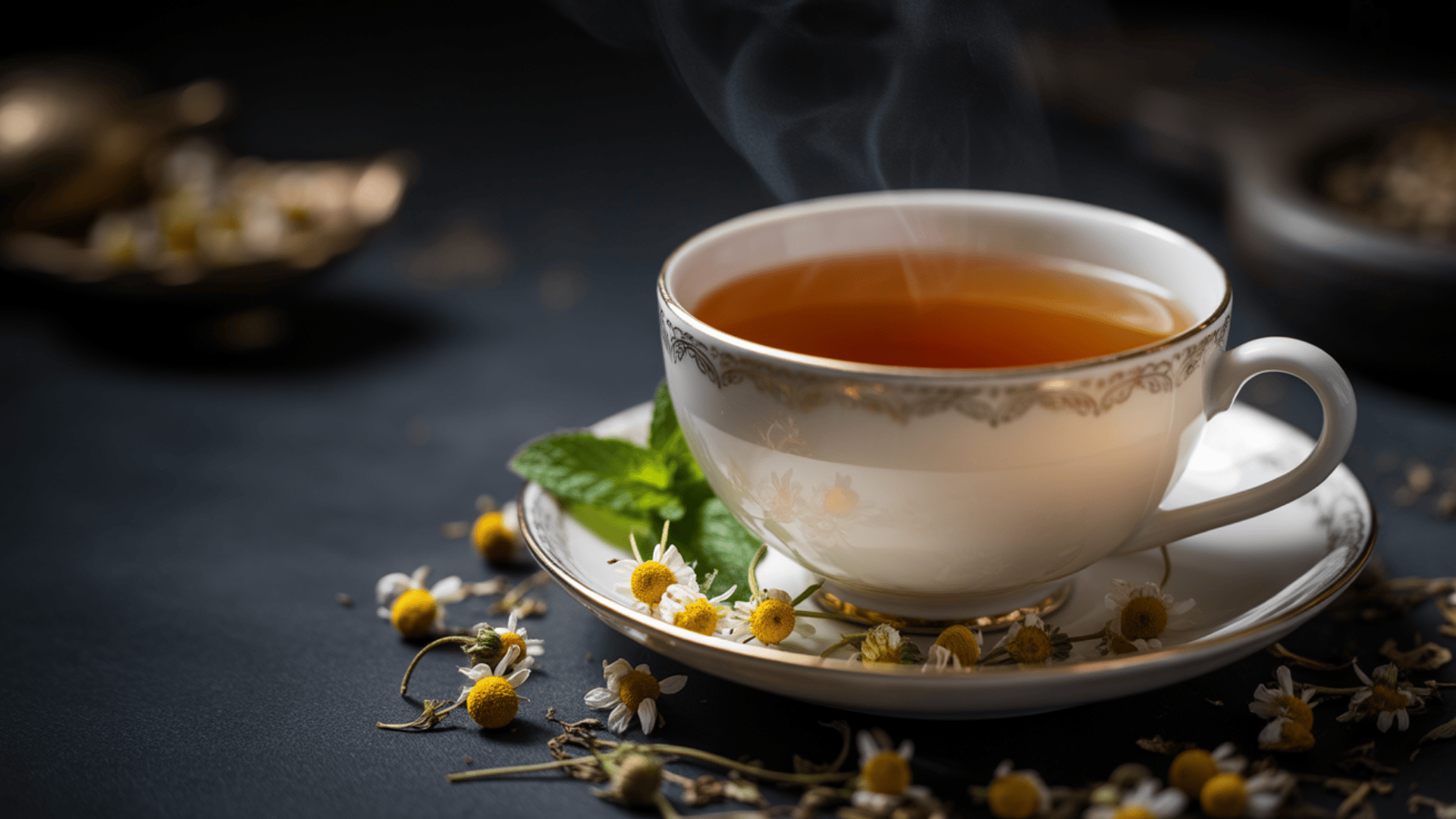
Tea lovers who need to avoid caffeine have plenty of wonderful options available. You can still enjoy the comfort of a warm cup without worrying about jitters or sleepless nights.
The confusion often starts at the store shelf, where boxes promise “herbal,” “natural,” or “decaf,” and it’s not always clear which ones are truly caffeine-free.
If you’ve ever thought Earl Grey caffeine content and found yourself questioning every tea purchase since, you’re not alone.
This list of caffeine-free teas offers clear, reliable options, so you know exactly what to reach for when you want truly zero-caffeine choices.
The One Simple Rule for Finding Caffeine-Free Teas
Here’s the easiest way to identify caffeine-free teas: check the package ingredients for “Camellia sinensis.” This is the tea plant that gives us black, green, white, and oolong teas, all of which naturally contain caffeine.
If you don’t see Camellia sinensis in the ingredients, you’re looking at what’s called a “tisane” made from herbs, flowers, roots, and fruits. These are naturally caffeine-free.
One helpful distinction: “Decaffeinated” means the tea started with caffeine and had most (but not all) removed through processing, leaving about 2mg per cup. “Caffeine-free” means it never contained caffeine to begin with.
Complete Caffeine-Free Tea List by Purpose
Here’s a comprehensive list of caffeine-free teas, organized by what you’re hoping to achieve.
1. For Better Sleep
These teas support deeper, more restful sleep when enjoyed as part of your evening routine.
- Chamomile: The classic bedtime tea. It contains apigenin, a natural compound that promotes relaxation. Brewing a cup 30-60 minutes before bed is a lovely ritual.
- Lavender: Offers gentle relaxation with a floral, slightly sweet taste. Pairs beautifully with chamomile for an extra soothing blend.
- Valerian root: The strongest sleep-supporting option on this list. It has an earthy, pungent taste that some people find hard to get used to, but many swear by its effectiveness.
2. For Digestive Comfort
These teas help calm your stomach and support smoother digestion, especially after meals.
- Peppermint: Contains menthol that naturally helps relax digestive muscles. That cooling sensation can genuinely settle upset stomachs. Worth noting: it may not be ideal if you have acid reflux.
- Ginger: Offers natural anti-inflammatory properties. Fresh ginger root works wonderfully when sliced thin and steeped for 8-10 minutes.
- Fennel: Supports digestion with a mild, pleasant licorice-like flavor. Many find it particularly helpful for bloating.
3. For Bold, Coffee-Like Satisfaction
If you miss the depth and richness of coffee, these herbal options deliver bold flavor without any caffeine.
- Rooibos (red): Delivers a robust, slightly sweet flavor that works beautifully with milk. It grows exclusively in South Africa and brews a gorgeous reddish color. Bonus: it never gets bitter, even if you oversteep it.
- Dandelion root (roasted): Tastes surprisingly similar to coffee earthy, roasted, and full-bodied. A great option for those transitioning away from coffee.
- Chicory root: Offers similar roasted, coffee-like notes. Often blended with dandelion for extra depth and complexity.
4. For Stress Management
These calming teas help support relaxation and balance naturally throughout your day.
- Tulsi (holy basil): An adaptogen that helps your body manage stress responses over time. Results typically develop after 4-6 weeks of regular use.
- Lemon balm: Provides gentle calming effects without making you drowsy. It has a pleasant citrusy, mildly minty flavor.
5. For Immune Support
These herbal teas contain beneficial nutrients and plant compounds that help support your body’s natural defenses.
- Rosehip: Packed with vitamin C. The flavor is tart and slightly fruity, refreshing both hot and cold.
- Elderberry: Popular during cold season for immune support. It has a pleasant berry-like taste with a slight tartness.
- Ginger-turmeric combinations: Offer anti-inflammatory benefits. Adding a pinch of black pepper helps increase absorption of turmeric’s beneficial compounds.
6. For Pure Enjoyment
These caffeine-free picks are perfect for sipping purely for pleasure, any time of day.
- Hibiscus: Tastes tart and cranberry-like with a vibrant red color. Works beautifully served over ice. Worth knowing: it may gently support healthy blood pressure.
- Honeybush: Rooibos’s sweeter cousin with natural honey-like notes and a smooth, pleasant flavor.
Hidden Caffeine Sources to Be Aware Of
A few plants don’t contain Camellia sinensis but still naturally contain caffeine. Here’s what to watch for:
- Yerba mate
- Guayusa
- Guarana
- Yaupon holly
- Kola nut
- Cocoa/cacao
The “chai” consideration: “Chai tea” could mean caffeinated spiced black tea OR caffeine-free rooibos chai. Checking the ingredients helps ensure you’re getting what you expect.
Simple Brewing Guide
Here’s how to get the best flavor and benefits from your caffeine-free teas.
| Tea Type | Water Temperature | Steep Time |
|---|---|---|
| Gentle florals (chamomile, lavender) | 190–200°F | 4–5 minutes |
| Standard herbals (peppermint, hibiscus) | 200–212°F | 5–7 minutes |
| Rooibos | Full boil | 5–10+ minutes |
| Roots & spices (ginger, dandelion) | Full boil | 8–12+ minutes |
Cold brewing works beautifully too, simply steep for 4-12 hours in the fridge for a smooth, refreshing drink.
Helpful Safety Information
While herbal teas are generally gentle and well-tolerated, it’s useful to know a few considerations for specific situations.
- Pregnancy/nursing: Rooibos is generally considered safe. Moderate chamomile is usually fine after the first trimester. It’s worth checking with your OB about peppermint, ginger, licorice root, and fennel to confirm they fit your specific situation.
- Medication considerations: Ginger may interact with blood thinners. Hibiscus and licorice might affect blood pressure medications. If you take regular medications, mentioning your favorite teas to your pharmacist helps ensure everything works well together.
- Allergies: Chamomile is botanically related to ragweed, so those with ragweed allergies may want to start with a small amount. Always cross-check ingredients against known allergies.
And if you’re navigating blends like Earl Grey, it’s worth knowing that some people may need to avoid bergamot, especially if they take CYP3A4 medications.
Final Thoughts
This caffeine-free tea list gives you genuine zero-caffeine options supported by simple identification tips. The rule is straightforward: avoid anything derived from Camellia sinensis and check labels for hidden stimulants like yerba mate or guarana.
Once you know what to skip, choosing becomes much easier. Pick one tea that aligns with your main goal: better sleep, smoother digestion, stress relief, or pure enjoyment, and commit to drinking it consistently for a week. Give your body time to respond.
Ultimately, the best caffeine-free tea isn’t the trendiest one. It’s the one you’ll happily brew again tomorrow.