

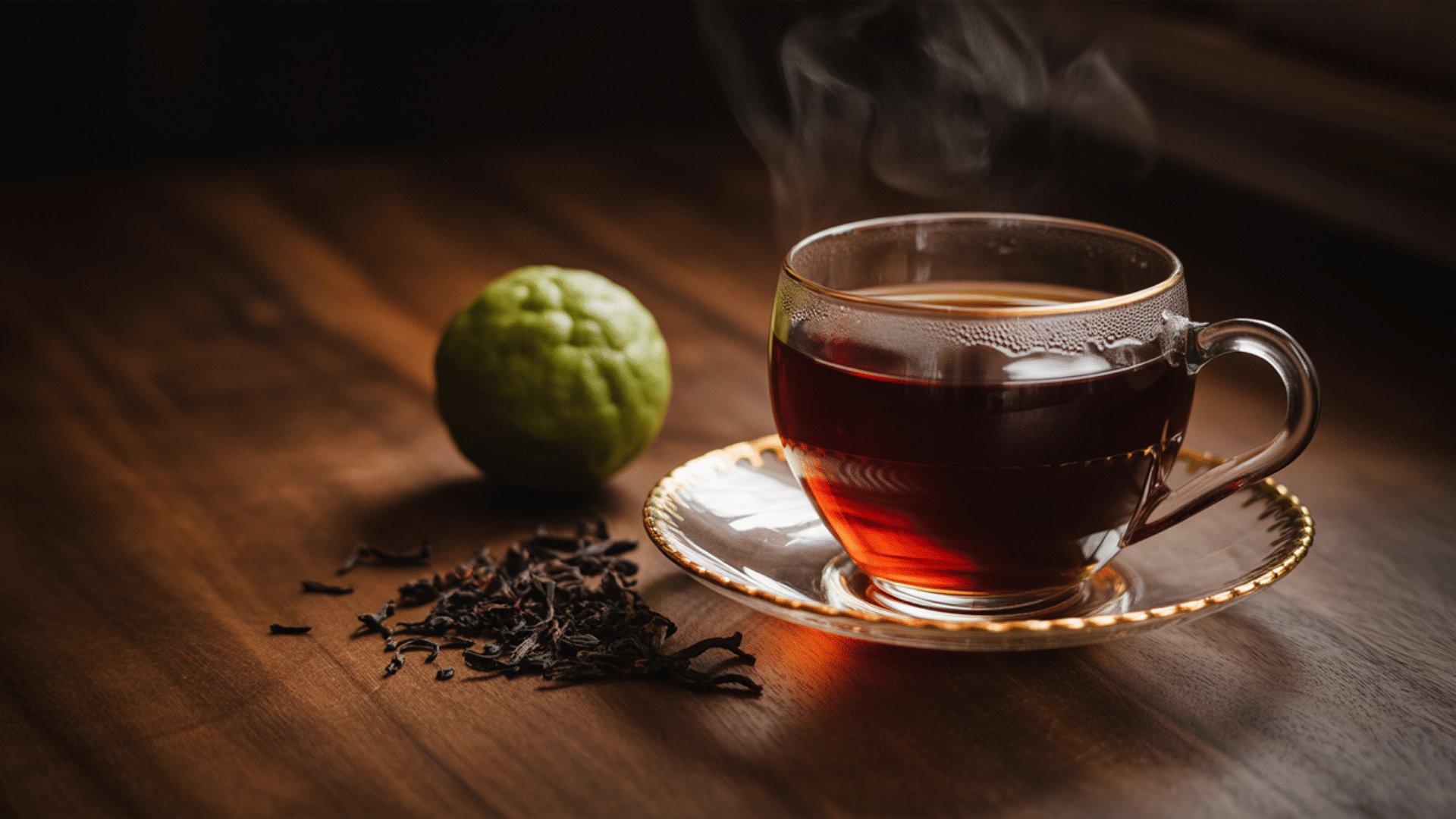
Earl Grey tea, known for its citrus aroma, has been enjoyed for generations. Most savor it without concerns, though some situations warrant mindful bergamot intake.
Bergamot, in Earl Grey, is usually safe in moderation, but those on certain medications or health conditions should understand potential interactions.
If you’re curious about Earl Grey tea caffeine content, and who should be mindful about bergamot tea, this guide offers clear, practical information to help you make informed choices.
The good news? Healthy adults who drink 2-3 cups daily typically have no issues. If you’re taking medications or have health conditions, I can help you determine what works best for you.
People Taking Certain Medications Should Be Mindful
If you’re concerned about potential side effects, medication interactions are one of the most important factors to consider. Here’s what you should know if you take any prescription medications that may interact with bergamot.
Statin Users
Bergamot contains bergamottin, a natural compound that affects CYP3A4, an enzyme your body uses to process many common medications. When this enzyme is affected, some medications may stay in your system longer than usual.
If you take statins like atorvastatin, lovastatin, or simvastatin: Bergamot can interact with how these medications work in your body. Since bergamot also has natural cholesterol-supporting properties, combining it with these statins may create stronger effects than intended.
Worth knowing: Pravastatin, fluvastatin, and rosuvastatin use different metabolic pathways and don’t have the same interaction concerns with bergamot.
What to do: If you’re on these statins and enjoy Earl Grey, mention it to your doctor at your next appointment. They can advise whether you need to make any adjustments or if your current consumption level is fine.
Blood Pressure and Diabetes Medication Users
Bergamot has natural properties that can support healthy blood pressure and blood sugar levels. While this is generally positive, it’s worth being aware of if you’re already taking medications for these purposes.
With blood pressure medications: The combination may occasionally cause your blood pressure to drop more than intended, which can make you feel lightheaded when standing up quickly.
With diabetes medications: Since both bergamot and your medication help manage blood sugar, you’ll want to monitor your blood sugar levels to ensure they stay within a healthy range.
What to do: Keep your healthcare provider informed about your tea consumption habits. They can help you monitor and adjust if needed. Many people continue enjoying Earl Grey with their doctor’s guidance.
Other Medications Worth Mentioning
Here’s a helpful rule of thumb: If your medication label mentions avoiding grapefruit, it’s worth discussing bergamot with your pharmacist as well, since they work in similar ways.
Medications to mention include:
- Blood thinners (apixaban, warfarin)
- Benzodiazepines (Xanax, Valium, Klonopin)
- Immunosuppressants (cyclosporine, tacrolimus)
- Calcium channel blockers
This doesn’t mean you can’t enjoy Earl Grey—it just means having a conversation with your healthcare provider helps ensure everything works together safely.
Health Conditions That Benefit from Extra Awareness
Certain health conditions call for a bit more mindfulness when consuming bergamot tea.
Pregnancy and Breastfeeding
Research on the effects of bergamot during pregnancy and lactation remains limited. Without comprehensive data, many healthcare providers recommend being conservative with bergamot supplements and concentrated forms.
A sensible approach: Enjoying a cup or two of Earl Grey occasionally is likely fine for most expectant mothers, but it’s best to confirm with your OB-GYN or midwife, especially since Earl Grey also contains caffeine.
Liver or Kidney Concerns
Your liver and kidneys process bergamot’s active compounds. If you’re managing liver or kidney conditions, these organs may process bergamot differently than usual.
What to do: Mention your Earl Grey habit to your specialist. They can advise whether your current consumption level works with your health management plan.
Chronic Low Blood Pressure
If you already have low blood pressure, bergamot’s blood-pressure-supporting properties may occasionally make you feel lightheaded.
What to do: Pay attention to how you feel after drinking Earl Grey. If you notice dizziness or lightheadedness, simply cutting back or switching to alternatives usually resolves it.
Upcoming Surgery
If you have surgery scheduled, it’s standard practice to review all supplements and herbal products with your surgical team, including concentrated bergamot supplements.
What to do: Your pre-surgery instructions will typically cover this, but mentioning any bergamot supplements (not regular Earl Grey tea) helps your anesthesiologist plan appropriately.
Understanding Comfortable Consumption
Here’s a quick guide to understanding safe limits for consuming bergamot tea
| User Category | Safe Daily Amount | Notes |
|---|---|---|
| Healthy adults (no medications) | 2-4 cups | Monitor for muscle cramping beyond 4 cups |
| People on CYP3A4 medications | Discuss with the doctor | Even 2-3 cups may require medical consultation |
| Pregnant/nursing women | Avoid supplements | Limited tea consumption only after doctor approval |
The famous case of muscle cramping involved someone drinking 17 cups daily, nearly 4 liters. At normal consumption levels (2-3 cups), healthy adults typically experience no issues.
Signs to Pay Attention To
While serious issues are rare with moderate consumption, it’s smart to be aware of these signals:
Check in with your doctor if you notice:
- Muscle pain or weakness (especially if taking statins)
- Feeling dizzy when standing up
- Signs of low blood sugar: shakiness, confusion, rapid heartbeat
- Unusual bruising
- Any other changes that seem connected to your tea consumption
These symptoms are uncommon but worth addressing if they occur.
Enjoyable Alternatives to Bergamot Tea
If bergamot tea doesn’t fit your current situation, plenty of delicious alternatives exist:
Other tea options:
- English Breakfast for a robust black tea flavor
- Ceylon tea for a bright, crisp taste
- Japanese green tea for a lighter option
- Rooibos (naturally caffeine-free) for evening enjoyment
For health support: If you were drawn to bergamot for its potential health benefits, focus on evidence-based approaches your doctor recommends, like dietary changes, exercise, and prescribed medications.
The Bottom Line on Bergamot Tea Safety
Bergamot tea deserves respect, not fear. The concerns are real but specific: they apply to people on certain medications, those with particular health conditions, and anyone consuming excessive amounts.
Understanding who should not drink bergamot tea helps you separate myth from genuine medical caution. For healthy adults without drug interactions, moderate Earl Grey consumption remains perfectly safe.
Understanding Earl Grey side effects helps you separate myth from genuine medical caution.
When in doubt, a quick conversation with your healthcare provider can clarify whether bergamot tea is appropriate for your health situation.
Your afternoon tea ritual shouldn’t come with unnecessary risks, but with the right information, you can make choices that keep both your health and enjoyment intact.







2 Responses
Thank you for tge warnings
Does Double Bergamont come in decaf?
thank you for the info on BERGAMOT tea and being honest on side effects. being on a blood thinner, one has to be careful with HERBAL teas.
God bless