
Home wellness has moved well beyond a yoga mat tucked behind the bedroom door. People are dedicating real space, money and attention to equipment that helps them recover after workouts, relax at the end of the day and maintain routines without scheduling another appointment. The trick is separating equipment you will actually use from expensive objects that eventually become very sophisticated laundry racks. A useful home wellness setup should fit your habits, your available space and the amount of maintenance you are willing to handle.
Start With Recovery Basics
Recovery equipment does not have to be complicated. Foam rollers, massage balls, stretching mats and compression devices can all earn their place because they are easy to reach for after exercise or a long day. Hydration belongs in the same conversation. If you exercise heavily, spend time in significant heat or sweat extensively, replacing electrolytes may be part of your recovery routine alongside drinking enough fluids and giving your body time to cool down.
The smartest purchases tend to solve problems you already have. Someone who regularly finishes workouts with tight legs may get more use from compression boots or a quality massage device than from an elaborate piece of cardio equipment. Likewise, a dedicated stretching area can be surprisingly valuable if having the mat already out makes you more likely to use it. Convenience matters because wellness equipment only provides value when it becomes part of normal life.
Bring the Sauna Home
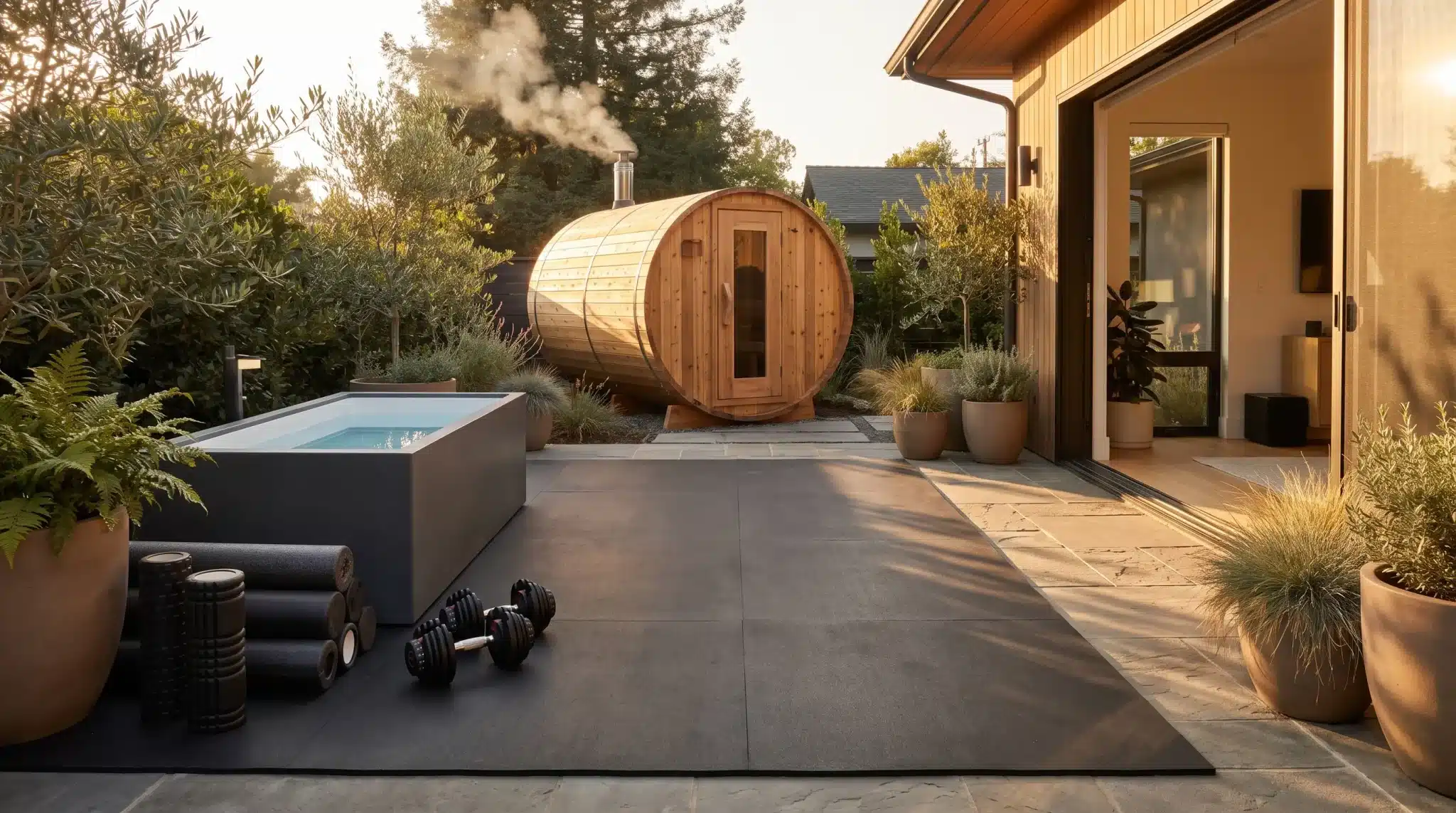
Home saunas have become an increasingly appealing option for people who enjoy heat sessions but dislike traveling to a gym, spa or wellness studio every time they want one. Traditional sauna rooms can require significant planning and construction, but smaller outdoor designs provide another route. A barrel sauna kit from reputable companies makes building your sauna easier than ever, particularly for homeowners who want a dedicated structure without converting an existing bathroom or spare room.
Before buying one, measure the intended location and think beyond whether the sauna technically fits. You need appropriate clearance, a stable base, electrical access when required and a comfortable path between the house and sauna. That last detail sounds minor until January arrives and you are standing on an icy patio in a towel wondering why nobody considered footwear.
Maintenance deserves attention as well. Wood needs appropriate care, ventilation matters and manufacturers may have specific installation requirements. A sauna can become a favorite part of a home wellness routine, but it should be treated as permanent home equipment rather than an oversized accessory. Planning the installation properly makes it far easier to enjoy afterward.
Create Space for Movement
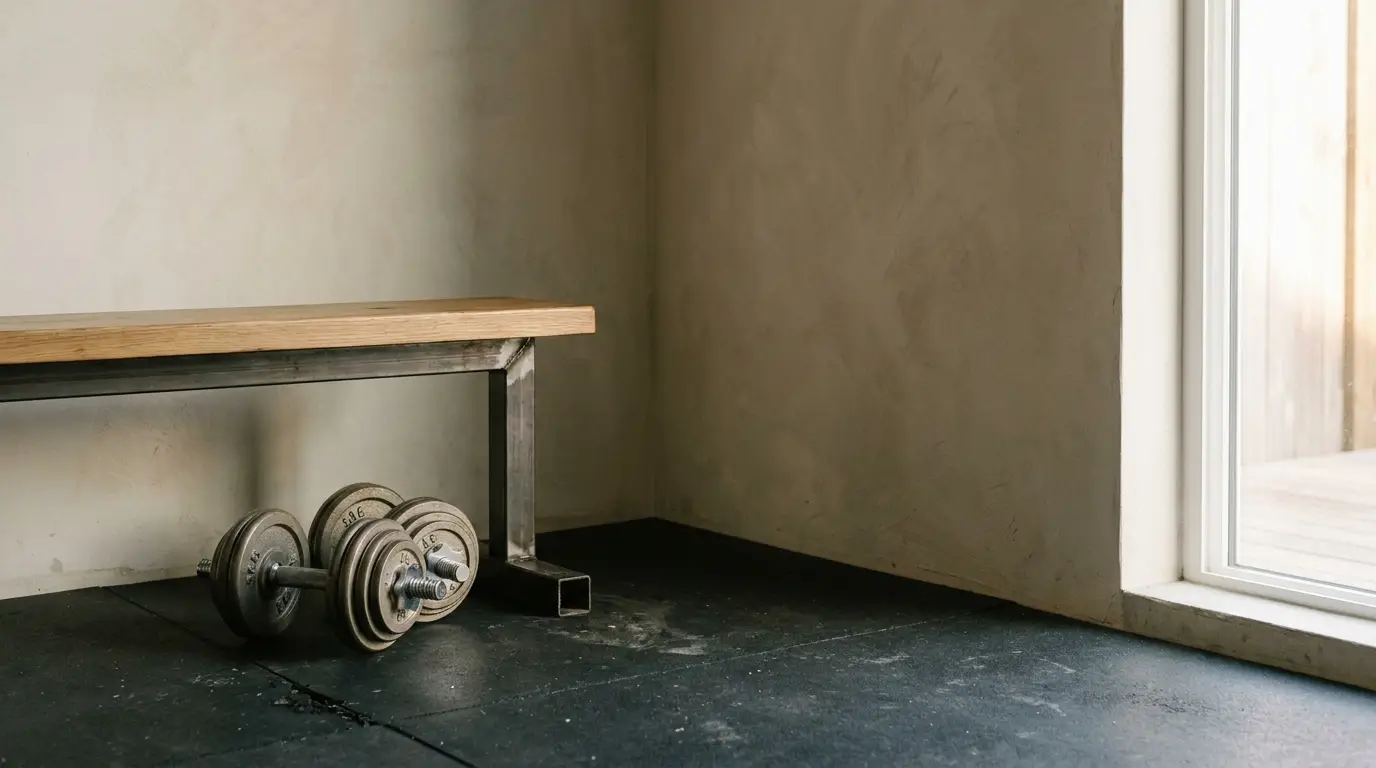
A home gym does not need commercial machines lining every wall. Adjustable dumbbells, resistance bands, a sturdy bench and enough open floor space can support an impressive range of workouts. The right setup depends on how you prefer to exercise. Buying equipment for the person you imagine becoming is an easy way to waste money. Buying for the workouts you already enjoy is usually safer.
Flooring is another consideration that deserves more attention than it gets. Protective flooring can reduce noise, improve traction and protect hardwood or other finished surfaces from weights. Mirrors can help with positioning during certain exercises, while organized storage keeps smaller pieces from spreading throughout the room.
Think about the atmosphere, too. Good lighting, airflow and easy access to water can make a basic exercise area more inviting. You do not need to recreate a luxury fitness club. You need a place where starting a workout requires as little negotiation with yourself as possible.
Consider Cold Therapy Carefully
Cold plunges have joined saunas as one of the most visible pieces of home wellness equipment. Some systems maintain water at a selected temperature automatically, while simpler tubs require ice or another cooling method. The automated versions cost considerably more, but they eliminate much of the preparation that can make regular use inconvenient.
Cold exposure is not appropriate for everyone, however, and colder is not automatically better. People should follow manufacturer instructions and seek medical guidance when health conditions or medications could affect their response to cold. A home plunge also creates practical responsibilities involving sanitation, filtration, drainage and water treatment.
For people who genuinely enjoy cold immersion, a dedicated system can make the practice easier to maintain. Anyone who merely feels obligated to participate because cold plunges are fashionable should probably experiment with less expensive options before installing a large tub in the backyard.
Build Around Your Habits
The best home wellness space is not necessarily the one with the most equipment. It is the one designed around routines you can maintain. Before making a large purchase, consider how often you realistically expect to use it, where it will live and what cleaning or upkeep it requires. Even beautiful equipment becomes cluttered when using it feels inconvenient.
It also helps to build gradually. Start with versatile pieces, notice which activities become regular habits and invest further when your behavior justifies it. A massage tool, strength equipment, sauna or cold plunge can all have a place, but there is no universal checklist every home needs. Choose pieces you genuinely enjoy using, give them a practical place to live and skip anything you are buying mainly because everyone else suddenly seems to own one.