
Making a smooth, creamy matcha latte at home is easier than it looks. With a few quality ingredients and the right technique, it takes less than ten minutes to prepare a drink that rivals many cafe versions.
The secret lies in using fresh matcha powder, the right water temperature, and a balanced matcha-to-milk ratio.
A homemade matcha latte recipe also gives complete control over sweetness, milk choice, and flavor, making it easy to customize every cup.
With the right ingredients and preparation method, you can make a smooth, creamy matcha latte at home that tastes just as satisfying as one from your favorite café.
What Is a Matcha Latte?
A matcha latte is a drink made by blending finely ground Japanese green tea powder with warm water and milk.
Unlike regular green tea, where the leaves are steeped and discarded, matcha is whisked directly into the water so the entire tea leaf is consumed.
This gives the drink its signature bright green color, smooth texture, and rich flavor.
Depending on the type of matcha used, the taste ranges from naturally sweet and creamy to slightly earthy with mild vegetal notes.
Served hot or iced, a matcha latte has become a popular alternative to coffee because it offers a balanced flavor and can be customized with different milks and sweeteners.
Ingredients and Tools You’ll Need
Before making a matcha latte, gather all the necessary ingredients and tools. Having everything ready makes the preparation process quicker and helps create a smooth, creamy drink without interruptions.
Ingredients
- 1–2 teaspoons ceremonial-grade or premium culinary-grade matcha powder
- 2 tablespoons warm water (160°F–175°F / 70°C–80°C)
- 1 cup milk (dairy or plant-based)
- 1–2 teaspoons sweetener (optional)
Tools
- Bamboo whisk (chasen) or handheld milk frother
- Fine mesh sieve
- Small bowl
- Measuring spoons
- Measuring cup
How to Make a Matcha Latte Step by Step?
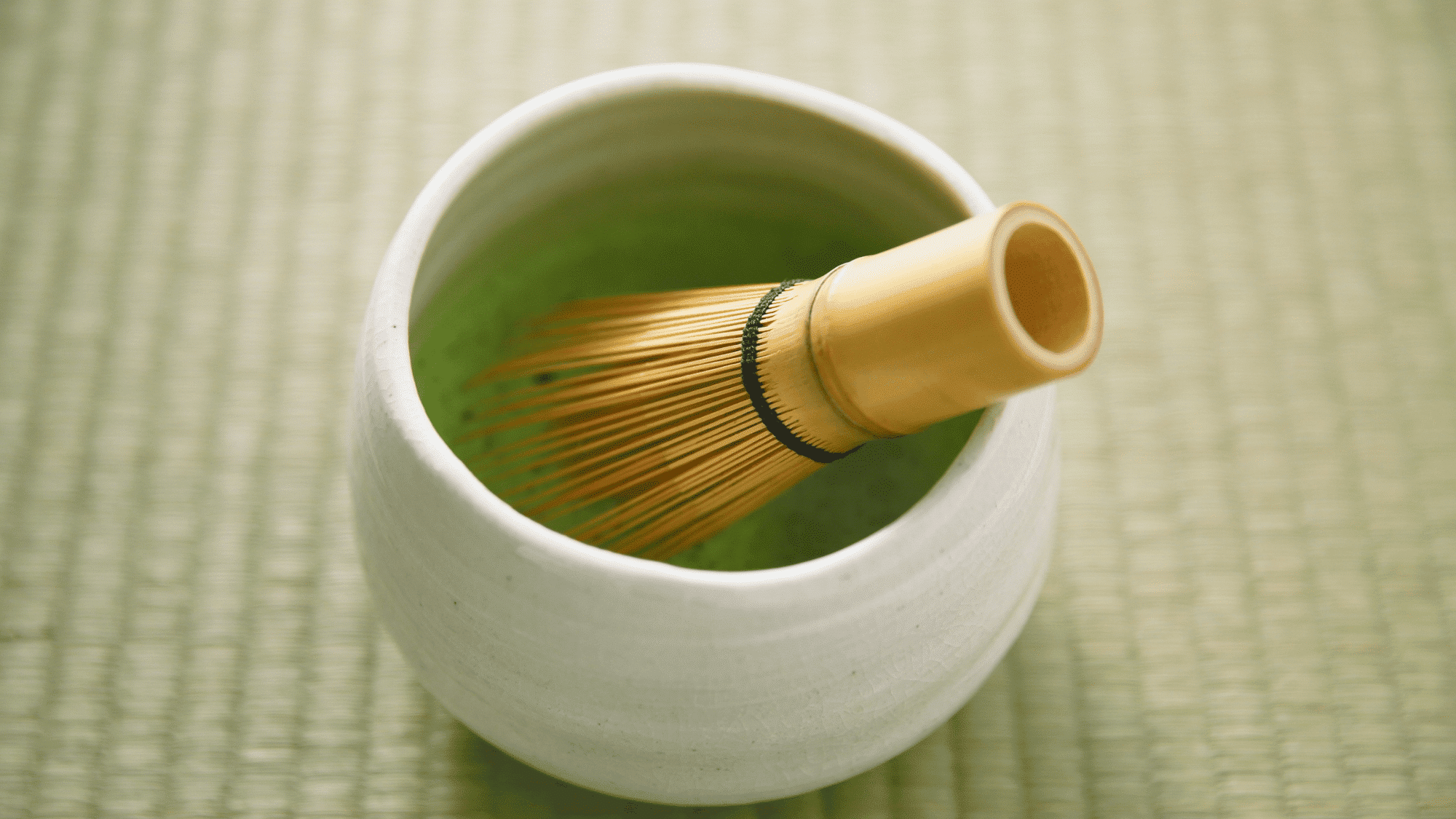
Following each step in order helps create a smooth, creamy drink with balanced flavor and no clumps. Taking a little extra time during preparation makes a noticeable difference in both texture and appearance.
Step 1: Sift the Matcha Powder
Measure 1 to 2 teaspoons of matcha powder into a fine mesh sieve and sift it into a small bowl.
Sifting breaks up any clumps, making the matcha much easier to whisk into a smooth mixture. It only takes a few seconds but gives your latte a silkier texture and more even color.
Step 2: Add Warm Water
Pour 2 ounces (60 ml) of warm water over the sifted matcha powder.
Use water between 160°F and 175°F (70°C to 80°C). This temperature blends the matcha smoothly while preserving its naturally sweet, earthy flavor and vibrant green color.
Step 3: Whisk Until Smooth
Using a bamboo whisk or handheld milk frother, whisk the matcha in a quick zigzag or “W” motion for 15 to 20 seconds.
Whisk until the powder is fully dissolved and a thin layer of foam forms on top. If you still see small clumps, whisk for a few more seconds before moving on.
Pro Tip: If you’re using a bamboo whisk, soak the bristles in warm water for 1 to 2 minutes before whisking. This softens the bristles, helps create finer foam, and extends the whisk’s lifespan.
Step 4: Warm and Froth the Milk
Heat 6 to 8 ounces (180 to 240 ml) of milk until warm, but do not let it boil.
Froth the milk if possible for a creamier latte with a light, velvety foam. Barista-style dairy and plant-based milks usually create the best texture.
Step 5: Combine the Ingredients
Slowly pour the warm, frothed milk into the prepared matcha while stirring gently.
Add honey, maple syrup, or another sweetener if desired, then give the latte one final stir. Taste and adjust the sweetness or matcha strength before serving.
Step 6: Serve and Enjoy
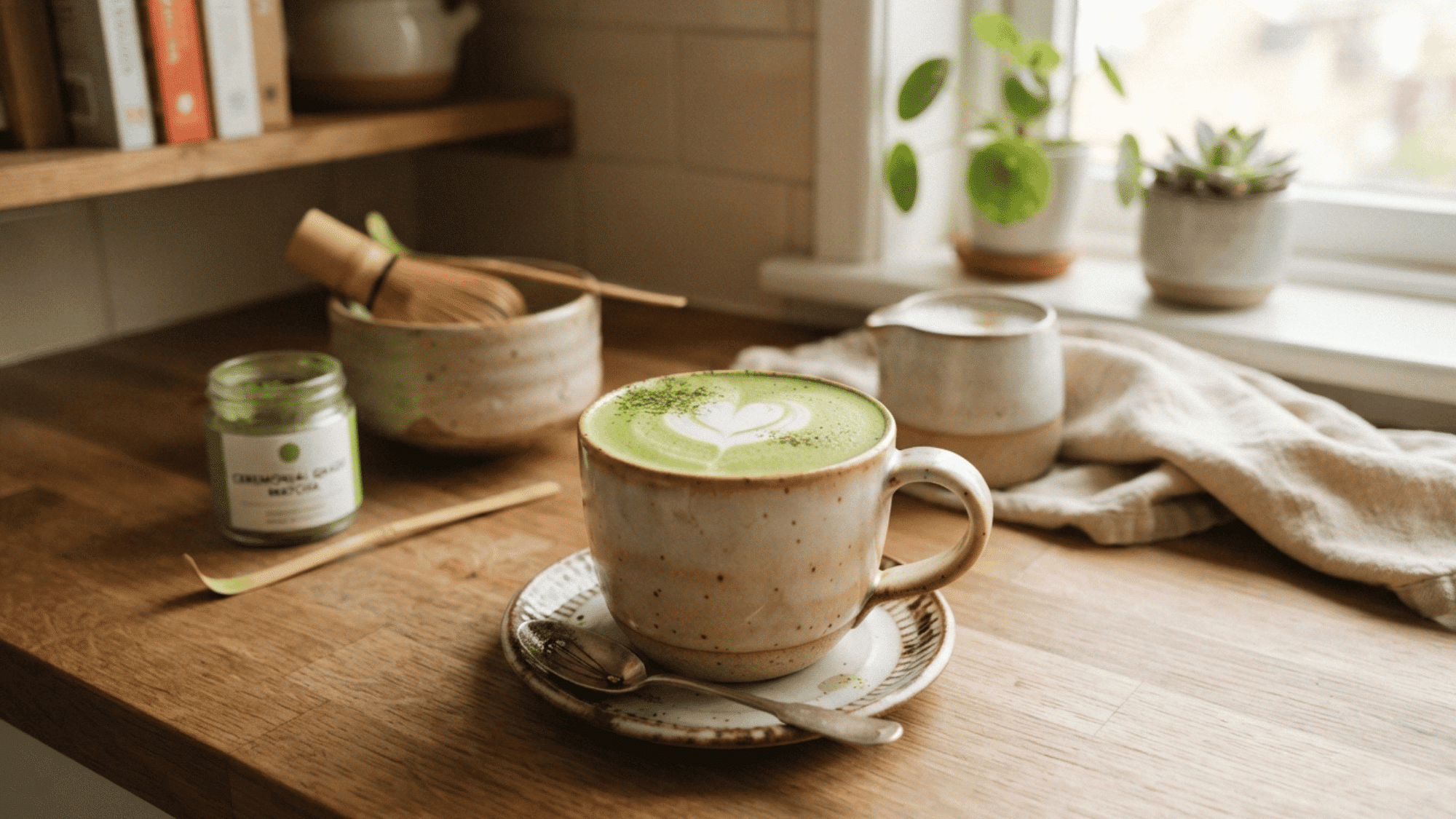
Pour the matcha latte into your favorite mug and enjoy it while it’s warm.
For a café-style finish, dust a little matcha powder over the foam or sprinkle on a pinch of cinnamon. Serve immediately for the smoothest texture and freshest flavor.
Note: Start with this classic matcha-to-milk ratio for a smooth, well-balanced latte. Once you’ve made it a few times, you can easily adjust the amount of matcha, milk, or sweetener to suit your personal taste.
How to Make an Iced Matcha Latte?
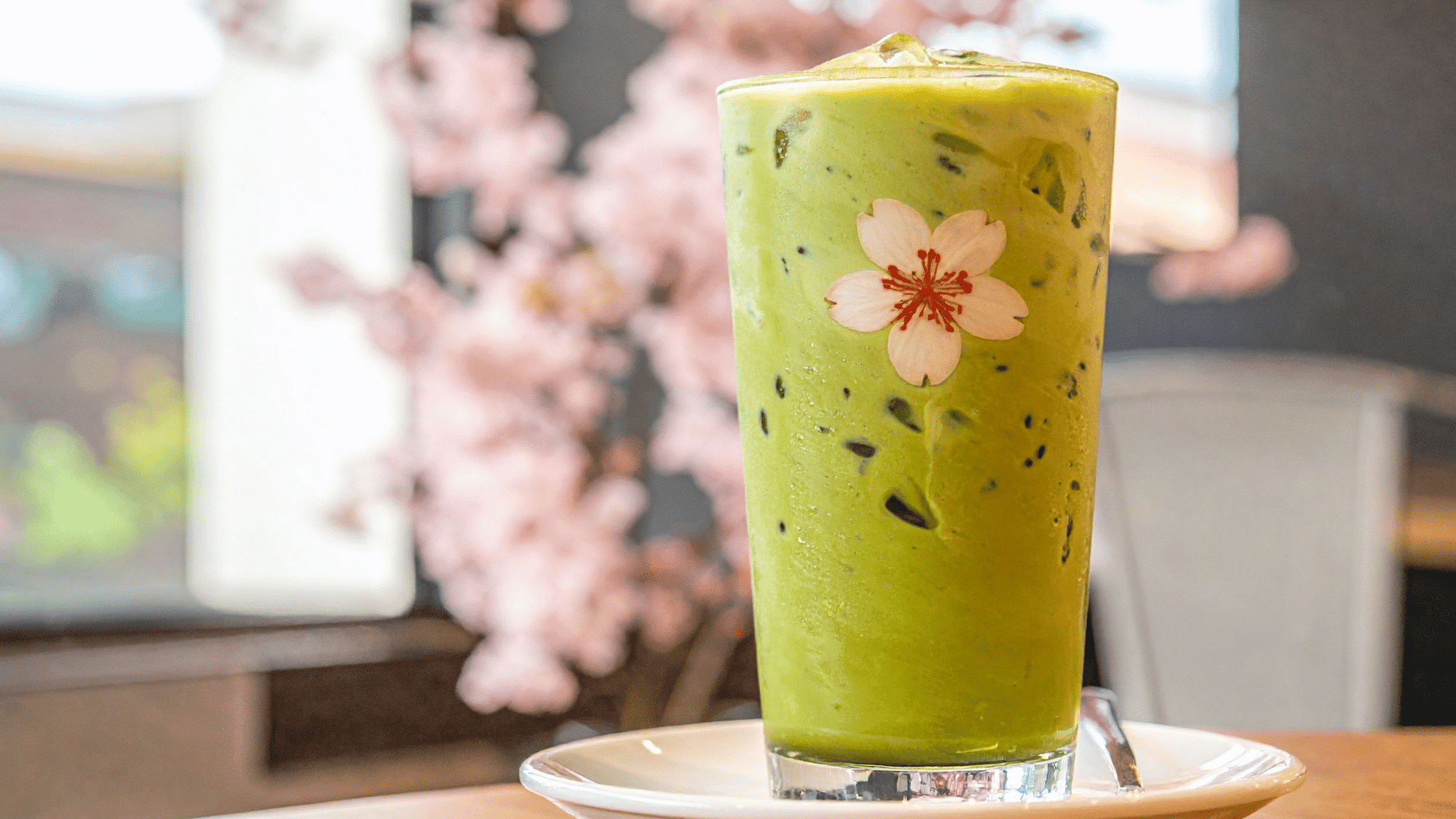
An iced matcha latte uses the same basic ingredients as the hot version but is assembled differently to create a refreshing cold drink.
Begin by whisking the matcha with warm water until completely smooth, as this prevents clumps from forming.
Fill a tall glass with ice, pour in 6 to 8 ounces of cold milk, then slowly add the prepared matcha over the top to create distinct green and white layers.
Stir everything together before drinking, and add honey, maple syrup, or vanilla syrup for extra sweetness.
The result is a smooth, creamy beverage that is perfect for warm days while still delivering the signature flavor of matcha.
Choosing the Right Milk for Matcha
The type of milk you choose can change the flavor, texture, and richness of your matcha latte.
Whole milk creates the creamiest, most café-style drink and balances matcha’s earthy notes well.
Oat milk is one of the most popular dairy-free options because of its naturally sweet flavor and smooth, frothy texture.
Almond milk produces a lighter latte with a subtle nutty taste, while soy milk offers a creamy consistency and stable foam thanks to its higher protein content.
Coconut milk adds extra richness with a hint of tropical flavor that pairs well with sweetened matcha.
If you prefer a lower-calorie option, skim milk keeps the latte light while allowing the fresh, vibrant flavor of the matcha to remain the star of the drink.
Sweetener Options for Better Flavor
Although matcha has a naturally pleasant sweetness, some people enjoy adding a sweetener to soften its earthy notes. The best option depends on the type of milk used and the preferred flavor profile.
| Sweetener | Flavor Profile | Best Paired With |
|---|---|---|
| Honey | Light floral sweetness | Whole milk, soy milk |
| Maple Syrup | Rich caramel notes | Oat milk, almond milk |
| Simple Syrup | Neutral sweetness | Hot and iced matcha lattes |
| Vanilla Syrup | Smooth vanilla flavor | Café-style lattes |
| Agave Syrup | Mild, clean sweetness | Coconut and oat milk |
| Stevia | Sugar-free sweetness | Low-sugar recipes |
Common Mistakes to Avoid
Even with quality ingredients, a few small mistakes can affect the taste and texture of your matcha latte. Keep these tips in mind for a smoother, better-tasting drink every time.
- Using Boiling Water: Water hotter than 175°F (80°C) can make matcha taste bitter and dull its bright green color. Let freshly boiled water cool slightly before using it.
- Skipping the Sifting Step: Unsifted matcha often contains clumps that are difficult to whisk out. Sifting the powder first creates a smoother, lump-free latte.
- Using Too Much Matcha: More matcha isn’t always better. Stick to 1 to 2 teaspoons for a balanced flavor, then adjust gradually if you prefer a stronger taste.
- Stirring Instead of Whisking: A spoon won’t fully dissolve the matcha. Use a bamboo whisk or handheld frother to create a smooth mixture with a light layer of foam.
Storage and Make-Ahead Tips
A few simple storage habits can help keep your matcha fresh and make preparing your next latte even easier.
- Store Matcha Properly: Keep matcha powder in an airtight container away from heat, moisture, and direct sunlight to preserve its color and fresh flavor.
- Refrigerate Matcha Concentrate: Prepare the matcha concentrate ahead of time and store it in a sealed container in the refrigerator for up to 24 hours. Whisk briefly before using if it has settled.
- Add Milk Before Serving: Pour in the milk just before serving to maintain the creamiest texture and best foam.
- Avoid Freezing: Freezing prepared matcha can affect its smooth texture and fresh taste, so it’s best enjoyed refrigerated instead.
Conclusion
A homemade matcha latte is a simple drink that combines quality ingredients with a few easy techniques.
Using fresh matcha powder, the correct water temperature, and the right milk creates a smooth, balanced latte that can be customized to suit different tastes.
Hot and iced versions are equally easy to prepare, making this recipe suitable throughout the year.
Once the basic method becomes familiar, experimenting with different milks and sweeteners is an easy way to create new flavor combinations.
With regular practice, making a café-style matcha latte at home becomes a quick and enjoyable part of any daily routine.
Frequently Asked Questions
Can a Matcha Latte Be Made without a Bamboo Whisk?
Yes. A handheld milk frother, small kitchen whisk, or a jar with a tight-fitting lid can blend matcha effectively. A bamboo whisk creates the smoothest texture and lightest foam.
What Is the Best Matcha Powder for a Latte?
Ceremonial-grade matcha provides the smoothest flavor and brightest color, while premium culinary-grade matcha designed for beverages offers excellent quality for everyday homemade lattes.
Why Does Matcha Latte Taste Bitter?
Bitterness is usually caused by boiling water, low-quality matcha, or using too much powder. Keeping the water between 160°F and 175°F (70°C–80°C) helps produce a smoother, more balanced flavor.
How Much Caffeine Is in a Matcha Latte?
A typical homemade matcha latte contains about 38 to 88 mg of caffeine, depending on the amount and grade of matcha used. Using two teaspoons generally results in a higher caffeine content than one teaspoon.
Can Matcha Latte Be Made without Dairy?
Yes. Oat, soy, almond, coconut, and other plant-based milks all work well in a matcha latte. Barista-style varieties often create a creamier texture and froth more effectively than standard versions.