
Ever wanted café-style espresso without paying café prices every day? I’ve been in that spot more times than I can count, especially when learning how to make espresso at home without expensive machines.
The cost of espresso drinks adds up quickly, and I know how frustrating it feels when a simple coffee habit turns into a daily expense. You don’t need fancy equipment or a big budget to get close to that rich, bold flavor.
The methods stay simple and flexible so they can be used right away with what’s already in the kitchen.
Why Home Espresso Tastes Different
Home-brewed espresso-style coffee and café espresso are built on the same idea, but they are not produced under the same conditions.
Professional espresso machines are designed to deliver around 9 bars of consistent pressure, which plays a major role in how coffee compounds are extracted. Most home methods like moka pots or French presses operate at much lower or inconsistent pressure levels.
Commercial machines maintain precise heat throughout the brewing process, while home methods often fluctuate slightly during extraction.
Ingredients to Make Espresso at Home
Making espresso at home is simple when it comes to ingredients, but the quantity and ratio used per serving play a big role in how strong and balanced the final cup turns out.
Serving: 1 cup
| Ingredient | Quantity | Purpose / Notes |
|---|---|---|
| Coffee Beans | 15–18 g (2–3 tbsp) | Fresh medium to dark roast gives a bold, rich flavor |
| Water | 30–60 ml (strong shot) / up to 120 ml (milder brew) | Filtered water improves taste and reduces bitterness |
| Grind Size | Fine to medium-fine | Depends on method (moka pot, AeroPress, French press) |
| Milk (optional) | 100–150 ml | Used for latte-style or cappuccino-style drinks |
| Sweetener (optional) | 1–2 tsp | Balances bitterness (sugar, honey, or alternatives) |
| Flavor Add-ons (optional) | pinch | Cinnamon or salt for taste adjustment |
A proper balance of coffee and water is what creates a rich, smooth espresso-style cup at home without needing any expensive equipment.
Cheapest Ways to Make Espresso at Home (Budget Breakdown)
With a small budget, it is still possible to create strong, rich coffee using simple tools that fit different price ranges. Each level of spending offers a different level of control, strength, and flavor quality, helping you choose what works best for your needs and kitchen setup.
- Under $20 Setup:Instant coffee or a basic French press can create a strong, concentrated coffee suitable for milk-based drinks.
- Under $50 Setup: Tools like the AeroPress or entry-level moka pots provide a stronger, more espresso-like brew.
- Under $100 Setup:Manual espresso devices or portable press tools offer better pressure control and a richer extraction.
How to Make Espresso at Home
Each method is broken down simply so you can try it immediately, adjust it to your taste, and build a coffee routine that fits your daily habits.
The key is understanding how small changes in grind size, water ratio, and brewing method can completely change the strength and taste of your coffee.
1. Moka Pot
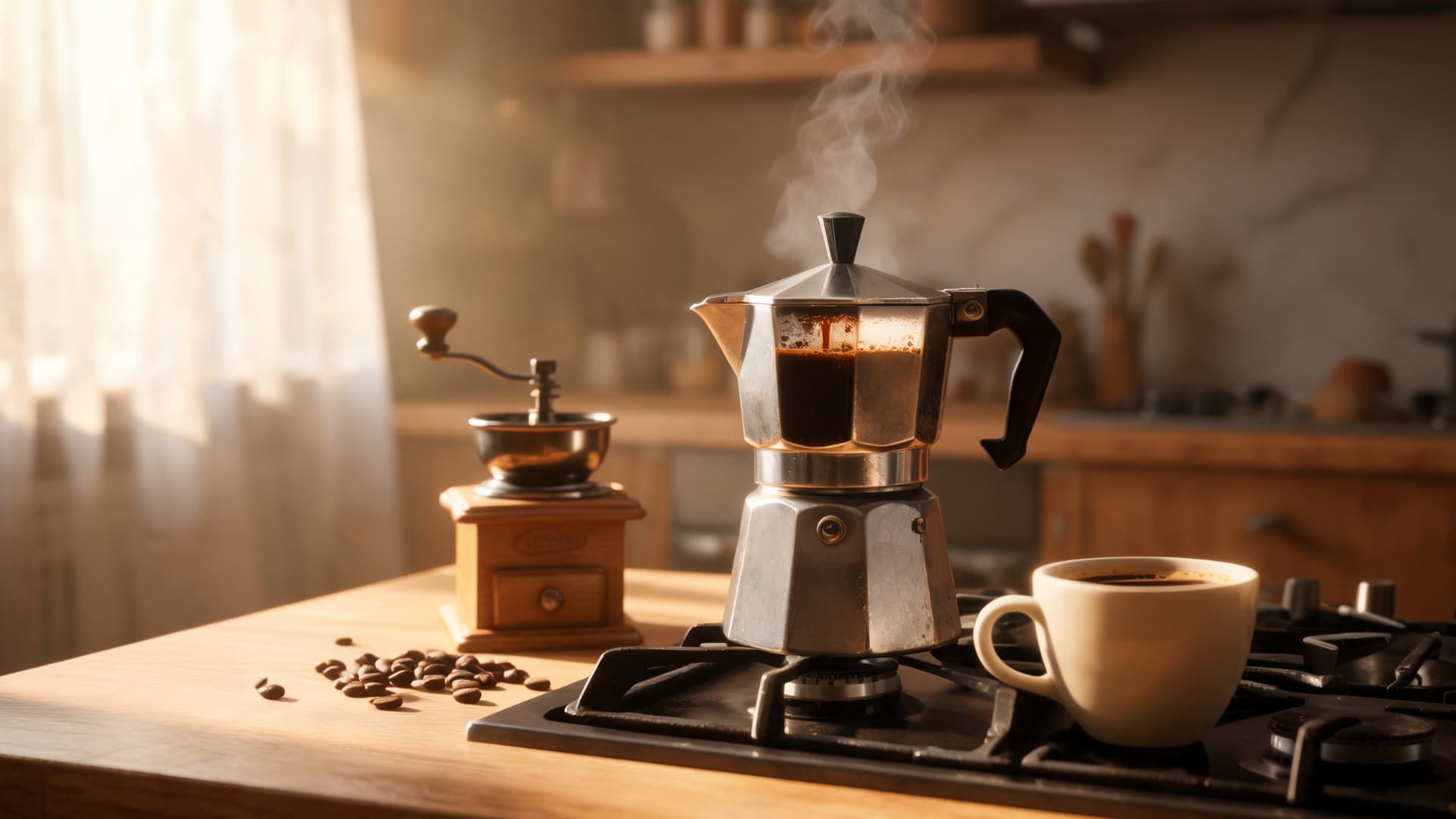
A moka pot is one of the easiest and most affordable ways to make strong espresso-style coffee at home. It does not produce true espresso, but it creates a rich, bold, and concentrated brew that closely matches café-style flavor.
Brewing Method:
- Water Level: Fill the bottom chamber with fresh filtered water just below the safety valve to ensure safe pressure build-up and prevent boiling overflow during brewing.
- Add Coffee: Add freshly ground coffee into the filter basket, spreading it evenly without pressing or tamping to allow proper water flow throughout the brewing process.
- Assemble & Heat: Screw the top and bottom sections tightly together to create a proper seal, then place the moka pot on medium heat.
- Watch Flow: As the water heats up, pressure will push brewed coffee into the upper chamber; keep the lid open and observe the flow so you can monitor color and consistency.
- Listen for Gurgle: Pay close attention to the brewing sound—once you hear a gentle gurgle or hissing, stop brewing immediately.
- Serve Immediately: Remove from heat right away and pour the coffee into your cup to preserve aroma, prevent bitterness, and enjoy a fresh, bold espresso-style flavor.
With simple steps and small adjustments, a moka pot can consistently produce strong and flavorful espresso-style coffee at home. Proper heat control and grind size make the biggest difference in achieving a smooth and balanced cup.
2. AeroPress
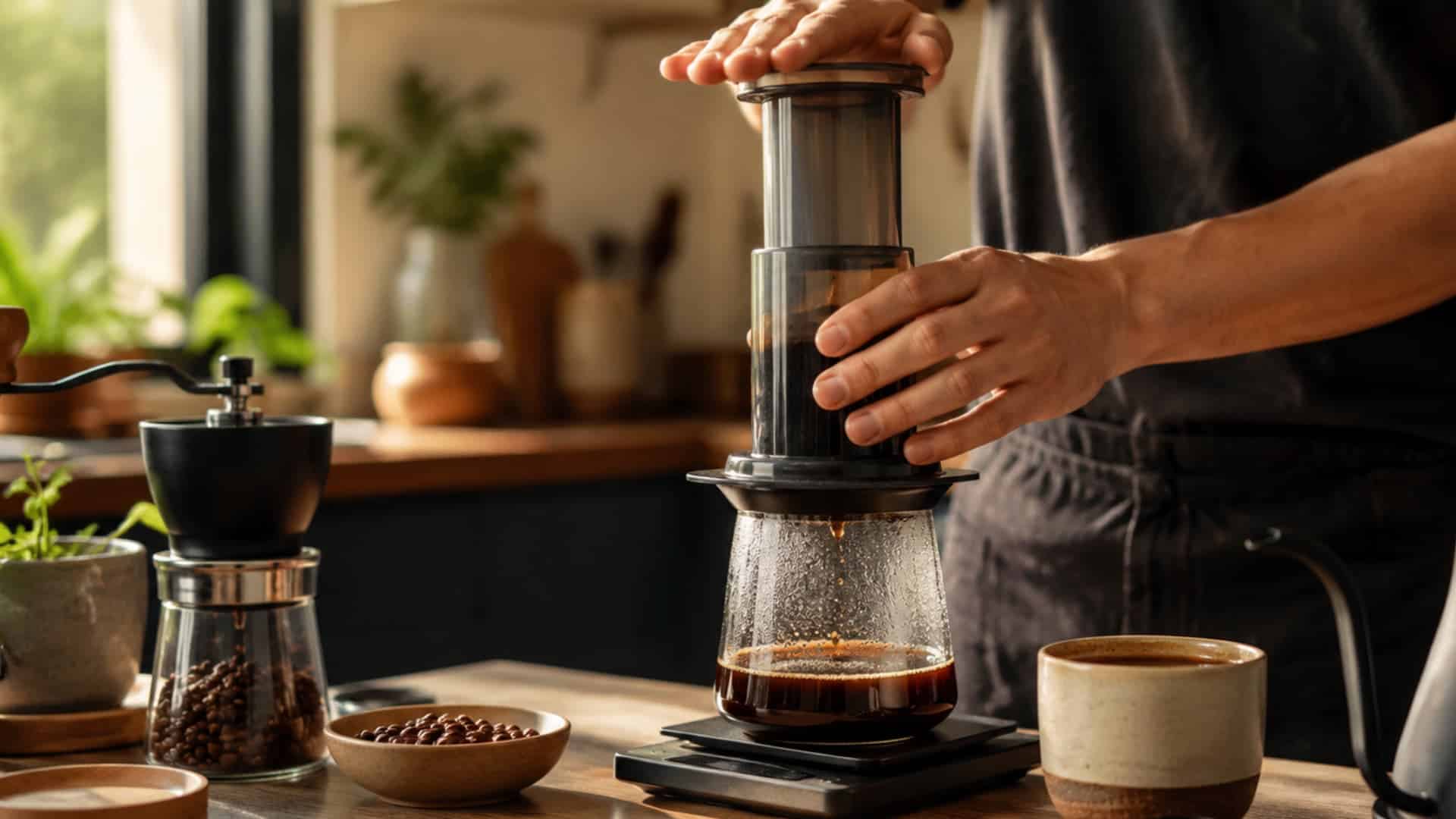
AeroPress is one of the easiest tools for making strong espresso-style coffee at home. It uses pressure from a manual plunge to extract a concentrated shot-like brew in under two minutes. The key is to use fine coffee and steady pressure.
Brewing Method:
- Prepare Coffee: Add finely ground coffee (fine to medium-fine) into the AeroPress chamber for strong extraction and even pressure-based brewing.
- Add Filter & Rinse: Place the paper filter in the cap, rinse it with hot water to remove the papery taste, and preheat the device for better extraction.
- Heat Water: Pour hot water just off the boil (around 85–95°C) into the chamber over the coffee grounds, ensuring full and even saturation.
- Stir Well: Mix gently for 5–10 seconds so all coffee grounds are evenly soaked, improving consistency and flavor balance.
- Steep Briefly: Let it sit for about 30–60 seconds to build strength while avoiding over-extraction and bitterness.
- Press Slowly: Insert the plunger and apply steady, controlled pressure to extract a rich, concentrated espresso-style shot.
- Serve Immediately: Pour into a cup right away to lock in aroma, temperature, and bold coffee flavor without dilution.
A fine-to-medium-fine grind works best for AeroPress because it allows quick extraction without over-brewing. A lower water ratio creates a stronger, more espresso-like result.
3. French Press
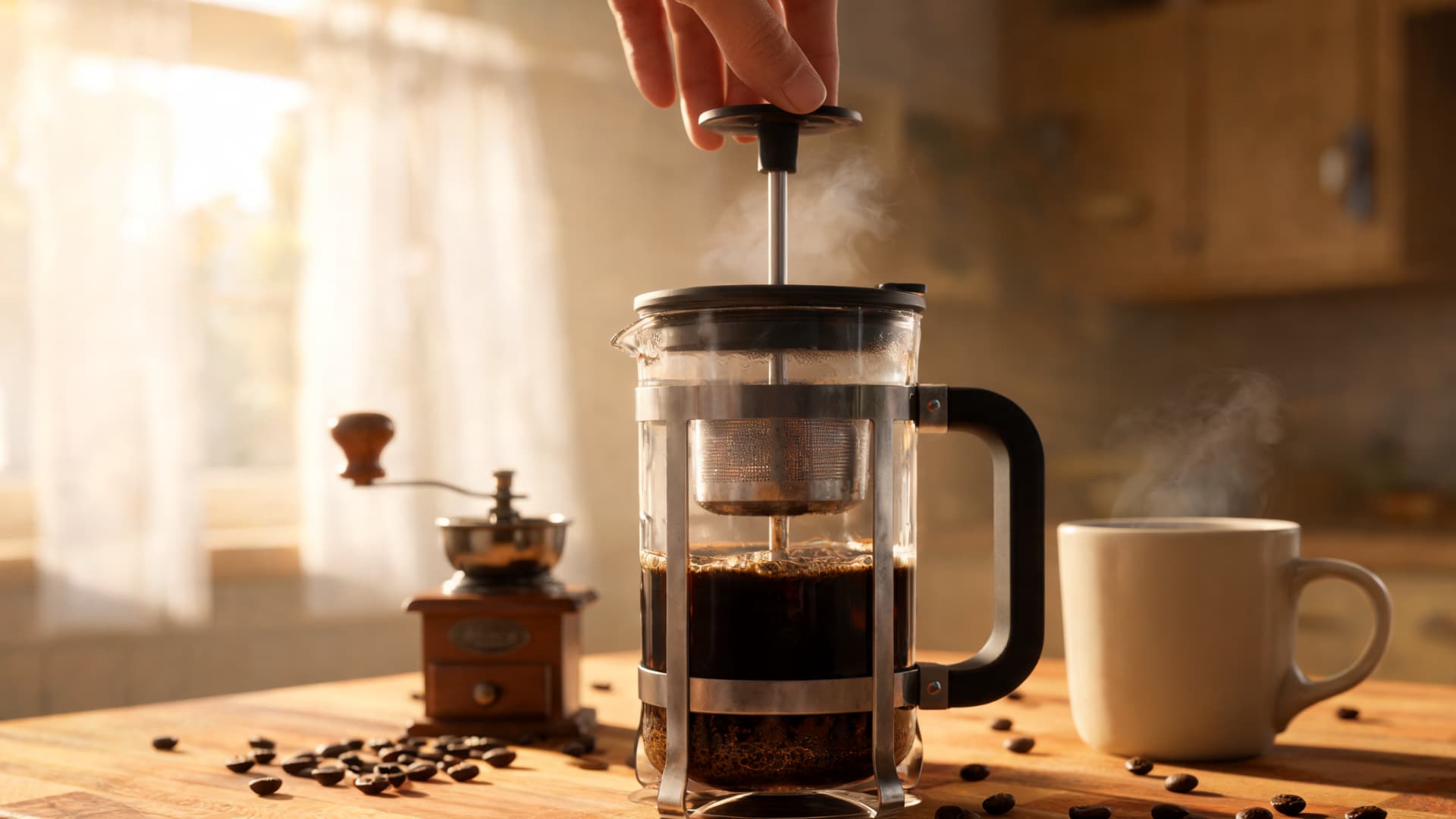
The French press works best when making strong, full-bodied coffee drinks that are mixed with milk or used as a base for larger beverages. It is a simple and affordable option for creating espresso-style coffee at home without any pressure-based equipment.
Brewing Method:
- Measure Coffee: Use 15–18 g (about 2–3 tablespoons) of medium-coarse ground coffee to create a strong base while avoiding over-extraction and bitterness.
- Heat Water: Heat filtered water to 90–95°C (just below boiling) so the coffee extracts fully without burning or producing harsh flavors.
- Add Coffee & Bloom: Add coffee to the French press, pour a small amount of hot water first, and wait 20–30 seconds to release gases and improve flavor depth.
- Add Remaining Water: Slowly pour 200–250 ml of water in a circular motion to ensure all grounds are evenly saturated for balanced extraction.
- Steep: Let the coffee sit for 3–4 minutes without pressing, adjusting the time slightly based on the desired strength (shorter for a lighter brew, longer for a stronger brew).
- Press Slowly: Press the plunger down very gently and steadily to separate grounds without forcing fine particles into the drink.
- Settle: Allow the coffee to rest for 30–60 seconds so sediment naturally settles at the bottom for a smoother cup.
- Serve: Pour immediately into a cup, preferably with milk or water, if a lighter espresso-style drink is preferred.
A French press does not use pressure, which is why it cannot produce true espresso or a concentrated shot-like texture. The coffee often has a heavier body but lacks the smooth, refined intensity found in café espresso.
Other Affordable Alternatives for Home Espresso
Not all espresso-style coffee needs to come from traditional machines or even common tools like moka pots or French presses. There are several affordable alternatives that can produce strong, rich, and concentrated coffee at home.
1. Wacaco Nanopresso Overview
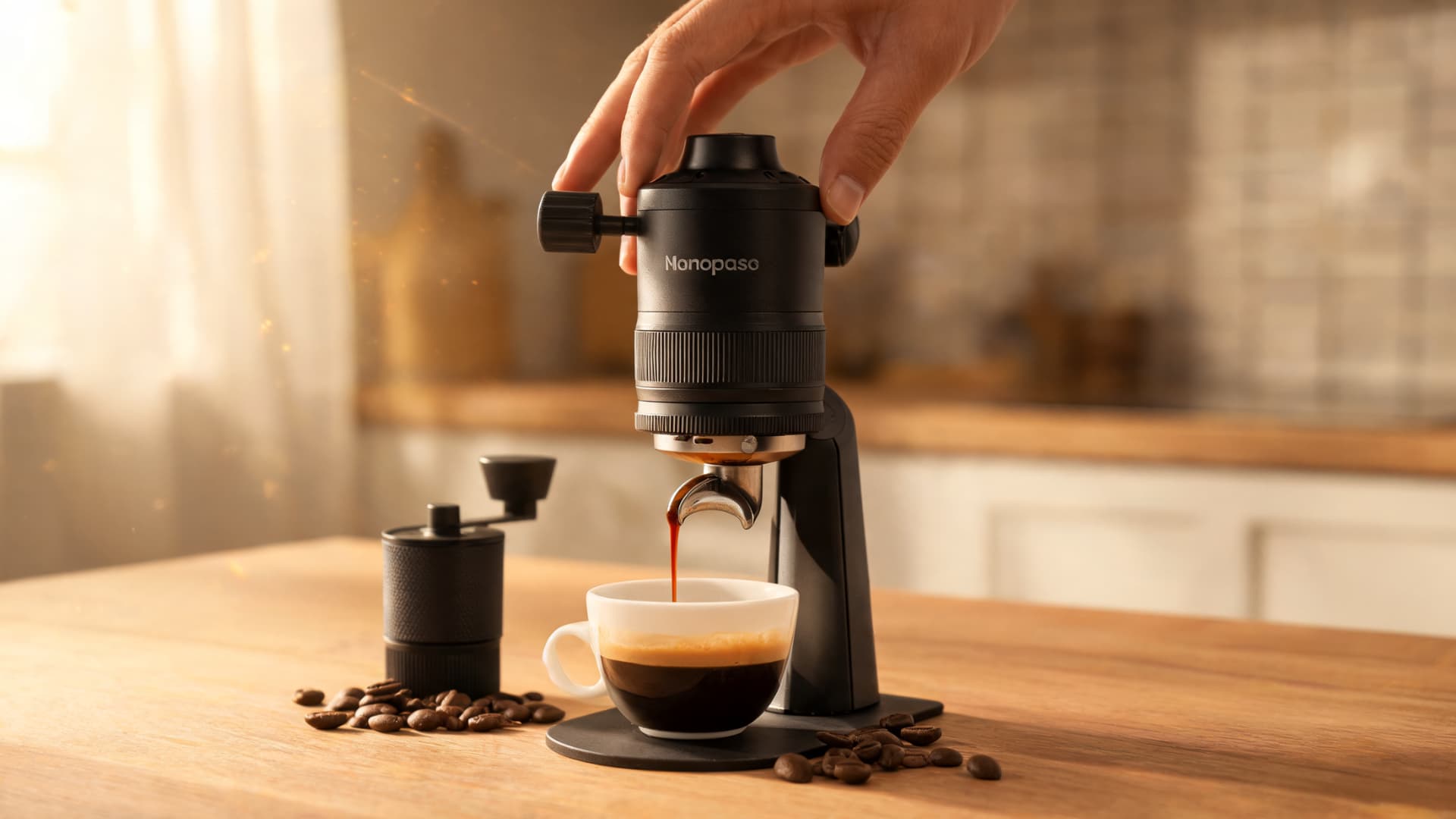
The Wacaco Nanopresso is a compact, manual espresso device designed to deliver higher pressure than most home espresso machines. It works by using hand-powered pumping to push hot water through finely ground coffee, creating a strong, concentrated shot.
This method produces a brew that is closer to real espresso compared to immersion-based techniques. Because of its portability and pressure control, it is often considered one of the closest budget-friendly alternatives to a traditional espresso machine.
2. Portable Espresso Devices
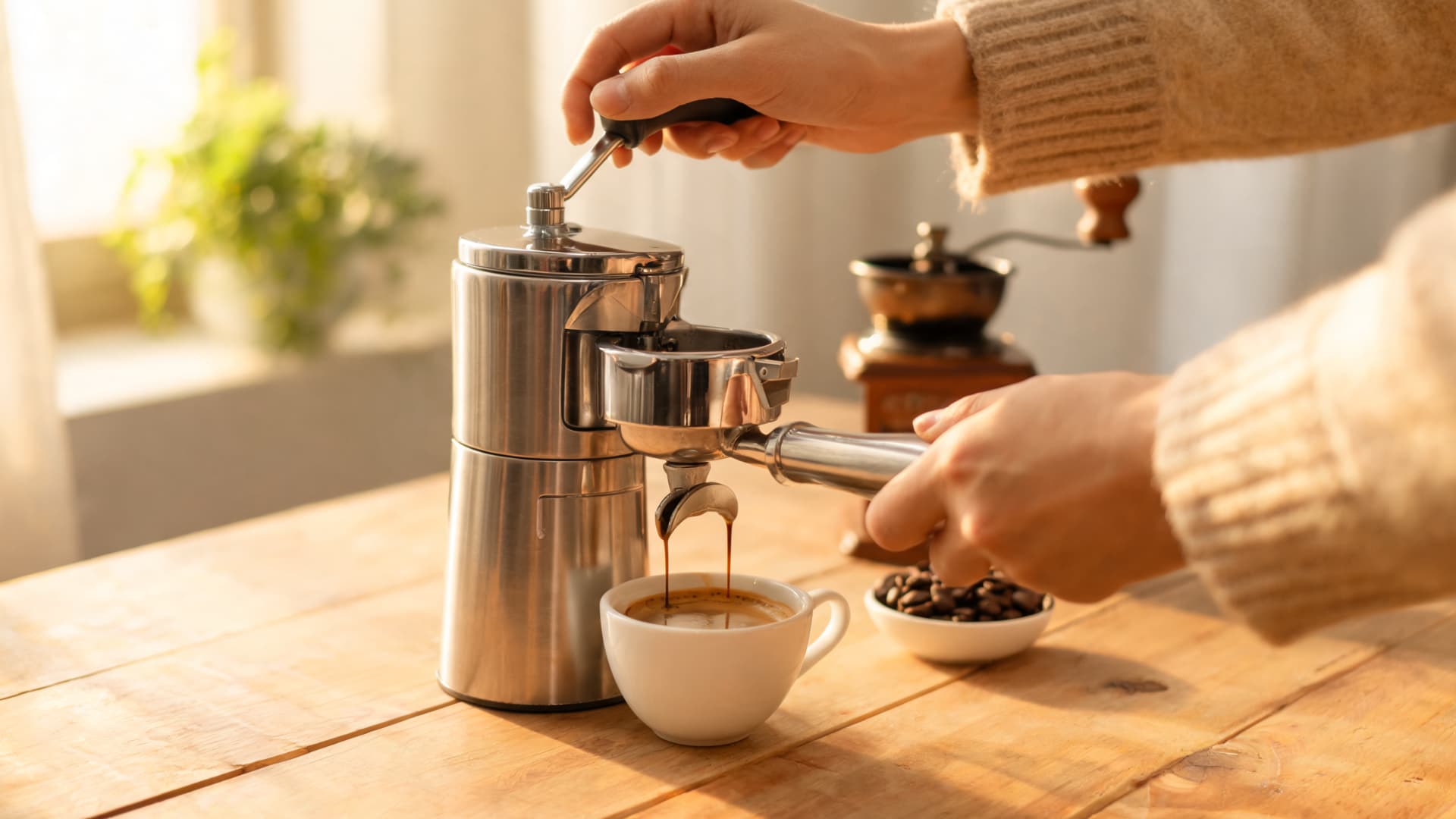
Portable espresso makers use manual force systems such as levers, pumps, or piston-based designs to generate pressure. These devices are designed to replicate espresso extraction more closely than basic home tools.
They allow greater control over pressure and brewing consistency, resulting in a stronger, more refined coffee shot. These devices are also travel-friendly, making them useful for people who want espresso-style coffee without relying on electricity or bulky equipment.
3. Turkish Coffee Method
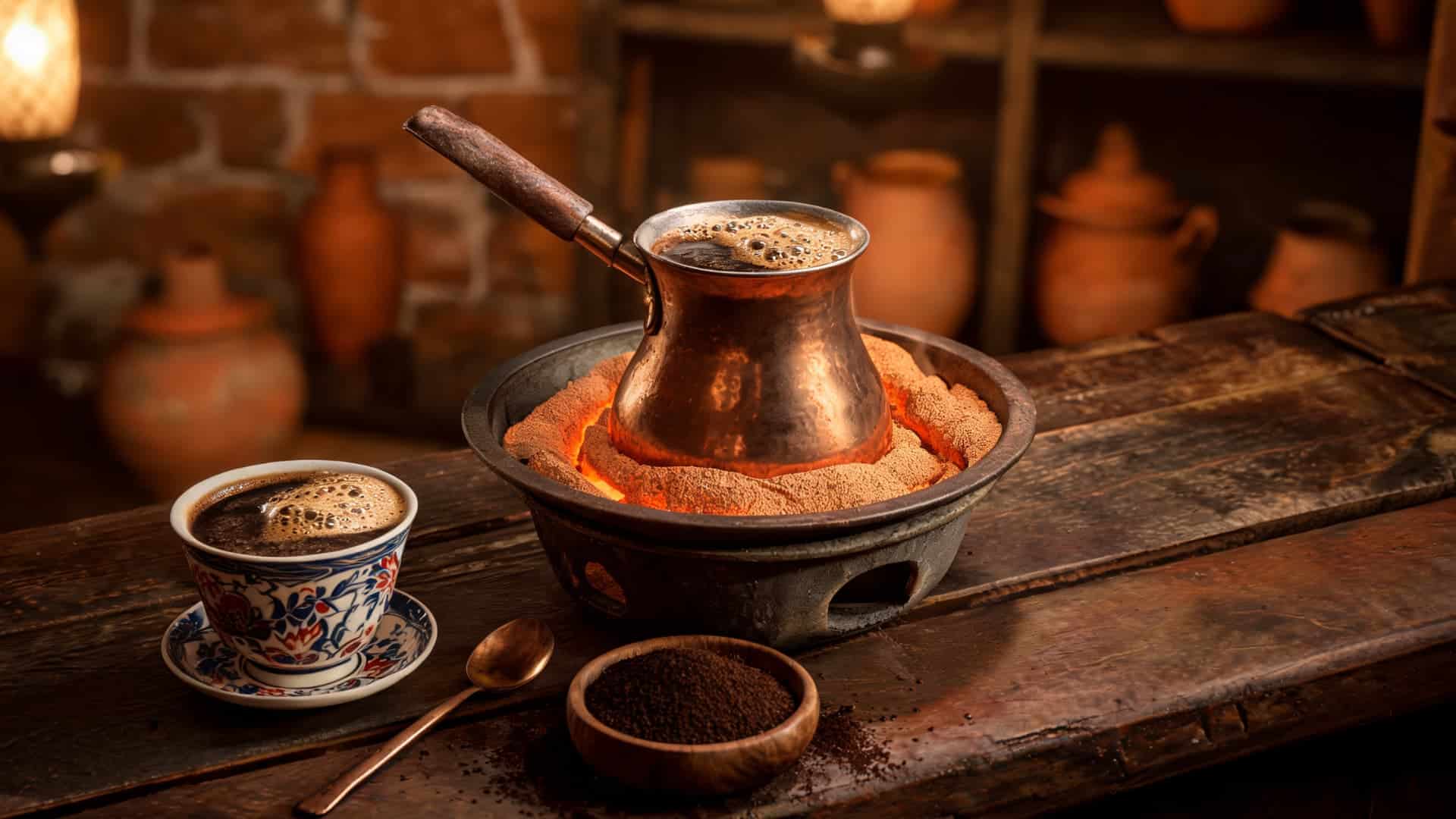
Turkish coffee is one of the oldest brewing methods and produces a very strong and bold coffee experience. It is made by boiling finely ground coffee directly in water, usually in a small pot called a cezve.
Unlike espresso, Turkish coffee is unfiltered, meaning the coffee grounds remain in the cup. This creates a heavier texture and stronger intensity, as well as a gritty mouthfeel that differs significantly from that of smooth espresso shots.
Grind Size and Roast Guide
Getting espresso-style coffee right at home depends on three key factors: grind size, roast level, and water balance. Even small adjustments in these areas can significantly change the strength, taste, and texture of the final cup.
| Brewing Method | Recommended Grind Size | Roast Type | Resulting Flavor Profile |
|---|---|---|---|
| Moka Pot | Medium-fine | Medium to dark | Bold, strong, slightly intense |
| AeroPress | Fine to medium-fine | Medium to dark | Balanced, smooth, espresso-like |
| French Press | Medium | Medium to dark | Heavy body, less concentrated |
These small adjustments play a major role in improving flavor, balance, and overall café-like experience without the need for expensive machines.
Espresso Drink Ideas Without a Machine
Making espresso-style drinks at home does not require a machine; simple brewing methods like a moka pot or an AeroPress can easily turn them into café-style beverages.
Latte-style drinks can be made by mixing strong coffee from a moka pot or AeroPress with warmed or frothed milk. The result is a smooth, creamy drink that feels close to a café latte, with a milder taste compared to straight espresso-style coffee.
Iced espresso-style drinks are another simple option, where freshly brewed strong coffee is cooled and poured over ice. This creates a refreshing drink that preserves the bold coffee flavor while making it lighter and better suited to warm weather.
Common Problems and Fixes
Even with simple home tools like a moka pot, AeroPress, or French press, espresso-style coffee can sometimes turn out inconsistent. Most issues come from small mistakes in grind size, heat, or brewing time, and they can usually be fixed with quick adjustments.
| Problem | Fix |
|---|---|
| Bitter Coffee | Reduce brew time, avoid overheating, and use a slightly coarser grind |
| Weak Coffee | Use a finer grind and increase the coffee-to-water ratio for stronger extraction |
| No Crema | Use fresh beans and fine grind; focus on strength instead of expecting real crema |
| Sour Taste | Increase brew time slightly and ensure water is near boiling temperature |
| Watery Texture | Reduce water quantity and increase coffee dose for better concentration |
| Burnt Flavor | Use medium heat and remove the moka pot immediately after brewing starts finishing |
| Grainy Cup | Use the correct grind size and allow coffee to settle before pouring |
Most espresso-style coffee problems at home come from small imbalances rather than equipment limitations.
Frequently Asked Questions
Can reused coffee grounds be used for a second brew?
Reusing coffee grounds is not recommended because most flavor and caffeine are extracted in the first brew. A second extraction produces weak, flat, and often bitter coffee. For better results, always use fresh grounds to maintain aroma and a balanced espresso-style flavor.
Can espresso-style coffee be stored for later use?
Yes, espresso-style coffee can be stored for a short time, but it is best consumed fresh. Keeping it for more than a few hours reduces aroma, flavor strength, and body. If needed, store it in a sealed container and reheat gently without boiling.
Does the freshness of coffee beans really matter for espresso-style coffee?
Yes, freshness plays a major role in flavor quality. Freshly roasted beans within 7–21 days produce a stronger aroma, a better crema-like texture, and a balanced taste. Stale beans lose their oils, resulting in flat, dull coffee even if the brewing method is done correctly.
Is it necessary to preheat brewing equipment?
Preheating helps maintain a stable temperature during extraction, especially in moka pots and AeroPress. Without preheating, heat loss can lead to under-extraction and weaker flavor. A quick rinse with hot water improves consistency and enhances overall taste quality.
The Bottom Line
I’ve seen how much of a difference small kitchen tools can make when learning to make espresso at home without spending on expensive machines. The key is choosing a method that fits your budget and taste, then adjusting grind size and water ratio until it feels right for you.
Each method offers a different level of strength and texture, but all help you enjoy café-style coffee without leaving home. I know how satisfying it feels when a simple routine turns into something you can control and refine.
Share your experience, talk about what worked and what didn’t, and learn from small differences that show up in every brew.