

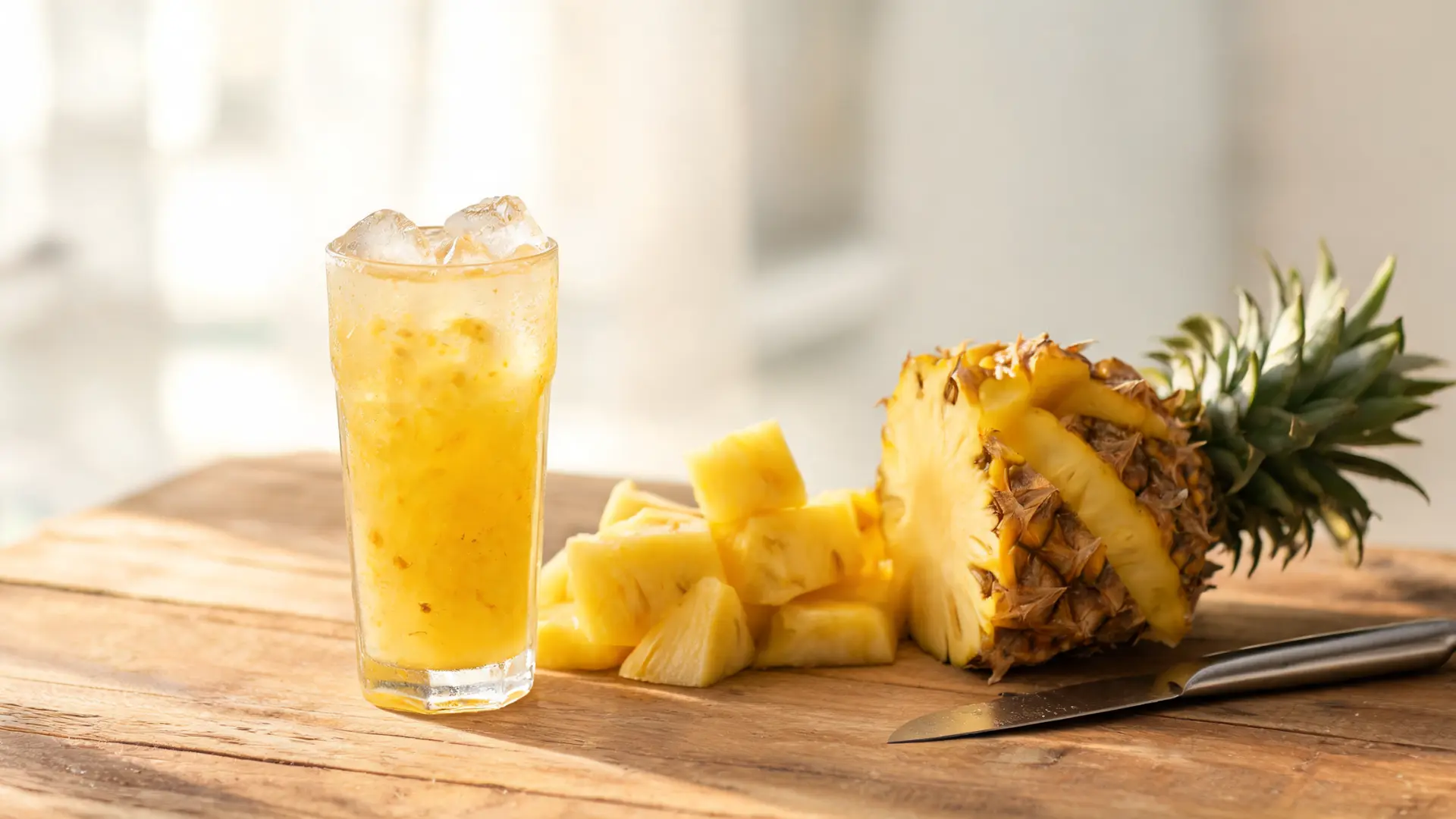
When I started experimenting with homemade drinks, I never expected something as simple as pineapple and water to feel this fresh and satisfying. I like how easy it becomes once you understand the basic process and stop depending on packaged juices.
Making pineapple juice at home gives you full control over sweetness, texture, and flavor, which is something I really enjoy. You don’t need any special tools, just a ripe pineapple and a few simple steps that fit easily into your kitchen routine.
I also find that small adjustments like adding ginger or lemon can completely change the taste, making it more refreshing.
A good pineapple juice recipe always feels more personal when you prepare it yourself, and you can enjoy a natural tropical drink anytime you want without any effort.
Ingredients for Pineapple Juice Recipe
A simple pineapple juice recipe depends on just a few everyday ingredients that work together to create balance, freshness, and natural sweetness without requiring complex preparation or special kitchen equipment.
- Ripe pineapple for natural sweetness
- Water for adjusting thickness
- Sugar or honey (optional)
- Lemon or lime for balance
- Ginger for mild spice
These ingredients remain flexible to taste preferences, and slight adjustments allow complete control over flavor, making the drink suitable for both simple refreshment and more elaborate variations at home.
How to Make Pineapple Juice Step by Step
Before following the steps, it is important to understand that making pineapple juice at home is a simple process that relies on using fresh, ripe pineapple and basic kitchen equipment.
Each step, from peeling to straining, directly affects the final taste, texture, and freshness of the juice. Proper handling ensures a smooth, naturally sweet, and refreshing drink without additives or preservatives
Step 1: Wash and Prepare the Pineapple

Start by selecting a ripe pineapple with a sweet aroma at the base and firm but slightly soft skin. Rinse it under clean water to remove any dirt or residue from the surface. Place it on a stable cutting board before beginning.
A fresh, ripe pineapple is important because it directly affects sweetness and flavor balance. Proper washing ensures hygiene, especially since the outer skin carries dust and natural debris from handling and transport before preparation begins.
Step 2: Peel the Pineapple
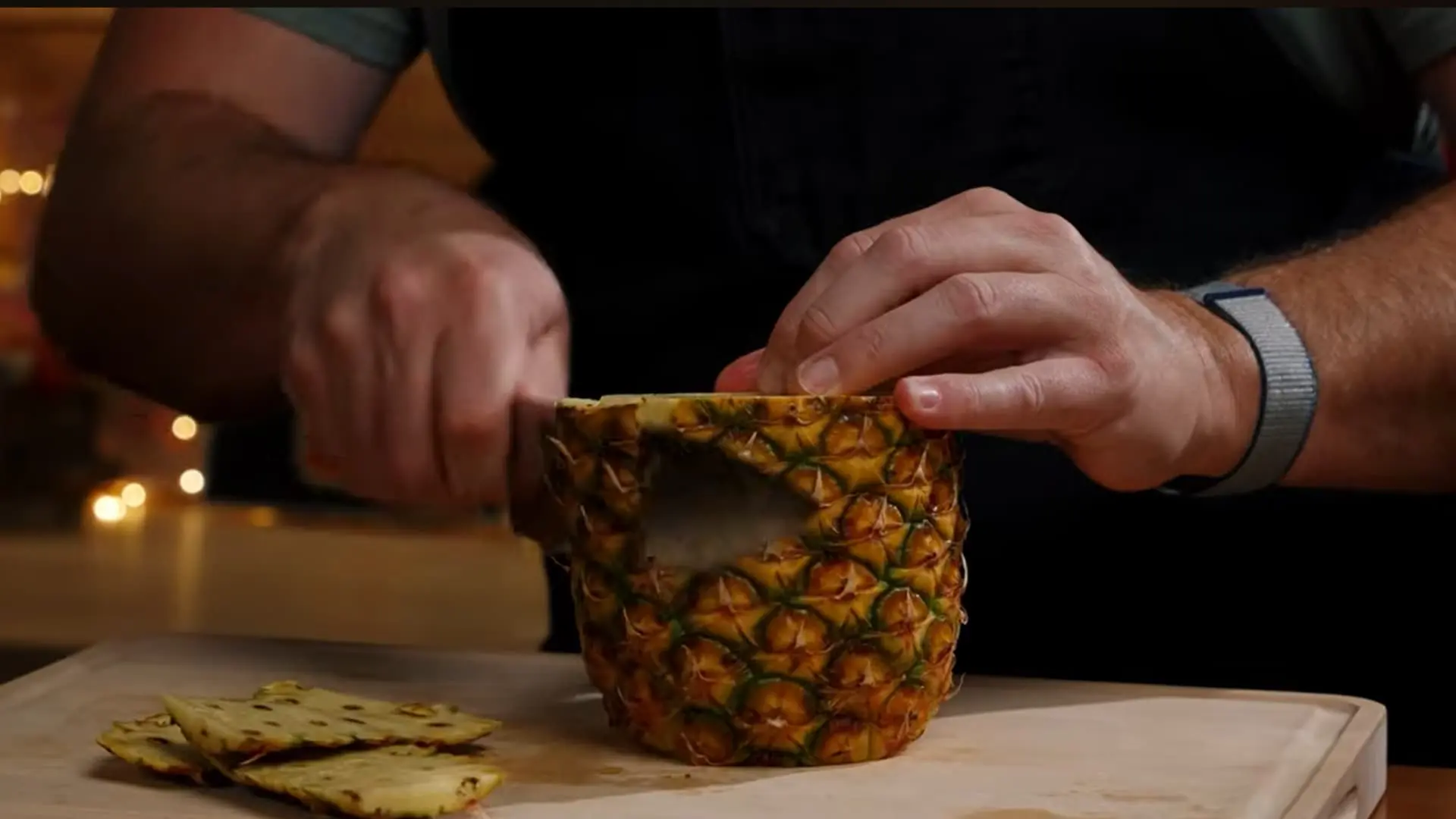
Cut off the top crown and the bottom base of the pineapple using a sharp knife to create a stable surface. Stand it upright and carefully slice away the thick outer skin in downward strips, following the natural curve of the fruit.
Make sure to remove all the “eyes” or brown spots left behind on the surface. This step ensures only clean, edible fruit remains. Proper peeling helps improve taste and removes tough, fibrous outer layers.
Step 3: Cut the Pineapple
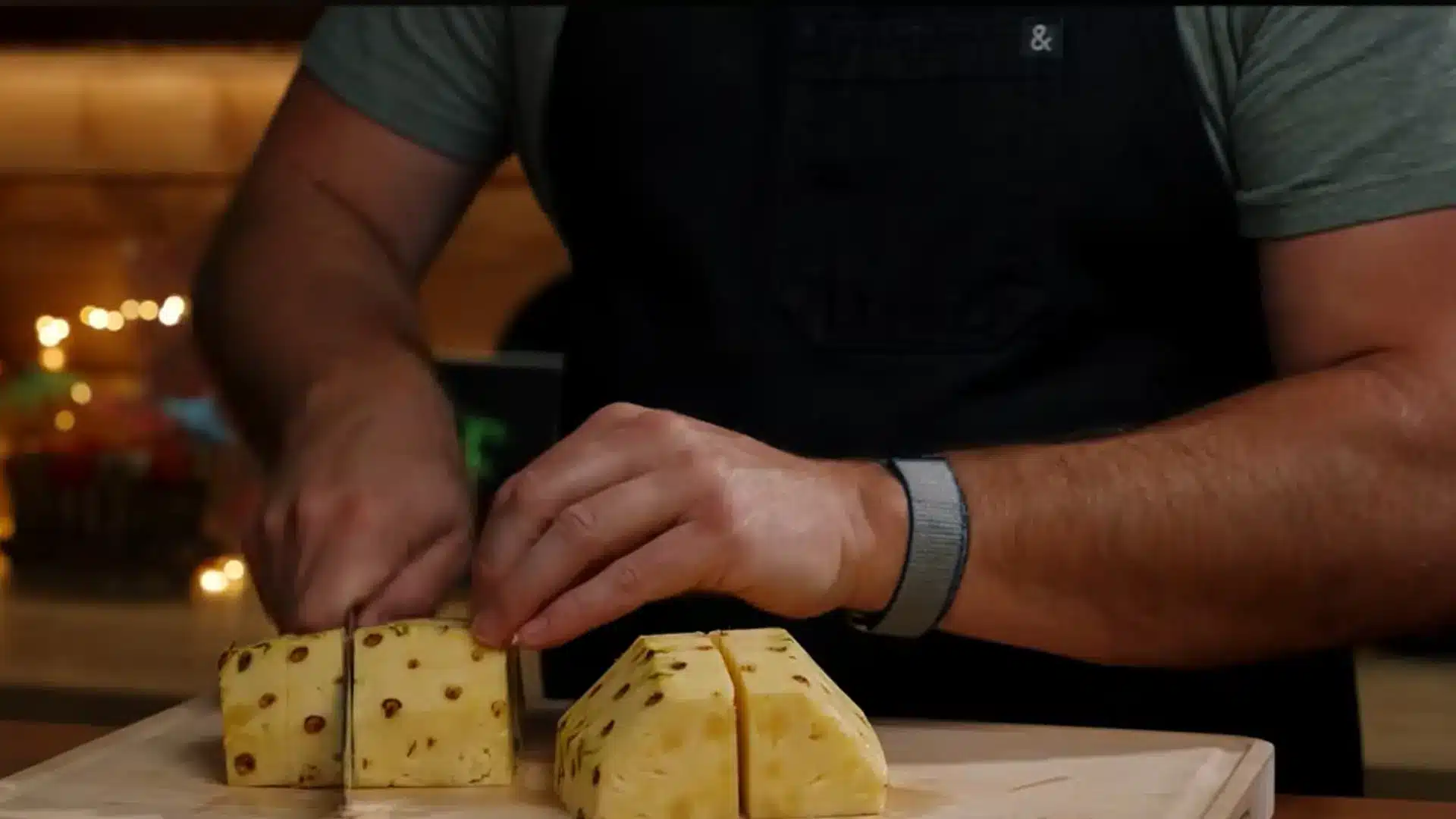
Once peeled, slice the pineapple into quarters for easier handling. Remove the tough central core if you prefer a smoother juice, although some recipes keep it for extra flavor. After quartering, chop the pineapple into smaller chunks to make blending easier and faster.
Smaller pieces reduce strain on the blender and ensure a smoother puree. Even cutting also helps extract maximum juice during blending, resulting in better texture and consistent flavor throughout the drink.
Step 4: Blend the Pineapple
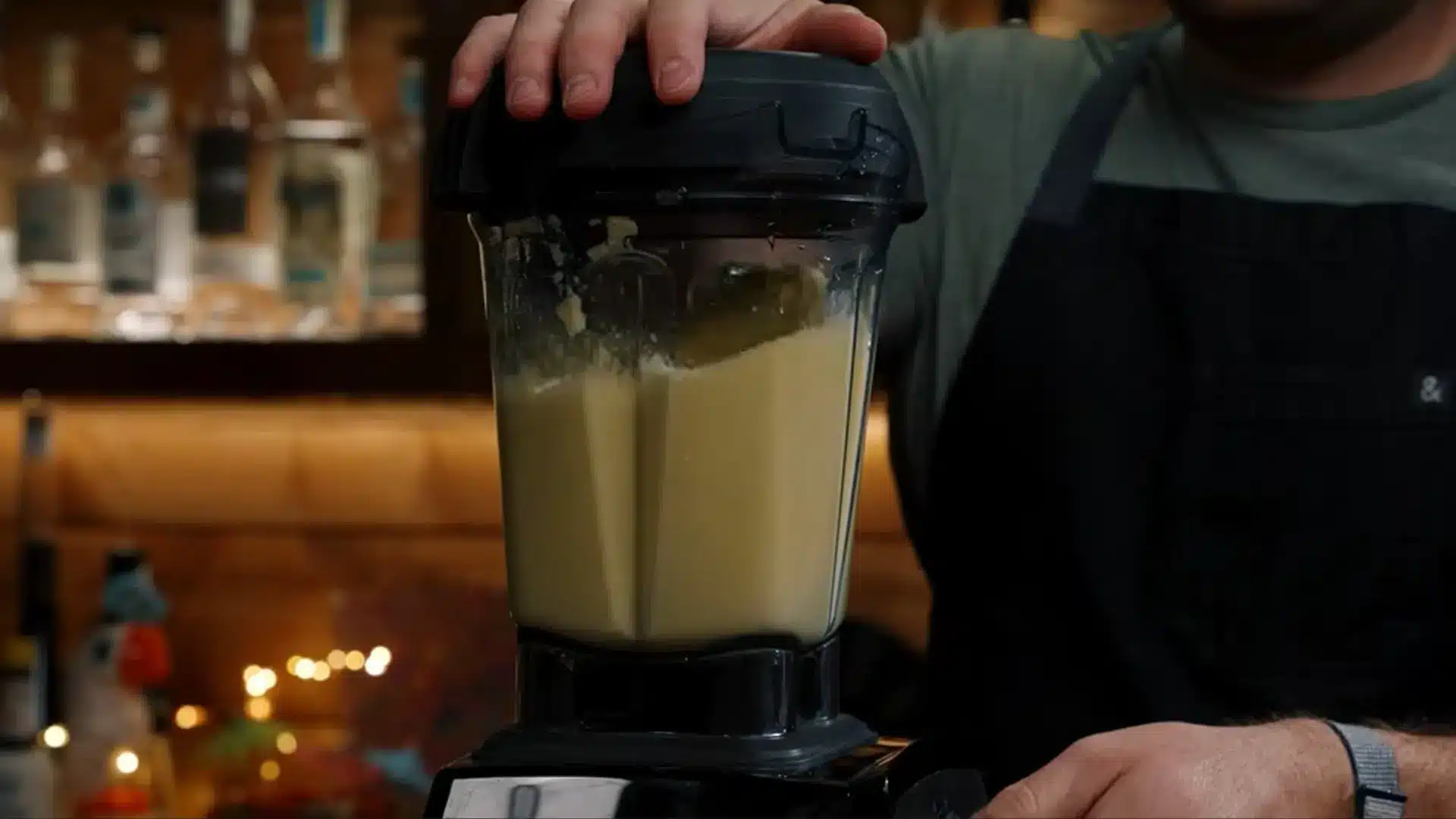
Add the chopped pineapple pieces to a blender and process until the fruit breaks down into a thick, smooth puree. At this stage, the mixture will be pulpy and not yet in drinkable juice form.
If the blender struggles, add a small amount of water to help it blend evenly. Continue blending until no chunks remain and the texture becomes fully uniform. Proper blending ensures maximum juice extraction and creates a strong base for straining.
Step 5: Strain the Juice
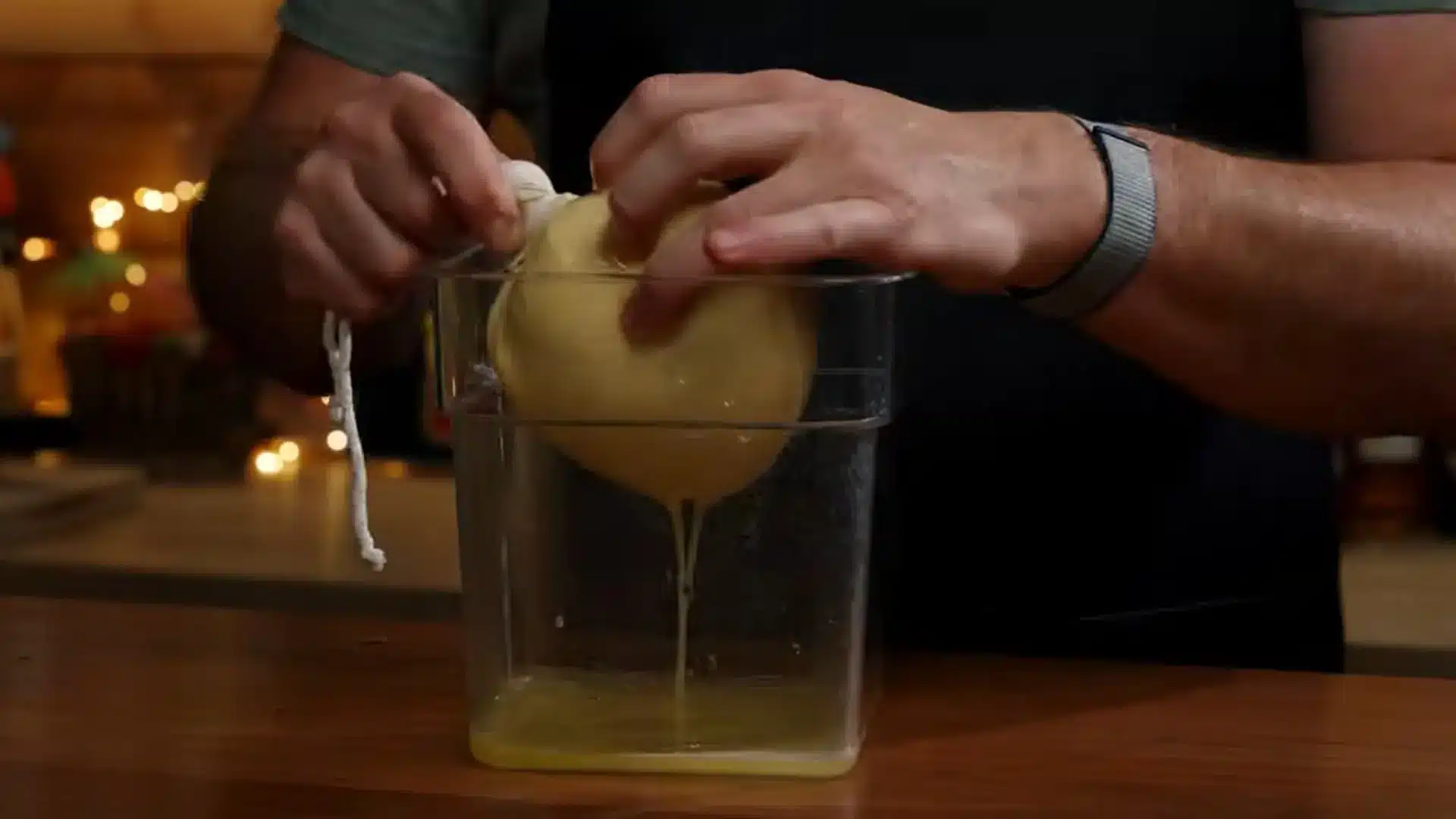
Pour the blended pineapple mixture into a nut milk bag, cheesecloth, or fine mesh strainer placed over a bowl. Slowly press and squeeze the pulp to extract liquid while separating fiber. This step is essential because pineapple has a high fiber content that affects its texture if left unstrained.
Continue pressing until the juice flow slows and most of the liquid has been removed. Proper straining produces smooth, clean juice with a light, refreshing drinking consistency.
Step 6: Serve the Juice
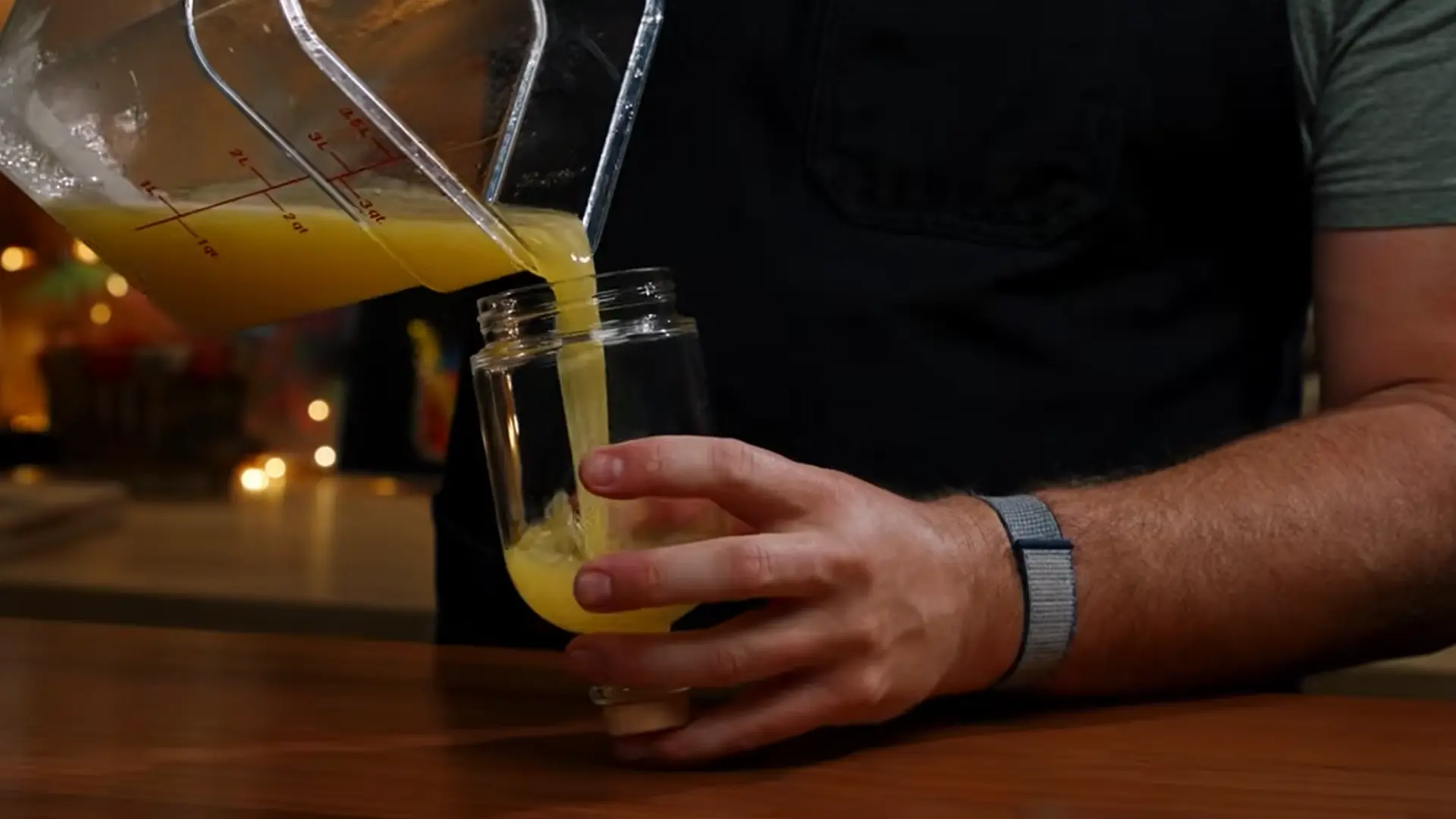
Transfer the freshly extracted juice into a glass or pitcher and serve it chilled for the best flavor experience. Add ice cubes if a colder drink is preferred. You can also adjust taste at this stage by adding lemon juice for brightness or a small amount of sweetener if needed.
Serve immediately for maximum freshness, as pineapple juice tastes best right after preparation. The final drink should be smooth, tropical, and naturally refreshing.
For a more detailed recipe, refer to this video.
What Makes Homemade Pineapple Juice Different
Homemade pineapple juice feels noticeably fresher than packaged versions because it relies only on ripe fruit, water, and optional flavorings.
The natural sweetness comes directly from the pineapple itself, which means no artificial flavoring or preservatives are needed.
This makes the drink lighter, more refreshing, and easier to customize to taste preferences. Many people prefer homemade versions because they can control texture, sweetness, and thickness. Some like it smooth, while others enjoy a slightly pulpy consistency.
I often adjust the recipe depending on the fruit’s ripeness because that alone changes the flavor intensity. A well-ripened pineapple produces a naturally sweet juice that does not require added sugar.
This flexibility is one reason homemade juice remains more popular than store-bought versions for everyday use.
Blender vs Juicer Method Comparison
Different preparation tools affect the texture, effort, and final flavor of pineapple juice, so choosing between blender and juicer methods depends on preference, available equipment, and the desired drink consistency.
| Method | Texture | Effort | Result |
|---|---|---|---|
| Blender | Slight pulp | Easy | Rich flavor |
| Juicer | Very smooth | Medium | Clean juice |
Both methods produce fresh pineapple juice, but the blender method is more common in home kitchens due to accessibility, while juicers create a clearer, more filtered drinking experience overall.
Traditional Pineapple Juice Variations
Different regions prepare pineapple juice in unique ways, depending on taste preferences, climate, and cultural traditions. Some versions focus on strong fruit intensity, while others emphasize refreshing balance with ginger or citrus.
These variations help transform a basic pineapple juice recipe into multiple flavor profiles without changing the core method. The base process remains the same, blend fresh pineapple, adjust the water, and serve chilled but ingredient additions completely shift the taste.
Below are the most common global variations, each offering a different drinking experience while keeping preparation simple and accessible for home kitchens.
1. African Style Pineapple Juice
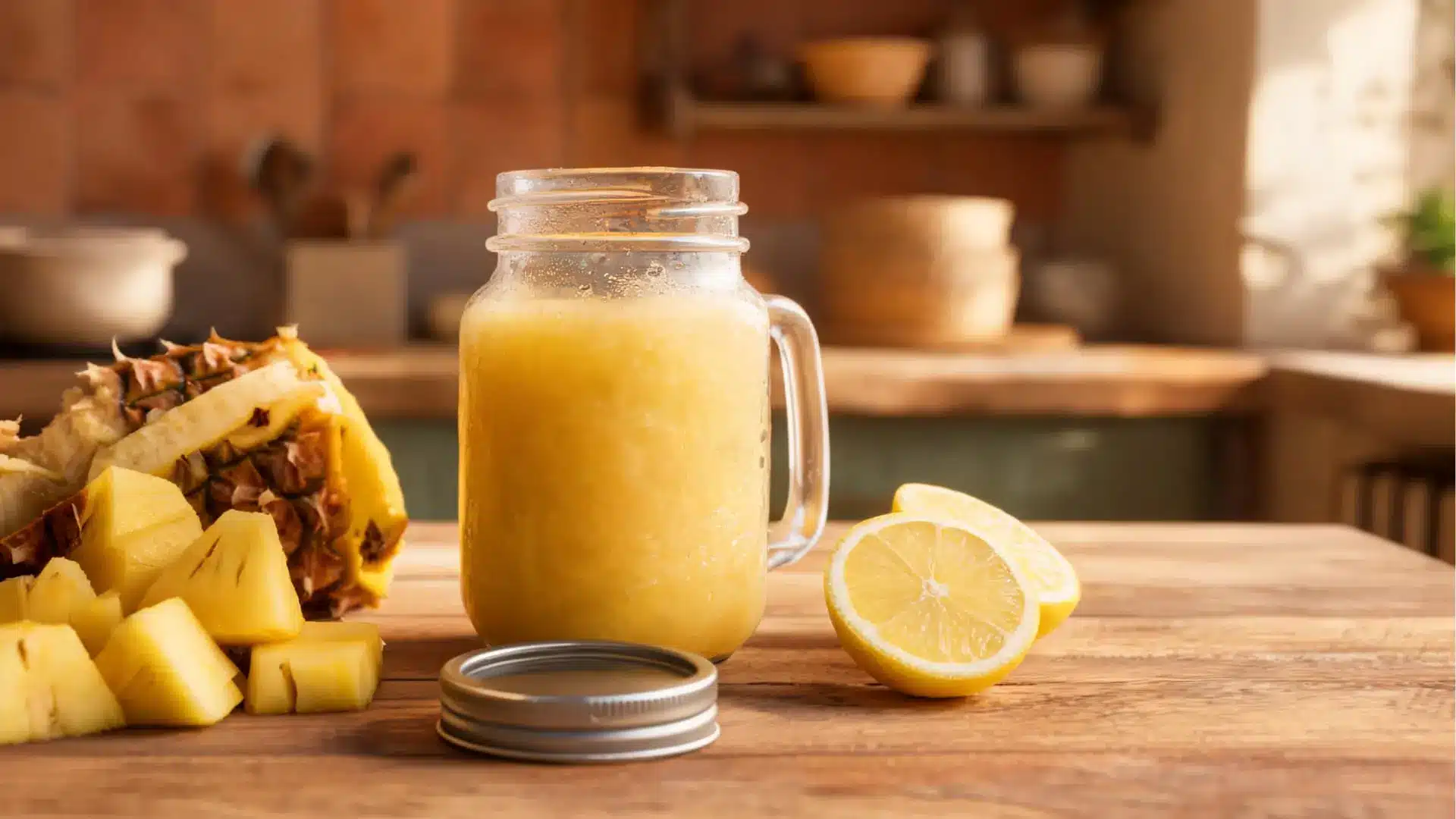
African-style pineapple juice emphasizes a stronger, more natural flavor and a slightly richer texture compared to modern filtered versions. It often uses ripe pineapple blended with minimal water to maintain intensity.
Some versions include pineapple peel infusion for deeper aroma and added nutrients. Lemon or lime juice is commonly added for balance, while sugar is optional depending on fruit sweetness. This variation feels more traditional and is often served fresh during gatherings or warm weather.
Ingredients: Ripe pineapple, water, lemon juice, optional sugar, optional pineapple peel infusion
2. Indian Ginger Pineapple Juice
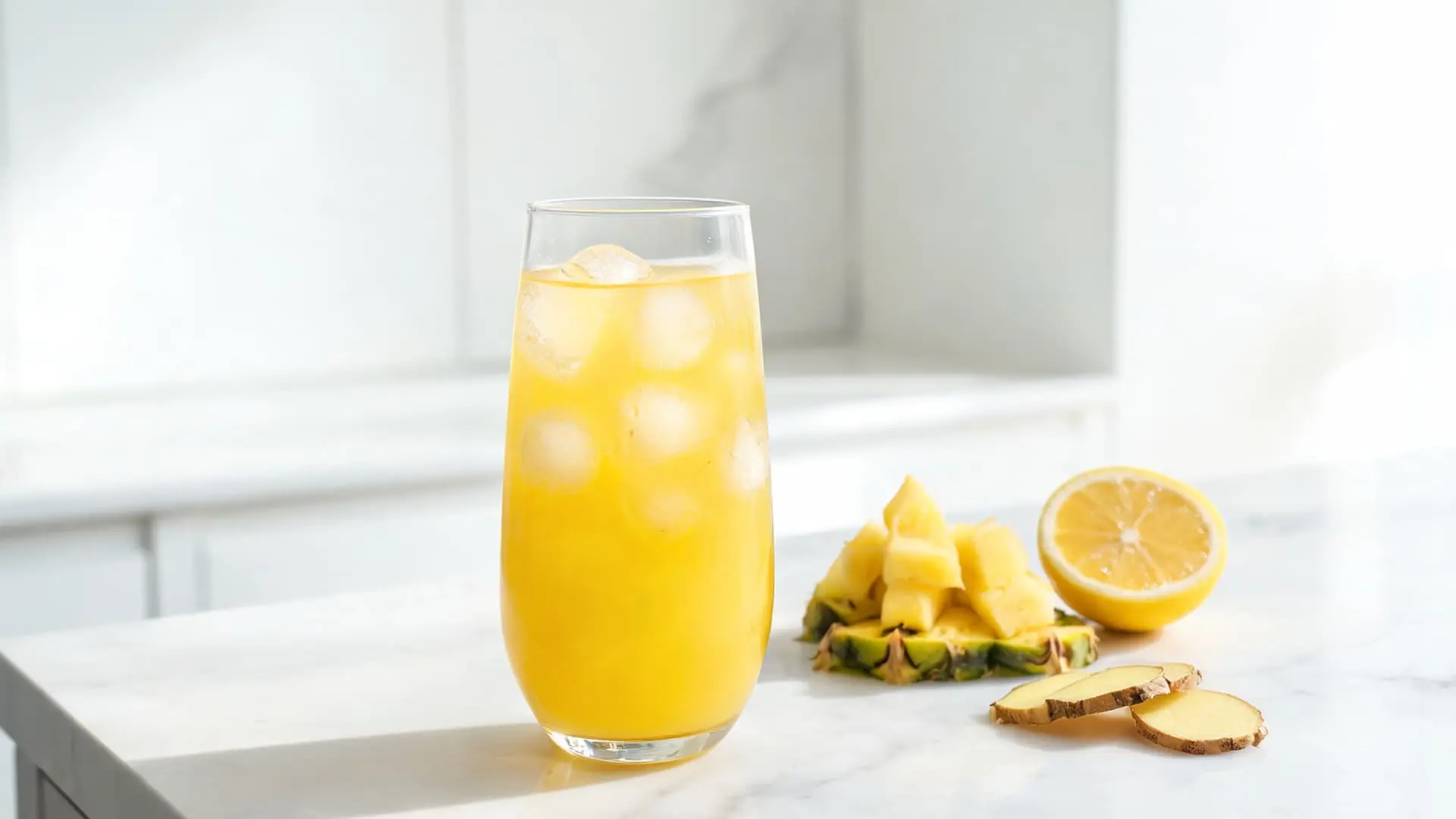
Indian-style pineapple juice is known for its refreshing balance of sweet, tangy, and mildly spicy notes. Ginger is a key ingredient that enhances digestion and adds warmth to the drink. Lemon juice is often included to brighten the flavor and reduce the heaviness of natural sweetness.
This version is usually diluted slightly with water to keep it light and hydrating. It is commonly served chilled during hot weather as a cooling homemade beverage.
Ingredients: Pineapple chunks, fresh ginger, lemon juice, water, optional sweetener
3. Caribbean Tropical Pineapple Juice
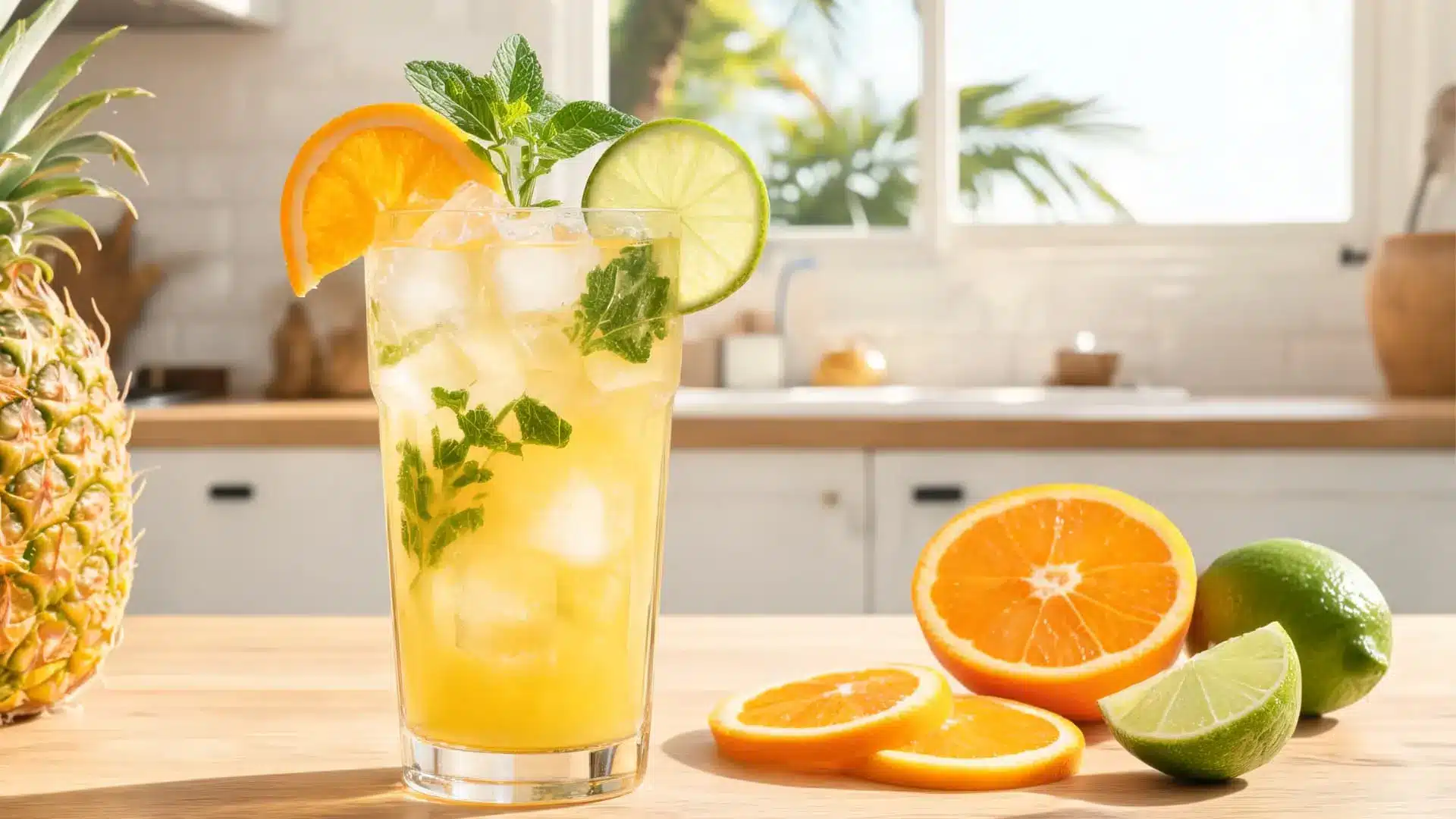
Caribbean-style pineapple juice is naturally bold and tropical, often highlighting the fruit’s natural sweetness without heavy modifications.
This version sometimes blends pineapple with citrus fruits like lime or orange to create a layered flavor profile. It is usually served chilled with ice and may include mint for freshness. The texture is typically smooth yet slightly thick, making it feel more like a tropical punch than a light juice.
Ingredients: Pineapple, lime juice or orange juice, water, mint leaves, ice cubes
Storage and Shelf Life Guide
Proper storage plays a key role in maintaining the freshness, flavor, and safety of pineapple juice, especially since it is a natural drink without preservatives or artificial stabilizers.
| Storage Method | Duration | Effect on Juice |
|---|---|---|
| Room Temperature | Not recommended | Spoils quickly and loses freshness |
| Refrigerator | Up to 24 hours | Best flavor, slight natural separation may occur |
| Freezing (Ice Cubes) | Up to 2–3 months | Preserves juice for smoothies, slight texture change after thawing |
| Airtight Container Storage | Up to 24 hours | Helps reduce oxidation and maintain taste longer |
Using proper airtight storage and minimizing air exposure helps maintain better flavor and aroma, but pineapple juice always tastes best immediately after preparation, when freshness and nutrients are at their peak.
Health Benefits of Pineapple Juice
Pineapple juice is more than just a refreshing tropical drink; it delivers a range of natural functional benefits that support everyday wellness. When prepared fresh at home, it retains active enzymes, vitamins, and plant compounds that are often reduced in processed versions.
- Helps speed protein breakdown during meals through natural enzymes, making heavy foods feel easier on the stomach and reducing post-meal discomfort.
- Supports faster recovery after physical activity by helping reduce muscle tightness and easing exercise-related fatigue through its enzyme activity.
- Encourages better nutrient absorption from food, especially protein, by improving the digestive system’s efficiency in processing meals.
- Helps maintain fluid balance in the body, making it useful during hot weather or after sweating, when hydration levels drop.
- Supports natural detox functions by assisting the body’s internal cleansing processes through hydration and antioxidant content.
- Helps maintain steady energy levels during the day by providing natural fruit sugars that are quickly absorbed and used by the body.
These benefits come from the fruit’s natural composition, especially bromelain, vitamin C, and potassium, which work together in different ways within the body.
Common Mistakes to Avoid
Here are some common mistakes that can affect the taste and quality of homemade pineapple juice. Avoiding these will help you get a fresher, more balanced, and naturally sweet drink every time.
- Using unripe pineapple: results in a sour, overly sharp taste rather than the natural sweetness.
- Adding Too Much Water: Weakens the flavor and makes the juice taste diluted and flat.
- Skipping Straining: Leaves fibrous texture in the juice, making it less smooth and enjoyable.
- Over-Sweetening: Masks the natural pineapple flavor and reduces freshness.
- Not Chilling Before Serving: Results in a flat, less refreshing drinking experience
Fixing these mistakes instantly improves taste and ensures a balanced pineapple juice, making the drink smoother, fresher, and closer to the quality expected of well-prepared homemade tropical beverages every single time.
Frequently Asked Questions
Can pineapple juice be made without blending or juicing machines?
Yes, pineapple juice can be made manually by grating or crushing soft pineapple pieces and squeezing them through a cloth. This method is slower but useful when no blender is available. It produces slightly less juice but retains strong natural flavor.
Why does homemade pineapple juice sometimes foam on top?
Foam appears because pineapple contains natural enzymes and fiber that get aerated during blending. This is completely normal and usually settles after a few minutes. Skimming the foam can make the juice look clearer, but it does not affect the taste.
Can pineapple juice be mixed with other fruits safely?
Yes, pineapple juice pairs well with fruits like oranges, apples, and mangos, as well as coconut water. These combinations balance acidity and sweetness, creating smoother tropical drinks. However, mixing should be done in small batches to maintain freshness and flavor balance.
Is it necessary to remove the pineapple core before making juice?
No, it is not necessary. The core contains fiber and adds slight texture and flavor. However, removing it can result in smoother juice. The choice depends on whether a smoother or more textured drink is preferred.
Why does pineapple juice taste different each time?
The taste varies with pineapple ripeness, variety, and the water ratio used. Overripe fruit produces sweeter juice, while underripe pineapple creates a tangier flavor. Small changes in preparation can significantly affect final taste.
Can pineapple juice be used for detox drinks?
Yes, pineapple juice is often used in detox drinks because it is hydrating and contains natural enzymes. It is commonly combined with ginger, mint, or lemon for added freshness, although it should not replace a balanced diet.
Final Thoughts
You now have a clear and simple way to understand how pineapple juice can be made at home using fresh fruit and basic kitchen steps. I like how the process stays flexible, and you can adjust sweetness, texture, and flavor based on what you prefer.
When you follow a proper pineapple juice recipe, you get a fresher drink without preservatives and unnecessary additives. You also saw how small choices like water level, ginger, or lemon can change the final taste.
I find this helpful because it makes everyday drinks easier and more natural for you to prepare. Now you can try it yourself, test different variations, and share your results, or explore more easy homemade drink ideas for your routine.