

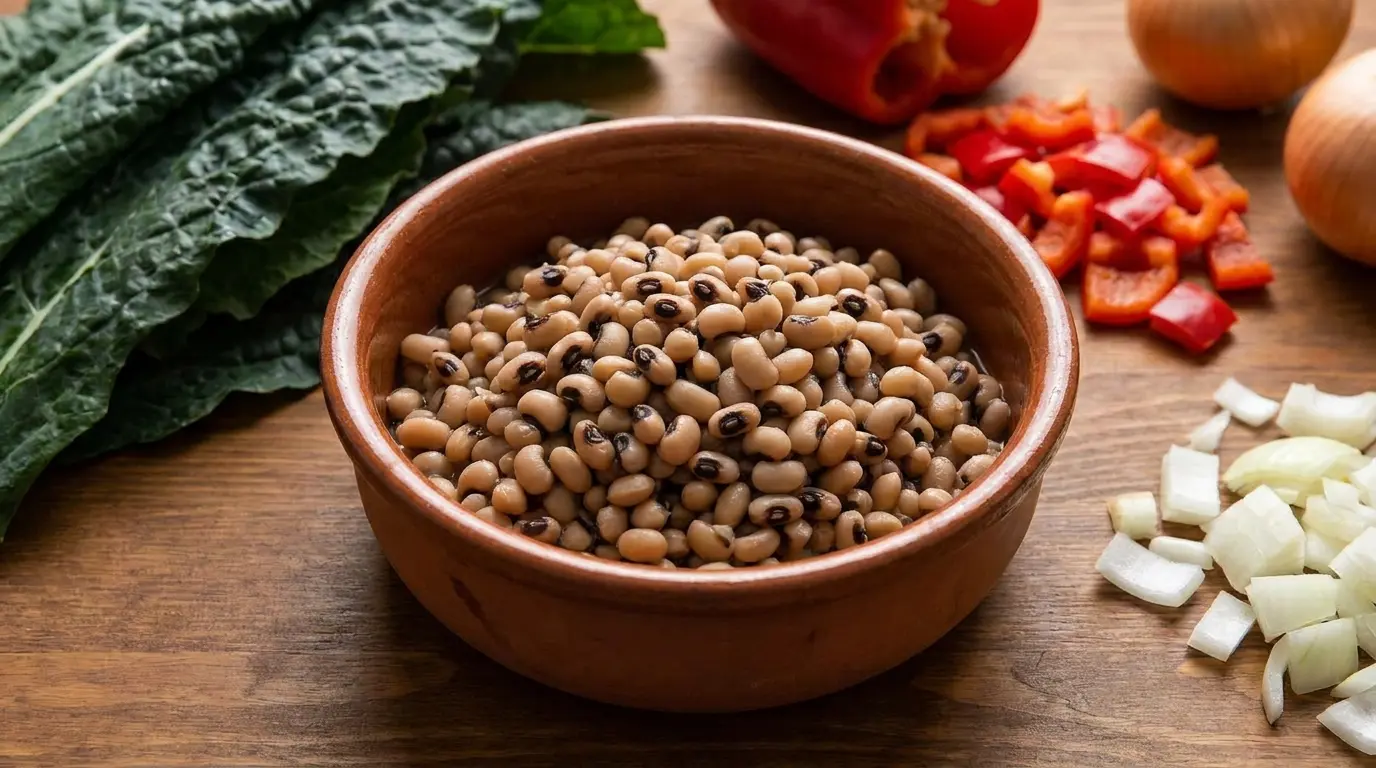
Black-eyed peas nutrition shows a mix of moderate protein, high fiber, and strong micronutrient density, but they’re often marketed as a nutritional “shortcut”: high protein, high fiber, low fat, therefore automatically healthy. I don’t fully agree with how simplified that conclusion usually is.
When I look at black eyed peas nutrition data, what stands out to me isn’t just the numbers; it’s how easily they get misinterpreted.
For example, they are labeled “high protein,” but that ignores the fact that the protein is incomplete and behaves differently in real-world dietary contexts.
What I want to do here is strip away the marketing-style nutrition talk and focus on what actually matters: how the macros behave in your body, what the micronutrients realistically contribute, and where most online explanations quietly overstate benefits
What Black-Eyed Peas Really Offer Beyond the Hype
Black-eyed peas are a type of legume in the cowpea family, commonly eaten cooked. Despite the name, they are not related to garden peas. They behave nutritionally more like beans.
In dry form, they are hard, shelf-stable seeds. When soaked and cooked, they absorb water, swell, and become easier to digest. This transformation is important because most nutrition data the reported on a cooked basis rather than on a dry-weight basis.
Black-eyed peas are not consumed raw because they contain compounds that reduce digestibility. Cooking is not optional; it directly determines how usable the nutrients are.
They are widely used in rice-based meals, stews, and soups because they are cheap, filling, and combine well with grains to improve overall protein quality.
Black Eyed Peas Nutritional Breakdown
Black-eyed peas are often labeled as “high-protein” or “super healthy,” but the real value shows up when you look at the actual numbers. The table below breaks down calories, macros, and key micronutrients per 1 cup of cooked food.
| Nutrient | Amount | What it actually means |
|---|---|---|
| Calories | 160–200 kcal | Moderate energy food, not low-calorie |
| Protein | ~13 g | Useful plant protein, but not complete on its own |
| Carbohydrates | 33–36 g | Main energy source; still impacts blood sugar |
| Fiber | 8–11 g | Strong for fullness + gut health, may cause gas |
| Total Fat | <1 g | Naturally, very low-fat food |
| Folate (B9) | ~50–90% DV | Supports cell repair and blood formation |
| Iron | ~10–24% DV | Non-heme iron, low absorption unless paired with vitamin C |
| Magnesium | ~15–20% DV | Supports muscle + nerve function |
| Potassium | ~10–15% DV | Helps fluid balance and blood pressure |
| Copper | ~40–50% DV | Supports iron metabolism and energy enzymes |
The numbers make one thing clear: black-eyed peas are nutrient-dense, but not a protein powerhouse. Their strength lies in fiber, folate, and overall balance rather than any single standout nutrient.
Understanding this helps set realistic expectations instead of relying on overhyped health claims.
Are Black Eyed Peas Good for You?
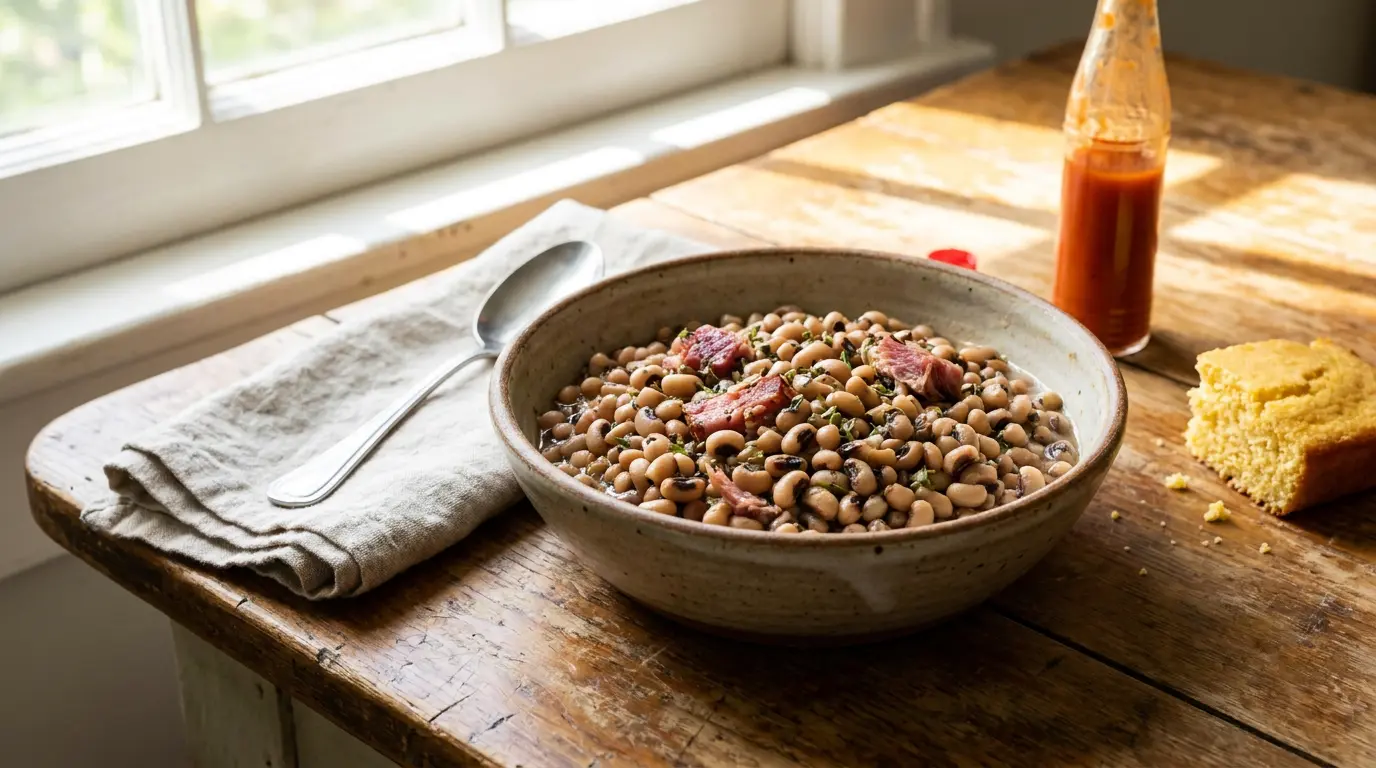
The honest answer is yes, but only if we stop treating them like a shortcut to better health. Black-eyed peas are not a “superfood” in the way they’re often marketed online.
They’re simply a nutrient-dense legume that works well in certain eating patterns and becomes less impressive when isolated or over-relied on.
The practical reality is that black-eyed peas are affordable, filling, and nutritionally useful, but they are not special in isolation. Their real value shows up when they are part of a varied diet, not when they are treated as a “health fix.”
Breaking Down the Real Role of Black-Eyed Peas in Your Diet
Black-eyed peas nutrition shows balanced effects across heart health, blood sugar control, digestion, and weight management.Their fiber, minerals, and moderate carbs provide real functional benefits, but they are not a complete protein or a standalone solution.Understanding their role helps separate practical dietary value from overhyped health claims.
1. Heart Health Support
The fiber in black-eyed peas binds with bile acids in the digestive system. This can help reduce LDL cholesterol over time when they replace refined carbohydrates or saturated fats.
Potassium also supports blood pressure regulation by balancing sodium levels.
Important nuance: They help indirectly through dietary improvement, not as a standalone heart-treatment food.
2. Blood Sugar Control
Black-eyed peas have a moderate glycemic impact. The fiber slows glucose absorption, which prevents sharp spikes compared to white rice or refined flour.
However:
- They still contain digestible carbohydrates
- Portion size directly affects glucose response
- They are not “diabetes-safe unlimited food,” despite common online claims
Better framing: they are a better carb choice, not a “no-impact carb.”
3. Digestive Health
Fiber acts as food for gut bacteria (a prebiotic effect), thereby supporting microbiome diversity.
But there is a missing reality:
- They can cause gas and bloating due to oligosaccharides (fermentable carbs)
- Sudden high intake often leads to discomfort
- Proper soaking reduces but does not eliminate this effect
So digestive benefits depend heavily on gradual introduction and preparation.
4. Weight Management Support
They are filling because fiber increases satiety. This can reduce overall calorie intake when used in structured meals.
However:
- They do not increase metabolism
- They do not directly burn fat
- Overeating them still leads to a calorie surplus
Their benefit is behavioral (feeling full longer), not metabolic.
Black-eyed peas nutrition supports heart health, blood sugar stability, digestion, and satiety, mainly through fiber and key minerals. However, they are not complete proteins or fat-loss foods.
Their true value appears when included in balanced meals with proper preparation and realistic expectations about their functional role in the diet.
How to Prepare Black-Eyed Peas
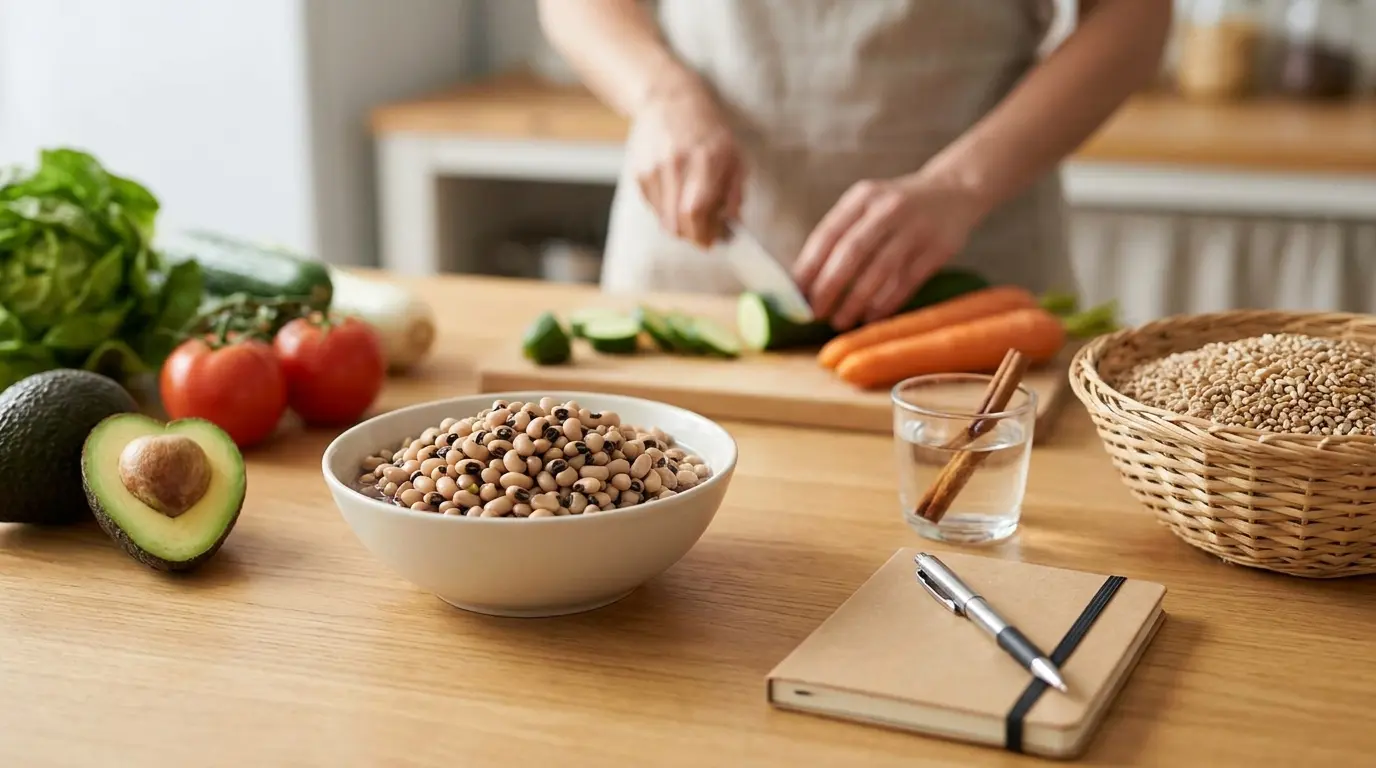
Preparation is not just cooking; it affects nutrient availability and digestive outcomes.
Step 1: Soaking
Soaking for 6–8 hours:
- Reduces phytates (which block mineral absorption)
- Softens outer structure for easier cooking
- Reduces cooking time and energy use
Skipping soaking is one reason people experience bloating.
Step 2: Cooking (boiling or pressure cooking)
Proper cooking:
- Breaks down complex fibers
- Improves protein digestibility
- Makes minerals more accessible
Undercooked peas are harder to digest and more likely to cause discomfort.
Step 3: Salt and additives timing
Adding salt early or late does not significantly change nutrition, but adding acidic ingredients too early (like tomatoes) can slow softening during cooking.
Cooking Method Impact on Nutrition
Cooking method doesn’t change whether black-eyed peas are healthy, but it significantly changes how well your body can absorb nutrients and tolerate them. The biggest shifts occur during soaking, boiling, and pressure cooking, mainly due to changes in antinutrient levels, digestibility, and sodium exposure (in canned versions).
- Soaking reduces antinutrients: Helps break down phytates that block iron and zinc absorption.
- Pressure cooking improves digestibility: Softens fibers and reduces compounds that cause gas and bloating.
- Boiling without soaking is less efficient: still nutritious, but may lead to greater digestive discomfort in sensitive people.
- Overcooking changes texture, not macros: Protein and carbs stay stable, but a softer texture can lead to overeating in mixed dishes.
- Canned versions raise sodium intake risk: Rinsing helps, but does not fully eliminate added salt.
- Cooking method affects real absorption, not just nutrition labels: The body’s usable nutrition depends on preparation, not just raw data.
Black-Eyed Peas in Indian Diet: Best Ways to Include Them
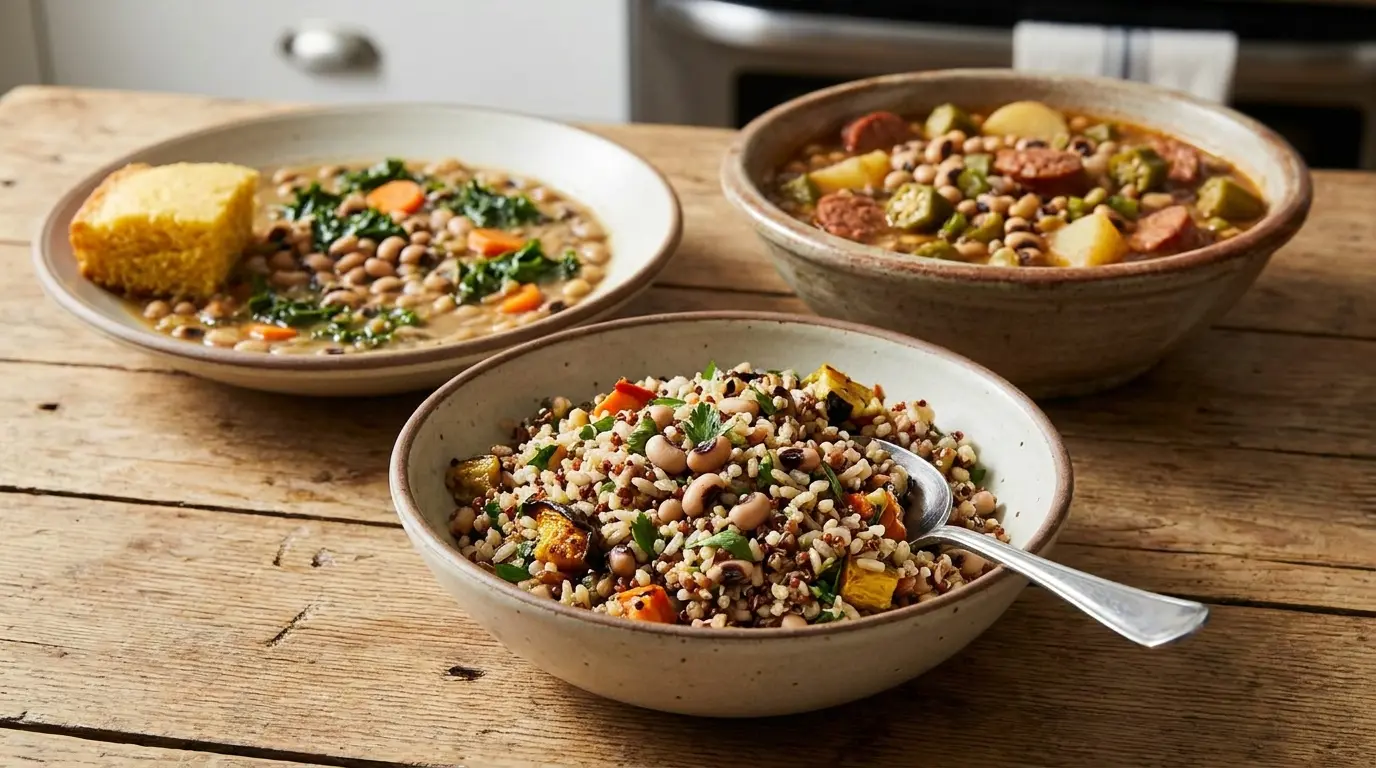
Black-eyed peas fit best into everyday meals when treated as a flexible base rather than a standalone “health food.” Most people either underuse them as an occasional side or overcomplicate them into special recipes.
The real value shows up when they’re integrated into normal rice, roti, or bowl-style meals in consistent portions.
Their mild taste, moderate protein content, and fiber content make them easy to incorporate into Indian and mixed diets without major changes to eating habits.
Practical meal integration:
1. With grains (most important pairing)
- Rice + black-eyed peas
- Roti + curry-style preparation (This improves amino acid balance since legumes + grains complement each other.)
2. In mixed bowls
- Combine with vegetables and healthy fats
- Improves satiety and nutrient diversity
3. In soups and stews
- Helps slow the digestion of the entire meal
- Works well for high-fiber diets
Portion guidance
- ½ cup cooked: safe daily baseline
- 1 cup cooked: only if digestion and carb needs allow
- More than that: usually unnecessary unless the diet is highly plant-based
Black Eyed Peas vs Indian Staples
Before comparing black-eyed peas with common Indian legumes, it helps to see how they differ in protein density, digestive response, and real-meal usefulness.
Most people assume all legumes behave the same, but in practice, texture, fiber structure, and cooking time affect how filling and easy to digest they feel in everyday meals.
| Food | Protein Quality & Density | Digestibility | Satiety Effect | Best Use Case | Key Limitation |
|---|---|---|---|---|---|
| Black Eyed Peas | Moderate protein (~13g/cup), not complete alone | Moderate (improves with soaking) | Medium-high due to fiber | Balanced rice/roti meals, budget protein base | Can cause gas; not ideal as a sole protein source |
| Rajma (Kidney Beans) | Higher protein density than black-eyed peas | Heavier digestion load | High satiety but heavier feeling | Strong curry-based meals | More bloating risk, longer cooking time |
| Chana (Chickpeas) | High protein + fiber balance | Moderate to heavy digestion | Very high satiety | Snacks, curries, salads | Can be gas-forming for many people |
| Moong Dal | High-quality plant protein (best digestibility) | Very easy on the stomach | Medium satiety | Light meals, recovery diets | Lower “heaviness” = less filling for some |
| Lentils (Masoor) | High protein, fast cooking | Easy to moderate digestion | Medium-high satiety | Daily dal base | Less texture variety in meals |
Black-eyed peas sit in the middle of most Indian staples; neither the heaviest nor the lightest option.
Their value comes from balance: decent protein, moderate digestion load, and strong compatibility with rice- or roti-based meals.
The right choice depends less on “best legume” and more on what your digestion and meal structure actually need.
Frequently Asked Questions
Are black-eyed peas safe for children?
Yes, they are safe when properly cooked and introduced in small portions. Texture and digestion tolerance matter more in children than nutrient content alone.
What is the best time to eat black-eyed peas for blood sugar control?
They work best when eaten as part of a balanced meal (protein + fat + fiber) rather than on their own. Lunch or early dinner tends to produce a steadier glucose response than late-night heavy servings.
How do black-eyed peas compare to mung beans in digestion?
Mung beans are generally easier to digest due to lower oligosaccharide content, while black-eyed peas are slightly heavier but more filling due to higher fiber content.
Do black-eyed peas need to be rotated with other legumes?
Yes, rotating legumes can reduce digestive fatigue and improve micronutrient variety. Relying on a single legume daily may increase bloating or reduce dietary diversity over time.
Why do black-eyed peas cause gas in some people but not others?
It depends on gut bacteria and how well your digestive system breaks down oligosaccharides. People who eat legumes regularly usually adapt over time and experience fewer symptoms.
Can black-eyed peas be eaten at night?
They can be eaten at night, but portion size matters. Large servings may feel heavy due to their fiber content and can slow digestion in people sensitive to legumes, especially before sleep.
Conclusion
Black-eyed peas’ nutrition is often described in overly simplistic terms, but the reality is more nuanced. When I look at Black-Eyed Peas’ nutritional benefits, they include high levels of fiber, folate, and key minerals that support heart health, digestion, and steady blood sugar control.
However, they are not a complete protein source and should not be treated as a standalone solution for health goals. Their real strength comes from how they fit into a varied diet, especially when paired with grains and properly cooked.
Used correctly, they are a practical, affordable addition rather than a miracle food.