

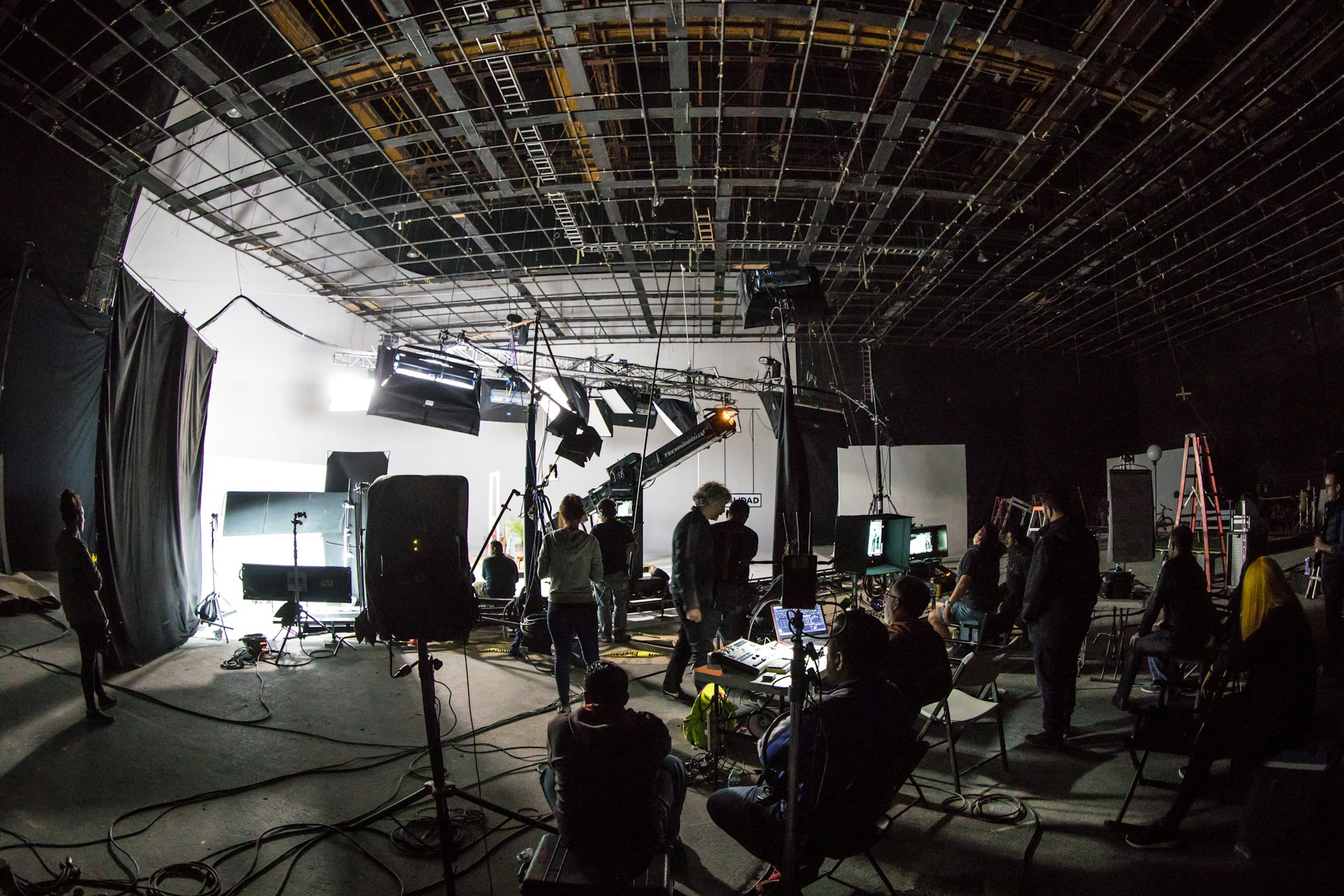
In Los Angeles, film and television production crews often arrive before sunrise, locations change throughout the day, and schedules can shift with little warning. In that environment, food becomes a practical part of production planning.
When meals arrive late, portions run short, or dietary needs are overlooked, the effects show up quickly. Crew members lose valuable break time, departments fall behind schedule, and frustration spreads across the set.
A well-organized catering plan helps avoid those issues. It keeps people focused on their work instead of wondering when they will eat. It also helps production teams manage time more effectively during long shooting days. Feeding a film set efficiently comes down to preparation, communication, and understanding how production workflows actually operate in the real world.
Choose Caterers Who Understand Set Life
Production catering requires strong timing, quick changes, and clear communication. A caterer who mainly handles weddings or private parties may struggle with meal breaks, location moves, early calls, and shifting headcounts. Before booking anyone, ask direct questions about their experience with film crews, TV productions, and on-location service.
Find out how they handle late schedule changes, allergies, separate cast meals, and overnight shoots. You should also ask who your point of contact will be during production.
A reliable catering partner should understand call sheets, delivery windows, parking limits, and crew flow. Companies like Marbled LA can support productions with customized meals and delivery planning that fit real set conditions.
Match Meals to the Shooting Schedule
Film sets operate on schedules that rarely resemble a standard workday. A breakfast service for a 5 a.m. call time looks very different from meals planned for a night shoot. Catering decisions should follow the production schedule rather than the clock.
Start by reviewing the call sheet and identifying key meal windows. Consider when crew members will realistically have time to eat rather than when food is easiest to deliver. Long company moves, difficult setups, and location changes can all affect meal timing.
Productions that coordinate catering around the actual flow of the day tend to experience fewer delays. Crew members receive meals when they need them, departments return to work on time, and production managers spend less energy solving preventable food-related issues.
Track Dietary Needs Before They Become Problems
Dietary accommodations are much easier to manage when production teams gather information early. Waiting until the first day of shooting often leads to confusion, rushed solutions, and disappointed crew members.
A simple dietary questionnaire during onboarding can prevent many common issues. This information should cover allergies, vegetarian preferences, vegan diets, gluten restrictions, and any other special meal requirements. Once collected, the information should be shared clearly with the catering team before menus are finalized.
Good planning allows everyone to receive appropriate meal options without drawing attention to individual requests during service. Crew members appreciate that level of organization because it shows respect for their needs. It also prevents production coordinators from spending valuable time searching for replacement meals during an already busy day.
Build Menus That Support Long Workdays
Food choices affect how people feel throughout a production day. Heavy meals can leave crew members sluggish during physically demanding work, while meals that lack substance may leave people hungry again within an hour.
The best production menus provide a mix of proteins, vegetables, grains, and lighter options that appeal to different preferences. Variety also matters. On a multi-day shoot, repeating the same meals can quickly lower enthusiasm for catering. Rotating menu selections helps maintain interest and gives crew members more flexibility in their choices.
Production teams should also think about practical considerations. Meals that travel well, hold temperature properly, and can be served efficiently often work better than dishes that require extensive setup. The goal is to provide satisfying food without creating unnecessary complications on set.
Keep Craft Services Working All Day
Meal breaks play an important role on set, but they are only part of the food plan. Many productions rely on craft services to keep cast and crew energized between scheduled meals. A well-managed craft services station can help maintain productivity throughout the day.
The strongest setups offer a thoughtful selection of snacks, fresh fruit, beverages, and quick grab-and-go options. Accessibility matters as much as variety. Crew members should be able to grab something quickly and return to work without disrupting their responsibilities.
Hydration deserves special attention, particularly during outdoor shoots and warmer months in Southern California. Water, coffee, tea, and other beverage options should remain available throughout the day. Consistent access to food and drinks helps crews stay focused and reduces the energy dips that often occur during long production schedules.
Plan Around the Location Before Shoot Day
A catering plan can fall apart quickly when no one checks the location details in advance. Some Los Angeles shoots happen in studios with loading zones and kitchen access. Others take place in hills, parking lots, warehouses, or streets with tight permit rules. Production teams should confirm where catering vehicles can park, where food can be staged, and how far crew members must walk during meal breaks. Outdoor locations also need shade, tables, trash stations, and safe food storage. If the shoot involves a company move, the catering team needs that information early. Clear location notes help everyone avoid late deliveries, blocked access, and rushed meal service.
Ask for Feedback During the Shoot
Crew feedback helps production teams fix small catering issues before they grow. On multi-day shoots, the same problem can repeat if no one asks the right questions. Maybe the vegetarian meals run out first. Maybe coffee arrives too late for early departments. Maybe the serving area creates a bottleneck near base camp. A quick check-in with department heads, production assistants, and the catering lead can reveal useful patterns. Feedback should stay practical and focused on improvements. Production teams do not need a formal survey every day. A few direct questions can help adjust portions, timing, menu variety, and setup for the next call.
Feeding a film set efficiently comes down to planning for the way productions actually work. Accurate headcounts, smart timing, clear dietary tracking, steady craft services, and strong location planning all make a real difference. Good catering helps crew members use their breaks well and return to set ready to work. It also reduces avoidable stress for production teams already managing tight schedules and constant changes. The best approach is simple: plan early, communicate clearly, and choose food solutions that fit the shoot. When catering runs smoothly, it supports the entire production day from the first call to the final wrap.