
When my stomach starts acting up, I lean on a gentle routine, and a 7 day meal plan for gastritis makes it so much easier to stay consistent without guessing what to eat next.
In this blog, I’m sharing a simple, stomach-friendly plan built around gastritis diet basics, with meals that are mild, nourishing, and easy to prep.
I’ll walk you through what gastritis is in plain words, the common food triggers that can make symptoms worse, and the calming foods that usually feel better.
You’ll also get a day-by-day menu (breakfast, lunch, dinner, and snack ideas), plus quick tips for portion sizes, cooking methods, and drinks that tend to be gentler. Let’s make eating feel safe again
Do You Know Enough About Gastritis?
Gastritis is the inflammation of the stomach lining, often triggered by factors such as infections, stress, or irritants like alcohol, certain medications, or spicy foods.
It can be classified as acute or chronic. Acute gastritis occurs suddenly, typically due to an infection or irritant, and usually resolves with treatment.
Chronic gastritis, on the other hand, is a long-term condition that persists and may lead to more severe issues like ulcers or bleeding if left untreated. Recognizing the symptoms and understanding the causes is crucial for effective management and relief.
Common Causes and Symptoms of Gastritis
Below are the most common causes and symptoms of gastritis to help you identify and manage the condition:
| Common Causes | Symptoms |
|---|---|
| H. pylori bacteria | Stomach pain or burning |
| Alcohol consumption | Nausea or vomiting |
| Excessive caffeine | Feeling full after eating small amounts |
| Certain medications (e.g., NSAIDs) | Loss of appetite |
Understanding these causes and symptoms can help you make dietary and lifestyle changes to better manage gastritis.
7-Day Diet Plan for Gastritis
This 7-day plan is built for calmer, gentler eating during gastritis flare-ups. Meals focus on simple cooking methods (boiled, baked, steamed), mild flavors, and softer textures that many people tolerate better.
| Day | Breakfast | Snack | Lunch | Dinner |
|---|---|---|---|---|
| Day 1 | Oatmeal with banana and cinnamon | Low-fat yogurt or applesauce | Rice with baked chicken and steamed carrots | Baked fish with mashed potatoes and cooked spinach |
| Day 2 | Scrambled eggs with whole-grain toast | Banana | Mild vegetable soup with potatoes and carrots | Chicken with rice and sautéed spinach |
| Day 3 | Oatmeal with honey and banana | Low-fat yogurt, if tolerated | Rice with cooked lentils or moong dal | Baked salmon with soft-cooked vegetables |
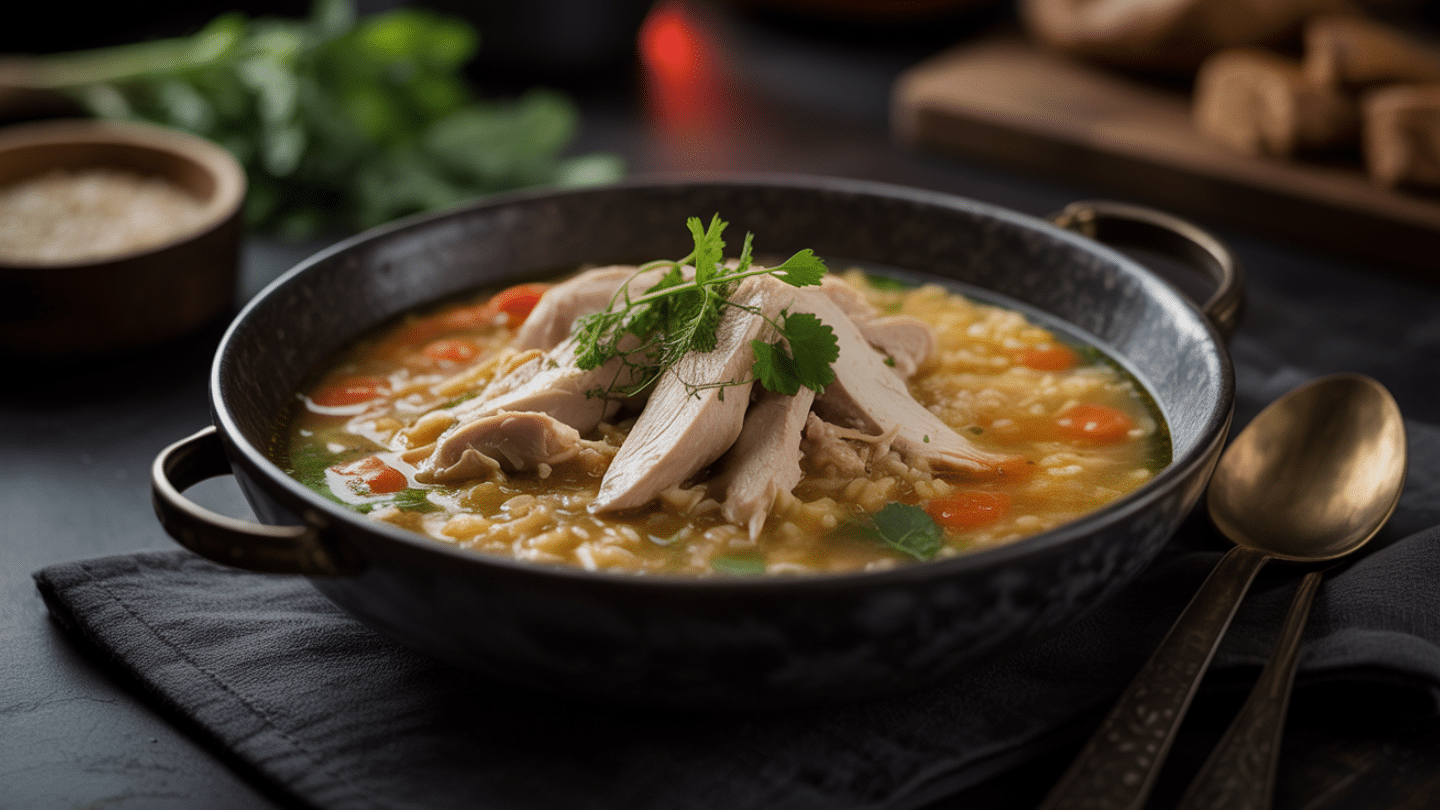
| Day 4 | Banana-oat porridge | Boiled egg | Chicken and rice soup | Steamed fish with sweet potato |
| Day 5 | Plain pancakes with banana | Low-fat yogurt or pear slices | Rice with chicken and zucchini | Mild vegetable stew with toast |
| Day 6 | Oatmeal with melon | Boiled egg | Baked fish with rice | Chicken soup with soft vegetables |
| Day 7 | Scrambled eggs with toast | Banana | Rice with lentils and cooked spinach | Baked chicken with mashed potatoes and carrots |
This simple, repeatable plan keeps meals gentle, focusing on protein, carbs, and easy-to-digest produce. If any item causes discomfort, replace it with oatmeal, rice, soup, or bananas. Click here to get the downloadable PDF of the 7-day plan.
Foods to Eat and Avoid While Managing Gastritis
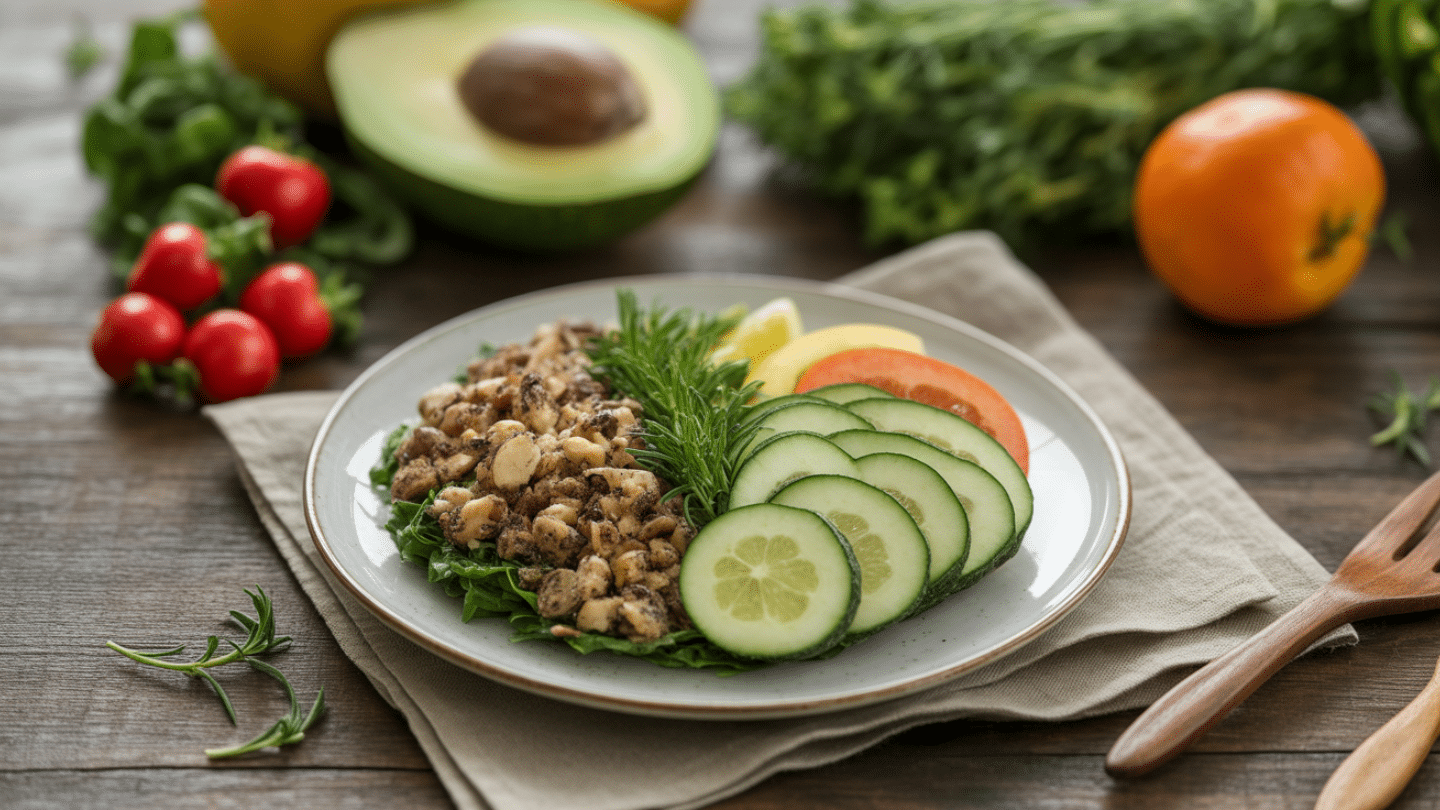
Managing gastritis requires careful attention to your diet. Certain foods can help soothe the stomach lining, while others may irritate it further. Below is a guide on what to eat and what to avoid.
Foods to Eat While Managing Gastritis
A gastritis-friendly diet focuses on soothing, easy-to-digest foods. Below are categories and specific foods that can help manage symptoms and promote healing.
| Category | Foods to Eat |
|---|---|
| Lean Proteins | Chicken breast, turkey, fish, tofu, eggs |
| Low-Acid Fruits | Bananas, melons, apples, pears, papayas |
| Vegetables | Carrots, sweet potatoes, spinach, zucchini |
| Whole Grains | Oatmeal, brown rice, quinoa, whole-grain bread |
| Healthy Fats | Olive oil, avocado, almonds |
| Dairy (Low-Fat) | Low-fat yogurt, cottage cheese, milk alternatives |
| Herbs & Spices | Basil, parsley, ginger, turmeric |
Foods to Avoid While Managing Gastritis
Certain foods and drinks can irritate your stomach lining, worsen symptoms, and delay healing. Here’s a list of foods to avoid:
| Category | Foods to Avoid |
|---|---|
| Alcohol | Beer, wine, liquor |
| Spicy Foods | Chili, hot sauces, pepper-based foods |
| Acidic Foods | Citrus fruits, tomatoes, coffee |
| Fried and Fatty Foods | French fries, fatty meats, and fried snacks |
| Caffeine | Coffee, sodas, energy drinks |
| High-Salt Foods | Processed meats, canned soups, salty snacks |
What Does a Gastritis Diet Actually Do?
A gastritis diet is crucial for easing symptoms and promoting healing. It helps manage inflammation, restores balance, and reduces irritation.
- Healing the Stomach Lining: A proper diet helps reduce inflammation in the stomach lining, which in turn alleviates symptoms like pain and nausea.
- Restoring Balance: The right foods provide nutrients that support the immune system, making it easier for the body to fight infections like H. pylori.
- Reducing Irritation: By avoiding irritants such as spicy foods, acidic items, and alcohol, a gastritis-friendly diet helps prevent symptoms from worsening.
- Preventing Further Damage: Eating small, frequent meals helps prevent the stomach from becoming overwhelmed, allowing the lining time to heal without causing additional damage.
A gastritis diet can speed up recovery and ease discomfort. Following these guidelines will help you heal effectively.
Nutrients and Components to Keep in Mind
For managing gastritis, it’s essential to focus on key nutrients that support healing and digestive health. Iron is crucial, especially if there’s a risk of anemia due to bleeding ulcers.
Magnesium helps maintain muscle function, including the muscles involved in digestion. B Vitamins are vital for energy production and healing the stomach lining.
Along with these, it’s important to minimize high-fat and processed foods, as they can irritate the stomach lining and worsen symptoms.
A balanced diet with these nutrients can aid in managing gastritis and promoting recovery.
How to Reintroduce Foods After Symptoms Improve
Once gastritis symptoms settle, you can slowly bring foods back instead of avoiding every possible trigger long-term.
- Start with one food at a time.
- Keep the portion small.
- Eat the test food with a safe meal.
- Track symptoms for 24–48 hours.
- Do not test multiple trigger foods together.
- Pause the food if burning, nausea, or bloating returns.
- Try foods like tomatoes, citrus, coffee, raw salad, beans, nuts, dairy, and spices carefully.
This slow method helps you identify personal triggers while rebuilding a more flexible, balanced diet safely.
Is Self-Diagnosing Gastritis Recommended?
No, self-diagnosing gastritis is not recommended. Gastritis symptoms can feel similar to other digestive problems, including stomach ulcers, acid reflux, gallbladder issues, food intolerances, and infections.
Because these conditions can overlap, guessing the cause may delay the right treatment. A healthcare provider may suggest tests for H. pylori, anemia, inflammation, or other underlying problems before confirming gastritis. This is important because treatment depends on the cause.
For example, H. pylori-related gastritis may need antibiotics, while medication-related gastritis may require changes to NSAID use. This meal plan is only for general guidance.
Speak with a doctor or registered dietitian before making major diet changes, especially if symptoms are severe, ongoing, or linked with vomiting, weight loss, bleeding, dizziness, or weakness.
information and meal plan in this blog are for informational use only. Consult your healthcare provider or dietitian before making significant diet changes or starting new gastritis treatments. They can offer personalized guidance based on your health history.
Final Note
Healing an irritated stomach often takes steady, gentle choices, and that’s why I like using a 7-day meal plan for gastritis as a simple reset.
In this guide, I covered the basics of gastritis, the eating habits that can reduce discomfort, and a quick food list that highlights what tends to feel soothing versus what commonly causes flare-ups.
I also shared practical success tips, like spacing meals, tracking triggers, and supporting digestion with calmer routines, so the plan feels doable in real life.
With a balanced gastritis diet, it becomes easier to stay nourished while giving the stomach a break. If this helped, keep reading through the meal plan details, and drop a comment with what foods work best.