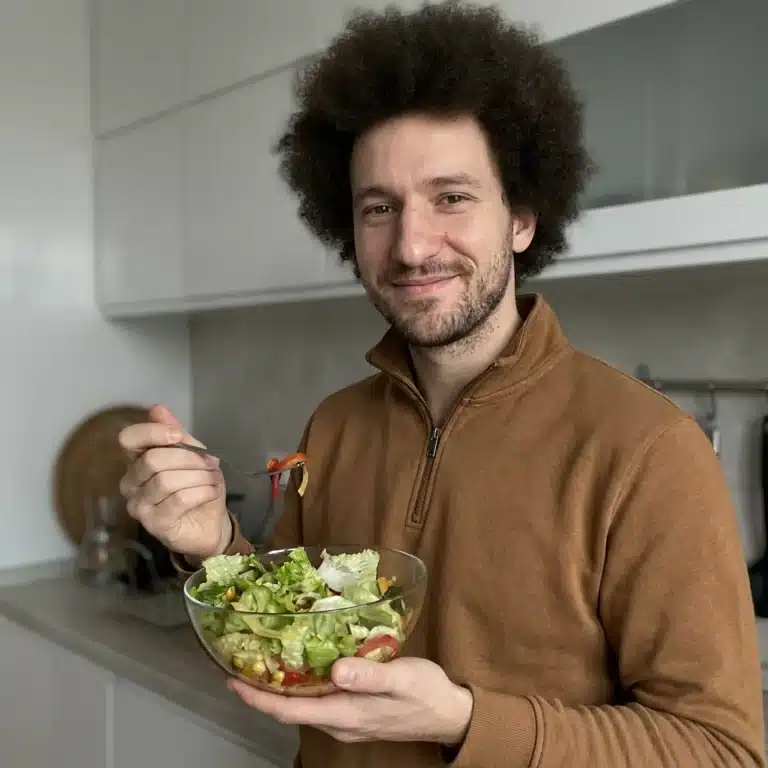

If you’ve been told you have fatty liver, figuring out what to eat can feel confusing fast. One list says “eat this,” another says “avoid that,” and suddenly even simple meals feel stressful.
This7-day meal plan for fatty liver is meant to make things easier, not complicated. It offers a full week of simple, balanced meals that support liver health without strict rules or hard-to-find ingredients.
You’ll also learn the basics of a healthyfatty liver disease diet, including which foods help reduce liver fat and which ones are best limited. This is for anyone who wants clear, practical meal ideas that fit into real, everyday life.
What Is a Fatty Liver Disease Diet and Why Does It Matter?
A fatty liver disease diet is a way of eating that helps reduce fat buildup in the liver and keeps it healthy.
Fatty liver happens when too much fat collects in liver cells, often due to poor food choices, excess sugar, or processed foods. The good news is that food plays a big role in fixing this problem.
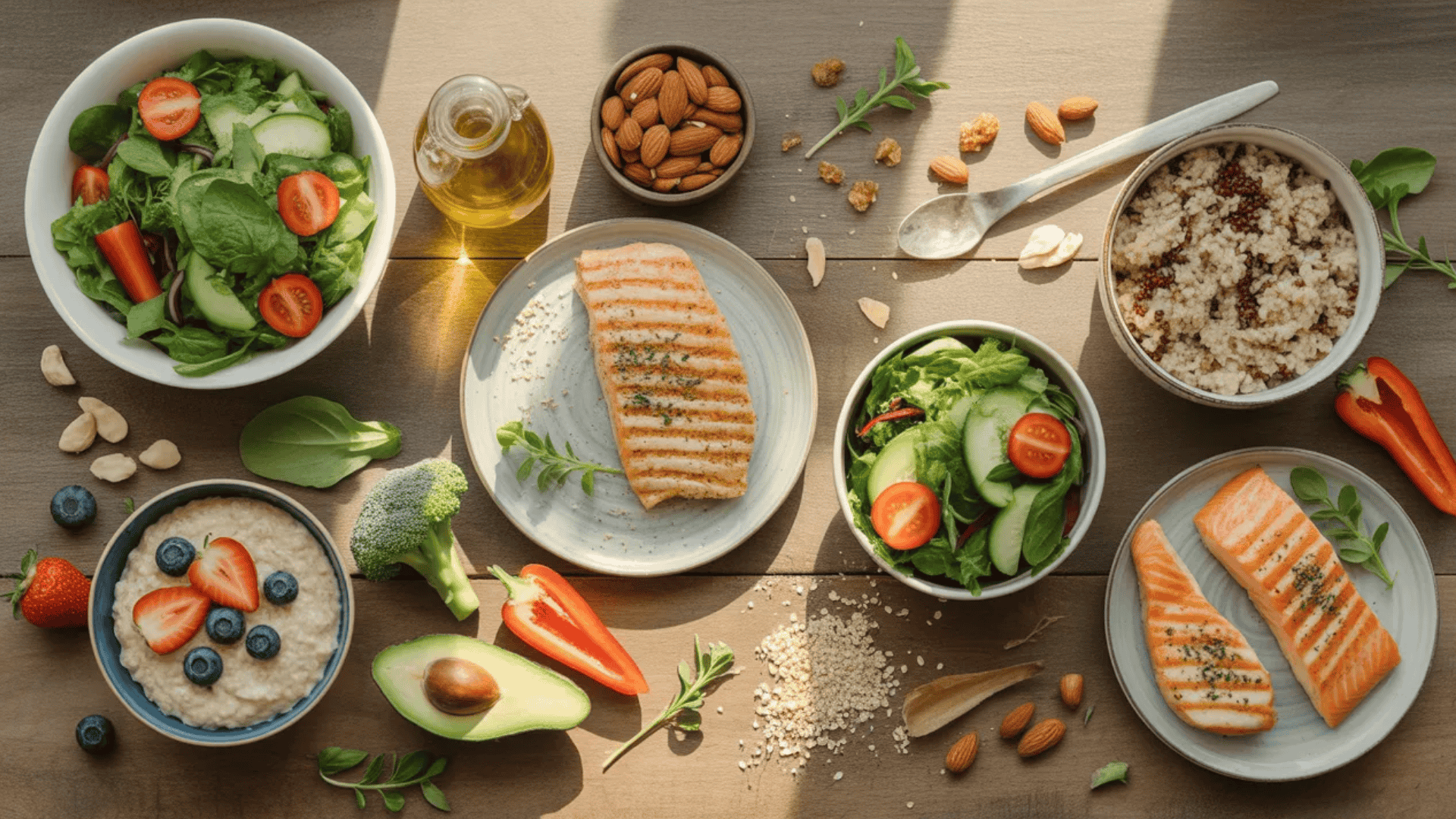
Eating more whole foods, such as vegetables, fruits, whole grains, and lean protein, helps lower liver fat and reduce inflammation.
At the same time, cutting back on sugary drinks, fried foods, and refined carbs gives the liver time to heal. A proper diet for fatty liver disease supports better digestion, steady energy, and long-term liver health.
7 Day Meal Plan for Fatty Liver
Use this plan as a simple manual, not a strict rulebook. Aim for three balanced meals each day with one or two light snacks to keep hunger steady and avoid overeating later.
Portions can be adjusted based on how hungry you feel and how your body responds after meals. Try to eat your last meal at least two to three hours before bedtime to support digestion.
If a certain food doesn’t suit you, replace it with a similar healthy option. Keep cooking methods simple, such as baking, steaming, grilling, or light sautéing, to make meals easier on the liver and realistic to follow daily.
Day 1: Liver-Friendly Mediterranean Start
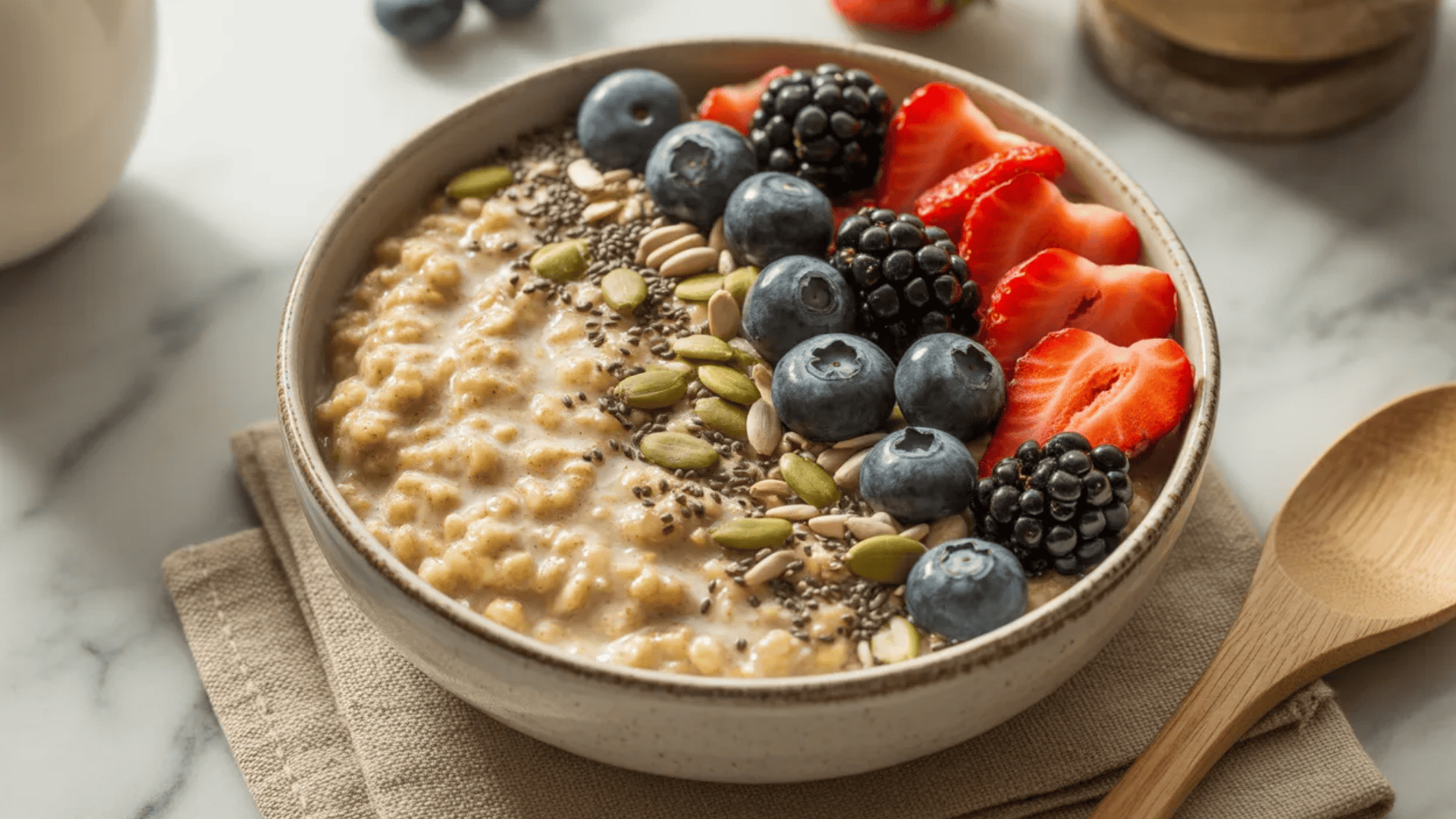
Breakfast can include oatmeal topped with berries and seeds to add fiber and promote smooth digestion. Lunch works well with a grilled chicken salad made with leafy greens and olive oil dressing.
Dinner may include baked salmon, quinoa, and steamed vegetables. Snacks like fruit, yogurt, or a small handful of nuts help control hunger, prevent sugar cravings, and keep energy steady throughout the day.
Day 2: High-Fiber & Plant-Based Balance
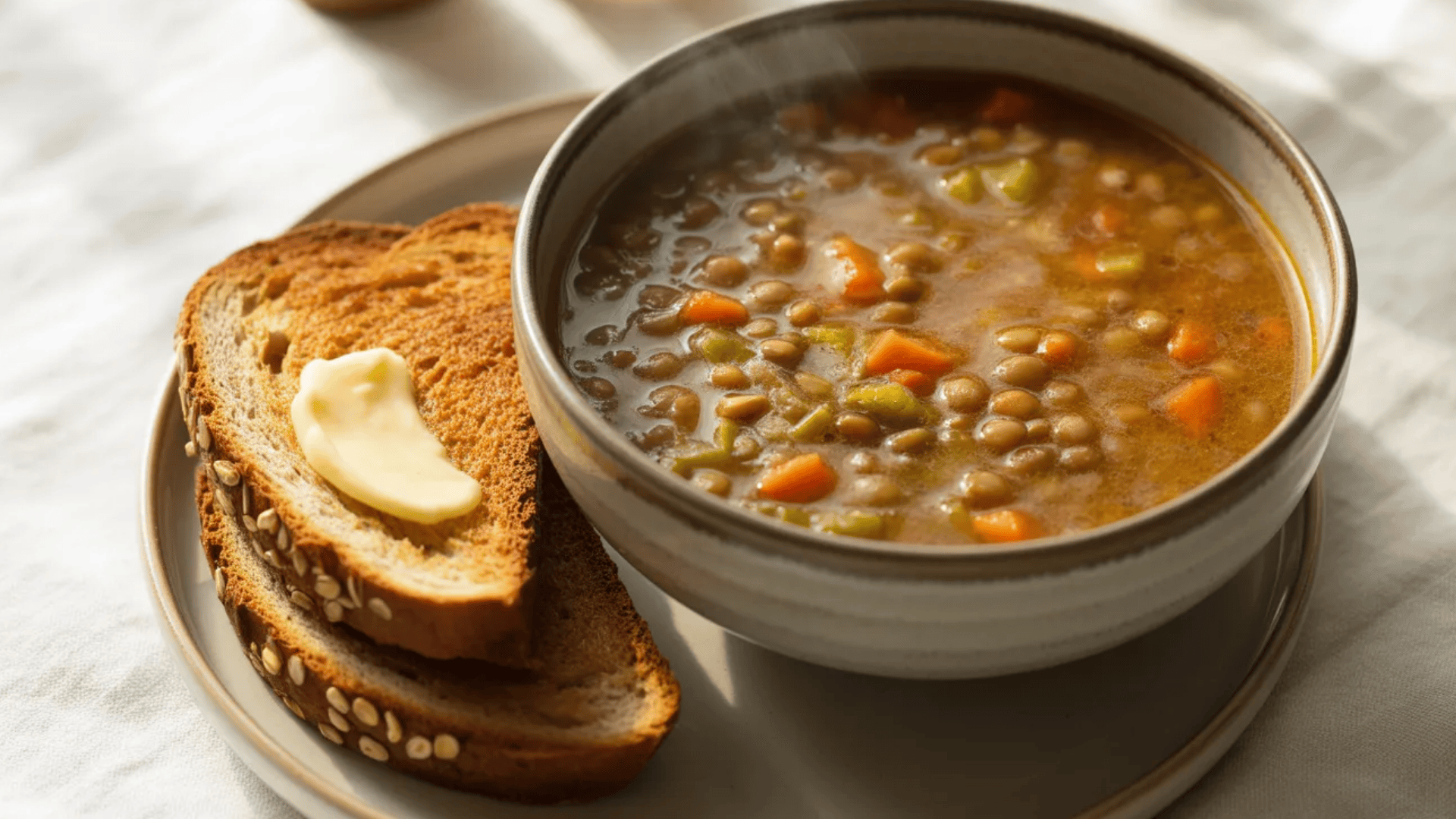
Breakfast may include a tofu or vegetable scramble cooked with very little oil. Lunch works well with lentil soup and whole-grain toast for fiber and steady energy. Dinner can include a vegetable stir-fry with brown rice.
These meals help the liver process fat better. Snacks such as apples, carrots with hummus, or roasted chickpeas keep you full longer and reduce the urge to eat processed or sugary foods.
Day 3: Omega-3 Rich Meals for Liver Fat Reduction
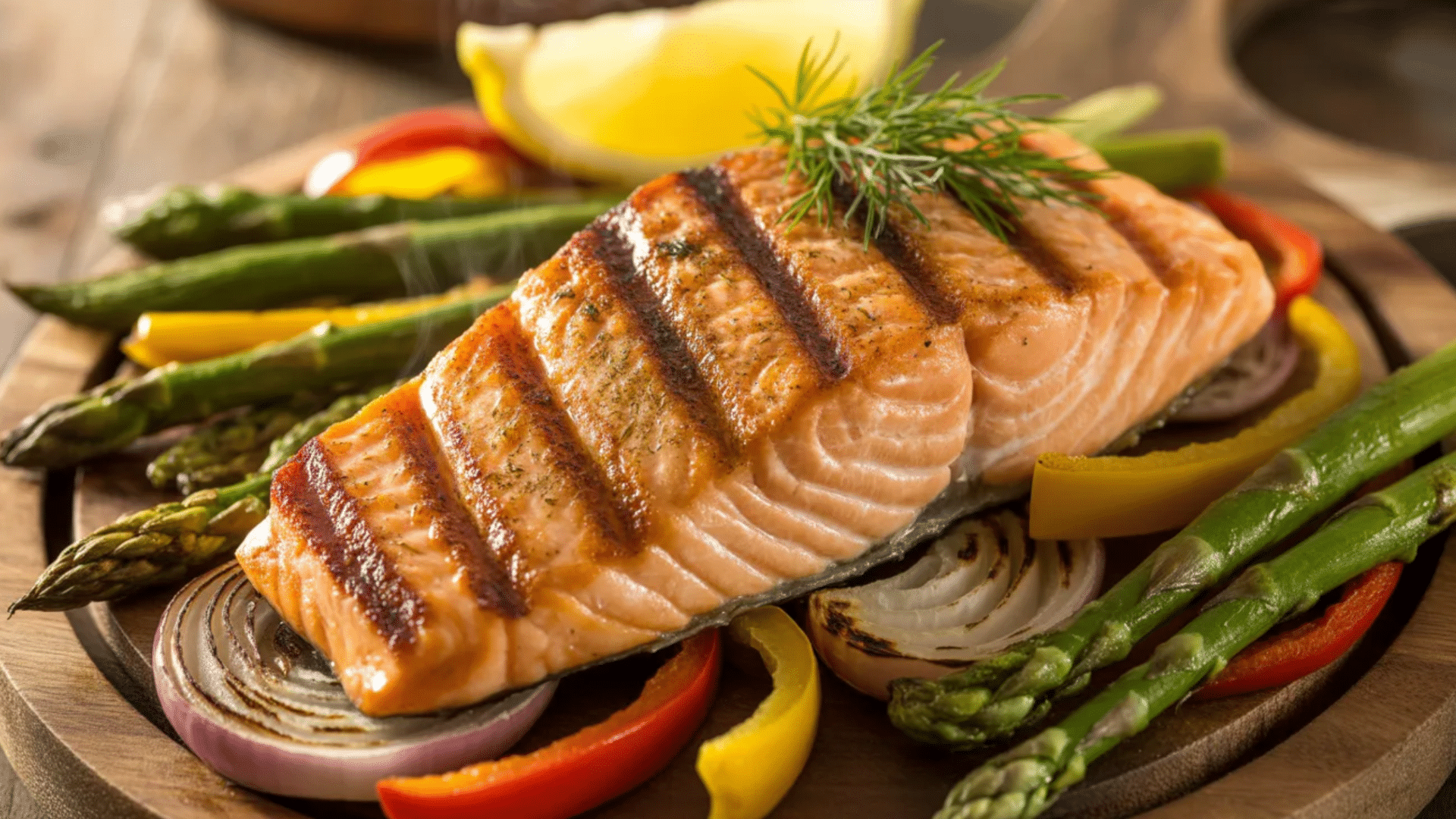
Breakfast can include Greek yogurt with chia seeds and berries for protein and fiber. Lunch works well with turkey or veggie wraps made using whole-grain bread. Dinner may include grilled fish like salmon or cod with vegetables.
These meals support liver healing and heart health. Snacks such as walnuts, flaxseeds, or fresh fruit provide healthy fats and nutrients without adding excess sugar or unhealthy oils.
Day 4: Low-Sugar, High-Protein Focus
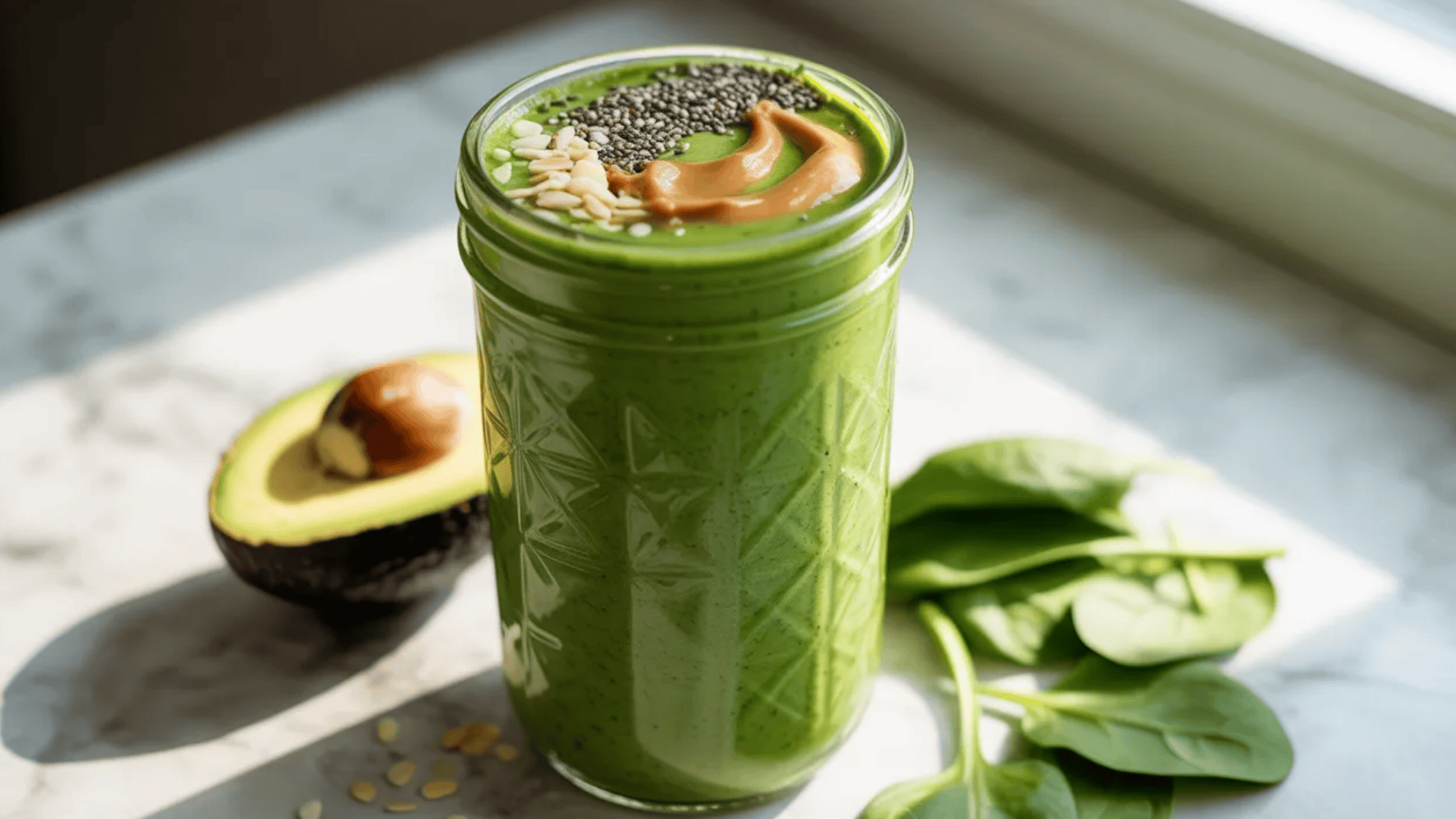
Breakfast can be a green smoothie with seeds or nut butter for lasting energy. Lunch may include a chickpea and quinoa salad filled with vegetables. Dinner works best with lean chicken or tofu and cooked vegetables.
Protein helps reduce liver fat and keeps you full longer. Low-sugar snacks like nuts, cucumber with hummus, or boiled eggs help control cravings and prevent overeating later.
Day 5: Gut-Healthy & Anti-Inflammatory Meals
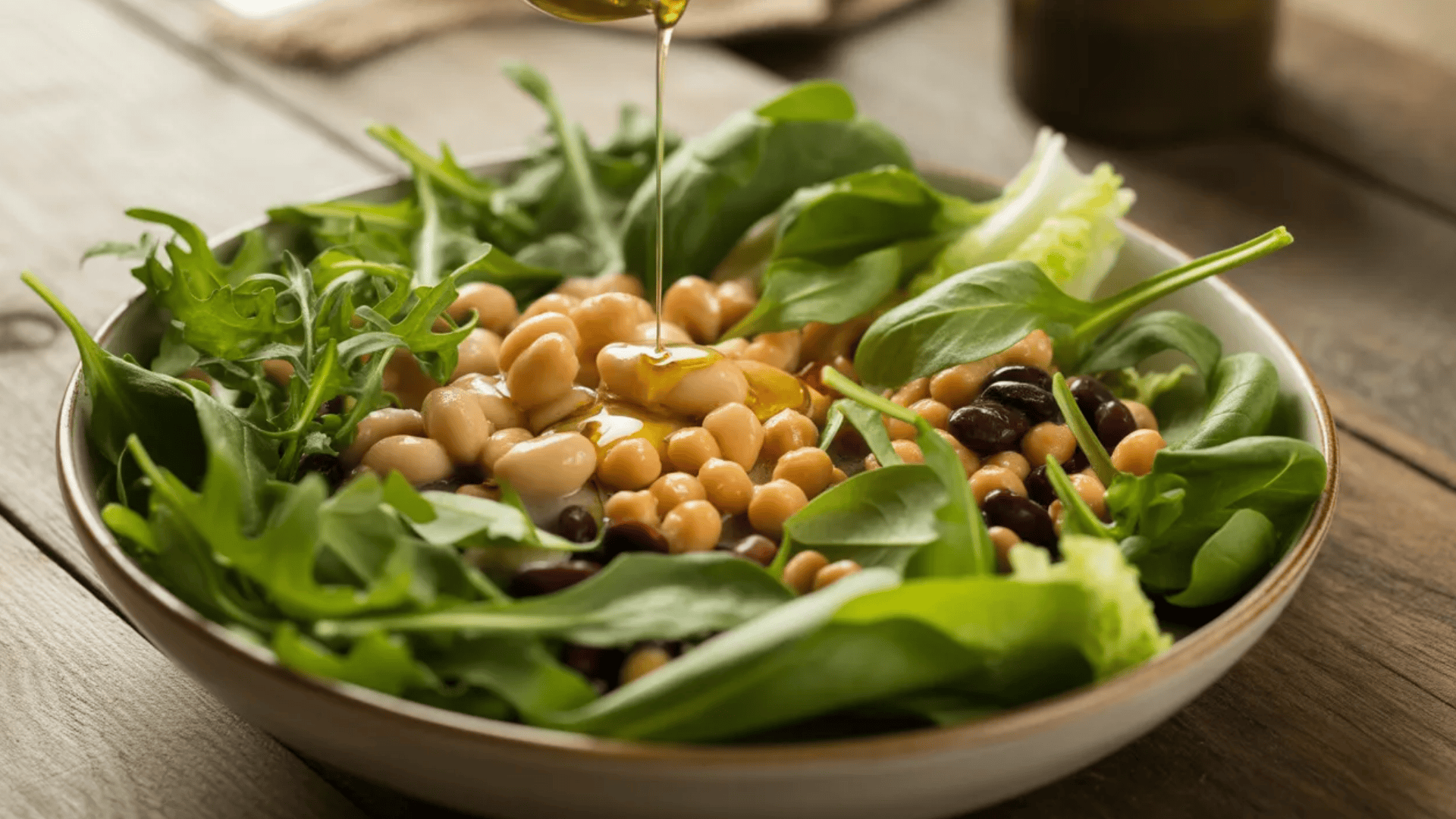
A healthy gut supports a healthy liver, and this day focuses on both. Breakfast may include whole grains paired with berries for fiber. Lunch works well with leafy greens, beans, and olive oil. Dinner can be vegetable-based with light spices.
These foods help reduce inflammation and improve digestion. Snacks like yogurt, fruit, or soaked nuts support gut bacteria and nutrient absorption. When digestion improves, the liver works more efficiently and stores less fat over time.
Day 6: Lean Protein & Whole Grains Day
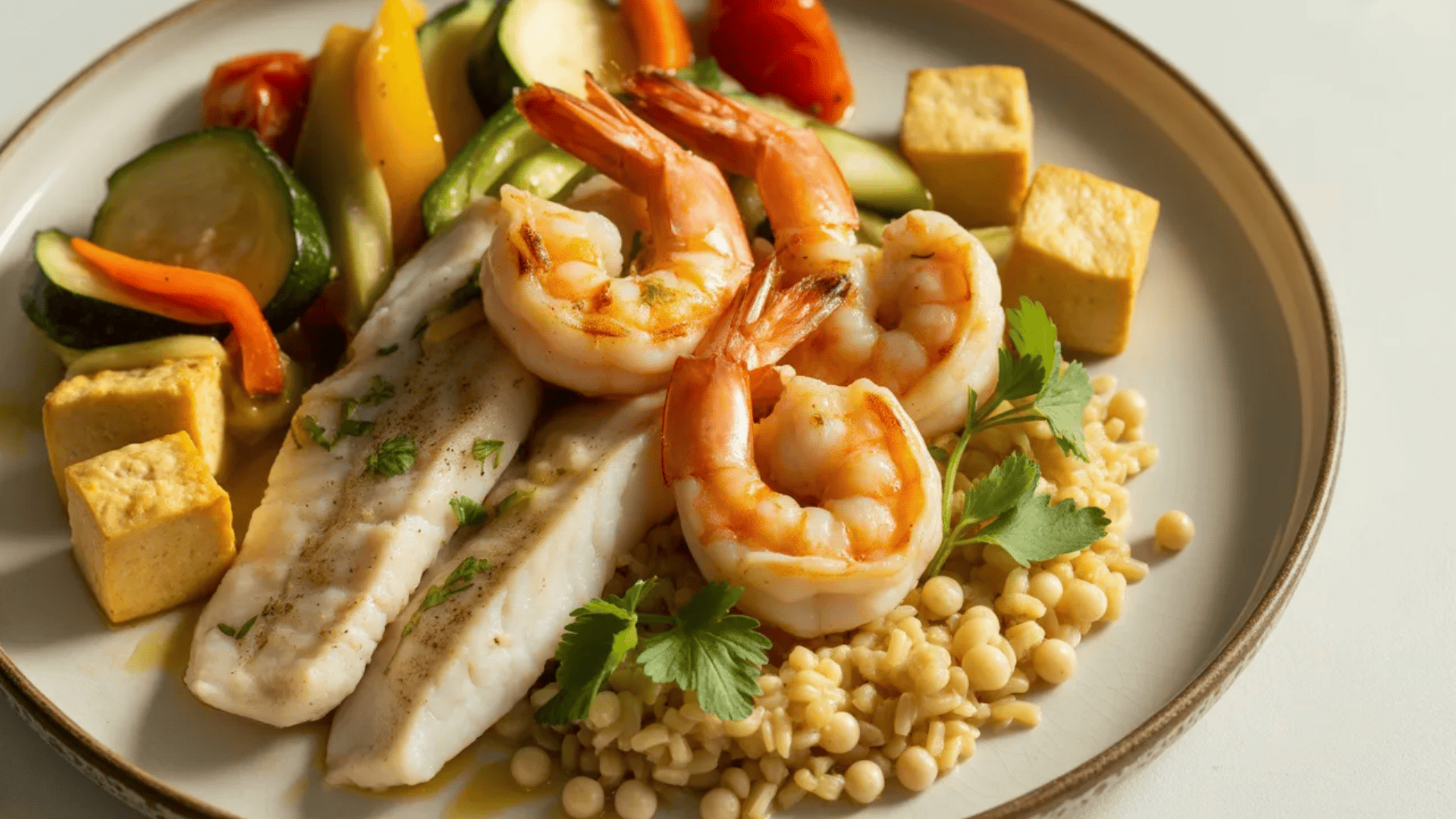
Breakfast can include chia pudding or eggs to provide steady energy. Lunch may include a whole-grain wrap filled with hummus and vegetables. Dinner works well with grilled shrimp, fish, or tofu served with brown rice or couscous.
These meals support muscle health while reducing liver stress. Snacks like fruit or nuts help manage hunger, prevent sugar spikes, and keep energy levels balanced throughout the day.
Day 7: Light, Clean & Recovery-Focused Meals
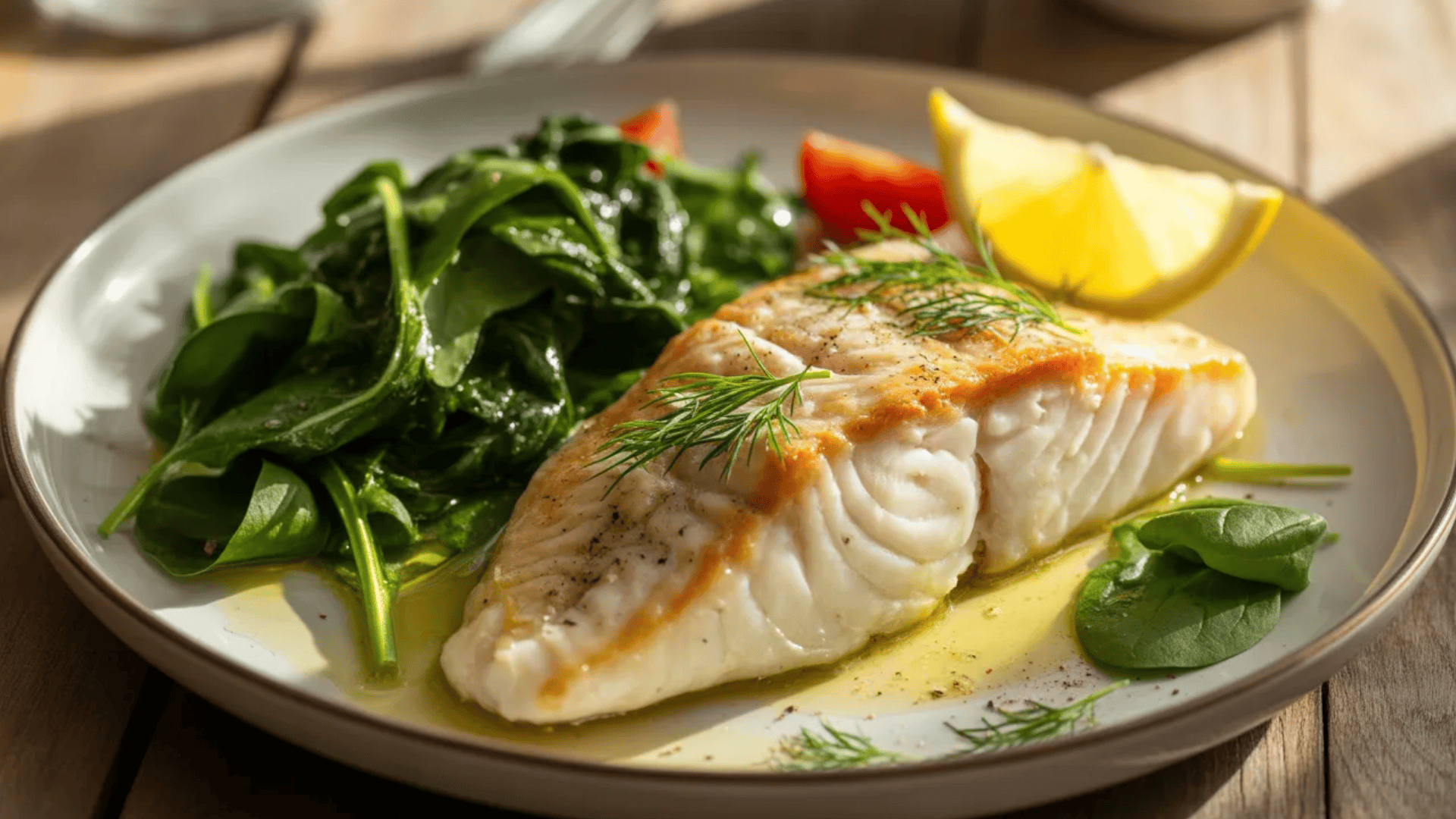
Day 7 keeps meals light to give the liver time to recover. Breakfast can include yogurt with seeds or fresh fruit. Lunch works well with a simple grain salad and vegetables. Dinner may include baked fish with greens.
These meals are easy to digest and low in added fats. Gentle snacks like fruit, herbal tea, or a small handful of nuts help finish the week feeling lighter, refreshed, and ready to continue healthy eating habits.
Full Week at a Glance
You can use this 7-day meal plan table as a simple daily manual. Meals are balanced, liver-friendly, and easy to swap based on taste, hunger, or comfort.
| Day | Breakfast | Lunch | Dinner | Snacks | Dessert |
|---|---|---|---|---|---|
| Day 1 | Oatmeal with berries | Grilled chicken salad | Baked salmon with quinoa & veggies | Apple, almonds | Greek yogurt |
| Day 2 | Veggie omelet with toast | Lentil soup with whole-grain bread | Stir-fried tofu with brown rice | Carrot sticks, hummus | Baked pear |
| Day 3 | Yogurt with chia seeds | Turkey lettuce wraps | Grilled fish with steamed vegetables | Walnuts, fruit | Cinnamon apples |
| Day 4 | Smoothie with spinach & banana | Chickpea quinoa bowl | Baked chicken with greens | Cottage cheese | Yogurt |
| Day 5 | Oatmeal with flaxseed | Mixed bean salad | White fish with sweet potatoes | Cucumber slices | Fresh fruit |
| Day 6 | Toast with avocado & egg | Veggie wrap with hummus | Shrimp or tofu with brown rice | Nuts, berries | Light yogurt |
| Day 7 | Yogurt with nuts | Farro salad with veggies | Baked fish with rice & vegetables | Edamame | Fruit bowl |
This table is meant to make daily meal choices easier and more consistent. Adjust portions as needed and focus on simple cooking methods to support steady liver health.
Foods to Avoid If You Have Fatty Liver
If you have fatty liver, avoiding certain foods can help prevent further fat buildup and inflammation.
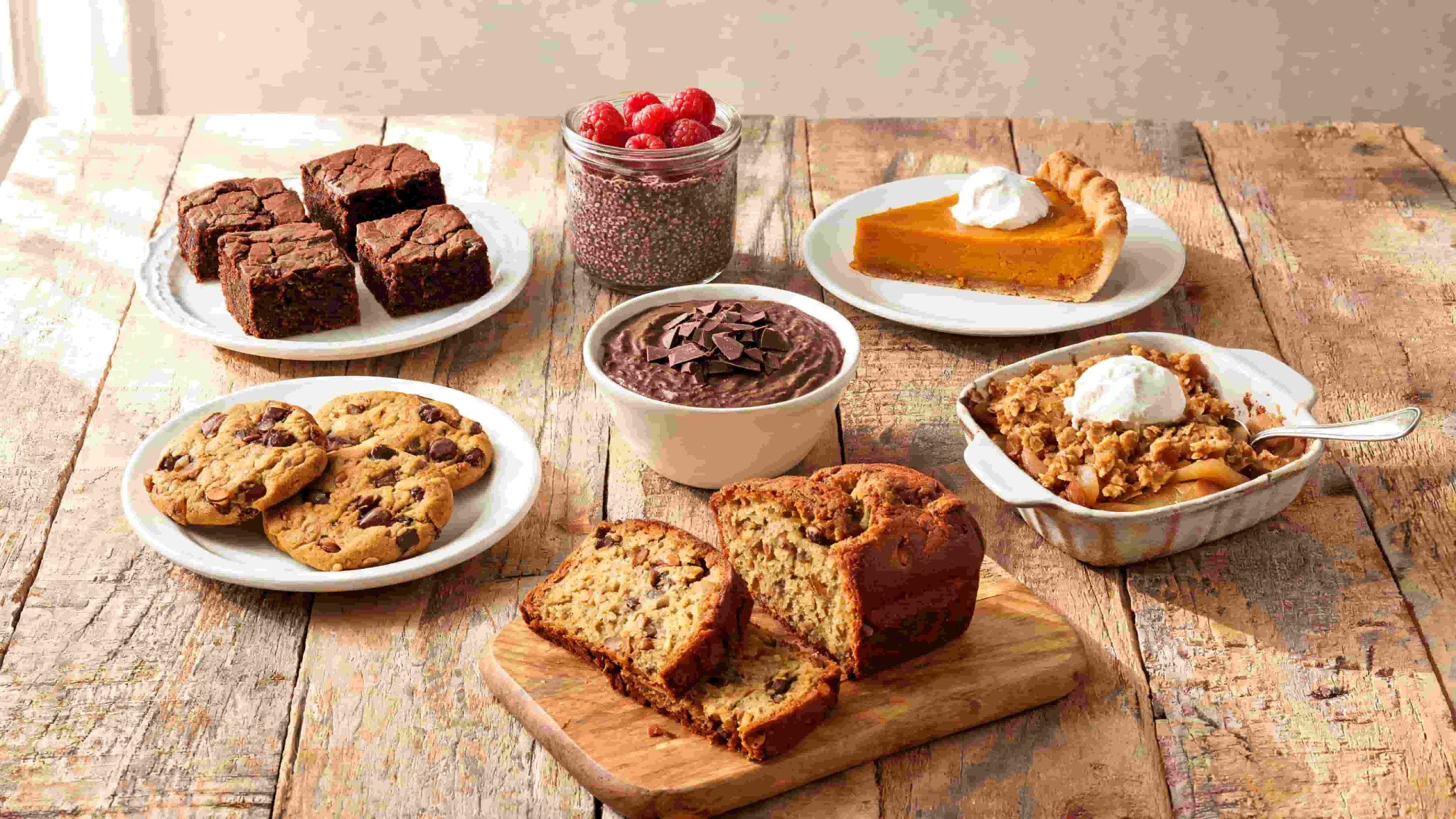
- Added sugars: Found in soft drinks, sweets, flavored yogurts, and packaged snacks that stress the liver
- Refined carbohydrates: White bread, white rice, pastries, and baked goods that spike blood sugar
- Fried foods: High in unhealthy fats that slow digestion and increase inflammation
- Alcohol: Forces the liver to work harder and can worsen liver damage
- Processed meats: Sausages, bacon, and deli meats that contain excess fat and additives
Reducing these foods can help lower inflammation, improve liver function, and support long-term recovery when combined with balanced meals and healthy habits.
Final Words
Managing fatty liver doesn’t have to feel scary or complicated. In my experience, small changes to food, made consistently, make a real difference over time.
This7-day meal plan for fatty liver is not about extreme dieting; it’s about giving your liver the nutrients it needs to rest, repair, and function better.
By focusing on whole foods, healthy fats, fiber, and lean protein, you are building habits that support long-term health, not just quick results. Remember, progress matters more than perfection.
If you found this helpful, try following it for one full week and see how your body responds. Save this meal plan, share it with someone who needs it, and start your liver-friendly week today.