

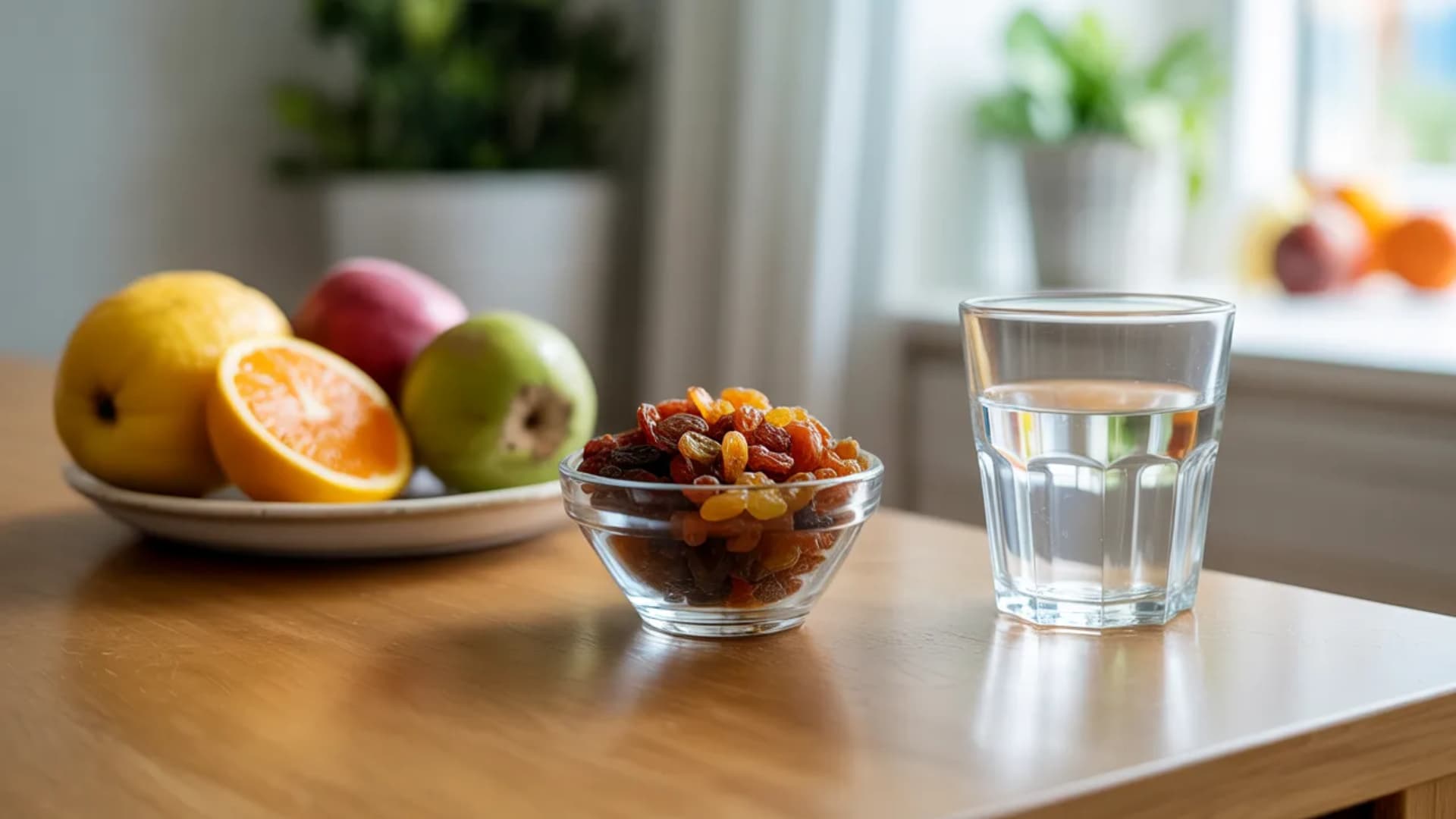
Have you ever experienced the sensation that your stomach feels immobilized, and that, despite your efforts, nothing seems to alleviate it? I am well acquainted with this frustration. However, what if I told you that a simple remedy like raisins might be the solution you have been seeking?
Raisins are recognized for their natural fiber content and gentle laxative properties, which can facilitate digestion and alleviate constipation in a straightforward, natural way.
Here, I’ll walk you through how raisins work, what science says about their effectiveness, and how you can incorporate them into your routine for better digestion. Let’s see how this tiny fruit can make a big difference in your gut health!
Are Raisins Good for Constipation?
Yes, raisins can help with constipation, but the way they work might surprise you. When you eat raisins, they don’t just sit in your stomach. Their fiber helps add bulk to your stool, making it move through your body more easily.
At the same time, raisins contain a natural sugar that pulls water into your intestines, making stool softer and easier to pass. I’ve noticed that they tend to work best when your constipation is mild and caused by low fiber or not drinking enough water.
But if your body is already sensitive, they might cause gas or bloating instead. So, while they can help, they work best when you also drink enough water and eat balanced meals. It seems you’re looking for a fresh way to explain how raisins support digestion.
How Raisins Gently Support Smooth and Efficient Digestion
Raisins are not only a tasty snack, but also a natural remedy for digestive health. They provide essential nutrients that help promote smoother digestion and gently relieve constipation. Here are several simple but effective ways raisins support your digestive system:
1. Rich in Fiber for Better Digestion
Raisins are packed with fiber, which is crucial for good digestion. Fiber adds bulk to your stool, making it easier for your intestines to move waste along.
The added bulk helps reduce straining, leading to smoother and more comfortable bowel movements.
2. Helps Retain Water for Soft Stool
Raisins contain sorbitol, a natural sugar alcohol that draws water into your intestines. This process helps soften your stool, making it easier to pass without discomfort.
Unlike harsher methods, this effect is gentle on your digestive system and works gradually.
3. Supports Healthy Gut Bacteria
The fiber and natural sugars in raisins nourish the good bacteria in your gut. These bacteria are essential for digestion, nutrient absorption, and regular bowel movements.
By feeding beneficial bacteria, raisins help your digestive system work more efficiently.
4. Energy Boost for Digestive Muscles
Raisins provide natural sugars that give your body energy. This energy supports the muscles in your digestive tract, which are responsible for moving waste through your intestines.
When your digestive muscles have enough energy, they work more efficiently, helping to push stool along smoothly.
5. Helps Prevent Dry Stool
Raisins help your body retain water in the intestines, which is important for keeping stool soft. When stool remains moist, it moves more easily through the digestive system.
Combining raisins with plenty of water helps keep your system hydrated and your digestive process regular.
Other Foods and Methods to Relieve Constipation
When you’re dealing with constipation, incorporating certain foods and lifestyle habits can make a big difference. It’s all about adding the right nutrients and staying consistent. Here are a few foods and methods that can help you get relief:
1. Fiber-Rich Foods
Fiber plays a key role in digestion by adding bulk to stool, making it easier to pass. There are two types of fiber: soluble and insoluble.
- Insoluble fiber is found in foods like whole grains, nuts, and vegetables. It helps add bulk to your stool and speeds up its movement through the intestines.
- Soluble fiber, found in foods like oats, beans, and apples, helps absorb water and softens stool, making it easier to pass.
2. Prunes and Other Dried Fruits
Prunes are well-known for their natural ability to relieve constipation. They are rich in both fiber and sorbitol, a sugar alcohol that draws water into the intestines, helping soften stool.
Other dried fruits, like figs and apricots, work similarly and can be a tasty and natural way to get things moving.
3. Fluids (Water, Herbal Teas, and More)
Staying hydrated is one of the most important things you can do for your digestive health. Drinking water throughout the day helps keep your stool soft and supports the natural movement of your intestines.
Herbal teas like peppermint or ginger tea may also help relax the digestive tract and improve bowel movement.
4. Leafy Greens and Vegetables
Leafy greens, such as spinach, kale, and broccoli, are high in fiber and magnesium. Magnesium helps relax the muscles of the digestive tract, making it easier for stool to move through.
Other vegetables, such as carrots, sweet potatoes, and peas, also provide fiber to help relieve constipation.
5. Probiotics and Fermented Foods
Probiotics, found in foods like yogurt, kefir, and sauerkraut, help maintain a healthy balance of gut bacteria. These good bacteria play a significant role in digestion and can improve overall bowel regularity.
Adding fermented foods to your diet can enhance digestion and keep things moving.
6. Olive Oil and Healthy Fats
Healthy fats, like those found in olive oil, avocados, and nuts, can help lubricate the intestines and ease bowel movement.
A spoonful of olive oil on an empty stomach in the morning can help get your digestive system working.
Simple Ways to Use Raisins for Better Digestion
I’ve found that how you eat raisins matters just as much as eating them. Small changes in how you prepare or in the timing can make a real difference.
If your goal is smoother digestion, these simple methods can help you get the most out of raisins without complicating things.
1. Eating Raw Raisins
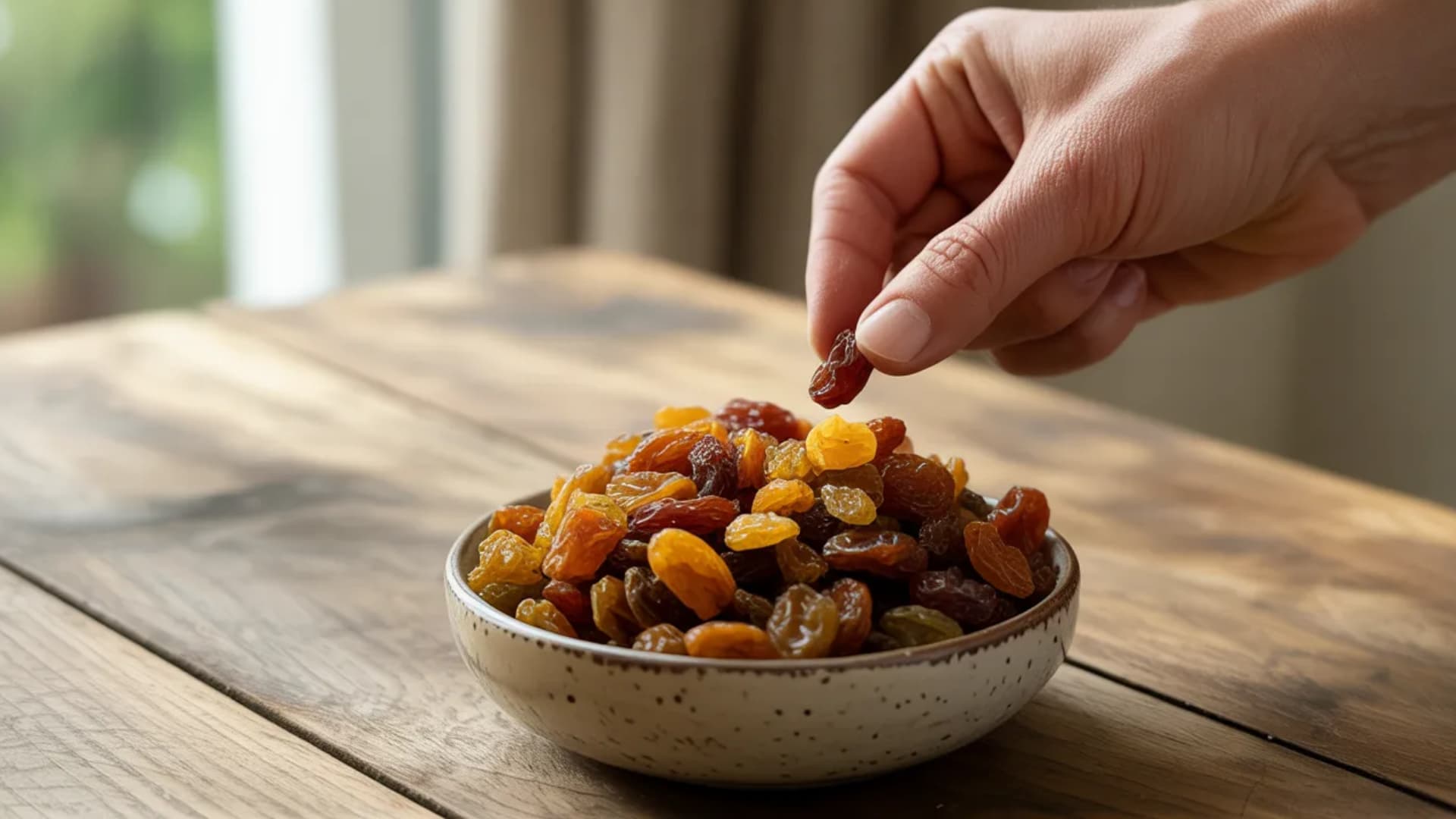
Eating raw raisins is the easiest way to start. You can simply have a small handful during the day, usually around 5 to 10 raisins.
They work by adding fiber to your diet and helping your stool move better. I’ve noticed this works well if your constipation is mild. Just make sure you drink enough water, or the fiber may not work as effectively in your body.
2. Soaking Raisins Overnight
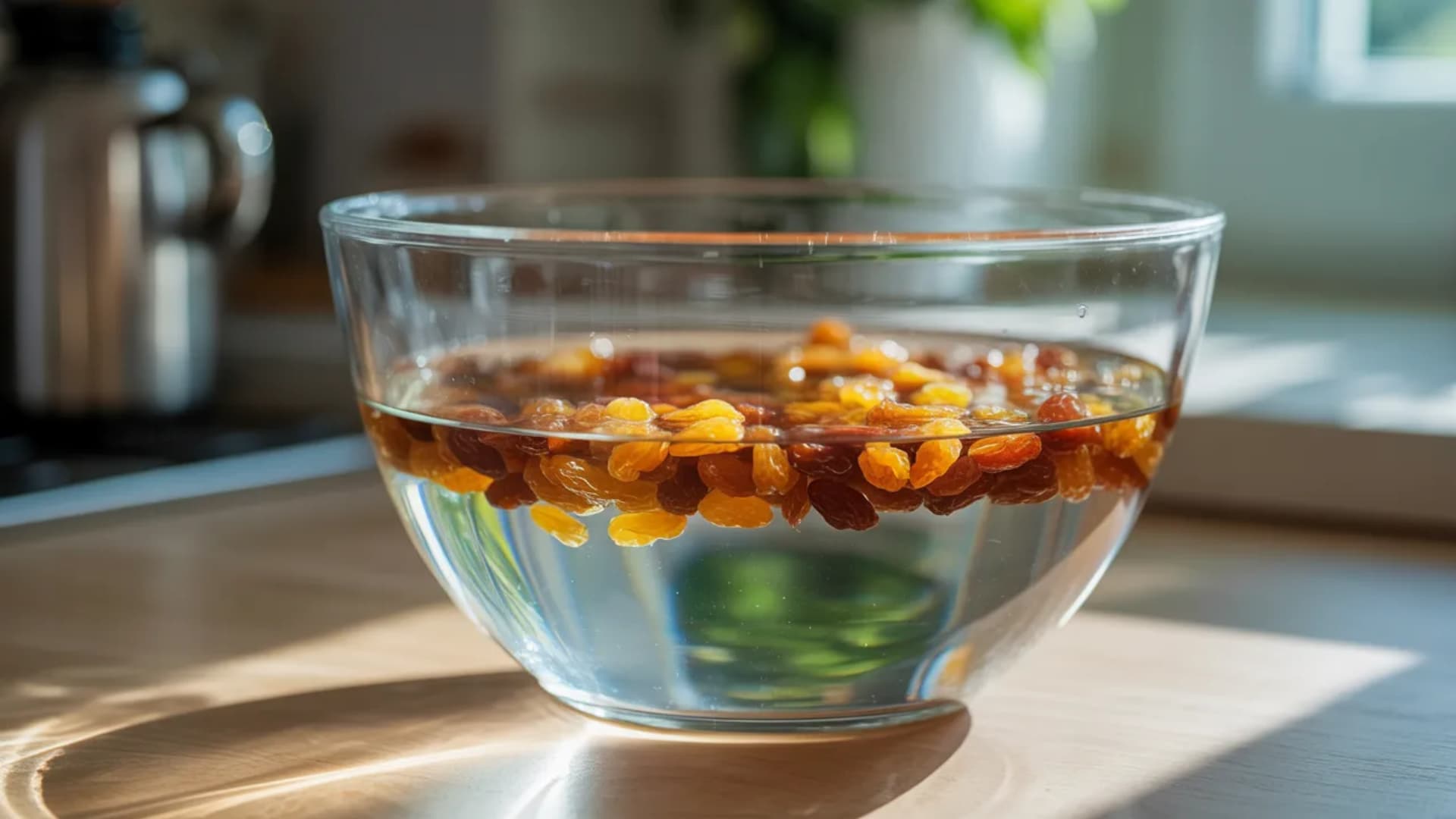
Soaking raisins overnight is one of the most common ways people use them. You place a few raisins in water and leave them overnight, then eat them in the morning.
This softens them and makes them easier to digest. I’ve seen that soaked raisins feel gentler on your stomach and may work faster, especially if your digestion feels slow or heavy.
3. Drinking Raisin Water

Raisin water is another simple method that works well for some people. You soak raisins in water, then drink the water the next day, sometimes along with the raisins.
This liquid carries some of the nutrients and can help soften stool. I’ve found this method helpful if you prefer drinking something instead of eating solid food early in the day.
4. Adding Raisins to Meals
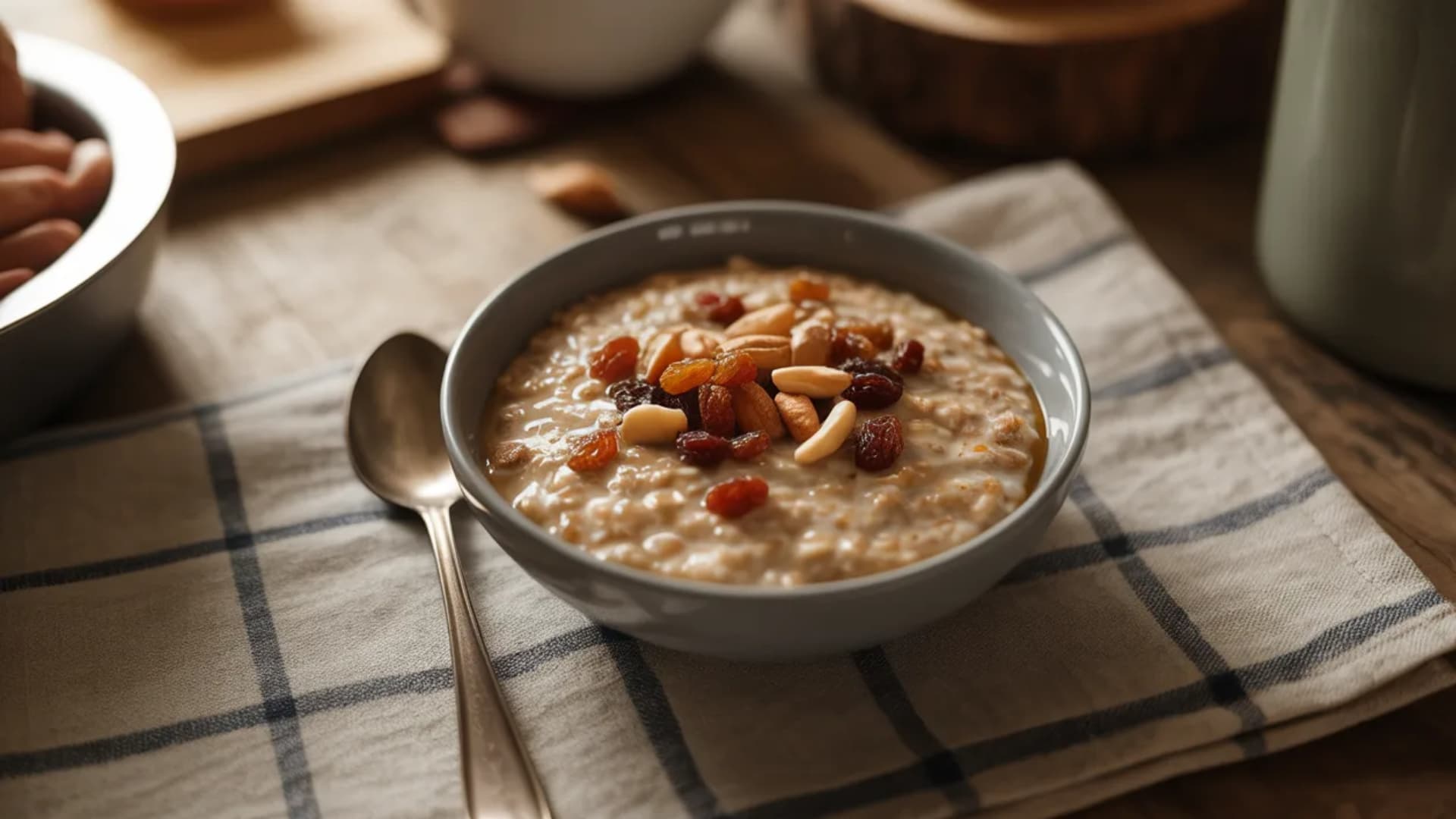
You can mix raisins into your daily meals, such as oatmeal, yogurt, or salads. This way, you increase your fiber intake without having to think too much about it.
I’ve noticed that this method works best when you want a steady effect over time rather than quick relief. It helps your digestion stay regular as part of your normal eating routine.
5. Eating Raisins with Warm Water in the Morning
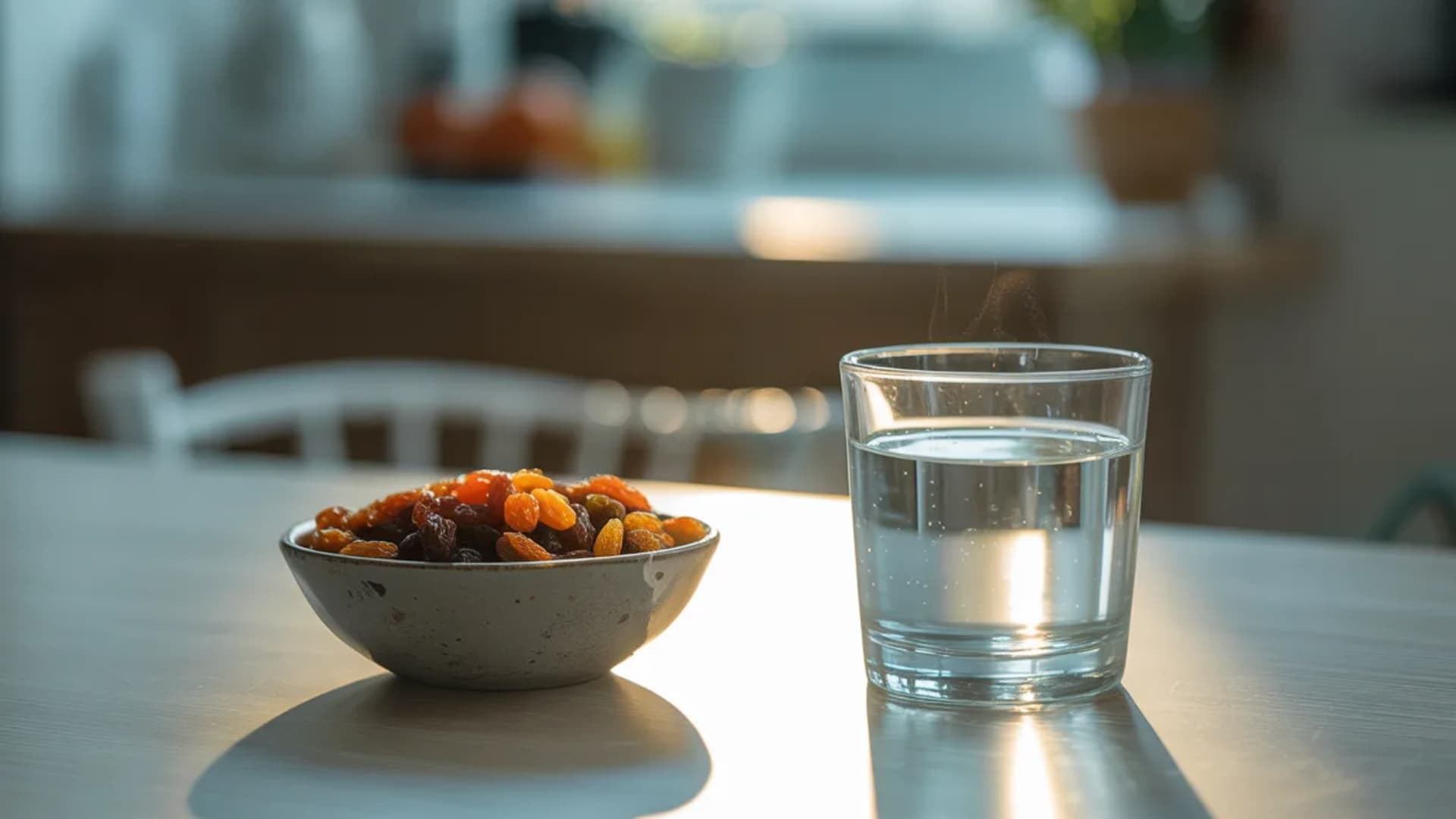
Taking raisins with warm water in the morning can help start your digestion for the day. The warmth helps your digestive system wake up, while raisins provide fiber and natural sugars.
I’ve seen that this simple habit can help your body get into a regular pattern, especially if you follow it consistently every morning.
From what I’ve experienced, consistency matters more than anything. If you pick one method and stick with it, your body adjusts and responds better. Keep it simple, stay hydrated, and give your body a few days to show results.
When Raisins May Not Help and Possible Side Effects to Know
Eating too many raisins can also lead to unwanted effects. Since they are dense in both fiber and sugar, overconsumption can disturb digestion rather than support it. It is important to keep portions moderate and balanced, and to stay properly hydrated.
People with sensitive digestion, such as those with IBS, may react to the natural sugars in raisins, which can lead to discomfort instead of relief. High sugar content is another concern, especially for those managing blood sugar levels.
- Gas buildup that can make your stomach feel tight or uncomfortable
- Bloating that may cause a heavy or full feeling after eating
- Mild stomach discomfort, especially if eaten in large amounts
- Loose stools or diarrhea if your body reacts strongly
- High sugar intake that may not suit regular daily use
- Gradual weight gain if eaten in excess over time
- Sudden rise in blood sugar levels, especially for sensitive individuals
Raisins can support digestion, but they may not work for everyone in every situation. In some cases, they might not give the expected relief or could even make symptoms worse.
What Science Says About Raisins and Constipation?
The study mentioned in the Research Paper “Dietary raisin intake has limited effect on gut microbiota composition in adult volunteers” shows the impact of consuming sun-dried raisins on the gut microbiota of healthy adults. The research, conducted over 14 days with 13 participants, found that raisins had a mild effect on gut microbiota composition.
Key Findings:
- Microbiota Diversity: Raisin consumption did not significantly alter overall microbiota diversity, although some bacterial taxa showed changes in prevalence.
- Specific Bacterial Taxa Changes: The study observed an increase in the prevalence of Faecalibacterium prausnitzii, Bacteroidetes sp., and Ruminococcus sp., which are linked to positive digestive health. Meanwhile, bacteria like Klebsiella sp. and Prevotella sp. saw a decrease.
- Potential Health Benefits: Some of the changes in bacterial taxa may indicate potential health benefits, like reduced inflammation or improved gut health, but further studies are needed to confirm these effects in different populations.
The study suggests that while raisins can influence the gut microbiota, the effect is relatively modest, and more research is required to understand its broader health implications.
Simple Daily Tips to Prevent Constipation
Keeping your digestion smooth often comes down to small daily habits. When you follow simple steps consistently, your body starts responding better over time. These tips are easy to follow and can fit into your routine without much effort.
- Drink enough water throughout the day to keep your stool soft and easy to pass.
- Eat fiber-rich foods like fruits, vegetables, and whole grains regularly.
- Stay active with daily movement, such as walking, to support bowel movements.
- Start your day with warm water to help your digestion wake up.
- Avoid holding in stool when you feel the urge to go.
- Add healthy fats like nuts and seeds to support smooth digestion.
- Keep your meal timings regular to train your digestive system.
- Limit processed foods that can slow down your digestion.
When you follow these habits daily, your body builds a natural rhythm for digestion. Over time, you may notice fewer issues and a more comfortable routine without needing quick fixes.
Wrapping Up
From what I’ve seen, the best results come from keeping things simple and sticking to your routine. If you stick to one method and give it a few days, your body usually starts responding in a steadier and more comfortable way.
After looking at everything, I can say that raisins are a simple and natural way to treat mild constipation. They give your body fiber and a natural push that helps things move more smoothly.
I always suggest starting small and seeing how your body reacts. If you’re trying raisins for the first time, keep it simple and stay consistent. Give it a try for a few days and see how your body responds; you might be surprised by how well it works.