

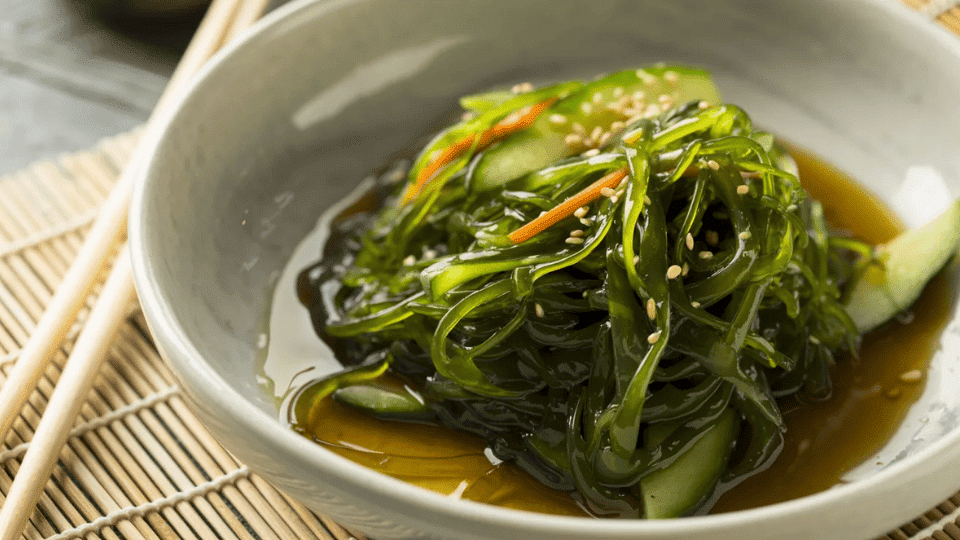
You ordered the seaweed salad because it felt like the right choice, lighter, cleaner, something different. But somewhere between the first bite and the drive home, the questions crept in. Was that actually good for you? Or just good-looking on the menu?
It’s a reasonable thing to wonder. Seaweed salad nutrition isn’t something most people grow up learning about, and the internet doesn’t make it easier, half the sources call it a superfood, the other half flag the sodium and move on. Neither answer feels complete.
The truth sits somewhere more useful than either extreme. And if you’ve ever genuinely asked yourself “is seaweed salad good for you,” what follows is the honest, research-backed answer.
Seaweed Salad Nutrition: What’s Inside?
Seaweed salad packs a surprising amount of nutrition into a small serving.
It delivers key minerals like iodine, calcium, and magnesium alongside vitamins A, C, and K, nutrients I consistently see underrepresented in most everyday diets.
What makes it stand out is the combination of these micronutrients with natural dietary fiber, all in a low-calorie package that genuinely earns its place on your plate.
| Nutrient | Amount | % Daily Value |
|---|---|---|
| Calories | 39 kcal | — |
| Total Fat | 1.4 g | 2% |
| Sodium | 373 mg | 16% |
| Total Carbohydrates | 6.7 g | 2% |
| Dietary Fiber | 2.0 g | 7% |
| Protein | 1.1 g | 2% |
| Iodine | ~140 mcg | 93% |
| Vitamin K | ~36 mcg | 30% |
| Vitamin A | ~56 mcg RAE | 6% |
| Iron | 1.5 mg | 8% |
| Calcium | 45 mg | 3% |
| Potassium | 224 mg | 5% |
Per 56g serving. % DV based on a 2,000 kcal diet. Values scaled from USDA data; vitamins are estimates based on published ranges for wakame-based seaweed salad. Sodium reflects a lightly dressed homemade version.
Health Benefits of Seaweed Salad
Seaweed salad isn’t just a flavorful side dish, the nutrients it carries do real, measurable work inside your body. Here’s what the research tells us.
1. Boosts Immunity and Heart Health
Seaweed is rich in vitamins A and C, both directly tied to immune function, vitamin A maintains your mucosal barriers while vitamin C drives white blood cell production.
The antioxidants further neutralize free radicals before they cause cellular damage. That same nutritional profile supports your heart too.
Alginate, a soluble fiber in seaweed, helps reduce LDL cholesterol, while omega-3 fatty acids and potassium support healthy blood vessel function and lower cardiovascular risk over time.
2. Aids Weight Management and Blood Pressure
Seaweed salad is low in calories yet high in fiber, slowing digestion and keeping you fuller for longer, a genuine advantage when managing weight.
Its fiber content also helps regulate blood sugar, preventing the energy spikes that often lead to overeating.
On top of that, bioactive peptides and potassium found in seaweed help relax blood vessels and reduce arterial stiffness, supporting healthier blood pressure readings particularly in those who are salt-sensitive.
3. Other Notable Benefits
- Fucoxanthin: Linked to anti-obesity and antioxidant effects in early research.
- Fucoidan: Shows anti-inflammatory and anti-cancer potential in study settings.
- Phlorotannins: Natural polyphenols associated with reduced inflammation and better metabolic markers.
Potential Risks and Downsides of Seaweed Salad
Seaweed salad is genuinely healthy, but like most foods, it comes with conditions worth knowing before you make it a daily staple.
- High Sodium in Commercial Versions: Many store-bought and restaurant seaweed salads are heavily seasoned with soy sauce, miso, or other sodium-rich condiments. For those managing hypertension or watching their salt intake, this can quickly push a healthy dish into problematic territory.
- Added Sugars and Refined Oils: Pre-packaged versions often contain added sugars and low-quality oils to enhance flavor and shelf life. These additions dilute the nutritional value and can contribute unnecessary calories.
- Risk of Iodine Overload: Seaweed is one of the most concentrated dietary sources of iodine. While iodine is essential for thyroid function, consistently consuming large amounts can disrupt thyroid hormone production, particularly in individuals with pre-existing thyroid conditions.
- Heavy Metal Accumulation: Some seaweed species, especially those sourced from less regulated regions, may accumulate heavy metals like arsenic and cadmium from their environment. Choosing reputable, tested sources matters here.
Enjoyed in reasonable portions, a few times a week rather than every meal, seaweed salad remains one of the more nutrient-dense options you can add to a balanced diet.
How to Make a Healthier Seaweed Salad at Home
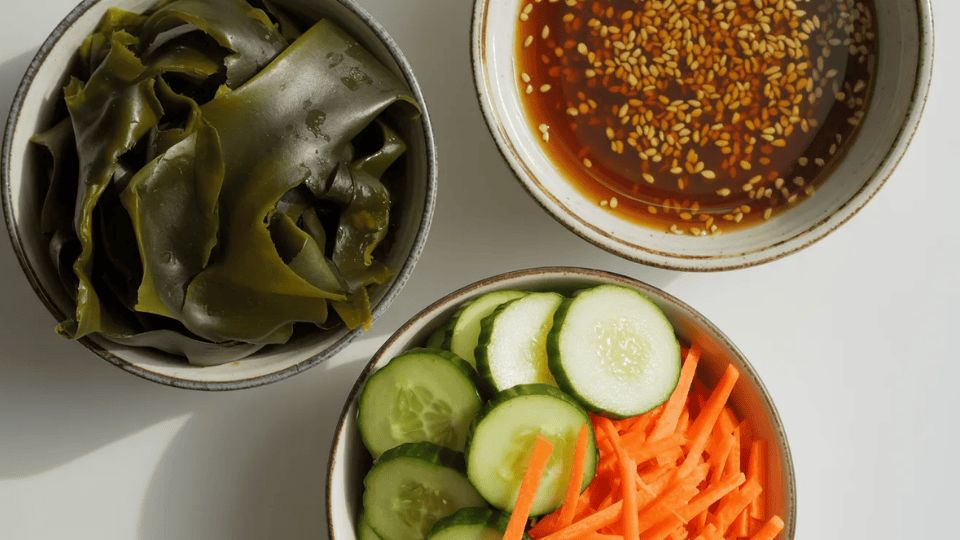
Making seaweed salad at home is easier than most people expect, and it gives you full control over what actually goes into it.
Store-bought versions often rely on excess sodium, refined oils, and added sugars to compensate for shortcuts in preparation, none of which you need.
By starting with dried wakame or fresh seaweed and building the dressing yourself, you end up with something that tastes cleaner, fresher, and is genuinely better for you.
The base recipe is simple: rehydrate dried wakame in cold water for about 10 minutes, drain it well, then toss it with a light dressing of rice vinegar, a small amount of sesame oil, low-sodium soy sauce, fresh ginger, and a pinch of chili flakes if you like some heat.
Add sliced cucumber or shredded carrots for crunch and a sprinkle of sesame seeds to finish.
Two tips worth keeping in mind:
- Use cold water (not warm) when rehydrating dried seaweed, it helps retain texture without making it slimy.
- Taste the dressing before adding salt. Between the soy sauce and seaweed’s natural mineral content, you’ll often need far less than you think.
How Seaweed Salad Can Benefit Your Skin
Most conversations about seaweed salad stop at thyroid health. Skin rarely comes up, but the research suggests it should.
A systematic review published by the National Institutes of Health found that diets high in seaweed were associated with improvements in skin hydration, wrinkling, and elasticity, largely attributed to omega-3 fatty acids and antioxidant compounds.
Separately, a peer-reviewed study in ScienceDirect found that brown seaweed extracts significantly increased collagen levels in human skin fibroblast cells and demonstrated anti-glycation activity, a process directly linked to skin stiffening and wrinkle formation.
Fucoidan, a bioactive compound in brown seaweed, has also been shown to inhibit enzymes that break down collagen in UV-exposed skin cells.
Combined with seaweed’s vitamin C content, essential for converting procollagen into functional collagen, the case for seaweed salad as a skin-supportive food is quietly well-backed.
Can Seaweed Salad Be Part of a Sustainable Diet?
A balanced, varied diet works best when built around whole foods that don’t demand excessive processing or resources to produce. Seaweed fits that framework well.
It requires no fresh water, fertilizer, or arable land to grow. It absorbs CO₂ and helps improve local water quality by filtering excess nitrogen and phosphorus, making it one of the lowest-impact foods available at scale.
Practically, it slots in easily alongside the foods most nutrition guidelines already recommend:
- Serve it as a side dish two to three times a week alongside your main protein source.
- Use it as a base for grain bowls in place of leafy greens for a mineral-rich alternative.
- Add small amounts to miso soup or noodle dishes to incorporate it without it dominating the meal.
The goal isn’t to center your diet around seaweed, it’s to use it as a consistent, nutrient-dense addition to an already balanced eating pattern.
The Final Munch
Seaweed salad earns its reputation. The seaweed salad nutrition breakdown speaks for itself, meaningful amounts of iodine, vitamin K, iron, and fiber in a low-calorie serving few foods can match.
Its benefits stretch further than most expect: heart health, immunity, skin, and even sustainability all have a case to be made.
That said, moderation matters. Excess sodium in commercial versions and the risk of iodine overload are real, worth keeping in mind, not reasons to avoid it altogether.
If this changed how you think about whether is seaweed salad good for you, try the homemade recipe above and drop a comment below with how it went.