
Does every meal feel like a gamble with your gut lately? It’s exhausting to stare at a menu and wonder if your next bite will trigger hours of pain or a sudden flare-up.
I know how isolating it feels when your body reacts to everything you eat. Finding a reliable ulcerative colitis diet can feel like an impossible puzzle when everyone gives different advice.
I want to help you take the guesswork out of your kitchen. This guide simplifies the process by highlighting anti-inflammatory foods, safe proteins, and smart ways to manage symptoms.
You will find how to fuel your body safely and gain the confidence to eat without constant fear.
The information presented here is for educational purposes only and should not replace professional medical advice. Always consult your doctor or registered dietitian before making significant dietary changes to ensure your approach is safe and appropriate for your specific condition.
What is Ulcerative Colitis?
Ulcerative colitis is a chronic inflammatory bowel disease (IBD) that causes inflammation and ulcers in the digestive tract, primarily in the colon and rectum.
The condition leads to symptoms like abdominal pain, diarrhea, fatigue, and weight loss. Managing UC involves controlling inflammation and supporting gut health, and diet plays a crucial role in this.
UC also significantly disrupts nutrient absorption. Chronic inflammation and frequent diarrhea deplete iron, folate, calcium, vitamin B12, and vitamin D faster than most people can replenish them through food alone.
This is why dietary planning for UC goes beyond symptom relief, it also addresses the real risk of malnutrition that many patients and general-purpose diet blogs overlook
Foods can either aggravate or alleviate inflammation, which is why selecting the right foods and supplements is vital for managing symptoms effectively.
Flare and Remission: Your Diet Changes with Your Disease Phase
One of the most important concepts missing from most general UC diet guides is this: what you should eat during a flare is not the same as what you should eat during remission. Treating these two phases as identical is one of the most common dietary mistakes people with UC make.
During a flare-up, the goal is to minimize mechanical and chemical irritation of the already-inflamed gut lining. That means low-residue, easily digestible foods with minimal fiber, fat, and seasoning.
During remission, the focus shifts to nutritional rehabilitation and gut microbiome support. You can begin reintroducing soluble fiber, fermented foods, and a wider variety of plant-based nutrients. Going too restrictive during remission is counterproductive and increases malnutrition risk.
Phase, Dietary Priority, and Examples:
| Phase | Dietary Priority | Examples |
|---|---|---|
| Active Flare | Low-residue, easily digestible, hydrating | White rice, boiled chicken, bananas, broth, well-cooked carrots |
| Remission | Nutrient rehabilitation, microbiome support, and gradual fiber reintroduction | Oats, fatty fish, cooked vegetables, yogurt, eggs, soft fruit |
| Severe Flare / Hospitalization | Elemental or liquid nutrition to rest the bowel entirely | Elemental formula (medical supervision required) |
Key Dietary Goals for Ulcerative Colitis
When managing ulcerative colitis through diet, there are several key goals to focus on:
- Reducing Inflammation: Foods rich in anti-inflammatory properties, such as omega-3 fatty acids, turmeric, and ginger, can help control UC inflammation.
- Promoting Gut Healing: Nutrients like soluble fiber, probiotics, and vitamin D help to repair and support the lining of the gut.
- Preventing Nutrient Deficiencies: UC can impact the body’s ability to absorb nutrients, so it’s essential to include foods rich in iron, calcium, and B vitamins.
- Balancing Gut Flora: Probiotics and prebiotics support healthy gut bacteria, which can help reduce flare-ups and support digestion.
Foods to Include in an Ulcerative Colitis Diet
A balanced diet helps control UC symptoms, supporting digestion and reducing inflammation. Here are key foods to include.
1. Anti-Inflammatory Foods
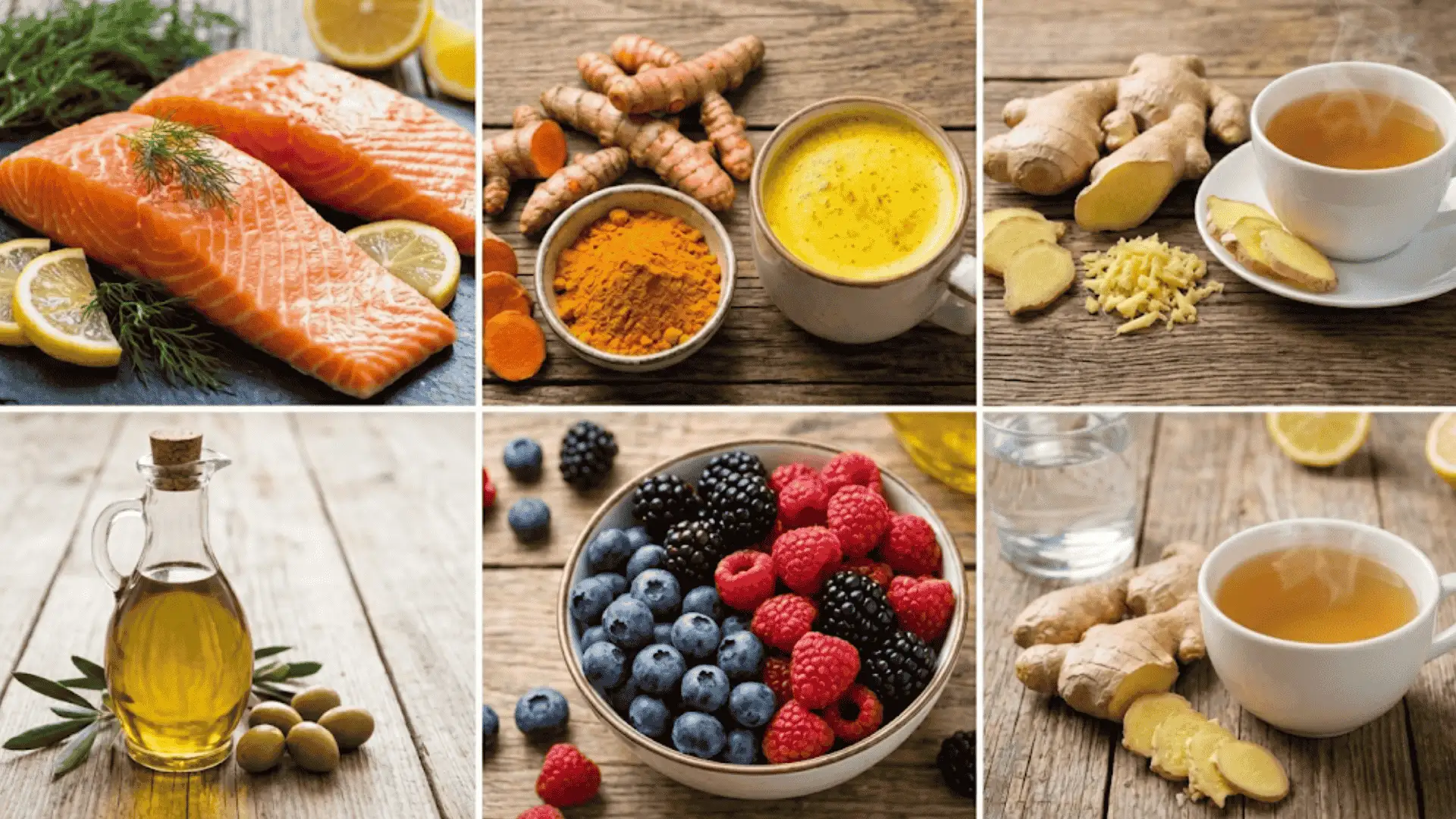
Anti-inflammatory foods, like fatty fish and turmeric, can help reduce UC-related inflammation and support overall gut health.
- Fatty Fish: Rich in omega-3 fatty acids, fish like salmon, mackerel, and sardines help reduce inflammation and promote heart health.
- Turmeric: Contains curcumin, a powerful anti-inflammatory compound that may help soothe flare-ups. Add it to meals or smoothies.
- Ginger: Ginger has natural anti-inflammatory properties. Drinking ginger tea or adding fresh ginger to meals can reduce irritation.
- Other Anti-Inflammatory Foods: Include olive oil and berries, which are rich in antioxidants and fight inflammation in the body.
Including these foods in your diet helps soothe the digestive tract, minimizing flare-ups and promoting long-term health.
2. Fiber-Rich Foods (Soluble Fiber)
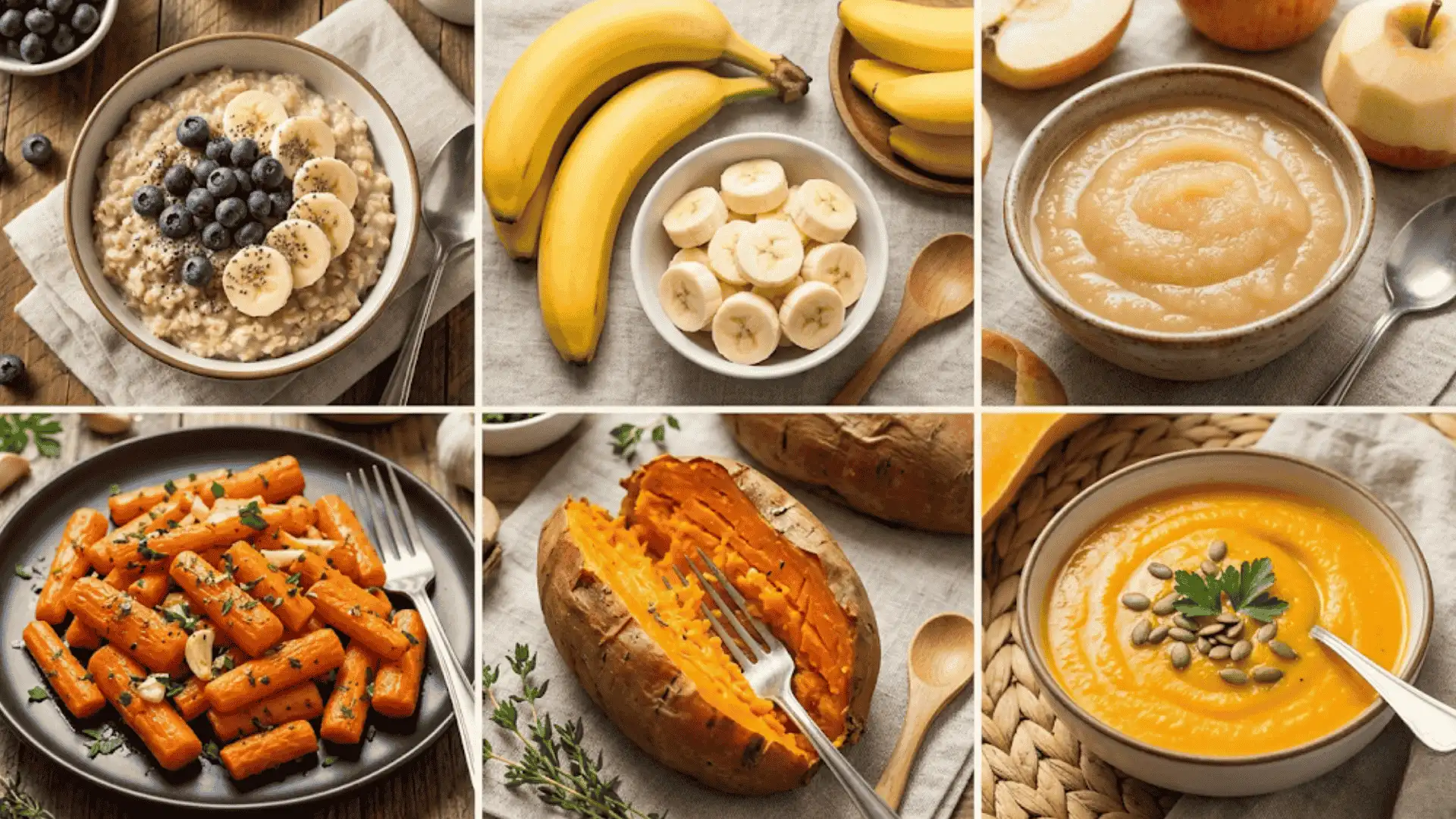
Soluble fiber sources like oats and bananas help soothe the digestive system, making them great choices for UC management.
Including these foods in your diet helps prevent irritation while providing digestive benefits, especially during remission periods.
- Oats: Oats are an excellent source of soluble fiber, which is gentle on the digestive system and helps regulate bowel movements.
- Bananas: Easy to digest, bananas are a good source of soluble fiber and potassium, which helps maintain hydration during flare-ups.
- Apples: With the skin removed, apples provide soluble fiber that helps calm the gut and improve digestion without causing irritation.
- Other Fiber-Rich Foods: Consider cooked carrots, sweet potatoes, and cooked squash for a fiber boost while keeping your diet UC-friendly.
3. Lean Proteins
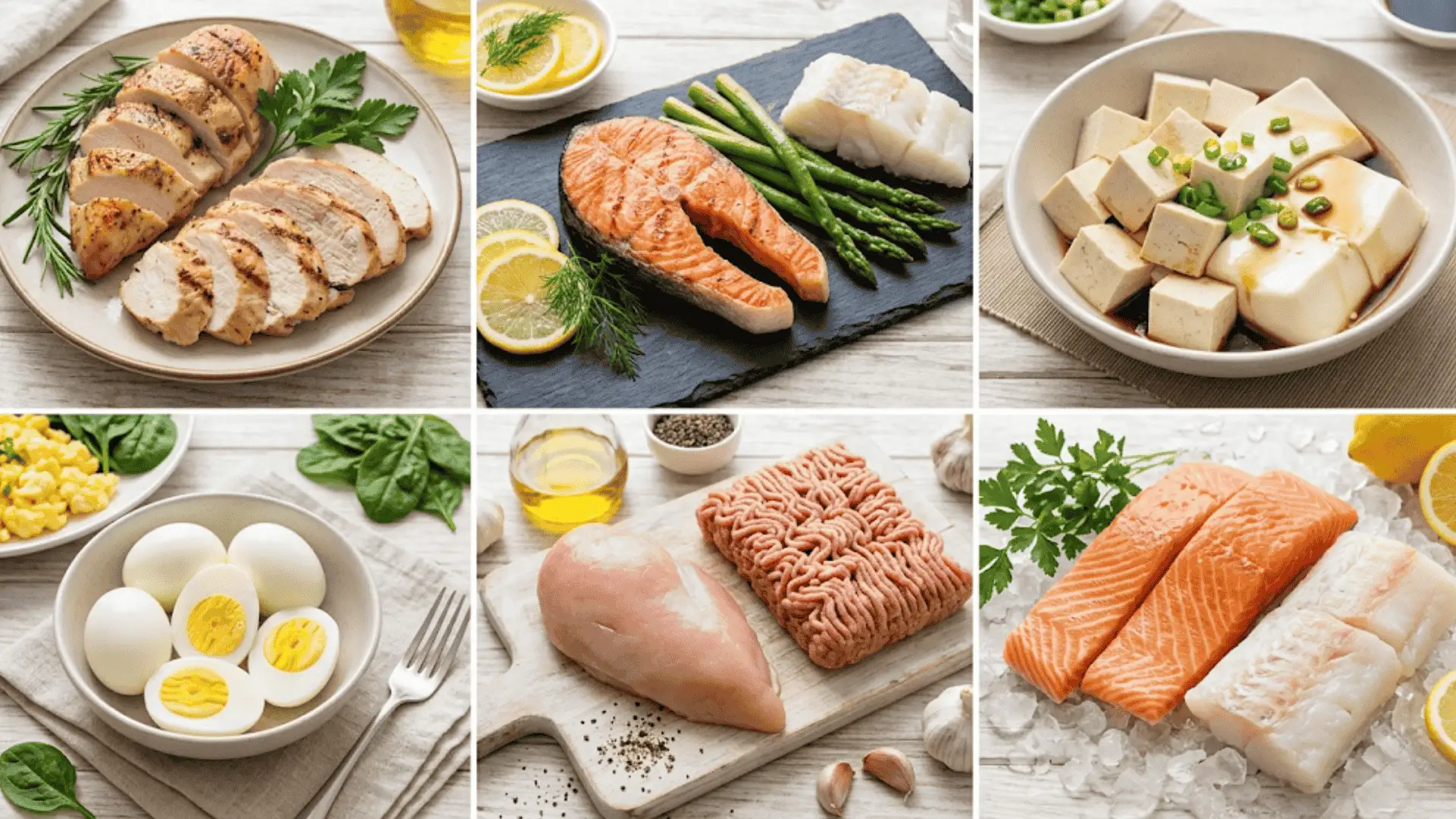
Lean proteins like chicken, turkey, and tofu provide essential nutrients without irritating the digestive system during flare-ups.
- Chicken and Turkey: Lean poultry like chicken and turkey provide a protein source that’s easy to digest and low in fat, helping to reduce inflammation.
- Fish: Fish such as salmon and cod offer high-quality protein without heavy fats, making it a great choice for UC diets.
- Tofu: Tofu is a plant-based protein that’s soft and easy to digest, making it an excellent alternative for those avoiding animal products.
- Eggs: Eggs are a complete protein that’s easily digestible, providing essential amino acids and promoting gut healing during remission.
These protein sources are easily digested and help maintain muscle mass while avoiding triggers that could worsen symptoms.
4. Low-FODMAP Foods
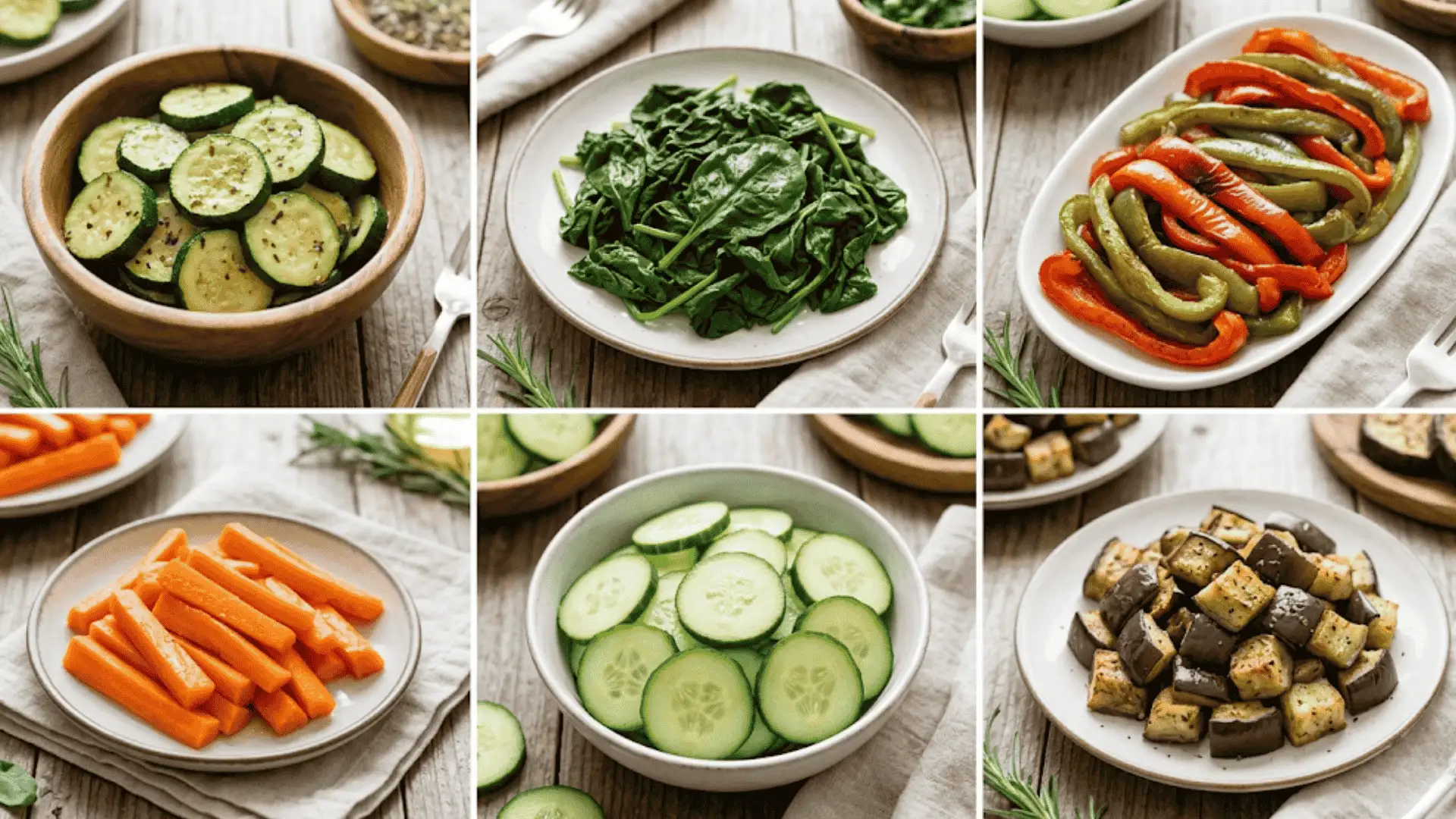
Low-FODMAP vegetables are gentler on the digestive system and can help reduce gas, bloating, and discomfort during flare-ups.
- Zucchini: A low-FODMAP vegetable that is easy on the gut, offering a mild taste and essential nutrients without causing irritation.
- Spinach: Spinach, when cooked, is another low-FODMAP option rich in vitamin K and iron, supporting your immune system and gut health.
- Bell Peppers: Bell peppers, especially red or green, are easy to digest and rich in vitamin C, providing antioxidants for gut health.
- Other Low-FODMAP Vegetables: Carrots, cucumbers, and eggplants are gentle on the stomach, offering variety in your UC-friendly meals.
Incorporating low-FODMAP foods helps manage digestive sensitivity, improving UC symptoms while allowing for better nutrient absorption.
Foods to Avoid With Ulcerative Colitis
While triggers vary individually, certain food categories commonly worsen UC symptoms by irritating the gut lining, increasing stool frequency, or promoting inflammation, such as:
| Food Category | Examples | Why to Avoid |
|---|---|---|
| High-Fiber Raw Foods | Raw vegetables, seeds, nuts, popcorn | Mechanical irritation from insoluble fiber |
| Irritants & Stimulants | Spicy seasonings, alcohol, caffeine | Chemical irritation and increased gut motility |
| Artificial Additives | Sugar alcohols, artificial sweeteners | Osmotic effects cause diarrhea and bloating |
| High-Fat Foods | Fried foods, greasy meals, fatty cuts | Slow digestion and increased inflammation |
Understanding these potential problem foods helps you identify your personal triggers through careful monitoring.
Managing Flare-Ups with Diet

When you’re experiencing a flare-up, what you eat can make a huge difference in how you feel. Focus on small, frequent meals to avoid overwhelming your digestive system.
Low-residue foods, like boiled chicken, well-cooked potatoes, and white rice, are gentler on the gut and reduce irritation. Avoid high-fiber or high-fat foods, as they can exacerbate symptoms.
Hydration during a flare deserves its own mention. Frequent diarrhea depletes sodium, potassium, and fluids rapidly. Plain water alone may not be enough to replenish electrolytes lost during severe flares.
Oral rehydration solutions, diluted broth, or coconut water can help maintain electrolyte balance. Caffeine and alcohol both increase gut motility and dehydration, so these should be cut entirely during active flares.
Meal prep is key during flare-ups. Prepare and store UC-friendly foods ahead of time, so you don’t have to scramble during a flare. Keep meals simple and easy to digest, and don’t forget to stay hydrated.
Managing stress through relaxation techniques also plays a significant role in reducing flare-up intensity and duration.
Supplements to Consider for Ulcerative Colitis
Supplements are a great way to support gut health and reduce inflammation. Below, I’ve outlined key supplements for ulcerative colitis.
| Supplement | Benefits | Product Recommendation |
|---|---|---|
| Probiotics | Help restore gut flora, reduce inflammation, and improve digestion. | Renew Life Ultimate Flora Probiotics |
| Omega-3 Fatty Acids | Reduce inflammation and promote healthy gut function. | Nordic Naturals Ultimate Omega Fish Oil |
| Vitamin D | Regulates immune function and supports gut health, especially in areas with low sunlight. | Nature Made Vitamin D3 |
| Curcumin (Turmeric) | Provides anti-inflammatory benefits, helps manage symptoms, and reduces flare-ups. | Doctor’s Best Curcumin |
Supplements like probiotics and omega-3 fatty acids can make a real difference in managing ulcerative colitis. Always consult your doctor first.
Creating a Sustainable Ulcerative Colitis Diet Plan
Developing a sustainable diet for managing ulcerative colitis (UC) requires flexibility and ongoing adjustments.
Working with a dietitian is an essential first step, as they can help create a personalized diet plan that balances nutrition with symptom management.
Next, meal planning becomes crucial; preparing meals in advance or practicing batch cooking helps you stay on track and avoid the temptation of trigger foods.
Keeping a food and symptom diary is one of the most consistently recommended tools by IBD dietitians, yet it is one of the most frequently skipped.
You do not need a complex app. A simple notebook recording what you ate, portion sizes, cooking method, and symptoms within the next two to four hours can reveal patterns that no generic food list will tell you. I cross-referenced this recommendation across multiple IBD nutrition resources, and it appeared in virtually every credible clinical guideline
Over time, long-term adjustments will be necessary, as what works during a flare-up may not be ideal during remission.
Staying proactive by making small changes and tracking your symptoms will ensure you maintain a diet that supports your health in the long run.
Final Thoughts
Navigating life with IBD is a deeply personal journey because your body reacts uniquely to every ingredient.
I have found that staying flexible and listening to your physical cues is the best way to sustain an ulcerative colitis diet long-term.
I’ve covered how anti-inflammatory choices, lean proteins, and low-residue foods can provide much-needed relief during flares.
These tools are meant to help you bridge the gap between simple survival and actually enjoying your meals again. Remember to pair these tips with professional guidance from your medical team to stay safe.
I would love to hear which foods have been your biggest lifesavers lately. Please share your experiences in the comments to help others in our community.