
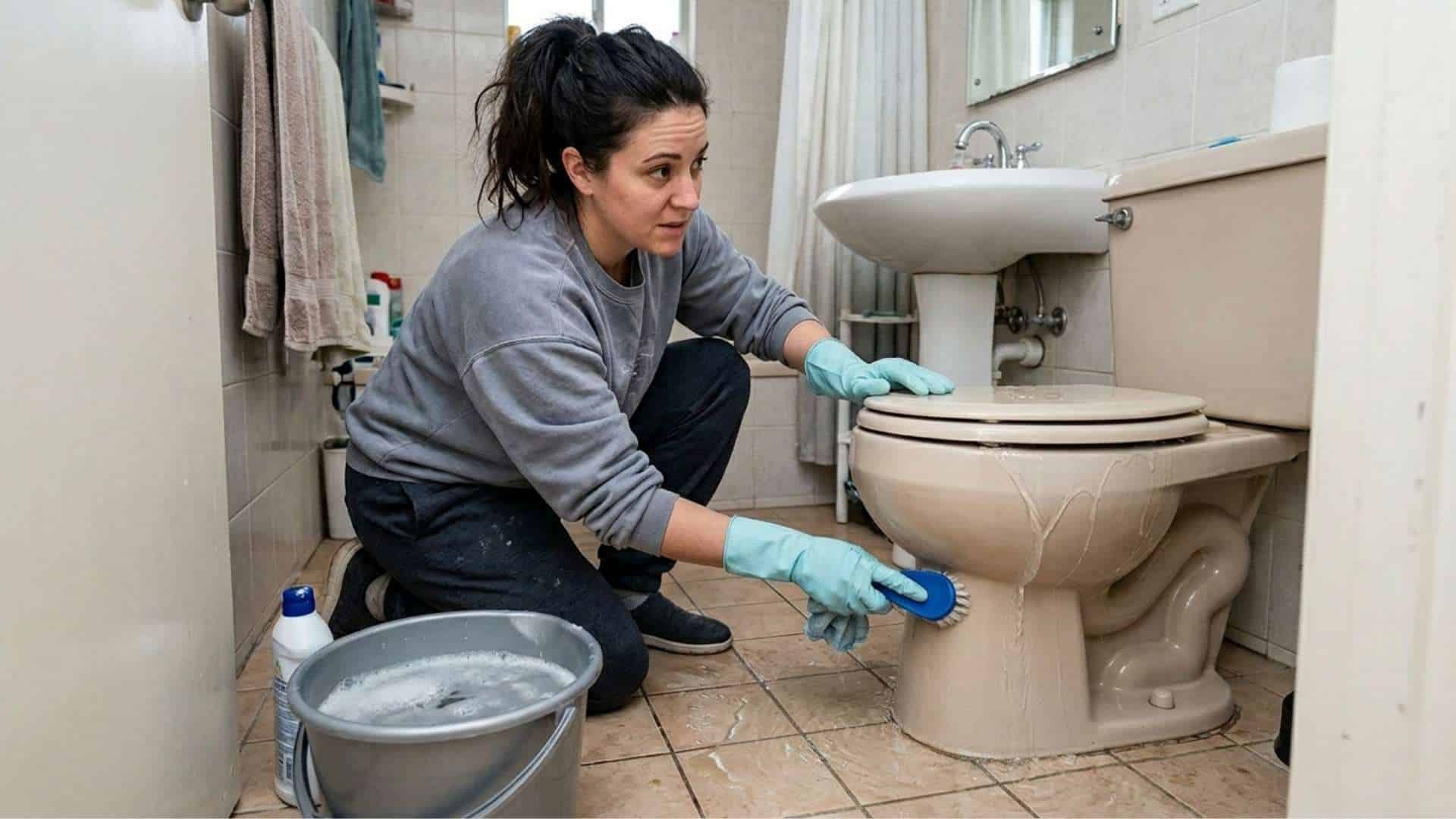
A toilet backing up into the shower drains is the kind of plumbing problem that catches most homeowners completely off guard. One moment, everything seems fine, and the next, murky water is rising where it should not, and no amount of plunging makes a difference.
What feels like a minor inconvenience almost always turns out to be something far more serious lurking deeper in the plumbing system.
A blocked main sewer line, a damaged pipe, or a backed-up septic system can all be responsible, and none of them resolve on their own.
Ignoring the early warning signs only leads to bigger damage and steeper repair costs. Understanding what causes a toilet to back up into the shower fixtures is the first step toward taking the right action.
What Is Actually Going Wrong Inside Your Plumbing
When sewage backs up into your shower, there is always a root cause hiding somewhere in your plumbing system. The most common culprit is a main sewer line clog caused by tree roots, grease, or debris blocking the primary line.
A localized buildup of hair, soap scum, or toilet paper near your bathroom fixtures can also restrict flow before it reaches the main line.
Septic system homeowners may be dealing with an overdue pump-out, which can force waste back indoors. A blocked roof vent pipe disrupts airflow and creates drainage pressure issues throughout the home.
Damaged or corroded pipes can completely obstruct wastewater flow. Identifying the right cause early is what separates a simple fix from a costly, escalating problem.
Step-by-Step: How to Fix a Toilet Backing Up Into the Shower
When your toilet backs up into the shower, it usually points to a shared drain problem. Follow these simple steps to clear the blockage and get things flowing again:
Step 1: Turn on the hot water in the Shower
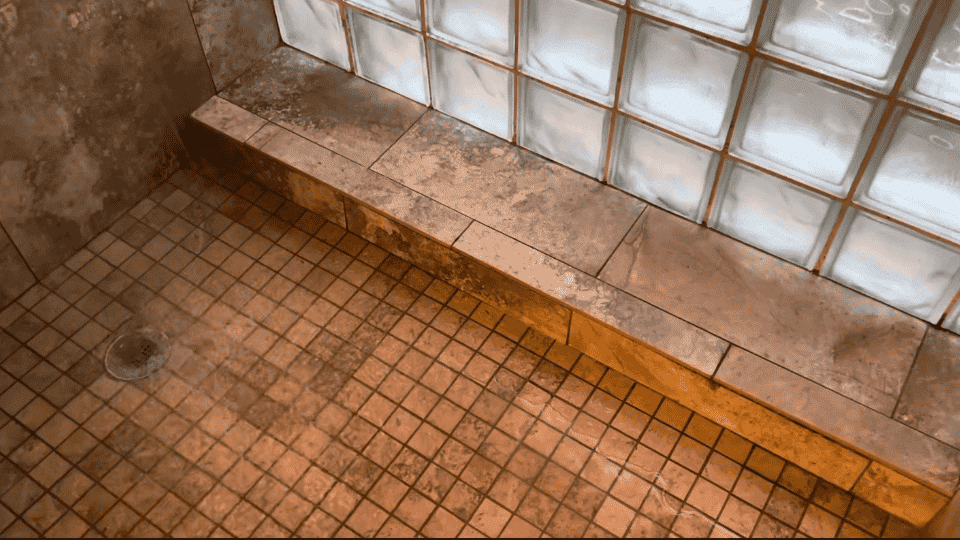
Start by turning on the hot water in your shower and let it run steadily. You want the shower base to begin filling with water. This step uses simple water pressure to push against the blockage inside the pipe.
Hot water can also help soften grease or soap buildup. Do not rush this step. Let the water collect and build enough force; this natural pressure often loosens the clog without tools.
Step 2: Let the Water Build Pressure
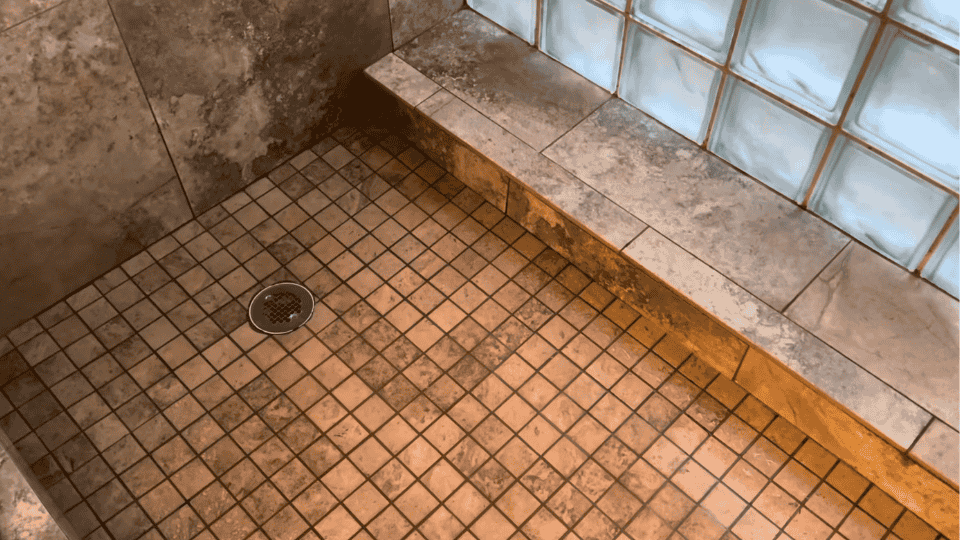
Allow the shower to keep filling until you see a noticeable level of standing water. The idea is to create enough downward pressure using the weight of the water. Once filled, pause and observe.
In many cases, the clog begins to break on its own, and you’ll notice the water slowly draining. That’s a good sign. If nothing happens right away, give it a few minutes. This step works surprisingly well in many situations.
Step 3: Add Hot Water to the Toilet
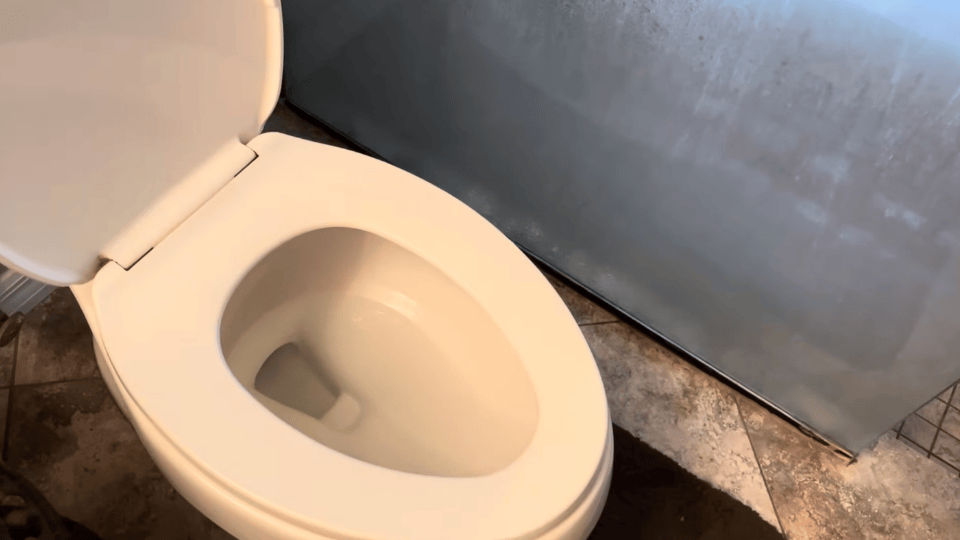
If the shower alone does not fix the issue, move to the toilet next. Carefully pour hot water into the toilet bowl until it fills higher than usual. This adds pressure from another point in the same drain system.
Now both ends are pushing against the clog. The heat can also help loosen buildup inside the pipe. Take your time and avoid splashing. This step increases your chances of clearing the blockage without using tools.
Step 4: Let Gravity Do the Work
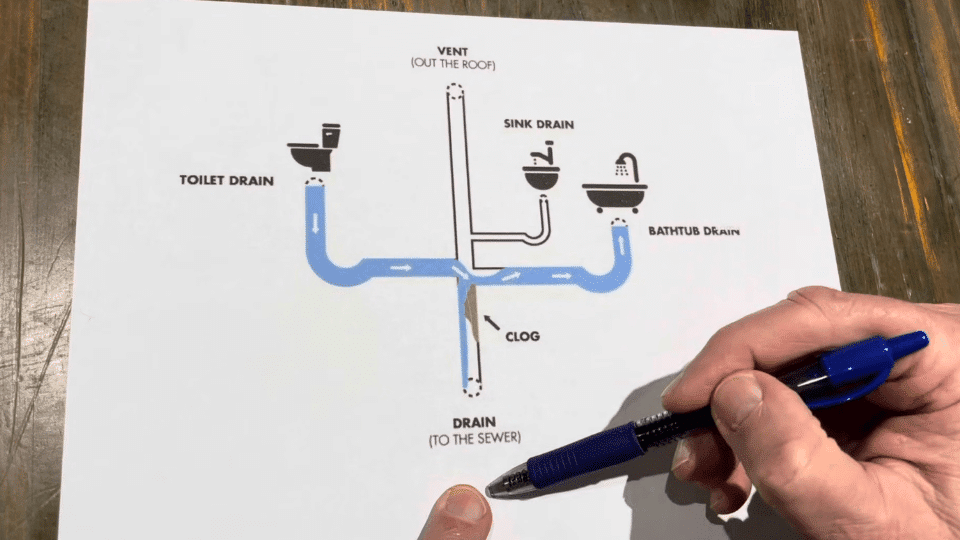
Once both the shower and toilet have water sitting in them, step back and wait. Give it around 15 to 20 minutes. During this time, gravity and pressure work together to push the clog through.
You don’t need to do anything else here. Many people skip this waiting part, but it’s important. Often, you’ll come back and find that the water has drained and the pipes are flowing normally again.
Pro tip: Use a plunger on the toilet and shower drain with steady, controlled plunges to break up and clear the blockage.
For more details, visit Papa Joe knows.
When to Call a Professional Plumber
Some plumbing problems go beyond what a DIY fix can handle, and recognizing the warning signs early can save you from serious, costly damage down the line:
- Persistent Backups: When backups keep returning despite repeated attempts to clear them, a deeper underlying issue is almost certainly at play.
- Foul Odors: Lingering sewage smells are a strong indicator that something is seriously wrong within your plumbing system.
- Multiple Fixtures Backing Up: When toilets, sinks, and showers all back up simultaneously, your main sewer line is likely compromised.
- Flooding or Water Damage: Any significant water damage in your bathroom demands immediate professional attention.
- Sewer Line Issues: Broken pipes or root infiltration require professional diagnosis and repair; no home remedy will resolve them.
Ignoring these warning signs never makes the problem disappear it only makes it worse. Calling a professional plumber at the right moment is always the smarter, more cost-effective decision.
How to Prevent Toilet Backing Up Into Shower
Preventing a sewage backup isn’t complicated it comes down to a few consistent habits and smart home maintenance choices. Here are the four most effective ways to keep your drains flowing freely and your bathroom backup-free:
- Watch What You Flush: Never flush wipes, grease, or heavy paper products they’re the leading cause of drain blockages.
- Clean Drains Monthly: Use enzyme-based cleaners or hot water flushes regularly to break down buildup before it becomes a clog.
- Schedule Annual Sewer Checks: Older homes especially benefit from yearly professional inspections to catch root intrusion or pipe damage early.
- Install a Backwater Valve: This simple device automatically prevents sewage from backing up and entering your home through low-lying drains.
- Dispose of Grease Properly: Never pour cooking oil or grease down any drain. Collect it in a container and bin it instead.
A little prevention goes a long way when it comes to your plumbing system. Staying proactive with these habits can save you thousands in repair costs and spare you from a messy, stressful emergency down the line.
How Much Does It Cost to Fix This Problem
A simple clog is a quick fix, while damaged sewer lines can become a significant investment. Here’s a clear breakdown of what you can expect to pay based on the most common scenarios:
| Problem Type | Repair Method | Estimated Cost (USD) |
|---|---|---|
| Minor Drain Clog | Plunging / Basic Snaking | $50 – $150 |
| Bathroom Drain Blockage | Professional Drain Cleaning | $100 – $300 |
| Main Sewer Line Clog | Hydro-Jetting / Rooter Service | $300 – $600 |
| Sewer Line Inspection | Camera / Video Inspection | $150 – $400 |
| Sewer Line Cleaning | Full Professional Treatment | $400 – $900 |
| Tree Root Intrusion | Root Cutting + Treatment | $600 – $1,500 |
| Pipe Repair (Partial) | Spot Repair or Relining | $1,000 – $3,000 |
| Full Sewer Line Replacement | Excavation and Replacement | $3,000 – $10,000+ |
| Septic Tank Pumping | Professional Pump-Out | $300 – $600 |
Keep in mind that early diagnosis almost always leads to a lower repair bill. Getting a professional inspection at the first sign of trouble is always the smartest and most cost-effective move.
Final Words
A toilet backing up into your shower is one of those problems that feels overwhelming in the moment, but once you understand why it happens, it becomes a lot easier to handle and even prevent entirely.
Whether it’s a simple clog or something deeper in your sewer line, acting quickly and knowing your options makes all the difference between a small fix and a costly repair. I hope this breakdown gives you the clarity and confidence to tackle the problem head-on.
Have you dealt with this issue in your own home? Did you fix it yourself or call in a professional? I’d love to hear how it went. Drop your experience in the comments below, and let’s help each other out.