

When it comes to cookware, choosing the right type can make all the difference in your kitchen. Both ceramic and stainless steel offer distinct benefits, but choosing between them depends on your cooking style, needs, and preferences.
If you want the non-stick convenience of ceramic or the durability and versatility of stainless steel, understanding their unique features is key to making the right choice.
Here, I’ll walk you through the benefits, drawbacks, and maintenance tips for both types of cookware, so you can make a more informed decision for your kitchen. Let’s dive in and discover which one works best for you!
Why Ceramic and Stainless Steel Cookware Are Essential in the Kitchen?
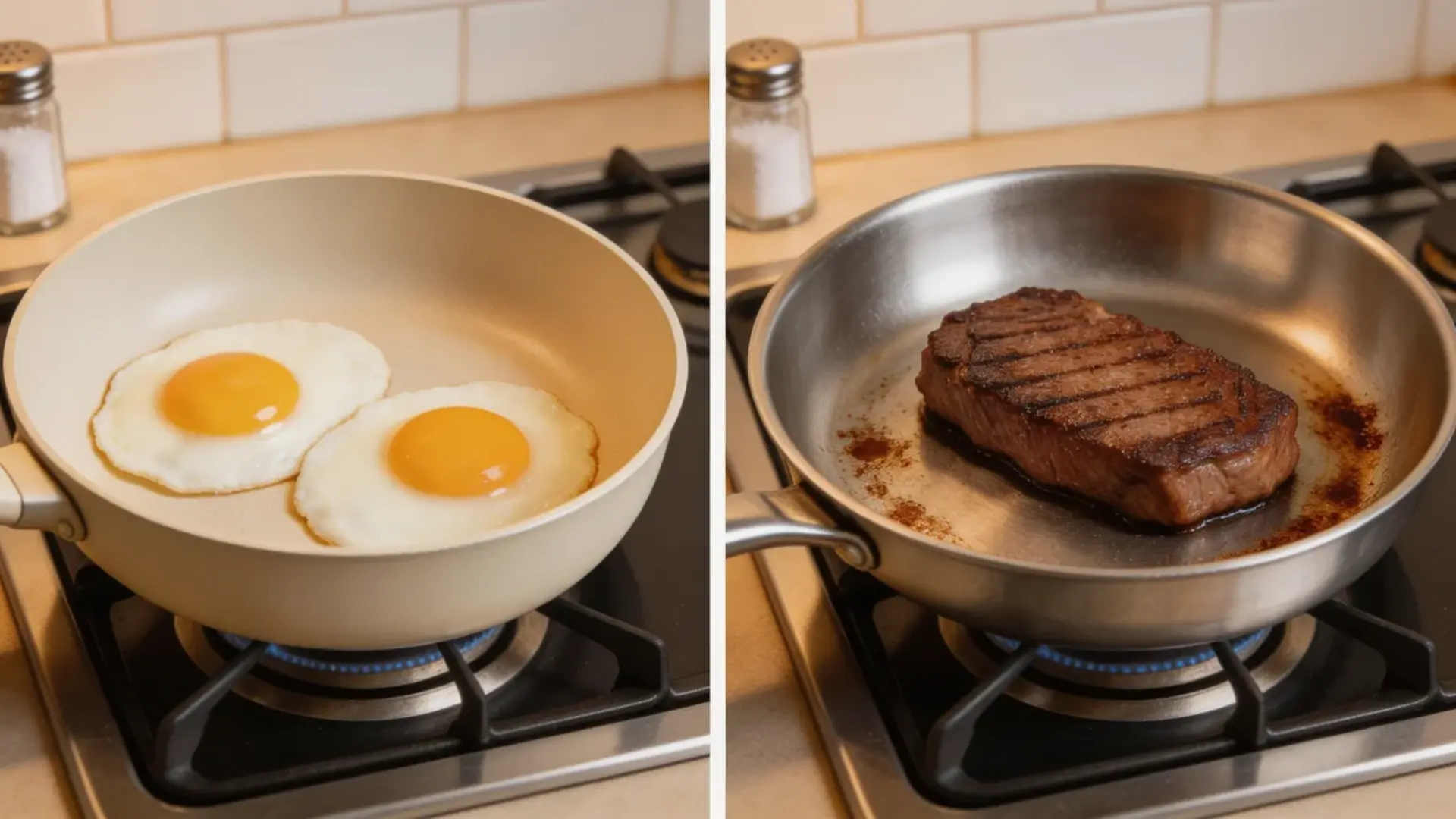
Ceramic and stainless steel cookware each offer distinct advantages, making them both essential tools in any kitchen. It’s also considered a healthier option because it doesn’t contain harmful chemicals like PTFE or PFOA. However, ceramic is best used at lower temperatures to preserve its non-stick coating, and it can be fragile if not handled carefully.
On the other hand, stainless steel cookware is known for its durability and versatility. It’s perfect for high-heat cooking, such as searing and frying, and can last for years without warping or rusting. Although it may be heavier than ceramic, it’s a long-term investment that’s ideal for both beginner and experienced cooks.
By having both ceramic and stainless steel cookware, you can enjoy a broader range of cooking techniques and results in your kitchen.
Which One Should You Choose?
| Feature | Ceramic Cookware | Stainless Steel Cookware |
|---|---|---|
| Non-stick ability | Naturally non-stick, very easy to use | Not non-stick, needs proper technique |
| Heat tolerance | Best for low to medium heat | Handles high heat very well |
| Cooking style | Good for delicate foods like eggs and fish | Best for meat, searing, and sauces |
| Ease of use | Beginner-friendly | Takes practice to master |
| Durability | Coating wears out over time | Can last for many years |
| Maintenance | Needs gentle care and soft tools | Very tough and easy to maintain |
| Cleaning | Quick and easy cleanup | May need scrubbing sometimes |
| Oil usage | Uses very little oil | Needs oil to prevent sticking |
| Cost over time | Lower upfront, but needs replacement | Higher upfront, but lasts longer |
| Best for | Everyday simple cooking | High-heat and heavy cooking |
Choosing between ceramic and stainless steel becomes simple when you look at how you cook most of the time. Ceramic is better for ease and quick meals, while stainless steel is better for control and stronger cooking.
For most kitchens, using both gives the best balance and covers all cooking needs.
Drawbacks of Ceramic vs. Stainless Steel Cookware
Here’s a look at the downsides of both ceramic and stainless steel cookware to help you make an informed decision:
Cons of Ceramic Cookware
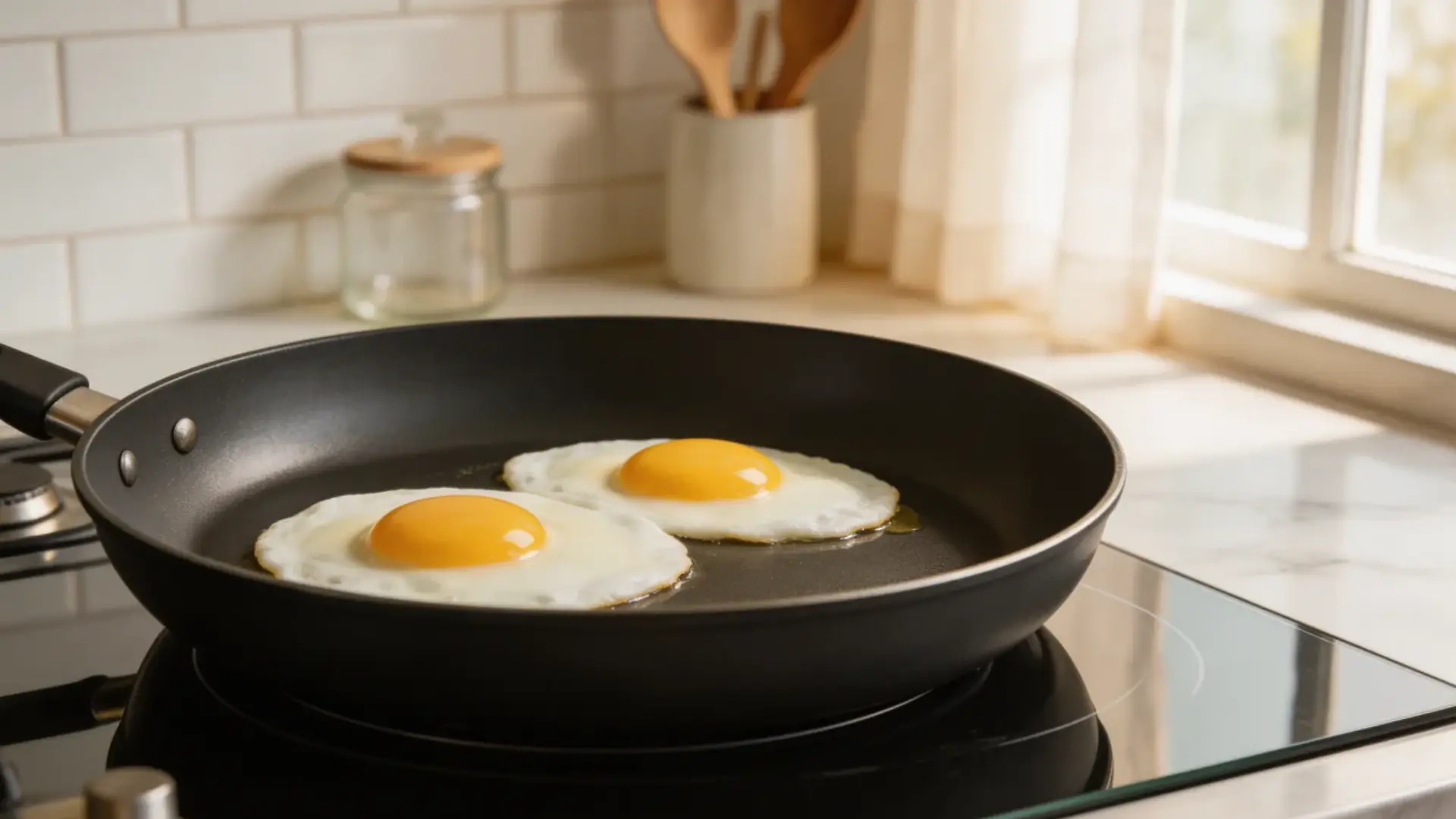
- Fragility: Ceramic cookware can chip or crack easily if dropped, making it less durable than other options.
- Not Ideal for High Heat: Ceramic cookware can lose its non-stick surface or become damaged at high temperatures, limiting its use for certain cooking methods.
- Shorter Lifespan: Compared to stainless steel, ceramic cookware may not last as long, requiring more frequent replacements.
Cons of Stainless Steel Cookware
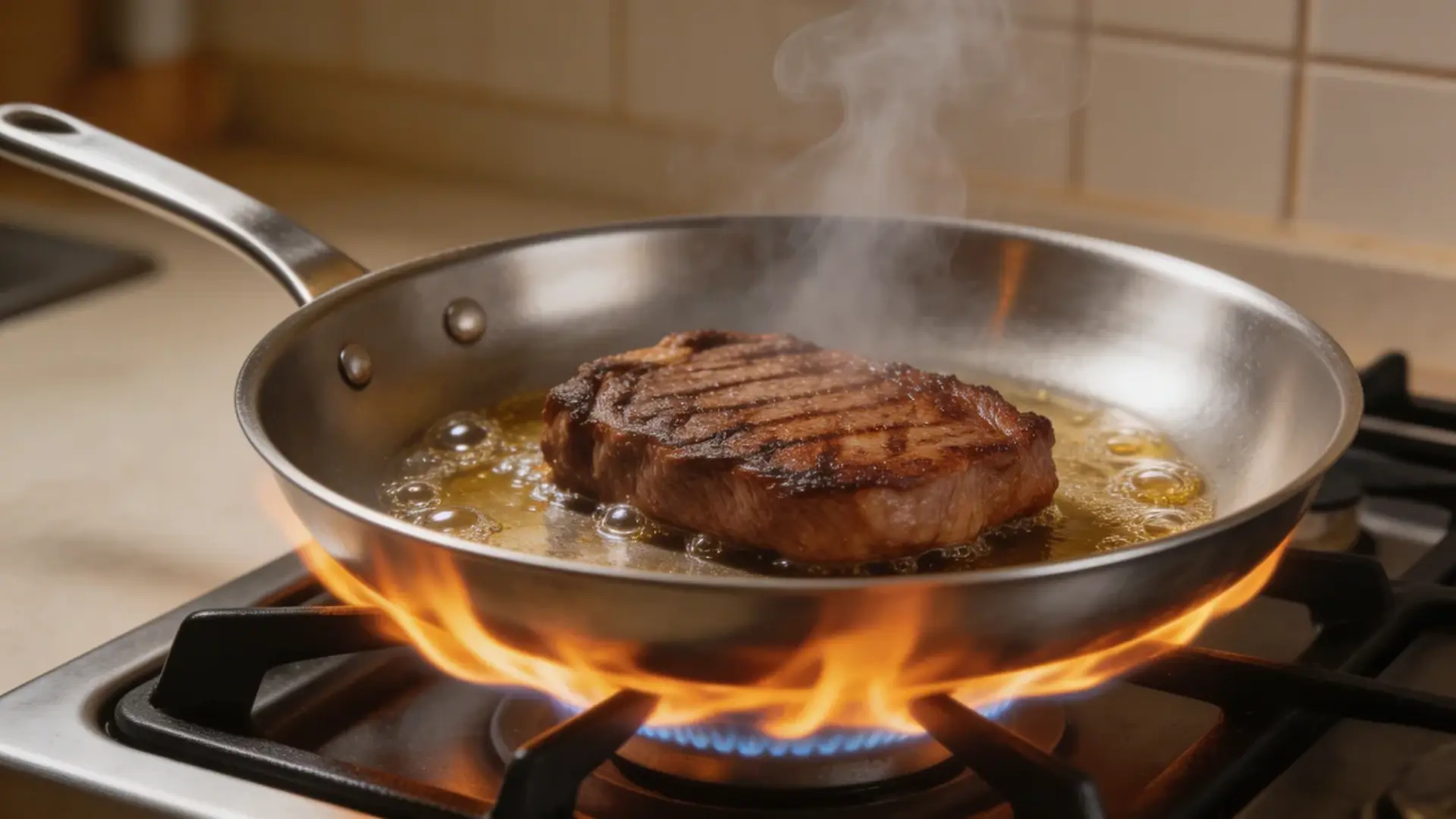
- Requires Oil or Butter for Non-Stick Cooking: Stainless steel is not naturally non-stick, so you’ll need to use more oil or butter to prevent food from sticking.
- Tendency to Stick: Food can stick to the surface unless the cookware is properly heated, which may affect cooking results.
- Can Be Heavier: Stainless steel cookware tends to be heavier, making it harder to handle, especially with larger pans.
While ceramic cookware offers great non-stick properties, it’s more fragile and not ideal for high-heat cooking. Stainless steel, on the other hand, offers durability and versatility but requires more cooking fat and can be heavy to handle.
Benefits of Ceramic Cookware
Here are the main advantages of ceramic cookware, which make it a great choice for your kitchen:
- Non-Stick Surface: Ceramic cookware is easier to clean and requires less oil for cooking, making meal preparation more convenient.
- Healthier Cooking: Unlike some traditional cookware, ceramic is free from harmful chemicals like PTFE or PFOA, ensuring safer cooking.
- Environmentally Friendly: Made from eco-friendly materials, ceramic cookware avoids the use of toxic chemicals during manufacturing, making it a better choice for the environment.
- Great for Low-Heat Cooking: Ceramic is ideal for gentle cooking or simmering, ensuring your dishes cook evenly without overheating.
Benefits of Stainless Steel Cookware
Stainless steel cookware offers a range of advantages, making it a popular choice in many kitchens:
- Durability and Longevity: Stainless steel is highly durable, resistant to warping, rusting, and staining, ensuring a long lifespan.
- Versatility: It’s compatible with all cooktops, including induction, making it a versatile addition to any kitchen.
- No Reactivity with Acidic Foods: Stainless steel is perfect for cooking tomato-based sauces and other highly acidic foods, as it doesn’t react with the ingredients.
- Heat Retention and Control: Known for its excellent heat distribution, stainless steel offers precision in high-heat cooking, ensuring better control over your dishes.
Price Comparison: Ceramic vs Stainless Steel Cookware
Ceramic cookware offers a lower upfront cost but may need to be replaced sooner due to wear on the non-stick coating.
In contrast, stainless steel cookware comes with a higher initial cost, but its durability, versatility, and long-lasting nature make it a more valuable investment over time.
| Cookware Type | Cost | Value Notes |
|---|---|---|
| Ceramic Cookware | More affordable upfront | Budget-friendly but may wear out faster, requiring replacements. |
| Stainless Steel Cookware | Higher upfront cost | Long-lasting, versatile, and durable, offering better value over time. |
While ceramic cookware is more affordable, it might not have the same lifespan as stainless steel. On the other hand, stainless steel requires a larger initial investment but is more durable, versatile, and long-lasting, offering greater value over the long haul.
Maintenance and Care: Ceramic vs Stainless Steel
To keep your cookware in great shape, it’s important to follow specific maintenance guidelines. Here are six tips for each type:
Caring for Ceramic Cookware
- Use soft utensils (wooden, silicone, or plastic) to prevent scratches on the surface.
- Avoid high heat to preserve the non-stick coating and prevent cracking.
- Clean with mild soap and water to avoid harsh chemical cleaners.
- Hand-washing instead of using the dishwasher to extend its lifespan.
- Store carefully to prevent chips or cracks, avoid stacking.
- If the coating starts to wear, avoid using it for high-heat cooking to prevent further damage.
Caring for Stainless Steel Cookware
- Wash promptly after use to prevent stains, discoloration, or food buildup.
- Use a soft cloth or sponge to clean the surface, avoiding scratches.
- Use Bar Keepers Friend or other stainless steel cleaners to remove spots and maintain its shine.
- Avoid cooking on extremely high heat for long periods to prevent warping.
- Dry immediately after washing to prevent water spots.
- For tough stains, boil a vinegar-and-water mixture to help remove discoloration.
Proper care will ensure your cookware stays in excellent condition, helping you enjoy cooking with both ceramic and stainless steel for years.
Common Mistakes People Make
Small mistakes with cookware can affect both performance and lifespan. When you understand what to avoid, you get better results, and your pans last longer with less effort.
- Using high heat on ceramic: Ceramic cookware is not designed for high temperatures, and using it at high heat can damage the coating and reduce its non-stick performance over time.
- Not preheating stainless steel: Stainless steel needs proper preheating before adding oil and food; sticking becomes more likely, and cooking results may feel inconsistent.
- Using metal utensils on ceramic: Metal tools can scratch the surface, which slowly weakens the coating and shortens the life of the pan.
- Expecting stainless steel to act like non-stick: Stainless steel works differently, and expecting food to slide easily without the right method can lead to frustration and poor results.
- Replacing cookware too late: Continuing to use worn-out ceramic pans or damaged cookware can affect cooking quality and make food stick more than usual.
When you avoid these common mistakes, both ceramic and stainless steel cookware perform much better. Simple habits like using the right heat and tools can make a big difference in how your food turns out and how long your cookware lasts.
Wrapping Up
After using both ceramic and stainless steel cookware, I’ve realized that the real advantage comes from combining them, not choosing between them. Ceramic is great foreasy, low-heat cooking and health-conscious users, while stainless steel excels in durability, versatility, and high-heat cooking.
If you prioritize long-lasting, professional-quality cookware, stainless steel is the way to go. However, if you prefer non-toxic, low-maintenance cooking, ceramic might be your best bet.
This balance helps you cook more comfortably without running into common problems. If you’re setting up your kitchen or thinking about upgrading your cookware, this approach can make a real difference. If you found this helpful, I’d suggest checking out my other blogs and sharing your thoughts. I’d love to know what works best for you.