
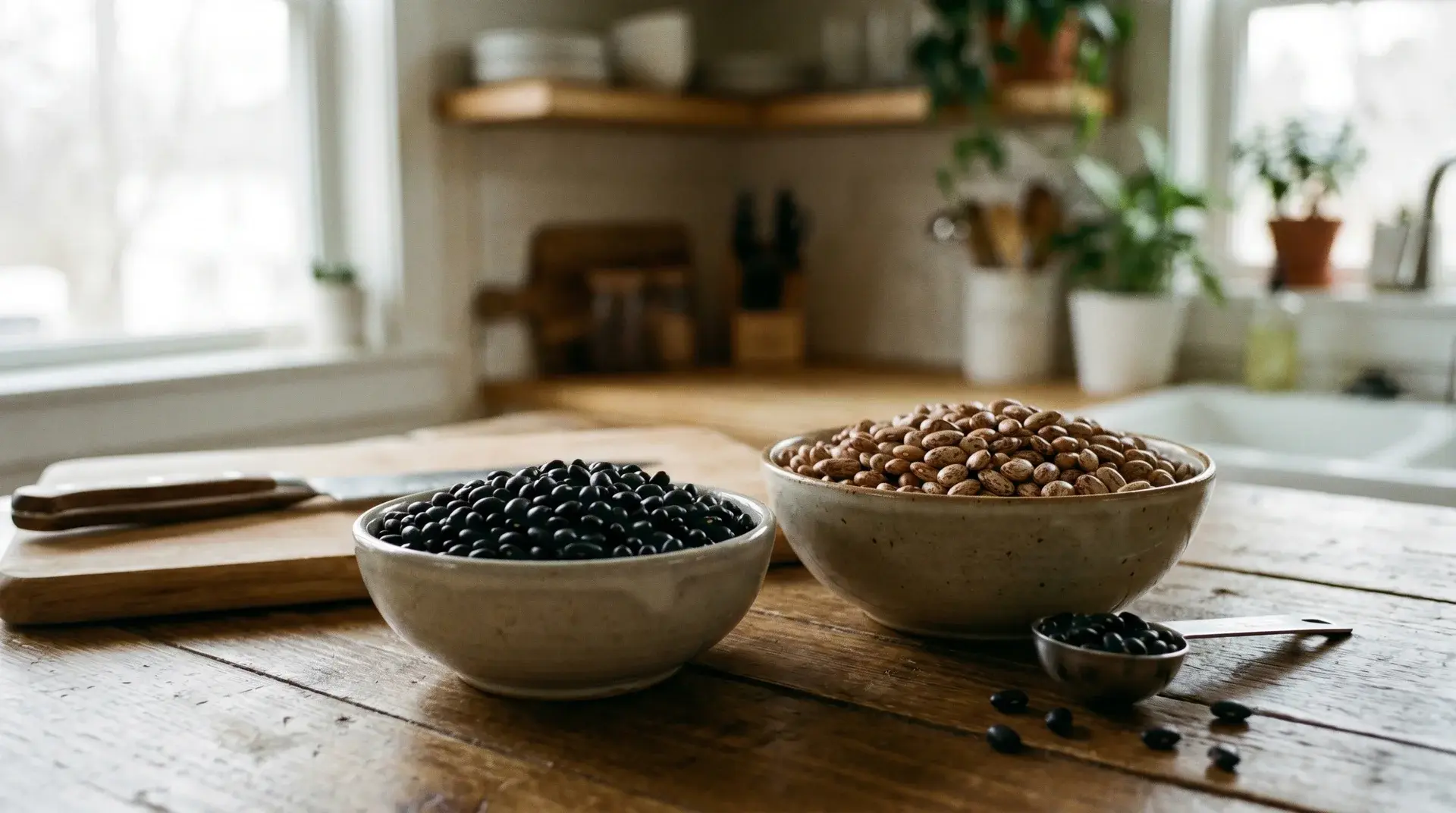
When you’re at the grocery store, deciding between black beans and pinto beans can be confusing. Both options are nutritious, but how do you know which one best supports your health goals?
If you’ve wondered about the differences between black beans and pinto beans nutrition, you’re not alone. It’s a common question, especially when you’re aiming to make informed food choices. In this guide, I’ll compare the nutritional benefits of both beans, helping you understand how each one can contribute to your diet.
Whether you’re looking to manage your weight, improve heart health, or simply add variety to your meals, this blog will break down the facts. By the end, you’ll have a clear understanding of which bean is right for you. Ready to dive in? Let’s explore!
Nutritional Breakdown of Black Beans and Pinto Beans
When comparing black beans and pinto beans, it’s clear they both pack a punch in terms of nutrition, but they each offer unique benefits. Here’s how they measure up in key categories like calories, protein, fiber, and important vitamins and minerals.
| Nutrient | Black Beans (1 cup) | Pinto Beans (1 cup) |
|---|---|---|
| Calories | 227 kcal | 245 kcal |
| Protein | 15g | 15g |
| Fiber | 15g | 15g |
| Magnesium | 120 mg | 74 mg |
| Iron | 3.6 mg | 2.5 mg |
| Folate | 256 mcg | 294 mcg |
| Calcium | 46 mg | 78 mg |
Both beans provide similar calories and protein, but black beans are higher in magnesium and iron, while pinto beans have more folate and calcium. Depending on your specific nutrient needs, either bean could be a great addition to your diet.
Health Benefits of Black Beans and Pinto Beans
Black Beans: Health Benefits
1. Blood Sugar Control and Digestive Health: Black beans have a low glycemic index, meaning they release sugars into the bloodstream slowly. This helps stabilize blood sugar levels and provides consistent energy throughout the day. The high fiber content in black beans also aids digestion and supports gut health.
2. Heart Health: Black beans are rich in anthocyanins, antioxidants responsible for their dark color. These antioxidants help reduce inflammation, which is essential for heart health. Additionally, black beans are high in magnesium, which helps regulate blood pressure and maintain a healthy heart.
3. Weight Management: Black beans are lower in calories compared to some other beans, making them a great choice for those managing their weight. The fiber in black beans helps keep you feeling full longer, reducing the chances of overeating and supporting weight control efforts.
Pinto Beans: Health Benefits
- Blood Sugar Control and Digestive Healt: While pinto beans have a slightly higher glycemic index, they are still excellent for blood sugar management. Their fiber content helps slow down sugar absorption, stabilizing blood sugar levels. Pinto beans are also easier to digest for some people, making them a gentler option for those with sensitive stomachs.
- Bone Health: Pinto beans are higher in calcium than black beans, which supports strong bones and helps prevent bone loss. Regular consumption of pinto beans can help maintain bone density and combat issues like osteoporosis.
- Heart Health: Pinto beans are rich in folate, which helps support heart health by improving blood flow. Folate also helps lower homocysteine levels, reducing the risk of heart disease.
- Weight Management: Like black beans, pinto beans are packed with fiber, making them a great option for weight management. They promote feelings of fullness and support digestion, helping you maintain a healthy weight.
Simple Ways to Add Black Beans and Pinto Beans to Regular Meals
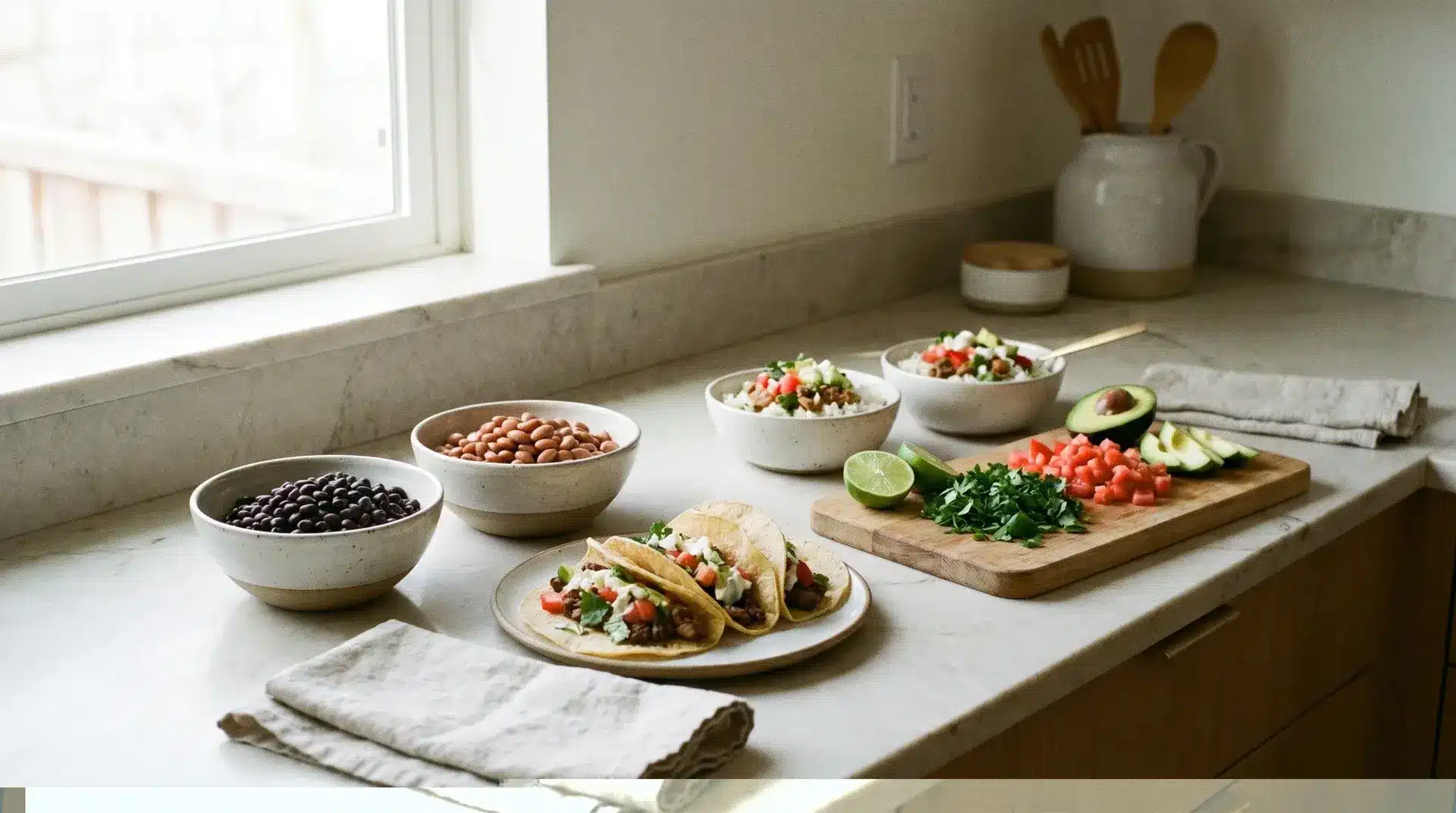
Black beans and pinto beans both add fiber, protein, and minerals to daily meals, but I don’t use them the same way. When I read nutrition labels or compare foods, I look beyond calories. Texture, sodium, fiber, and how the food fits into real meals matter too.
Black beans are my pick when a dish needs shape and bite. Pinto beans are my pick when a meal needs a soft, creamy base.
| Daily Use Factor | Black Beans | Pinto Beans |
|---|---|---|
| Texture | Firm and holds shape well | Soft, creamy, and easy to mash |
| Best for | Salads, rice bowls, soups, veggie burgers | Tacos, chili, burritos, dips |
| Meal prep use | Better for cold meals and packed lunches | Better for reheated meals and batch cooking |
| Best flavors | Lime, corn, peppers, cilantro, rice | Cumin, garlic, salsa, tortillas, chili spices |
| Best diet fit | Good for lighter meals with more texture | Good for warm, filling meals |
| Quick tip | Use when you want beans to stay whole | Use when you want a smooth or creamy base |
For breakfast, I like black beans in egg bowls or breakfast burritos because they don’t turn mushy. Pinto beans work better when you want a softer filling with eggs, salsa, avocado, and tortillas.
For lunch, black beans are easier to use in salads, wraps, and grain bowls. They hold up well in the fridge, which helps if you prep meals ahead. Pinto beans are better for quesadillas, tacos, or burritos when you want a creamy filling.
For dinner, I’d use pinto beans in chili, taco filling, refried beans, or thick soups. They make meals feel fuller without needing heavy sauces. Black beans work better in rice dishes, bean burgers, and soups where you want each bite to keep some texture.
For snacks and sides, mashed pinto beans with garlic, cumin, and lime make a quick dip. Black beans work well with corn, tomato, onion, and lime for a quick side salad.
If you use canned beans, rinse them first to lower sodium. If you use dried beans, soak them and cook them until fully soft. That small step helps with texture and digestion.
Common Side Effects of Black and Pinto Beans
Beans are a fantastic source of nutrition but can cause digestive discomfort for some people. Here are the most common side effects:
-
Bloating and Gas: Both black and pinto beans contain oligosaccharides, which are difficult to digest and can cause gas and bloating when they ferment in the large intestine.
-
Digestive Discomfort: Due to their high fiber content, beans can cause cramping, bloating, or diarrhea, especially for people not accustomed to a high-fiber diet.
-
Flatulence: Excessive gas production is a common issue when consuming beans, leading to flatulence, especially if they are not prepared properly.
How to Make Black and Pinto Beans Easier to Digest
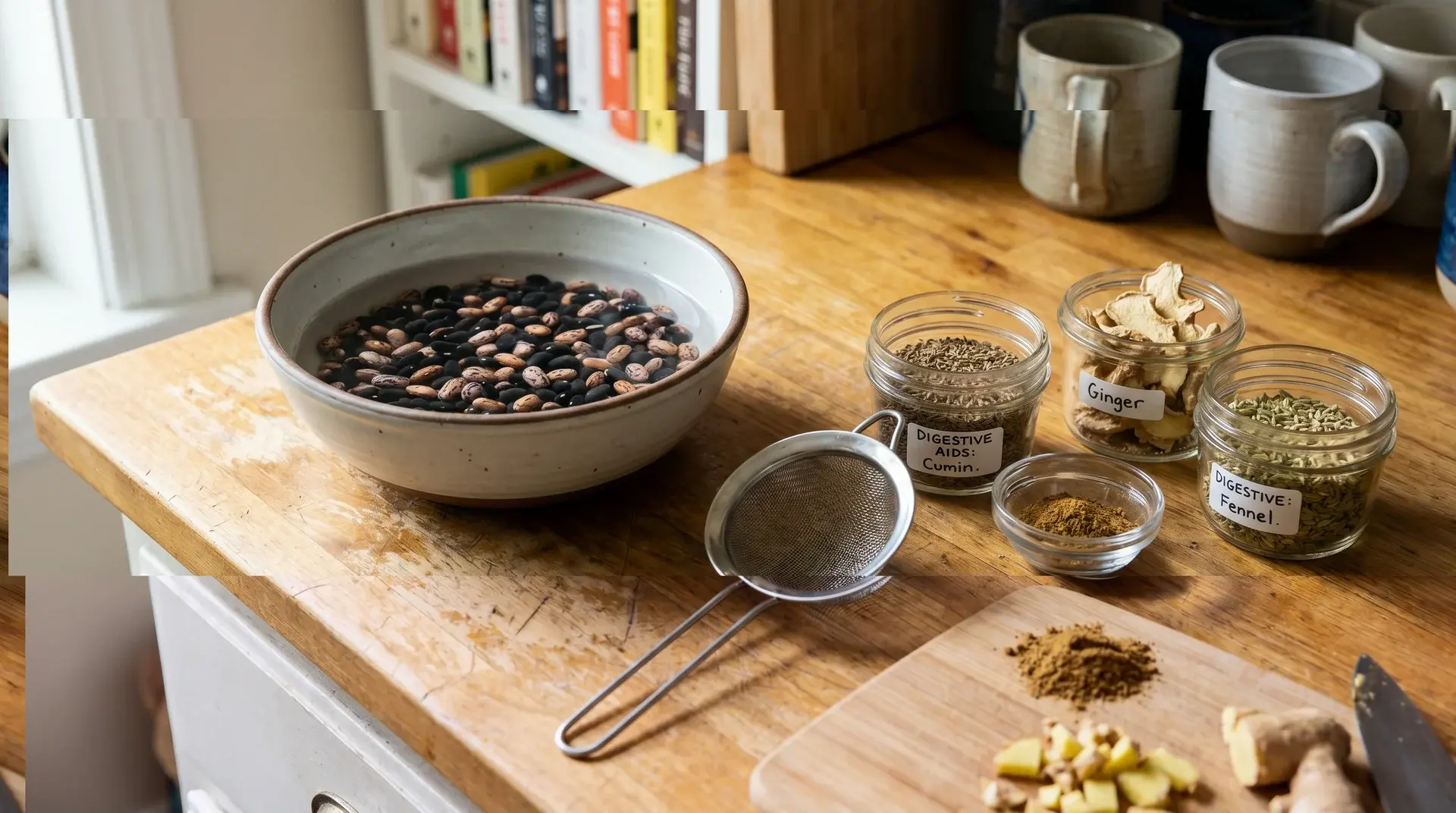
Here are effective ways to reduce discomfort when eating black or pinto beans:
-
Soak the Beans: Soak both black and pinto beans overnight and discard the soaking water before cooking. This helps to remove oligosaccharides that cause bloating and gas.
-
Gradual Introduction: Start by eating small portions of beans and gradually increase your intake over time. This allows your digestive system to adjust to the higher fiber content.
-
Cook Thoroughly: Ensure that beans are fully cooked, as undercooked beans are harder to digest and can lead to more discomfort.
-
Use Digestive Spices: Add spices like cumin, ginger, and fennel to your bean dishes. These spices help improve digestion, reduce bloating, and minimize gas.
Final Words
Black beans and pinto beans are both healthy choices, but each one gives you a slightly different benefit. Black beans offer more iron and magnesium, while pinto beans provide more folate and calcium. When you compare black and pinto beans’ nutrition, the better choice depends on what your body needs and how you plan to use them in meals.
I like to look at foods through simple numbers, such as calories, protein, fiber, and key minerals, because that makes daily food choices much easier. You can use black beans for firmer dishes like salads and soups, while pinto beans work well in tacos, chili, and creamy sides.
Keep both in your pantry if possible. For more clear food comparisons and nutrition tips, check out other blogs next.
Frequently Asked Questions
Which bean is easier to digest?
Pinto beans are generally easier to digest compared to black beans due to their creamier texture. However, both beans can cause bloating if consumed in large quantities, so gradual introduction is key.
Can I swap black beans and pinto beans in recipes?
Yes, black beans and pinto beans can be used interchangeably in many recipes. Black beans have a firmer texture, while pinto beans are creamier, but both work well in soups, tacos, and salads.
Do canned beans and dried beans differ in nutrition?
Canned and dried beans are similar in nutrition, but canned beans often have added sodium. To reduce this, rinse canned beans thoroughly before using, which helps lower sodium content and improve digestibility.
What’s the best way to reduce gas from beans?
To reduce gas, soak dried beans overnight and discard the soaking water before cooking. Rinsing canned beans and incorporating digestive aids like cumin, fennel, or ginger in recipes can also help prevent discomfort.