

In Los Angeles, a property’s worth goes way beyond its square footage or the prestige of its zip code. The local housing market is incredibly fast-moving, shaped constantly by shifting lifestyle trends, architectural tastes, and a permanent demand for updated spaces. Whether you are looking at a hillside retreat in Hollywood Hills, a dense lot in Koreatown, or a sprawling mid-century build in the Valley, value can fluctuate dramatically from one block to the next.
While most people assume location does all the heavy lifting, seasoned homeowners and real estate pros know that a property’s condition and physical upgrades are just as vital to its long-term market standing.
Location in Los Angeles: More Than Just an Address
Location is always going to be a foundational pillar of LA real estate, mostly because the city is a patchwork of highly distinct neighborhoods. Santa Monica, Beverly Hills, Silver Lake, and Pasadena each cater to entirely different lifestyles driven by their proximity to the beach, entertainment studios, top-tier schools, or major business hubs.
But in LA, “location” gets incredibly granular. It is rarely just about geography; it is about the micro-features. Street noise, a specific hillside view, walkable blocks, dedicated parking, and how close you are to the neighborhood coffee shop all dictate price points. Two homes sitting on the exact same street can see massive valuation gaps based on these details alone.
That said, a prime location isn’t a permanent safety net. A home in a gorgeous neighborhood will still lose its edge if it is left to deteriorate. To get a realistic picture of how these neighborhood dynamics affect pricing, running a regular property value search is an easy way to see how comparable homes are actually trading across different pockets of the city.
Condition: The Factor Buyers Notice Immediately
In a market as competitive as Los Angeles, a home’s condition sets the entire tone for a sale. LA buyers are notoriously impatient with deferred maintenance; they generally expect a place to be either flawlessly updated or functional enough to move right into without a headache.
Condition covers the big structural pillars like roofing, plumbing, updated panels, and solid foundations but it also hinges on immediate visual cues. Hardwood finishes, cabinetry, paint choices, and lighting fixtures matter. Even if a house has perfect bones, an outdated interior instantly drags down its market appeal.
Because design trends move quickly here, presentation is everything. Buyers actively hunt for open layouts, generous natural light, and clean finishes over cramped, segmented floor plans.
The local climate plays a role here too. Intense sun exposure, sudden heavy winter rains, and seismic shifts take a toll on building materials. Consistent upkeep keeps these elements from turning into costly structural issues down the line.
Home Improvements: Where Value Can Be Shaped
 Unlike your location, renovations are the one variable you actually control. In LA, the choices you make during a remodel should strike a balance between your personal lifestyle and what the immediate neighborhood expects.
Kitchens and bathrooms still offer the most direct return on investment. A kitchen with a smart workflow, modern appliances, and clean lines is a massive selling point. Similarly, bathrooms that maximize space with contemporary tiling and fixtures completely change a buyer’s perception of a home.
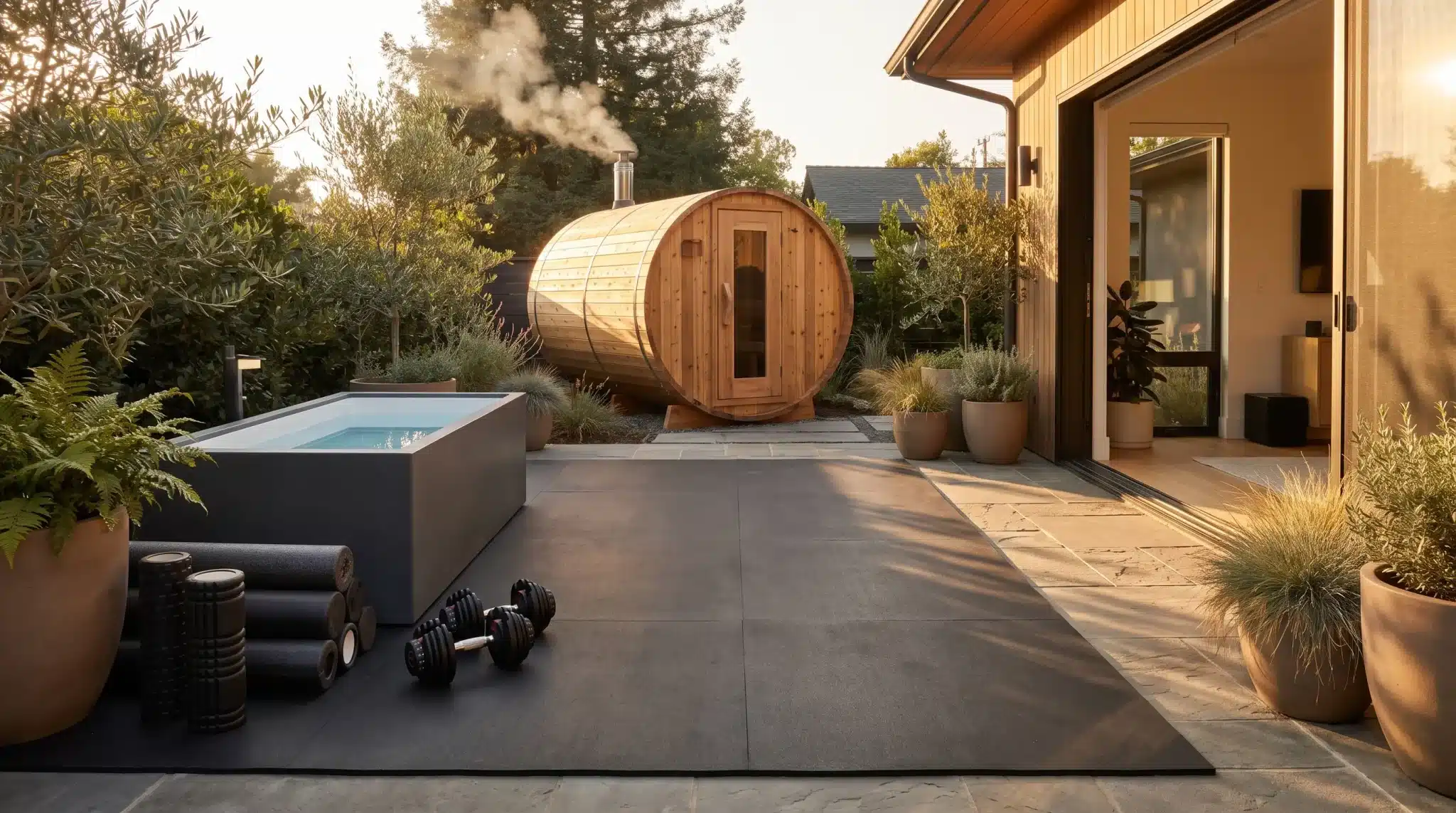
Because of the Southern California climate, outdoor living spaces are arguably just as crucial as the interior. Patios, decks, and thoughtfully landscaped yards act as functional extensions of the living room.
Current design shifts favor seamless indoor-outdoor transitions, clean lines, and organic materials. This aesthetic is at the absolute forefront of home remodeling in Los Angeles, with modern homeowners prioritizing open layouts, utility, and visual polish.
How These Three Factors Work Together
Real estate value does not exist in a vacuum. It relies entirely on how location, condition, and upgrades feed into one another.
A home in a premier neighborhood will still stall on the market if the roof is leaking and the interior feels stuck in the 1980s. On the flip side, a beautifully renovated property in a less trendy area might struggle to hit a record-breaking price ceiling. The sweet spot is often a well-maintained home in a solid, mid-tier location that features smart, practical upgrades.
This balance matters because LA buyers are rarely just purchasing real estate they are buying into a specific lifestyle. A home needs to deliver on comfort, aesthetics, and daily functionality to stand out.
Making Smarter Home Decisions in Los Angeles
When mapping out updates, homeowners can easily get overwhelmed by choices, ranging from simple paint refreshes to gut renovations. The trick is focusing your budget where it actually moves the needle.
Kitchen and bath overhauls remain the safest bets because they get the most daily mileage and carry the highest visual weight. At the same time, practical updates like solar readiness, smart climate control, and better storage options are becoming major selling points.
Proactive planning saves money. Instead of waiting for something to break, maintaining a steady timeline for updates prevents minor issues from compounding into massive financial drains.
Why Understanding Property Value Drivers Matters
Navigating a real estate landscape as diverse and fast-paced as Los Angeles requires a clear strategy. Understanding these value drivers helps you cut through the noise and budget effectively for future projects.
It isn’t just about forcing equity into the home; it is about protecting an asset so it aligns with where the market is heading. Tracking regional data through a property value search gives you the benchmark data needed to ensure your renovation choices match your long-term financial goals.
Final Thoughts
At the end of the day, LA property value comes down to a delicate mix of where a home sits, how well it has been cared for, and how smartly it has been updated. Location gives you your floor, condition preserves your investment, and thoughtful home remodeling in Los Angeles raises your ceiling. Balancing all three is what makes a property truly stand out in this market.