


Choosing a lawn mower often feels confusing when prices range from under $150 to well over $1,000. Models look similar, but the costs and performance can be very different. A clear price comparison helps you match mower type, features, and quality to your yard and budget. Instead of focusing only on the sticker price, it pays to look at long‑term value, including maintenance, durability, and energy use. This guide breaks down what drives lawn mower prices, how to compare brands, and where to find the best deals. Use it as a roadmap to avoid overpaying, skip gimmicks, and buy a mower that actually fits your lawn.
How Do Lawn Mower Prices Vary by Type and Features?
Price Differences Between Gas, Electric, and Battery Mowers
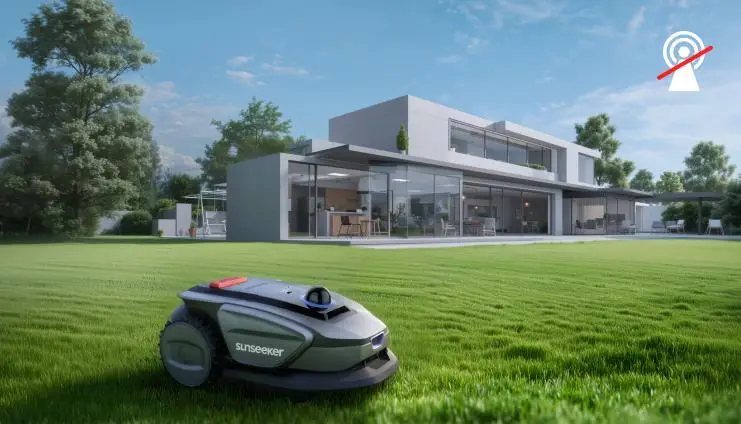
Gas lawn mowers usually cost more upfront than basic corded electric models, but they deliver more power and often a wider cutting deck. Entry gas push mowers often start around the mid‑$200 range and climb quickly with brand reputation and extra features. Corded electric mowers tend to be the cheapest option, often coming in between $150 and $300, but they require an extension cord and suit smaller yards. Battery‑powered mowers sit between gas and corded on price, with many homeowner models in the $300 to $700 range, especially when batteries and chargers are included. Their main cost driver is battery capacity and brand system. Robotic mowers, meanwhile, usually start higher and can reach premium price brackets.
How Features Affect Lawn Mower Pricing
Lawn mower prices jump each time you add convenience and performance features. Self‑propelled drive adds a noticeable premium over basic push models because it uses more parts and a more complex transmission. Larger cutting decks reduce mowing time but increase steel, motor, or engine size, and price follows. Versatile cutting systems that offer bagging, mulching, and side discharge often cost more than single‑mode designs. Adjustable speed, easy‑start systems, and electric push‑button start also push prices up. On battery models, higher voltage systems and larger amp‑hour batteries greatly influence cost, especially if they share a tool platform. Comfort features like ergonomic handles, better wheels, and smart storage all add smaller premiums but still affect the final price.
Entry-Level vs Premium Lawn Mower Cost Breakdown
Entry‑level lawn mowers focus on basic cut quality at the lowest possible price. These models often have smaller decks, fewer adjustments, and simpler engines or motors, keeping prices in the lower hundreds. You may see more plastic parts and shorter warranties. Mid‑range mowers add stronger engines, better cutting systems, and improved ergonomics, landing in the middle price tier many homeowners choose. Premium lawn mowers jump further with heavy‑duty steel decks, commercial‑grade engines, advanced self‑propel systems, and upgraded bearings and controls. These models often cost several times more than basic versions. They target large lawns and frequent use, where durability, faster mowing, and comfort justify the investment and can reduce long‑term cost per season.
What Should You Compare Before Buying a Lawn Mower?
Comparing Brands, Build Quality, and Performance
Brand reputation often signals how a mower will perform and how easy it will be to service. Well‑known lawn equipment brands usually offer better parts support and dealer networks, which matters when blades, belts, or batteries need replacement. Compare deck material, wheel strength, and handle stability to judge build quality. A solid deck with minimal flex often lasts longer and resists rust and impacts. Performance depends on engine power or motor wattage, cutting deck size, and how evenly the mower discharges or mulches clippings. Look at independent reviews and homeowner feedback for real‑world performance reports, not just marketing claims. Testing how a mower handles thick or wet grass in reviews helps you spot underpowered models.
Warranty, Maintenance Costs, and Long-Term Value
A low price can be misleading if the mower has a short warranty or expensive maintenance needs. Compare warranty length on both the mower and key parts like engines, motors, and batteries. Longer coverage often signals more confidence from the manufacturer. Check recommended maintenance intervals for oil changes, air filters, spark plugs, and blade sharpening on gas models. For electric and battery mowers, factor in replacement battery cost and expected lifespan. Consider fuel use for gas mowers and energy use for corded or battery units. When you spread total costs over several seasons, a slightly more expensive mower with low upkeep and a strong warranty can offer better long‑term value than a bargain model with frequent repairs.
Online vs In-Store Price Comparison Strategies
Online shopping makes it easy to compare lawn mower prices across multiple retailers in minutes. Use product pages to check specifications, customer ratings, and detailed photos, then compare identical model numbers to avoid confusion. Look for online‑only discounts, bundled accessories, and free shipping, which can offset higher list prices. In‑store shopping lets you inspect build quality, handle feel, and wheel alignment in person. You also avoid shipping damage and can ask staff questions. A smart strategy mixes both: research models and prices online, then examine them in a store when possible. Use your phone to cross‑check prices on the spot, and ask stores if they match verified online prices from major competitors.
How Can You Get the Best Value for Your Budget?
Timing Your Purchase for Seasonal Discounts
Lawn mower prices typically follow seasonal patterns. Retailers usually stock new models before spring, when demand rises and discounts are smaller. As the mowing season peaks in late spring and early summer, sales focus more on popular sizes and brands, but the best prices often appear later. Late summer and early fall frequently bring clearance deals as stores make room for snow equipment or other seasonal items. End‑of‑season closeouts sometimes offer significant markdowns on current‑year models. Holiday weekends, such as Memorial Day and Labor Day, often feature promotional sales as well. If your current mower still works, waiting for these periods can unlock better value. Just act quickly on good deals, since stock can be limited.
Using Coupons, Deals, and Price Tracking Tools
Smart buyers combine sales with extra savings tools. Many home improvement and outdoor power retailers offer email sign‑up coupons or first‑time customer discounts that you can apply to lawn mowers. Cashback and rewards programs may return a portion of your purchase, adding hidden value. Online, use price comparison websites and browser extensions that highlight better offers and apply coupon codes at checkout. Some tools track price history, showing if a mower is truly discounted or if the “sale” is just the regular price. Setting alerts on specific models helps you catch price drops without constant checking. When buying battery mowers, watch for bundle deals including spare batteries or chargers, which often beat buying components separately.
Avoiding Common Buying Mistakes and Overpaying
Many shoppers overpay for features they do not need or choose a mower that does not fit their lawn size. Before shopping, measure your yard and note slopes, tight corners, and obstacles. A huge deck sounds attractive but can be awkward in small or complex yards. Do not buy solely based on brand name or the highest advertised power; match power to grass type and growth. Avoid ignoring operating costs, such as fuel, oil, and batteries, when comparing prices. Skipping reviews and relying only on store displays can also lead to disappointment. Finally, resist impulse buys during the first store visit. Take notes, compare models at home, and return with a clear decision and budget.
Conclusion
Lawn mower price comparison becomes much easier when you focus on the factors that truly affect cost and value. Type of mower, key features, brand reputation, and long‑term maintenance all shape what you will pay over several seasons. By checking both online and in‑store prices, timing your purchase around sales, and using coupons and tracking tools, you can stretch your budget and get the best time to buy a lawn mower further. Most importantly, match the mower to your yard size, grass, and comfort needs instead of chasing the cheapest tag or the flashiest model. With a clear plan, you can avoid common buying mistakes and invest in a mower that cuts well and lasts.