

You’ve probably picked up a bottle of green juice at some point, looked at the label, and thought — wait, is this actually nutritious or am I just drinking expensive vegetable water? It’s a fair question. Green juices can look wildly similar on the outside while being pretty different on the inside, depending on what went into them.
This breakdown covers what you typically find in a vegetable-based green juice blend — the nutrients, the calories, and what the ingredient list actually means for your glass.
What Goes Into a Green Juice?
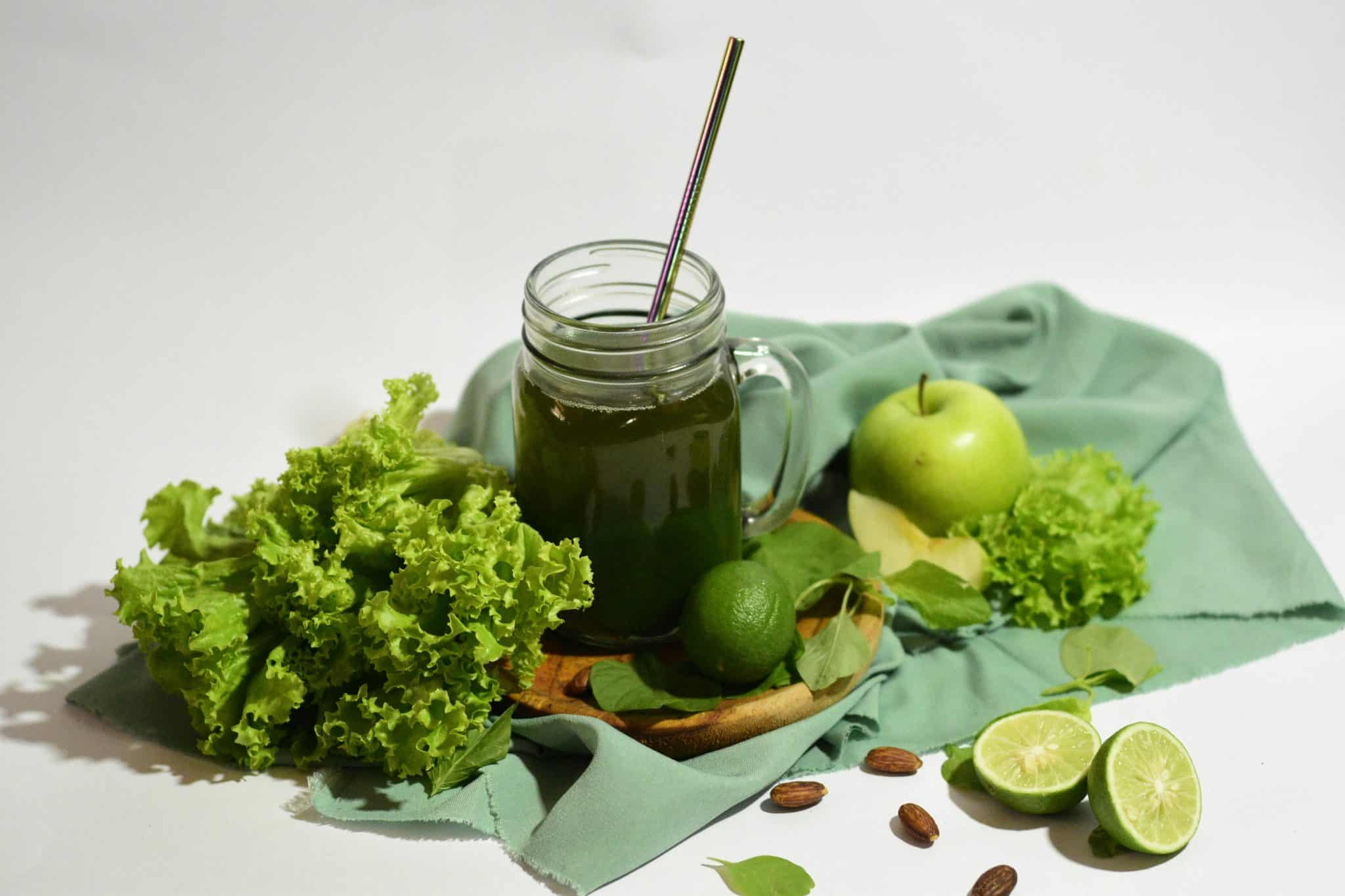
Most green juice blends are built around leafy greens like spinach, kale, and romaine, with cucumber and celery adding volume and a lighter, more drinkable flavor. From there, you’ll usually see something acidic or sweet — lemon, green apple, or ginger — to balance out the bitterness.
The exact combination matters a lot. A juice that leans heavily into kale and spinach will have a different nutritional profile than one padded out with apple and pineapple. Both are green. They’re not the same thing.
Calories in Green Juice
This surprises people: green juice is often lower in calories than expected, especially when it’s primarily vegetable-based. A 12 oz serving made mostly from cucumber, celery, spinach, kale, and a squeeze of lemon can come in anywhere from 45 to 80 calories.
Add a full apple or a significant amount of fruit to that blend and the calorie count climbs — sometimes past 150 calories for the same serving size. The sugar content also shifts considerably. Fruit adds natural fructose, which raises both the sweetness and the glycemic load.
For context: a standard glass of orange juice runs 110–120 calories for 8 oz. A well-balanced green vegetable juice is generally lighter, though that depends entirely on the recipe.
Key Nutrients in a Green Vegetable Juice Blend
Vitamin K
Kale and spinach are among the highest dietary sources of vitamin K1, which plays a role in normal blood clotting and bone metabolism. A single serving of a kale-heavy green juice can provide a substantial portion of the daily adequate intake for most adults.
Vitamin C
Lemon and cucumber both contribute vitamin C, as do bell peppers when included. It’s water-soluble, meaning the body doesn’t store it — regular dietary intake matters.
Potassium
Celery, cucumber, and spinach are reasonable sources of potassium. It’s one of the more overlooked minerals in the average diet, and vegetable juice blends can contribute meaningfully to daily intake.
Folate
Leafy greens like spinach and kale are known for their folate content. Folate (a B vitamin) supports cell production and is especially noted in prenatal nutrition research.
Antioxidants
Both kale and spinach contain compounds like quercetin, kaempferol, and lutein — plant-based antioxidants that have been studied in research contexts for their cellular protective properties. These are generally better retained in cold-press juicing methods compared to high-heat processing.
Chlorophyll
The deep green color in these juices comes from chlorophyll, the pigment that drives photosynthesis in plants. It’s present in high concentrations in kale, spinach, and wheatgrass when included.
What Happens to Fiber?
Here’s the honest answer: most of it gets left behind. The juicing process separates the liquid from the pulp, which is where a significant portion of the fiber lives. So you’re getting the vitamins, minerals, and plant compounds from the vegetables — but not the same fiber benefit you’d get from eating them whole.
That’s not a reason to avoid green juice. It just means it works differently in your diet than eating a salad does. The nutrients are concentrated and highly bioavailable. Fiber intake still needs to come from somewhere else in the day.
How Cold-Pressing Affects Nutritional Content
The extraction method matters more than most people realize. High-speed centrifugal juicers generate heat through friction, which can degrade heat-sensitive vitamins and enzymes. Cold-press methods which use hydraulic pressure rather than fast-spinning blades, work at lower temperatures and are generally associated with better nutrient retention.
Cold-pressed juice brands such as Little West and others emphasize slower hydraulic extraction methods to reduce heat exposure during processing. While research on nutrient differences is still evolving, the approach is commonly associated with fresher flavor profiles and potentially improved retention of delicate plant compounds.
This is why cold-pressed green juices often have a shorter shelf life, without heat pasteurization, they’re more perishable. Three to five days refrigerated is common for raw cold-pressed products.
Ingredient Combinations Worth Knowing
Spinach + cucumber + lemon + green apple: The approachable starter blend. Mild greens, high hydration, light sweetness. Lower calories. Good introduction.
Kale + romaine + celery + ginger + lemon: More assertive flavor, higher vitamin K content, ginger adds a warming note. Popular for people who want less fruit sugar.
Spinach + cucumber + parsley + pineapple + mint: Lighter on minerals but high in vitamin C, the pineapple brings bromelain into the mix. Sweeter profile.
Kale + spinach + cucumber + wheatgrass + lemon: Dense in chlorophyll and plant compounds. Acquired taste, no question — but one of the more nutrient-concentrated combinations you’ll find.
Sugars in Green Juice: What to Watch
A pure vegetable green juice with minimal fruit will have low natural sugar content, typically 5–8g per serving. Once fruit becomes a significant component, that number moves. An apple-heavy green blend can reach 20–25g of natural sugar per serving, which is still different from added sugars but worth tracking if that matters to you.
Reading the ingredient list in order (ingredients listed first are present in the largest amounts) gives you a fast read on where a particular juice lands on the vegetable-to-fruit spectrum.
A Practical Way to Read a Green Juice Label
Look for: total calories, total sugars, and the ingredient list order.
- Under 100 calories per serving with less than 10g sugar usually signals a vegetable-dominant blend
- Over 20g sugar per serving often means fruit is doing most of the heavy lifting
- “Juice cleanse” products and green juices marketed for meal replacement tend to have more calories and sometimes added protein sources
Nutrient density per calorie is generally higher in cold-pressed, vegetable-forward blends — you’re getting more vitamins and minerals for fewer calories than fruit-heavy alternatives.
Bottom Line
Green juice isn’t magic, and it’s not just water with a color filter either. What you’re getting from a well-made vegetable blend is a concentrated source of several micronutrients — particularly vitamin K, vitamin C, folate, and potassium — alongside plant-based antioxidants that whole foods researchers have studied extensively.
The calories are modest when the blend is vegetable-forward. The fiber trade-off is real. And the extraction method genuinely influences what makes it into your glass.
Worth knowing before you reach for the next bottle.