

Short Introduction
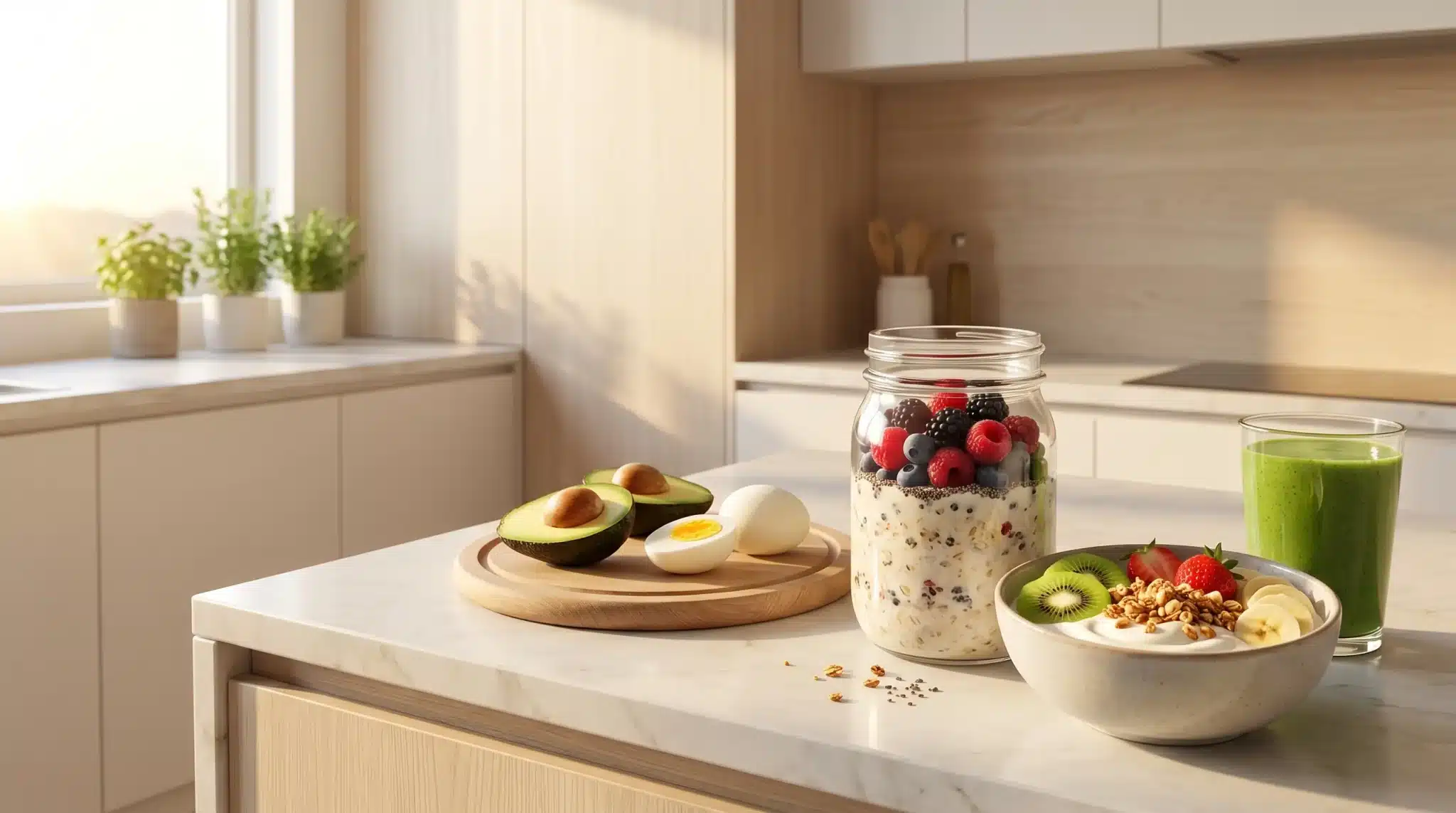
A healthier breakfast routine is a repeatable morning routine that helps you eat balanced meals before the day gets too busy. It is not about perfect meals or complicated recipes. It is about making the better choice easier when time is limited.
Busy mornings often push breakfast aside. You wake up late, prepare for work, check messages, or rush into traffic. Breakfast becomes coffee, a pastry, or nothing at all. That pattern can lead to low energy, stronger cravings, and later random snacking.
The good news is that breakfast doesn’t have to be hard. A few reliable meals, light preparation, and a smart kitchen setup can completely change your mornings. This guide explains what makes breakfast healthy, how to build a routine, quick meal ideas, and how to keep the habit long-term.
Why Is a Healthy Breakfast Routine Important for Busy Mornings?
A healthy breakfast routine is important because it gives your body steady fuel before the day starts demanding energy. When breakfast is planned, you spend less time deciding what to eat and more time actually eating something useful.
The biggest benefit is consistency. A routine turns breakfast from a daily question into a simple action. You already know what ingredients you need, where they are stored, and how long the meal takes.
It also helps with appetite control. A meal with protein, fiber, and slow-digesting carbohydrates can keep you full longer than sugary snacks or plain coffee.
The goal is not perfection. The goal is repeatability. A breakfast routine works when it still functions on tired or rushed mornings.
What Happens When You Skip Breakfast Too Often?
Skipping breakfast too often can leave you with low energy, stronger hunger, and less control over food choices later in the day.
When you skip breakfast, hunger often returns later as a craving for something fast, sweet, or salty. That is why a missed breakfast can quietly shape lunch and snack decisions.
There is also a mental side. If the morning begins in a rush, food choices often become reactive rather than planned.
Even a small breakfast can help. Yogurt, fruit, oats, boiled eggs, or whole-grain toast can create a better start than leaving home with nothing.
What Makes a Breakfast Healthy and Practical?
A healthy, practical breakfast is a meal that combines useful nutrients with a method you can repeat. It should contain protein, fiber, slow-digesting carbohydrates, some healthy fat, and hydration.
The meal does not need to be large. It needs to be balanced. Eggs on toast, oats with yogurt, or a smoothie with fruit and nut butter can all work.
Practicality matters because the best breakfast is the one you can maintain. If a meal takes 40 minutes, it may fail during the workweek. If it takes five minutes and keeps you full, it’s more likely to become a habit.
Which Nutrients Should You Prioritize First?
Protein and fiber should be your first priorities because they make breakfast more filling and stable.
Protein can come from eggs, Greek yogurt, cottage cheese, tofu, nuts, or seeds. Fiber can come from oats, fruit, vegetables, chia seeds, or whole-grain bread.
Five nutrient groups make breakfast more useful:
- Add protein to improve fullness.
- Include fiber to support digestion.
- Choose complex carbohydrates for steady energy.
- Use healthy fats in small amounts.
- Drink water, milk, or unsweetened tea.
How to Build a Healthier Breakfast Routine Step by Step
Building a healthier breakfast routine involves choosing repeatable meals, preparing ingredients ahead of time, and organizing your kitchen. There are four main steps.
- Set a realistic breakfast window.
- Choose three reliable meal options.
- Prepare key ingredients the night before.
- Keep breakfast foods visible and easy to reach.
The system works because it removes friction. You do not need motivation every morning. You need a plan that is already waiting for you.
Step 1: Set a Realistic Wake-Up and Prep Time
Prep time is a planned block of minutes used to assemble, heat, or pack breakfast before the day begins.
Most people do not need a long window. Ten to fifteen minutes can be enough for oats, toast, eggs, or a smoothie.
The key is attaching breakfast to an existing habit. Prepare food before checking messages or scrolling your phone. Small sequence changes often create better consistency.
Step 2: Choose 3 Go-To Breakfast Options
A go-to breakfast option is a repeatable meal that uses familiar ingredients and takes little thought to prepare.
Choose one cold option, one warm option, and one portable option. Overnight oats can be a cold meal. Eggs on toast can be a warm meal. A smoothie or wrap can be portable.
For cafés, food businesses, or large households preparing blended drinks, commercial blenders can quickly make smoothies and yogurt drinks. At home, a standard blender is enough.
Step 3: Prepare the Night Before
Night-before preparation is the process of completing small breakfast tasks before the morning rush begins.
You can mix oats, wash berries, portion nuts, boil eggs, or place utensils together. These small actions reduce the number of decisions after waking.
Four useful night-before tasks are:
- Mix overnight oats.
- Wash and portion fruit.
- Boil eggs or prep wraps.
- Place containers and dry ingredients together.
Step 4: Keep Ingredients Visible and Easy to Reach
Ingredient visibility is the practice of placing useful foods where you can easily notice and access them.
If yogurt is hidden behind leftovers, it may be forgotten. If fruit sits at eye level, it becomes part of the morning choice.
Group breakfast foods together. Keep oats, seeds, bread, yogurt, eggs, and fruit in clear zones. A better layout makes the healthy action easier.
What Are the Best Quick Breakfast Ideas for Busy People?
Quick breakfast ideas are meals that can be prepared in minutes while still giving your body useful nutrition.
The best choice depends on your schedule. If you eat at home, eggs or oatmeal may work. If you leave early, a smoothie or wrap may be better.
Five practical options:
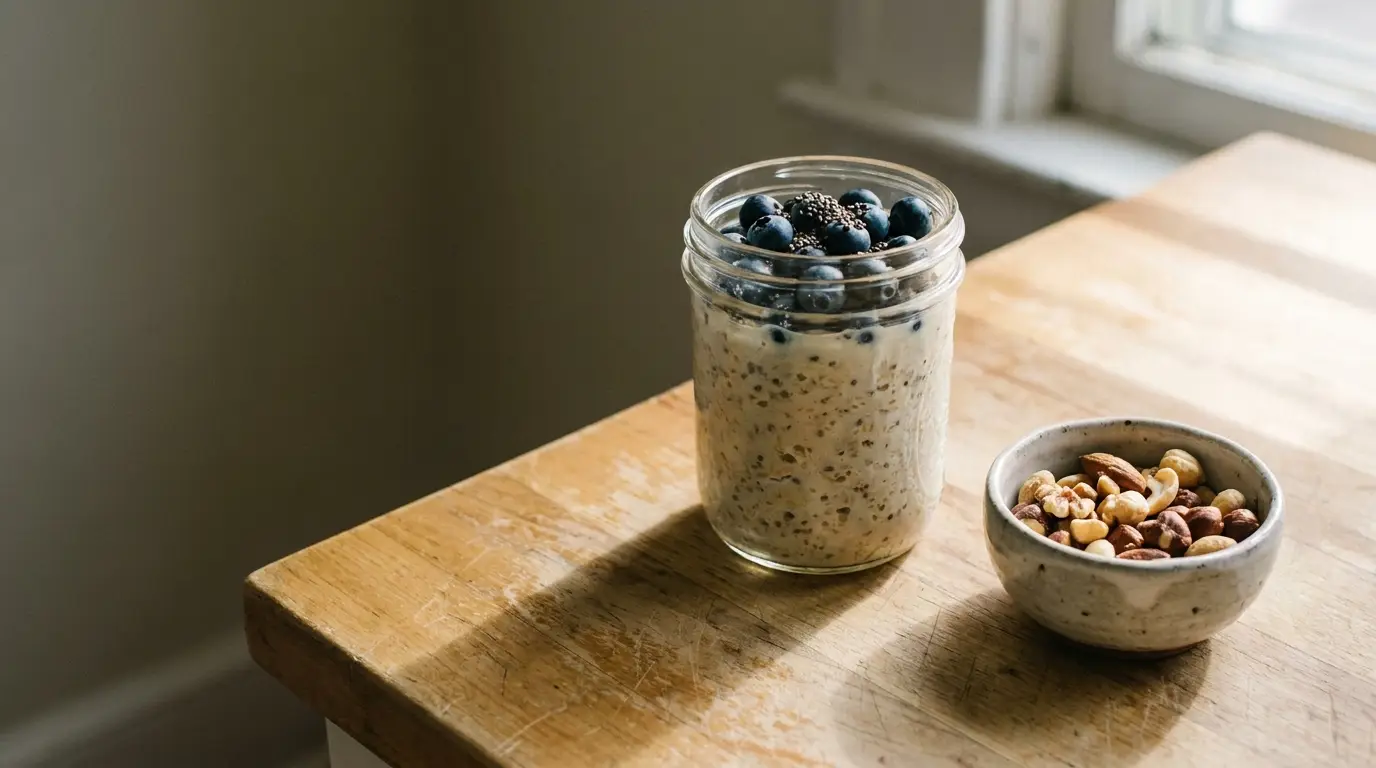
- Overnight oats with berries and chia seeds.
- Greek yogurt bowl with fruit and nuts.
- Egg wrap with vegetables.
- Smoothie with fruit, oats, and yogurt.
- Whole-grain toast with avocado or egg.
A quick breakfast should feel like a shortcut, not a compromise.
Overnight Oats
Overnight oats are oats soaked in liquid until they soften without cooking.
They fit busy mornings because they are prepared in advance and can be eaten cold or warmed quickly. Add yogurt, berries, seeds, or nut butter for better balance.
Greek Yogurt Bowls
A Greek yogurt bowl is a breakfast dish made with thick, strained yogurt, topped with fruit, grains, nuts, or seeds.
It works because it requires no cooking and provides protein quickly. Keep the base plain and let fruit provide most of the sweetness.
Smoothies
A smoothie is a blended drink made from fruit, yogurt, milk, oats, seeds, or vegetables.
It works well because several food groups can be combined into a single portable meal. A good smoothie should include fruit, protein, and fiber.
In larger production settings, automated equipment often depends on controlled movement systems. This overview of what is motion control explains how precise movement supports modern machines.
Which Kitchen Tools Save the Most Time in the Morning?
Kitchen tools are practical devices or containers that reduce preparation time, cleanup, or decision-making.
The most useful breakfast tools are simple, easy to clean, and used often. A blender can make breakfast in one minute. A toaster oven can warm a wrap while you get dressed. Containers can make meals ready to grab and go.
Useful tools include:
- Blender
- Toaster oven
- Meal prep containers
- Sharp knife
- Cutting board
- Clear fridge organizers
A tool only helps if it removes a real barrier.
What Are the Biggest Mistakes That Ruin Breakfast Routines?
The biggest breakfast mistakes are making meals too complicated, skipping protein, relying on sugar, and failing to prepare ahead of time.
Six common mistakes are:
- Overcomplicate meals that take too long.
- Ignore protein and feel hungry quickly.
- Depend on sugary foods for energy.
- Forget preparation.
- Hide healthy ingredients.
- Repeat the same meal until bored.
The solution is not constant novelty. Keep the structure stable and change flavors.
Healthy Breakfast at Home Vs On the Go: Which Is Better?
Breakfast at home is usually better for nutrition control, while breakfast on the go is better for convenience.
Home meals make it easier to control ingredients, portions, and cost. On-the-go meals can still be healthy when packed in advance.
For food brands selling packaged breakfast items, supplier consistency matters. Working with a Third-party inspection company can help verify product quality and delivery standards.
|
Factor |
At Home |
On the Go |
|---|---|---|
|
Nutrition control |
Higher |
Medium |
|
Convenience |
Medium |
Higher |
|
Cost |
Lower |
Higher |
|
Portion control |
Easier |
Less predictable |
What Are the Main Benefits of a Strong Breakfast Routine?
A strong breakfast routine improves energy, saves time, supports better food choices, and reduces morning stress.
Seven main benefits are:
- Improve energy early in the day.
- Reduce decision fatigue.
- Support appetite control.
- Save time through preparation.
- Lower stress.
- Improve food quality.
- Support family routines.
The hidden benefit is confidence. When mornings start well, the rest of the day often feels easier.
How Can You Maintain the Habit Long Term?
Maintaining a breakfast habit long term involves keeping the routine simple, tracking what works, and restarting quickly after missed days.
Five useful steps:
- Start with one reliable breakfast.
- Repeat it until familiar.
- Notice which meals keep you full.
- Rotate flavors instead of rebuilding everything.
- Reset after missed mornings without guilt.
The best routine is not the most impressive one. It is the one you can return to easily.
Conclusion
A healthier breakfast routine is a simple system that helps you eat better before busy mornings take control. It works because it removes friction, improves planning, and turns useful choices into repeatable actions.
You do not need complicated rules. You need a few balanced meals, visible ingredients, simple preparation, and tools that save time.
Start with one change tomorrow morning. Mix oats tonight. Boil eggs. Wash fruit. Choose one breakfast that takes less than five minutes.
A strong breakfast routine begins when the better choice becomes the easier choice.





One Response