
Jerky is usually made from meat like beef or bacon, so fish isn’t the first thing that comes to mind. However, making dehydrated tuna jerky may sound simple, but getting the texture just right can be a bit tricky. If it’s too dry, it could end up hard and brittle, and if it’s too moist, it might be uncomfortably chewy or spoil faster than you’d like. The secret is finding that sweet spot where moisture, temperature, and the quality of the tuna all come together perfectly.
Whether you’re experimenting in your kitchen or comparing your results to products from an online jerky store, getting the texture right will completely change your results. With the right approach, you can create tuna jerky that is firm, slightly chewy, and full of flavor, just like the best premium products.
Why Texture Matters in Tuna Jerky
What do you love most about jerky? Is it the smoky flavor from certain cuts? The different flavors you can try? Many people enjoy how easy and mess-free this classic snack is, too. One thing every jerky lover usually cares about is the texture. Many individuals are particular about texture and expect a consistent feel each time they purchase these products. And honestly, the texture can really make or break the whole jerky experience.
What Is the Perfect Texture?
When it comes to tuna jerky, finding the right texture is all about balance. You don’t want it to be too soft or too tough. You want it to feel slightly firm when bent, with just the right amount of softness inside. When you bite into it, it should be chewy without feeling rubbery or dry. You can simply bend a strip of jerky: if it cracks slightly but doesn’t break in half, you’ve found the ideal balance. Getting the texture right also helps with flavor. Jerky that’s too dry can lose its delicious richness, while jerky that’s too moist might taste a bit underdeveloped or even be unsafe to store for long periods.
Common Texture Mistakes to Avoid
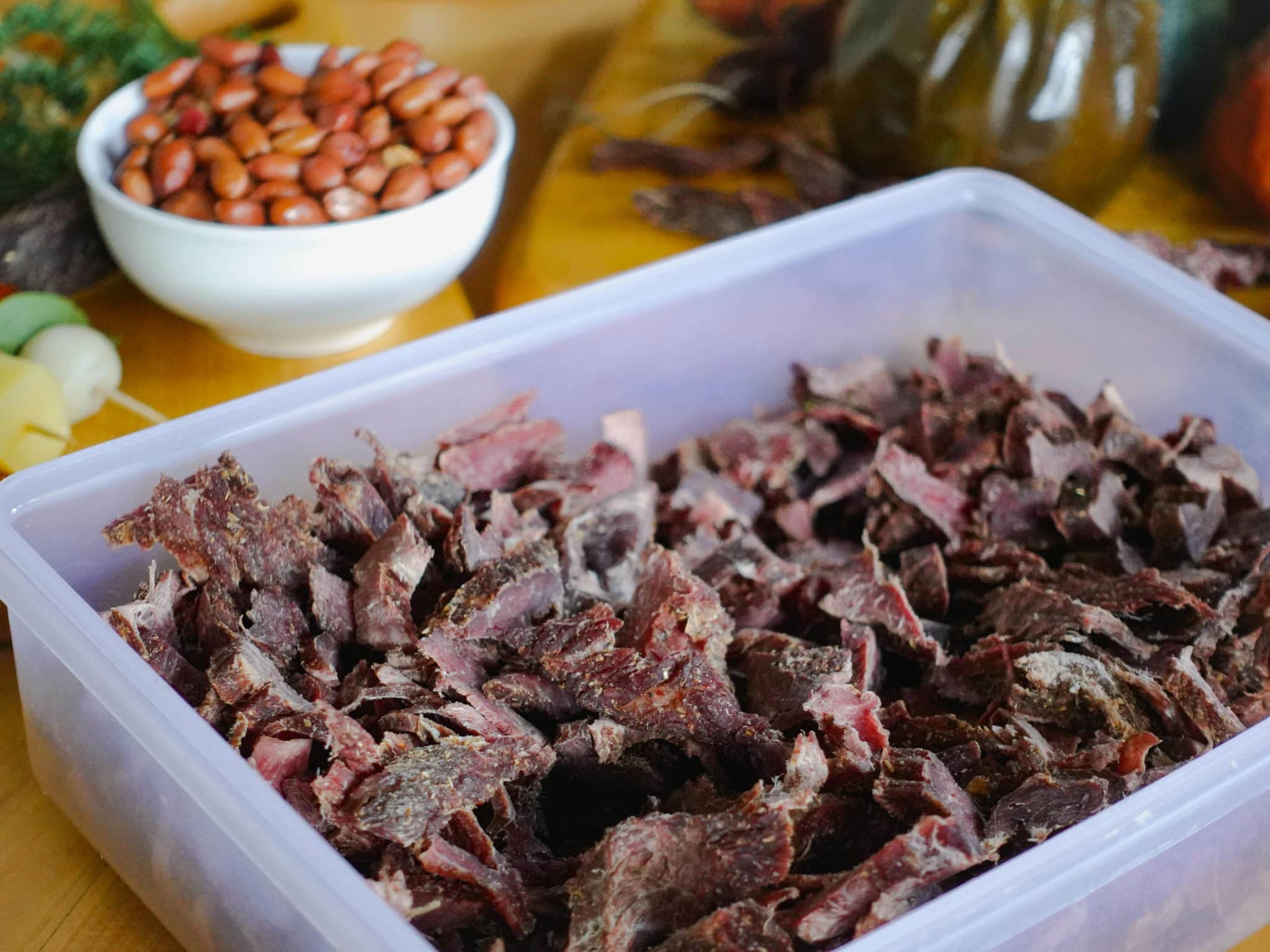
One of the biggest mistakes when making tuna jerky is over-drying it, which usually happens if the temperature is too high or if you leave it to dry for too long. When this happens, your jerky can become brittle and hard to chew. Another common issue is uneven slicing. If some pieces are thicker than others, they’ll dry at different rates, leading to inconsistent texture. You might get some pieces that are just right, while others are either too chewy or way too dry.
Don’t forget about proper preparation, either. Make sure to remove excess moisture before dehydrating and try to marinate evenly. These little steps can make a big difference in how your jerky turns out, so you can enjoy that perfect texture.
Selecting High-Quality Tuna for Jerky
Using fresh, high-quality fish takes your jerky to the next level. It adds a special flavor that stands out compared to jerky made with fewer ingredients. When you choose top-notch tuna, you’re not just whipping up some jerky; you’re creating a tasty snack that everyone will love.
Understanding Tuna Sourcing and Freshness
Freshness is important when making tuna jerky. You’ll want to look for tuna that has a nice, clean smell, a firm texture, and a bright, vibrant color; that’s why bluefin tuna is often chosen. It comes from controlled bluefin tuna farming environments that provide consistent quality and fat content, making it easier to achieve a reliable jerky texture every time. If you’re purchasing from a local market, ask about when the fish was caught or delivered. The fresher the tuna, the better your final product will be.
Best Cuts for Dehydration
Not all parts of the tuna are great for making jerky. Lean cuts are best, as they contain less fat that would otherwise grease the pan and slow the drying process. When preparing your tuna, slice it into strips that are about a 1/4 thick so everything dries evenly and has a nice texture. Many people prefer using loin sections because they are firm and easy to slice uniformly.
Dehydration Methods for Perfect Texture
Tuna is a perfect choice for jerky because it is low in fat, which helps prevent rancidity. However, despite putting in a lot of effort, sometimes minor issues can affect the texture or flavor, making it different from what was intended. To make dehydrated tuna jerky, it’s necessary to pay careful attention to both the fat content and the drying temperatures, ensuring a perfect, chewy, and safe texture.
Ideal Temperature and Drying Time
For the best results when making tuna jerky, try keeping the temperature between 140°F and 160°F, which helps the moisture evaporate slowly, so your fish doesn’t cook too quickly. Keep in mind that drying times can vary based on how thick your slices are and the method you’re using. Generally, you can expect it to take about 4 to 8 hours. Regularly check on your jerky, using your hands to test for touch and flexibility; that’s the best way to tell if it’s done than just watching the clock.
Dehydration vs. Over Drying
There’s a fine line between perfectly dehydrated and over-fried tuna. When you’re drying it out, you want to take out enough moisture to keep the fish fresh and flexible. If you go overboard, it’ll end up hard and brittle, which makes it tough to fix later. That’s why it’s important to observe the process. A simple way to check is to bend a piece: if it cracks or breaks, it might be over-dried. But if it bends a little and feels nice and firm, you’re right on track.
How to Properly Store Homemade Jerky
Storing jerky properly is important to keep its texture. Even well-dehydrated jerky can lose quality if you don’t store it right. First, let it cool down completely after dehydrating it. If you store it while it’s still warm, it creates condensation and extra moisture, which you don’t want. Use airtight containers or vacuum-sealed bags to keep air and humidity out. Store the jerky in a cool, dry place away from direct sunlight for the best results, ideally in a refrigerator.
When to Buy From an Online Jerky Store
Making tuna jerky at home can be rewarding, but it takes time and effort. Sometimes, buying from an online jerky store is a better choice. If you want consistent quality, professionally made jerky is reliable. These products are made using controlled processes for uniform texture and flavor. It saves time and gives you access to many flavors and styles that might be hard to make at home. This is useful if you are new to making jerky or want to try different options before you start your own experiments.
Conclusion
Making the perfect dehydrated tuna jerky takes some practice, but the delicious results are well worth the effort. By selecting only the freshest, high-quality, protein-rich tuna and managing the dehydration process, you can get the perfect balance of chewiness and tenderness. Whether you’re adventuring outdoors, traveling, or simply looking for a savory snack at home, dehydrated tuna jerky is a fun, healthy, and tasty option. It’s all about choosing what you enjoy and taking the necessary precautions to create the perfect batch.