
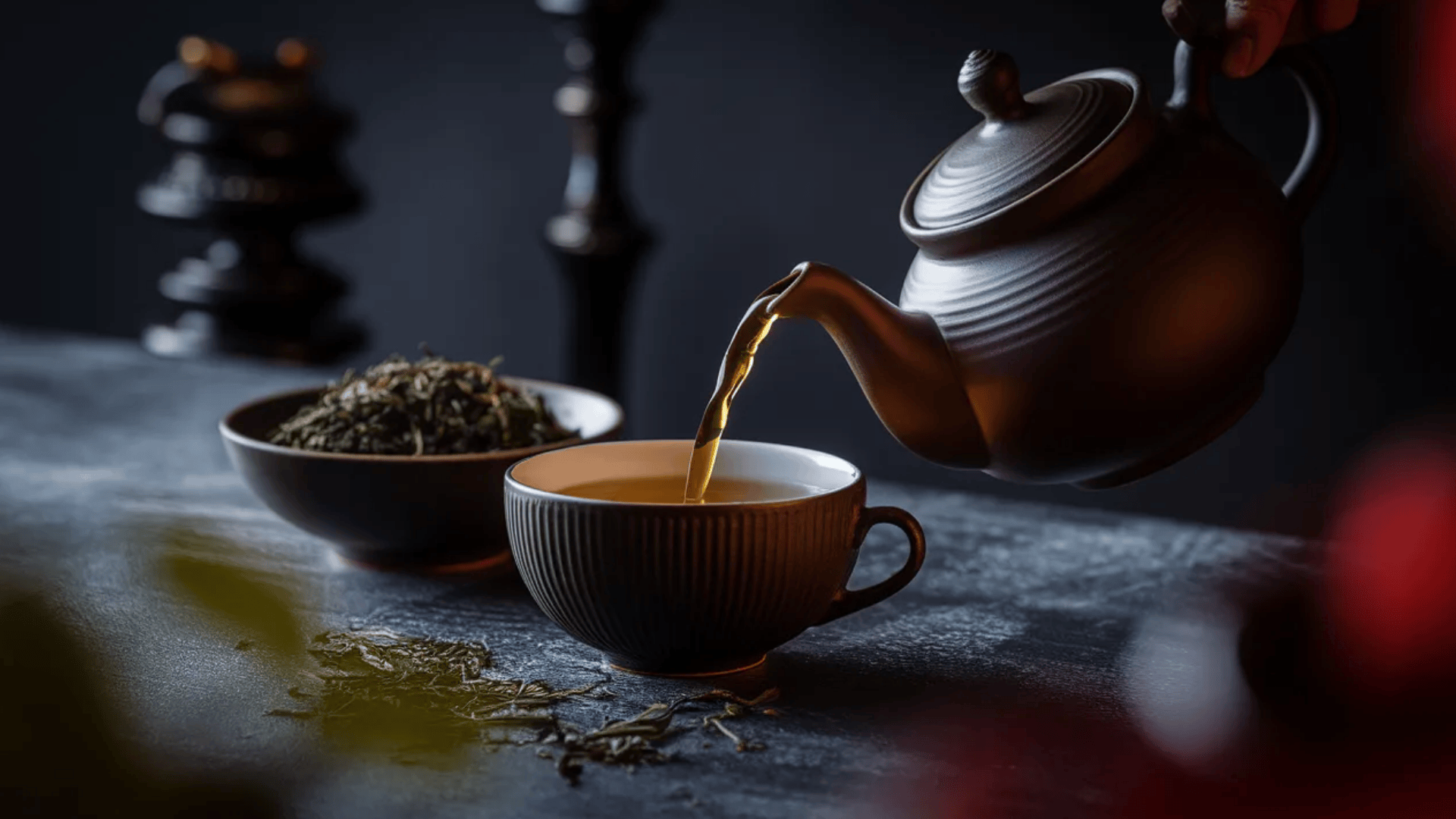
Seeing green poop after drinking green tea can be surprising, even unsettling.
I’ve spent months digging into how everyday foods affect digestion, and green tea keeps coming up, not because it’s harmful, but because it’s powerful.
Many people who already think about whether green tea makes you poop eventually notice a color change and assume something is wrong. In most cases, it isn’t.
Green poop after green tea usually reflects how your gut processes caffeine, plant pigments, and transit speed, not a health emergency. Let’s break it down calmly, without panic or exaggeration.
Why Does Green Poop Happen
To understand green poop, you need to understand bile. Your liver releases bile, which starts out yellow-green and helps digest fat. As food moves through your intestines, gut bacteria normally turn bile brown.
When digestion speeds up, that color change does not fully happen. The result is stool that keeps a greenish tone. From my own tracking and research, the pattern is consistent: green stool often appears when digestion moves faster than usual.
That faster movement is usually triggered by caffeine, stress, illness, or dietary changes. Green poop is not a disease by itself. It is a timing signal, not damage.
Green Poop After Drinking Green Tea
Green tea affects digestion in two important ways. First, it contains caffeine. Even moderate caffeine stimulates intestinal movement. When stool passes quickly, bile does not fully oxidize into brown pigments.
Second, green tea, especially matcha, contains chlorophyll. Matcha uses whole-leaf powder, not filtered infusions. That concentrated green pigment can pass through the gut unchanged.
When I tested this myself by switching between matcha and regular brewed green tea, the difference was obvious. Matcha caused more frequent color changes, while lighter brews rarely did.
This is also where digestion and metabolism overlap. People often wonder whether green tea burns belly fat or quickly flattens the stomach.
But the metabolic effects work differently from direct fat burning; it’s about how compounds like caffeine and catechins influence your digestive system over time.
Other Common Causes of Green Stool
Green poop after drinking green tea is common, but it is not the only cause. These factors often overlap:
- Large amounts of leafy greens like spinach, kale, spirulina, or wheatgrass
- Artificial food coloring (blue and purple dyes often appear green later)
- Iron supplements or multivitamins
- Antibiotics that temporarily alter gut bacteria
- Antacids containing bismuth
From experience, dietary causes usually resolve within one to two bowel movements. Medical causes tend to persist longer and may be accompanied by other symptoms.
How to Tell If Green Poop is Harmless
If you’re trying to decide whether this is something to worry about, these signs can help you quickly tell the difference between a harmless change and a potential issue.
| Sign | What It Means |
|---|---|
| Stool is formed, not watery | Digestion is functioning normally |
| No pain, fever, or fatigue | No signs of infection or inflammation |
| Recent intake of green tea or green foods | Likely a diet-related color change |
In my experience, diet-related green poop clears within 24–72 hours after dietary changes. The body corrects itself quickly when the trigger is removed. Green poop alone is rarely a reason to panic.
When Green Poop Needs Attention
Green stool is usually not a big deal on its own. I’ve seen it happen for simple reasons like diet changes. But when it shows up with certain symptoms, that’s when you need to pay closer attention.
Get medical help if you notice:
- Severe stomach pain or ongoing vomiting
- Diarrhea that lasts more than three days
- Blood in your stool: Bright red blood or black stool with a tar-like texture
- A fever over 102°F
- Yellowing of your skin or eyes
When these signs appear, they may point to an infection, gut irritation, or a problem with bile flow, not just something harmless like green tea.
If you’re ever unsure, it’s always better to check in with a healthcare professional. It gives you peace of mind, and it helps you rule out anything serious.
How to Confirm Green Tea is the Cause for Green Stool

If you want clarity, the simplest method is elimination. Stop drinking green tea for 48 to 72 hours. Keep food consistent. If stool color returns to brown, green tea was the trigger.
When I tested this approach, the results were clear every time. Reintroducing green tea, especially on an empty stomach, often brought the color back. This kind of short, controlled break gives more answers than endless online searching.
Making Green Tea Easier on Digestion
You do not need to give up green tea entirely if it affects stool color. Small changes help:
- Drink it after meals instead of on an empty stomach
- Brew at lower temperatures (160–180°F)
- Reduce matcha frequency and rotate with lighter teas
- Limit total daily caffeine intake
For people with IBS, reflux, or sensitive digestion, even healthy drinks can cause exaggerated responses. Listening to your gut matters more than following trends.
Final Words
Green poop after drinking green tea can look alarming. I remember the first time it happened to me; it definitely made me pause, but it’s rarely serious.
In most cases, it reflects faster digestion of plant pigments passing through, not illness.
From both research and personal tracking, the pattern is consistent: no pain, no fever, no blood usually means no problem.
I’ve learned that understanding how green tea affects your gut stops you from fearing normal variations. Feel free to comment below with questions, or check out other blogs on my website.