
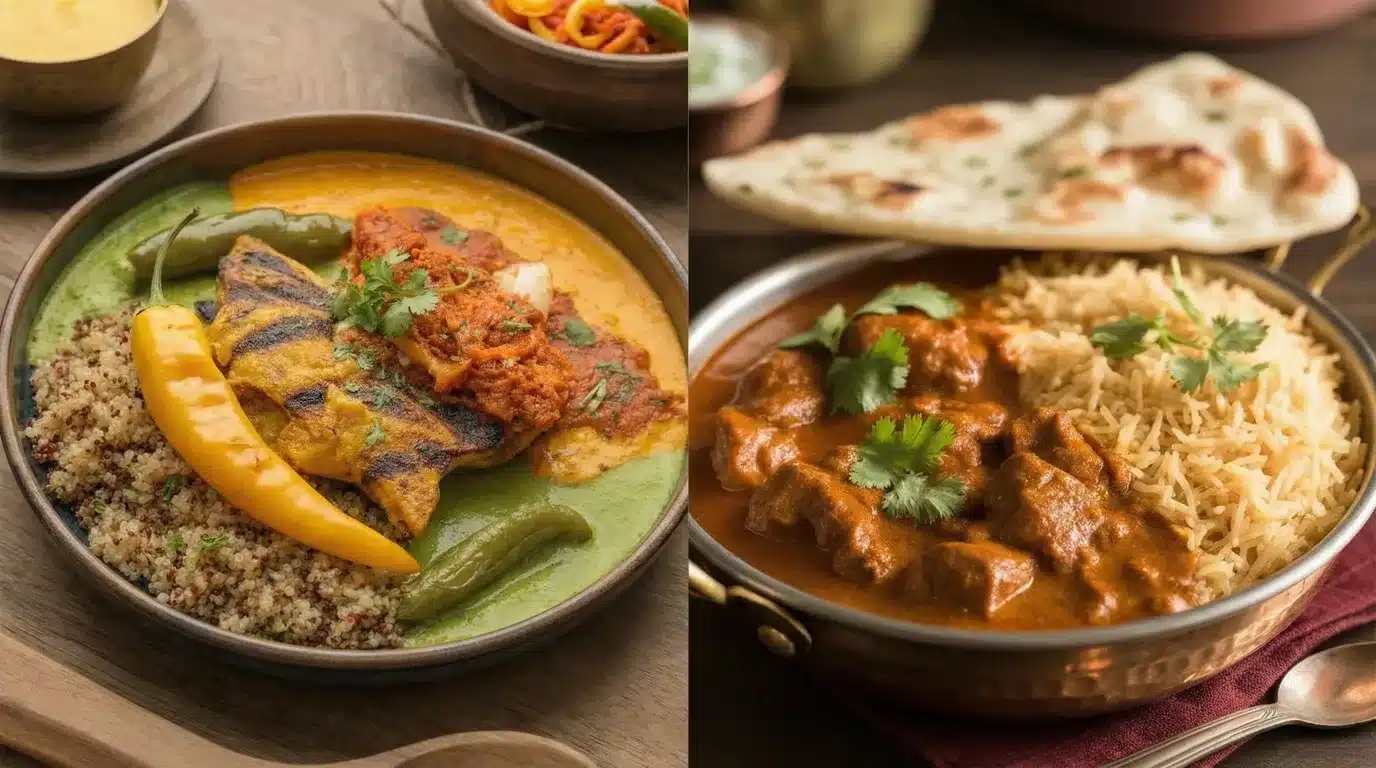
The Peruvian food vs Indian food debate is one I keep coming back to, and in today’s world, it feels more relevant than ever.
Both cuisines are riding a massive wave of global popularity, and the connections run deeper than most people expect.
If you’ve ever searched for ‘is Peruvian food spicy’, here’s something I realised: your Indian spice drawer already did half the work. Here’s everything you need to know about both, side by side.
What Is Peruvian Cuisine?
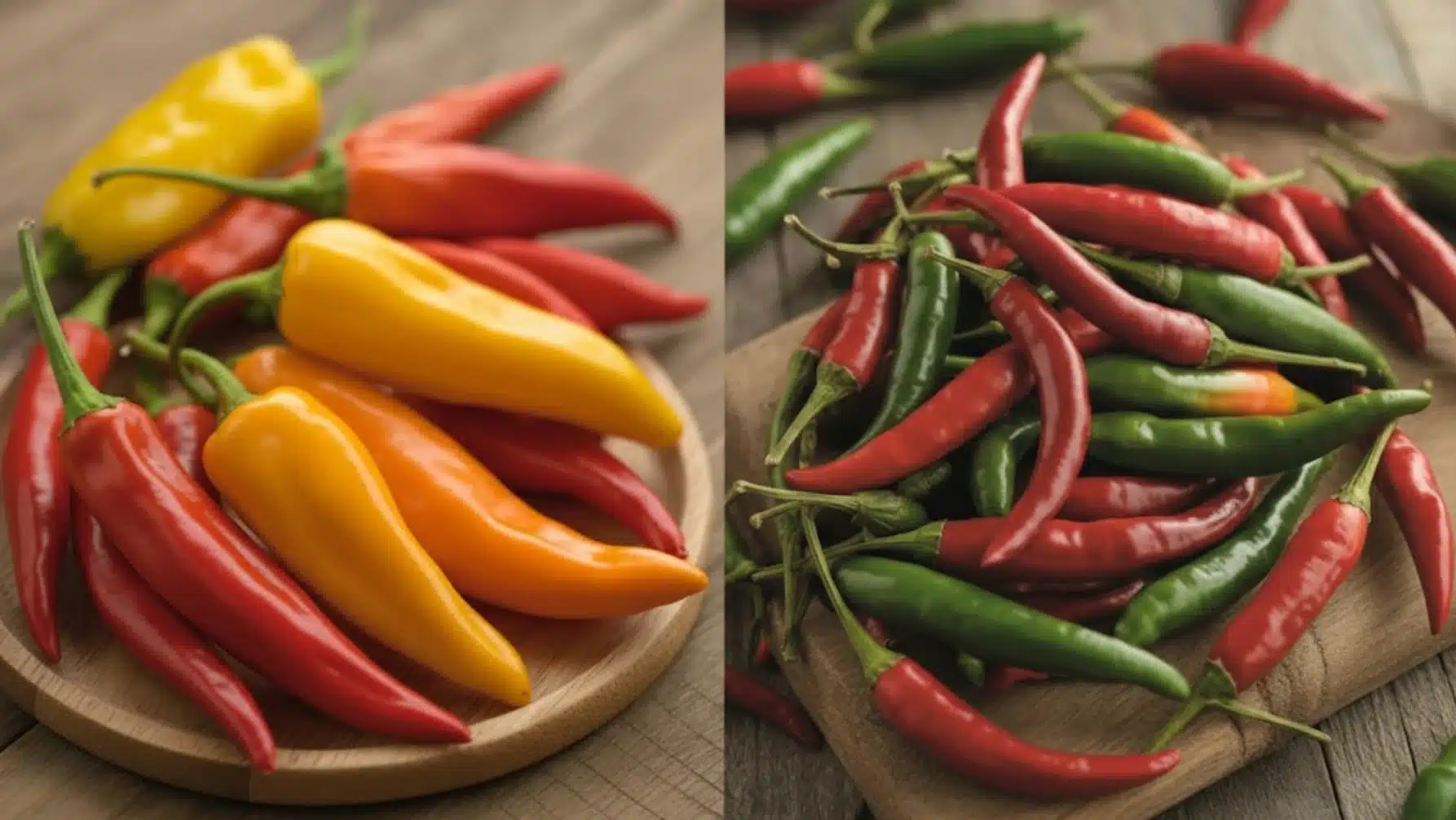
Peruvian food is one of the world’s most culturally layered culinary traditions. Its foundation is indigenous Andean, built on over 4,000 varieties of potato, native corn, quinoa, and chili peppers like ají amarillo and rocoto.
Spanish colonisation, followed by African, Chinese, and Japanese immigration, added entirely new dimensions. The flavor philosophy centres on brightness, fresh lime juice, raw red onion, cilantro, and fruity chili heat.
Iconic dishes to know: Ceviche (the national dish), Lomo Saltado (Chinese-Peruvian stir-fry), Pachamanca (underground stone-cooked feast), and Causa Limeña (layered ají amarillo potato casserole).
What Is Indian Cuisine?
Indian cuisine carries roughly 8,000 years of culinary history, shaped by geography, religion, trade routes, and colonisation. The internal diversity is extraordinary; the food of Tamil Nadu, Punjab, Bengal, and Kerala is so distinct that each could be its own tradition entirely.
The flavor principle is layering. Spices like turmeric, cumin, cardamom, coriander, and garam masala are added at different stages, building depth that unfolds slowly. Staples span rice, lentils, and breads like roti and naan.
Iconic dishes to know: Biryani, Butter Chicken, and Rogan Josh for North Indian classics; Dosa, Idli, and Sambar for South Indian staples; and Chaat for the beloved street food tradition.
Peruvian vs Indian Food: Head-to-Head
Two cuisines, two entirely different approaches to flavor, yet both are among the most compelling food traditions in the world. Here is how Peruvian and Indian food stack up across the most important categories:
| Category | Peruvian Food | Indian Food |
|---|---|---|
| Flavor Profile | Citrusy, fresh, and immediate; driven by lime, cilantro, and fruity chili heat | Spiced and slow-revealing; unfolds through layered aromatics across each bite |
| Key Aromatics | Cilantro, ají amarillo, lime | Cumin, ginger, garlic, garam masala |
| Staples | Corn, potatoes, rice | Rice, lentils, wheat |
| Sourness | Lime juice, vinegar | Tamarind, amchur, yogurt |
| Fat Base | Vegetable oil | Ghee, mustard oil |
| Heat Source | Ají peppers, rocoto | Green chili, red chili, black pepper |
| Cooking Style | Citrus curing, quick stir-fries, cold assemblies | Caramelised onions, bloomed spices, long simmers |
| Signature Concept | Nikkei tradition (Japanese-Peruvian fusion) | Thali experience (all flavors on one tray) |
| Common Ground | Cumin is present in both kitchens, used differently but equally recognized | Cumin bridges both traditions, a rare ingredient shared across both cuisines |
| Bold Factor | Brightness and precision | Complexity and patience |
The differences are clear, but so is the common ground between both traditions. Each cuisine rewards curiosity and offers something genuinely unique with every meal.
What They Actually Share
Despite their differences, these two cuisines share more common ground than most expect, and spending time with both makes that increasingly clear.
Shared Ingredients, Different Hands
Chili peppers, cumin, rice, and potatoes appear in both traditions, not as accents, but as structural foundations. Cumin is particularly telling; used whole, ground, and tempered across both kitchens, it acts as the most natural flavor bridge between the two.
The seasoning philosophy is bold in each case, built on layering heat and aromatics until the dish finds its own balance.
Food as a Communal Act
In both cultures, meals are never just about eating. Whether it’s an Indian family gathering during Diwali or a Peruvian pachamanca shared among a village, food is the medium through which community is expressed.
The table, or the ground, or the banana leaf- becomes the place where relationships are maintained. That overlap feels less like a coincidence and more like something deeply human.
Global Popularity & What’s Trending
Peruvian food keeps gaining fans worldwide. Dishes like ceviche and lomo saltado trend on TikTok and Instagram, where short videos show easy home versions and bold twists.
Peruvian cuisine is iconic for its many factors, includingPeru’s affordable workers’ lunch tradition, where simple, flavorful dishes come together quickly.
Nikkei tiradito and quinoa bowls keep Peru thriving across Reels and Shorts. Indian content is shifting toward regional styles, Chettinad, Kashmiri, and coastal plates, alongside fusions like butter chicken pizza.
Now Indian-Peruvian mashups are gaining traction: spice-rubbed anticuchos, causa filled with dal, shared by home cooks across TikTok, Instagram, and Pinterest.
Recipes to Try
Both cuisines are more approachable than they look. Here are some great starting points to try at home:
- Easy Peruvian Ceviche: Fresh fish, lime juice, ají amarillo, red onion, and cilantro. Marinate 10–20 minutes. Done.
- Homemade Indian Dal Tadka: Slow-cooked lentils finished with cumin, garlic, and ghee tempered in a hot pan.
- Indian Butter Chicken from Scratch: A rich, spiced tomato-cream sauce that teaches you the fundamentals of Indian flavour layering.
- Peruvian Causa Limeña: Boil, mash, and season yellow potatoes with ají amarillo and lime, then layer with a simple filling.
- Indian-Peruvian Fusion: Swap causa’s mayo for spiced yogurt, or finish lomo saltado with tamarind paste for a deeper, complex sourness.
Once you try one dish from each cuisine, you’ll find yourself reaching for both pantries more often than you’d expect.
Final Thoughts
The Peruvian food vs. Indian food comparison genuinely changed how I cook and eat. Peruvian cuisine taught me to trust brightness and freshness; Indian food taught me patience and the art of layering.
Both traditions are deeply rooted, endlessly rewarding, and more connected than they appear on the surface. Whichever cuisine you try first, I promise it’ll pull you toward the other.
Which of these cuisines speaks to you most? Drop your favourite dish in the comments.