
I’ve lost count of how many times I’ve picked up a chocolate bar, flipped it over, and paused at the ingredient list, wondering: does chocolate have gluten? It feels like the smallest treat shouldn’t come with the biggest worry.
The tricky part is that a bar can look simple, yet the details behind the wrapper can change everything. This post breaks down what’s usually in chocolate, the add-ins like barley malt and wafer pieces that can contain gluten, and the label terms that often cause second-guessing at checkout.
It also explains how shared equipment can lead to trace amounts, which major brands tend to offer better options, and why seasonal chocolates deserve extra care.
By the end, choosing gluten-free chocolate will feel much clearer and less stressful.
Does Chocolate Have Gluten?
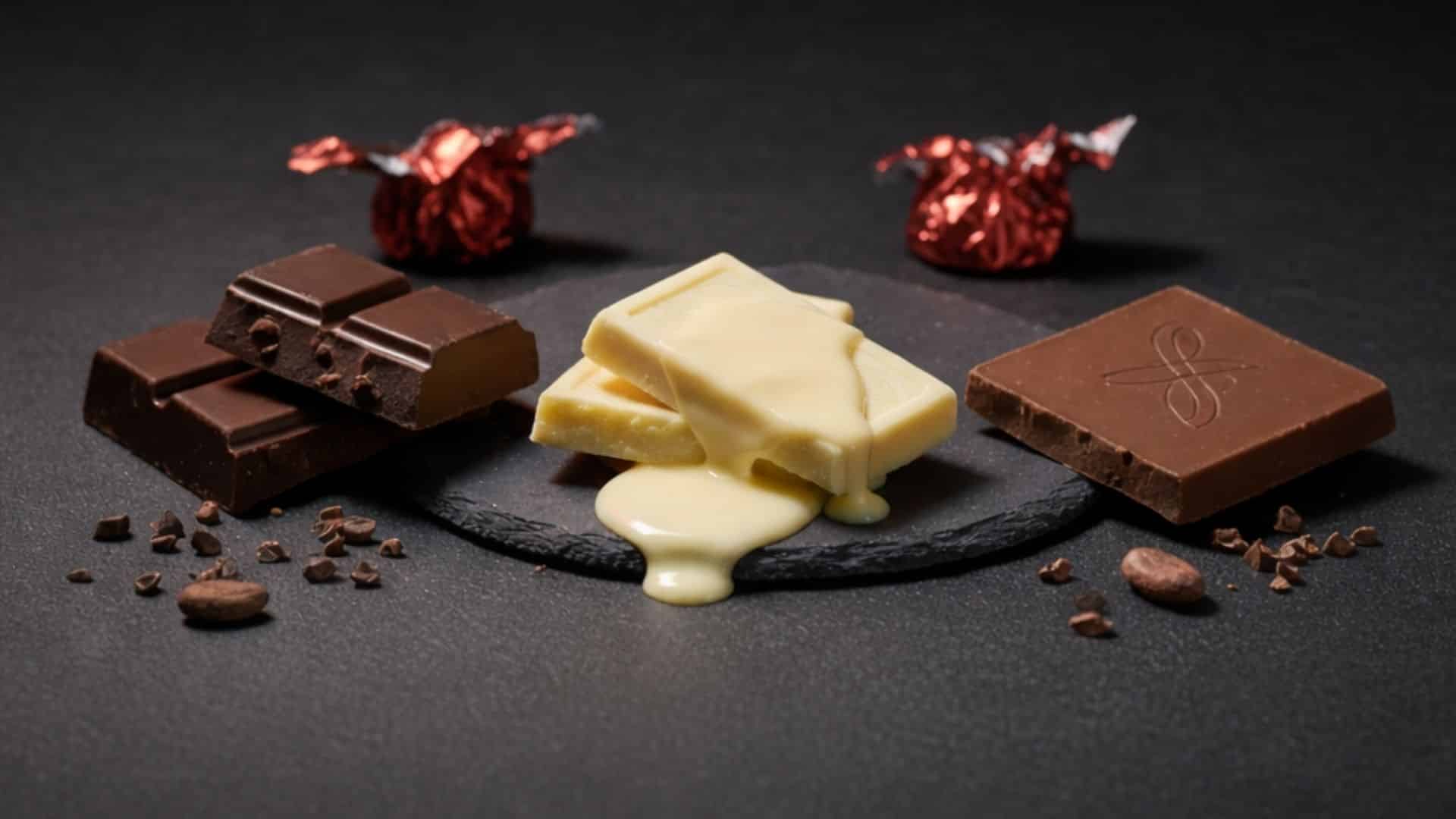
Yes, some chocolate can have gluten, but it depends on what’s in the product. Plain chocolate made from just cocoa solids, cocoa butter, and sugar does not contain gluten on its own.
The issue starts when brands add extra ingredients for taste or texture. Common gluten sources include cookie pieces, wafers, pretzels, and anything made with malt, which often comes from barley.
Even if gluten isn’t listed as an ingredient, chocolate can still be risky if it’s made on shared equipment with wheat-based products, which can leave traces behind.
That’s why two chocolate bars that look similar can be very different for someone avoiding gluten. The safest move is to read labels carefully and look for a clear gluten-free claim when needed.
How to Choose Gluten-Free Chocolate by Brand
Picking the right brand is crucial when choosing gluten-free chocolate. Here’s why:
- Different Factories, Different Risks: Companies use different factories and shared lines, which significantly changes the cross-contact risk.
- Allergen Policies Matter: Some brands test for gluten or use dedicated lines, while others don’t, increasing risk.
- Label Wordings to Look For: “Gluten-free” meets a standard, while “no gluten ingredients” might still allow cross-contact.
- Warnings to Be Aware Of: Terms like “may contain wheat” or “made on shared equipment” signal added risks.
- Seasonal Items Are Riskier: Seasonal and limited-edition products often change recipes, factories, and suppliers, increasing uncertainty.
By following these guidelines, you can make safer chocolate choices and avoid any gluten-related concerns. Always read labels and stay informed!
Brands With Certified Gluten-Free Products
If gluten is a concern, certified gluten-free brands are the safest place to start. These products undergo additional testing and checks, which help reduce risk and give you more confidence when choosing chocolate.
1. Enjoy Life
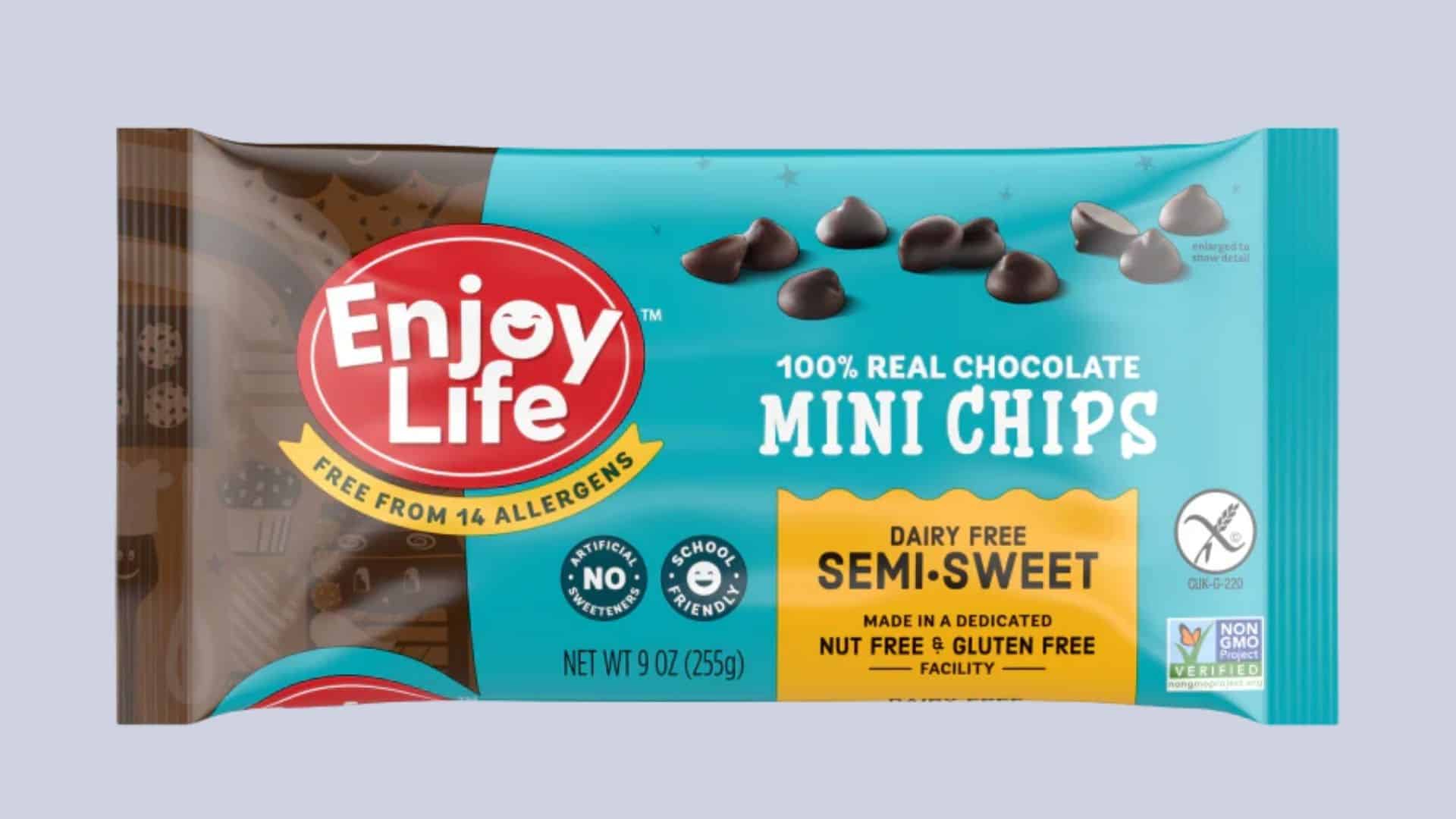
Enjoy Life makes chocolate products that are tested and labeled gluten-free. Most items are produced in a dedicated gluten-free facility, which lowers cross-contact risk.
You get bars, chips, and minis made with simple ingredients that people with gluten concerns can enjoy without worry or constant label stress, and daily snacks.
2. Hu Chocolate
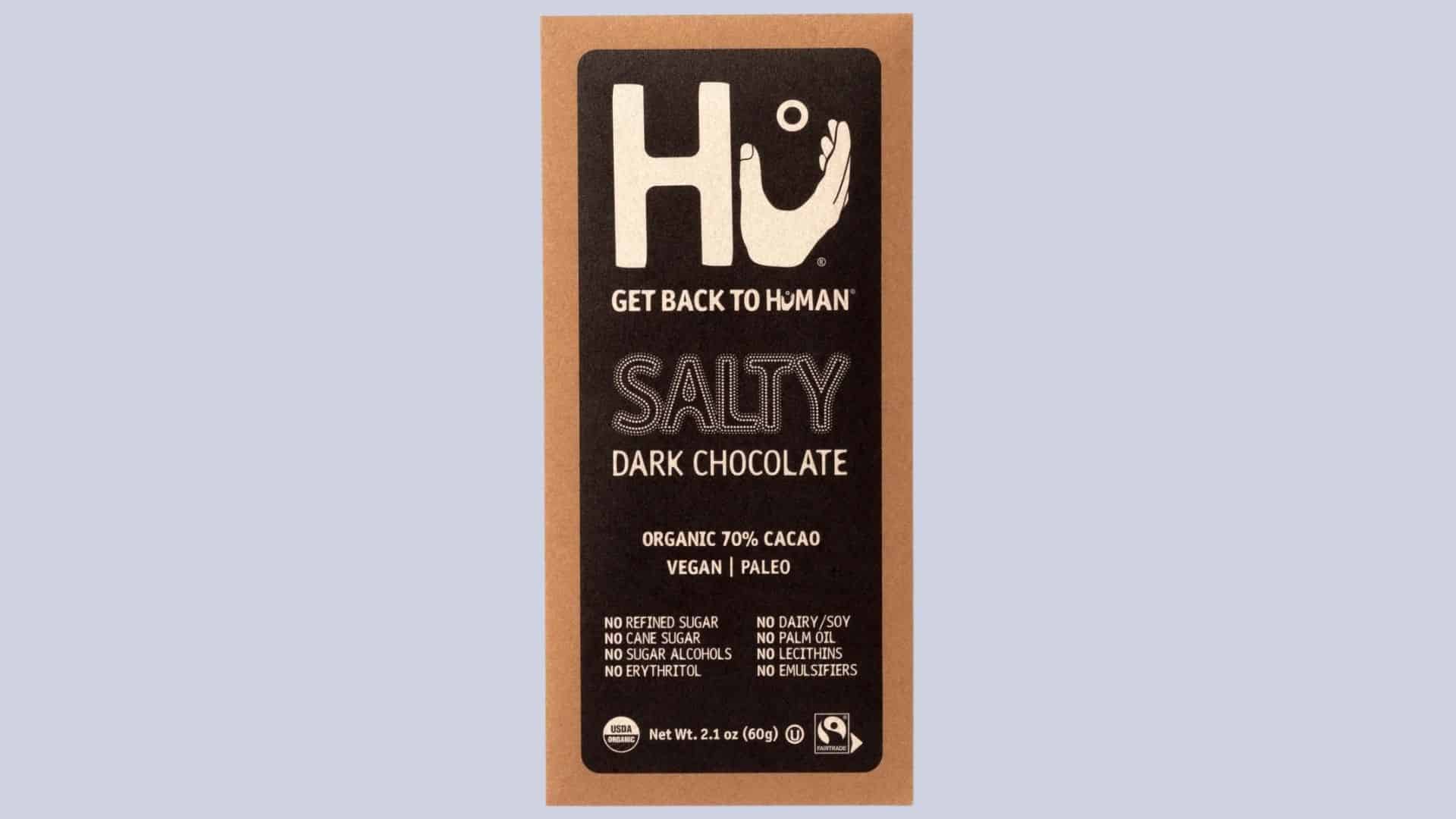
Hu Chocolate keeps ingredient lists short and easy to read. Many bars are certified gluten-free, offering plain and nut-based options that avoid common problem ingredients.
Flavors change often, so you should check each package. The brand sticks to simple chocolate made with fewer additives, carefully every time shopping.
3. Alter Eco
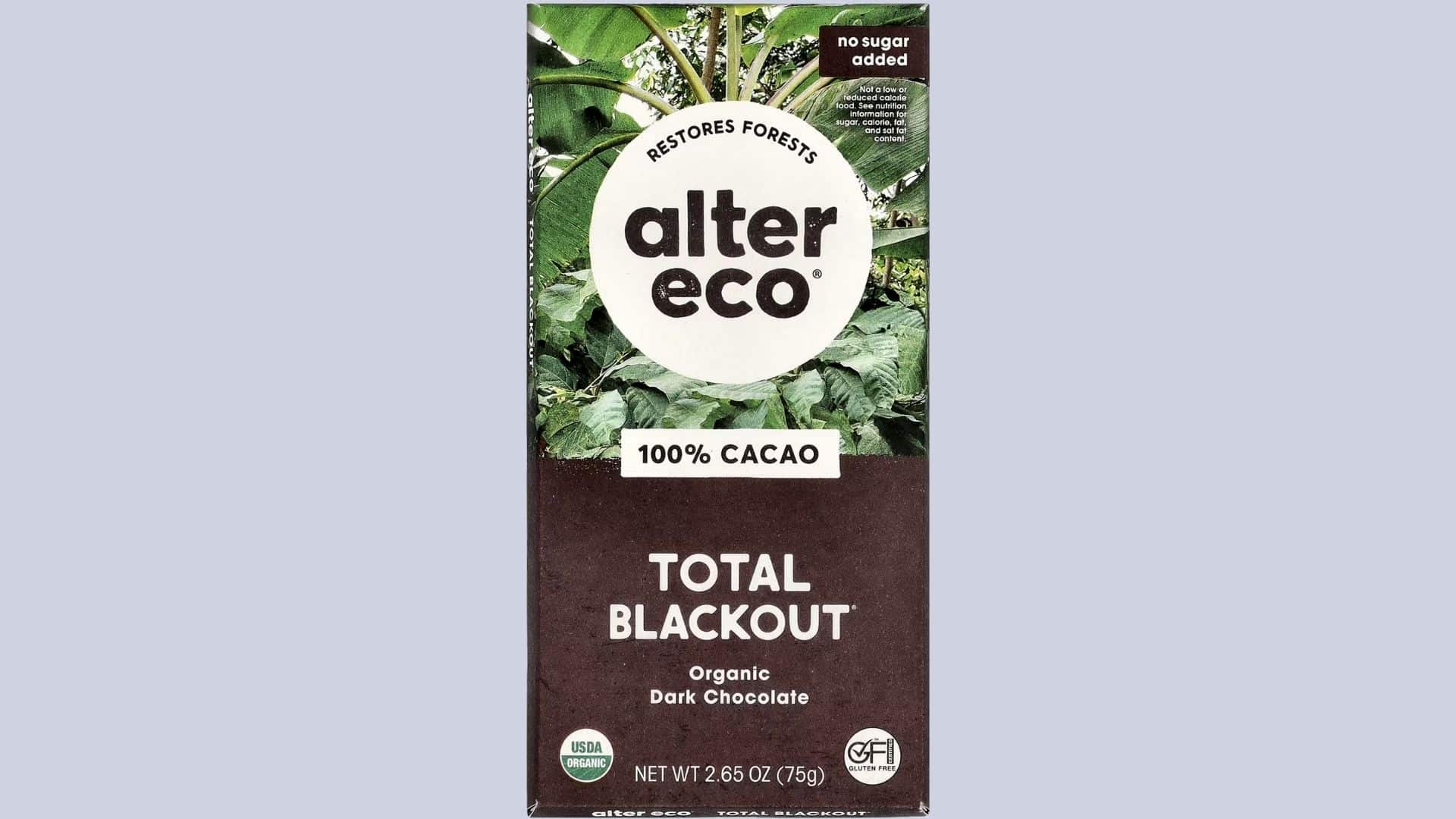
Alter Eco offers several dark chocolate bars certified gluten-free. Some products include malt or are produced in places that also handle gluten-containing foods.
Because of that, you must read every label. The brand uses organic cocoa and keeps recipes straightforward, so shoppers can understand and use them safely.
4. Pascha Chocolate
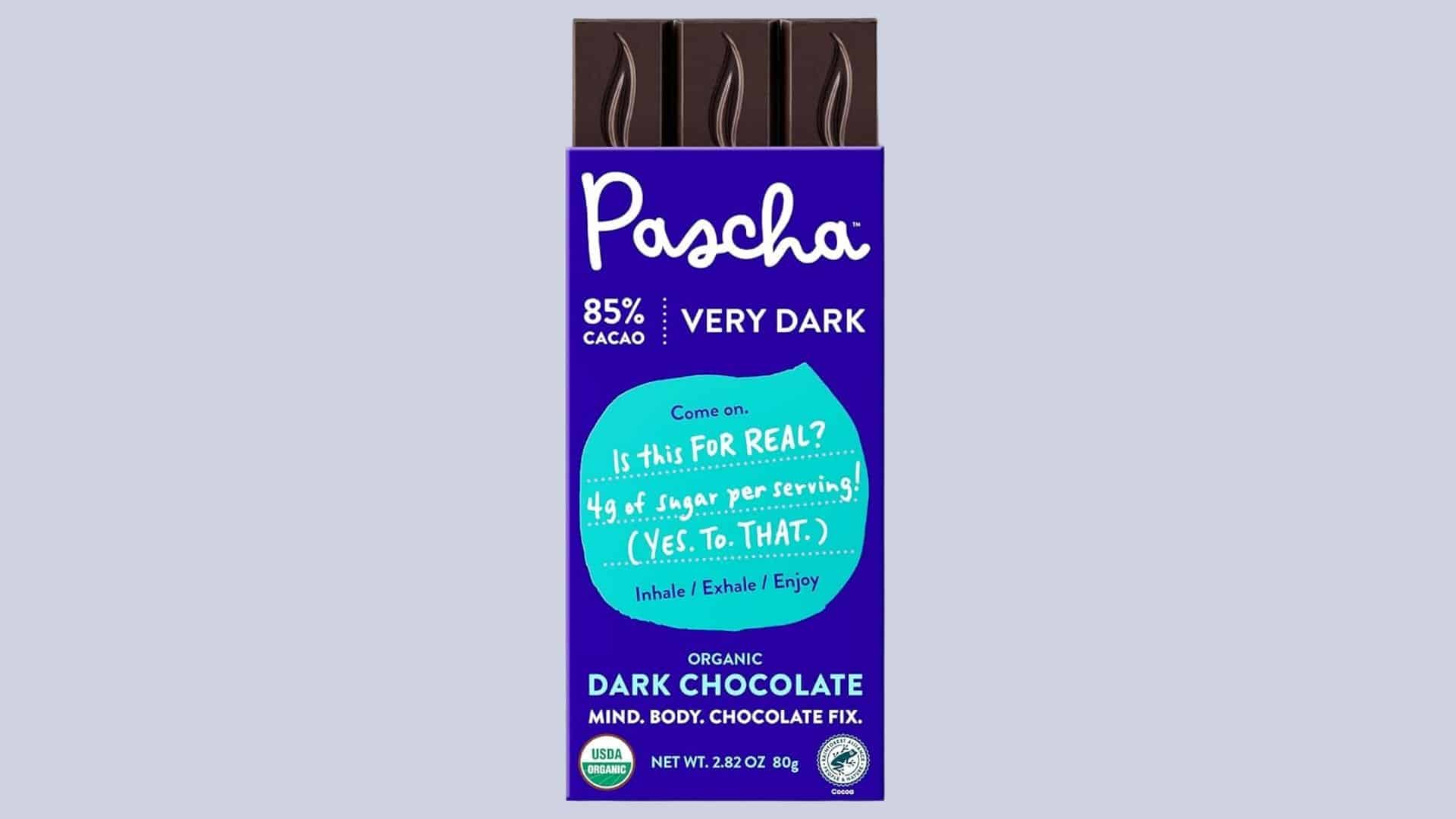
Pascha Chocolate sells many bars and chips clearly labeled gluten-free. Recipes avoid dairy and other common problem ingredients, which helps people with gluten concerns.
You can use their dark chocolate for snacks or baking without added gluten ingredients, or for everyday cooking and simple home treats.
Major Chocolate Brands With Gluten-Free Options
Major chocolate brands do offer gluten-free options, but only for certain products. You need to check each label carefully, since ingredients, sizes, and factories can change.
5. Hershey’s
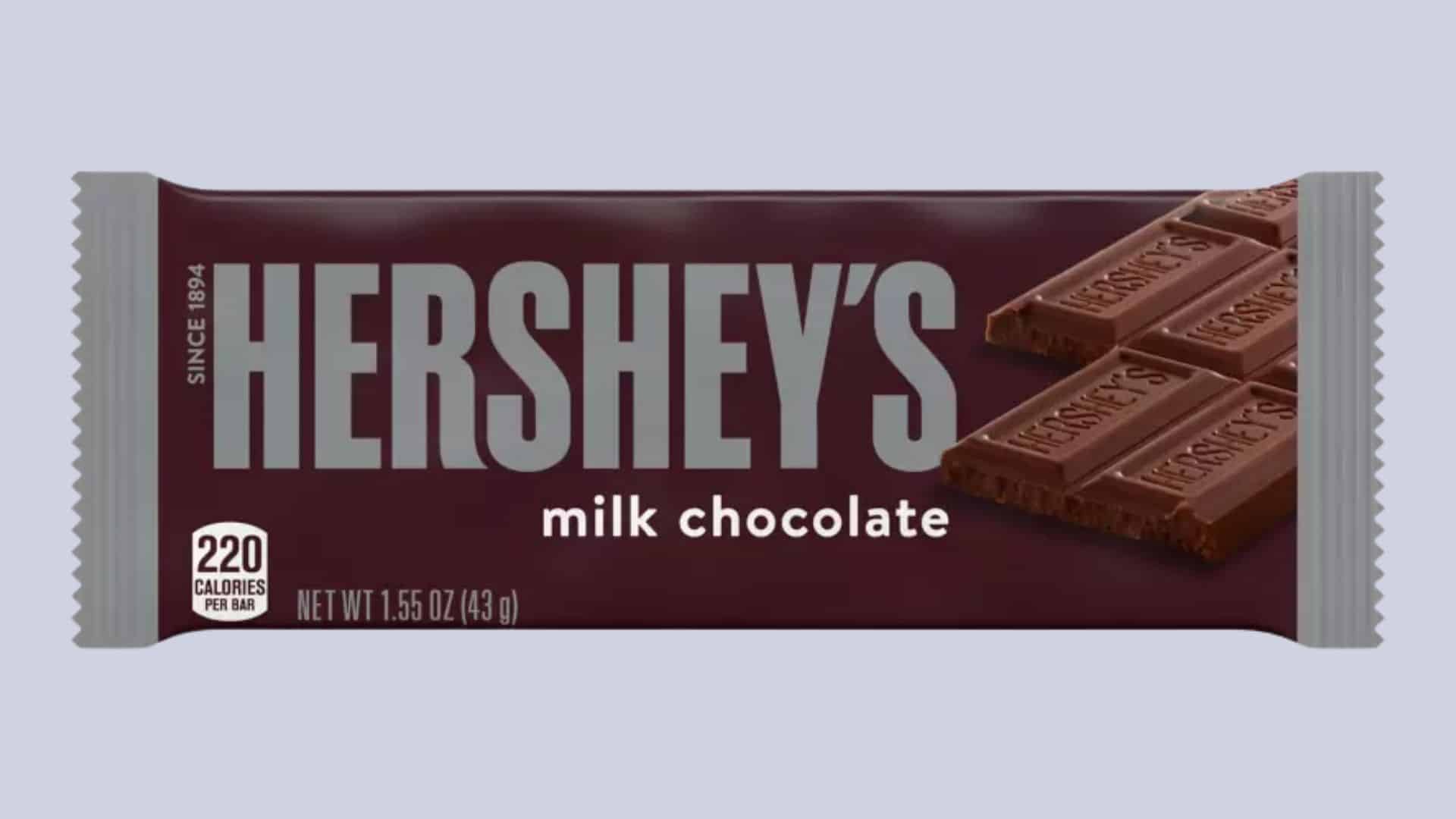
Hershey’s carries some bars and other items that are safe for a gluten-free diet. Not every product fits, so it’s important to read each label before you buy.
The brand’s list of gluten-free items is a good place to start before shopping.
6. Ghirardelli
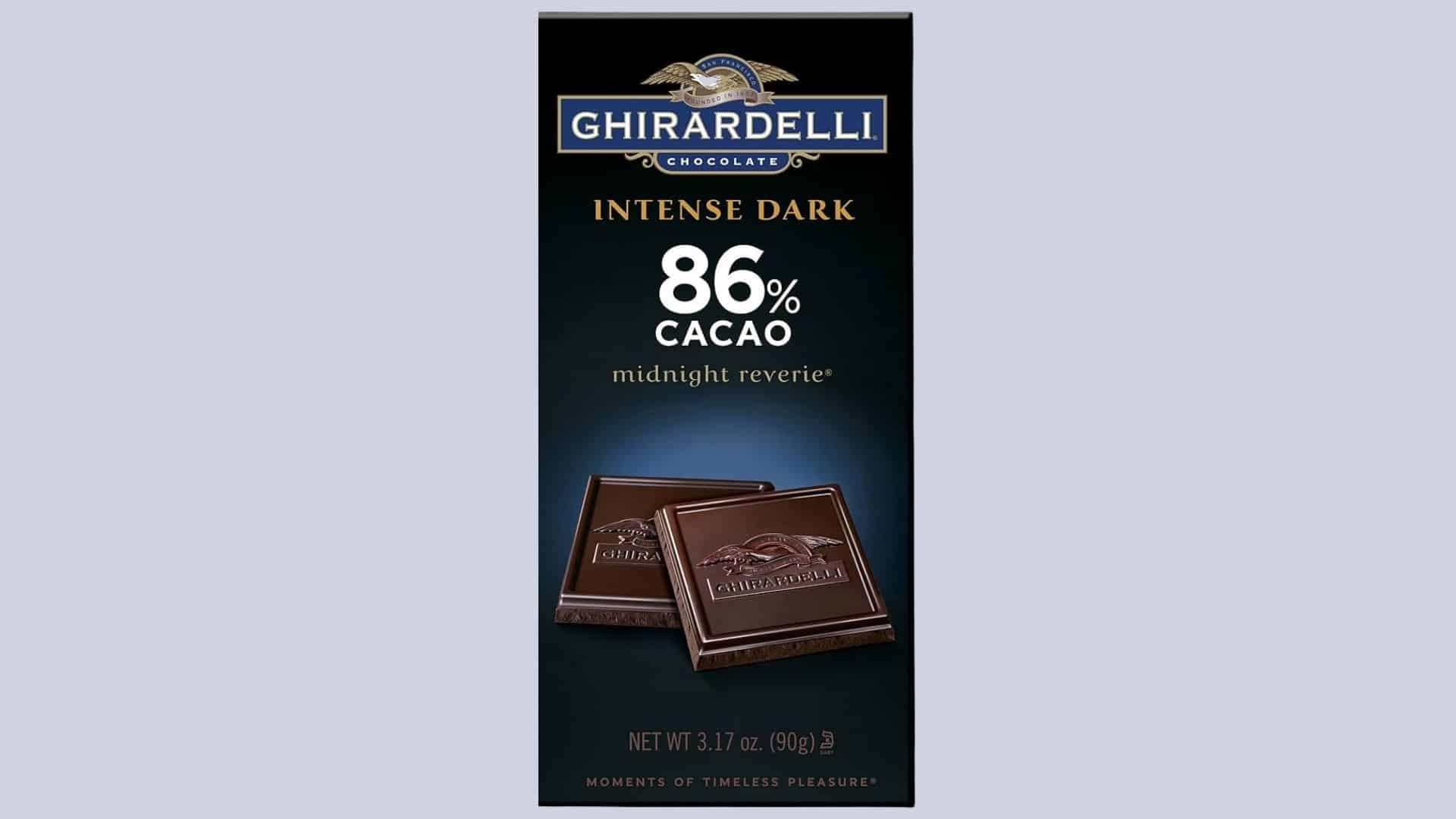
Ghirardelli offers solid chocolate bars and baking chips that can fit a gluten-free plan. Some flavors use crunchy bits or layers with gluten ingredients.
Labels change, so check each pack before you buy. Many people enjoy plain dark chips or bars from this brand.
7. Lindt (U.S.)
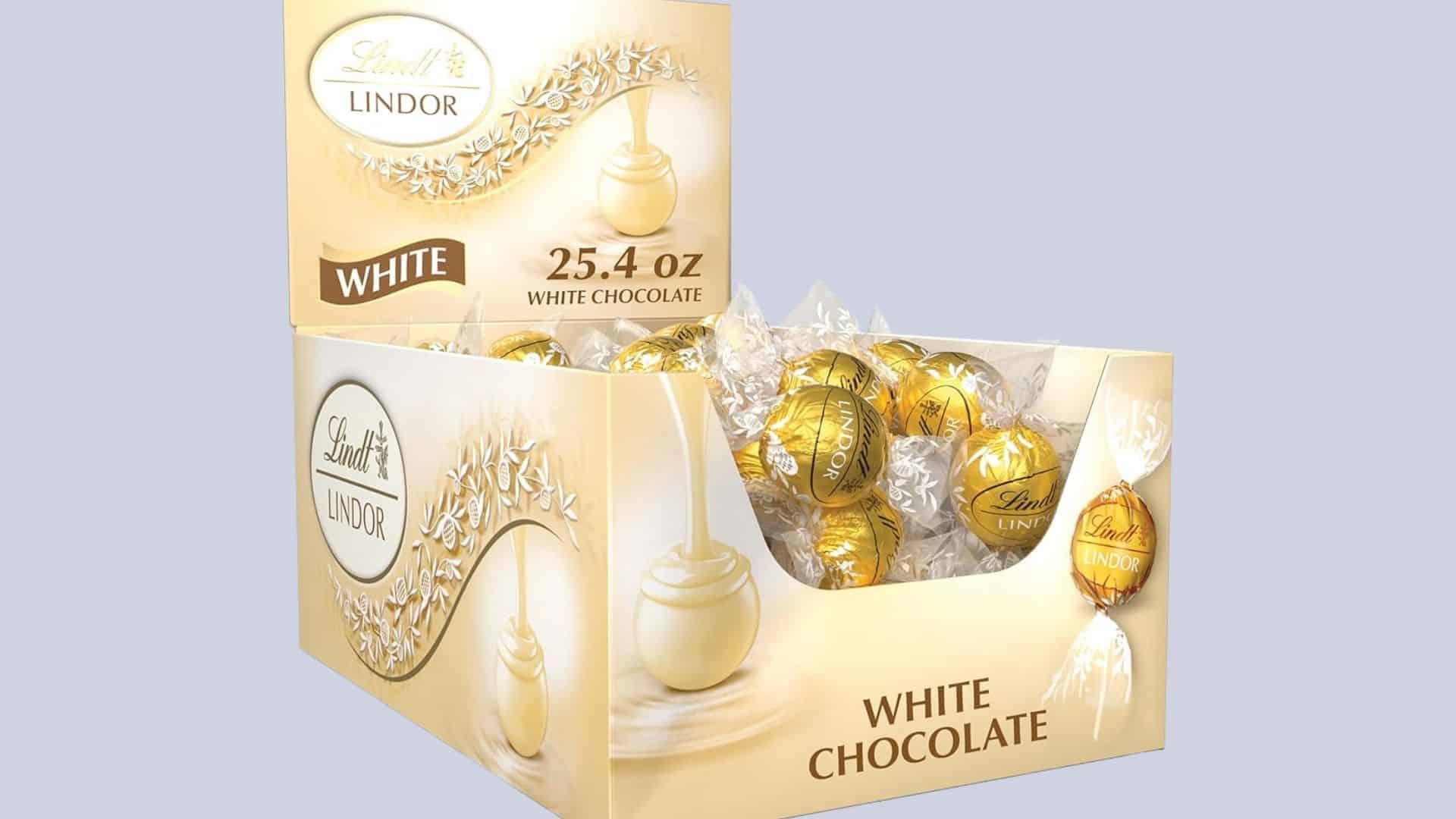
Lindt’s U.S. selection includes chocolates made without gluten ingredients, including plain dark and white chocolate bars.
However, some filled or crunchy versions may be made with shared tools, so it’s important to read the label every time. Lindt is known for its classic, high-quality chocolate that many people enjoy.
8. Nestlé
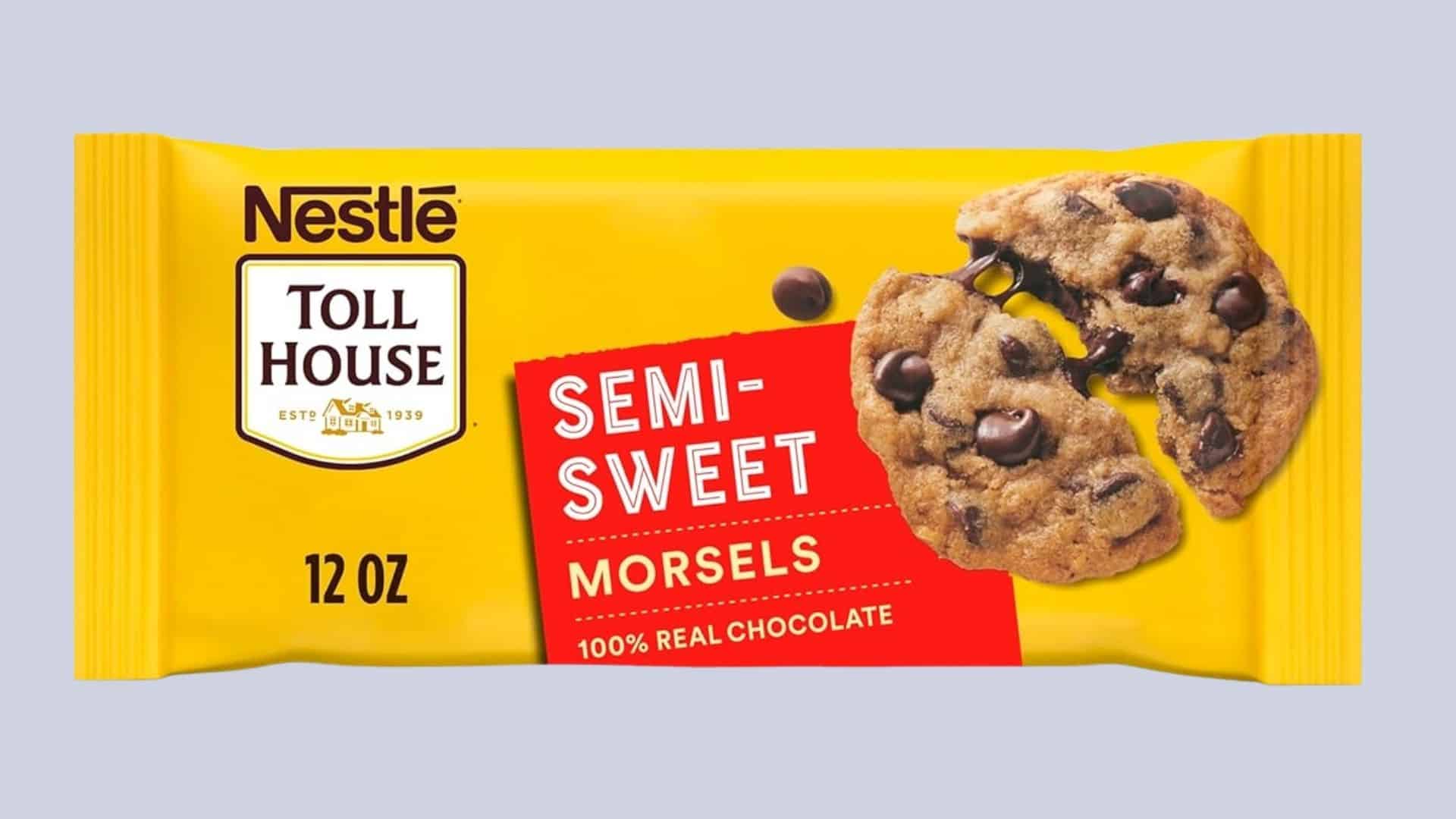
Nestlé has some plain chocolate bars and baking pieces that can be gluten-free. Other items may include cookies, wafers, or malt, which may contain gluten. Always look at the ingredients and allergen list before you pick a product.
Chocolates that Require Extra Caution
Some chocolate products are more likely to contain gluten or face cross-contact risks. These items often use wheat or malt, or share equipment. If you react to small amounts, it helps to know which products need closer label checks every time.
- Kit Kat Bars: Kit Kat bars contain wheat-based wafers layered with chocolate, making them unsafe for gluten-free diets and sensitive individuals.
- Whoppers Malted Milk Balls: Whoppers have malted milk centers made from barley, which contains gluten and should always be carefully avoided by sensitive people.
- Holiday Shaped Chocolates: Holiday-shaped chocolates often use seasonal recipes or are made in factories that increase the risk of gluten contamination, even when regular versions seem safe to buyers.
- Assorted Chocolate Bags: Mixes recipes and factories, increasing the risk of gluten exposure for cautious shoppers with strict dietary needs.
- Imported Chocolate Products: Imported chocolates follow different labeling rules and share equipment with other products, which increases uncertainty for gluten-sensitive consumers during everyday shopping.
Always check labels carefully for products that may contain gluten or face cross-contact risks. A quick scan at the store helps ensure you make safe choices.
Other Sweets that Might Be Gluten Free
Some sweets are often made without gluten ingredients, but you still need to check labels every time. Hard candies usually do not use wheat, making them a safer option. Gummies and fruit chews may work if they avoid malt syrup.
Marshmallows are often gluten-free, but flavors vary. Caramels made with sugar, cream, and butter can be safe, though shared equipment matters. Fudge without cookie pieces may fit some diets. Jelly beans sometimes contain starches that vary by brand.
Licorice and filled candies are riskier and need closer checks. Even when a sweet seems simple, recipes and factories change. Always read ingredient and allergen statements before buying anything new or seasonal.
Final Takeaway
Choosing gluten-free chocolate doesn’t have to be stressful, but it requires a bit of attention. Understanding the difference between certified gluten-free brands and those that require extra caution helps make safer choices.
Always read ingredient labels, especially when dealing with seasonal or imported products. While some chocolates may appear simple, hidden ingredients like malt or wafers can cause concerns.
Major brands like Hershey’s, Ghirardelli, and Lindt offer gluten-free options, but not all of their products are safe for people with gluten intolerance. By checking labels and knowing which products are certified, you can enjoy your treats with confidence.
Still wondering, “Does chocolate have gluten?” The best way to ensure safety is to read labels carefully. Stay informed and shop confidently!