
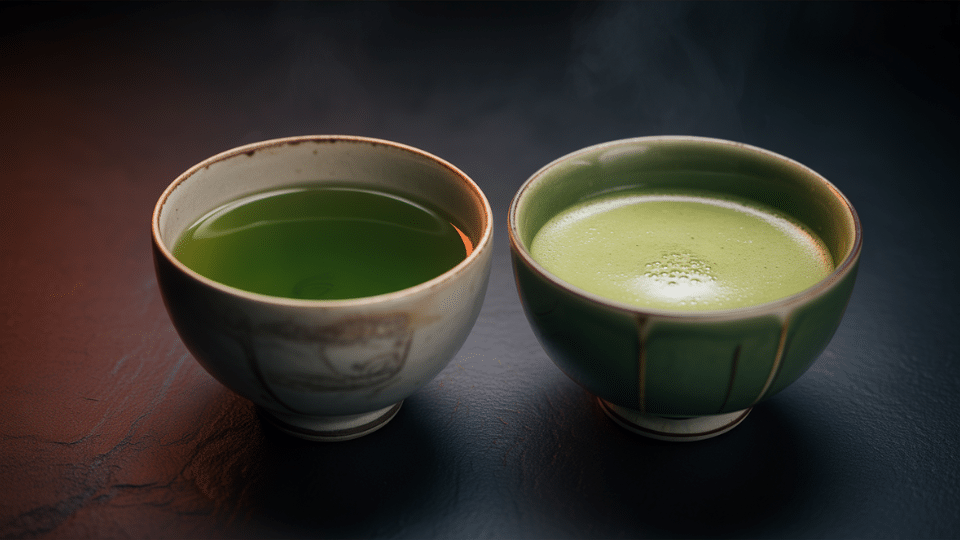
The confusion between Matcha and Green Tea is everywhere, and it’s costing people money on the wrong choice. Most people assume they’re entirely different products, while others think they’re interchangeable.
Neither assumption is correct. The way each one is processed and consumed creates completely different effects, different caffeine levels, different nutrition, different taste, and different preparation.
In this guide, I’m breaking down exactly how Matcha compares to regular Green Tea: processing methods, flavor profiles, nutritional density, health benefits, and which one fits specific lifestyles.
No romanticizing, no pseudo-science. By the end, I’ll help make the decision obvious based on what actually matters for daily life and personal needs.
Is Matcha Tea the Same as Green Tea?
Both Matcha and regular Green Tea originate from the same plant: Camellia sinensis.
Regular Green Tea involves steeping leaves in hot water, extracting soluble compounds, then discarding the leaves. Only water-soluble nutrients transfer to the cup.
Matcha involves grinding shade-grown leaves into fine powder, then whisking that powder directly into liquid. The entire leaf is consumed.
This single distinction, steeped infusion versus whole-leaf consumption, explains why Matcha delivers significantly higher caffeine, denser nutrition, stronger flavor, and more intense effects despite coming from the same source.
Understanding this foundational difference clarifies every comparison that follows.
How Matcha and Green Tea are Made
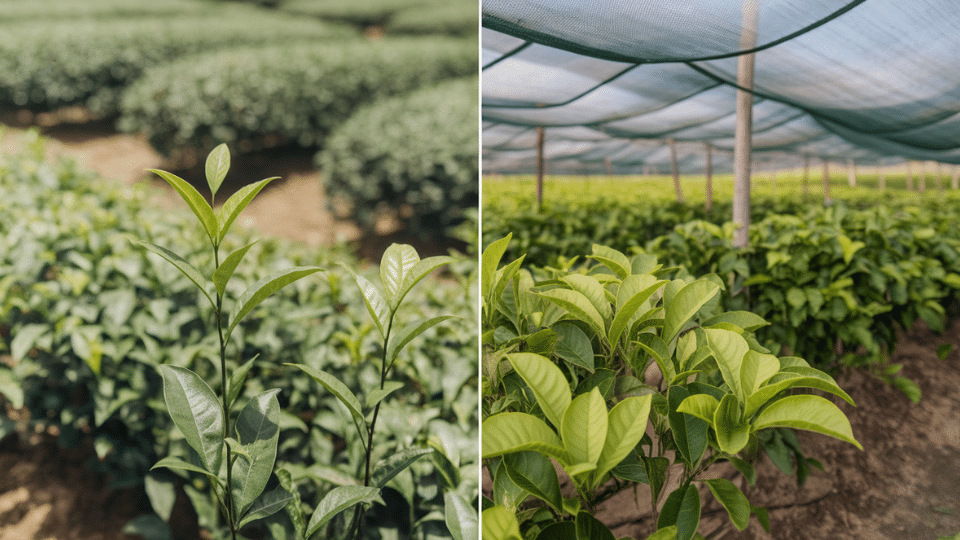
The production methods for Matcha and Green Tea diverge significantly, creating distinct flavor profiles and nutritional characteristics despite sharing the exact botanical origin.
Green Tea leaves grow in full sunlight, get harvested, then quickly heat-treated through steaming or pan-firing to stop oxidation.
After heating, they’re rolled and dried for packaging. Brewing steeped these dried leaves in water, creating an infusion.
Matcha production works differently. Farmers shade tea plants for 3-4 weeks before harvest, restricting sunlight. This triggers higher chlorophyll and L-theanine production.
After harvesting only the youngest leaves, stems, and veins are removed, leaving pure leaf material. Then it gets stone-ground into the ultra-fine powder that suspends in liquid when whisked.
Why This Matters
The shade-growing process creates Matcha’s vibrant green color and umami-rich flavor compared to Green Tea’s lighter, grassier profile.
Because Matcha involves consuming the entire ground leaf, it delivers concentrated nutrients, every beneficial compound, but also any contaminants if the quality is poor.
Green Tea’s steeping method produces a gentler flavor but limits nutrient intake to only what dissolves in water.
Matcha vs Green Tea: Taste Comparison
The flavor difference between Matcha and Green Tea hits immediately from the first sip, though both share underlying vegetal notes.
| Aspect | Green Tea | Matcha |
|---|---|---|
| Base Flavor | Light, grassy, delicate with subtle sweetness | Rich, umami-forward, creamy with vegetal depth |
| Texture | Thin, clear liquid, no body or residue | Smooth, slightly thick with suspended particles |
| Astringency | Sharp if over-steeped; bitterness common with errors | Naturally bitter, especially in lower grades |
| Finish | Clean, short-lived aftertaste | Lingering, coating the palate with earthy notes |
Green Tea tastes refreshing but becomes easily ruined by brewing errors, while Matcha offers complexity that requires adjusting to its natural bitterness.
Matcha vs Green Tea: Nutrition and Health Benefits
Nutritional and health differences stem from consuming whole leaves versus steeping them, creating measurable gaps in density and practical effects.
| Nutrient/Benefit | Green Tea (per cup) | Matcha (per serving) | Practical Effect |
|---|---|---|---|
| Caffeine | 30-50mg | 70mg | Matcha delivers stronger, longer-lasting energy |
| EGCG (antioxidant) | 25-86mg | 137mg | Higher disease protection per serving with Matcha |
| L-Theanine | 6-8mg | 19-44mg | Matcha creates calmer focus; Green Tea is milder |
| Weight Loss Support | Minimal metabolic boost | Minimal metabolic boost | Effectively equal—consistency matters more than type |
| Brain Function | Gentle mental stimulation | Sustained focus without jitters | Clear Matcha advantage for concentrated work |
| Heart Health | Long-term cardiovascular protection | Long-term cardiovascular protection | Similar benefits with regular daily intake of either |
| Inflammation | Reduces inflammatory markers | Reduces inflammatory markers | Comparable effects over time |
Matcha provides more nutrients, but the benefits plateau after moderate intake; three cups of Green Tea supply sufficient antioxidants. It’s ideal for those seeking maximum nutrients in small amounts or needing sustained mental focus.
Matcha vs Green Tea: What Suits Different People
The choice between Matcha and Green Tea depends on individual priorities, tolerance levels, and lifestyle needs rather than the universal superiority of either option.
If budget matters most, choose Green Tea. Quality Matcha costs $0.75-$3.00 per serving versus $0.10-$0.50 for Green Tea. The nutritional premium doesn’t justify the expense for everyone.
If starting out with tea,choose Green Tea. It’s forgiving to prepare, gentler on the stomach, widely available, and builds familiarity with the flavor profile without bitterness or commitment.
If sustained focus and productivity matter: Choose Matcha. The combined caffeine and L-theanine support extended concentration works better than coffee or Green Tea. Only works if caffeine tolerance exists; otherwise, the intensity backfires.
If caffeine sensitivity is an issue, choose Green Tea. Matcha’s 70mg caffeine per serving can trigger jitters, anxiety, or sleep disruption. Green Tea’s 30-50mg proves more tolerable.
If valuing preparation ritual, choose Matcha. The whisking process creates a meditative practice. Green Tea preparation is simpler but lacks ceremonial depth.
If maximizing antioxidants per serving, choose Matcha. Higher EGCG density delivers more disease protection from less volume, though regular Green Tea consumption achieves similar long-term benefits.
How to Prepare Matcha vs Green Tea
Proper preparation determines whether these teas taste pleasant or unbearably bitter; technique errors completely ruin the experience for beginners and experienced drinkers.
Preparing Green Tea Correctly
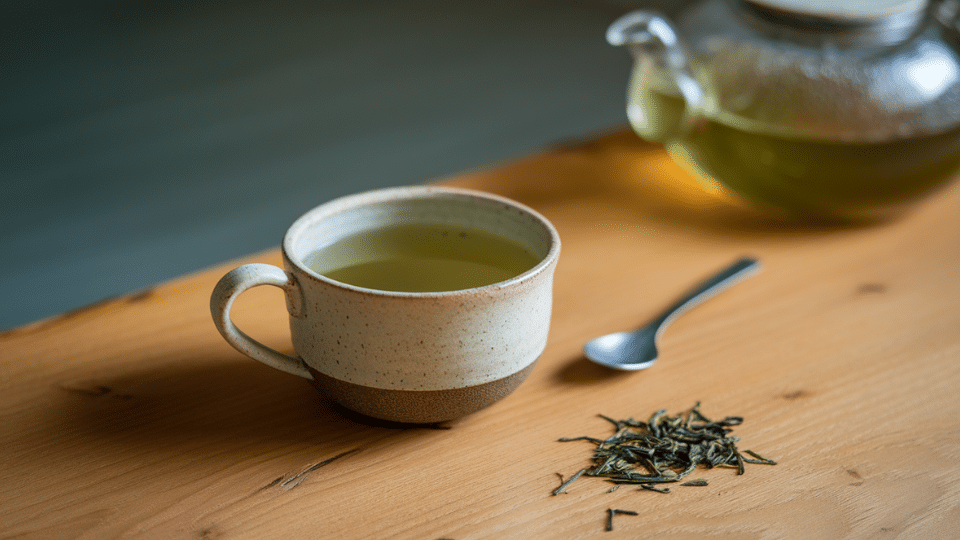
- Heat water to 160-180°F (let boiled water cool 2-3 minutes, never use boiling water)
- Add 1 teaspoon of loose leaf per 8 ounces of water
- Steep for 2-3 minutes maximum using a timer
- Remove leaves immediately to prevent over-extraction and bitterness
- Adjust future batches by modifying steep time slightly, never exceeding 3 minutes
Preparing Matcha Correctly
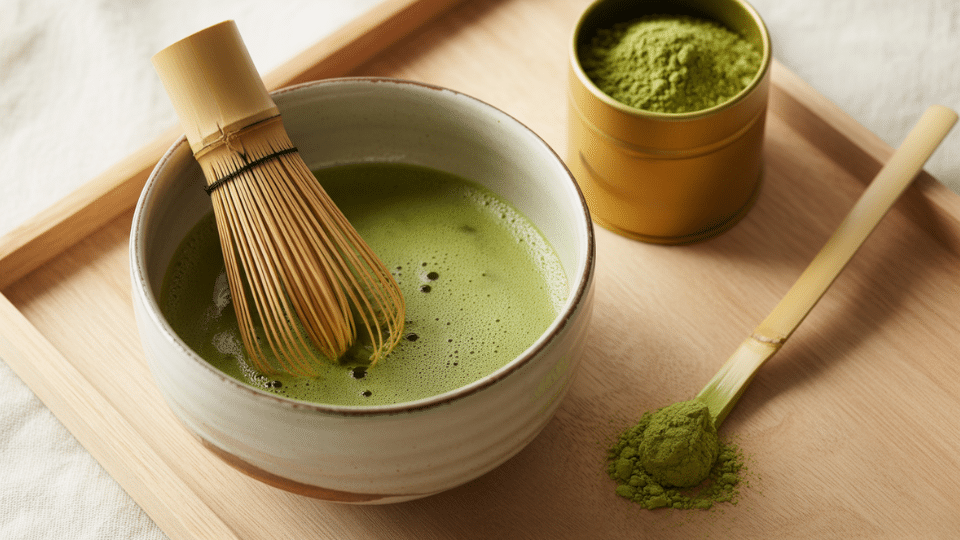
- Sift 1-2 teaspoons Matcha powder through a fine mesh strainer to eliminate clumps
- Add 2-4 ounces of hot water at 175°F (slightly below boiling)
- Whisk vigorously in zigzag motion for 15-20 seconds until frothy using a bamboo whisk
- Check for smoothness, no clumps should remain, surface should show fine foam
- Drink immediately while warm or pour over ice with milk for lattes
Downsides and Side Effects to Consider
Neither Matcha nor Green Tea is perfect for everyone; understanding potential negatives helps set realistic expectations and avoid unpleasant experiences with either option.
- High caffeine in Matcha: 70mg per serving can cause jitters, anxiety, rapid heartbeat, or insomnia if consumed after noon
- Green Tea still contains stimulants: 30-50mg caffeine affects highly sensitive individuals, despite being gentler than Matcha
- Empty stomach issues: Matcha’s concentrated tannins trigger nausea and acid reflux; always consume with food or after meals
- Over-steeping Green Tea: Creates harsh bitterness and can irritate sensitive stomachs if brewed incorrectly
- Matcha quality is critical: Low-grade versions contain pesticides and heavy metals since the entire leaf is consumed
- Cost barrier: Quality ceremonial-grade Matcha is expensive but necessary, cheap options taste terrible, and may be unsafe
Awareness of these limitations prevents disappointment and helps choose the right option based on individual tolerance, digestive sensitivity, and quality budget constraints.
The Bottom Line
After comparing Matcha vs Green Tea across processing methods, taste, nutrition, health benefits, and practical use cases, both serve distinct purposes rather than one being universally superior.
Matcha delivers higher caffeine and nutrient density from consuming whole ground leaves, while Green Tea offers affordability, gentler effects, and simpler preparation from steeped infusions.
The choice between Matcha vs Green Tea ultimately depends on caffeine tolerance, budget constraints, and whether maximum focus or everyday simplicity matters more in a daily tea routine.
I recommend starting with Green Tea for most people, then upgrading to Matcha once the benefits justify the investment.
What’s your experience with Matcha or Green Tea? Drop a comment below and share which one works better for your lifestyle.