
Diarrhea has a way of making even your favorite meal sound completely unappealing. I’ve found that when my stomach is upset, trying to eat normally usually feels like too much, so I naturally reach for plain foods and smaller portions.
Figuring out what to eat when you have diarrhea makes those uncomfortable days a little easier.
I usually focus on foods that feel gentle on my stomach while making sure I’m drinking enough fluids.
As my appetite returns, I slowly add more variety instead of jumping straight into a heavy meal. It’s a simple approach, but it makes eating feel much more manageable.
What Foods Are Good for Diarrhea?
Certain qualities make a food easier on your system during a flare-up, and the best choices usually check several of these boxes at once:
-
Gentle on the stomach so your digestive system has less work to do
-
Lower in rough fiber to avoid adding extra bulk to loose stools
-
Higher in soluble fiber to help soak up excess water in the digestive tract
-
A good source of carbohydrates to help maintain energy when you are eating less
-
High in fluids to make up for water lost during diarrhea
-
Packed with electrolytes to restore minerals such as sodium and potassium
-
Lower in fat because rich or greasy foods can be harder to handle
-
Provides some protein to help you continue meeting basic nutritional needs
-
Low in added sugars to avoid drawing extra water into the intestines
-
Lightly seasoned to keep meals gentle while your digestive system settles
What to Eat when You Have Diarrhea
Choosing simple, easy-to-digest foods can help you keep eating when your stomach feels unsettled. Start with small portions and gradually add more filling options as your appetite improves.
1. Bananas
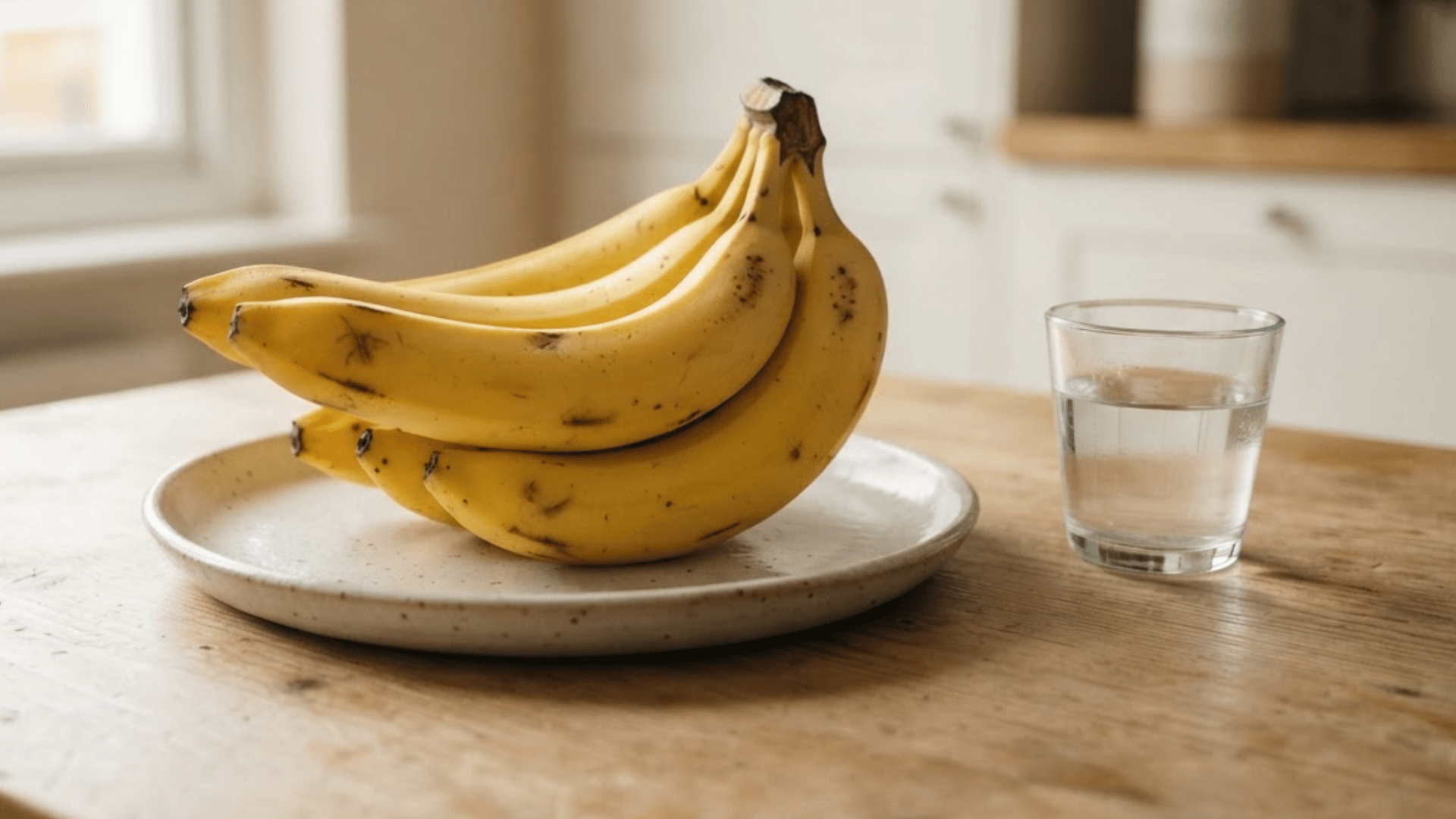
Bananas are soft, easy to eat, and provide potassium, an electrolyte your body can lose during diarrhea. They are also convenient when you have little appetite because they require no preparation.
Choose a ripe banana and eat a small amount at first if your stomach feels particularly sensitive.
2. White Rice
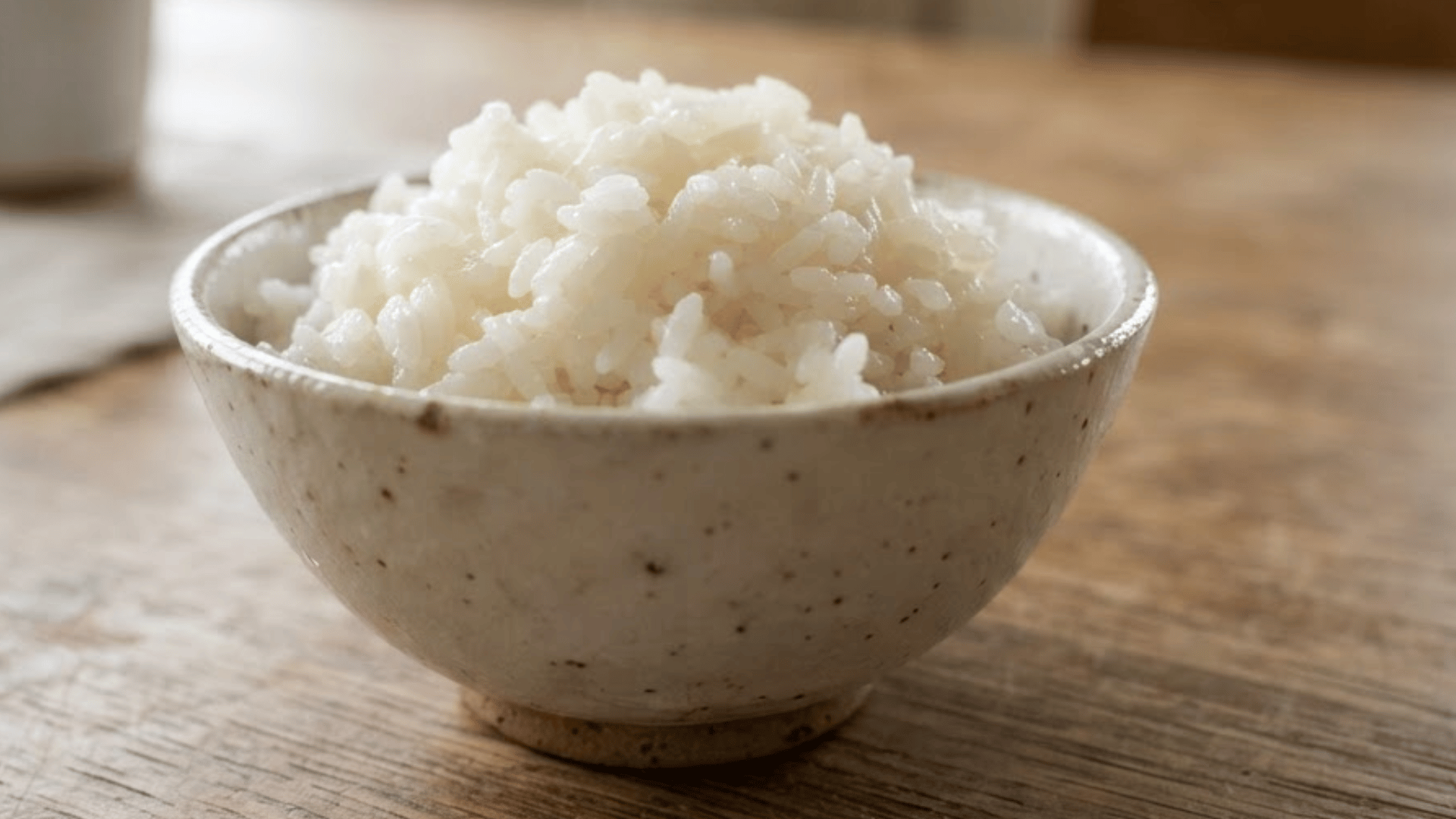
Plain white rice is a simple carbohydrate that can provide energy without adding much fiber. Its mild flavor also makes it easier to eat when richer foods sound unappealing.
Keep the rice plain and skip spicy sauces, fried toppings, butter, or rich curries until your stomach feels better.
3. Applesauce
Unsweetened applesauce is another soft food that may be easier to tolerate during diarrhea. Apples contain pectin, a type of soluble fiber.
Look for unsweetened applesauce rather than varieties with lots of added sugar. Start with a small serving and see how your digestive system responds.
4. White Toast
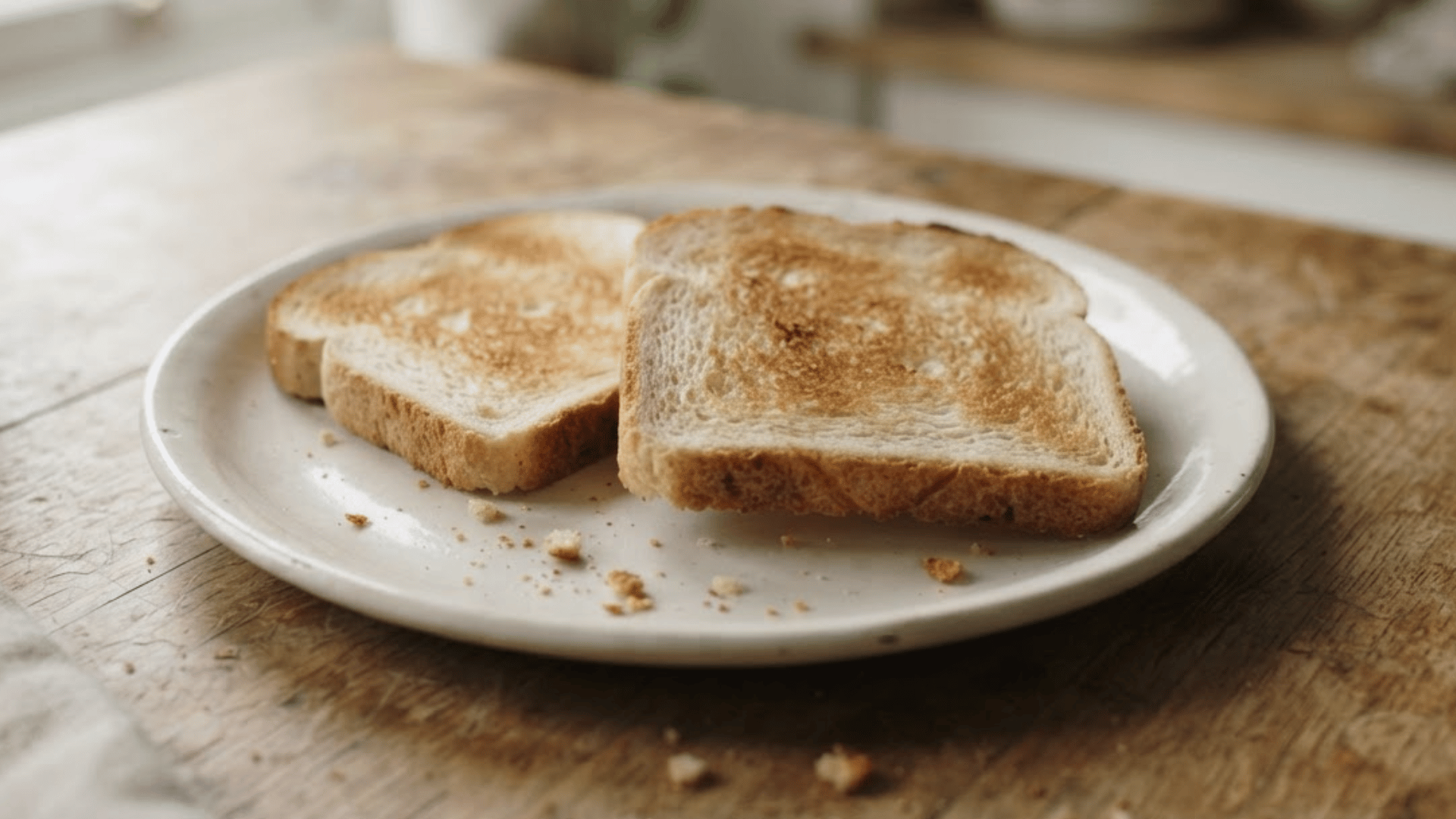
Plain white toast provides carbohydrates while keeping fiber relatively low. Toasting the bread can also make it drier, which some people find easier to eat when their stomach is upset.
Avoid loading it with butter, sugary spreads, or rich toppings. Whole-grain bread may also be harder to tolerate while diarrhea is active because it contains more fiber.
5. Plain Oatmeal
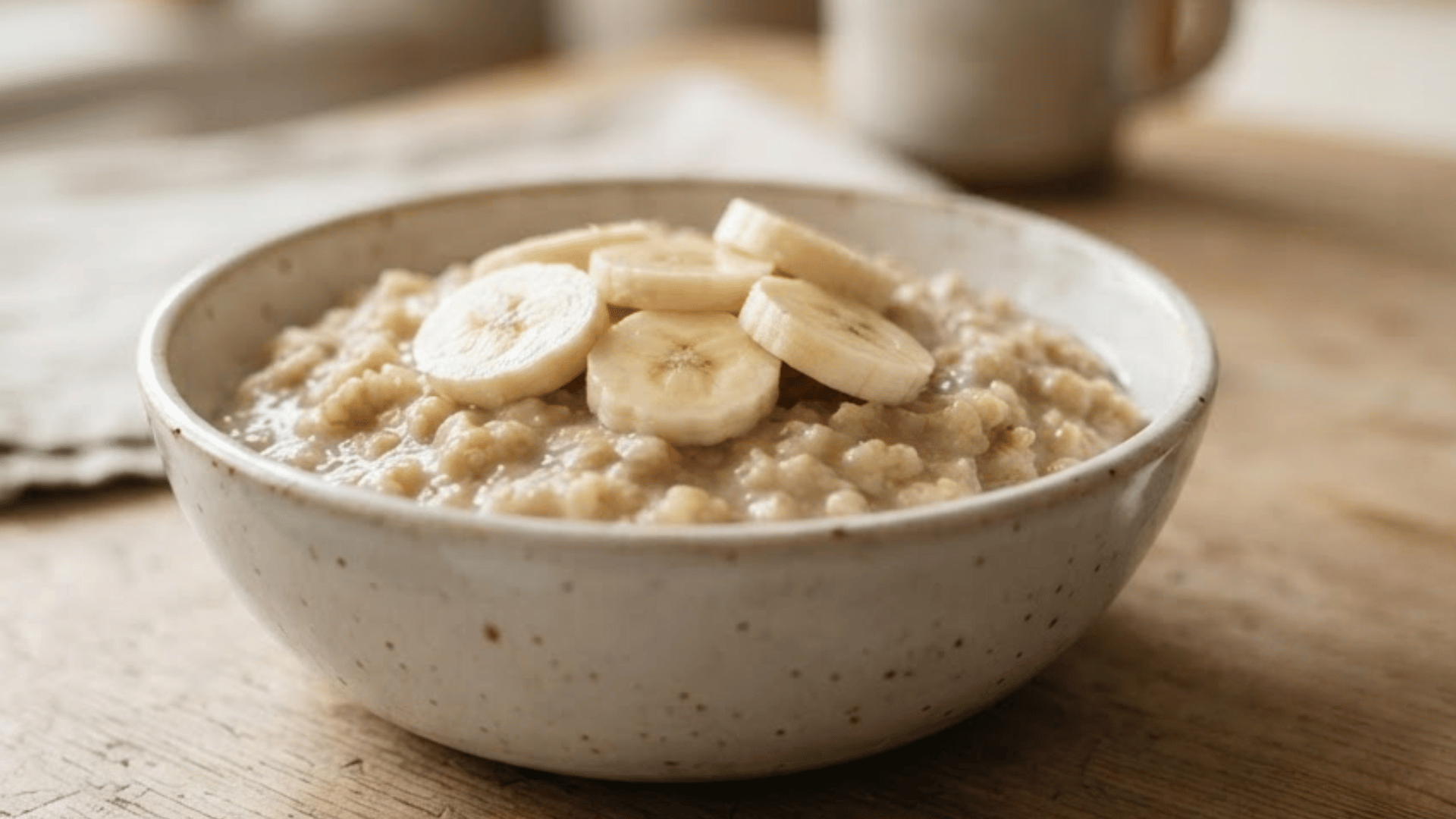
Soft, well-cooked plain oatmeal can be another gentle option when your stomach is unsettled. Prepare it simply with water and keep the serving relatively small.
Oats also contain gut-friendly soluble fiber that some people find soothing as symptoms ease.
Skip heavy additions such as cream, large amounts of sugar, nuts, and rich toppings. You can add a little banana if you want extra flavor without making breakfast overly complicated.
6. Peeled Potatoes
Potatoes provide carbohydrates and potassium, but how you prepare them matters. Boiled or baked peeled potatoes are preferable to fries or heavily seasoned versions when your stomach is unsettled.
Keep them plain and avoid butter, cheese, cream, spicy seasonings, and greasy toppings until your digestive system has had time to recover.
7. Crackers and Pretzels
Plain crackers and pretzels are useful when you don’t feel ready for a full meal. They provide carbohydrates, while salted varieties also provide some sodium.
Eat them slowly and pair them with water or another suitable hydrating drink rather than relying on dry foods alone.
8. Clear Broth and Soup
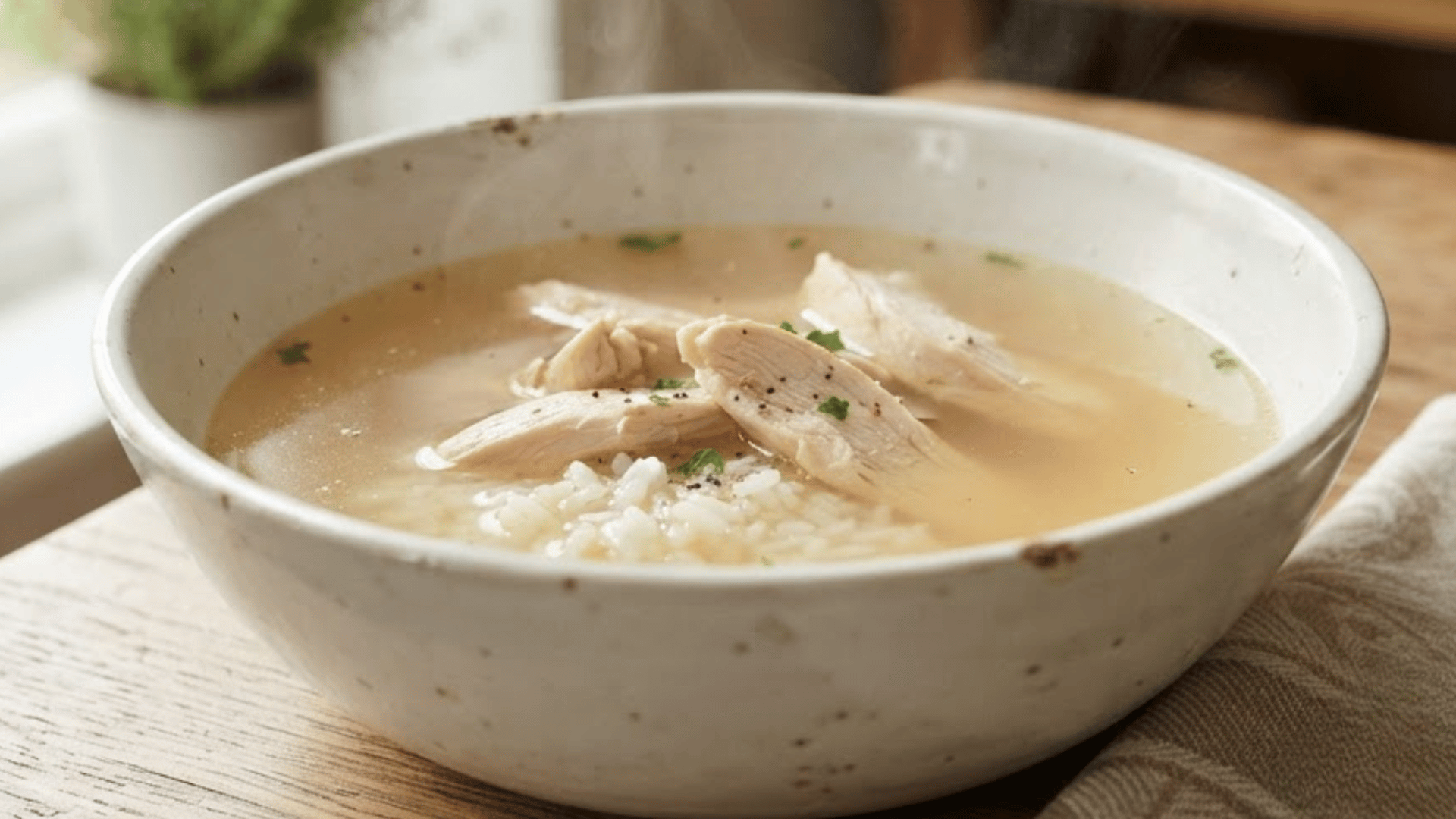
Clear chicken or vegetable broth provides fluid along with some sodium. Warm broth can be particularly useful when your appetite is low and eating solid foods feels difficult.
Choose simple soups rather than creamy, spicy, or greasy varieties. Once you feel ready for more food, add plain rice, noodles, or lean chicken.
9. Eggs
Eggs provide protein, which helps make your temporary diet more balanced than eating only toast, rice, and bananas.
Keep preparation simple. Boiled, poached, or lightly scrambled eggs are better choices than eggs cooked in lots of butter or oil. Avoid spicy seasonings and rich sauces while symptoms continue.
10. Plain Chicken or Turkey
Once your stomach can tolerate more substantial foods, plain chicken or turkey can provide lean protein.
Choose skinless poultry that is baked, boiled, or gently cooked. Avoid fried chicken and heavily seasoned preparations, as large amounts of fat and spice may be harder to tolerate.
Foods to Avoid When You Have Diarrhea
Some foods can worsen digestive discomfort during diarrhea. MedlinePlus recommends limiting foods and drinks that may aggravate symptoms.
-
Fried and Fatty Foods: Greasy foods can be difficult to digest and may worsen diarrhea
-
Spicy Foods: Hot or heavily spiced foods may irritate your digestive system and increase discomfort
-
Dairy Products: Milk and creamy dairy products may be harder to digest during or shortly after diarrhea
-
Sugary Foods: Foods high in added sugar may draw more water into the intestines and worsen loose stools
-
Sugar Alcohols: Sorbitol, xylitol, and similar sweeteners can have a laxative effect
-
High-Fiber Foods: Raw vegetables, bran, and other high-fiber foods may increase bowel movements temporarily
-
Caffeinated Drinks: Coffee, energy drinks, and strong tea may stimulate the digestive tract
-
Alcohol: Alcohol can irritate your digestive system and contribute to dehydration
-
Gas-Producing Foods: Beans, cabbage, broccoli, and onions may increase gas and bloating
-
Heavy Meals: Large or rich meals can be harder for an unsettled digestive system to handle
Is the BRAT Diet Good for Diarrhea?
Yes, the BRAT diet can help with diarrhea for a short time because it includes bland, easy-to-digest foods. However, don’t follow it long-term because it lacks important nutrients.
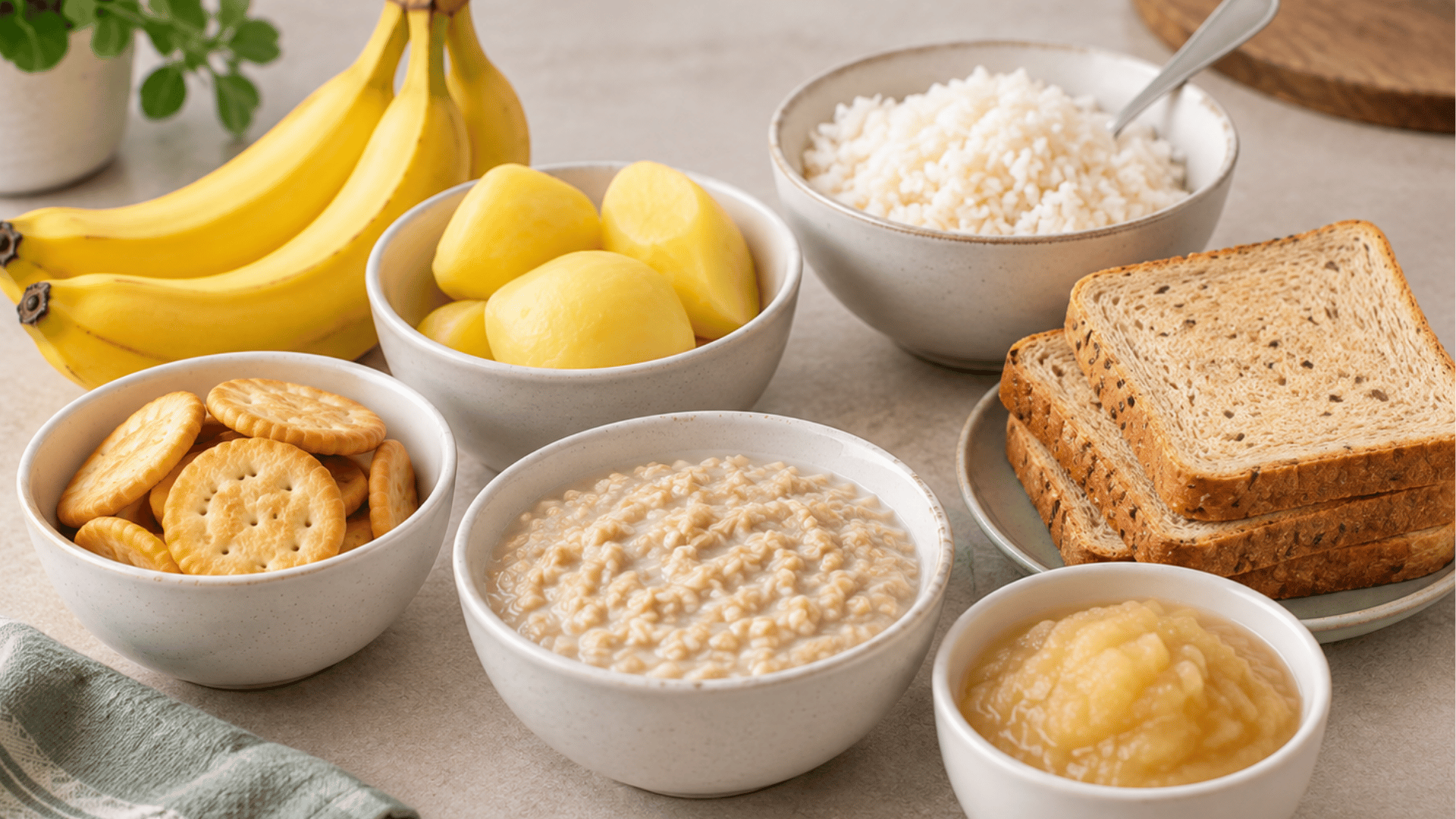
BRAT stands for bananas, rice, applesauce, and toast. These foods have traditionally been associated with diarrhea because they are bland and relatively easy to eat.
However, relying only on these four foods limits protein and several important nutrients. A better approach is to use bland foods as a starting point and gradually include options such as oatmeal, potatoes, eggs, broth, and lean chicken as tolerated.
Think of BRAT foods as temporary choices, not a complete recovery diet.
What Should You Drink When You Have Diarrhea?
Diarrhea causes your body to lose water and electrolytes, making hydration one of the most important parts of recovery.
-
Water, the simplest way to replace what you’re losing
-
Oral rehydration solution (ORS), formulated to replace fluids and electrolytes in the right balance
-
Clear broth, which adds sodium along with fluid
-
Diluted fruit juice, cut with water so it doesn’t add too much sugar
-
Caffeine-free herbal tea, gentle on the gut since it skips the stimulant effect of caffeine
-
Electrolyte drinks, which help replace sodium and potassium lost through loose stools
Eating Through Diarrhea From Cancer Treatment or Other Medical Care
Diarrhea is also a common side effect of certain medical treatments, not just infections or stomach bugs. If a treatment plan is behind your symptoms, the same gentle food principles still apply, but a few extra factors are worth knowing.
-
Chemotherapy and radiation therapy, which can irritate the digestive lining
-
Antibiotics, which can disrupt the gut’s normal bacterial balance
-
Certain other prescription medications
Loop in your oncology team or a registered dietitian before making major diet changes, since they can factor in calorie needs, medication timing, and your treatment plan. The bland diet staples above are a reasonable starting point.
When Should You See a Doctor for Diarrhea?
Most short episodes of diarrhea improve with time, proper hydration, and gentle food choices.
However, you should contact a healthcare professional if you notice blood or pus in your stool, severe abdominal or rectal pain, a high fever, significant dehydration, very little or no urination, persistent dizziness, unusual weakness, or diarrhea that does not improve.
Babies, young children, older adults, pregnant people, and those with certain medical conditions may need medical advice sooner because fluid loss and dehydration can become more concerning.
The Bottom Line
An unsettled stomach does not mean you have to survive on toast for days. Once you know what to eat when you have diarrhea, you can focus on gentle foods that provide energy without making meals unnecessarily heavy.
Start with fluids and simple foods, then slowly add protein and variety as your appetite improves.
Pay attention to how you feel. Persistent diarrhea, severe pain, fever, blood in the stool, or dehydration needs medical attention, not just diet changes
Everyone’s stomach settles a little differently once diarrhea eases up. What’s the one food that always helps yours the most? Share what’s worked for you in the comments below.
Frequently Asked Questions
Can I Eat Peanut Butter With Diarrhea?
Some people can tolerate small amounts of smooth peanut butter, but its fat content can bother others. Start with a small portion and monitor your symptoms.
How Soon Can I Eat Normally After Diarrhea?
You can gradually return to your normal diet as your appetite and symptoms improve. There is usually no reason to stay on an overly restrictive diet longer than necessary.
Should You Eat if You Have Diarrhea and No Appetite?
Do not force yourself to eat a large meal. Prioritize fluids and try small amounts of easy-to-digest food when you feel able to eat.
Do Probiotics Help After Diarrhea?
Yes, probiotics may help after diarrhea by supporting the balance of beneficial bacteria in the gut. However, their effectiveness can depend on the cause of diarrhea and the probiotic strain used.