
Victorian homes can feel full of detail, but what actually makes the style Victorian? Victorian interior design grew during the 1800s and became known for rich colors, patterned walls, carved furniture, and rooms filled with decorative details.
I find the style interesting because every part of the room often has a purpose, from the wallpaper to the lighting and fabrics.
Today, many homes borrow Victorian ideas without copying every detail from the past.
Learning where the style came from can help you recognize its main features and use them with more confidence. Here, you’ll learn about its history, key design elements, colors, furniture, and common decorating ideas.
What Is Victorian Interior Design?
Victorian interior design is a decorating style that developed during Queen Victoria’s reign in Britain, from 1837 to 1901.
It is known for richly decorated rooms, detailed craftsmanship, classy furniture, and layered decor. As manufacturing advanced, furniture, textiles, and décor became easier to produce.
This made elaborate interiors more accessible to homeowners.
The style also drew inspiration from Gothic, Rococo, Renaissance, and Asian influences, resulting in rooms filled with color, pattern, and texture.
Today, Victorian interior design is valued not only for its beauty but also for its historical significance.
Many of its defining features continue to influence traditional and modern Victorian interior design around the world.
The History and Evolution of Victorian Interior Design
1. The Beginning of the Victorian Era (1837–1901)
Victorian interior design began during Queen Victoria’s reign and quickly reflected the changing lifestyle of the time.
Homes were designed to feel classy, comfortable, and welcoming while also showing a family’s wealth and social position.
Decorative furniture, patterned wallpaper, artwork, and carefully chosen accessories became common features.
Unlike earlier styles that focused on symmetry and simplicity, Victorian interiors embraced richer decoration and greater attention to detail.
This helped create a style that would influence interior design for generations.
2. Industrialization Made Victorian Design More Accessible
The Industrial Revolution transformed how homes were furnished by making decorative products easier and less expensive to produce.
According to a talk hosted by the National Archives, industrialization made Victorian furnishings and decorative arts more accessible across social classes.
As production costs fell, Britain’s middle class gained access to furnishings once limited mainly to wealthier homes
This shift expanded the popularity of Victorian interior design while encouraging greater variety in furniture, textiles, wallpapers, and decorative accessories without losing the style’s emphasis on craftsmanship and detail.
3. Global Trade Brought New Design Influences
As Britain expanded its trade with countries around the world, Victorian interiors began incorporating ideas from different cultures.
Designers borrowed elements from Gothic Revival, Renaissance, Rococo, Japanese, Chinese, and Middle Eastern styles.
Imported rugs, porcelain, carved-wood furniture, decorative screens, and artwork became popular additions to many homes.
Rather than following a single design tradition, it combined influences from different regions, creating texture, color, and decorative detail.
4. Victorian Interior Design Evolved in Three Stages
Victorian interior design evolved throughout Queen Victoria’s reign, with each period introducing new influences while maintaining the style’s emphasis on elegance and craftsmanship.
- Early Victorian (1837–1851): Interiors featured dark color palettes, Gothic Revival influences, handcrafted furniture, and richly decorated rooms that reflected traditional craftsmanship.
- Mid-Victorian (1851–1870): Industrialization made ornate furniture, patterned wallpapers, decorative textiles, and accessories more affordable, allowing Victorian style to spread to a growing middle class.
- Late Victorian (1870–1901): The Arts and Crafts movement encouraged higher-quality craftsmanship, simpler forms, and more balanced interiors while preserving many classic Victorian design elements.
According to the Victoria and Albert Museum, the Arts and Crafts movement helped shape the later evolution of Victorian interior design through its emphasis on handcrafted design.
5. Homes Became a Reflection of Social Status
During the Victorian era, the appearance of a home reflected a family’s lifestyle, education, and social standing. Formal rooms were carefully decorated with classy furniture, paintings, books, porcelain, mirrors, and decorative objects.
Every detail was chosen to create a refined impression for visitors.
Rich fabrics, carved wood, patterned wallpaper, and elaborate window treatments showed both personal taste and financial success.
As a result, interior decoration became an important part of everyday life and social gatherings.
Materials Commonly Used in Victorian Interior Design
|
Material |
Common Uses in Victorian Interiors |
|---|---|
|
Mahogany, walnut, oak, and rosewood were used for furniture, wall paneling, cabinets, and carved decorative details. |
|
|
Marble |
Featured in fireplace surrounds, tabletops, entryway floors, and decorative accents for a polished, formal appearance. |
|
Used for lighting fixtures, door hardware, clocks, fireplace tools, and ornamental details. |
|
|
Commonly found in radiators, stair railings, fireplaces, bed frames, and decorative architectural features. |
|
|
Stained and Etched Glass |
Added color and intricate patterns to doors, windows, cabinets, and room dividers. |
|
Velvet, Silk, and Brocade |
Used for upholstery, curtains, cushions, and wall coverings to create a layered, luxurious look. |
Victorian Decorative Arts and Craftsmanship
- Furniture Craftsmanship: Cabinetmakers created finely carved furniture using traditional woodworking techniques that emphasized quality and durability.
- Ceramics and Porcelain: Decorative pottery, china, and porcelain pieces became popular for both everyday use and formal display in Victorian homes.
- Glassmaking: Artisans produced stained glass, etched glass, and decorative mirrors that added color, light, and intricate patterns to interiors.
- Metalworking: Brass, bronze, silver, and cast-iron objects were crafted into lighting fixtures, fireplace accessories, clocks, and ornamental pieces.
- Textile Arts: Embroidery, lacework, woven fabrics, and tapestries showcased detailed handwork and decorative craftsmanship.
- Book Illustration and Printmaking: Illustrated books, decorative prints, and framed engravings reflected the growing appreciation for art and literature.
Victorian Interior Design Around the World
Although Victorian interior design began in Britain, it spread across several countries during the nineteenth century.
|
Region |
How Victorian Interior Design Was Adapted |
|---|---|
|
United Kingdom |
Victorian interiors developed through several design movements and were closely linked to changing social class, industry, and craftsmanship. |
|
United States |
American homes combined British Victorian ideas with local styles, creating regional versions such as Queen Anne and Italianate interiors. |
|
Canada |
Canadian interiors followed British traditions but often used locally available wood and materials suited to colder climates. |
|
Australia |
Victorian homes included decorative interiors alongside layouts designed for warmer weather, larger windows, and better airflow. |
|
New Zealand |
The style blended British decorative traditions with practical colonial construction and locally sourced materials. |
|
Global Legacy |
Victorian interiors are still preserved in historic homes, museums, hotels, and heritage buildings across many countries. |
Key Features of Victorian Interior Design
Victorian interiors are known for their rich details and furnishings. Their features continue to influence both traditional and modern Victorian interiors.
1. Rich and Dramatic Color Palettes
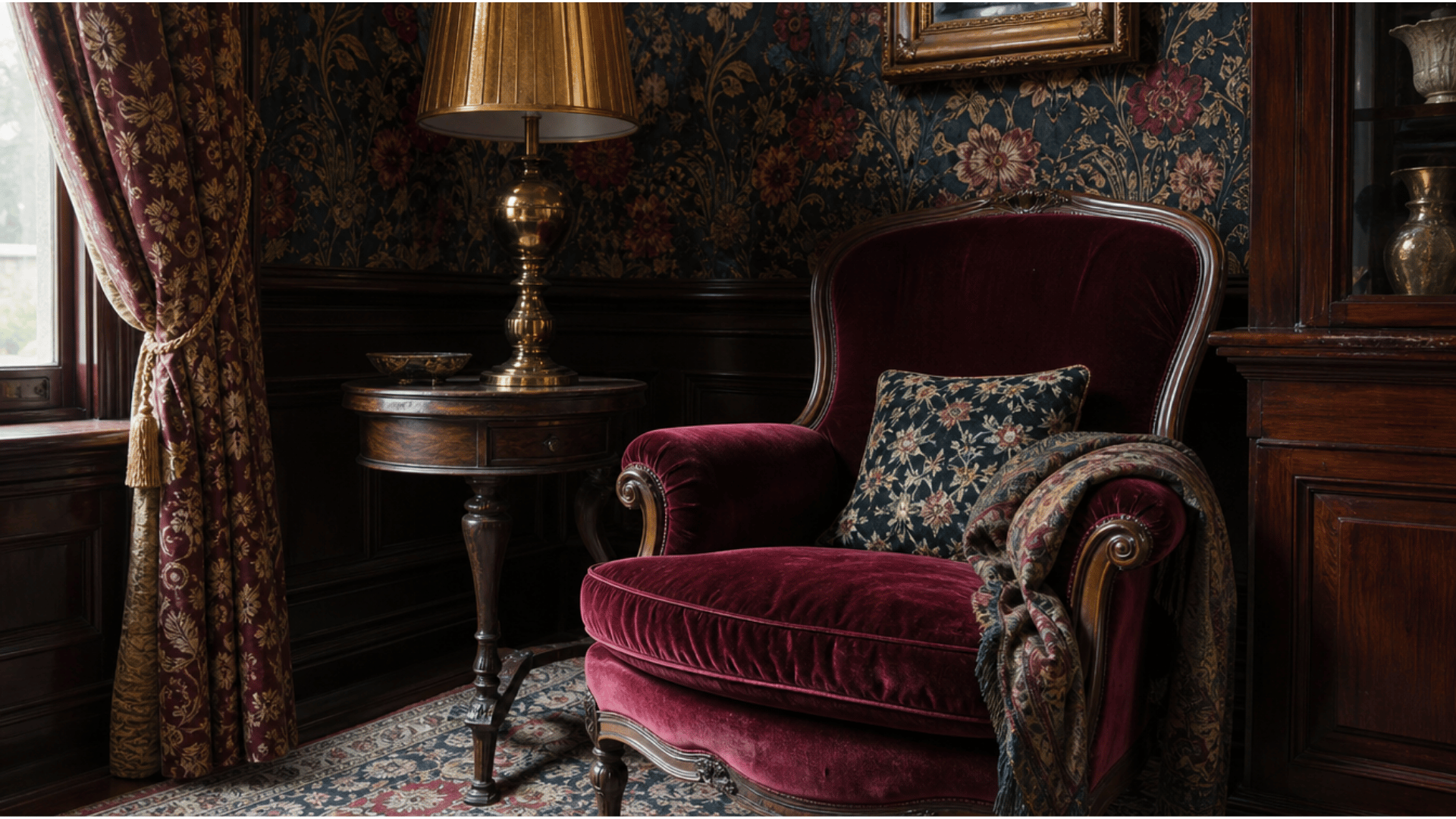
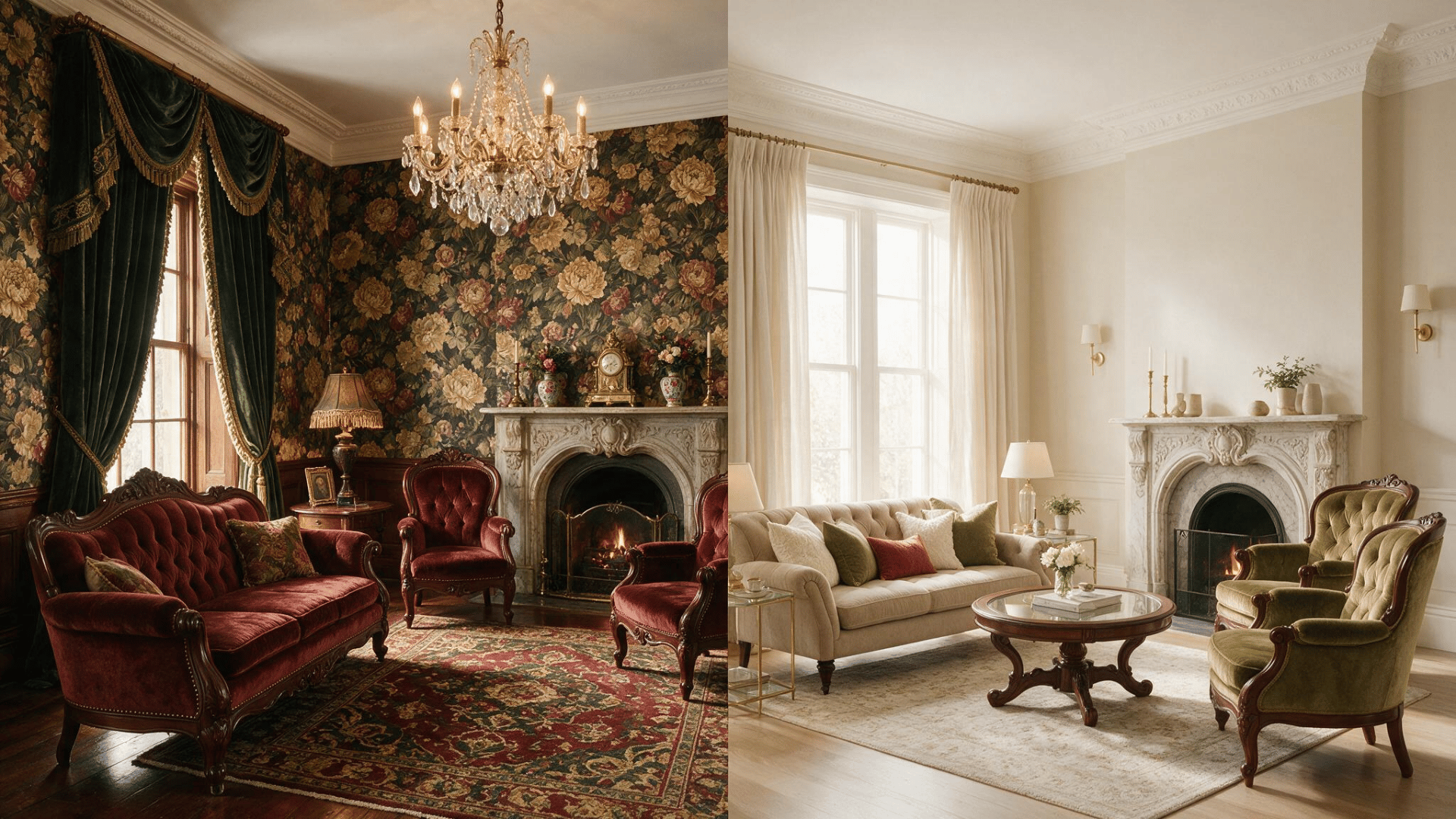
Victorian interiors often featured deep, saturated colors that created a warm atmosphere. Shades like burgundy, forest green, navy blue, plum, and deep brown were commonly paired with cream or gold accents for contrast.
Instead of using a single color throughout a room, homeowners layered different tones across walls, furniture, fabrics, and décor.
This thoughtful combination of colors gave Victorian spaces a rich, inviting, and visually balanced appearance.
Best For: Creating a warm and elegant atmosphere in living rooms, dining rooms, libraries, or bedrooms using layered rich colors balanced with lighter accents.
2. Ornate Wooden Furniture
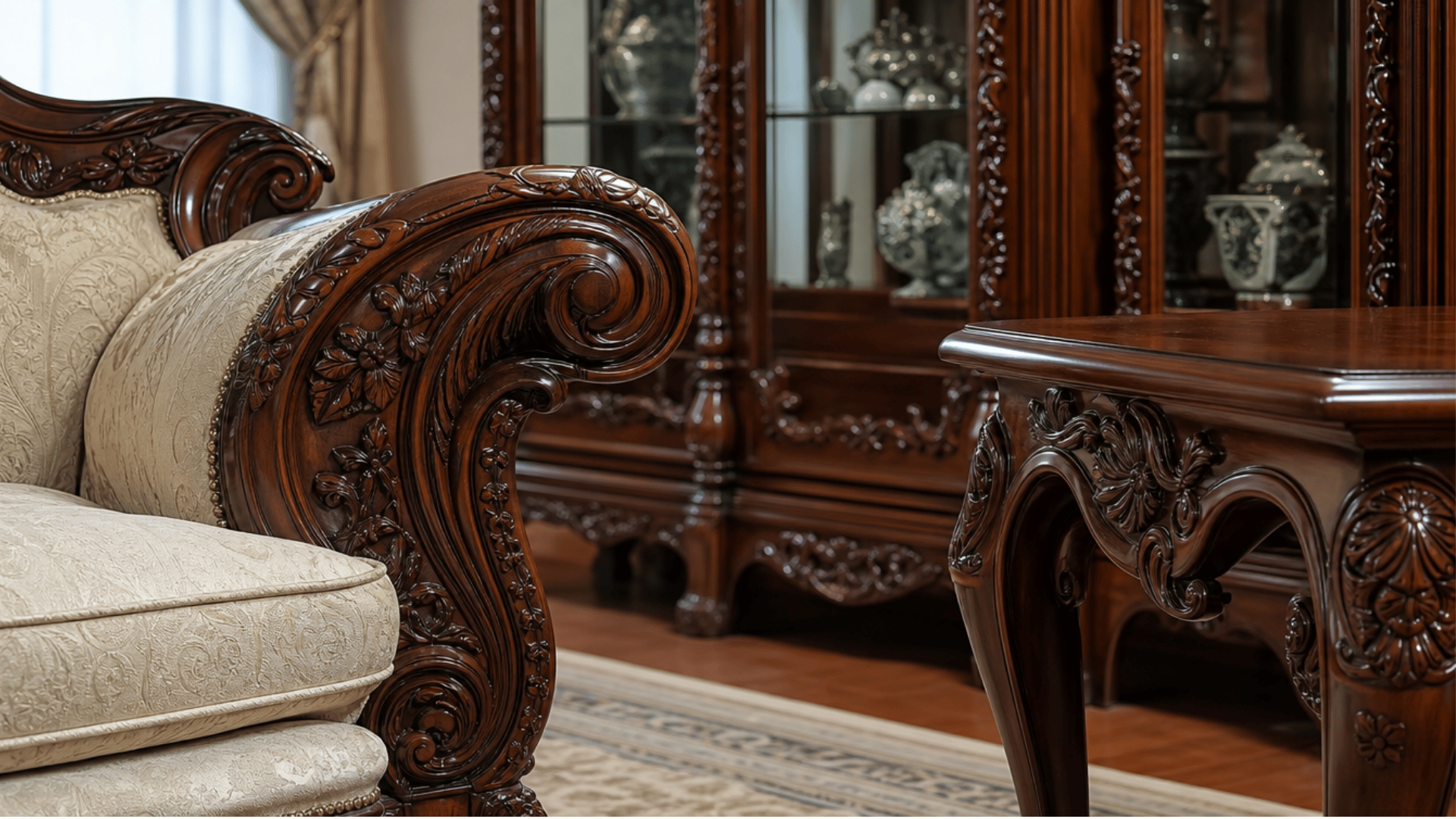
Furniture was one of the main highlights of Victorian interiors. Pieces were typically made from dark woods such as mahogany, walnut, and oak, with carved details, curved legs, and decorative moldings.
Sofas and chairs used rich upholstery, while cabinets and sideboards highlighted detailed craftsmanship.
Rather than serving only a practical purpose, furniture also reflected elegance, quality, and the homeowner’s appreciation for detailed design.
Best For: Adding classic character to living rooms, dining rooms, home offices, or entryways with beautifully carved wooden furniture as statement pieces.
3. Decorative Walls and Ceilings
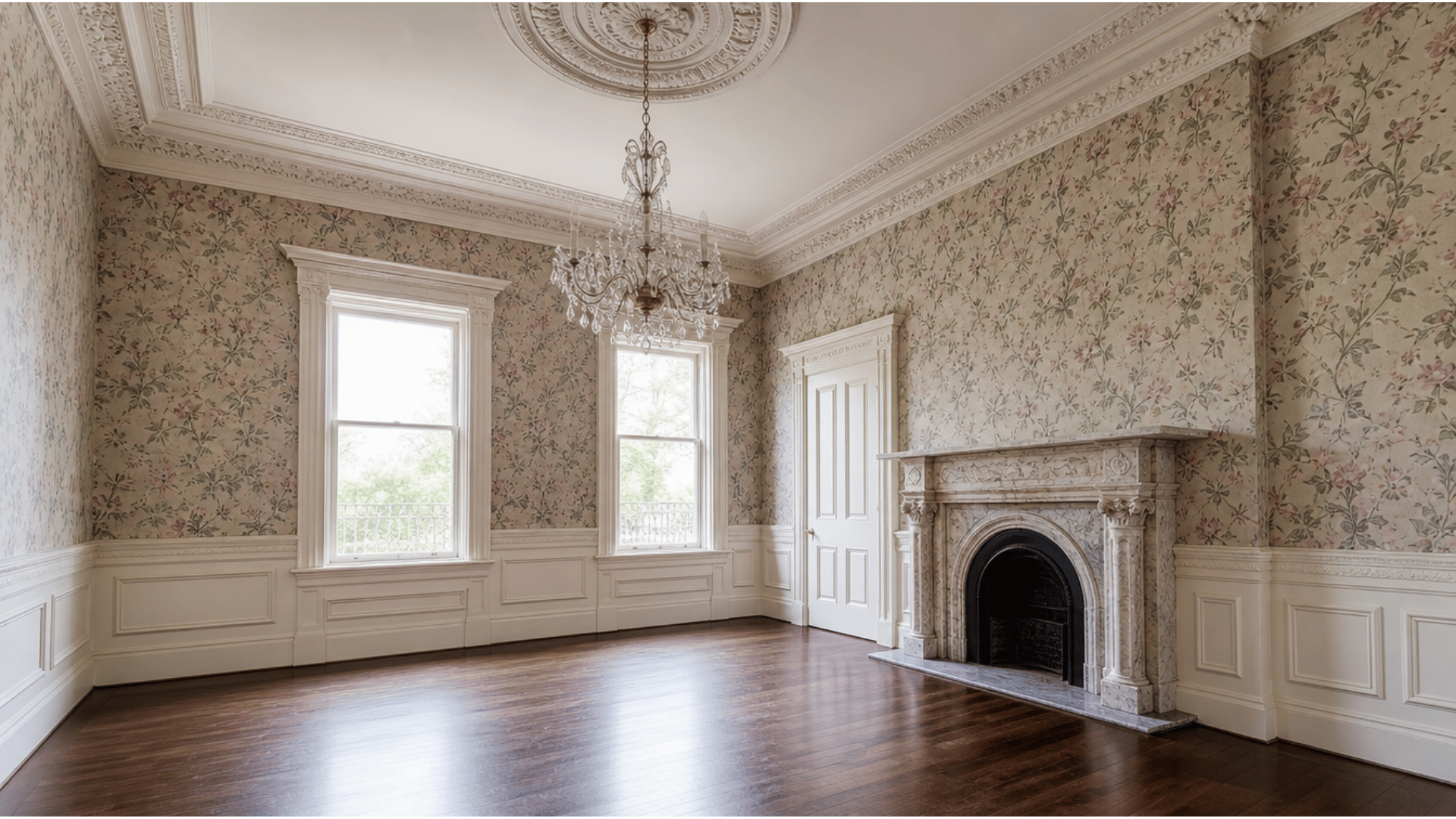
Walls and ceilings played an important role in Victorian interior design. Patterned wallpaper featuring floral, damask, or striped designs was widely used to add texture and visual interest.
Decorative moldings, wainscoting, ceiling medallions, and ornate plasterwork added depth and character to each room.
These architectural details framed the space beautifully and helped create the refined appearance that became closely associated with Victorian homes.
Best For: Enhancing living rooms, formal dining rooms, hallways, or staircases with patterned wallpaper, decorative moldings, or ceiling details that capture Victorian charm.
4. Luxurious Fabrics and Layered Textiles
Victorian homes made extensive use of rich fabrics to create warmth and comfort. Velvet, silk, brocade, lace, and damask appeared on curtains, upholstery, cushions, and table coverings.
Windows were often dressed with multiple layers of drapes, valances, and decorative tiebacks.
Rugs covered large areas of the floor, adding softness and color. These layered textiles made rooms feel classic while also improving comfort and insulation.
Best For: Bringing warmth and texture to bedrooms, living rooms, and sitting rooms with layered curtains, upholstered furniture, and decorative textiles.
5. Decorative Accessories and Artwork
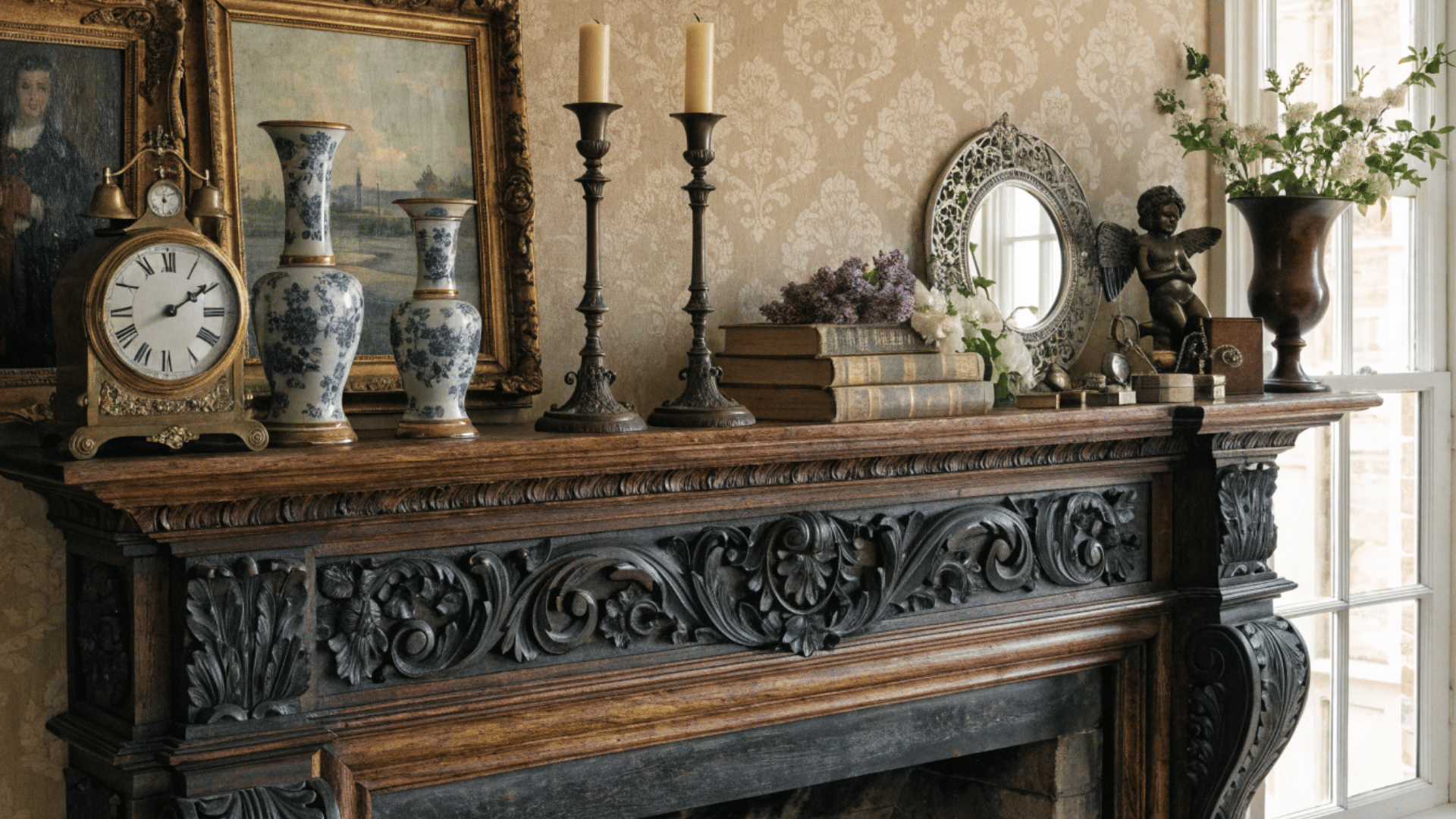
Accessories completed the Victorian look by adding personality and visual interest to every room.
Homeowners displayed framed paintings, decorative vases, clocks, mirrors, books, and family photographs on shelves, mantels, and cabinets.
Fresh flowers and indoor plants also became popular decorative elements.
Rather than leaving surfaces empty, Victorian interiors featured carefully arranged collections to reflect personal taste, interests, and social status.
Best For: Styling mantels, bookshelves, living rooms, home libraries, or entryways with curated artwork, vintage décor, and meaningful decorative collections.
6. Statement Lighting Fixtures
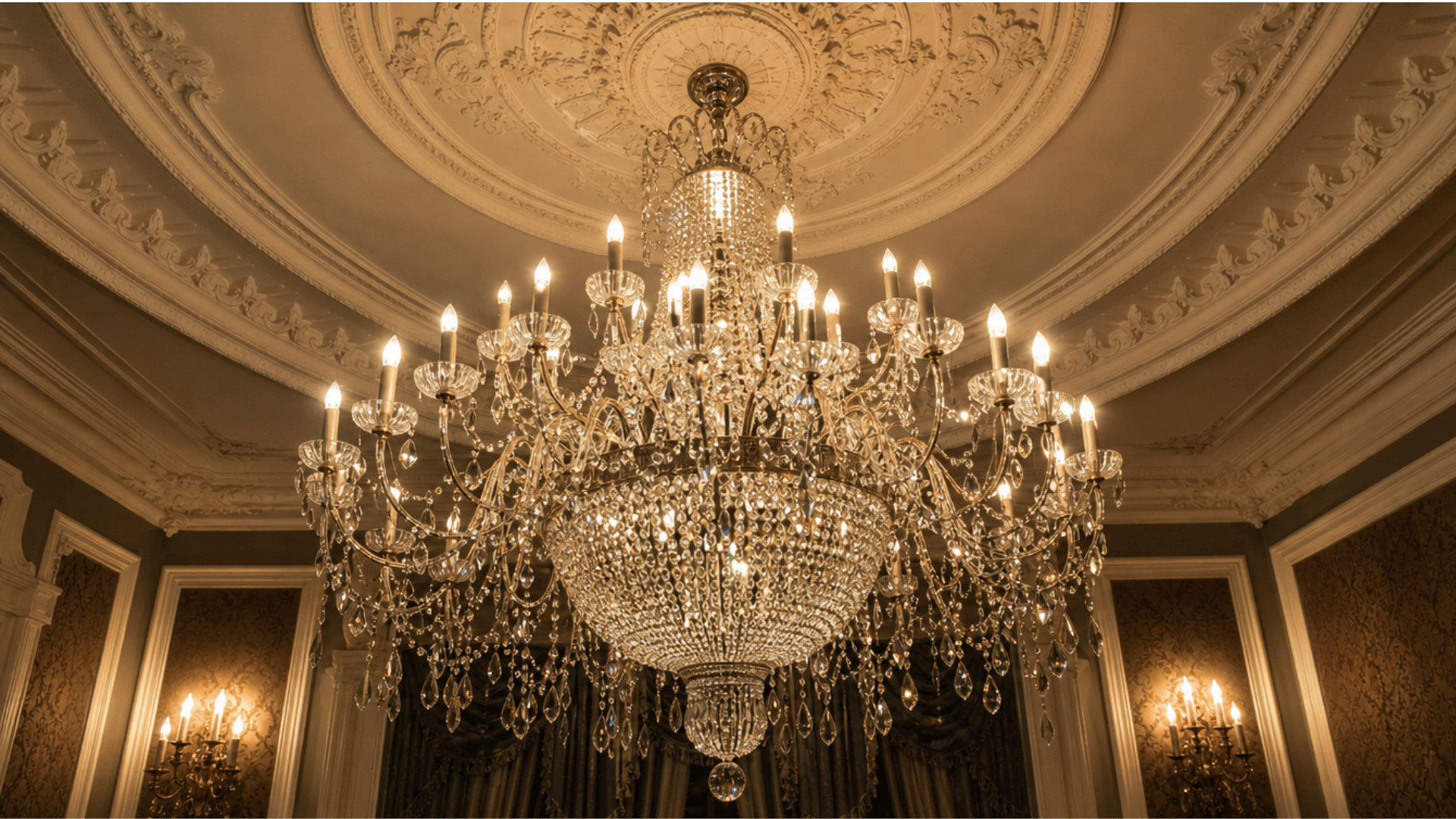
Lighting served both a practical and decorative purpose in Victorian homes. Crystal chandeliers often became the centerpiece of dining rooms and entryways.
Wall sconces and table lamps provided softer lighting throughout the house.
Decorative metal finishes such as brass and bronze complemented the room’s furnishings and architectural details.
These carefully chosen lighting fixtures enhanced the atmosphere while drawing attention to the craftsmanship found throughout Victorian interiors.
Best For: Creating focal points in dining rooms, entryways, living rooms, or stair halls with chandeliers, wall sconces, and classic decorative lighting.
How Did Technology Shape Victorian Interior Design?
Technology transformed Victorian interior design by making decorative furnishings more affordable, improving home comfort, and expanding the range of available materials.
Industrial advances made Victorian interiors more decorative and practical for daily life.
Machines made it possible to produce furniture, wallpaper, textiles, and decorative accessories on a much larger scale, helping more families create stylish homes.
Gas lighting brightened homes before electricity, while better heating and plumbing improved comfort.
New materials such as cast iron, pressed glass, and machine-made tiles also became widely available, giving homeowners more options.
Together, these innovations shaped the distinctive character of Victorian interiors throughout the nineteenth century.
Traditional vs Modern Victorian Interior Design
Traditional and modern Victorian interiors share the same design roots, but they differ in how color, furniture, layout, and decoration are used.
|
Feature |
Traditional Victorian Interior Design |
Modern Victorian Interior Design |
|---|---|---|
|
Color Palette |
Deep shades such as burgundy, forest green, navy, and brown |
Lighter neutrals paired with selected rich accent colors |
|
Furniture |
Ornate, carved, and often made from dark wood |
A mix of antique-inspired and clean-lined modern pieces |
|
Room Layout |
Formal, enclosed, and heavily furnished |
More open, practical, and easier to move through |
|
Walls |
Patterned wallpaper, paneling, and detailed moldings |
Plain walls with wallpaper used as an accent |
|
Fabrics |
Velvet, brocade, lace, and layered drapes |
Linen, cotton, and velvet used in a more balanced way |
|
Lighting |
Chandeliers, sconces, and decorative lamps |
Modern lighting combined with classic shapes and finishes |
|
Decorative Style |
Many accessories displayed across the room |
Fewer, carefully selected decorative pieces |
Common Victorian Interior Design Styles
- Gothic Revival: Featured pointed arches, carved wood, dark finishes, and medieval-inspired details.
- Rococo Revival: Used curved furniture, floral carvings, gilded finishes, and a softer decorative look.
- Renaissance Revival: Drew from European palace design with columns, symmetry, heavy furniture, and classical ornament.
- Eastlake Style: Focused on geometric carving, straight lines, and more structured furniture designs.
- Aesthetic Movement: Valued beauty and artistic expression through Japanese-inspired patterns, nature themes, and decorative objects.
- Arts and Crafts Influence: Favored honest materials, skilled craftsmanship, simpler forms, and handmade details.
Why Victorian Interior Design Still Appeals Today?
Victorian interior design remains popular because it combines craftsmanship, architectural details, and a strong connection to history.
Its beauty, quality, and character still appeal to homeowners seeking a lasting style over short-term trends.
Original woodwork, decorative moldings, stained glass, and handcrafted finishes give Victorian homes a distinctive personality that is difficult to recreate with modern construction alone.
Even the taller door height in older homes is part of that character, a byproduct of the higher ceilings the era favored.
Even in contemporary homes, Victorian-inspired elements such as ornate fireplaces, decorative lighting, and rich materials add warmth and sophistication.
Conclusion
Victorian interior design continues to stand out because it combines artistic craftsmanship with thoughtful design. Every detail, from decorative finishes to carefully selected furnishings, reflects an era that valued beauty, quality, and personal expression.
Its lasting influence proves that well-designed spaces never go out of style.
If you came here to understand what defines Victorian interior design and why it remains relevant, the key ideas should now feel much clearer.
If you’re inspired by this classic style, start by exploring the elements and discover how Victorian design can bring lasting elegance to modern living.
Frequently Asked Questions
What Is the 3-5-7 Rule in Interior Design?
The 3-5-7 rule suggests decorating with groups of three, five, or seven objects to create balanced, visually appealing arrangements with a natural, layered look.
What Is the Difference Between Regency and Victorian Interior Design?
Regency interiors favor symmetry and restrained elegance, while Victorian interiors feature richer colors, heavier decoration, and layered furnishings.
Can Victorian Design Work in Small Homes?
Yes. Using a few Victorian-inspired pieces, rich fabrics, and decorative lighting can add character without making a small space feel crowded.