

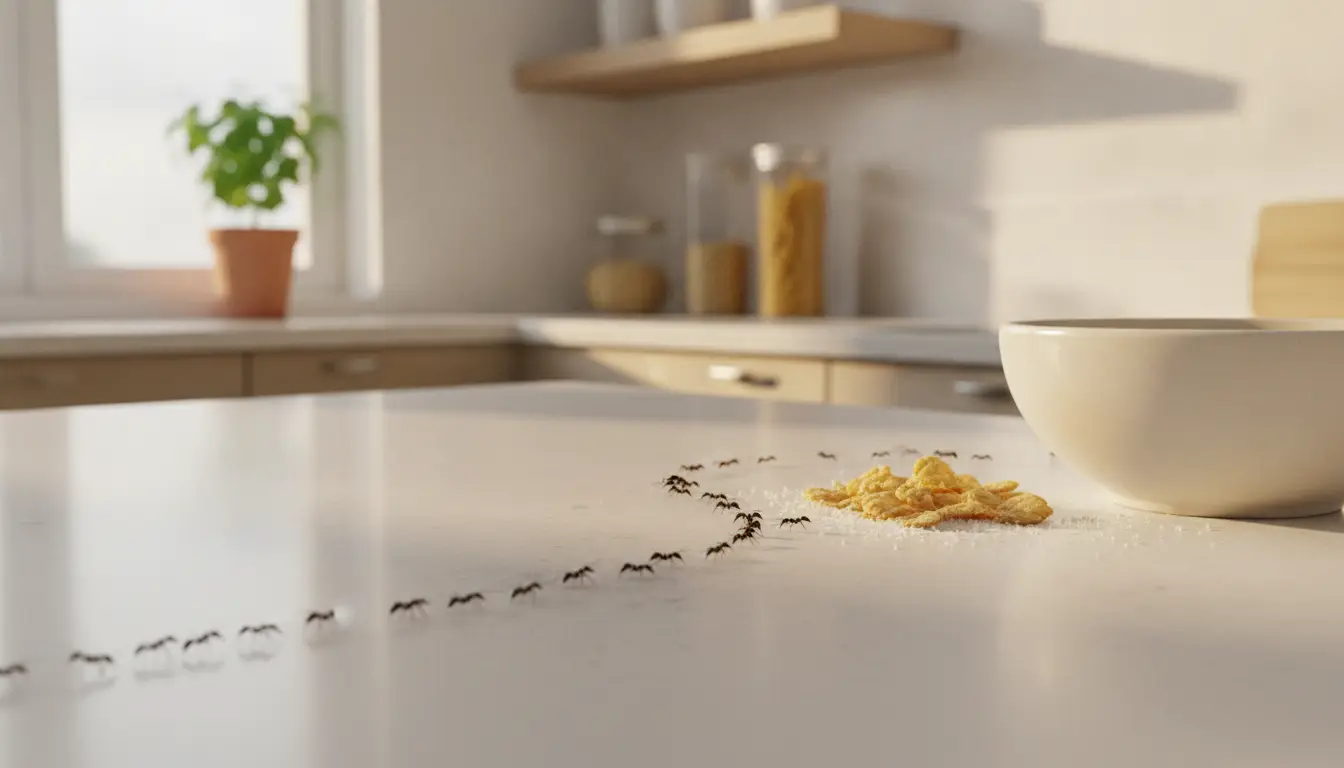
Ants don’t show up. They get invited.
Not on purpose, of course. It might be a few cereal crumbs under the toaster that serves as the siren’s song, or a sticky spot behind the coffee maker. It could even be a bag of flour that’s been folded over, but never truly sealed.
To you, it’s barely noticeable. To an ant, it’s a fully stocked buffet.
Once a scout ant finds a reliable food source, it leaves behind a scent trail for the rest of the colony to follow. That’s why one ant on the counter can become dozens by tomorrow morning.
The good news is that keeping ants out of your kitchen usually doesn’t require anything complicated. A few simple habits can make your home far less appealing. Not just to ants, but to other common kitchen pests as well.
Store Dry Foods in Airtight Containers
Your pantry may look organized, but opened bags and cardboard boxes are surprisingly easy for insects to access. Whenever possible, transfer dry foods into airtight containers, including:
- Flour
- Sugar
- Rice
- Pasta
- Cereal
- Crackers and snacks
- Pet food
Glass containers or sturdy plastic storage bins offer better protection than the original packaging while helping food stay fresher longer. As an added bonus, labeling containers with purchase or expiration dates makes it easier to rotate older items before they go stale.
Clean Up Crumbs Before the Ants Do
Ants don’t need a full meal. A few crumbs beneath the toaster or a drop of syrup on the counter is often enough to attract foraging ants. One reason daily cleaning works so well is that it removes the scent trails ants use to guide other colony members to food.
Get into the habit of wiping down:
- Countertops
- Kitchen tables
- Stovetops
- Cutting boards
And don’t forget the floor. Crumbs tend to collect beneath appliances, around dining chairs, and along baseboards where they’re easy to miss.
Keep Your Pantry Organized
An organized pantry is easier to cook from, and far easier to inspect. Every few weeks, take a few minutes to:
- Move older products to the front.
- Throw away expired food.
- Replace damaged packaging.
- Wipe away crumbs and spills.
Pay attention to corners and the backs of shelves, where spilled sugar or flour often goes unnoticed. The sooner you spot a problem, the easier it is to prevent a larger kitchen pest infestation.
Don’t Overlook the Pet Food
Many homeowners are careful with their own food but unintentionally leave out one of the biggest attractions in the house: pet food. And a bowl of dry kibble sitting out all day is just as appealing to ants as cereal or crackers.
Store pet food in sealed containers after opening, avoid leaving full bowls out longer than necessary, and wipe up crumbs around feeding stations each day. It’s a simple habit that eliminates one of the most commonly overlooked food sources in the kitchen.
Eliminate Moisture in the Kitchen
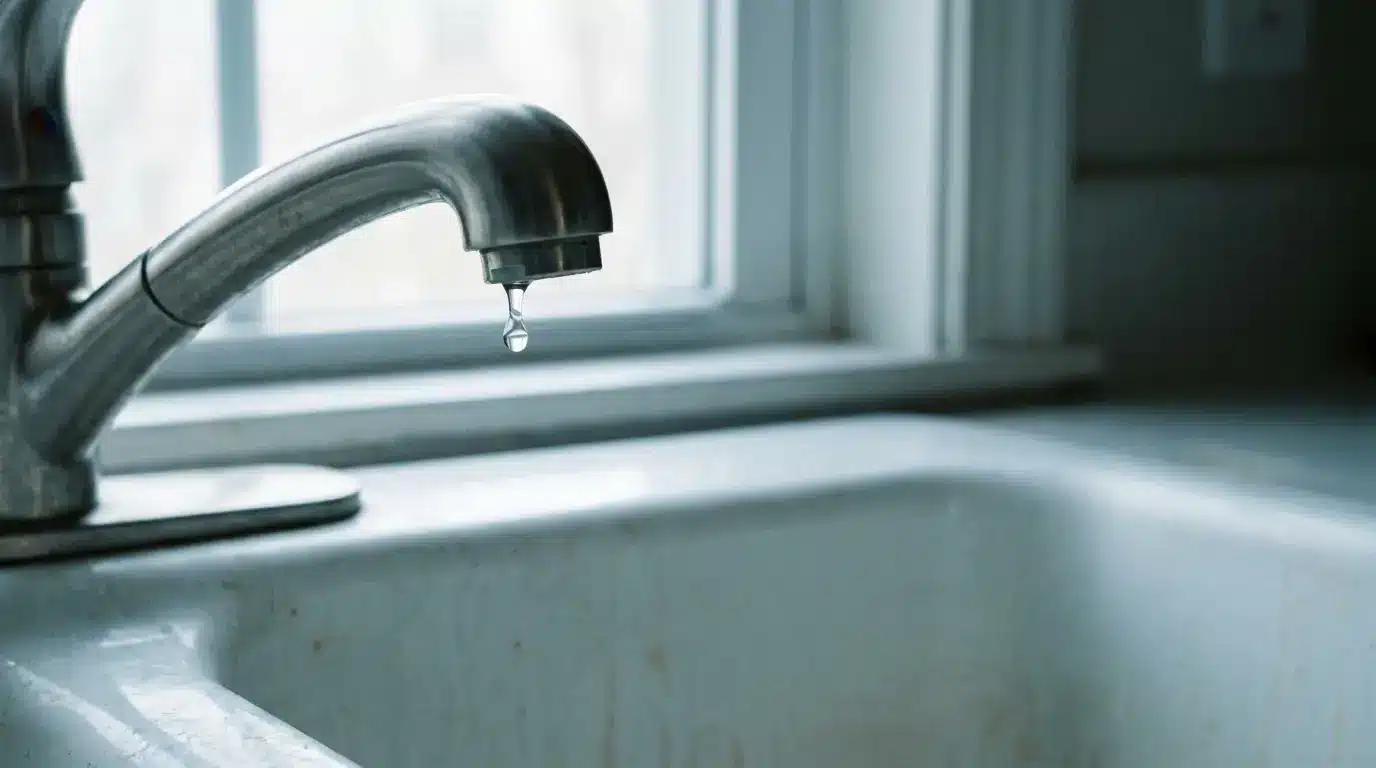
Food gets the attention, but water keeps ants coming back. When you remove both food and water, your kitchen becomes much less inviting.
Even a slow drip beneath the sink or standing water on the countertop can help support an active colony. Watch for common moisture sources like:
- Dripping faucets
- Leaking pipes beneath sinks
- Wet dish racks
- Damp countertops
Running the exhaust fan while cooking can also help reduce humidity, especially in smaller kitchens.
Seal Entry Points Around the Kitchen
Cleaning helps if ants are already inside, but sealing entry points helps keep them from getting in to begin with.
Inspect the areas around:
- Windows
- Exterior doors
- Plumbing pipes
- Utility lines
- Baseboards
Even tiny cracks can provide enough space for ants to enter. Replacing worn weather stripping and sealing visible gaps won’t eliminate every pest problem, but it makes good housekeeping much more effective.
Learn to Spot the Early Warning Signs
If you see one or two ants every now and then, don’t ignore them, since small trails often mean a nearby colony has already discovered your kitchen.
Finding where ants are entering is often the first step toward stopping them for good, so pay close attention to activity around:
- Pantry shelves
- Sinks
- Windowsills
- Baseboards
- Trash cans
Different species behave differently. Sugar ants are drawn to sweet foods, grease ants prefer fats and proteins, and carpenter ants are more likely to signal a moisture problem somewhere in the home.
While you’re inspecting for ants, keep an eye out for other signs of kitchen pests, including cockroaches, rodents like mice and rats, or other insects that thrive around food storage areas.
Make Kitchen Maintenance Part of Your Routine
The cleanest kitchens aren’t spotless because someone spends hours cleaning every weekend. They’re clean because small tasks happen consistently. A weekly routine might include:
- Checking food storage containers
- Wiping pantry shelves
- Emptying trash before it overflows
- Cleaning recycling bins
- Looking under the sink for leaks
If ant activity continues despite your efforts, it may be time for a professional pest inspection. Persistent infestations often point to an ant nest that’s hidden inside walls or outside near the home’s foundation.
Your Kitchen Should Feed Your Family, Not the Ants
Ants don’t usually invade a kitchen overnight. They find one crumb, then another. One drop of water, one easy way inside.
That’s why prevention works so well. Storing food in airtight containers, cleaning up spills quickly, fixing leaks, and sealing entry points all make your kitchen a much less appealing place to visit.
You don’t need to set your sights on creating a perfectly spotless kitchen every day. You just need to make sure there’s never enough food, water, or opportunity to convince ants they’ve found a place worth calling home.