
I had assumed river cruise dining would be forgettable. Institutional food, shortcuts, assembly-line plating built to feed a lot of passengers quickly and move on.
I expected meals you endure rather than remember. Bland proteins under warming lamps, vegetables steamed into submission, bread baskets refilled on autopilot. Food on the water seemed destined to put convenience ahead of craft, especially on smaller boats threading narrow channels where galley space is tight and every square foot counts.
Then we docked in Zeeland, and one dinner changed my mind completely.
The Meal That Changed in Zeeland
Zeeland is the southwestern province where the Netherlands and the sea are still arguing over the border. It’s a jigsaw of islands and estuaries held together by dikes and patience, and almost everything that reaches the plate comes out of the water the boat is floating on.
We stopped at Bruinisse, a small fishing village along the Dutch waterways on the Oosterschelde. Most river cruises through Bruinisse treat it as a short call between bigger ports, and I had barely noticed it on the itinerary. It turned out to be the night the galley showed what it could really do.
The village runs on mussels, and not casually. The Dutch mussel trade is concentrated in four Zeeland towns — Yerseke, Zierikzee, Tholen and Bruinisse — and you can read which is which straight off the boats, because every mussel cutter carries its home port painted on the bow. The ones tied up along the quay that evening all said BRU.
Dutch mussel season usually opens in early July, and the ones delivered that afternoon had been pulled from the Oosterschelde a few hours before. They came aboard in mesh sacks, still wet with seawater, shells dark and glossy.
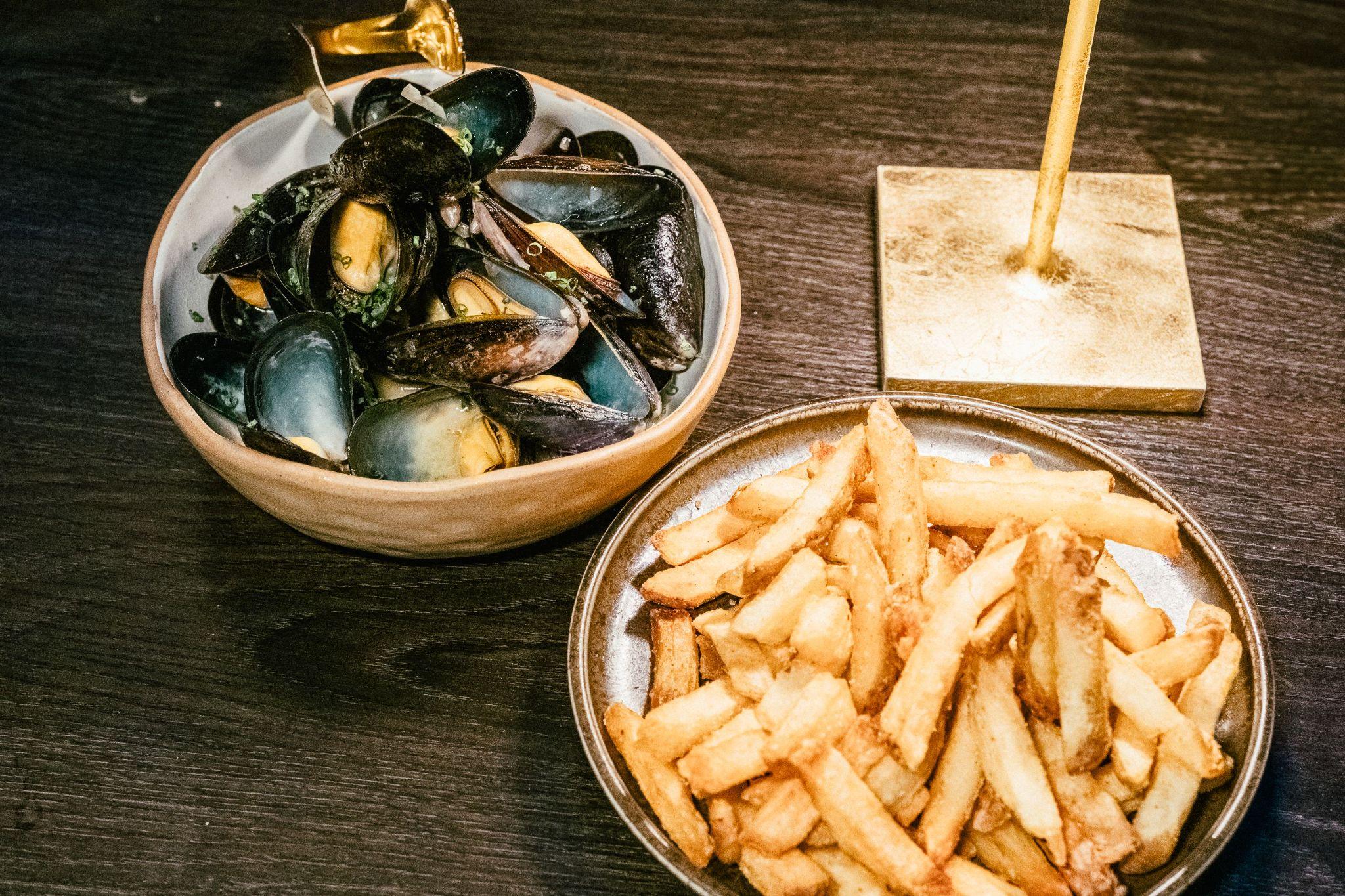
The first pot arrived plain, the way Zeeland has always eaten them, steamed open with white wine, shallots, and herbs. The second came out of the galley finished with cream, and that was the one everyone asked about. Both were served in wide bowls that needed two hands and full attention.
The pace matched the water outside. Nobody rushed. Conversation between tables settled into a low hum, broken by the clink of empty shells hitting the discard bowl.
Eating slowly lets you taste more of what’s actually on the plate, and the meal is more satisfying for it. That night made the case better than any argument could.
What Made It Memorable
Samphire came to the table too, a crisp marsh plant that grows in the salt flats and needs no seasoning at all. It sat alongside roasted root vegetables and soft wedges of potato straight from the oven.
Seasonal eating shaped every course. The kitchen cooked what the region gave them that week instead of following a menu written months in advance.
When Zeeland Eats What
I didn’t understand before this trip how sharply the Zeeland calendar runs. Almost nothing here is available all year, and locals plan around it without thinking about it. Here’s roughly how the year breaks down.
|
What’s Local |
When |
How Zeeland Eats It |
Worth Knowing |
|---|---|---|---|
|
Mussels |
July to April |
Steamed in a pot, eaten with both hands |
The new harvest opens in early July, and the exact date moves with the spring weather |
|
Oysters |
Autumn through spring |
Raw with shallot vinegar, or baked |
The coldest months give the firmest meat |
|
Brown shrimp |
All year |
Peeled by hand into croquettes |
Cooked on the boat and peeled by hand, which is why the good ones cost what they do |
|
Samphire |
Through the summer |
Blanched in butter, under fish or beside shellfish |
Cut from tidal salt marshes and never needs salting |
|
Root vegetables |
Autumn and winter |
Boiled and mashed into hutspot |
The dish that carries Dutch households through the dark months |
|
Bolus |
All year |
Split, buttered, eaten with coffee |
Baked fresh daily by bakers across the province |
There’s a stubborn piece of folklore that mussels are only safe in months with an R in the name. That was a shelf-life problem rather than a safety one, and refrigerated transport solved it decades ago. The Dutch have a better version of the rule anyway: look at the season rather than the month, because mussels are good through summer, autumn and winter, and not in spring.
If you’re planning a trip around any of this, Yerseke holds Mosseldag on the third Saturday of August, which is the largest seafood festival in the region and the easiest day of the year to eat well in Zeeland.
That seasonal spread is also why these six dishes don’t all belong to one week, or even one season. A ship’s galley runs two menus at the same time. One follows whatever the region is landing that day, and the other covers the national dishes passengers expect to eat while they’re in the Netherlands. Both are here.
Finding Zeeland Ingredients at Home
I know the worry with regional recipes like these is whether you can actually buy the ingredients. Most of them are easier to find than they sound, and the ones that aren’t have simple backups.
You’ll have the best luck at:
- A proper fish counter or fishmonger
- Well-stocked supermarkets with a live shellfish section
- Online seafood delivery services
Here are the few that need extra attention, plus what to use instead.
- Zeeland Mussels (Zeeuwse mosselen): Farmed on the Oosterschelde and sold live in mesh sacks. Any fresh rope-grown mussel behaves the same way. Frozen half-shell mussels are the easy option, and they’re what the mussel pot calls for.
- Oysters: Zeeland’s own is the Zeeuwse platte, a native flat oyster from Yerseke, sold by the piece and priced accordingly. For any cooked oyster dish, buy the cheaper cupped Pacific oysters instead and save the flat ones for eating raw.
- Samphire (Zeekraal): A crisp, naturally salty marsh plant. Fish counters stock it through summer. If you can’t find it, use thin asparagus tips or green beans and cut the salt in the dish.
- Sea Aster (Lamsoor): Hard to source outside the Netherlands. Young spinach with a squeeze of lemon gives you a similar soft, mineral bite.
- Brown Shrimp (Hollandse garnalen): Tiny grey North Sea shrimp, usually sold pre-peeled and frozen. Small cold-water shrimp are a fine stand-in.
- Dutch Brown Sugar (Basterdsuiker): Used across Zeeland baking. Regular dark brown sugar works, though the color comes out slightly lighter.
- Smoked Sausage (Rookworst): The standard partner for anything mashed. Outside the Netherlands, a good smoked pork sausage like kielbasa does the same job.
- Apple Syrup (Appelstroop): A thick, almost black syrup that sits next to the mustard in Dutch and Belgian kitchens. Apple butter is the closest match, and dark brown sugar with a spoonful of molasses will get you most of the way.
You don’t need every ingredient to be exact here. Start with whatever the fish counter has that week, which is more or less how Zeeland cooks anyway.
Dutch River Cruise Recipes Worth Making at Home
I believe the best souvenir from a river cruise is a dish you can actually cook once you’re home. The first three came out of the water the ship was sitting on. The last three are what the Low Countries eat when they come in off it. All six work in an ordinary kitchen, and they’re arranged roughly in the order you’d meet them across a day.
1. Zeeuwse Mosselen (Creamy Mussel Pot)
https://www.youtube.com/embed/H-KEeR4tuqc
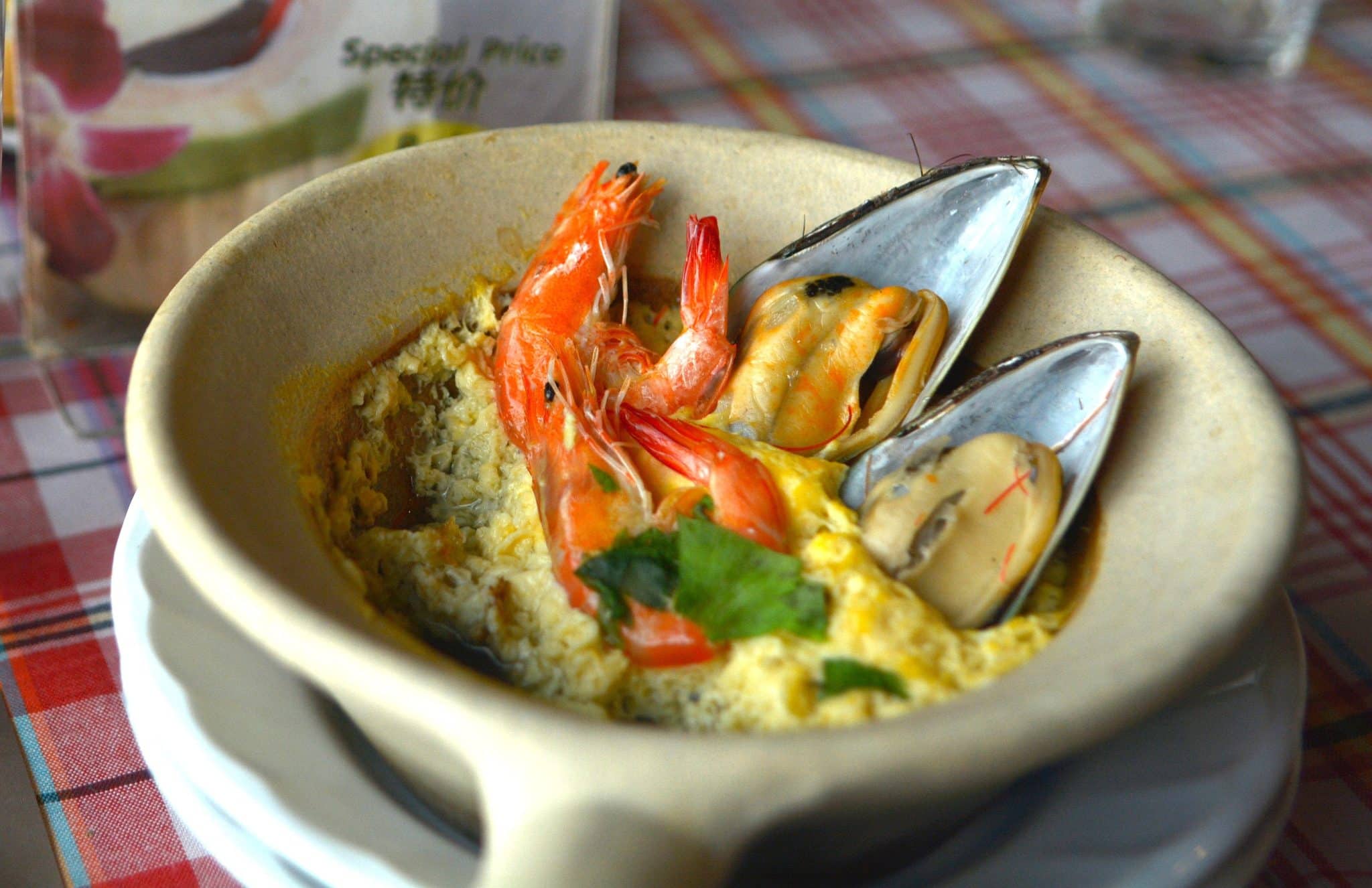
The garlicky cream sauce clinging to every shell makes this the dish I think about most from that trip. With 15 minutes of prep, 20 minutes of cooking, and serving 4 to 6 people at an easy difficulty, you’ll build a rich, silky sauce with gentle heat behind it, and the mussels stay plump and tender rather than turning rubbery.
Ingredients:
- 3 tbsp butter
- 1 onion, finely chopped
- 1 chilli
- 4 cloves fresh garlic, crushed
- ½ cup chicken stock
- 1 cup dry white wine
- 1 lemon, juice and zest
- 2 kg half-shell mussels
- 2 tbsp mushroom soup
- 2 cups fresh cream (whipping cream)
- Salt and black pepper to taste
- ½ cup parsley, chopped
- Crusty bread
Steps:
- Step 1: Melt butter in a wide, heavy pot over medium heat until foaming
- Step 2: Cook onion, chilli, and crushed garlic 4 minutes until soft and fragrant
- Step 3: Pour in white wine and chicken stock, simmer 5 minutes to reduce slightly
- Step 4: Stir in mushroom soup until the liquid thickens smoothly with no lumps
- Step 5: Add cream, lemon juice and zest, then season with salt and pepper
- Step 6: Add mussels, cover, and steam 5 minutes until hot and well coated
- Step 7: Scatter parsley over the top, serve in wide bowls with crusty bread
Zeeland cooks argue about cream the way other regions argue about religion. The traditional pot uses nothing but wine, vegetables, and the mussels’ own liquor, so this version is the indulgent one, closer to what you’d get in a Belgian brasserie down the coast than in a Yerseke fisherman’s kitchen.
If you can get samphire, put a handful on the table beside the pot. Blanch it for thirty seconds, toss it in butter, and don’t salt it, because it grows in tidal salt marsh and arrives seasoned. It’s the one thing that will make a bowl of mussels taste specifically like Zeeland rather than like anywhere else with a coastline.
The first time I made this at home I let the sauce boil hard after the cream went in, and it split into a greasy mess. Cream and wine don’t forgive a rolling boil.
Now I keep the heat low from the moment the cream hits the pot and never let it do more than tremble. Done right, the sauce coats the back of a spoon and the bread does the rest of the work.
2. Oysters Rockefeller
https://www.youtube.com/embed/8xEybFHNYlQ
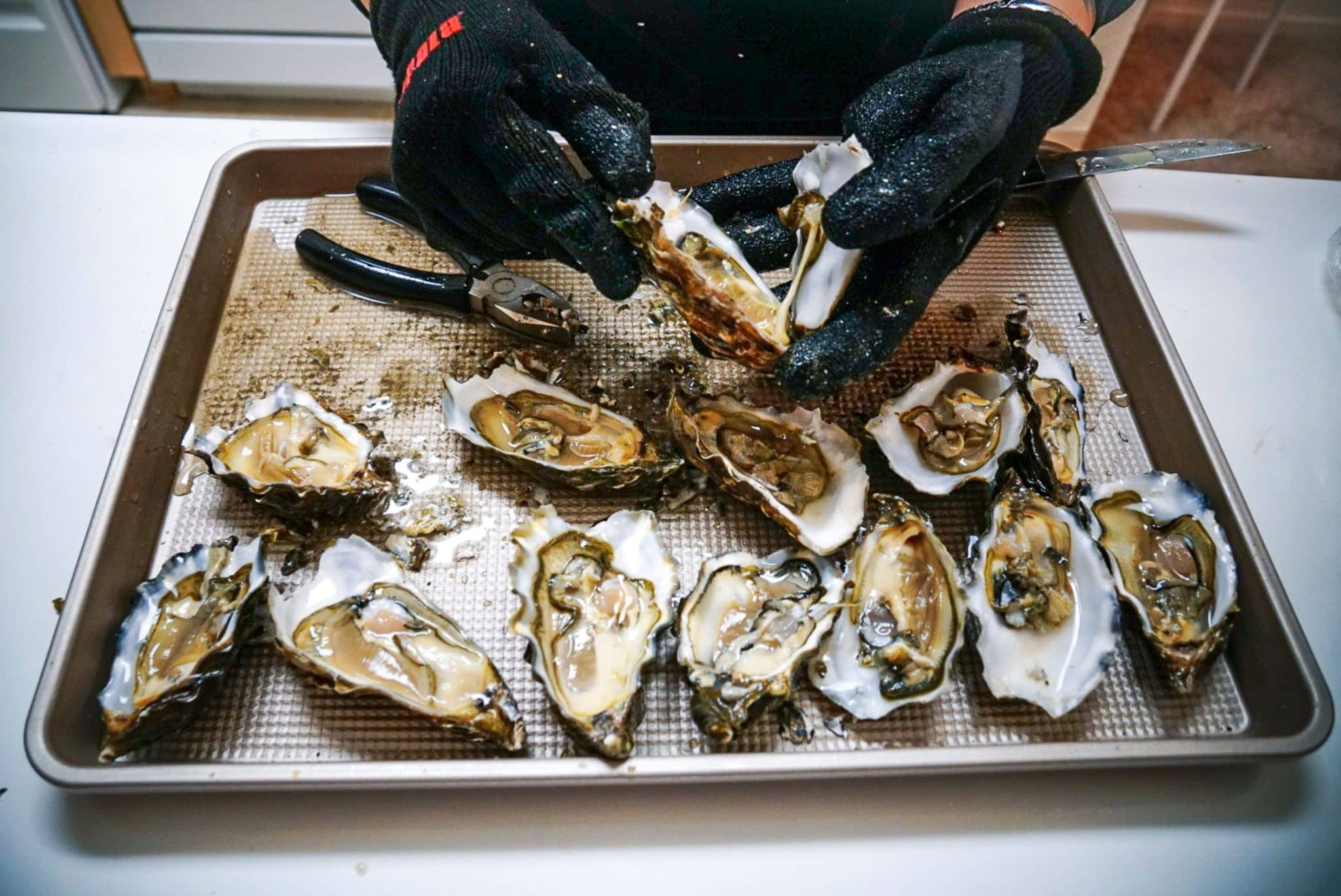
This is the dish that converts people who swear they don’t like oysters, and I’ve watched it happen at a table more than once. With 20 minutes of prep, 25 minutes of cooking, and serving 8 to 12 people as an appetizer at an intermediate difficulty, you’ll get a bubbling, golden cheese crust over soft spinach, with the brine of the oyster still coming through underneath.
Ingredients:
- 48 fresh, unopened oysters
- 1 ½ cups beer
- 2 cloves garlic
- 7 black peppercorns
- Seasoned salt to taste
- ½ cup butter
- 1 onion, chopped
- 1 clove garlic, crushed
- 1 (10 ounce) package frozen chopped spinach, thawed and drained
- 8 ounces Monterey Jack cheese, shredded
- 8 ounces fontina cheese, shredded
- 8 ounces mozzarella cheese, shredded
- ½ cup milk
- 2 teaspoons salt, or to taste
- 1 teaspoon ground black pepper
- 2 tablespoons fine bread crumbs
Steps:
- Step 1: Scrub the oysters clean and put them in a large stockpot
- Step 2: Cover with beer and water, then add garlic, peppercorns, and seasoned salt
- Step 3: Bring to a boil, drain, and let the oysters cool completely
- Step 4: Snap off the top shells and arrange the oysters on a baking sheet
- Step 5: Soften onion and crushed garlic in butter, then stir in spinach and all three cheeses
- Step 6: Add milk, season with salt and pepper, and spoon the mixture into each shell
- Step 7: Sprinkle with bread crumbs, bake at 425°F (220°C) for 8 to 10 minutes
Zeeland would not recognize this dish, and it’s worth saying so plainly. The oyster town here is Yerseke on the Oosterschelde, where the prize is the Zeeuwse platte, a native flat oyster with a coppery, almost metallic finish that people pay real money for. Locals eat it raw, with nothing on it but a spoonful of shallot vinegar. Covering one with three cheeses would get you a look.
So think of this as the ship’s version rather than the region’s. Every galley keeps something on the menu for the half of the table that won’t touch a raw oyster, and this is usually it. Buy cheaper cupped oysters for it and leave the flat ones alone.
The step people rush is the cooling. I once spooned hot cheese onto oysters that were still warm from the pot, and by the time the tray came out of the oven they’d tightened into rubber. Let them go completely cold before the topping gets anywhere near them.
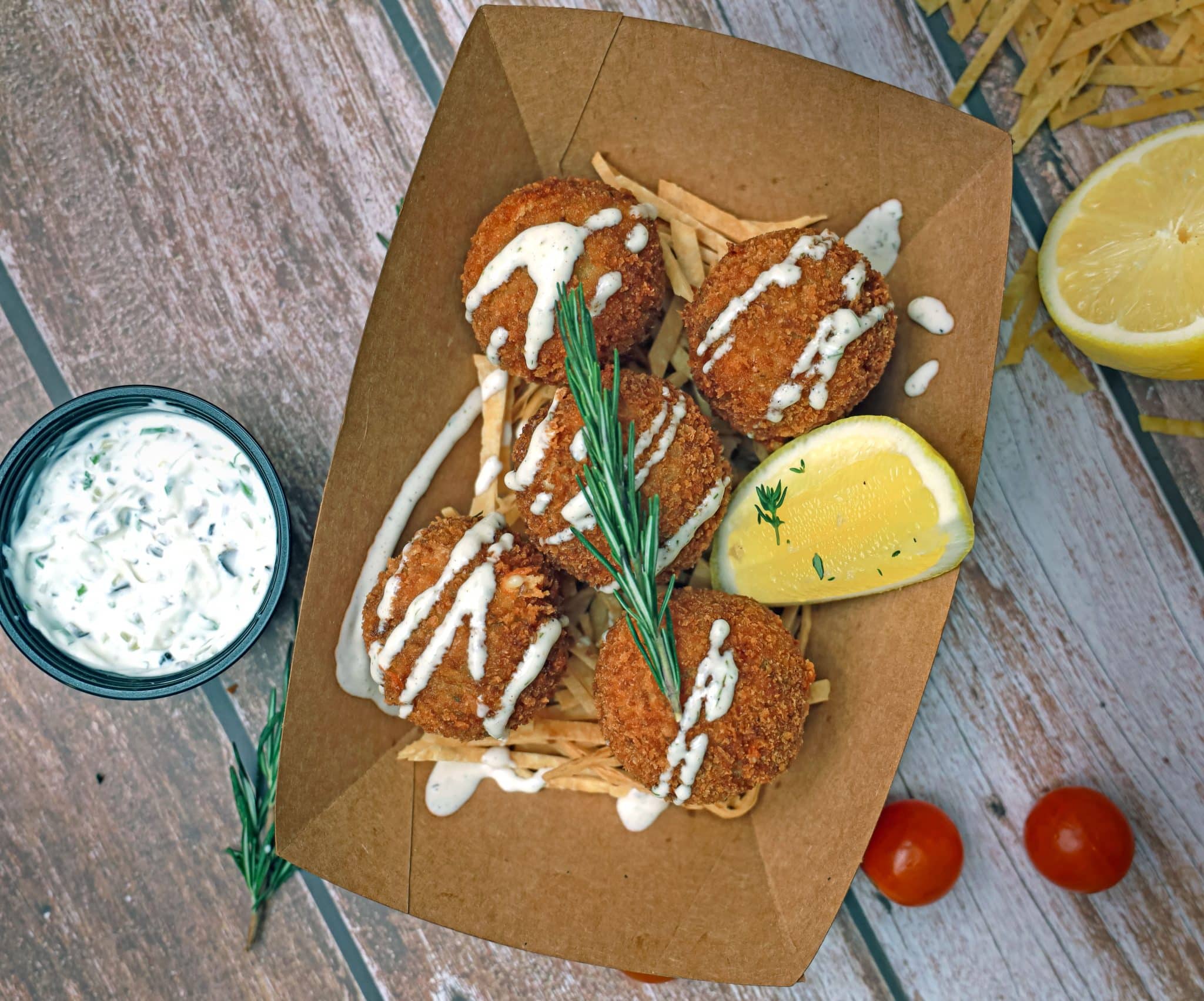
3. Garnalenkroketten (North Sea Brown Shrimp Croquettes)
https://www.youtube.com/embed/ohKMp-r4NNc
Breaking one of these open and watching the filling slump out is the most satisfying thing you can do with a shrimp. You’ll need 45 minutes of prep, an overnight chill, and 20 minutes of frying to serve 4 to 6 people at an advanced difficulty, and what you get is a shattering crust over a filling so soft it barely holds its shape, tasting of nothing but concentrated shrimp.
Ingredients:
- 500 g fresh grey shrimp
- 55 g butter
- 65 g flour
- 15 to 20 black peppercorns
- 1 bay leaf
- 1 tsp tomato paste
- 1 star anise
- Fresh thyme
- 3 gelatin leaves
- 2 to 3 eggs
- Cream
- Cayenne pepper
- Salt
- Flour, for coating
- Egg whites, for coating
- Oil, for the egg wash
- Breadcrumbs
- Oil, for deep frying
- Lemon wedges
- Curly parsley
Steps:
- Step 1: Peel the grey shrimp, setting every shell and head aside
- Step 2: Fry shells and heads in butter, then add peppercorns, bay leaf, star anise, thyme, and tomato paste
- Step 3: Pour in 500 ml water, simmer 20 minutes, then strain out all the solids
- Step 4: Cook butter and flour into a pale roux, add the bisque slowly, stir until thick
- Step 5: Off the heat, stir in soaked gelatin, then egg yolks whisked with cream
- Step 6: Fold in the peeled shrimp and cayenne, spread into an oiled dish, chill overnight
- Step 7: Cut into rectangles, coat in flour, egg white, and breadcrumbs, fry at 180°C
- Step 8: Serve two per person with a lemon wedge and fried curly parsley
Zeeland would claim this one without argument. The video calls them Belgian, which is fair, because the croquette is Flemish in origin. But the border is a line on a map rather than a line in the kitchen. Zeeuws-Vlaanderen, the southern strip of the province, sits directly against Flanders and cooks like it, and the shrimp are the same animal on both sides.
The standard worth knowing is that a real kroket should be at least 30 percent shrimp. Anything less and you’re eating thickened bisque with a few passengers in it, which is exactly what most frozen supermarket versions are. The grey shrimp themselves are cooked on the boat within hours of being caught, then peeled by hand, and that hand-peeling is why the good ones cost what they cost.
The overnight chill is not a suggestion. I once tried to get away with three hours in the fridge, and the ragout was still soft enough that half the croquettes split in the fryer and emptied themselves into the oil. Make the ragout the day before and leave the breading and frying for the next day. Split across two days, the hardest recipe here turns into an easy one.
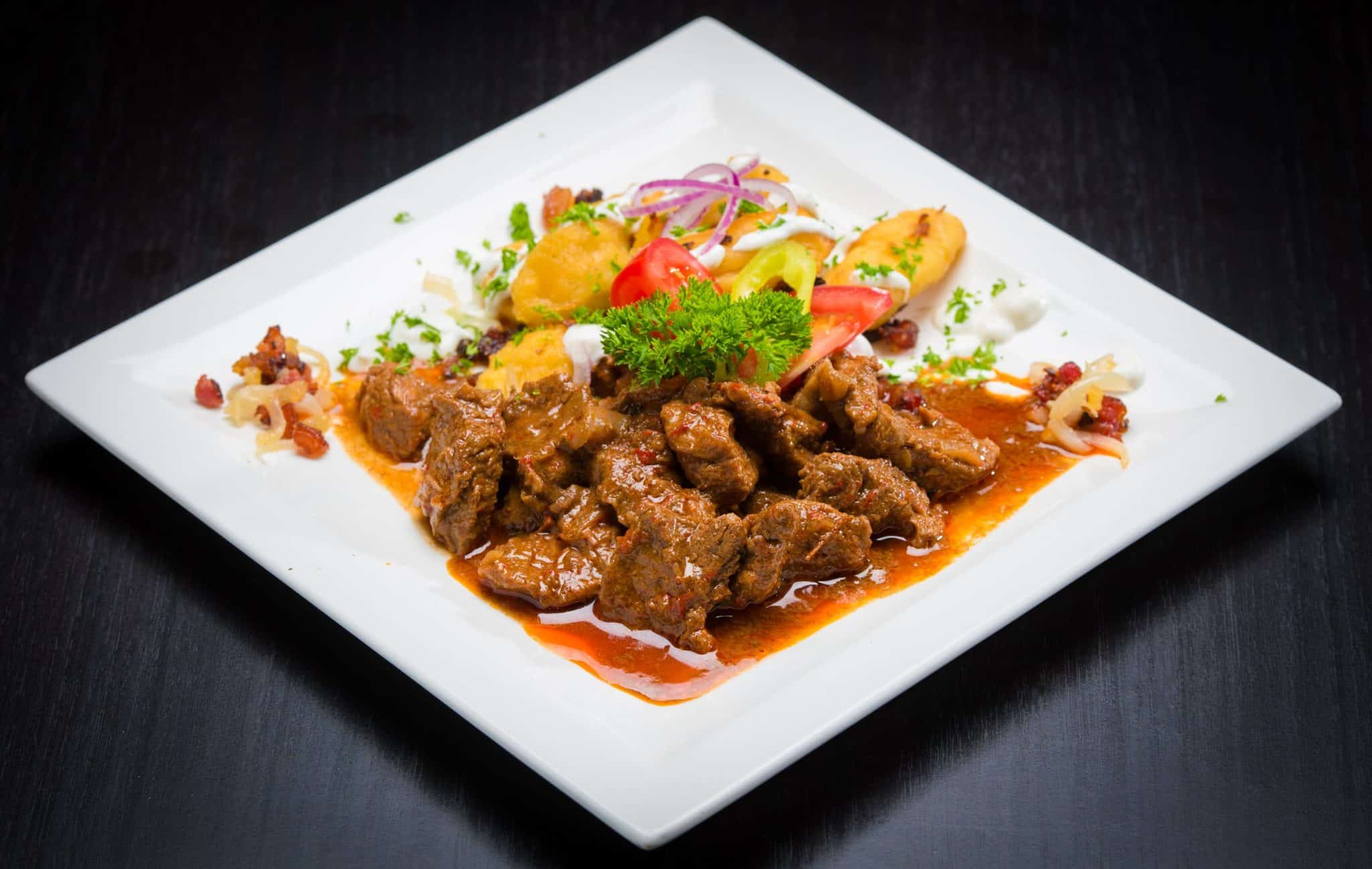
4. Vlaamse Stoofkarbonaden (Flemish Beef and Beer Stew)
https://www.youtube.com/embed/XUNlo_o0nCI
This asks for a whole afternoon, and almost none of that time is yours. With 20 minutes of prep, 3 hours of slow simmering, and serving 4 to 6 people at an intermediate difficulty, you’ll get beef that collapses under a fork in a dark, glossy sauce that tastes of beer and mustard and something faintly sweet underneath.
Ingredients:
- 2 onions
- 2 tbsp butter
- 2 bottles Belgian beer, preferably a dark dubbel
- 2 bay leaves
- A few sprigs of thyme
- 2 cloves
- 2 ½ tbsp apple syrup (appelstroop)
- 1 ½ slices brown bread
- A generous spoonful of mustard
- 1 kg braising beef
- 1 kg potatoes
- 2 l frying fat
- Mayonnaise
- Salt and pepper
Steps:
- Step 1: Cut the onions into rough chunks and soften them in butter in a large casserole
- Step 2: Cube the beef, brown it in butter in a separate pan, and season with salt and pepper
- Step 3: Transfer the browned beef into the casserole with the onions
- Step 4: Pour the beer into the hot frying pan and scrape up every browned bit
- Step 5: Tip the boiling beer over the meat, then add thyme, bay, cloves, and apple syrup
- Step 6: Spread the bread thickly with mustard and lay it mustard-side down on top
- Step 7: Simmer very gently for 2 ½ to 3 hours, until the beef falls apart
- Step 8: Cut the potatoes into thick chips, fry 5 minutes at 140°C, drain and cool
- Step 9: Fry again at 180°C until golden, then serve with the stew and a spoonful of mayonnaise
Like the shrimp croquettes, this is Flemish cooking that Zeeland has every right to claim. Zeeuws-Vlaanderen, the strip of the province below the Westerschelde, has always cooked closer to Bruges than to Amsterdam. There’s a neat symmetry to it as well: stoofvlees and a pot of mussels are the two dishes most often put forward as Belgium’s national dish, and Zeeland eats both without thinking of either as foreign.
The slice of mustard-smeared bread is not a garnish and not a gimmick. It dissolves completely over three hours and is what thickens the sauce, which is why a real stoofvlees needs no flour and no cornflour slurry at the end. Lay it mustard-side down, put the lid on, and forget about it.
Use a dark Belgian dubbel if you can find one, because an abbey beer is what gives the sauce its depth and that faint sweetness underneath. A lager leaves it thin and sharp. Appelstroop is the other thing worth hunting down, and if you can’t get it, apple butter is the closest substitute.
Three hours sounds like a commitment until you realise the stew does all of it without you. It also improves overnight, so the sensible move is to cook it a day ahead and reheat it gently. Only the chips need doing at the last minute, and they need doing twice, which is the whole secret to them.
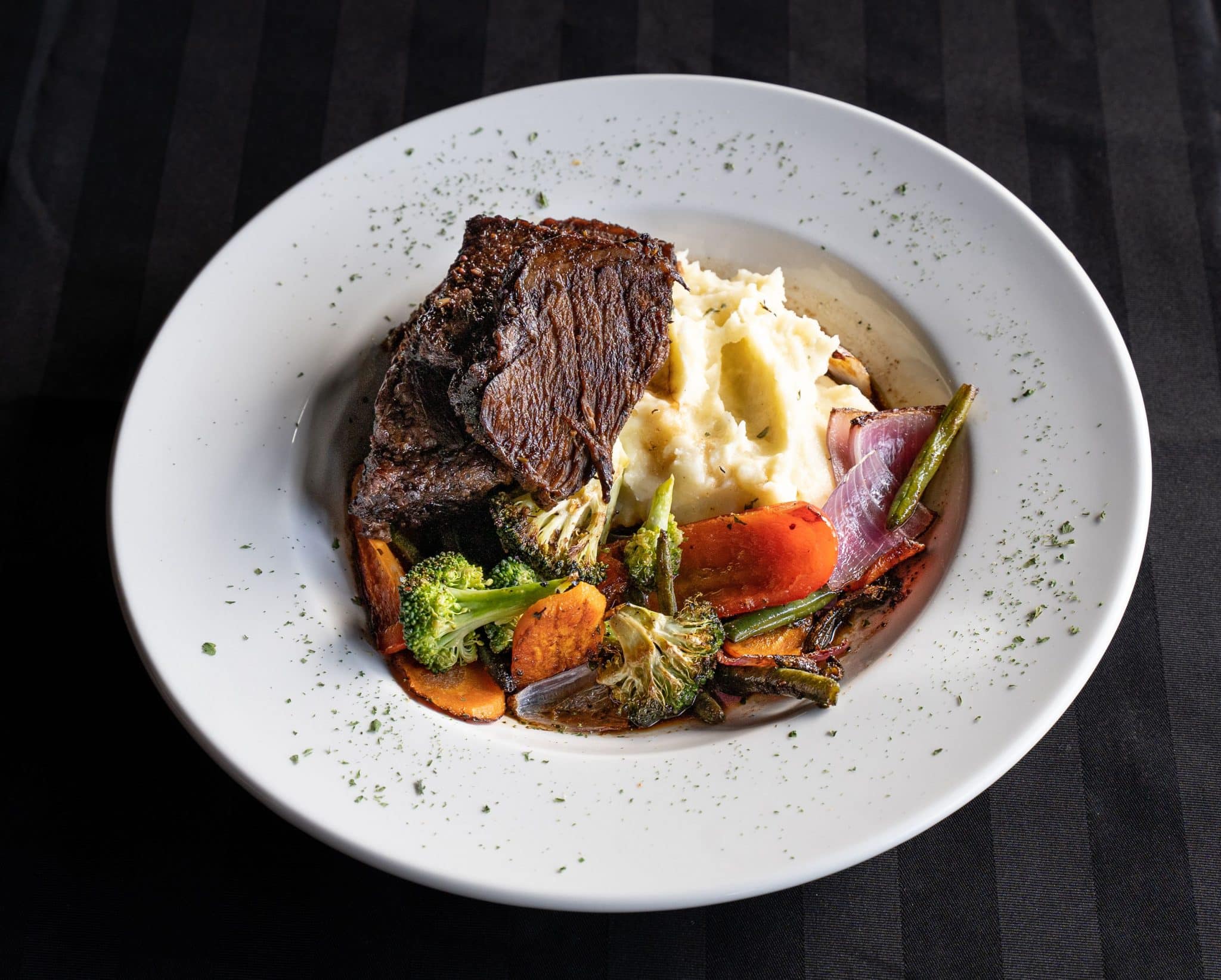
5. Hutspot (Mashed Potatoes, Carrots and Onions)
https://www.youtube.com/embed/6QVjiL_7Et4
This is the plainest thing you’ll cook all week and the one with the best story behind it. With 15 minutes of prep, 25 minutes of cooking, and serving 4 people at an easy difficulty, you’ll end up with a thick, faintly sweet mash where the carrot comes through first and the onion arrives a second later, soft enough to eat with a spoon.
Ingredients:
- 300 g potatoes
- 150 g carrots
- 150 g onions
- Water, just enough to cover the vegetables
- ¼ teaspoon salt, adjusted to taste
- 1 tablespoon unsalted butter
- ⅛ glass warm cream, or milk
- Dash of black pepper powder
- Chives, dried or fresh
- Nutmeg, optional
Steps:
- Step 1: Peel potatoes, carrots, and onions, then cut them into even chunks
- Step 2: Put everything in a pot with just enough water to cover
- Step 3: Add salt, bring to a boil, and simmer until all the vegetables are soft
- Step 4: Drain well, holding back a little cooking water in case you need it
- Step 5: Mash with butter and warm cream until thick and slightly rough
- Step 6: Season with black pepper and nutmeg, then scatter chives over the top
Hutspot isn’t from Zeeland, and it isn’t really a July dish either. Hutspot is winter food, the sort of thing Dutch families eat when it gets dark at five, and it belongs to the whole country rather than one province. It turns up on a Netherlands itinerary the same way it turns up on any Dutch table, which is to say constantly.
Serve it with something. Hutspot is a base rather than a meal, and the usual partners are rookworst, the smoked sausage sold in every Dutch supermarket, or slow-braised beef with the cooking juices poured over the top. The cook in the video serves hers with meatballs, which works just as well. Skip the nutmeg if whatever you’re serving alongside already has it.
The story attached to this dish is the reason it’s here. According to legend, when the Spanish siege of Leiden broke on 3 October 1574, the fleeing soldiers abandoned a cooking pot of hutspot in their camp, and the starving city ate it. Leiden still marks the day every year with hutspot, herring and white bread. Historians now doubt most of the details, and the original was made with parsnips rather than potatoes, but the pot itself sits in a museum in Leiden regardless.
What connects it to this trip is how that siege was broken. The Dutch cut their own dikes and deliberately flooded their own farmland so a rescue fleet could sail across it. Everything in Zeeland floats on water the Dutch decided where to put, and it turns out that includes dinner.
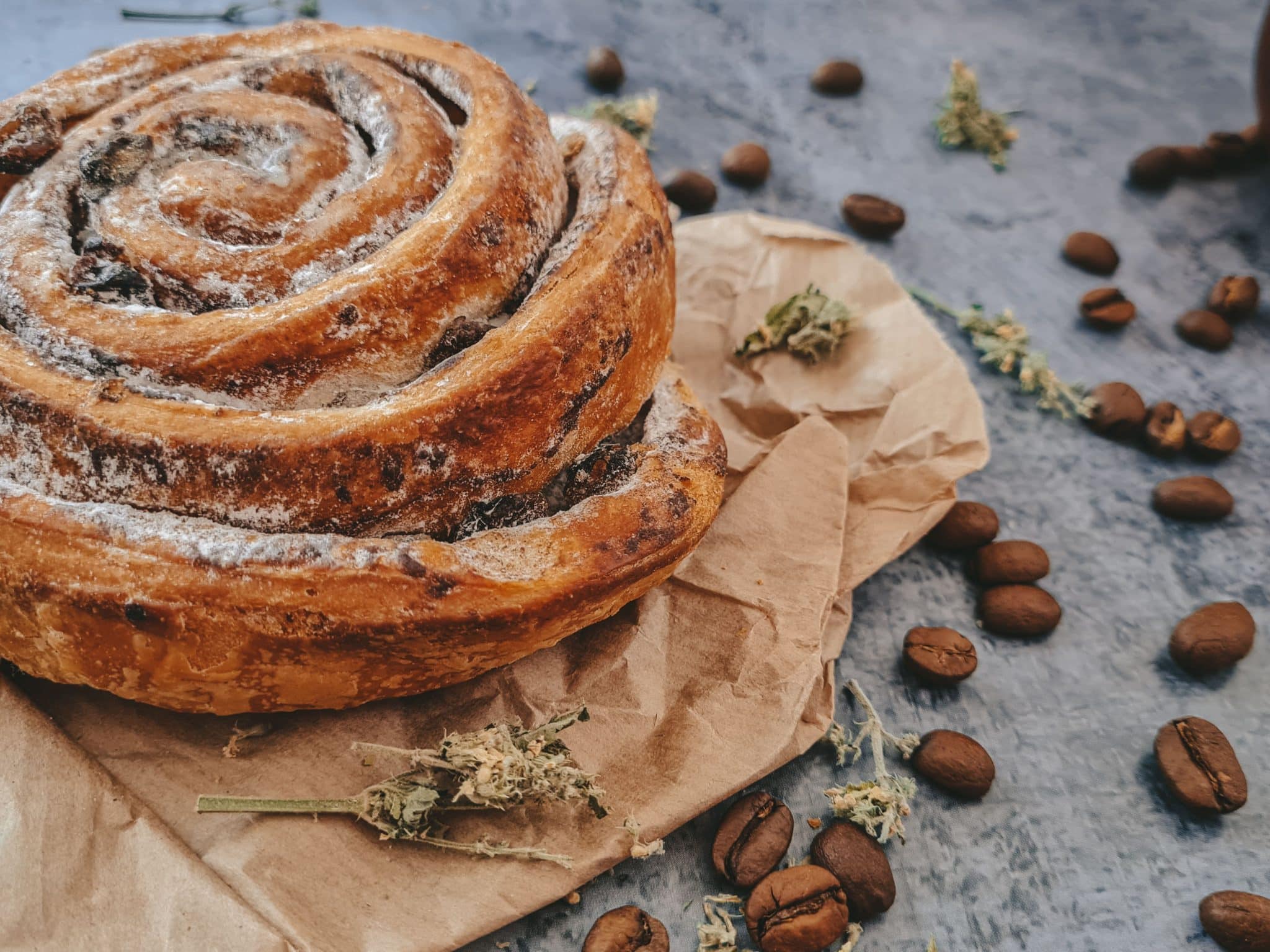
6. Zeeuwse Bolus (Sticky Brown Sugar Spiral Buns)
https://www.youtube.com/embed/ypXGr9NdMZU
If you only ever cook one Zeeland recipe, make it this one. With 30 minutes of prep, two hours of rising, and under 10 minutes in the oven to produce 12 buns at an intermediate difficulty, you’ll get a soft, tender crumb under a lacquer of caramelised brown sugar and cinnamon that sticks to your fingers and refuses to let go.
Ingredients:
Dough
- 325 g all-purpose flour
- 6 g salt
- 7 g instant yeast
- 200 ml milk, lukewarm (43°C / 110°F)
- 55 g egg, approximately 1 large egg
- 18 g sugar
- 40 g unsalted butter, at room temperature
Bolus sugar
- 475 g brown sugar
- 21 g ground cinnamon
- 4 g lemon zest, from about 1 large lemon
Steps:
- Step 1: Stir the yeast into lukewarm milk and leave 5 to 10 minutes to bloom
- Step 2: Knead flour, salt, sugar, egg, and the milk mixture 8 minutes until smooth
- Step 3: Add butter one piece at a time until the dough pulls from the bowl
- Step 4: Cover and rise 1 hour, meanwhile mix sugar, cinnamon, and lemon zest on a tray
- Step 5: Divide into 12 balls of about 54 g, roll each in sugar, rest 15 minutes covered
- Step 6: Roll each ball through the sugar into a 51 cm rope, coil it flat, tuck the end under
- Step 7: Rise 1 hour covered, then bake at 250°C (480°F) for 7 to 9 minutes
- Step 8: Invert onto a second lined tray, leave 10 minutes, then cool completely
Nothing says Zeeland more loudly than a bolus, and it isn’t Dutch in origin at all. Sephardic Jewish bakers fleeing persecution in Portugal and Spain brought the pastry with them in the late sixteenth century and settled in Middelburg, where the Jewish cemetery still marks that community. The name comes down through bole from the Spanish bollo, meaning a fine bun. The bakers left Zeeland centuries ago. The bolus never did.
Zeeland takes it seriously enough to compete over. There’s an annual Bolus Baking Championship held on the Tuesday of the twelfth week of the year, where bakers submit eight buns each and a jury narrows the field before the audience votes on a winner. And around Bruinisse, on Schouwen-Duiveland, nobody calls it a bolus at all. The local word is drol, which translates about as unflatteringly as it sounds, and one look at the coiled shape tells you exactly how it earned the name.
Two things will ruin these, and both happen in the last ten minutes. The oven is properly hot, and brown sugar goes from caramelised to burnt in seconds, so stay at the door and watch rather than trusting the timer. Then flip them. Inverting the tray the moment they come out is what sends the molten sugar back over the top of the bun, and it’s the difference between a bolus and a bread roll with a sweet bottom. Eat them the same day, split and buttered, with coffee.
Which One Should You Cook First?
I know six recipes at once is a lot to look at, and the wrong starting point will put you off the whole list. Here’s how I’d choose.
- If you’ve got one evening: Start with the mussels. It’s twenty minutes of actual work, everything happens in one pot, and it’s the dish the whole trip turned on.
- If you want to impress someone: Make the croquettes. They take two days and they’re the hardest of the six, but nothing else gets the same reaction when it’s cut open.
- If you’re cooking for a crowd: The stew feeds six, improves overnight, and leaves you free all afternoon. Start it the day before and you barely cook on the day.
- If you’ve never made bread: The bolus is a gentler introduction than it looks. The dough is forgiving and the only real risk is the last ten minutes in the oven.
- If you just want dinner on a Tuesday: Hutspot. Three vegetables, one pot, twenty-five minutes, and a sausage on the side.
Match the recipe to the evening you actually have rather than the one you wish you had. These are working-kitchen dishes from a working-kitchen region, and none of them were designed to be difficult.
What to Drink With Any of This
Zeeland grows and brews more than people expect. There’s a vineyard on Schouwen-Duiveland, breweries across the province, and Yerseke makes a beer specifically for drinking with mussels. Here’s what goes with what.
|
Drink |
Flavor Profile |
Best Paired With |
Why It Works |
|---|---|---|---|
|
Dry white wine |
Crisp and mineral |
Mussels, oysters |
Acidity cuts the cream and echoes the brine in the shell |
|
Zeeland wine |
Light and coastal |
Mussels, shellfish |
Grown on Schouwen-Duiveland, which is about as local as a glass gets |
|
Belgian dubbel |
Dark, malty, faintly sweet |
Stoofkarbonaden |
The same beer that’s already in the sauce |
|
Local Zeeland beer |
Varies by brewery |
Croquettes, fried food |
Carbonation resets your palate between rich, fried bites |
|
Jenever |
Sharp and juniper-heavy |
After the stew |
The traditional Dutch answer to a heavy plate |
|
Strong black coffee |
Bitter and hot |
Bolus |
The bun is pure caramelised sugar and needs something to push against |
The pattern is the same one you’ll notice on any Zeeland table. Something acidic for the shellfish, something dark for the slow-cooked meat, and something bitter for anything sweet.
Final Thoughts
I went into that week expecting the food to be the forgettable part of the trip, and I came home with a list of things I wanted to learn to cook. That’s not a small reversal.
What changed my mind wasn’t technique. Nothing served that night was complicated, and none of these six recipes are either. It was that the kitchen cooked what was outside the window, on a day when it happened to be good, and then got out of the way.
You can do the same thing anywhere. Buy the shellfish that looks best rather than the one in the recipe, use the vegetable that’s actually in season, and let the ingredient carry the plate. Zeeland has been cooking that way for four hundred years on land it had to build itself.
Start with whichever recipe you can shop for this week. Tell me in the comments which one you picked, and how it went.