


Stress rarely disappears on its own. It often returns in different forms, at work, in relationships, or during unexpected setbacks, and quick fixes ease the moment, not the pattern.
In my practice, I often see people manage a hard day, then find the same tension reappearing the next week. This happens because temporary relief calms emotions without changing how the mind responds. Long-term coping skills work differently.
They build steady habits, like problem-solving, mindfulness, and emotional awareness, that improve how you handle pressure over time.
You gain more control, clarity, and confidence instead of reacting to every moment. This article covers why long-term coping skills matter, how they differ from short-term relief, and ways to build them into daily life.
Why Do You Need Long-Term Coping Skills?
Stress itself can’t always be avoided. Deadlines, conflict, and unexpected setbacks are part of daily life. What can change is how you respond to them.
That’s the real value of long-term coping skills: they don’t remove stress; they change your relationship with it. Someone with strong long-term coping habits still feels the pressure of a tense deadline or a difficult conversation.
The difference shows up in how quickly they recover and how much that stress spills into unrelated parts of their day.
With consistent practice, these skills help you:
- Regulate emotions rather than be controlled by them. You feel frustration or anxiety without it dictating your next decision.
- Handle repeated stress without letting it build into resentment, exhaustion, or a short temper.
- Make healthier decisions under pressure, rather than reactive ones you later regret.
- Recover from difficult situations more quickly, so one bad day doesn’t quietly turn into a bad month.
Psychologist Susan Folkman, known for her research on coping and stress, explained that coping is an ongoing process involving efforts to manage stressful demands and emotional responses. That framing matters: coping isn’t something you get right once and finish.
It works more like a muscle than a checklist. It strengthens with consistent use and weakens with neglect, which is why a single good conversation or one mindfulness session rarely creates lasting change on its own.
Why Short-Term Coping Alone Is Not Enough

Short-term coping isn’t a problem by itself. Taking a walk to cool off, distracting yourself during a hard moment, or venting to a friend can genuinely help you get through an overwhelming situation. The issue is relying on it as your only strategy, so every stressful moment gets the same quick patch instead of a real resolution.
Placed side by side, the difference between the two isn’t about which one works. It’s about what each one is actually built for.
| Factors | Short-Term Coping | Long-Term Coping |
|---|---|---|
| When it helps most | In the middle of an overwhelming moment | Across weeks, months, and repeated stressors |
| What it changes | How do you feel right now | How you respond the next time it happens |
| What it leaves behind | The underlying cause, still untouched | Fewer triggers are left unresolved over time |
Neither side is inherently wrong. Short-term coping offers quick relief, calming you temporarily, while long-term habits determine if that calm endures.
Used alone, short-term fixes only delay the stress, but when combined with long-term strategies, they create space for real change.
For example, scrolling through your phone after a tough talk eases discomfort briefly but doesn’t resolve the issue. Recognizing this helps prevent stress from building up and leading to burnout.
How Long-Term Coping Skills Improve Mental Health
Beyond managing individual stressful moments, long-term coping skills reshape how the mind and body handle pressure over months and years.
1. Understanding Emotional Triggers
Coping skills help you identify the reason behind an emotion, not just the emotion itself. Anger is often connected to feeling ignored or dismissed rather than to whatever small incident set it off. Anxiety is frequently tied to uncertainty about what happens next, not the situation in front of you.
Recognizing the trigger changes that. Once you know that a certain kind of comment reliably makes you defensive, or that unclear plans reliably spike your anxiety, you can prepare for it or address it directly, instead of being caught off guard each time.
2. Creating Space Between Feelings and Reactions
This is the core of emotional regulation: emotions don’t have to dictate behavior. A brief pause, even a few seconds, between feeling something and acting on it can change the outcome of a conflict, a decision, or a difficult conversation.
This space doesn’t come naturally to most people; it’s built through repetition. Noticing a rising feeling, naming it silently, and choosing a response instead of defaulting to a reaction is a skill that gets easier with practice.
3. Building Self-Trust
Every time you get through a hard situation using a coping skill instead of avoiding it, you build evidence that you can handle discomfort. Over time, this self-trust reduces the fear that often drives avoidance in the first place.
This compounds. The first time you sit through an uncomfortable conversation instead of dodging it, it feels difficult. By the tenth time, it’s a habit you trust yourself to follow through on, and that changes how you approach future challenges before they even happen.
4. Reducing Avoidance Patterns
Long-term coping skills give you an alternative to escape. You develop the capacity to face challenges directly rather than relying on distraction or denial, which, over time, reduces how often you need to avoid anything at all.
This doesn’t mean confronting everything head-on immediately. It means building enough tolerance for discomfort that avoidance stops being the default response and becomes one option among several.
Types of Long-Term Coping Strategies
Different situations call for different approaches. Most effective coping plans draw from more than one category below.
| Coping Type | Main Purpose | Examples |
|---|---|---|
| Problem-Focused | Address the source of stress | Planning, problem-solving |
| Emotion-Focused | Manage emotional responses | Mindfulness, emotional regulation |
| Cognitive | Improve thought patterns | Reframing negative thoughts |
| Lifestyle-Based | Support overall mental stability | Sleep, exercise, routines |
A stressful deadline might call for problem-focused coping: breaking the task into steps and tackling it directly. Grief usually calls for emotion-focused strategies instead, since there’s often no problem to solve, only feelings to process. A period of ongoing conflict at work might need all four at once: reframing unhelpful thoughts about the situation, protecting your sleep and energy, managing the emotional toll, and eventually addressing the conflict directly.
Real-Life Applications of Long-Term Coping Skills
Long-term coping skills are most effective when applied in everyday situations rather than understood only in theory. These skills shape how individuals respond to stress at home, work, and in relationships by building consistency in emotional regulation and decision-making.
1. Mindfulness and Meditation Practice
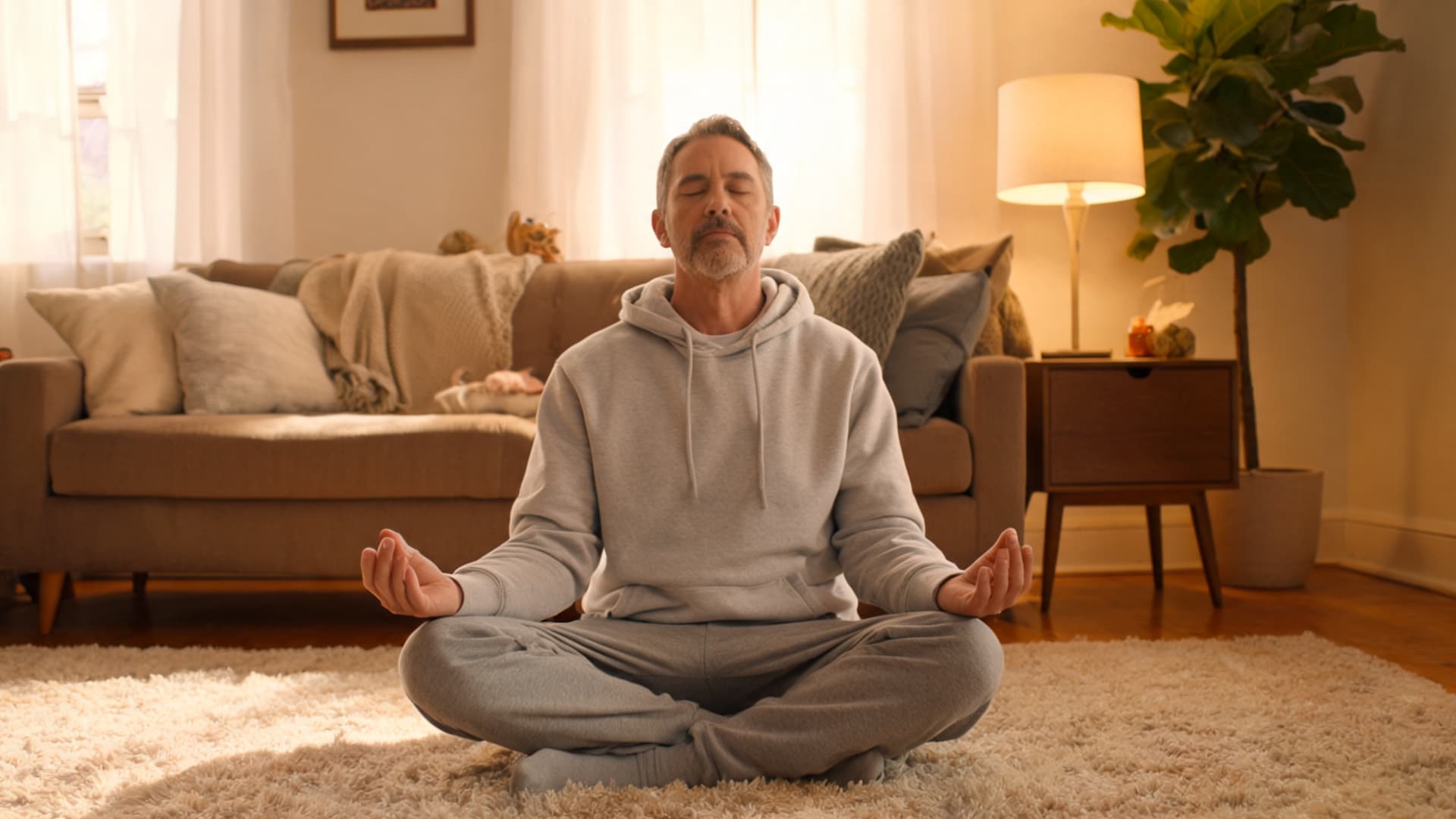
Mindfulness and meditation are long-term skills that train the mind to stay present, avoiding overthinking or emotional reactions. Regular practice lets individuals observe thoughts without judgment, reducing automatic stress responses.
Focusing on breathing, sensations, or guided awareness helps calm the nervous system. Many mistake mindfulness for trying to stop thoughts, which discourages beginners.
The real goal isn’t to remove thoughts but to notice them without acting on them. When a stressful thought arises, silently label it, like “that’s worry,’ instead of getting drawn in.
2. Journaling and Emotional Tracking

Journaling and emotional tracking are effective long-term coping skills that help individuals process thoughts in a structured way rather than internalizing them.
Writing down emotions, triggers, and daily experiences allows the mind to organize mental clutter and recognize recurring patterns linked to stress or anxiety.
Over time, this practice improves self-awareness by highlighting what situations or thoughts consistently affect mood. If a blank page feels intimidating, use three simple prompts: what happened, how it felt, and what you’d do differently. Consistency matters far more than length.
3. Therapy and Self-Reflection

Therapy and self-reflection are structured, long-term coping practices that help individuals understand emotional patterns, thought processes, and behavioral responses more deeply.
Therapy provides professional guidance to identify underlying causes of stress, anxiety, or trauma, while self-reflection encourages regular internal evaluation of thoughts and reactions.
Therapy doesn’t require a crisis to be worthwhile. Even a few sessions can help you name patterns you’ve never had language for. Self-reflection can happen alongside it. Ten quiet minutes a week asking yourself what’s actually driving a recurring frustration builds the same kind of insight between sessions.
4. Healthy Routine Building

Healthy routine-building is a long-term coping skill that creates structure in daily life, helping the mind and body function with greater stability.
Consistent habits such as regular sleep, planned meals, and set work or study schedules reduce uncertainty, a major trigger of stress and emotional imbalance.
Anchor your day around one or two fixed routines, such as a consistent wake time or an evening wind-down, and let the rest of the schedule flex around them. A stable anchor point gives the nervous system something to expect, which lowers overall reactivity even on days that otherwise feel unpredictable.
5. Physical Activity and Stress Release

Physical activity is a key long-term stress coping skill that benefits both body and mind. Exercise releases endorphins, lowers cortisol, improves mood, reduces tension, and enhances brain function, energy, and sleep, boosting emotional regulation.
Consistency is more important than intensity; a daily 20-minute walk can be more beneficial for stress tolerance and sleep quality than occasional intense workouts, helping you regulate emotions better the next day.
When Coping Strategies Become Unhealthy
Many unhealthy coping habits start the same way healthy ones do, as an attempt to manage a difficult emotion. The difference is what happens when they become the only response available, repeated so often that they entirely replace healthier options.
| Pattern | Common Example | Possible Impact |
|---|---|---|
| Avoidance | Ignoring problems or triggers | Delays emotional healing |
| Substance Use | Using alcohol or drugs to cope | Can lead to dependency |
| Emotional Suppression | Hiding or ignoring feelings | Increases internal stress |
| Social Withdrawal | Avoiding people and support | Can increase loneliness |
| Overeating | Using food for comfort | May affect health habits |
| Excessive Distraction | Constant scrolling or gaming | Avoids emotional processing |
| Self-Criticism | Blaming yourself repeatedly | Lowers confidence |
None of these patterns makes someone weak or broken. They’re understandable responses to real discomfort. Recognizing them early, in yourself or someone you care about, makes it easier to gradually swap them for healthier strategies, rather than trying to eliminate them all at once.
How to Build Long-Term Coping Skills Over Time
Building long-term coping skills requires consistent practice and gradual behavioral change rather than quick fixes.
- Start With Small Daily Habits: One consistent habit, like two minutes of breathing exercises or a single line of journaling, is easier to maintain than an ambitious routine you abandon within a week. The goal at this stage is repetition, not depth.
- Recognize Your Triggers: Noticing what consistently sets off stress, whether it’s a specific tone of voice, a certain kind of deadline, or a particular person, lets you respond earlier, before the reaction takes over.
- Replace Unhealthy Coping Patterns: Rather than simply removing avoidance or overthinking, swap them for a specific alternative, like journaling instead of scrolling or a short walk instead of withdrawing. Removing a habit without a replacement usually just creates space for it to return.
- Practice Consistency Over Intensity: Coping skills develop through repetition, not intensity. Showing up regularly, even imperfectly, matters more than executing any single technique flawlessly.
Overall, steady improvement matters more than perfection. Small daily efforts compound over time, creating lasting resilience and healthier ways of managing stress.
When You Need Stronger Coping Support
At certain points, stress may exceed personal coping capacity, necessitating external support or a strategy adjustment for recovery and balance.
| Situation | Signs | Meaning | Action |
|---|---|---|---|
| Coping not working | Frequent overwhelm, burnout, poor stress control | Current coping methods are ineffective | Adjust coping habits and rebuild daily emotional regulation |
| Need professional help | Stress or anxiety affects daily life and functioning | Stress is beyond the self-management level | Seek therapy or mental health support for structured guidance |
Understanding these signs early helps prevent emotional exhaustion and supports timely intervention.
Frequently Asked Questions
What are examples of long-term coping skills?
Common examples include mindfulness meditation, journaling, therapy, structured daily routines, and regular physical activity. Each works differently. Some regulate emotions; others build stronger thought patterns; together, they create lasting resilience rather than short bursts of relief.
Why are short-term coping methods not enough?
Short-term coping eases immediate distress but doesn’t address the underlying cause of the stress. Without long-term habits, the same triggers keep resurfacing, which can lead to repeated emotional exhaustion and, eventually, burnout that quick fixes can’t prevent.
Can coping skills improve emotional resilience?
Yes. Practicing coping skills consistently trains the nervous system to recover more quickly after stress. Over weeks and months, this builds emotional resilience, making it easier to face future challenges without feeling overwhelmed or emotionally depleted.
How long does it take to develop coping skills?
There’s no fixed timeline, since it depends on consistency and the habit itself. Many people notice small shifts in emotional regulation within a few weeks, while bigger changes in stress response typically take a few months of steady practice.
Are distractions considered unhealthy coping?
Distraction isn’t automatically unhealthy. Occasional breaks from stress are normal. It becomes a concern when it’s the only strategy used, since constant distraction can delay emotional processing and prevent someone from addressing the root cause of the stress.
The Bottom Line
Stress will always be part of life, but how you respond to it can change. Long-term coping skills help you build stability rather than chase short bursts of relief.
In my experience, people who commit to small, consistent habits, like awareness, structured routines, and healthy outlets, recover from setbacks faster and feel more in control day to day.
The goal isn’t to eliminate difficult emotions. It’s to respond to them with more steadiness and less reactivity. Start with one habit that feels manageable, whether it’s a few minutes of journaling or a short walk after a stressful day.
Small, repeated actions build the kind of resilience that lasts. Give yourself permission to grow into this at your own pace.