

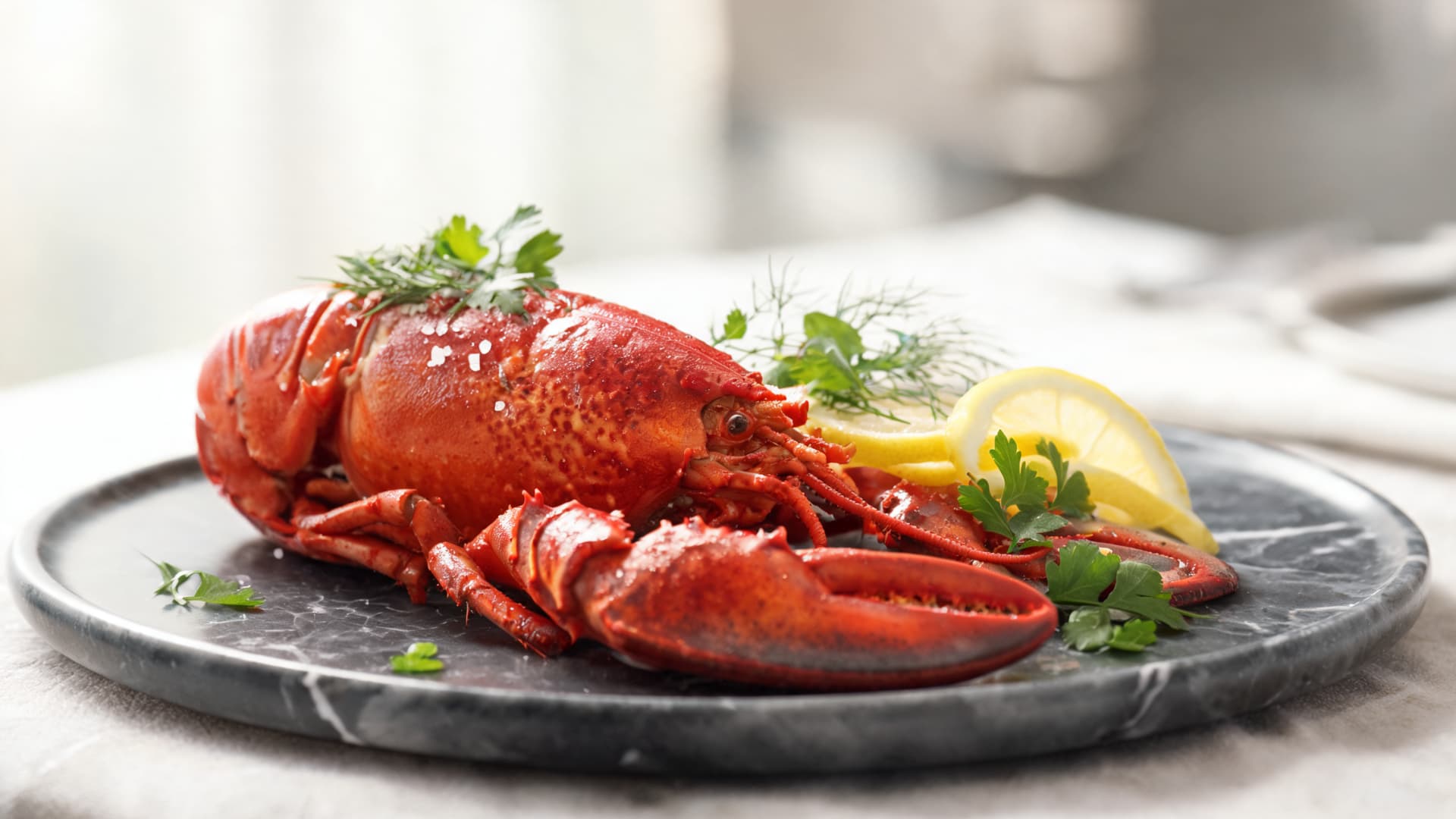
Lobster is often viewed as a special seafood choice, but many people wonder whether it is actually healthy or simply an occasional indulgence. Understanding its nutritional value can help you decide how it fits into your meals and health goals.
Lobster nutrition goes beyond its calorie count, so I cover the important details behind its protein, fat, vitamin, and mineral content. You will learn why lobster is considered a nutrient-dense seafood, what potential limitations to remember, and how preparation choices can shape its overall health value.
From its high-quality protein to nutrients, this overview helps you understand why lobster can be part of a balanced diet.
Understanding the Nutrition Content of Lobster
A 3.5-ounce (100-gram) serving of cooked lobster offers a nutrient-rich profile with plenty of protein while keeping calories, fat, and carbohydrates low.
| Nutrient | Amount |
|---|---|
| Calories | 89–90 kcal |
| Protein | 19 g |
| Total Fat | Less than 1 g |
| Carbohydrates | 0 g |
| Saturated Fat | 0.2 g |
| Sodium | 413 mg |
| Cholesterol | 124 mg |
This nutrition profile shows why lobster is often considered a lean seafood option. While it provides high-quality protein and important nutrients, the final health value depends on portion size and how the lobster is prepared.
Why Lobster Can Be Part of a Healthy Diet
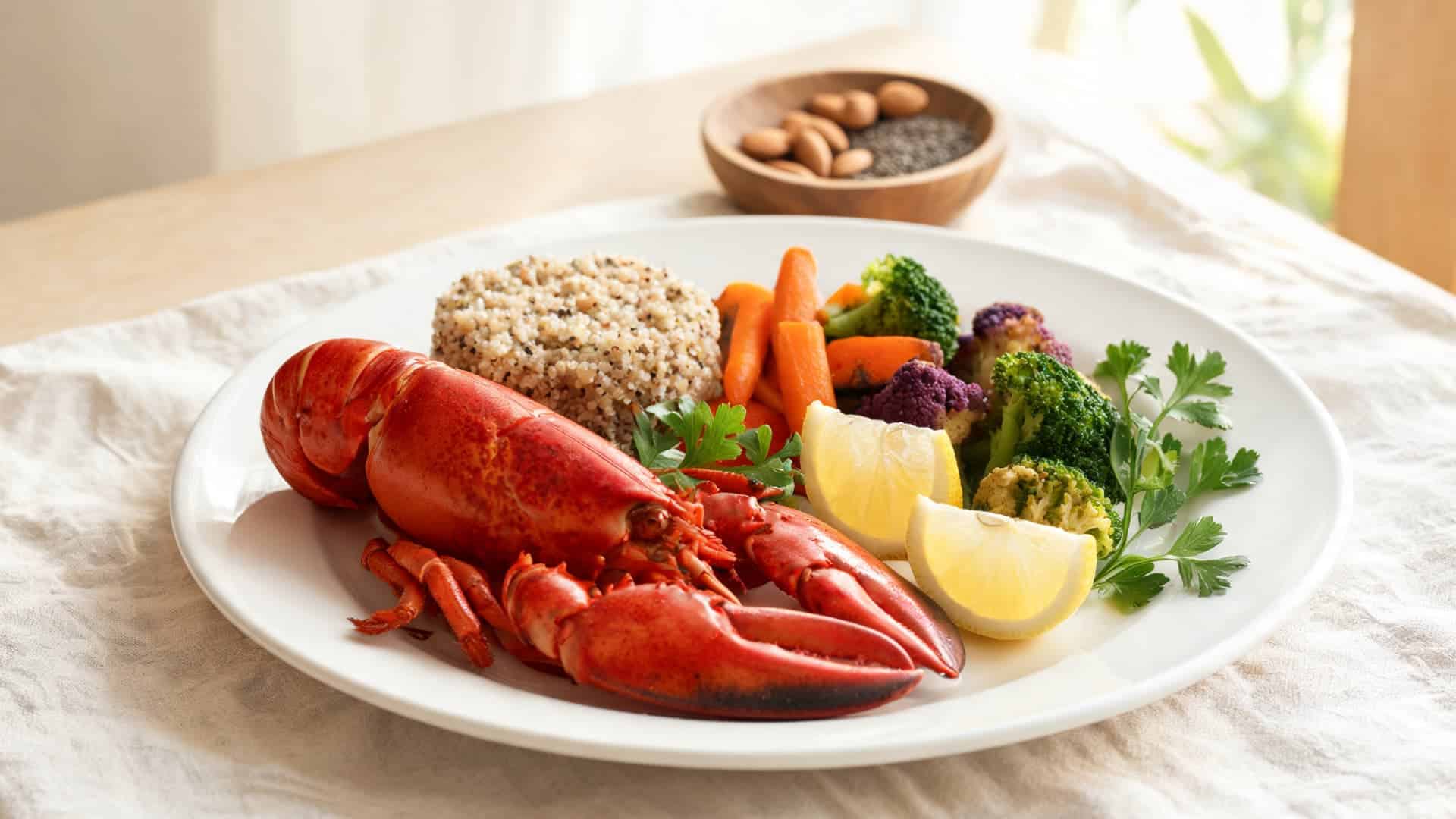
Lobster contains a range of essential nutrients that contribute to its overall nutritional value. From nutrients involved in energy production and immune defense to those that support nerve function and healthy metabolism, lobster offers more than just a flavorful seafood option.
1. High-Quality Protein
Lobster provides complete protein, supplying all nine essential amino acids needed for various functions in the body. These amino acids support the maintenance of muscle tissue, the formation of new proteins, and normal recovery processes after physical activity.
With about 19 grams of protein per 100-gram serving , lobster offers a concentrated source of lean protein without adding many calories or fat.
2. Supports Heart and Brain Health With Omega-3 Fatty Acids
Lobster contains omega-3 fatty acids, including EPA and DHA, which play important roles in maintaining heart and brain function. These fats are involved in cell structure and help support normal communication between cells throughout the body.
Compared with fatty fish like salmon, sardines, and mackerel, lobster provides smaller amounts of omega-3s. However, it can still contribute to overall omega-3 intake when included as part of a varied seafood diet.
3. Vitamin B12 for Nerve and Blood Health
Lobster provides vitamin B12, an essential nutrient involved in nerve function, DNA production, and the formation of healthy red blood cells. Adequate B12 levels help maintain normal communication between nerve cells and support the production of blood cells that carry oxygen throughout the body.
Because vitamin B12 is naturally found in animal-based foods, seafood such as lobster can be a useful dietary source for people who include fish and shellfish in their meals.
4. Selenium for Antioxidant Protection
Lobster contains selenium, an essential mineral that plays a role in protecting cells from oxidative stress and supporting normal immune function. Selenium is also needed for proper thyroid activity because it helps enzymes involved in thyroid hormone production and regulation.
Including selenium-rich foods like lobster can contribute to meeting daily mineral needs. However, overall selenium intake depends on the variety of foods consumed throughout the day.
5. Zinc and Copper for Body Functions
Lobster provides zinc and copper, two trace minerals that support important processes in the body. Zinc contributes to immune function, wound healing, and normal protein synthesis, while copper helps the body use iron and supports the formation of connective tissues.
Although the body requires these minerals in small amounts, regular intake through nutrient-rich foods can help maintain normal physiological functions. I
6. Iodine for Thyroid Support
Lobster contains iodine, a mineral essential for producing thyroid hormones that regulate metabolism and help control how the body uses energy. These hormones also play a role in maintaining normal growth, development, and other vital body functions.
The amount of iodine may vary depending on factors such as the lobster’s environment, portion size, and preparation method.
Including lobster as part of a balanced diet comes down to how it fits with your overall food choices. Pairing it with vegetables, whole grains, and other nutrient-rich foods can help create a well-rounded meal.
Lobster Nutrition Compared With Other Seafood
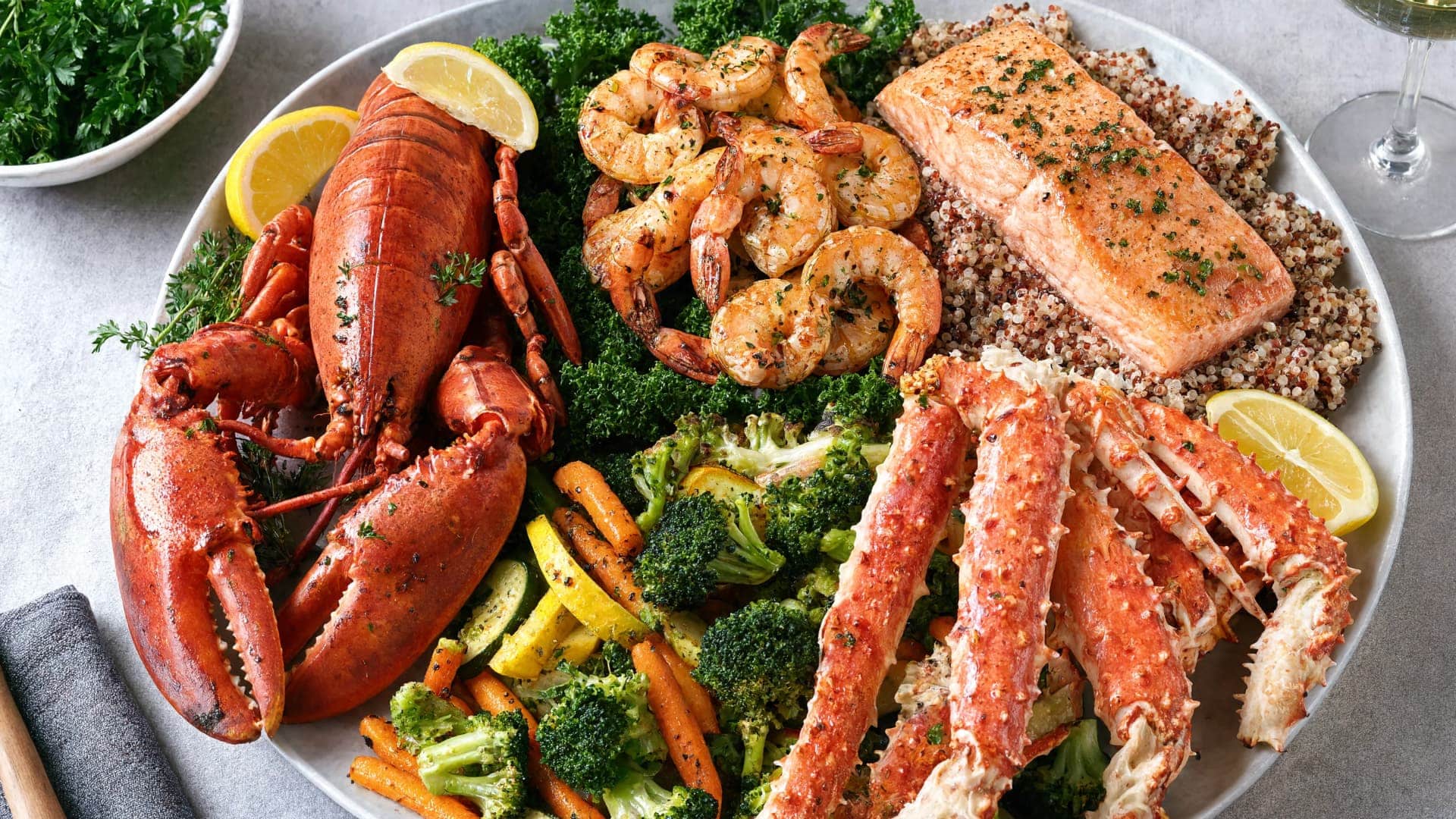
Different types of seafood provide different combinations of calories, protein, and fats. Comparing lobster with other popular seafood options can help you understand where it fits nutritionally and which choices may work better for specific dietary goals.
| Seafood | Calories (per 100g) | Protein | Fat |
|---|---|---|---|
| Lobster | 89–90 kcal | 19 g | Less than 1 g |
| Shrimp | 99 kcal | 24 g | 0.3 g |
| Salmon | 206 kcal | 22 g | 12 g |
| Crab | 97 kcal | 19 g | 1.5 g |
This comparison shows that lobster is a low-calorie, high-protein seafood choice. The best option depends on your nutritional needs, such as choosing higher protein, lower calories, or more omega-3 fats. Including a variety of seafood can help provide a wider range of nutrients.
Potential Risks of Eating Lobster
Lobster can be a nutritious seafood choice, but a few factors may affect its suitability for certain people. Certain dietary needs, health conditions, and personal sensitivities can influence how often or how it is included in meals.
- Cholesterol Content: Lobster contains dietary cholesterol, with around 124 mg per 100-gram serving. While it can fit into many healthy diets, people managing cholesterol-related health concerns should consider their overall dietary intake.
- Added Sodium: The sodium content of lobster dishes can increase when served with salted butter, sauces, or heavily seasoned toppings. Plain steamed or boiled lobster generally contains fewer added nutrients that may affect heart health.
- Shellfish Allergies: Lobster can cause allergic reactions in people with shellfish allergies. Symptoms may range from mild skin reactions to more serious responses requiring medical attention.
- Food Safety: Proper storage and cooking are important because undercooked or improperly handled lobster may increase the risk of foodborne illness.
Considering these factors can help you include lobster in a way that matches your health needs and dietary preferences.
Low-Calorie Ways to Enjoy Lobster
Lobster itself is naturally low in calories, but the final calorie content depends largely on the ingredients and cooking style used. Choosing simple preparation methods and lighter pairings can help you enjoy lobster while limiting added fats, sauces, and extra calories.
| Low-Calorie Lobster Variation | Why It Is a Lighter Choice |
|---|---|
| Steamed Lobster | Keeps lobster meat tender without adding oils, butter, or extra calories during cooking. |
| Boiled Lobster | Uses water-based cooking and allows the natural flavor of lobster to remain without added fats. |
| Lobster Salad | Pairs lobster with vegetables and lighter dressings instead of calorie-heavy sauces. |
| Grilled Lobster | Adds flavor through grilling while keeping added fats low when prepared with minimal oil. |
| Lobster Lettuce Wraps | Replaces heavier sides like bread with lettuce for a lighter, lower-calorie meal option. |
Choosing lighter cooking methods and simple ingredients can help keep lobster meals balanced while allowing its natural flavor and nutrients to stand out.
Can Lobster Support Weight Loss Goals?
Lobster can be included in a weight-conscious eating pattern because it is filling, versatile, and naturally low in carbohydrates. Its protein content can help create satisfying meals, making it suitable for diets such as keto, low-carb, high-protein, and calorie-controlled plans.
The portion size and ingredients served with lobster have a major impact on the overall meal. A simple lobster dish paired with lighter sides may better support calorie control, while additions like large amounts of butter or fried coatings can significantly increase the energy content.
Choosing balanced portions allows lobster to fit into different dietary goals without relying on it as the only food source.
Frequently Asked Questions
Is Frozen Lobster as Nutritious as Fresh Lobster?
Frozen lobster can retain much of its nutritional value when it is properly stored and handled. The main differences are usually related to texture, freshness, and added ingredients. Checking labels can help avoid products with extra sodium, preservatives, or sauces.
Does Lobster Have Mercury Concerns?
Lobster generally contains lower mercury levels compared with many larger predatory fish. However, seafood recommendations vary based on age, health status, and consumption frequency. Following local seafood guidelines can help determine safe intake levels.
Can You Eat Lobster if You Have High Cholesterol?
People with high cholesterol may not need to avoid lobster completely, but portion size and overall diet matter. It is better to focus on preparation methods and limit additions high in saturated fat, such as large amounts of butter or creamy sauces.
Does cooking lobster reduce its nutritional value?
Cooking lobster does not remove all of its nutritional benefits, but preparation methods can affect the final meal. Simple methods like steaming or boiling generally preserve its nutrient profile, while frying or adding heavy sauces can increase calories and fat.
The Bottom Line
Lobster can be more than an occasional seafood treat when you understand its nutritional value and how it fits into your meals. I looked at lobster nutrition to explain its protein, vitamins, minerals, benefits, and factors that can affect its overall health value.
You can make better choices by considering portion sizes, preparation methods, and added ingredients like butter or sauces. Simple cooking options can help you enjoy lobster while keeping meals balanced.
Use these tips when planning your next seafood dish, and share your favorite healthy lobster preparation or check out more nutrition-focused food guides for helpful ideas.