
Living with pancreatitis can feel overwhelming, especially when every meal becomes a careful decision.
If you’ve been diagnosed with this condition, you’re not alone, and I’m here to help you understand how the right dietary approach can significantly improve your symptoms and quality of life.
Pancreatitis is inflammation of the pancreas, a vital organ that produces digestive enzymes and regulates blood sugar. When inflamed, your pancreas struggles to function properly, making nutrition critical for your recovery.
If you’re dealing with acute or chronic pancreatitis, adopting a low-fat, easily digestible diet is essential to reduce strain on your pancreas and prevent painful flare-ups.
I’ll guide you through the essential dietary principles and provide a practical 7-day meal plan for pancreatitis to help you start your path to better health.
Understanding Pancreatitis: What You Need to Know
Pancreatitis is the inflammation of the pancreas, a crucial organ responsible for producing digestive enzymes and regulating blood sugar.
When inflamed, the pancreas struggles to perform its vital functions, which can lead to symptoms such as abdominal pain, nausea, and digestive issues. There are two main types: acute pancreatitis, which occurs suddenly and can be severe, and chronic pancreatitis, which develops over time and may cause permanent damage.
Proper management, including a low-fat, easy-to-digest diet, is key to reducing strain on the pancreas and promoting healing.
Understanding the condition and adopting the right dietary approach can significantly improve your symptoms and overall quality of life
Your 7-Day Pancreatitis Meal Plan
This 7-day meal plan focuses on low-fat, easy-to-digest meals designed to support the pancreas and improve overall digestive health.
Each meal is carefully selected to minimize discomfort and provide essential nutrients, while maintaining flexibility based on individual food tolerances.
Day 1
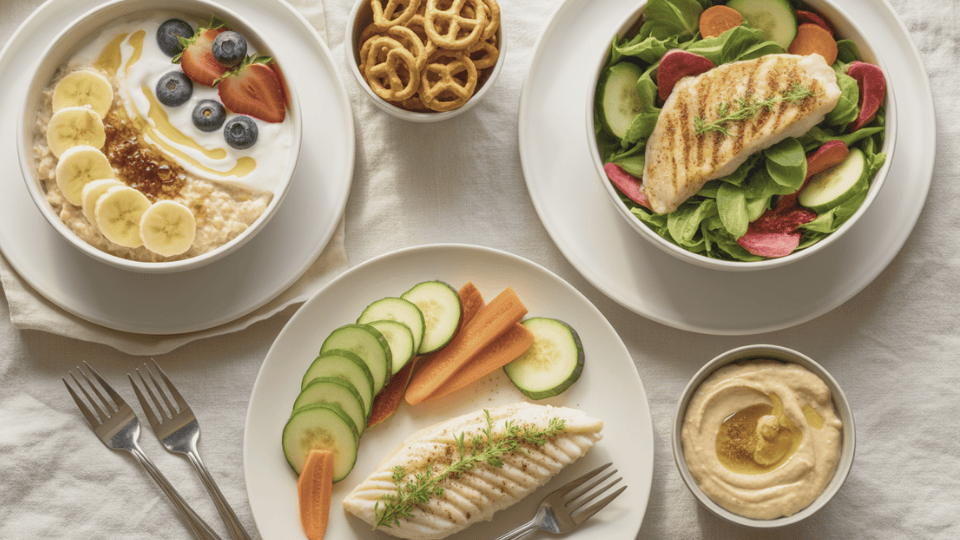
Start your day with an easy, nutritious breakfast that’s gentle on your digestive system and packed with essential nutrients.
- Breakfast: Oatmeal with banana slices and a sprinkle of cinnamon or a drizzle of honey. Optional: non-fat yogurt with berries.
- Lunch: Grilled chicken breast salad with mixed greens, cucumber, and low-fat vinaigrette.
- Dinner: Steamed tilapia with roasted zucchini, carrots, and bell peppers.
- Snack: Unsalted pretzels with hummus.
End your day with a light, well-balanced meal plan that supports your pancreas while providing the necessary nutrients for recovery.
Day 2
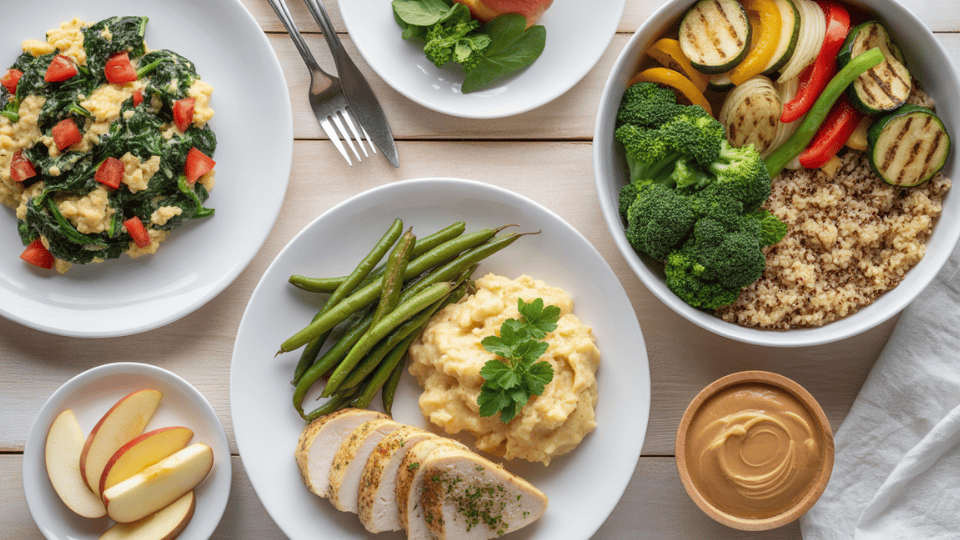
Start your day with a light, easily digestible breakfast that provides the nutrients your body needs.
- Breakfast: Scrambled egg whites with spinach and tomatoes.
- Lunch: Quinoa bowl with grilled vegetables and steamed broccoli.
- Dinner: Baked chicken breast with mashed potatoes and green beans.
- Snack: Apple slices with almond butter.
End your day with a meal that supports your digestive system while aiding in your recovery.
Day 3
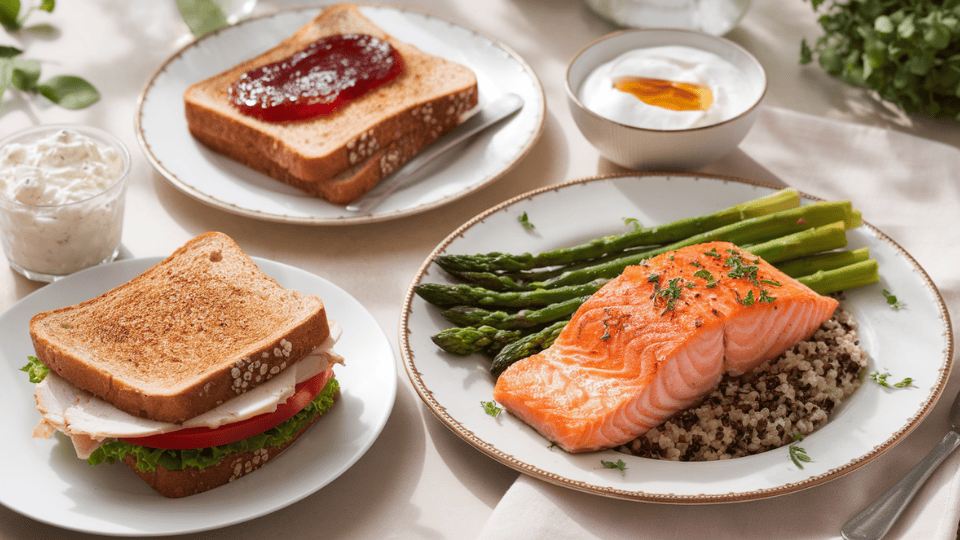
Start your day with a gentle breakfast that’s easy to digest and packed with vitamins.
- Breakfast: Whole-grain toast with a thin layer of jam and a side of non-fat cottage cheese.
- Lunch: Grilled turkey sandwich (whole grain bread, minimal mayo, lettuce, tomato).
- Dinner: Baked salmon with steamed asparagus and quinoa.
- Snack: Low-fat Greek yogurt with a drizzle of honey.
End your day with a light, well-balanced meal to support your recovery and digestive health.
Day 4
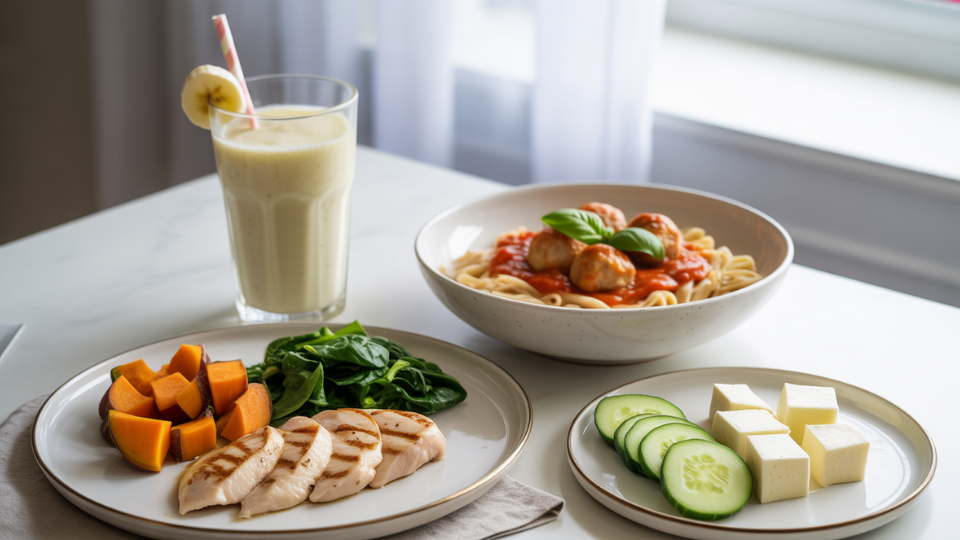
Start your day with a refreshing smoothie that’s easy on your stomach and provides essential nutrients.
- Breakfast: Smoothie made with low-fat milk, banana, and optional protein powder.
- Lunch: Grilled chicken with roasted sweet potatoes and steamed spinach.
- Dinner: Turkey meatballs in homemade low-sodium tomato sauce over whole-wheat pasta.
- Snack: Sliced cucumber with low-fat cheese.
End your day with a light, easy-to-digest meal that promotes recovery and digestive health.
Day 5
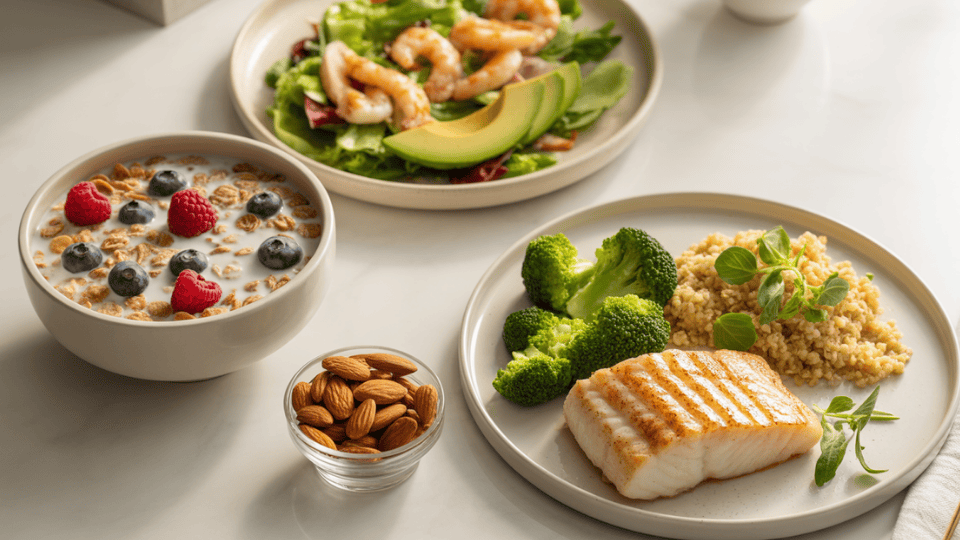
Start your day with a wholesome breakfast that’s both nutritious and gentle on your digestive system.
- Breakfast: Whole grain cereal with low-fat milk and fresh berries.
- Lunch: Grilled shrimp salad with avocado, mixed greens, and light vinaigrette.
- Dinner: Grilled white fish with steamed broccoli and quinoa.
- Snack: Unsalted almonds.
End your day with a meal that’s gentle on your pancreas and helps your body recover.
Day 6
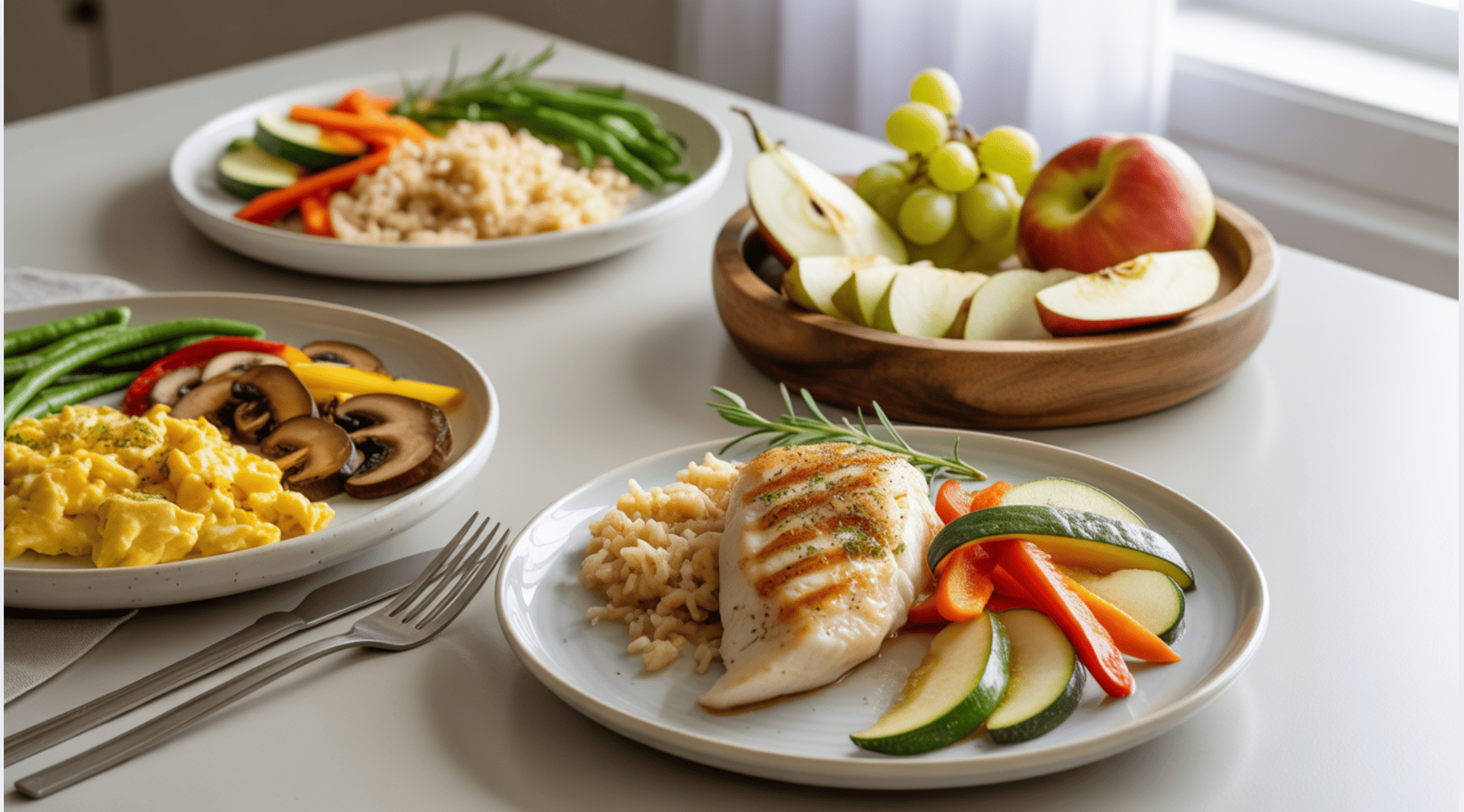
Start your day with a light and nourishing breakfast that’s easy to digest and full of nutrients.
- Breakfast: Scrambled egg whites with mushrooms and bell peppers.
- Lunch: Grilled chicken breast with brown rice and green beans.
- Dinner: Baked tilapia with roasted vegetables, e.g., zucchini, carrots, bell peppers.
- Snack: Mixed fruit, e.g., apple, pear, grapes.
End your day with a meal that supports digestion and aids in your recovery.
Day 7
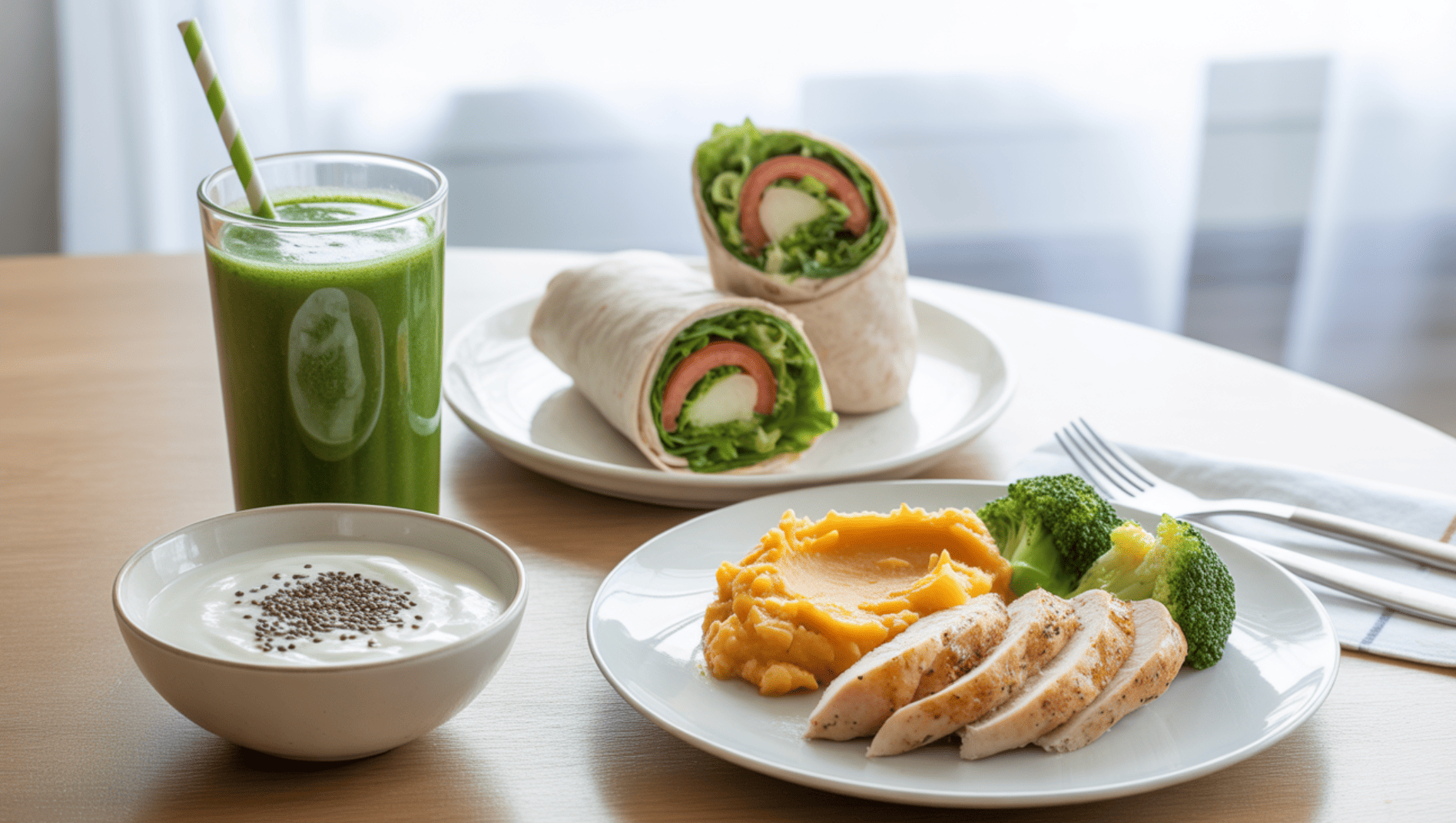
Start your day with a refreshing smoothie that’s full of vitamins and easy to digest.
- Breakfast: Smoothie with banana, low-fat yogurt, and spinach.
- Lunch: Turkey wrap with lettuce, tomato, and mustard in a whole-grain wrap.
- Dinner: Steamed chicken with mashed sweet potatoes and steamed broccoli.
- Snack: Small portion of low-fat Greek yogurt with chia seeds.
This 7-day meal plan focuses on easy-to-digest, low-fat, nutrient-dense foods that support digestive health and reduce strain on the pancreas, providing balanced meals to help manage pancreatitis effectively. Click here to get the downloadable PDF of the 7-day plan.
How This 7-Day Meal Plan Helps Manage Pancreatitis
This 7-day meal plan helps manage pancreatitis by focusing on low-fat, nutrient-dense foods that are gentle on the digestive system. It minimizes fat intake, which reduces strain on the pancreas, as fats stimulate enzyme production that can worsen inflammation.
A suitable diet for pancreatitis ensures comfort and nutrient absorption while supporting pancreatic function
The plan includes small, frequent meals (4-6 per day), which ease digestion and avoid overwhelming the pancreas. Lean proteins, whole grains, and cooked vegetables provide essential nutrients without causing discomfort.
It also avoids trigger foods like high-fat, processed, and sugary items, focusing instead on anti-inflammatory foods to support healing. Hydration is emphasized with smoothies and hydrating fruits, helping to maintain digestive function.
This meal plan is designed to be easily digestible, ensuring comfort and nutrient absorption, while supporting the pancreas in its recovery and promoting overall health for those managing pancreatitis.
Customizing the 7-Day Pancreatitis Meal Plan for Different Dietary Needs
To make the 7-day pancreatitis meal plan suitable for a broader range of dietary needs, here are some customization options and ingredient swaps for vegetarian, vegan, dairy-free, and gluten-free lifestyles.
These modifications maintain the low-fat, easy-to-digest, and nutrient-dense principles essential for managing pancreatitis.
| Ingredient | Swap Options |
|---|---|
| Protein | – Tofu, tempeh, lentils, chickpeas for vegetarians/vegans – Chicken, fish for non-vegetarians |
| Grains | – Quinoa, brown rice, gluten-free grains (millet, amaranth) |
| Dairy | – Almond milk yogurt, coconut milk yogurt, dairy-free cheese |
| Fats | – Olive oil, avocado, vegan butter |
| Sweeteners | – Maple syrup, stevia, agave syrup |
These swaps ensure that the meal plan can be adapted while still being suitable for managing pancreatitis and supporting overall health.
Tips for Pancreatitis Recovery
These lifestyle tips support pancreatitis recovery by easing digestion, reducing inflammation, improving energy levels, and promoting overall wellness alongside a low-fat, pancreas-friendly meal plan designed for long-term symptom management.
- Hydration: Monitor hydration if feeling fatigued or dehydrated.
- Stress Management: Practice deep breathing or meditation for relaxation.
- Exercise (If Appropriate): Focus on flexibility and mobility exercises.
- Sleep Hygiene: Use relaxation techniques (reading, music, meditation) before sleep.
These strategies will help support recovery, improve well-being, and manage pancreatitis effectively by addressing hydration, stress, exercise, and sleep hygiene.
Final Thoughts
Managing pancreatitis through diet doesn’t have to be complicated. By following the guidelines I’ve shared and using the 7-day meal plan for pancreatitis, you can reduce inflammation, prevent flare-ups, and improve your digestive health.
Consistency is key; small, sustainable changes in your eating habits lead to significant improvements in how you feel daily.
Your health matters, and you have the power to make positive changes starting today.
Consult with your healthcare provider or registered dietitian to personalize these recommendations for your specific needs and create a long-term nutrition strategy that works for you.
Ready to take control of your pancreatitis? Start implementing these dietary changes today and reach out to your medical team for support.