

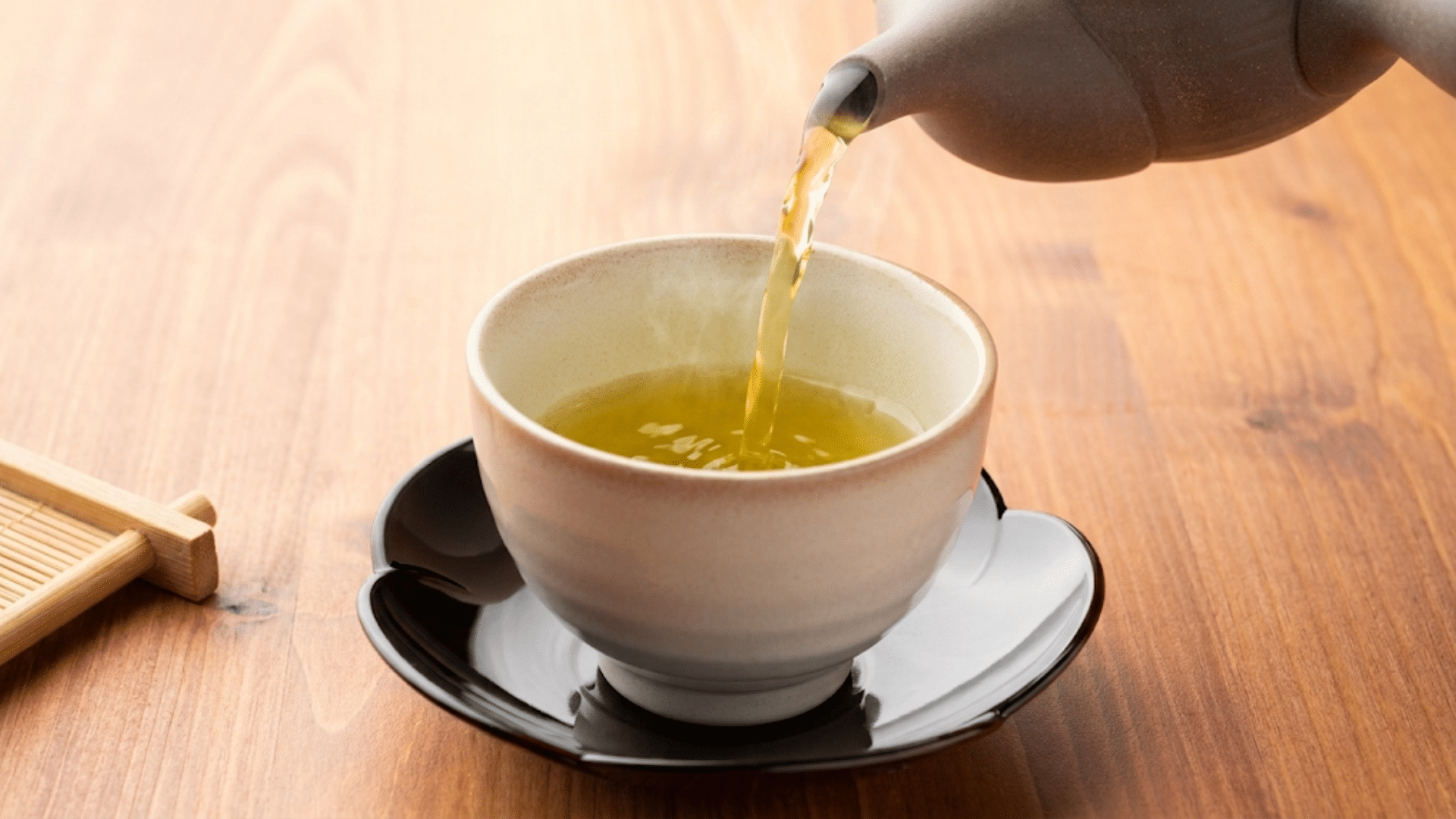
Many green teas claim to be the best, but the right choice depends on what you want from your cup. Flavor, caffeine level, quality, and brewing style can all make a big difference.
As someone who enjoys testing different teas and researching what makes them stand out, I know how confusing the options can feel.
In this article, I’ll compare some of the top green tea brands, explain what makes each one unique, and share tips for choosing the right tea for your taste and lifestyle.
By the end, you’ll have a clear idea of which green tea is worth trying and how to enjoy it at its best.
How Did I Test Green Teas?
Every tea on this list went through the same home tasting process before I ranked it. I brewed each one according to its own package instructions, then again at a controlled 175°F for three minutes, so I could judge both the marketed experience and a fair baseline.
I logged aroma, color, bitterness, and aftertaste right after steeping, then again once the cup cooled, since green tea often turns more astringent as it sits.
Alongside tasting, I checked ingredient lists against organic certification claims and cross-referenced caffeine figures against caffeine testing of brewed teas rather than marketing copy.
Packaging quality and price per cup also factored into the final ranking, since a great leaf loses points if it goes stale in a flimsy bag.
What is the Best Green Tea to Drink?
365 Organic Green Tea (Whole Foods) is the best green tea to drink overall because it consistently delivers high-quality organic tea leaves, a smooth flavor, and excellent value for everyday use.
It has earned top rankings in independent taste tests and appeals to both beginners and regular green tea drinkers.
This tea stands out for its reliable leaf quality, clean ingredient list, and balanced taste that isn’t overly bitter when brewed properly.
It also offers good consistency from one box to the next, making it an easy choice for daily drinking.
While personal preferences vary, 365 Organic Green Tea earned the top spot in my testing for its mix of quality, flavor, and value.
Top Green Tea Brands Worth Buying (Excluding 365 Organic Green Tea)
The best green tea brands offer a balance of quality tea leaves, fresh flavor, and consistent brewing performance for every cup.
From everyday favorites to premium blends, these brands make it easy to find a green tea that matches your taste and budget.
1. Uncle Lee’s Green Tea
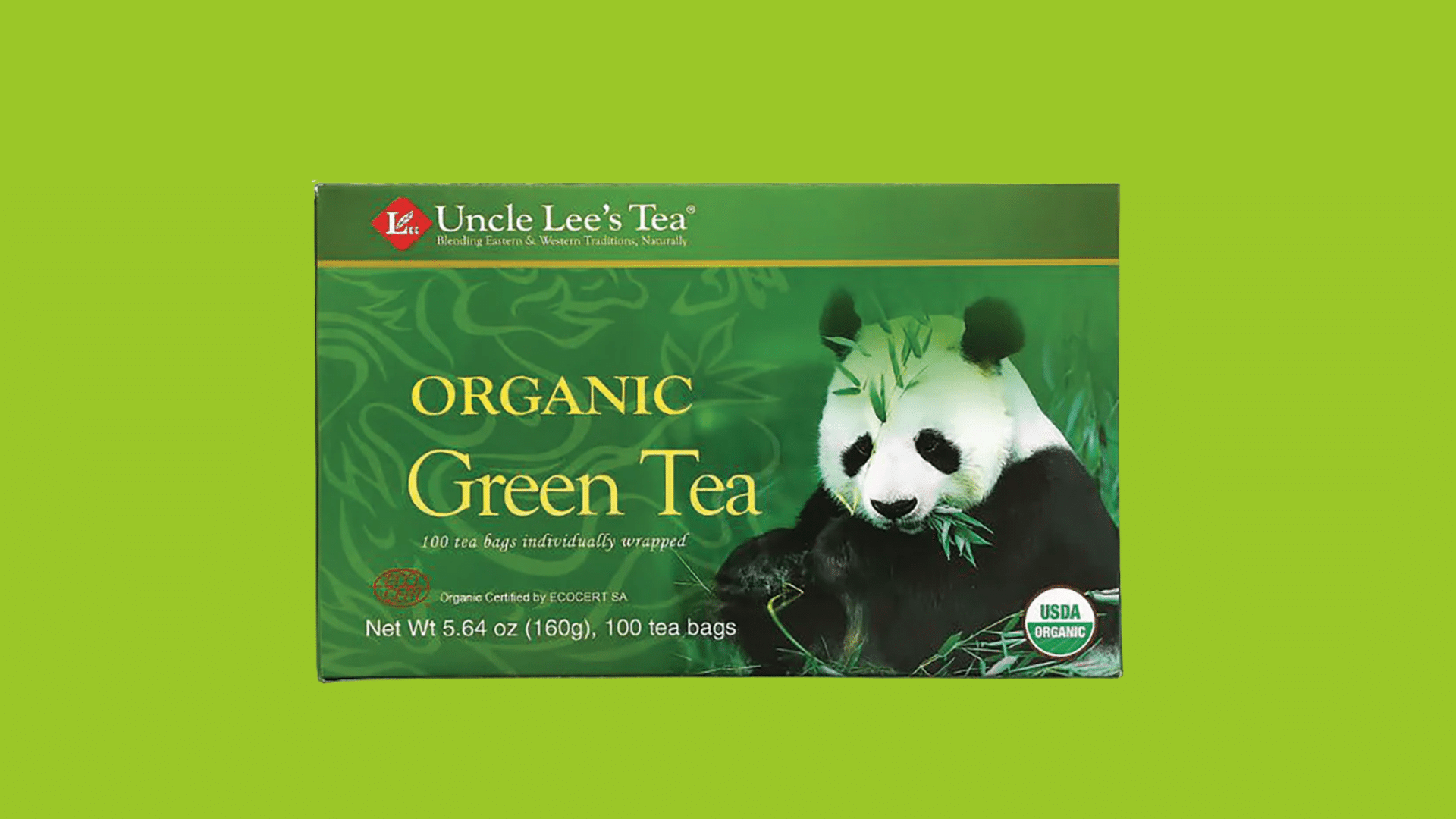
Uncle Lee’s Green Tea offers a crisp, refreshing flavor with mild nutty notes and a clean finish, pleasant from the first sip to the last.
Its smooth taste makes it enjoyable without added sweeteners, while the generous packaging makes it convenient for frequent tea drinkers.
If you enjoy a morning cup or an afternoon refreshment, this tea delivers consistent flavor and quality every time
| Feature | Details |
|---|---|
| Best For | Daily tea drinkers |
| Tea Type | Organic green tea bags |
| Flavor Profile | Nutty, crisp, smooth |
| Bitterness | Low |
| Caffeine Level | Moderate |
| Why Choose It | Consistent flavor with excellent value |
Possible drawback: it’s fairly plain, so it may not satisfy readers who want a sweeter or more aromatic cup.
2. Triple Leaf Tea Green Tea
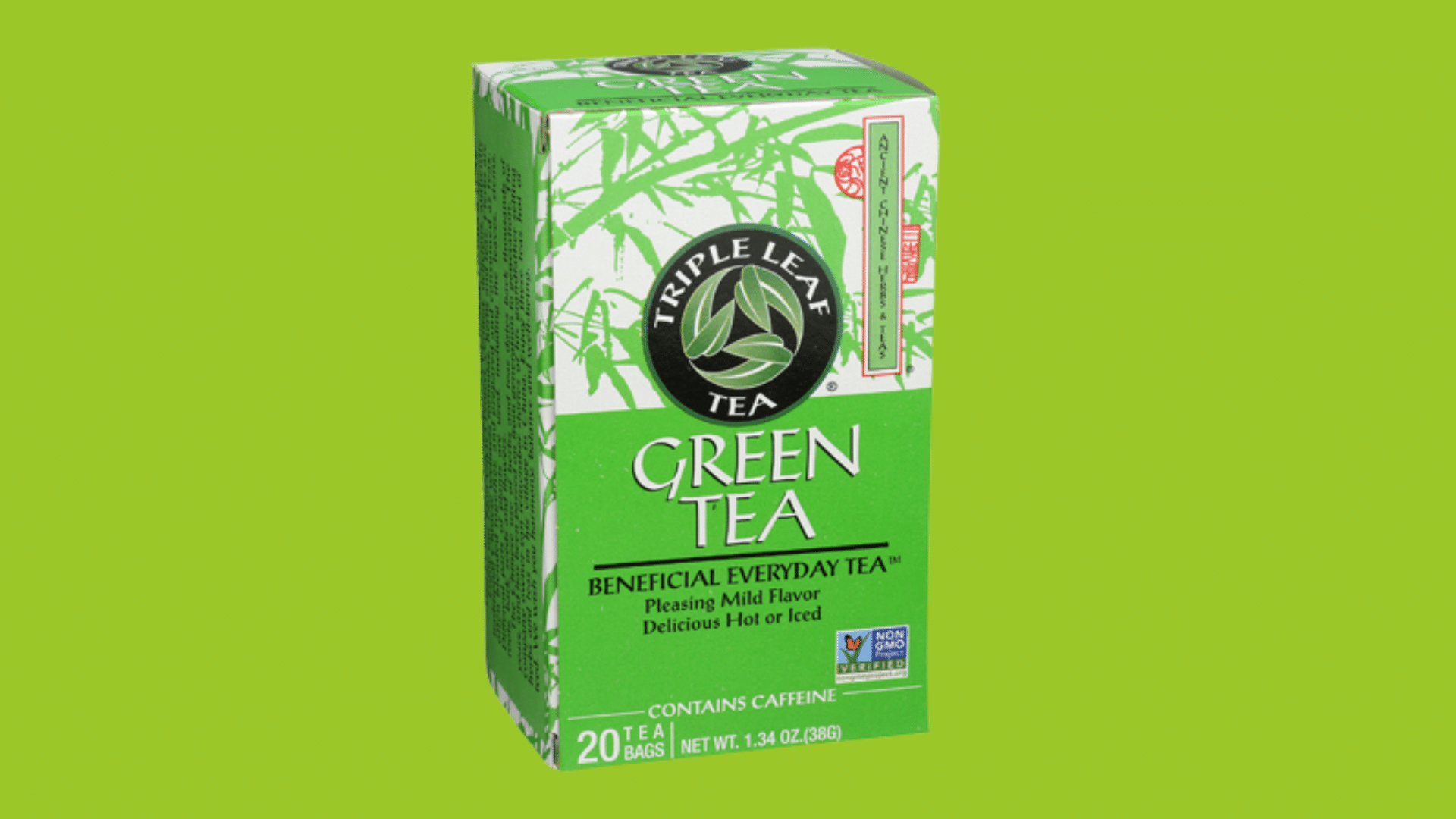
Triple Leaf Tea Green Tea is known for its mellow taste and naturally sweet finish, creating a comforting cup without overpowering earthy notes.
It has a smooth, full-bodied flavor that appeals to both beginners and experienced tea drinkers.
The balanced taste makes it enjoyable throughout the day, whether served hot for relaxation or iced for refreshment in warmer months.
| Feature | Details |
|---|---|
| Best For | Rich, flavorful green tea |
| Tea Type | Green tea bags |
| Flavor Profile | Mellow, earthy, naturally sweet |
| Bitterness | Very low |
| Caffeine Level | Moderate |
| Why Choose It | Smooth flavor with layered tasting notes |
Possible drawback: the mellow profile means it lacks the punch of a true sencha or matcha for readers who want a stronger cup.
3. Rishi Tea Sencha
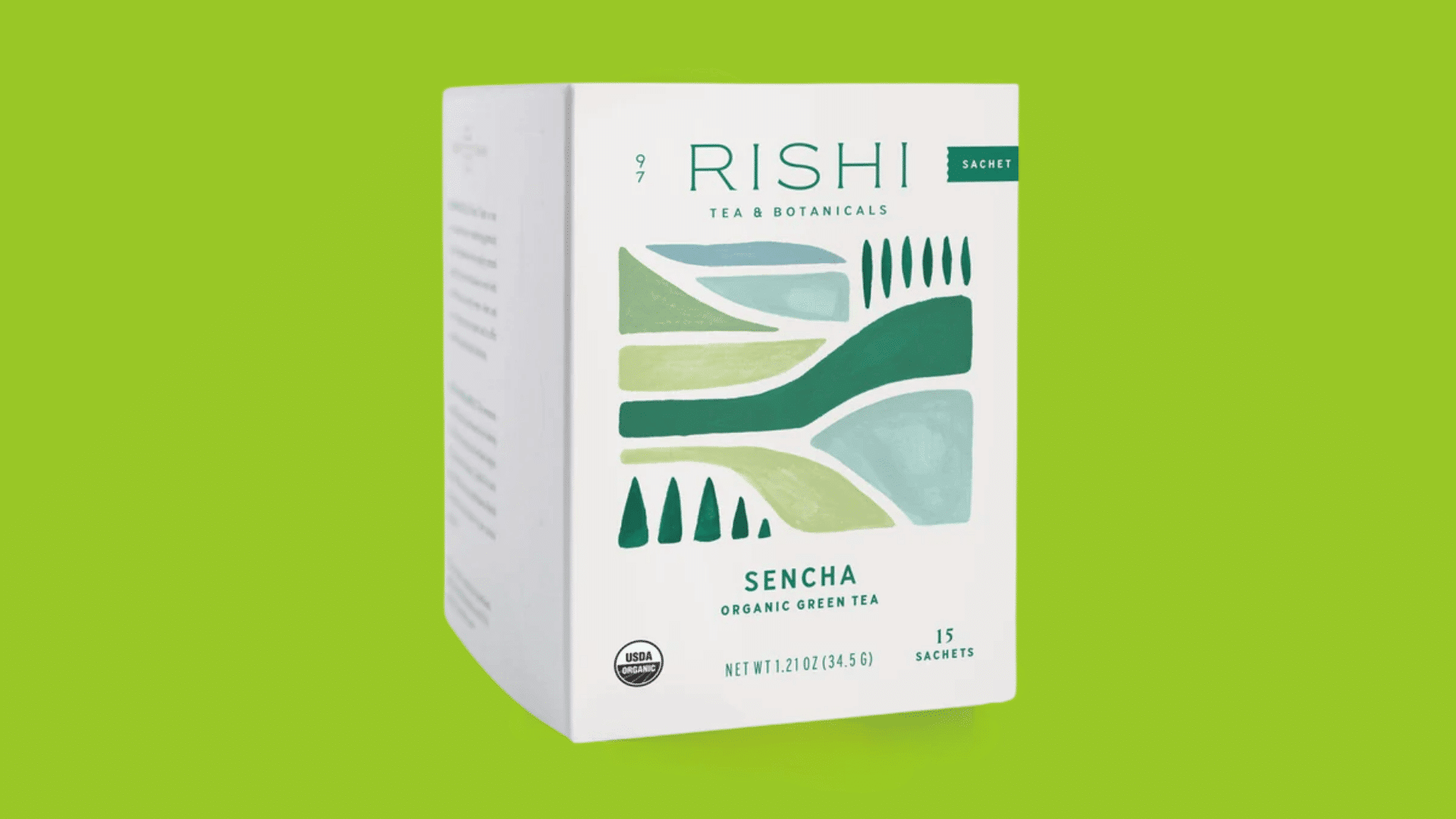
Rishi Tea Sencha is crafted from premium organic Japanese tea leaves, producing a fresh, aromatic cup with delicate grassy notes and light natural sweetness.
The loose-leaf format allows the leaves to fully expand during brewing, creating a richer flavor and aroma than many bagged teas.
It is an excellent option for anyone who appreciates authentic, high-quality green tea with a clean finish.
| Feature | Details |
|---|---|
| Best For | Premium loose-leaf tea |
| Tea Type | Organic Sencha |
| Flavor Profile | Grassy, earthy, lightly sweet |
| Bitterness | Low |
| Caffeine Level | Moderate |
| Why Choose It | Premium-quality leaves with exceptional freshness |
Possible drawback: it costs more per cup than a bagged tea and works best with a proper infuser or teapot.
4. Stash Premium Green Tea
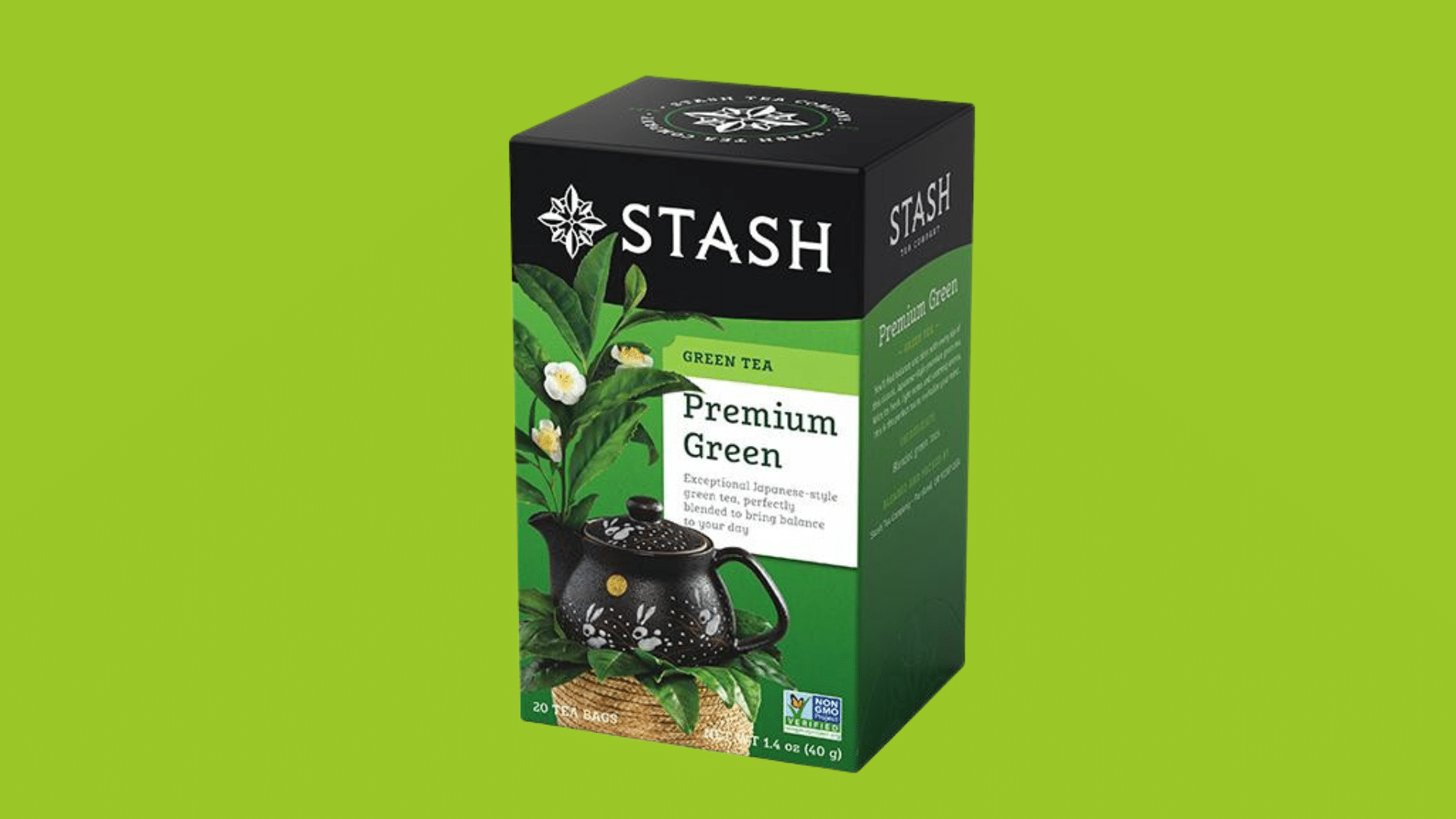
Stash Premium Green Tea provides a refreshing, well-balanced cup with a mild grassy flavor and a smooth finish.
It is easy to brew and maintains a consistent taste from one cup to the next, making it ideal for daily use.
Its approachable flavor profile suits those new to green tea while still offering enough depth to satisfy regular tea drinkers looking for a dependable option.
| Feature | Details |
|---|---|
| Best For | Beginners and daily use |
| Tea Type | Green tea bags |
| Flavor Profile | Mild, grassy, clean |
| Bitterness | Low |
| Caffeine Level | Moderate |
| Why Choose It | Consistent flavor and easy to find |
Possible drawback: it’s a solid all-rounder, but it doesn’t offer the complexity of a premium loose-leaf tea.
5. Jade Leaf Organic Matcha
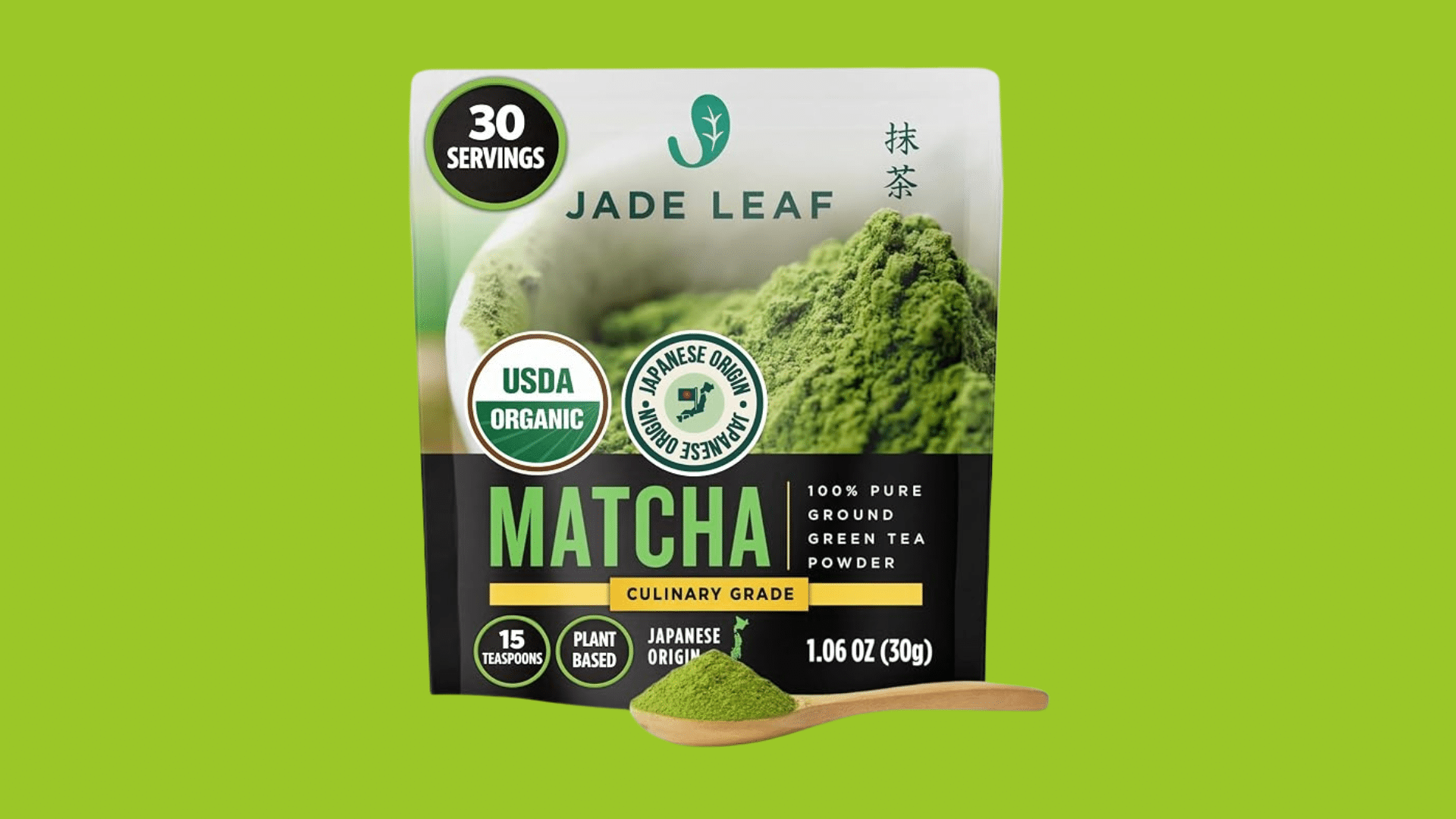
Jade Leaf Organic Matcha is made from finely ground green tea leaves, creating a vibrant green beverage with a creamy texture and rich flavor.
It has a pleasant balance of grassy freshness and subtle sweetness, making it suitable for both traditional matcha preparation and modern recipes like lattes, smoothies, and baked goods.
Its versatility makes it a favorite among matcha enthusiasts. If you’re weighing matcha against a regular steeped green tea, it’s worth seeing how the two compare on caffeine, nutrients, and prep before you decide.
| Feature | Details |
|---|---|
| Best For | Matcha drinks and lattes |
| Tea Type | Ceremonial-grade matcha |
| Flavor Profile | Smooth, grassy, slightly sweet |
| Bitterness | Very low |
| Caffeine Level | High |
| Why Choose It | Rich flavor with vibrant color and fine texture |
Possible drawback: whisking and measuring take more effort than steeping a bag, so it suits readers willing to spend a little extra time on prep.
6. Numi Organic Green Tea
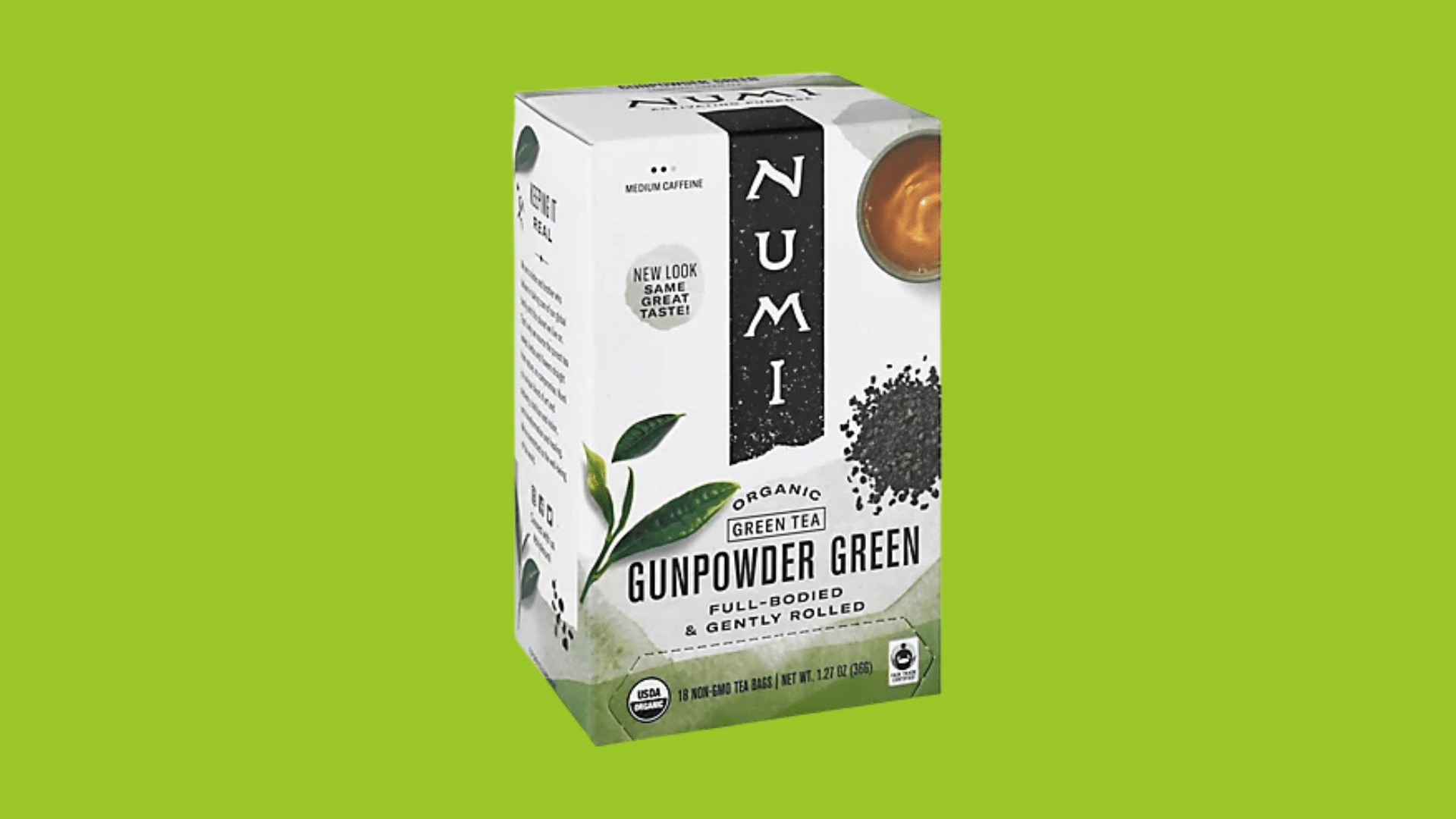
Numi Organic Green Tea combines high-quality organic tea leaves with carefully selected ingredients to create a clean, refreshing cup.
Depending on the variety, you can enjoy delicate floral aromas or deeper earthy flavors, all with a naturally smooth finish.
The brand focuses on simple ingredients, making it a great option for anyone who prefers organic teas without unnecessary additives or artificial flavors.
| Feature | Details |
|---|---|
| Best For | Organic tea enthusiasts |
| Tea Type | Organic green tea bags |
| Flavor Profile | Earthy, floral, smooth |
| Bitterness | Low |
| Caffeine Level | Moderate |
| Why Choose It | Organic ingredients with clean, natural flavor |
Possible drawback: flavor varies noticeably across Numi’s different green tea blends, so check the specific variety before buying.
7. The Republic of Tea
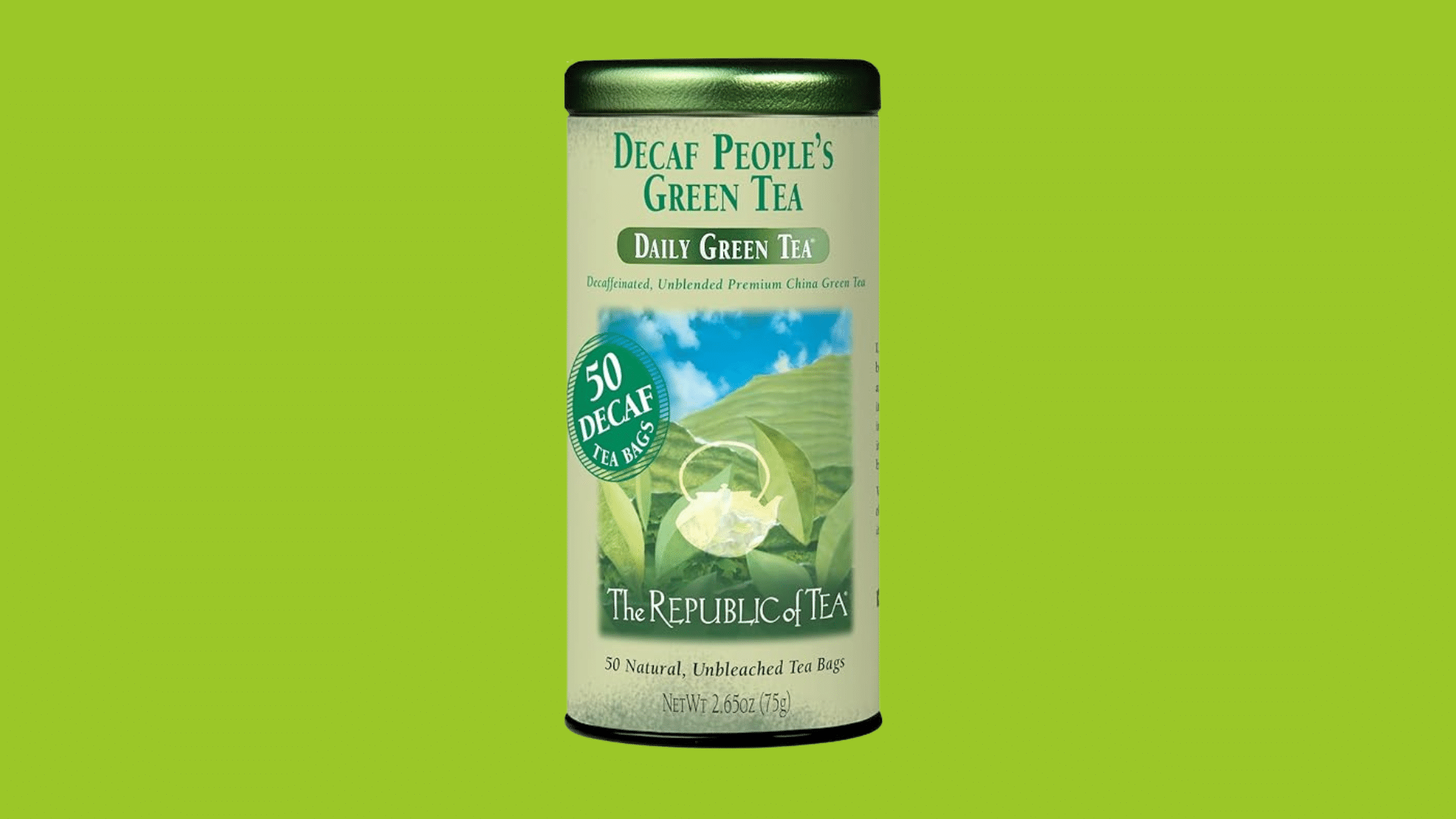
The Republic of Tea offers an impressive collection of green teas ranging from traditional varieties to wellness-inspired blends.
Each tea is carefully crafted to deliver a smooth, refreshing flavor while maintaining consistent quality.
With both loose-leaf and tea bag options available, it is easy to find a blend that suits your taste, whether you enjoy plain green tea or lightly flavored varieties.
| Feature | Details |
|---|---|
| Best For | A variety of green tea blends |
| Tea Type | Tea bags and loose leaf |
| Flavor Profile | Smooth, balanced, refreshing |
| Bitterness | Low |
| Caffeine Level | Moderate |
| Why Choose It | A wide range of flavors and premium blends |
Possible drawback: the premium tins cost more per cup than a standard grocery-store tea bag.
8. Bigelow Classic Green Tea
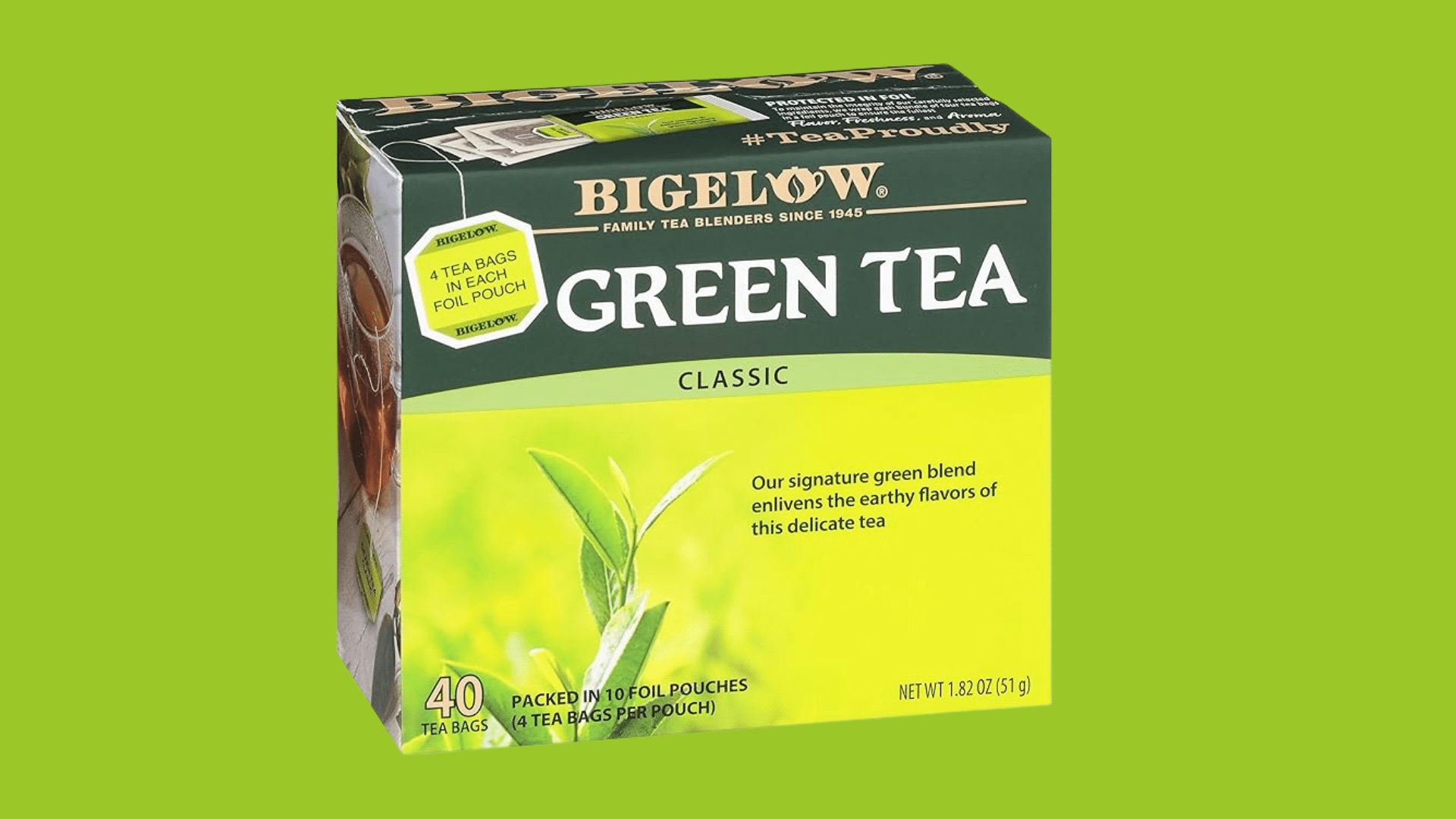
Bigelow Classic Green Tea is a dependable choice for anyone seeking a light, refreshing cup without paying a premium price.
Its mild grassy flavor is easy to enjoy, while individually wrapped tea bags help preserve freshness until brewing.
The simple flavor profile makes it suitable for drinking plain or customizing with lemon, honey, or mint for a slightly different taste
| Feature | Details |
|---|---|
| Best For | Everyday budget-friendly tea |
| Tea Type | Green tea bags |
| Flavor Profile | Mild, grassy, fresh |
| Bitterness | Low |
| Caffeine Level | Moderate |
| Why Choose It | Freshness-sealed tea bags and dependable quality |
Possible drawback: the flavor is simple, so tea drinkers who want more complexity may find it forgettable.
9. Tazo Zen Green Tea
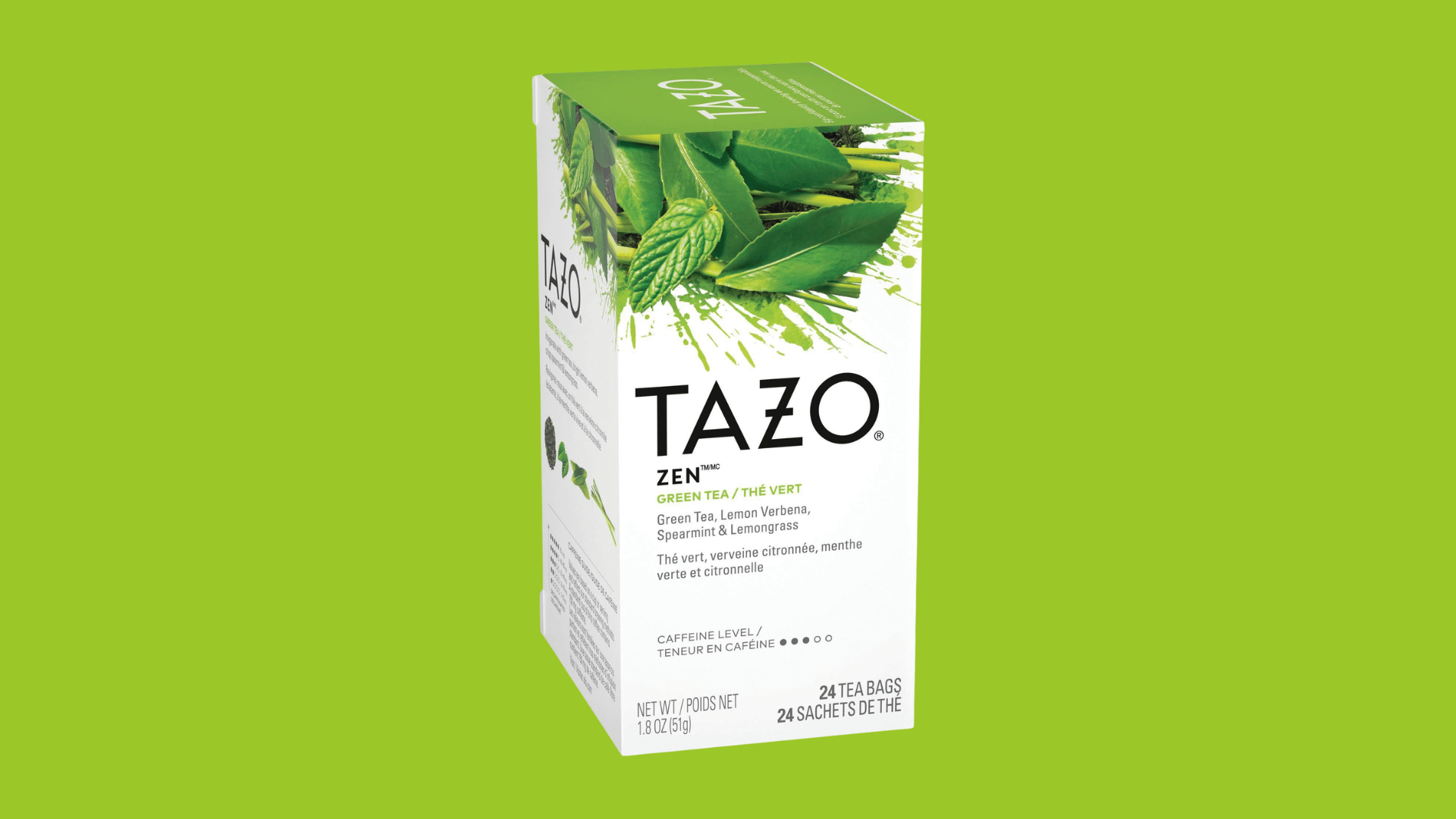
Tazo Zen Green Tea is a great choice if you prefer flavored green tea with a refreshing twist.
It blends green tea with lemongrass, spearmint, and lemon verbena to create a bright, aromatic cup that feels light and invigorating.
The added botanicals complement the tea without overpowering it, making it an excellent option for those who find traditional green tea too grassy or mild.
| Feature | Details |
|---|---|
| Best For | Flavored green tea |
| Tea Type | Green tea bags |
| Flavor Profile | Citrusy, minty, refreshing |
| Bitterness | Low |
| Caffeine Level | Moderate |
| Why Choose It | Bright herbal flavors with a smooth green tea base |
Possible drawback: the added herbs mean it’s not a good pick if you want a plain, unflavored green tea.
10. Lipton Natural Green Tea
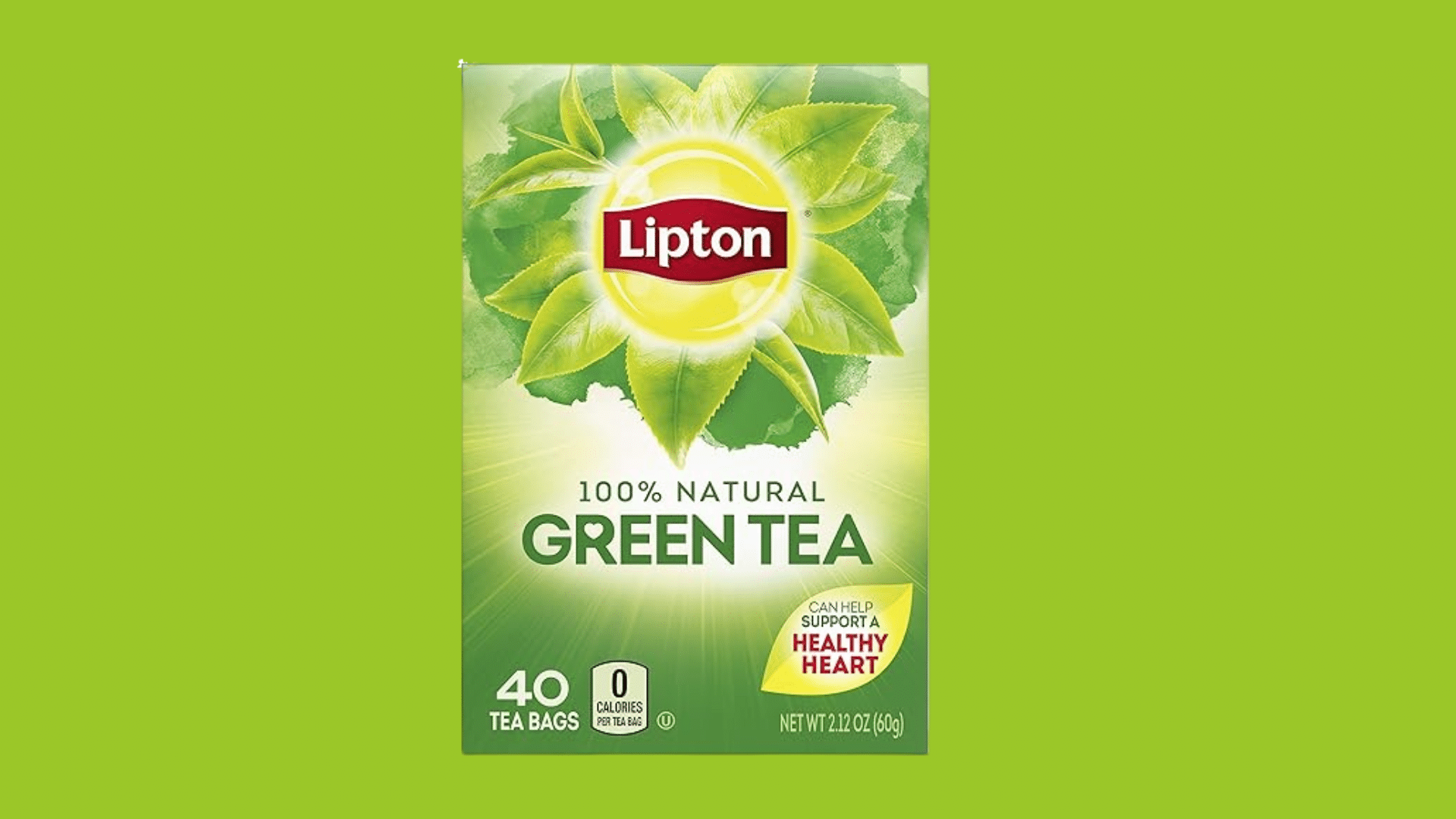
Lipton Natural Green Tea is one of the easiest green teas to find and makes a dependable everyday choice.
It brews into a light, mild cup with gentle grassy notes that appeal to both first-time and regular tea drinkers.
Its affordable price and consistent quality make it a practical option for anyone who wants to enjoy green tea regularly without stretching their budget.
| Feature | Details |
|---|---|
| Best For | Beginners and daily drinking |
| Tea Type | Green tea bags |
| Flavor Profile | Light, mild, grassy |
| Bitterness | Low to moderate |
| Caffeine Level | Moderate |
| Why Choose It | Affordable, approachable, and easy to find |
Possible drawback: it turns noticeably bitter if steeped even a minute past the package directions.
Best Green Teas at a Glance
Here’s a quick summary before the full reviews, in case you already know what you’re shopping for:
| Category | Winner |
|---|---|
| Best everyday tea bag | 365 Organic Green Tea |
| Best nutty, crisp flavor | Uncle Lee’s Green Tea |
| Best naturally sweet, low bitterness | Triple Leaf Tea Green Tea |
| Best loose-leaf sencha | Rishi Tea Sencha |
| Best for beginners | Stash Premium Green Tea |
| Best for matcha lattes | Jade Leaf Organic Matcha |
| Best for a simple, clean ingredient list | Numi Organic Green Tea |
| Best variety within one brand | The Republic of Tea |
| Best budget pick | Bigelow Classic Green Tea |
| Best flavored, citrus-mint style | Tazo Zen Green Tea |
| Most widely available | Lipton Natural Green Tea |
Matcha vs Green Tea: What’s the Difference?
Matcha and green tea both come from the Camellia sinensis plant, but they differ in cultivation, preparation, flavor, and nutritional profile. Understanding these differences can help you choose the option that best fits your taste.
| Feature | Matcha | Regular Green Tea |
|---|---|---|
| Tea Form | Finely ground powder made from whole tea leaves | Whole or broken tea leaves are used for brewing |
| How It’s Prepared | Whisked directly into hot water | Steeped in hot water, the leaves are removed |
| Leaf Consumption | The entire tea leaf is consumed | Only the brewed infusion is consumed |
| Growing Method | Shade-grown before harvest | Usually grown in full sunlight |
| Flavor | Rich, creamy, umami, slightly sweet | Light, fresh, grassy, or mildly vegetal |
| Caffeine Content | Higher due to consuming the whole leaf | Moderate and varies by tea type |
| Antioxidant Content | More concentrated because the entire leaf is consumed | High, but generally lower than matcha |
| Best Uses | Traditional tea, lattes, smoothies, and baking | Every day, hot or iced tea |
| Brewing Time | About 1–2 minutes | About 1–3 minutes |
| Best For | Stronger energy boost and concentrated nutrition | Daily hydration with a gentler caffeine boost |
Best Practices for Brewing Green Tea
Brewing green tea correctly brings out its delicate flavor, pleasant aroma, and natural compounds. A few simple adjustments to water temperature and steeping time can make every cup smoother and more enjoyable.
- Use the Right Water Temperature: Heat water to 160–185°F (70–85°C) instead of boiling. Cooler water protects the delicate tea leaves and helps prevent a bitter or overly astringent taste.
- Steep for the Recommended Time: Let the tea steep for 1–3 minutes, depending on the variety and your preferred strength. Over-steeping can make green tea taste harsh and overpower its natural sweetness.
- Avoid Boiling Water: Pouring boiling water directly over green tea leaves can scorch them, resulting in a bitter flavor and reducing the tea’s delicate aroma. Allow freshly boiled water to cool slightly before brewing.
- Choose Loose-Leaf Tea When Possible: Loose-leaf green tea typically uses whole or larger leaves, which provide better flavor, aroma, and a richer brewing experience than finely broken tea bags.
- Measure the Tea Correctly: Use about 1 teaspoon of loose-leaf tea or one tea bag per 8-ounce cup. The proper tea-to-water ratio creates a balanced flavor without making the tea too weak or too strong.
- Brew with Fresh, Filtered Water: Fresh, clean water enhances the tea’s natural flavor. Filtered water is often the best choice because it avoids minerals or chlorine that can affect the taste.
Why Does Green Tea Taste Bitter?
Bitterness is the most common complaint from new green tea drinkers, and it almost always comes down to brewing rather than the tea itself.
Water that’s too hot pulls out excess tannins, and steeping even a minute too long does the same thing.
Using too much tea for the amount of water, or picking a tea made from very fine broken leaves, can also push a cup toward bitterness fast. Older tea that has lost its freshness tends to taste flatter and more astringent, too.
If a cup turns out bitter, try a simple fix before giving up on the tea.
Cool the water by about 10°F, shorten the steep time by 30 seconds, or use slightly less tea per cup. Small adjustments like these usually solve the problem.
Health Benefits of Green Tea
Green tea contains natural plant compounds that may support overall health when enjoyed as part of a balanced diet. While it is not a cure for any condition, regular consumption has been linked to several potential health benefits.
| Potential Benefit | How Green Tea May Help |
|---|---|
| Supports Heart Health | May help maintain healthy cholesterol levels and support normal cardiovascular function. |
| Rich in Antioxidants | Provides catechins and other antioxidants that help protect cells from oxidative stress. |
| Supports Brain Function | Contains caffeine and L-theanine, which may improve focus, alertness, and mental performance. |
| May Aid Weight Management | Can slightly increase calorie burning when combined with a healthy diet and regular exercise. |
| Supports Healthy Blood Sugar | May help support normal blood sugar levels as part of a healthy lifestyle. |
| Promotes Healthy Aging | Antioxidants may help reduce the effects of everyday oxidative damage over time. |
| Supports Hydration | Brewed green tea contributes to daily fluid intake while offering a flavorful alternative to sugary drinks. |
Is Green Tea Safe for Everyone?
Green tea is safe for most people, but a few considerations matter.
Caffeine-sensitive individuals may experience jitters or sleep disruption, especially with matcha or multiple cups daily.
Green tea can affect digestion in various ways, including iron absorption when consumed with meals. This effect is mainly seen in people with anemia or low iron levels. Drinking it between meals reduces this concern.
Excessive matcha consumption (more than 3-4 cups daily) may cause digestive upset or liver stress due to concentrated compounds. Pregnant women should limit caffeine intake overall.
For most healthy adults drinking 2-3 cups of regular green tea daily, there are no significant safety concerns.
Conclusion
After testing many green tea brands at home and comparing their flavor, brewing performance, and ingredient quality, I’ve learned that there isn’t one perfect tea for everyone.
The best choice depends on your taste, routine, and what you want from each cup.
Small changes, like choosing better-quality leaves or adjusting the water temperature, can make a noticeable difference in both flavor and enjoyment.
Have you tried any of the brands on this list, or do you have a favorite that deserves a spot here? Share your experience in the comments below.
Frequently Asked Questions
How Long After Drinking Green Tea Can I Eat?
There is no required waiting time, but if iron absorption is a concern, drinking green tea at least one hour before or after meals is often recommended.
Can Green Tea Expire?
Green tea doesn’t spoil quickly, but its flavor and aroma decline over time. For the best taste, consume it within a year and store it in an airtight container.
Should Green Tea Be Stored in the Refrigerator?
No. Green tea should be stored in a cool, dry, dark place. Refrigeration can introduce moisture and unwanted odors that affect its quality.
Can Green Tea Be Drunk on an Empty Stomach?
Some people can drink green tea on an empty stomach, but others may experience nausea or stomach discomfort. Having it with a light snack can help.
Is There a Good Decaf Green Tea Option?
Yes. Look for green tea labeled decaffeinated using the CO2 or water process, since these methods tend to preserve more flavor than solvent-based decaffeination. Decaf green tea still contains a small amount of caffeine, so check the label if you need to avoid it completely.






One Response
What do you think of Horbach liquid green tea extract?
It’s easy and convenient. I just add two dropper fulls and stevia liquid to ice cold water at night and lave at room temperature over night and drink itin the morning instead of coffee. It’s more convenient for me. Would you be able to tell if it’s a good quality green tea?