
I’ve spent weeks testing green teas to answer one question: what is the best green tea to drink? The answer isn’t as simple as picking the most expensive brand or following trends.
I’ve discovered that the “best” depends on what you actually want, bold flavor, gentle energy, or something you can grab on a busy morning.
In this guide, I’m ranking my top picks across different categories, explaining how each type of green tea works, and sharing brewing techniques that prevent that bitter, undrinkable taste.
I brewed each tea several times using the same setup, tested different water temperatures, and had people taste them blind to see which ones stayed smooth and which turned bitter fast.
I’ll also help you choose based on your lifestyle, not just marketing hype.
Quick Answer: The Best Green Tea to Drink
ITO EN Sencha Green Tea Bags is the best green tea to drink for most people. It delivers a clean, vegetal taste with a natural sweetness that doesn’t turn bitter easily, even if you’re not a green tea expert.
This is ideal for anyone who wants authentic Japanese green tea without specialty store hunting or premium prices.
It wins because it strikes the rare balance between quality, flavor, and everyday convenience, you can find it at most grocery stores, and it tastes the way green tea should.
It’s approachable enough for beginners but satisfying for experienced tea drinkers.
The bagged format makes it foolproof to brew, and the flavor profile represents what quality sencha should taste like without requiring ceremonial preparation or expensive equipment.
Best Green Tea Alternatives Ranked
Not everyone needs the same from green tea; some want convenience, others prioritize flavor, and some need specific caffeine levels. The tea above is our best overall pick. Below are ranked alternatives for different preferences, budgets, and uses.
1. ITO EN Sencha Green Tea Bags
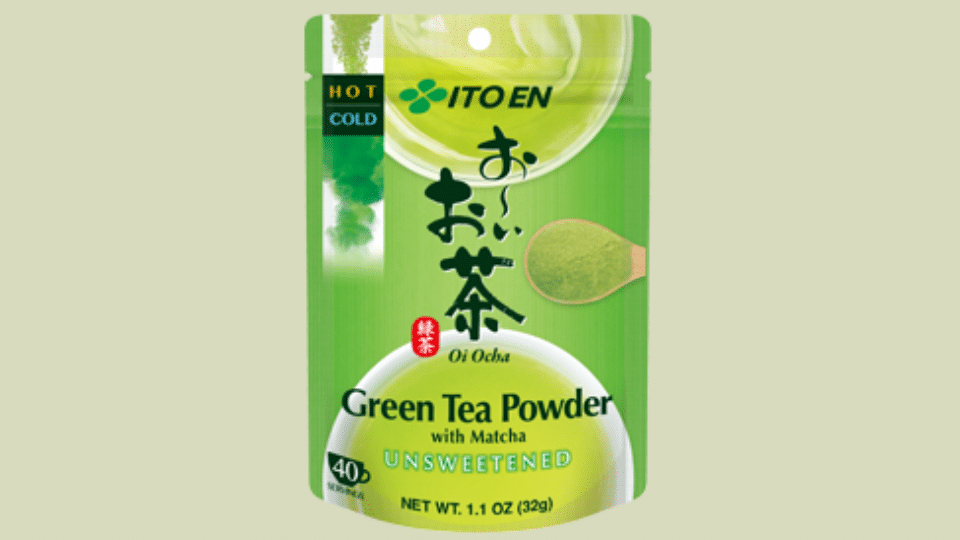
- Who it’s for: Most people who want authentic Japanese green tea with a clean, vegetal taste and natural sweetness that is easy to brew and widely available.
- Limitation: The bagged format may disappoint purists who prefer loose-leaf depth or ceremonial preparation.
2. Bigelow Classic Green Tea
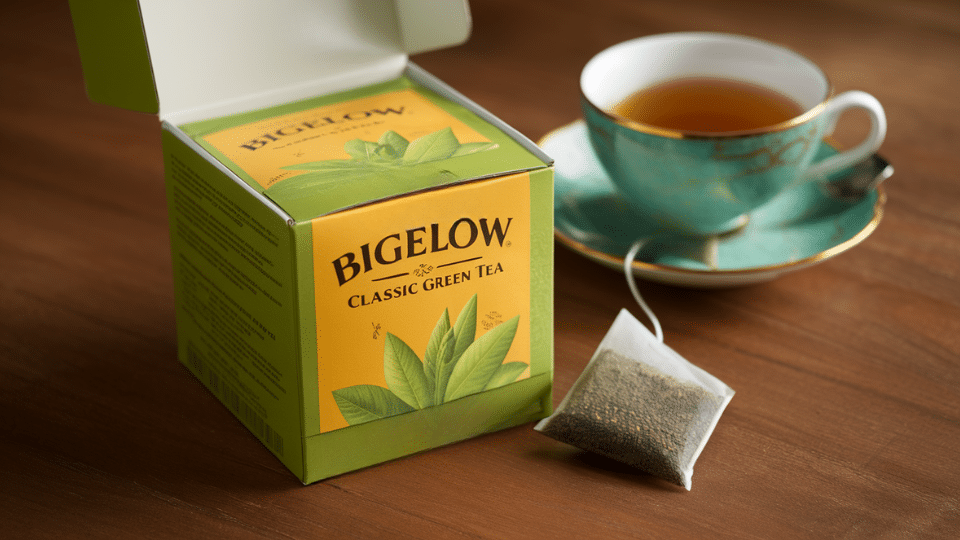
- Who it’s for: Anyone prioritizing convenience and mild flavor
- Why choose it over #1: Softer, less grassy taste with wider supermarket availability—gentle enough for green tea beginners
- Limitation: Lacks the complexity and authentic Japanese character of sencha; tastes more neutral overall
3. Harney & Sons Japanese Sencha
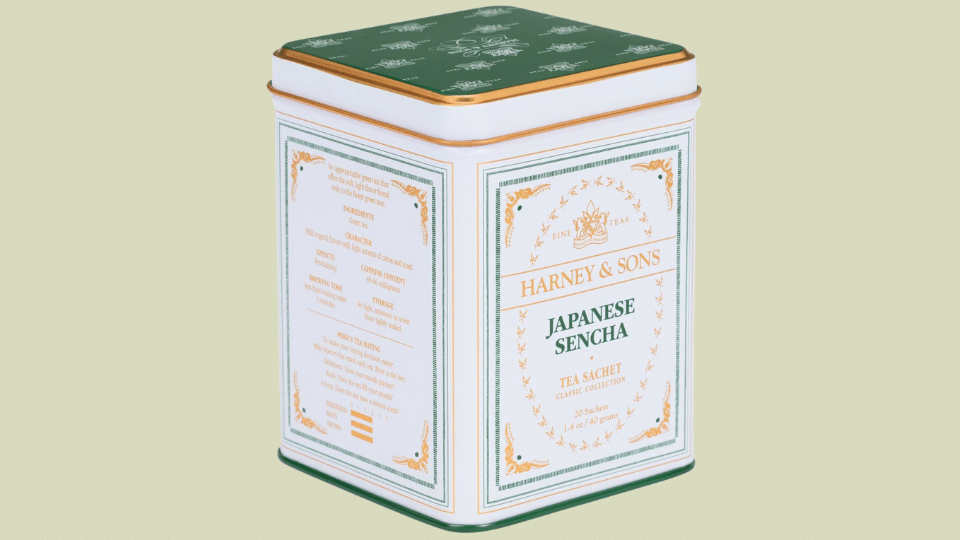
- Who it’s for: Flavor-focused drinkers who don’t mind loose-leaf preparation
- Why choose it over #1: Richer, more layered taste; brewing ritual adds to the experience
- Limitation: Requires more effort and equipment (infuser/teapot); less practical for rushed mornings or office use
4. Jade Leaf Organic Matcha
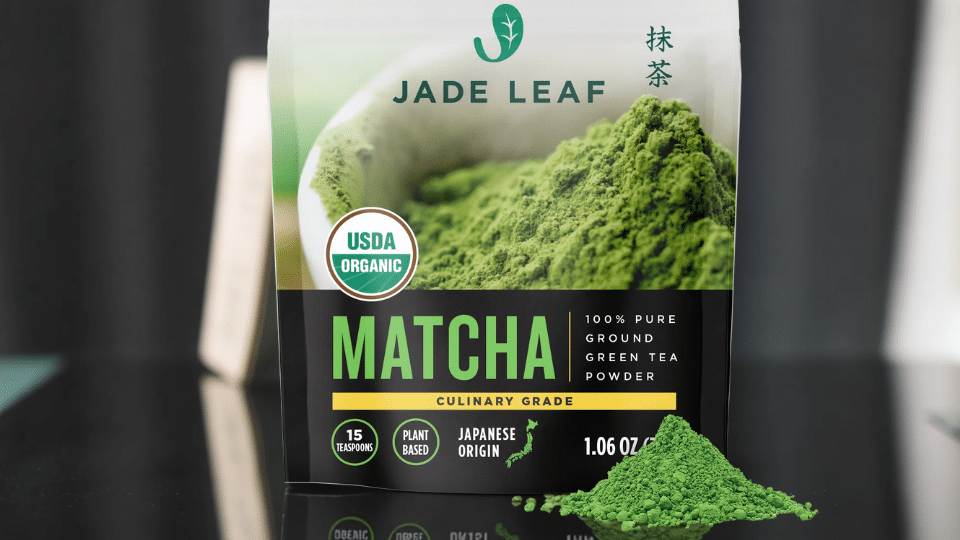
- Who it’s for: Anyone seeking sustained energy without coffee crashes
- Why choose it over #1: Maximum caffeine and L-theanine for focused alertness; whole-leaf consumption delivers more nutrients
- Limitation: Requires whisking; stronger earthy taste; costs significantly more per serving than bagged tea
5. Yamamotoyama Hojicha
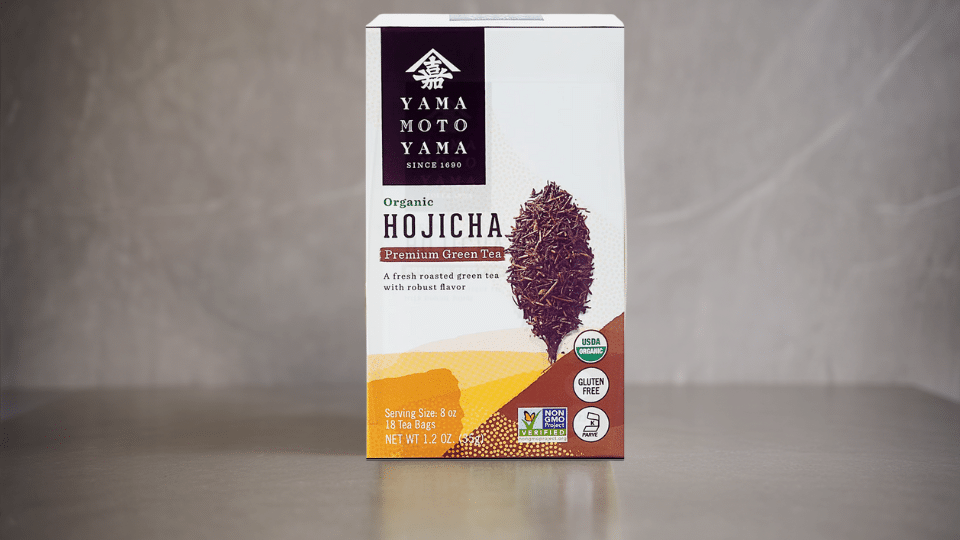
- Who it’s for: Evening drinkers or those sensitive to caffeine
- Why choose it over #1: Roasted, nutty, and calming without stimulation; toasty rather than grassy
- Limitation: Doesn’t taste like traditional green tea; won’t satisfy those wanting classic vegetal sencha flavor
6. Kirkland Signature Green Tea
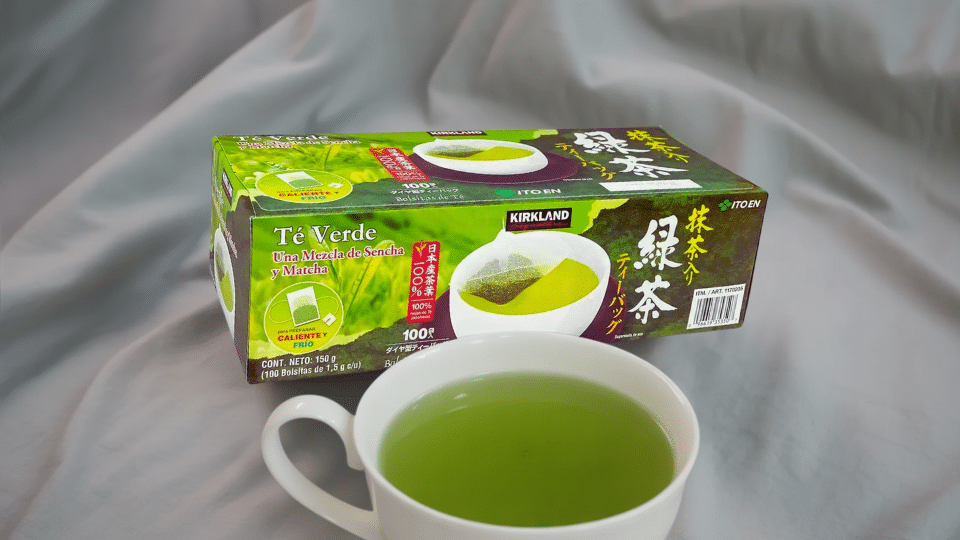
- Who it’s for: High-volume drinkers on a tight budget
- Why choose it over #1: Affordable for daily multi-cup consumption without complete quality sacrifice; drinkable and consistent
- Limitation: Flavor is noticeably thinner and less nuanced; slight dusty aftertaste that premium teas avoid
How I Tested These Green Teas
I tested these green teas over two weeks using the same basic setup to keep things fair. I brewed each tea at two temperatures, one using cooler water and one using hotter water, to see how bitterness and flavor changed. I also followed the package directions first, then adjusted steep time based on taste.
To avoid bias, I had two other people taste several cups without knowing the brand. One drinks green tea daily. The other rarely drinks tea at all. Their reactions helped flag which teas were smooth and forgiving versus which ones turned bitter fast.
One surprise was how much brewing mattered. The same tea could taste clean and slightly sweet at one temperature, then harsh just minutes later. That difference mattered more than brand price in most cases.
How I Divided and Ranked These Green Teas
Not everyone looks for the same thing in green tea, so the rankings focus on real-life use rather than abstract quality scores. Some teas work best for everyday drinking, while others shine in specific situations like boosting energy or avoiding caffeine at night.
There is one best overall pick because most people want something that tastes good, brews easily, and fits into a normal routine. Ito En stood out because it delivers consistent flavor without requiring special tools, careful timing, or advanced tea knowledge.
The remaining teas were ranked based on what they do best. Some prioritize convenience, others focus on flavor depth, caffeine levels, or price. Each option serves a clear purpose instead of trying to be everything at once.
Rare or ceremonial teas were excluded since most readers want options they can find, afford, and drink regularly.
Explained: Green Tea Types
Understanding the basic green tea categories helps you know what to expect when shopping and eliminates confusion over labels.
| Tea Type | What It Is | Flavor Profile |
|---|---|---|
| Sencha | Most common Japanese green tea; steamed leaves | Clean, grassy, slightly vegetal with natural sweetness |
| Matcha | Powdered whole tea leaf; whisked into water | Strong, earthy, creamy; more intense than brewed tea |
| Jasmine Green Tea | Green tea scented with jasmine flowers | Softer, floral, aromatic; less grassy than pure green tea |
| Hojicha | Roasted green tea (stems and leaves) | Toasty, nutty, low caffeine; brown color instead of green |
| Genmaicha | Green tea mixed with roasted rice | Mild, slightly sweet, popcorn-like aroma; beginner-friendly |
These five types cover what you’ll find in most stores, no need to memorize rare Japanese categories to make a good choice.
How to Brew Green Tea So It Tastes Good
Even expensive tea tastes terrible when brewed incorrectly, these simple rules prevent the bitterness that makes people give up on green tea.
Water Temperature and Steep Time Basics:
- Heat water to 160-175°F (not boiling, let boiling water cool for 2-3 minutes)
- Steep green tea for 1-2 minutes only
- Use 1 teaspoon loose leaf or 1 bag per 8 oz water
- Taste at 1 minute, then decide if you want stronger flavor
Common Green Tea Brewing Mistakes:
- Over-steeping (leaving the bag in too long creates harsh bitterness)
- Using boiling water (destroys delicate flavors and releases excessive tannins)
- Using too much tea (double-bagging or heaping spoonfuls overwhelm the cup)
- Blaming tea quality instead of technique (most “bad” tea is just poorly brewed)
Master these basics and you’ll rarely encounter undrinkable green tea, most disappointment comes from technique, not the tea itself.
Is Green Tea Safe for Everyone?
Green tea is safe for most people, but a few considerations matter. Caffeine-sensitive individuals may experience jitters or sleep disruption, especially with matcha or multiple cups daily.
Green tea can interfere with iron absorption when consumed with meals, this mainly affects people with anemia or low iron levels.
Drinking it between meals reduces this concern. Excessive matcha consumption (more than 3-4 cups daily) may cause digestive upset or liver stress due to concentrated compounds. Pregnant women should limit caffeine intake overall.
For most healthy adults drinking 2-3 cups of regular green tea daily, there are no significant safety concerns.
Final Recommendation
After testing these options, I can confidently say that what is the best green tea to drink depends on your specific situation. Still, Ito En Traditional Sencha serves most people best.
If you’re a beginner, start with Bigelow for its gentle flavor. Budget-focused drinkers should grab Kirkland without guilt.
Energy-seekers will find matcha delivers what coffee can’t. Flavor-focused tea lovers should invest in Harney & Sons loose-leaf.
The key takeaway: brewing technique matters more than brand names, master water temperature and steep time, and even affordable tea tastes excellent.
Your perfect green tea exists once you know what you’re actually looking for. Have questions about choosing your ideal green tea? Drop a comment below.