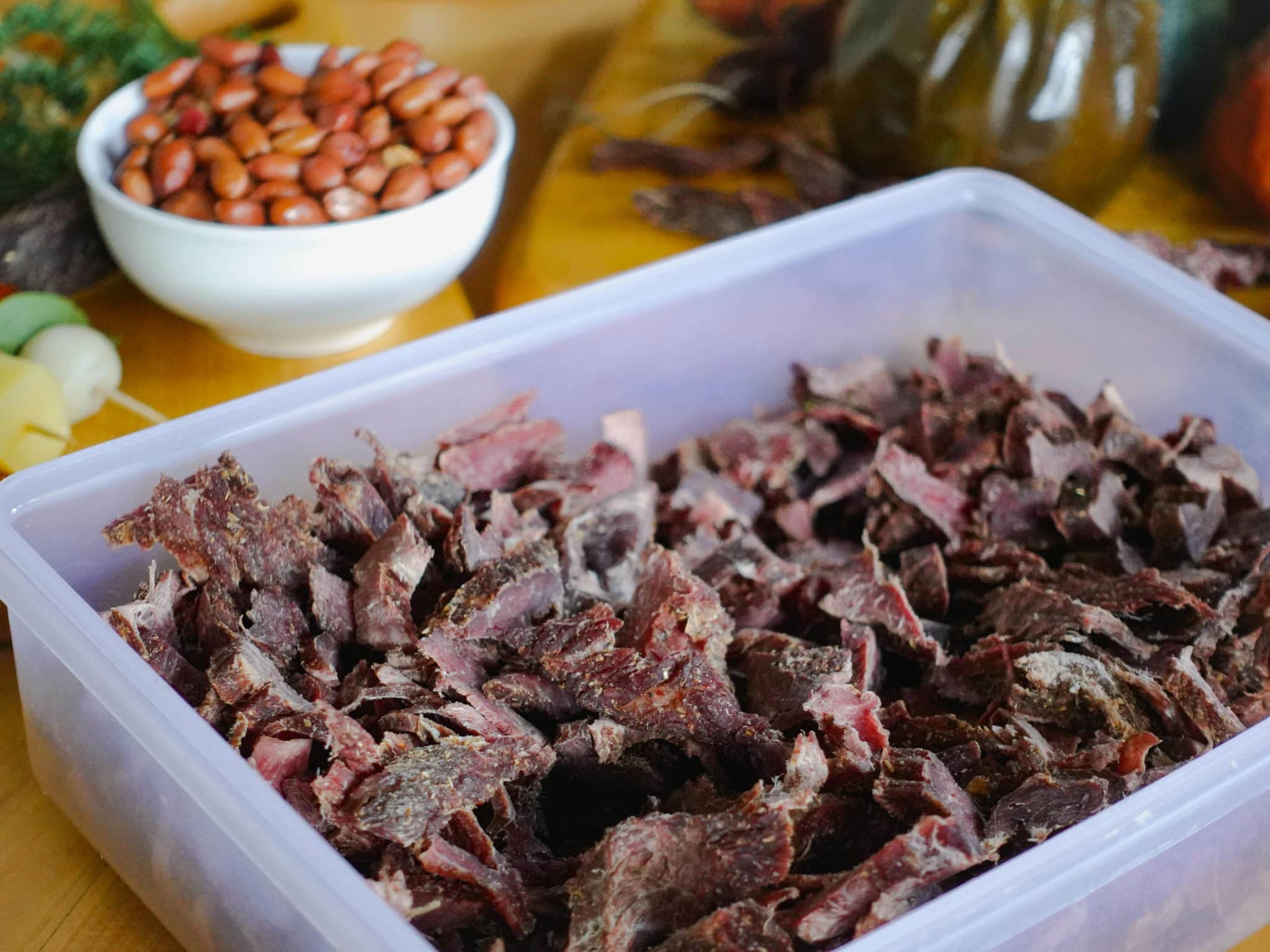


If you’ve been struggling with autoimmune symptoms or chronic inflammation, you’ve probably wondered if your diet could be part of the solution.
I’ve spent considerable time researching the Autoimmune Protocol diet, and I’ve learned it’s not just another wellness trend, it’s a structured approach that helps people identify which foods might be triggering their immune responses.
Through my learning and this blog, you’ll discover what the AIP diet truly involves, how it works in stages, and whether it might be the right path for your health journey.
The insights you discover about your personal food triggers can empower you to make confident dietary choices for the rest of your life.
Let’s go though this together, one clear step at a time.
What is the AIP Diet?
The AIP diet, or Autoimmune Protocol diet, is a therapeutic elimination diet designed specifically for people dealing with autoimmune conditions.
Unlike general healthy eating plans that focus on weight loss or fitness, AIP temporarily removes foods that commonly trigger inflammation and immune reactions.
The approach centers on healing your gut lining and calming your immune system by eliminating potential irritants, then systematically reintroducing them to identify your personal triggers.
It’s essentially a personalized investigation into how different foods affect your unique body and symptoms.
Why the AIP Diet Was Created
Autoimmune conditions occur when your immune system mistakenly attacks healthy tissues in your body, causing inflammation and various symptoms.
Research has shown that certain foods can trigger or worsen these immune responses, particularly when gut health is compromised.
The AIP diet was created to address this connection between food, gut integrity, and autoimmune activity.
By removing common inflammatory triggers and focusing on nutrient-dense, healing foods, the protocol aims to reduce immune system overactivity, promote gut healing, and help people identify which specific foods contribute to their symptoms.
How the AIP Diet Works

The AIP diet functions as a systematic process of elimination and discovery, helping you understand your body’s unique responses to different foods. Here are few points for it.
- Preparation Phase Before starting, I recommend educating yourself about allowed and restricted foods, clearing your pantry of eliminated items, and planning your first week of meals to ensure success.
- Strict Elimination Remove all potentially inflammatory foods for a minimum of 30-90 days, focusing on nutrient-dense options that support gut healing and immune regulation.
- Symptom Monitoring Track your symptoms, energy levels, digestion, and any autoimmune flare-ups throughout the elimination period to establish your baseline wellness.
- Strategic Reintroduction Once symptoms have improved, begin adding back one food at a time every 5-7 days, carefully observing your body’s response to each reintroduced item.
- Personalization Based on your reintroduction results, create a customized long-term eating plan that includes foods you tolerate well while permanently avoiding your identified triggers.
This staged approach ensures you’re not guessing about food sensitivities but instead gathering real data about how your body responds to different ingredients.
The Three Phases of the AIP Diet
The AIP diet follows a structured three-phase approach that guides you from strict elimination to personalized, sustainable eating. Each phase serves a specific purpose in your healing journey.
Phase 1: Elimination Phase
During this foundational phase, you’ll remove all potentially inflammatory foods from your diet to give your gut and immune system a chance to reset.
Most people follow this phase for 30 to 90 days, though the exact duration depends on symptom improvement. Many individuals notice reduced inflammation, better digestion, improved energy levels, and fewer autoimmune flare-ups during this stage.
The elimination phase creates a clean slate that makes it easier to identify problematic foods later.
Phase 2: Reintroduction Phase
Once your symptoms have significantly improved, you’ll begin carefully adding foods back into your diet one at a time.
This methodical approach means introducing a single food, consuming it for 2-3 days, then waiting 5-7 days to observe any reactions before trying another food.
Watch for signs like digestive upset, skin changes, joint pain, fatigue, brain fog, or returning autoimmune symptoms.
These reactions indicate that particular food may not work for your body and should remain eliminated from your diet.
Phase 3: Maintenance Phase
After completing reintroductions, you’ll have a personalized understanding of which foods support your health and which trigger symptoms.
This phase involves building a sustainable eating pattern that includes all your tolerated foods while avoiding identified triggers.
Focus on creating balanced meals that feel realistic for your lifestyle, incorporating variety within your safe foods, and maintaining the gut-healing principles you’ve learned. Maintenance isn’t about perfection—it’s about steady, informed choices.
Foods You Can Eat on the AIP Diet
Understanding what you can eat makes the AIP diet feel less restrictive and more empowering. Here you got a table for it.
| Food Category | Include | Avoid |
|---|---|---|
| Vegetables | Leafy greens, broccoli, carrots, beets, squash, sweet potatoes | Nightshades (tomatoes, peppers, potatoes, eggplant) |
| Fruits | Berries, apples, citrus, bananas, melons | None (moderate portions) |
| Proteins | Beef, chicken, fish, shellfish, organ meats | Eggs, processed meats |
| Fats | Olive oil, coconut oil, avocado oil, avocados | Butter, ghee, nuts, seeds, seed oils |
| Grains/Legumes | None | All grains and legumes |
| Seasonings | Herbs, garlic, ginger, turmeric, sea salt | Seed spices, nightshade spices |
| Fermented | Sauerkraut, kombucha, coconut yogurt | Dairy yogurt, kefir, cheese |
| Beverages | Water, herbal tea, bone broth | Coffee, alcohol, nut milks |
| Sweeteners | Honey, maple syrup | Refined sugar, artificial sweeteners |
I’ve found that focusing on the abundant variety within allowed categories makes the AIP diet feel nourishing rather than restrictive.
Health Conditions Commonly Linked to the AIP Diet
The AIP diet was specifically developed to support people managing autoimmune conditions, where the immune system attacks the body’s own tissues.
It’s most commonly used by individuals with Hashimoto’s thyroiditis (autoimmune thyroid condition), rheumatoid arthritis (joint inflammation), lupus (systemic autoimmune disease), psoriasis (autoimmune skin condition), and inflammatory bowel diseases like Crohn’s and ulcerative colitis.
While research is still emerging, many people with these conditions report symptom improvements when following the protocol. The diet may also benefit those with other inflammatory conditions or unexplained symptoms that haven’t responded to conventional treatments.
Potential Benefits of the AIP Die
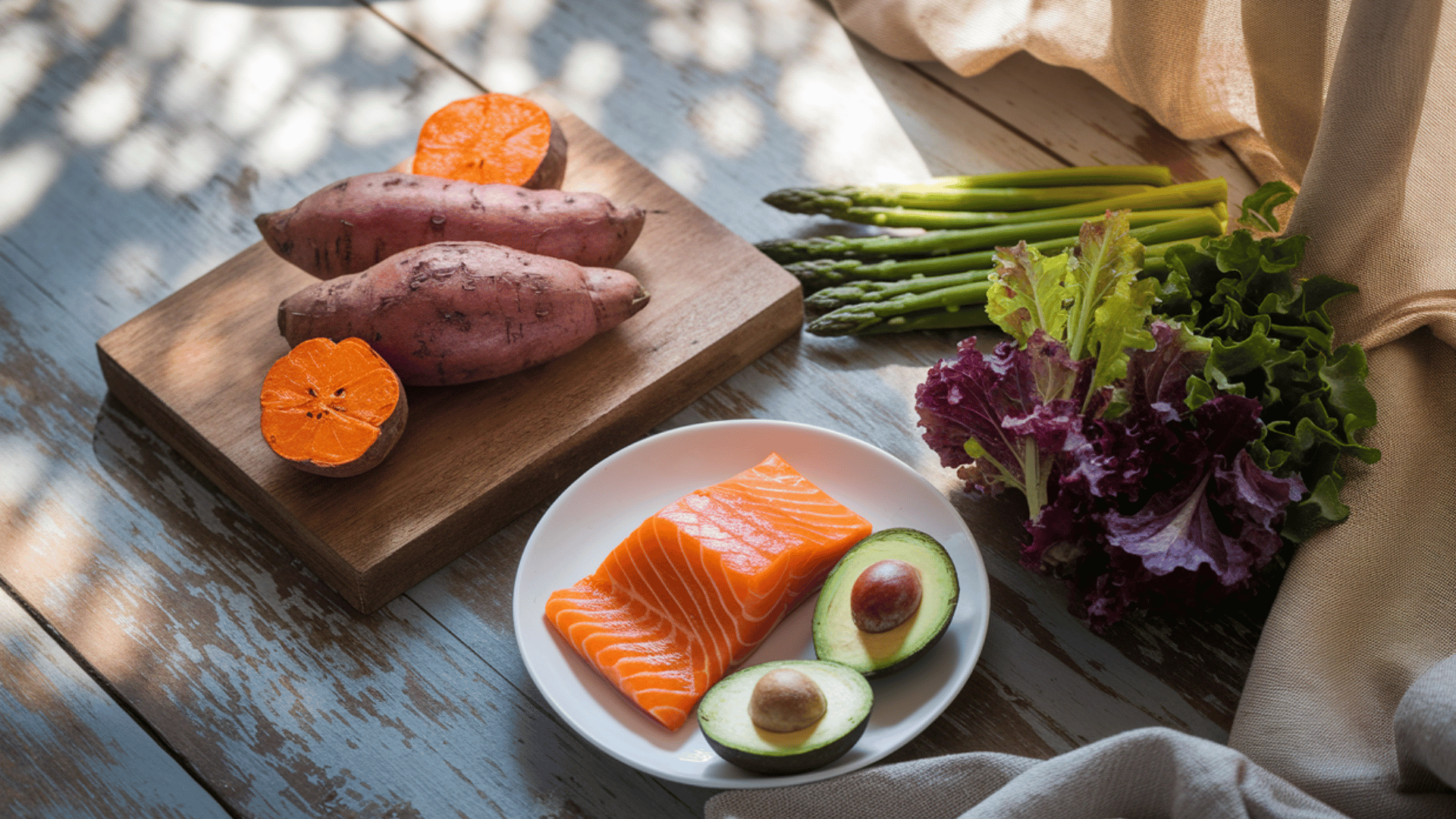
The focus is on nutrient-dense, anti-inflammatory whole foods that support healing, while avoiding common triggers that may aggravate autoimmune conditions.
1. Reduced Inflammation
By removing common inflammatory triggers and emphasizing anti-inflammatory foods, the protocol helps calm the immune system’s overactive responses.
This reduction in inflammation often manifests as less joint pain, reduced swelling, improved skin conditions, and decreased disease markers in blood tests.
The anti-inflammatory effect comes from both what you eliminate and what you include; nutrient-dense foods provide compounds that actively support your body’s natural healing processes.
2. Better Digestion
Gut healing is central to the AIP approach, and improved digestion is one of the first benefits people notice.
The diet removes foods that can damage the intestinal lining while emphasizing bone broth, fermented foods, and easily digestible proteins that support gut repair.
As your gut lining heals, the “leaky gut” phenomenon decreases, which can reduce systemic inflammation and immune activation throughout your entire body.
3. Fewer Flare-Ups for Some People
One of the most meaningful benefits reported by AIP followers is a reduction in autoimmune flare-ups and symptom severity.
By identifying and removing personal food triggers, you can often prevent the inflammatory cascade that leads to flare-ups.
This benefit often becomes more pronounced as you move through reintroductions and create your personalized maintenance plan.
4. Clearer Understanding of Food Triggers
The structured elimination and reintroduction process provides clear data about which specific foods contribute to your symptoms and which are completely safe for you.
This understanding empowers you to make informed dietary choices for life, eliminates unnecessary restrictions once you’ve tested foods, reduces anxiety around eating, and helps you advocate for your health needs.
Possible Challenges and Downsides
The small table below will help you understand about the challenges and downside in a clear and simple way at the very first pace.
| Challenge | Solution |
|---|---|
| Highly Restrictive | Focus on variety within allowed foods; explore new vegetables and proteins |
| Meal Planning Required | Batch cook weekly; keep simple recipes ready; use leftovers strategically |
| Social Difficulties | Communicate needs early; bring AIP dishes to events; research menus ahead |
| Initial Expense | Buy in bulk; choose seasonal produce; prioritize quality strategically |
| Nutrient Gaps Risk | Work with a nutritionist; include organ meats and diverse vegetables |
| Time Commitment | Remember it’s temporary; the insights provide lifelong benefits |
It’s a personalized investigation into how food affects your unique autoimmune condition
Is the AIP Diet Safe for Everyone?
The AIP diet is generally safe for most adults when followed properly, but certain individuals should consult their healthcare provider before starting.
If you’re pregnant, breastfeeding, have a history of eating disorders, take medications that require specific nutrients, or have multiple chronic health conditions, medical guidance is essential.
Children and adolescents should only follow AIP under professional supervision to ensure proper growth and development.
Proper nutrition is critical, the diet should be nutrient-dense, not just restrictive, so working with a knowledgeable practitioner can help you avoid deficiencies.
How Long Should You Follow the AIP Diet?
I’ve learned that the AIP timeline is highly individual, your body will signal when it’s ready to move forward. Some people notice improvements within weeks, while others need several months of strict elimination
| Phase | Typical Duration | When to Progress |
|---|---|---|
| Elimination | 30-90 days (minimum 30) | When symptoms have significantly improved and stabilized for at least 2-4 weeks |
| Reintroduction | 4-6 months (varies by individual) | Continue until you’ve tested all desired foods; one food every 5-7 days |
| Maintenance | Ongoing (personalized) | Begin once reintroductions are complete; adjust as your body changes over time |
The key is listening to your body rather than rushing the process. Your symptoms, energy levels, and overall wellness are the best indicators of when to progress to the next phase.
Tips for Starting the AIP Diet
Beginning the AIP diet feels less overwhelming when you approach it with a solid plan.
I recommend starting with one week of meal planning before your official start date, creating simple recipes around 3-4 protein sources and 5-6 vegetable varieties. Stock your pantry with AIP-compliant oils, herbs, and staples, then clear out eliminated foods to reduce temptation.
Focus on batch cooking—prepare large portions of proteins and roasted vegetables you can mix and match throughout the week.
Easy meal ideas include sheet pan dinners with chicken and vegetables, ground beef over sweet potato, fish with steamed greens, or simple stir-fries using coconut aminos.
Consistency comes from preparation, not perfection, so keep meals simple initially and build complexity as you gain confidence.
Wrap Up
Through my research and understanding of the AIP diet, I’ve learned it’s far more than a restrictive eating plan.
The Autoimmune Protocol offers a structured path to identify your dietary triggers, reduce inflammation, and potentially decrease symptom flare-ups.
While the elimination phase requires commitment and the process takes several months, the knowledge you gain about your body is invaluable.
This approach may particularly benefit those with Hashimoto’s, rheumatoid arthritis, lupus, inflammatory bowel conditions, or other autoimmune disorders who haven’t found relief through conventional treatments.
I encourage you to take a steady, informed approach, work with knowledgeable practitioners, listen to your body’s signals, and remember that healing is a journey, not a race.