
Ever stood in the produce aisle, spotted a rutabaga, and asked yourself why it even exists? Many people have the same question. I used to walk right past it too, assuming it was just another forgotten root vegetable with no real purpose.
But then the questions started popping up. Is it actually good for you? Is it worth cooking? Does it do anything for your health, or is it just taking up shelf space?
That curiosity is exactly why you are here. If you want clear, honest answers about rutabaga benefits without fluff or confusion, you are in the right place. Let’s break it down in a simple, real way that actually helps you decide if rutabaga deserves a spot on your plate.
What Is Rutabaga?
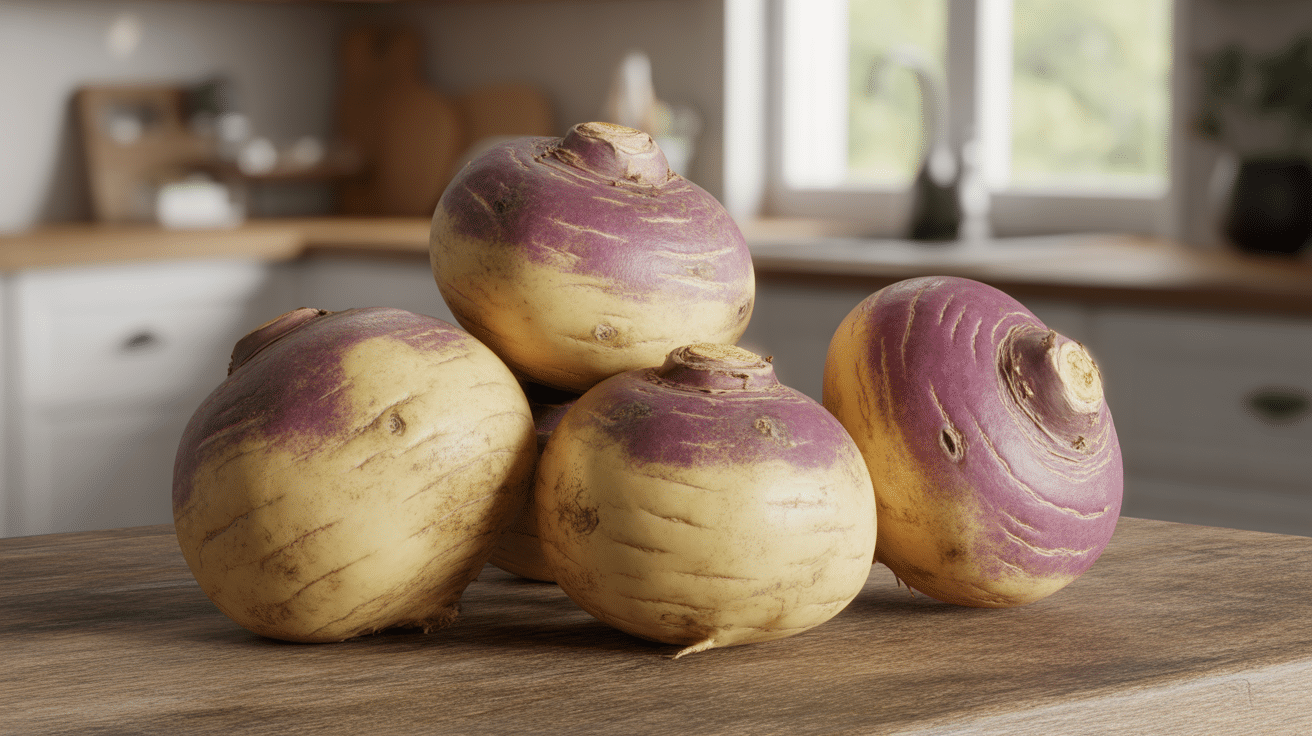
Rutabaga is a cruciferous root vegetable, a hybrid of cabbage and turnip. It is also known as Swede or Swedish turnip. Raw rutabaga has a mildly peppery flavor.
Cooking transforms it into a slightly sweet, buttery vegetable with a potato-like texture that makes it incredibly versatile in the kitchen. Compared to turnips, rutabagas are notably larger and feature yellow-orange flesh beneath their purple-tinged skin.
Turnips are smaller with white flesh. Rutabagas also pack more nutrients than their turnip cousins, offering higher levels of vitamins and minerals, particularly vitamin C and potassium.
This hearty root vegetable shines in comfort dishes like mashes, stews, and roasts. It brings earthy sweetness to cold-weather meals. Its dense texture holds up well during long cooking times, making it ideal for slow-cooked dishes.
Are Rutabagas Good for You?
Yes, rutabaga is good for you. This root vegetable packs impressive nutrition with minimal calories. One cup of cooked rutabaga provides about 50 calories, 3 grams of fiber, and 35% of your daily vitamin C needs.
It supports digestive health through fiber, strengthens immunity with vitamin C, and helps manage blood sugar thanks to its low glycemic impact.
Rutabaga also contains potassium for heart health, antioxidants that protect cells, and compounds that may reduce cancer risk.
As a non-starchy vegetable, it fits well into most diets, including those for diabetes management and weight control. Just cook it well for better digestion and maximum benefits.
Rutabaga Nutrition Facts
Rutabaga is a nutritional powerhouse. It delivers essential vitamins, minerals, and fiber with minimal calories. This humble root vegetable supports overall health while adding satisfying substance to meals.
Nutritional Profile (Per 1 Cup, Cooked)
| Nutrient | Amount | Notes |
|---|---|---|
| Calories | ~50 | Low |
| Carbohydrates | 12g | Moderate |
| Fiber | 3g | High |
| Protein | 2g | Modest |
| Fat | 0.5g | Very low |
Key Vitamins and Minerals
| Vitamin / Mineral | Amount |
|---|---|
| Vitamin C | 35% Daily Value |
| Potassium | 550mg |
| Folate | 6% Daily Value |
| Magnesium | 5% Daily Value |
| Calcium | 80mg |
| B Vitamins | Thiamin, Niacin |
Why Rutabaga Is Considered a Non-Starchy Vegetable
The American Diabetes Association classifies rutabaga as a non-starchy vegetable due to its low carbohydrate content (under 15g per serving).
This makes it ideal for diabetes management and blood sugar control. Unlike starchy vegetables like potatoes, rutabaga’s fiber slows glucose absorption. It prevents blood sugar spikes while allowing generous portions without significantly impacting glycemic levels.
Health Benefits of Rutabaga
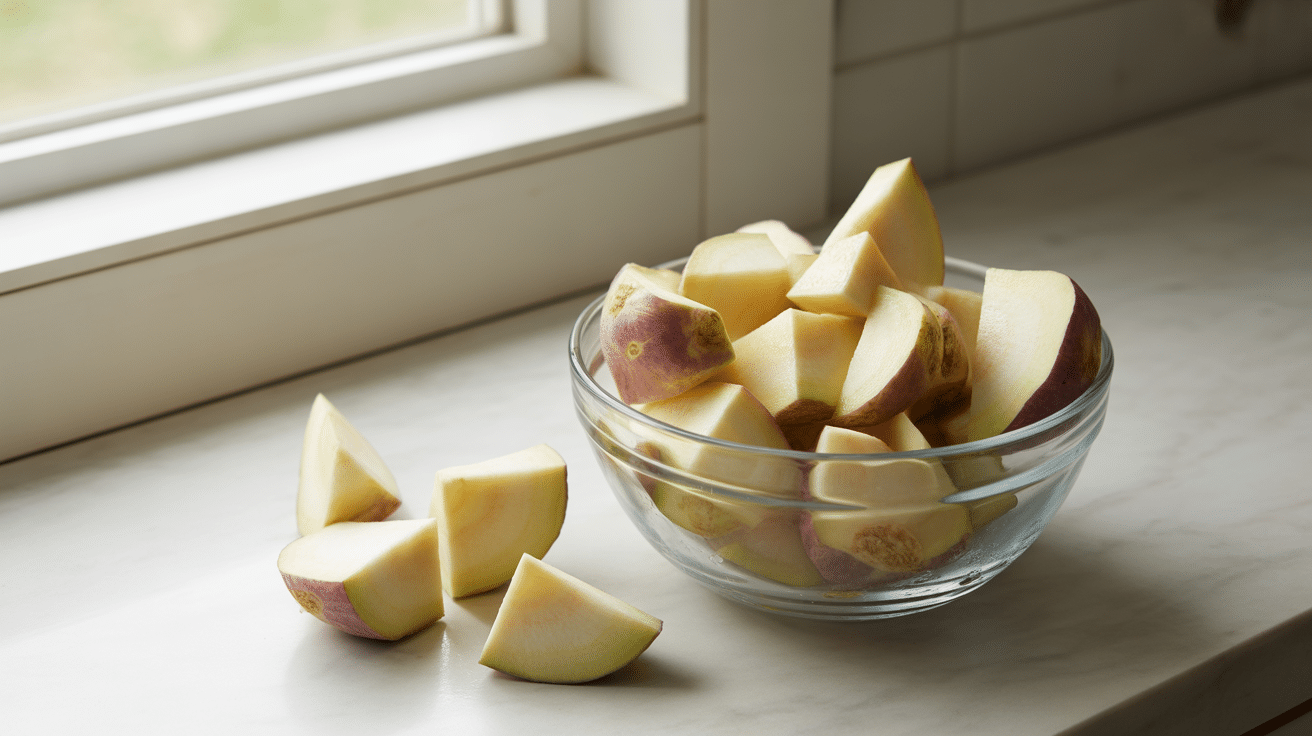
Rutabaga offers impressive health benefits, from supporting digestion to strengthening immunity. This nutrient-dense root vegetable promotes overall wellness while fitting seamlessly into balanced diets.
1. Supports Digestive Health
Rutabaga’s high dietary fiber content promotes regular bowel movements and maintains gut health. Fiber acts as food for beneficial gut bacteria, supporting a thriving microbiome.
Regular consumption may reduce the risk of constipation, diverticular disease, and colon-related issues. This makes rutabaga a smart choice for digestive wellness.
2. Strengthens Immune Function
Rutabaga delivers substantial vitamin C, an essential nutrient that strengthens immune defenses and helps your body fight infections. Vitamin C also speeds up wound healing, improves iron absorption, and protects cells from oxidative damage caused by free radicals.
3. Promotes Heart Health
Rutabaga’s fiber helps reduce cholesterol absorption in the digestive tract. Its potassium content supports healthy blood pressure regulation. These nutrients work together to reduce cardiovascular strain and promote long-term heart health.
4. Helps With Weight Management
Low in calories yet high in fiber, rutabaga creates lasting fullness that helps control appetite. This combination makes it an ideal food for weight management and calorie-conscious eating without sacrificing satisfaction.
5. Supports Blood Sugar Control
As a non-starchy vegetable, rutabaga contains fiber that slows glucose absorption into the bloodstream. This helps prevent blood sugar spikes and makes rutabaga a suitable choice for people managing diabetes or prediabetes.
6. Provides Powerful Antioxidants
Rutabaga contains antioxidants including vitamin C, vitamin E, and carotenoids that combat oxidative stress. These protective compounds help defend cells against damage linked to premature aging and chronic disease development.
7. May Help Reduce Cancer Risk
As a cruciferous vegetable, rutabaga contains glucosinolates. These are sulfur-containing compounds that support the body’s detoxification processes. Research suggests these bioactive compounds may help protect against certain types of cancer.
8. Supports Bone Health
Rutabaga provides bone-building minerals including calcium, magnesium, and phosphorus. These are essential for maintaining skeletal strength. Its vitamin C content also supports collagen formation, which provides structural integrity to bones.
9. Supports Nervous System and Muscle Function
Rutabaga’s potassium and B vitamins regulate nerve signal transmission and muscle contractions. These essential nutrients support proper muscle movement, cellular energy production, and overall nervous system health.
How to Eat Rutabaga to Get the Most Benefits
Preparing rutabaga correctly maximizes its nutritional value and flavor. From roasting to mashing, simple cooking methods bring out this vegetable’s full potential while preserving essential nutrients.
Best Ways to Prepare Rutabaga
- Roasted: Brings out natural sweetness and creates caramelized edges.
- Boiled and mashed: Creates creamy, smooth texture similar to mashed potatoes.
- Steamed: Preserves maximum nutrients with minimal nutrient loss.
- Baked: Develops rich, concentrated flavors through slow cooking.
- Added to soups and stews: Absorbs surrounding flavors while adding heartiness.
Raw vs. Cooked Rutabaga
Choosing between raw and cooked rutabaga depends on your nutritional goals and digestive tolerance. Here’s how they compare:
| Aspect | Raw Rutabaga | Cooked Rutabaga |
|---|---|---|
| Nutrient Retention | Retains maximum vitamin C and enzymes | Some vitamin C lost, but minerals remain stable |
| Digestibility | Harder to digest; may cause gas or bloating | Easier to digest; breaks down tough fibers |
| Texture | Crisp, crunchy, peppery | Soft, tender, sweeter |
| Best For | Salads, slaws, those with strong digestion | Most people, especially with sensitive stomachs |
Cooking slightly reduces vitamin C but significantly improves digestibility. This makes nutrients more accessible to your body.
Simple Serving Ideas of Rutabagas
Add rutabaga into everyday meals with these easy, versatile preparation methods that highlight its natural flavors.
- Rutabaga mash: Replace potatoes with boiled, mashed rutabaga for lower-carb comfort food.
- Roasted cubes: Toss with olive oil and herbs, then roast until golden and caramelized.
- Vegetable soups: Add chunks to minestrone, chicken soup, or beef stew for extra nutrition.
- Shredded salads: Grate raw rutabaga into coleslaw for added crunch and peppery bite.
Rutabaga vs. Other Root Vegetables
Understanding how rutabaga compares to other popular root vegetables helps you make informed dietary choices. Here’s how rutabaga stacks up nutritionally:
| Nutrients | Rutabaga | Potatoes | Turnips | Sweet Potatoes |
|---|---|---|---|---|
| Calories (per cup) | ~50 | ~130 | ~35 | ~180 |
| Fiber | 3g | 2.4g | 3.1g | 6.6g |
| Glycemic Impact | Low-moderate | High | Low | Moderate-high |
| Vitamin C | 35% DV | 20% DV | 30% DV | 37% DV |
| Potassium | 550mg | 630mg | 250mg | 950mg |
Rutabaga provides fewer calories than potatoes while delivering more nutrients than turnips. This makes it an excellent middle-ground choice for nutrient density without excessive carbohydrates.
Who Should Be Careful With Rutabaga?
While rutabaga is safe and nutritious for most people, certain individuals should use caution or moderate their intake:
-
People with thyroid conditions: Rutabaga contains goitrogens that may interfere with thyroid function when consumed raw in large amounts. Cook rutabaga and eat in moderation if you have hypothyroidism.
-
Individuals on blood-thinning medications: Rutabaga’s vitamin K affects blood clotting. Those taking warfarin should maintain consistent intake and consult their healthcare provider.
-
Those with kidney problems: High potassium content may be problematic for people with kidney disease or impaired function. Monitor intake carefully if you have potassium restrictions or kidney stone history.
-
People with digestive sensitivities: High fiber and cruciferous compounds can cause gas, bloating, or discomfort. Start with small portions to test your tolerance.
-
Individuals with cruciferous allergies: Those allergic to cabbage, broccoli, or similar vegetables may react to rutabaga. Watch for itching, swelling, or digestive upset.
Final Thoughts
By now, you have a solid understanding of rutabaga benefits and how this simple root can support everyday health. I wanted you to leave with clear answers, not confusion or mixed signals.
You do not need perfect meals or major diet changes to make better food choices. Even small steps, like trying one new vegetable, can add real value over time.
If learning about rutabaga benefits made you want to learn about other foods, you are in the right place. I have written many easy, honest guides on vegetables, nutrition basics, and simple eating habits.
Take a few minutes to check out my other blogs and keep building knowledge that helps you make smarter choices, one plate and one read at a time.