

The hours leading up to kickoff tend to center as much on the kitchen as they do on the television set. Meals are prepared in advance of their normal times, and drinks are made ahead of schedule as well. And it appears as though these foods continue to turn up week after week, as if they too have a fixture list. This is not always logical, but it is part of the overall experience, and it cannot be ignored.
While it is possible to talk football and food, and discuss form and position on the table, it is also possible to talk about what one ate last time they won, what one snacked on throughout a successful streak, and what one always makes for a night match. And over time, this becomes ritualized. We know it does not make a difference, but very few of us will give it up entirely when things become important.
The small routines that settle the nerves
One of the more curious things about football culture is how quickly sensible people fall back on routine when the tension starts to build. You see it in the way supporters prepare the same meals before big games, and you hear it in the half serious comments about how someone should not have decided to bet on football before matchday without making the usual bowl of oats or putting the kettle on first. Nobody truly believes a cup of tea can change the score, yet the comfort of repeating the same habits makes the wait for kickoff easier to manage.
Mainly this comes from the nervous energy you get when watching football matches, and having no where to actually go in the process. Cooking, or drinking coffee can give your brain something to do, a coping mechanism to the big feelings that can come with any outcome of a match. The routine of cooking helps to slow the moment down and not let your adrenaline run in over drive due to the anticipation.
Supporters of football often enjoy meals that are energy efficient and can help them last the game comfortably without feeling heavy or sluggish. Before kickoff, porridge or yogurt with muesli and fruit is often a really popular option, easy to make, but can be very nutritious when made correctly. Think nut butters, fruits and melted dark chocolate. Meals like these are satisfying but can help you follow the rhythm of football without any struggle to your digestive system.
Comfort food and healthier choices
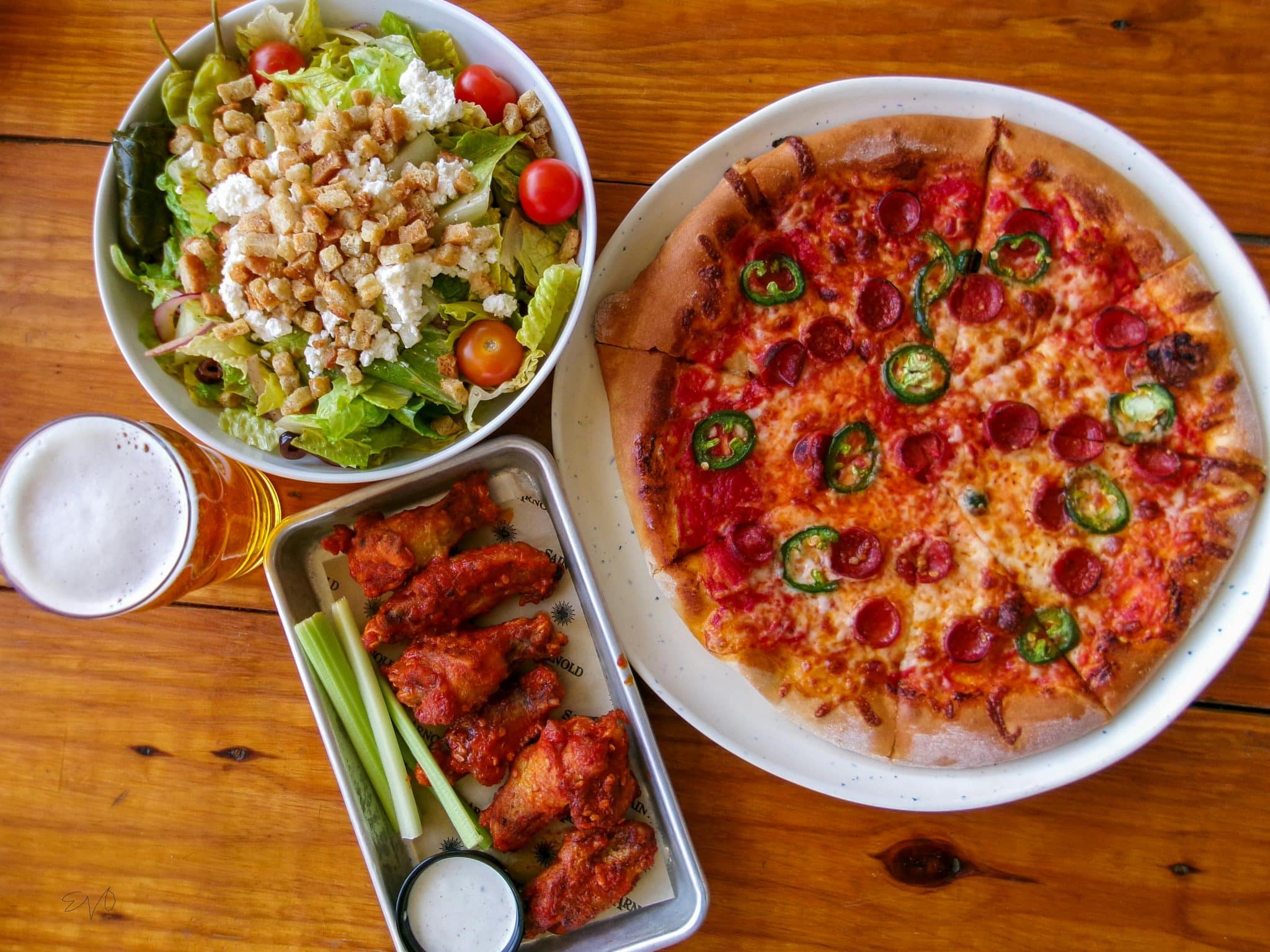
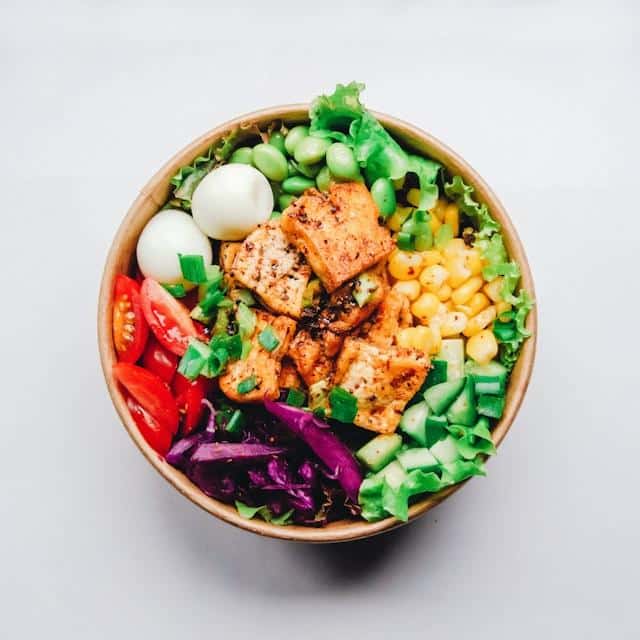
There’s a balance to strike on matchday between comfort foods and more practical alternatives. While traditional food choices will always have their place when it comes to preference, many people have begun to think about how food can impact cognitive concentration and their mood during matchday. With match day often leaning into evening, large takeaways can taste great but are not satisfying or comfortable to sit with, after eating. Light meals like grilled veggies, with chicken breast, pasta dishes with minimal heavy creams etc., or a sandwich made with simple whole ingredients can make all the difference to your matchday experience.
Drinks are also following a similar pattern. Coffee has almost become a given in the run-up to earlier matches, whereas tea seems to magically appear as soon as the tension builds up. In recent years, herbal teas, smoothies, and juices have been appearing more often as people look to stay alert but avoid getting overstimulated. Being hydrated is more important than people realize, especially when a match can run well over ninety minutes and your nerves are so on edge that you forget to drink anything all match.
Why the kitchen becomes part of the match
The connection between food and football is not really about food. It is about celebrating the event. Having food prepared for kickoff makes the event feel different from a regular evening out. Having coffee or tea brewing or bread toasting is a sign that something is about to happen, and we are just going to sit down and watch.
These habits and customs develop in families and groups of friends unconsciously. One person always makes tea during half-time, another person always makes the same dish for lunch on weekends, and another person always stocks up on the same snacks in their cupboard throughout the season. None of this affects the outcome of the game, but it affects how you enjoy watching it. If you were to remove this, it would be as if you were watching an incomplete game.
There is also comfort in knowing exactly what you can expect from the kitchen when you don’t know exactly how the scoreboard will look. Football is rarely a predictable sport, and if it is a close game, even seasoned fans can get restless. The food helps keep your head in the moment, and nothing does this quite as well as some statistical analysis.
The rituals we keep even when we laugh at them
Modern sport is analysed more than ever, yet the personal side of watching football has not become more rational. Far from it. The more people learn to describe football in terms of numbers and probabilities, the more they hold on to these little matchday rituals that give it a more human touch. Whether we admit it or not, cooking a certain meal, using a certain mug, or eating a certain meal at a certain time of day all build up to matchday.
I have always believed that these practices are continued because they make the supporter feel involved. We can’t control anything that happens out on the pitch, but we can control everything that happens in the kitchen. We can control the food we eat so that it makes us feel comfortable and relaxed for a long match.
We may make light of the superstition and say that food has nothing to do with football, but the next time kickoff is near, the same patterns are repeated. We put the kettle on, make something healthy and something familiar, and the ritual begins again.
Even healthy foods have entered the fray without our making a concerted effort. Nuts, yoghurt, fruits, and soups are not as difficult to transport as one might imagine. They do not take away from the comfort of our superstitions. In fact, they make it easier for us to enjoy the entire evening without feeling exhausted towards the end. Not because it changes the result, but because the game somehow feels more complete when the ritual is there.