
I used to think choosing the lowest calorie meat was simple until the numbers started changing everywhere I looked.
You check one source, then another, and suddenly chicken, fish, and beef all seem to compete. That confusion makes meal planning harder than it needs to be, especially when calorie control matters to you.
The truth is, some meats are clearly lower in calories, but serving size, fat, and cooking choices change everything.
Once you understand how to compare them, decisions feel easier, and meals feel more satisfying. This breakdown focuses on clear rankings, simple comparisons, and realistic ways to use the lowest-calorie meat without overthinking food choices or portions.
What is the Lowest Calorie Meat?
The lowest-calorie meats are those with very little fat and a high protein-to-weight ratio, which is what most people mean when they search for low-calorie meat.
At the top of the list are cod and other lean white fish, which provide protein with minimal fat per serving.
Shrimp is another top option, offering low calories while still feeling filling. Among land-based options, skinless chicken breast and turkey breast are widely used because they stay lean when cooked without added oils.
Pork tenderloin also fits well, as it is one of the leanest pork cuts available. For red meat, eye of round and sirloin are the lowest calorie choices when trimmed.
Game meats like venison and bison are naturally lean and lower in calories than most standard beef cuts. White fish and shellfish tend to rank lowest overall because their fat content is extremely low.
How Calories in Meat are Measured
Calories in meat often look different online because they depend on how the meat is measured and prepared.
Main factors that change calorie numbers:
- Raw vs cooked weight
- Serving size used (3 oz, 4 oz, or 100 g)
- Amount of visible fat left on the meat
Raw meat contains more water. During cooking, water cooks off, which makes the meat weigh less but keeps the same nutrients. This is why cooked meat often shows higher calories per ounce.
Serving size also causes confusion, since some sources use 3 ounces cooked, others use 4 ounces or 100 grams. This blog focuses on common cooked serving sizes, since that reflects how people actually eat meat.
Fat content matters most because even small amounts of visible fat raise calories quickly.
Lowest Calorie Meats by Category
Use these categories to pick lean meats faster, compare options clearly, and plan low-calorie meals.
1. Poultry
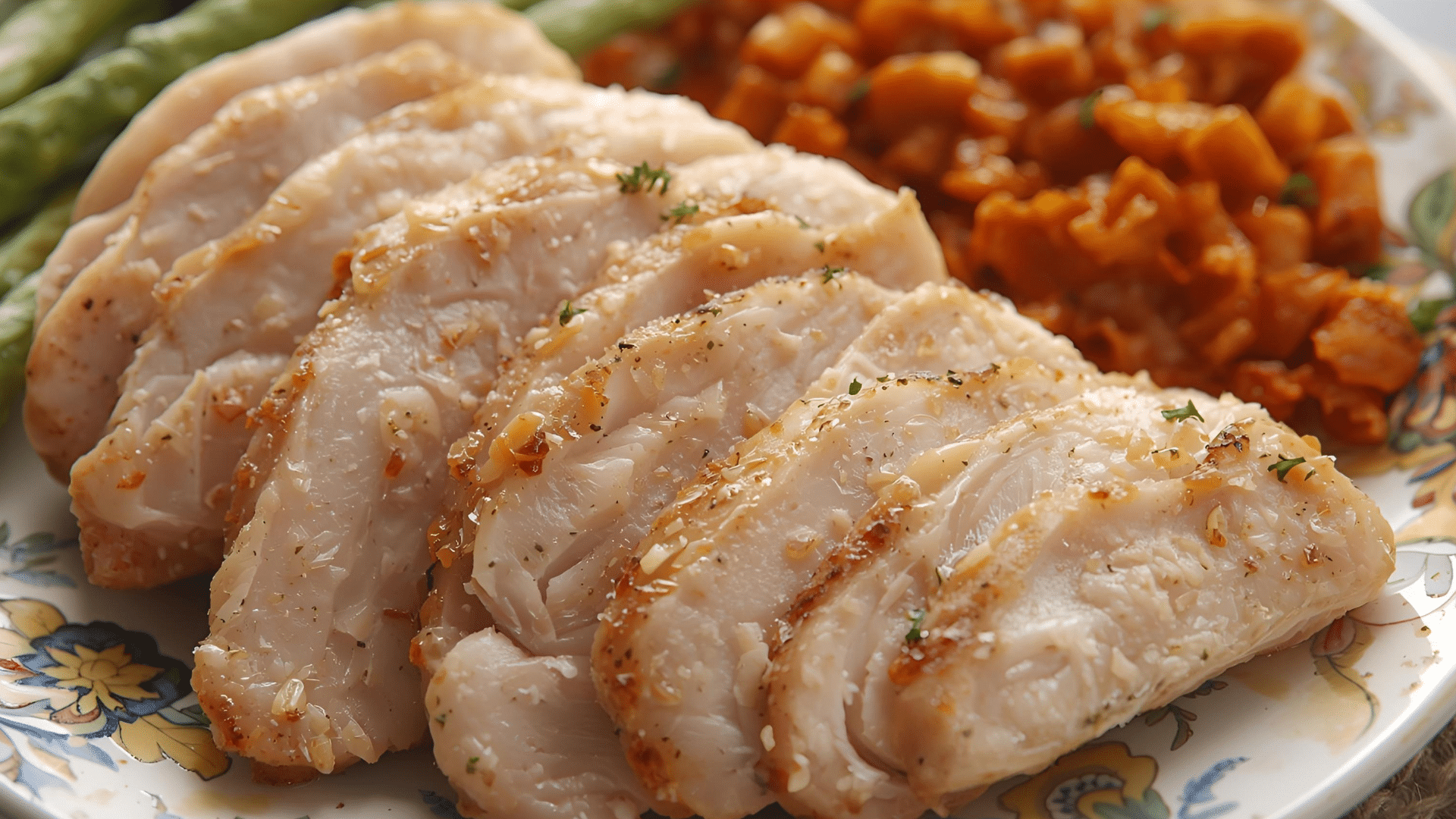
Skinless chicken breast and turkey breast are low in calories because most fat is removed. They also give strong protein, which helps you feel full longer. Lean ground chicken or turkey can work too, but always check the label.
A higher fat percentage raises calories fast, even if the portion looks the same. For the lowest calorie option, pick the leanest grind you can find and cook it without extra oil.
Remove skin, drain excess fat, and keep sauces light to protect your calorie goal.
2. Fish and Seafood
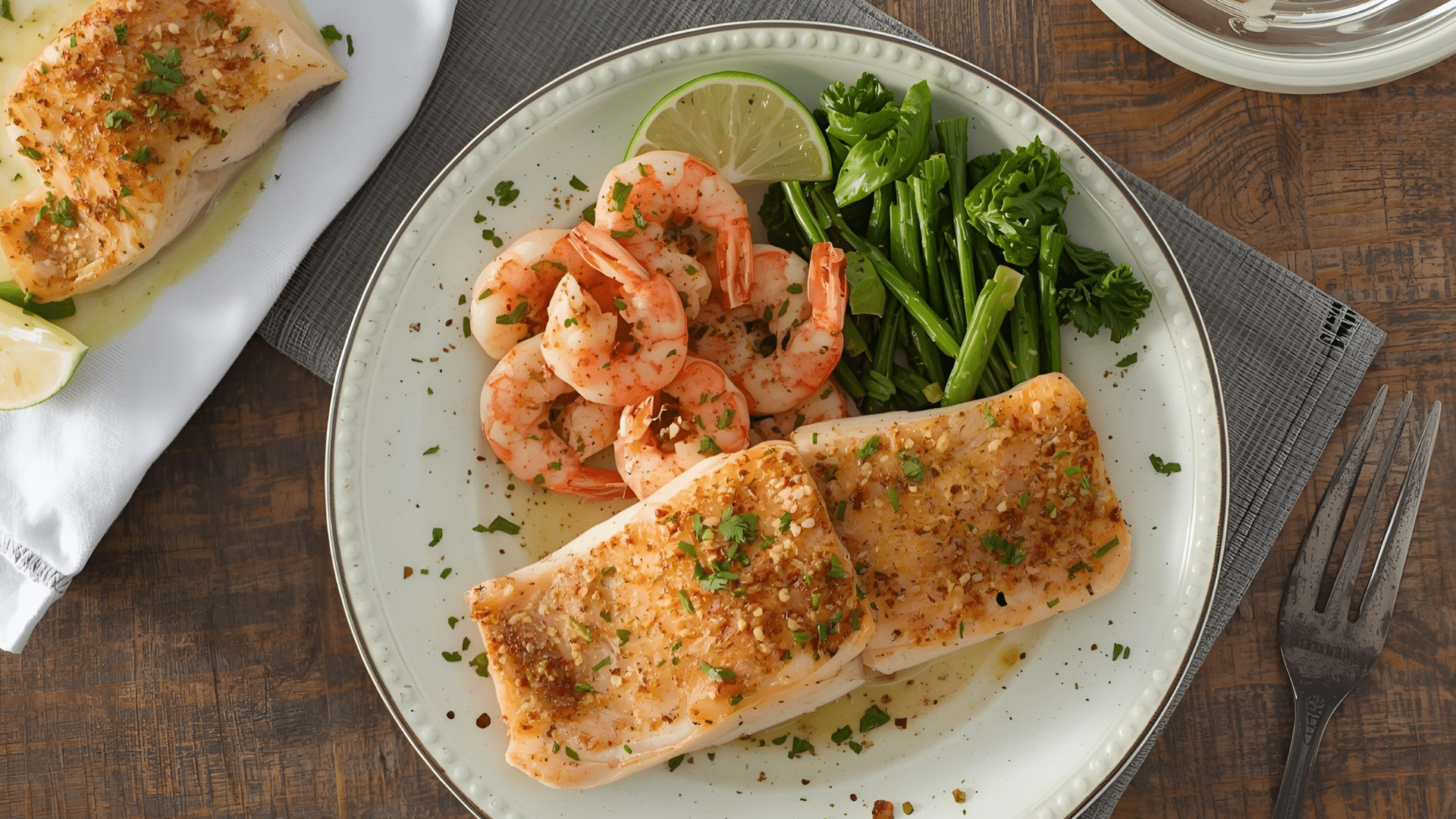
Lean white fish like cod, tilapia, and flounder are some of the lowest-calorie protein choices you can eat. They are light, easy to portion, and work well with simple seasoning.
Shrimp is also very low in calories and high in protein, but watch for butter-based cooking.
Salmon is higher in calories than white fish because it contains more fat, but it can still fit if you keep the portion controlled and pair it with vegetables. Choose grilling, baking, or steaming for the best results.
3. Pork

Pork tenderloin is one of the leanest pork cuts, so it is the best pick when you want low calories but still want pork. It stays tender when cooked carefully and works well in meal prep.
The main issue with pork is that many popular cuts come with more fat, which quickly raises calories. Limit fatty cuts and avoid breaded or fried pork meals.
Keep the cooking method simple, trim visible fat, and use light seasoning or vinegar-based marinades instead of sugary sauces.
4. Beef
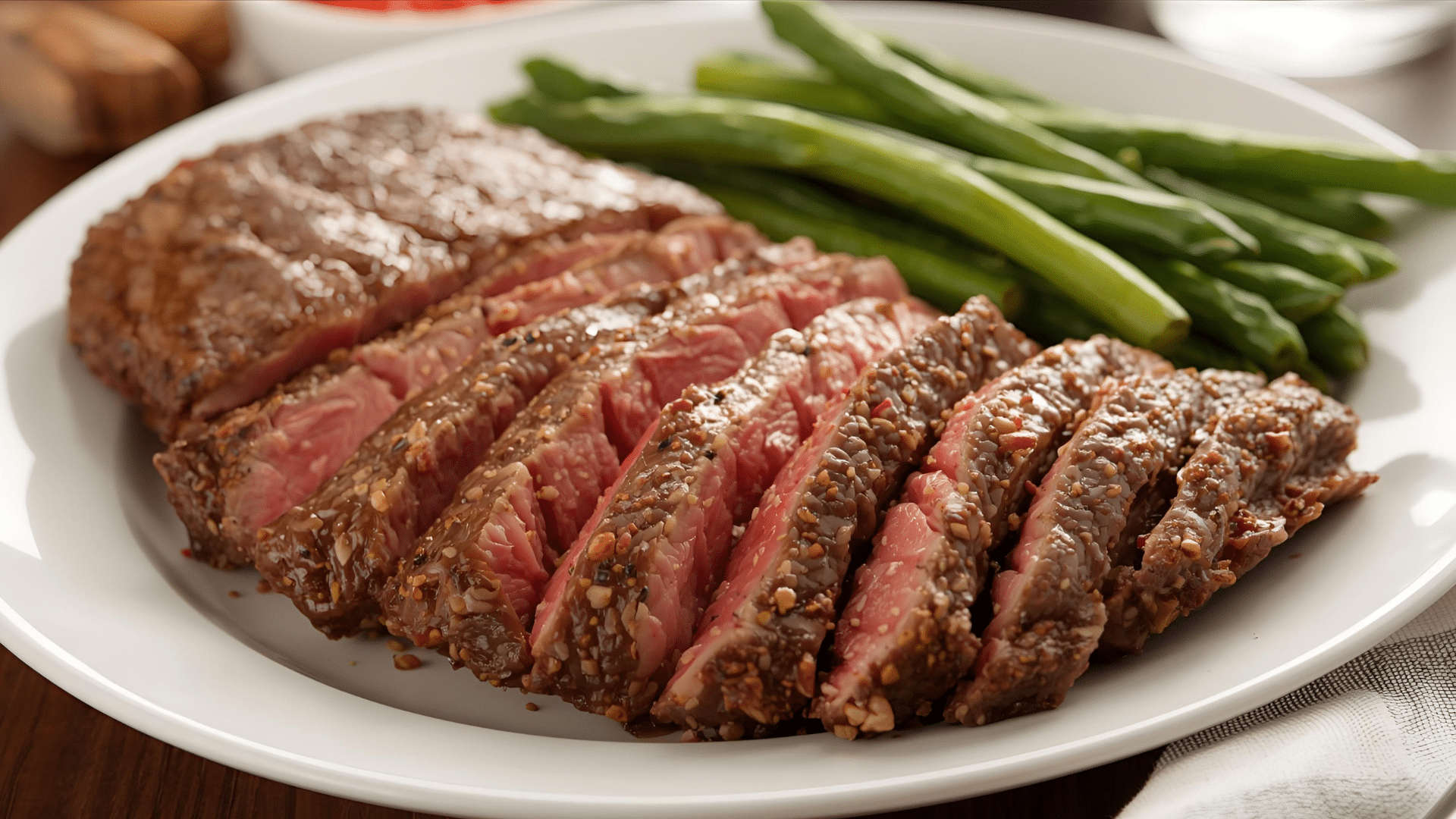
If you want red meat and still want to keep calories lower, choose lean cuts like eye of round, sirloin, and tenderloin-style cuts. These have less fat than many steak cuts, especially when trimmed before cooking.
Lean ground beef can also work, but the label matters a lot. Picking 90% lean or higher helps keep calories lower while still giving good protein. Cook beef using grilling, broiling, or baking, and avoid heavy oils, creamy sauces, or large portions.
5. Game Meats

Venison and bison are naturally lean meats, so they often have fewer calories than many common beef cuts. They also provide strong protein, which supports fullness during a calorie deficit.
These meats can be a good choice when you want variety and still want to stay on track. Since they are lean, they can dry out if overcooked, so use gentle cooking and avoid long high-heat methods.
Pair them with high-volume sides like vegetables to keep meals filling without extra calories.
| Category | Lowest-calorie picks | Notes |
|---|---|---|
| Poultry | Chicken breast, turkey breast | Choose lean ground options; label fat % matters |
| Fish/Seafood | Cod, tilapia, flounder, shrimp | White fish is usually the lowest; salmon fits in smaller portions |
| Pork | Pork tenderloin | Limit fatty cuts; avoid fried or breaded pork |
| Beef | Eye of round, sirloin, tenderloin | Lean ground beef works best at 90%+ lean |
| Game | Venison, bison | Very lean; cook carefully to avoid dryness |
Is Fish Considered Meat for Low-Calorie Diets?
Fish is commonly grouped with meat in low-calorie diets because it provides complete protein and is used in the same way in meals.
From a nutritional point of view, fish works as a direct replacement for chicken, turkey, or beef in calorie planning. The main reason fish often ranks lower in calories is fat content.
Lean white fish contains very little fat, which keeps calorie counts low even in larger portions. Fish is also easy to cook without added oil, which helps control calories further.
For people focused on weight loss or calorie tracking, fish counts as a meat option because it supplies protein, supports fullness, and fits easily into balanced meals alongside vegetables and other low-calorie foods.
How to Keep Meat Low-Calorie?
Simple cooking choices help keep meat low-calorie by reducing added fat, heavy sauces, large portions, and extra cooking steps.
Cooking Methods That Keep Calories Lowest
These cooking methods limit added fat and help keep meat close to its natural calorie level per serving.
- Grilling
- Baking
- Broiling
- Steaming
- Dry pan cooking
Cooking Choices That Add Calories Fast
These cooking choices raise calorie intake quickly, even when lean meat is used, and portions stay controlled.
- Frying
- Breading
- Creamy or sugary sauces
- Cooking in excess oil or butter
How Many Calories Does Oil Actually Add
Oil adds calories very quickly because fat is calorie-dense. One tablespoon of oil contains about 120 calories, which can equal or exceed the calories in a serving of lean meat.
Even a small pour can double the calorie count of a meal without adding protein or fullness. This is why “just a little oil” matters more than most people expect.
Lean meat stays low-calorie only when cooking fat is limited. Using nonstick pans, sprays, broth, or water-based cooking methods helps keep calories controlled while still allowing meat to cook evenly and taste balanced.
Portion Size Matters More Than the Meat Itself
Even the lowest-calorie meat can add up fast if portions grow too large or meals lack balance.
- A common low-calorie portion is about three to four ounces of cooked meat per meal
- Larger portions raise calories quickly, even when the meat is lean
- Visual guides, like a palm-sized serving, help control intake without weighing food
- Pairing meat with vegetables helps meals feel filling without adding many calories
- Eating slowly makes it easier to notice fullness before portions get too large
Keeping portions steady allows lean meats to fit into a low-calorie plan without constant calorie tracking.
Lowest Calorie Meat Isn’t Enough on Its Own
Choosing the lowest-calorie meat helps reduce intake, but it does not create a balanced eating pattern by itself. Lean meat mainly provides protein, while other foods add volume, fiber, and nutrients that support fullness.
Meals built only around meat can feel small, which may lead to hunger later in the day. This often causes snacking or larger portions at the next meal. Adding low-calorie foods such as vegetables increases plate size without raising calories much.
Fiber and water from these foods slow digestion and help control appetite.
A low-calorie approach works best when lean meat is combined with high-volume sides, steady portions, and simple cooking methods. This balance makes meals easier to follow and maintain over time without constant tracking.
High-Volume Low-Calorie Foods to Pair With Lean Meats

Adding high-volume, low-calorie foods helps meals feel larger, supports fullness, and keeps total calories controlled throughout the day.
| Food Group | Examples | Why They Help |
|---|---|---|
| Leafy Vegetables | Spinach, lettuce, kale | Very low calories, high water content, adds bulk to meals |
| Cruciferous Vegetables | Broccoli, cauliflower, cabbage | High fiber, filling, works well with lean protein |
| Water-Rich Vegetables | Cucumber, celery, zucchini | Increases portion size with minimal calories |
| Mushrooms | White, cremini, portobello | Meaty texture with low calories |
| Fruits | Berries, melon, citrus | Adds volume and natural sweetness |
| Plant Proteins | Tofu, lentils, beans | Adds variety and protein when portions stay controlled |
| Low-Fat Dairy | Nonfat yogurt, cottage cheese | Adds protein with a moderate calorie impact |
Pairing lean meats with these foods makes meals more filling and easier to maintain without increasing calories too quickly.
How to Build a Low-Calorie Plate (Simple Formula)
A low-calorie plate works best when it follows a clear structure instead of guessing portions each meal.
The Basic Plate Structure
Start with one serving of lean protein, such as chicken breast, white fish, or shrimp. Add two large servings of non-starchy vegetables to increase volume without adding many calories.
Finish with one optional add-on, based on needs and activity level, such as fruit, a small grain portion, or low-fat dairy. This setup keeps calories controlled while meals still feel complete.
Simple Meal Examples
- Grilled chicken with roasted vegetables and a side salad
- Baked cod with steamed broccoli and zucchini
- Shrimp stir-fry with mixed vegetables
- Turkey wrap with extra lettuce and vegetables
- Pork tenderloin with cauliflower and green beans
Following this formula makes meals easier to plan and repeat without tracking every calorie.
Common Mistakes People Make With Low-Calorie Meats
Many people choose lean meats but still struggle because small choices during shopping, cooking, or eating quietly raise calories.
- Eating larger portions because the meat is lean
- Adding sauces, dressings, or marinades without checking calories
- Cooking lean meat in too much oil or butter
- Choosing processed “lean” meats high in sodium
- Ignoring vegetables and building meals around meat alone
- Eating too quickly and missing fullness signals
Conclusion
Keeping calories lower does not mean giving up meat or eating bland meals. The main ideas stay simple: lean meats with less fat keep calories down, cooking methods matter, and portions often matter more than the cut itself.
Pairing protein with vegetables helps meals feel larger and easier to maintain over time. When choices stay clear, planning feels less stressful and more consistent.
I find that focusing on structure instead of strict tracking helps meals stay balanced.
If you want to keep improving how you plan meals around the lowest calorie meat, check out related nutrition blogs and meal-planning content to find lean options that fit your routine best.