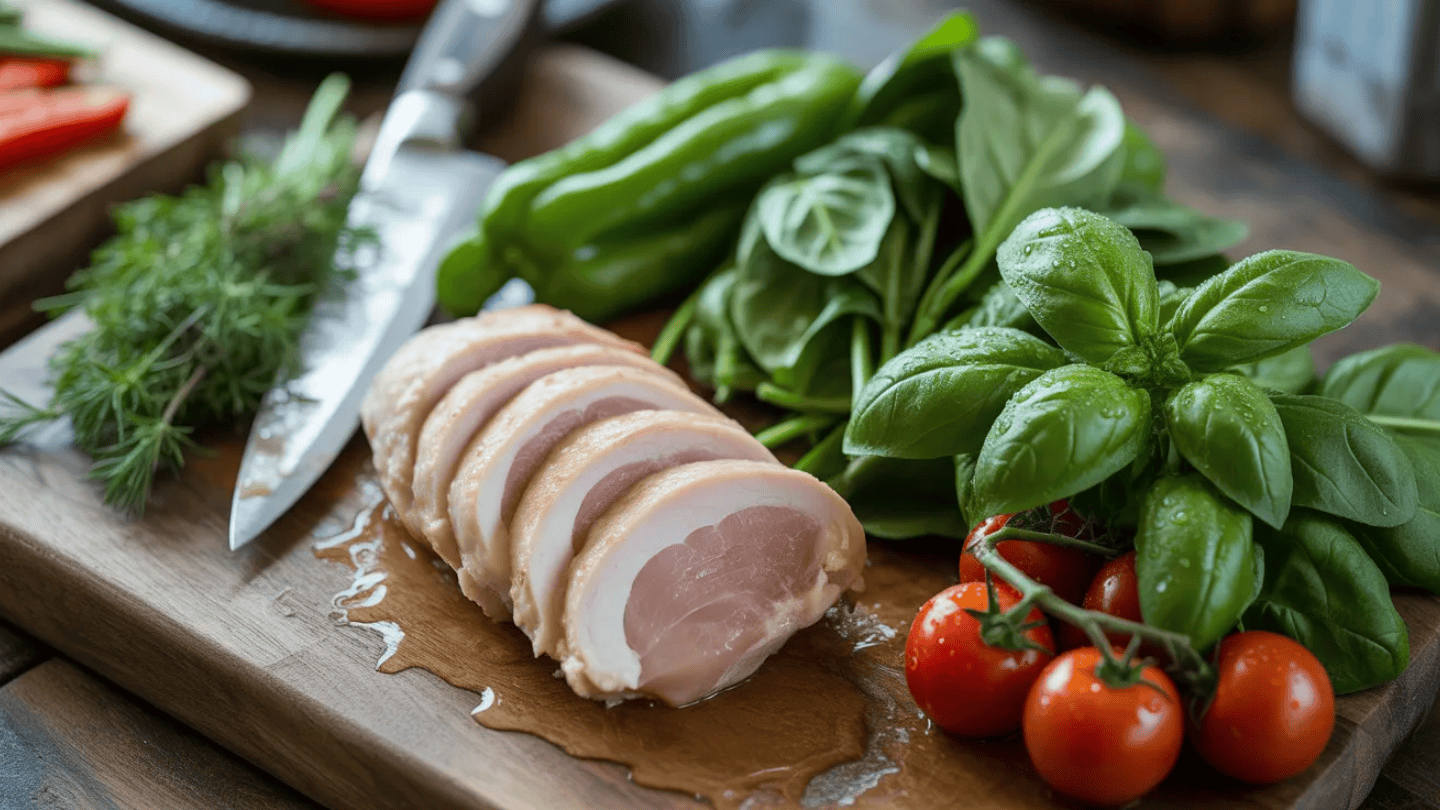
Could your “healthy” meals be making you sick? Histamine intolerance is the trigger most doctors never mention.
If you have been dealing with unexplained flushing, headaches, or digestive issues that seem to come out of nowhere, histamine could be the culprit. A low histamine food list is often the first practical step toward identifying your triggers, but only if you know how to use it correctly.
This guide compiles current evidence and practitioner insights, with the list organized by category and the one rule most people miss: freshness matters more than the food itself. What follows is a clear, realistic plan for moving forward.
What is a Low-Histamine Diet?
A low-histamine diet is an elimination approach that helps you determine whether excess histamine is behind your symptoms.
Histamine is a natural compound your body uses for immune responses and digestion. When it cannot break down histamine efficiently, often due to low levels of the enzyme Diamine Oxidase (DAO), histamine accumulates and triggers reactions.
Common symptoms include skin flushing, headaches, nasal congestion, digestive upset, and fatigue.
The diet works by temporarily removing high-histamine foods to see if symptoms improve. It is not meant to be permanent. The goal is to identify your personal triggers, manage flare-ups, and gradually reintroduce foods as your tolerance allows.
Low Histamine Foods: What to Eat
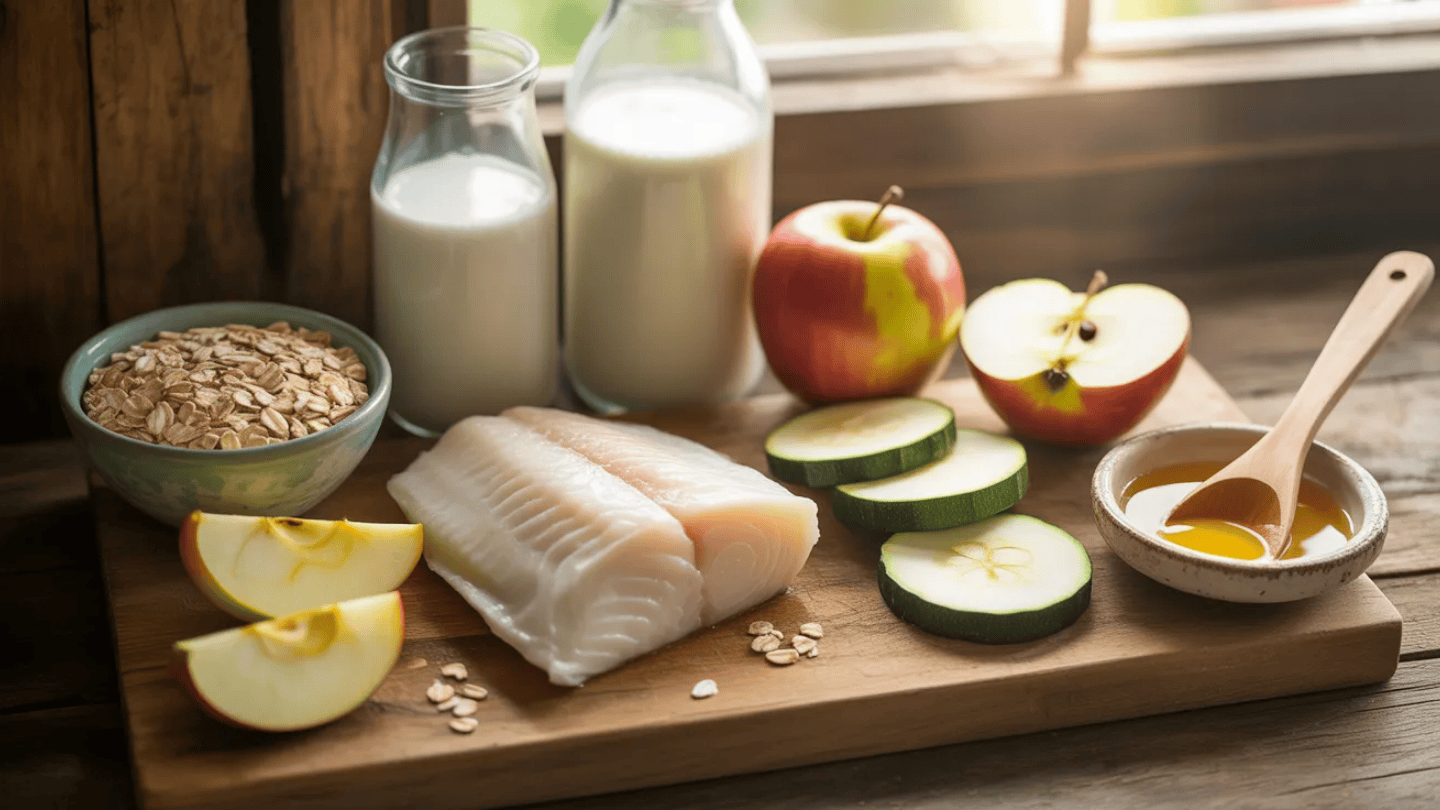
Choosing the right foods is one of the most effective changes I have seen people make when managing histamine intolerance. Those who build their diet around fresh, unprocessed ingredients tend to experience far fewer unnecessary immune responses.
1. Vegetables
Fresh, non-fermented vegetables are naturally safe and easy on the body. Preparation method matters as much as selection, so always go for fresh over preserved. The best vegetable choices to include daily are:
- Leafy greens: Fresh kale, lettuce, and bok choy are safe spinach alternatives.
- Cruciferous vegetables: Broccoli, cauliflower, and cabbage prepared fresh.
- Root vegetables: Carrots, sweet potatoes, and beetroot for grounding nutrition.
- Mild options: Zucchini, cucumber, and celery for easy, gentle digestion.
- Aromatics: Fresh garlic and onion are used as flavor bases in cooking.
Canned or pickled versions should be avoided as processing significantly increases histamine content. Prepare and consume vegetables on the same day for best results.
2. Fruits
Mild, non-citrus fruits with low natural amine content are the safest choices here. Fresh whole fruit is always preferable to dried, canned, or juiced alternatives. Well-tolerated fruits to incorporate into your meals are:
- Apples and pears: Mild and widely available as a reliable year-round option.
- Melons: Cantaloupe and honeydew are a refreshing and safe daily fruit.
- Tropical fruits: Fresh mango and papaya when fully ripe and unprocessed.
- Berries: Blueberries and grapes in moderate amounts for antioxidant benefits.
- Coconut: Fresh or unsweetened dried form as a versatile daily addition.
Introduce one new fruit at a time to track how the body responds. Processed or preserved fruit products should be eliminated from the diet entirely.
3. Proteins
Freshness is the single most important factor when selecting proteins on this diet. Histamine levels in meat and fish rise rapidly after preparation, making same-day consumption essential. Proteins that are safest and best tolerated include:
- Poultry: Freshly cooked chicken or turkey breast with no added marinades.
- Fresh fish: Freshly caught or flash-frozen cod, tilapia, and sole.
- Alternative meats: Lamb and rabbit are generally well-tolerated options.
- Eggs: Freshly cooked and consumed promptly, particularly the egg white.
- Legumes: Mild, fresh mung beans and lentils when individually tolerated.
Processed meats, smoked fish, deli cuts, and reheated leftovers must be strictly avoided. Cook only what is needed and consume it immediately after preparation.
4. Dairy
Not all dairy is off limits, as fresh and minimally handled products tend to sit well with most people. The older or more cultured the product, the higher its histamine potential. Dairy options that are generally safe to consume are:
- Fresh milk: Whole or skimmed milk consumed on the day of opening.
- Butter and ghee: Well-tolerated options due to their low protein content.
- Lactose-free milk: A gentle alternative for those with combined sensitivities.
- Fresh cream: Used in small amounts as an occasional addition to meals.
- Mild fresh cheeses: Ricotta and cream cheese are consumed in limited quantities.
Aged cheeses, yogurt, and anything fermented should be removed from the shopping list. Always read labels carefully to identify hidden cultures or fermentation agents.
5. Grains
Whole, unprocessed grains are among the most dependable staples in a histamine-conscious diet. They offer steady energy and fiber without the risk of triggering a reaction. Grains that are naturally safe and easy to prepare include:
- Rice: White or brown rice is a versatile and neutral base for any meal.
- Quinoa: A protein-rich grain alternative suitable for most people.
- Oats: Rolled or steel-cut oats for a filling and easy breakfast option.
- Ancient grains: Millet and amaranth as nutritious alternatives to common grains.
- Snack grains: Plain rice cakes and puffed rice as convenient grab-and-go options.
Sourdough, fermented grain products, and heavily processed breads are best left out entirely. Simple, plainly cooked grains are consistently the most predictable and body-friendly choice.
6. Fats
Natural oils and whole-fat sources are largely well-tolerated and pose little histamine concern. Choosing fresh, high-quality fats over refined or processed versions makes a noticeable difference. Fats and oils that work best in a sensitivity-friendly kitchen include:
- Olive oil: Extra virgin variety is the go-to oil for cooking and dressings.
- Coconut oil: Ideal for high-heat cooking due to its stable fat composition.
- Avocado: Consumed fresh and immediately after cutting to minimize oxidation.
- Neutral oils: Mild sunflower or safflower oil for everyday versatile use.
- Butter: Fresh and unsalted for light cooking when dairy is well tolerated.
Oxidized, rancid, or heavily refined oils can aggravate sensitivity and should be discarded. Keep all fats stored in cool, dark conditions to preserve their quality and freshness.
7. Herbs and Spices
Eating with histamine sensitivity does not mean sacrificing flavor or variety at the table. Single-ingredient, fresh seasonings are far safer than pre-blended commercial spice mixes. Herbs and spices that add flavor without causing concern include:
- Fresh herbs: Parsley, basil, oregano, and chives are used generously in meals.
- Turmeric: Valued for its anti-inflammatory properties and mild earthy flavor.
- Ginger: Fresh root used to aid digestion and add warmth to any dish.
- Mild seasonings: Garlic and onion powder when fresh varieties are unavailable.
- Salt: Himalayan or plain sea salt is a safe and simple everyday seasoning.
Strong spice combinations, chili, and pre-mixed seasonings often contain hidden triggers and should be avoided. Reaching for fresh, identifiable ingredients is always the smartest and safest approach to seasoning
High Histamine Foods to Avoid
Certain everyday foods are naturally high in histamine or trigger its release in the body. Understanding which categories to avoid is a foundational step in managing symptoms effectively. The key food groups to eliminate or limit are:
| Category | Common Examples | Why to Avoid | Hidden In |
|---|---|---|---|
| Fermented Foods | Sauerkraut, kimchi, aged cheeses, miso | Fermentation rapidly multiplies histamine content | Dressings, dips, and condiments |
| Processed Meats | Salami, pepperoni, bacon, hot dogs | Curing and smoking elevate histamine levels | Pizza toppings, sandwiches, pasta sauces |
| Alcoholic Beverages | Wine, beer, champagne, hard cider | Blocks the enzyme that breaks down histamine | Cooking wines and alcohol-based sauces |
| Canned & Preserved Foods | Canned vegetables, canned fish, and pickles | Long preservation allows histamine to accumulate | Ready meals, soups, and packaged stews |
| Certain Fruits & Vegetables | Tomatoes, spinach, eggplant, strawberries | Act as natural histamine liberators in the body | Juices, smoothies, sauces, and salads |
Even small amounts of these foods can trigger a significant reaction in sensitive individuals. Always choose fresh, unprocessed alternatives to stay on the safe side.
Cooking Tips for a Low Histamine Diet
Fresh ingredients and proper preparation make a significant difference in managing histamine levels. The way food is handled, cooked, and stored matters just as much as what is on the plate. Four practical tips I always pass on are:
- Buy and cook fresh daily: Purchase meat, fish, and produce on the day of cooking and avoid storing cooked meals as leftovers.
- Freeze immediately: If same-day consumption is not possible, freeze proteins straight after purchase to halt histamine buildup before it begins.
- Steam and bake over frying: Gentle cooking methods like steaming and baking keep histamine levels lower than high-heat or prolonged cooking techniques.
- Store smart: Keep all ingredients in airtight containers, refrigerate promptly, and label everything with dates to avoid unknowingly consuming aged food.
These small shifts in the kitchen have made a noticeable difference for the people I have guided through this process. Once these habits become routine, managing the diet feels far less overwhelming.
Sample 1-Day Low-Histamine Meal Plan
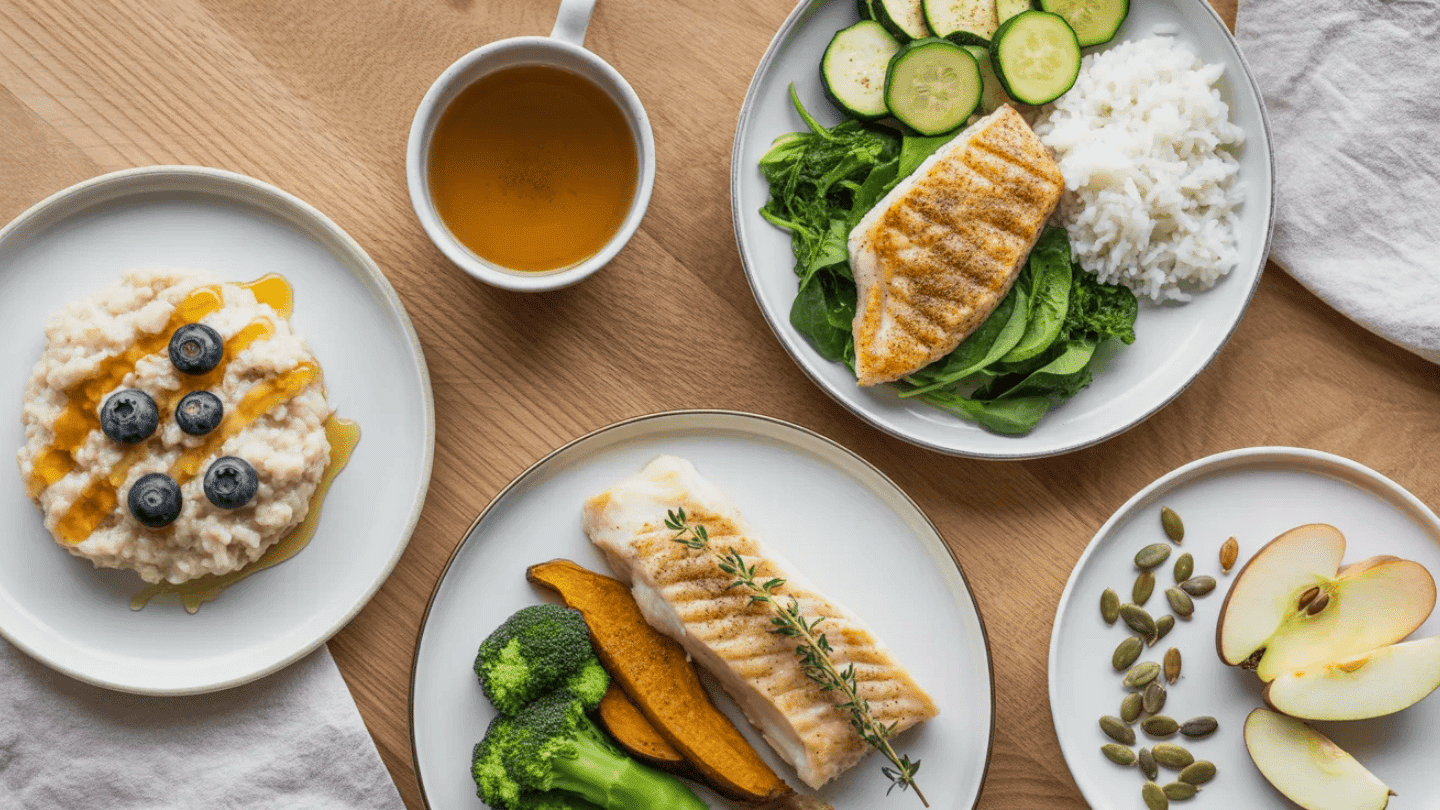
This is the simplest meal plan I recommend to anyone starting an elimination phase. Clarity matters more than variety here, and these meals deliver exactly that. A full day of safe, straightforward eating looks like this:
| Meal | Food | Beverage |
|---|---|---|
| Breakfast | Oatmeal with water or coconut milk, fresh blueberries, drizzle of honey | Chamomile or peppermint herbal tea |
| Lunch | Grilled chicken over mixed greens, olive oil, and sea salt, steamed zucchini, and white rice | Fresh water |
| Dinner | Baked cod or tilapia, roasted sweet potato, steamed broccoli, fresh thyme, and olive oil | Fresh water |
| Snack | Sliced apple with pumpkin seeds or rice cake with ghee | Herbal tea or fresh water |
Every item on this plan is intentionally fresh, mild, and easy to prepare. Simplicity is the strategy, and it works.
How to Transition to a Low-Histamine Diet
Start by removing the obvious triggers first: fermented foods, processed meats, alcohol, and canned goods. Do not overhaul everything at once, as it becomes hard to track what is actually causing symptoms. Take it one week at a time.
Cravings will show up, especially in the first two weeks. Having a go-to list of safe snacks nearby helps more than willpower alone.
Most people follow the elimination phase for four to six weeks before beginning reintroduction. When symptoms settle, add one food back at a time, wait two to three days, and see how the body responds. There is no universal timeline; it moves at your own pace.
The Bottom Line
Something I’ve seen come up again and again is people treating the low-histamine food list as a rulebook rather than a research tool.
The elimination phase creates clarity, reintroduction reveals personal triggers, and freshness often matters more than the food itself.
I’ve seen people assume their restrictions are permanent, when most can expand their diet significantly once they understand their own patterns. Tolerance is individual; what affects one person may not affect another at all.
The list is just a starting point. Track your responses, adjust as needed, and give yourself time. If this helped, bookmark it for reintroduction or drop your experience in the comments below.